Category: M
-
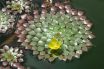
Mosaic
Non-homogeneous distribution of species or communities. An organism, part of which is made up of tissue genetically different from the remaining part. A pattern made up of many small segments. This phenomenon, known as foliar mosaicism, is characterized by the presence of multiple small spots with a distinct boundary that are noticeable due to their…
-
Morphology
External form and appearance of organisms or organs. The science of the form and structure of organisms (plants, animals, and other forms of life). First used in print by the poet Johann Wolfgang von Goethe, this word is utilized to refer to the form/structure of an organism or any of its parts. Shape and form…
-
Morphological
Based on shape and form. Relating to the configuration or the structure of live organs.
-
Montane
Pertaining to mountainous regions. Referring to mountainous regions, including the following zones: premontane 500–1500 m elevation, montane 1500–3500 m elevation. This may be divided into lower montane 1500–2500 m elevation, upper montane 2500–3500 m elevation, and above tree level.
-
Monstrous, monstrosity
Large aberrations or deviation in shape or structure of flowers or fruits that make these organs disfunctional.
-
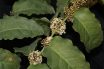
Monotypic
(Of genera) containing only one species; (Of family) containing only one genus.
-
Monothecous
With a single anther cell.
-
Monothecal
With a single anther cell.
-
Monotelic
(Of inflorescences) where each lateral branch ends in a flower.
-
Monosulcate
(Of pollen) with a single sulcus (furrow-like aperture).