Category: P
-
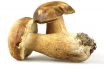
Porcini
The mushroom known as porcini is a swinish word: in Italian, porcini means piglets, a name that has been variously explained. Some say it alludes to the fat little stems of the fungus; others say that pigs were used to locate it in the wild; and still others say that slices of moist porcini, when…
-

Poppy seed
The red petals of the poppy were once used as a food colouring, but it is the seeds of the plant that are now used in cooking, especially sprinkled on bagels or mixed in with pastry fillings. The poppy takes its name from the Latin name for the plant, papaver, which English borrowed as popei…
-
Poor boy
The year 1952 is a momentous one in sandwich history. It was in that year the name poor boy was first bestowed upon a food product created by inserting meat and mixed pickles between two slices of bread. The result, a substantial sandwich that even “poor boys” could afford, caught on like hot cakes and…
-
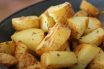
Pomme de terre
Many people who know the French name for the potato—pomme de terre, meaning apple of the earth—might not know that several English words have also derived from the French pomme. For example, the French pomme is the source of pomade, a drink made of pressed apples; the word pomade appeared at the end of the…
-
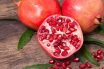
Pomegranate
The only edible part of the pomegranate is the red globule surrounding each of the seemingly innumerable seeds contained by the pulp and rind of the fruit. These seeds give the fruit its name, for pomegranate means apple filled with seeds, a name bestowed upon it by the ancient Romans, who originally called it, in…
-
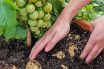
Pomato
Unlike the other “pom” words listed above and below, pomato has nothing to do with the French word pomme, meaning apple. Rather, a pomato is hybrid potato that resembles a tomato, and thus its name is compounded from the p of potato and the omato of tomato; both the name and the hybrid were invented…
-
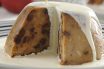
Plum-duff
Plum-duff, also known as spotted dick, is a plum-free dessert, as is plum-pudding. These dishes have such incongruous names probably because plums were originally included in their recipes, but were eventually replaced by currants and raisins. Although it may seem strange that the dishes were not renamed to reflect their changed ingredients, a long-established name…
-
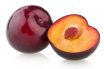
Plum
Not only are plums and prunes succulent and desiccated versions of the same fruit, their names are versions of the same word: they both derive from the Greek word for the fruit, proumnon, which became the Latin prunum before splitting into the Old English plume and into the Old French prune. When it emerged in…
-
Plonk
Cheap, bad-tasting wines are called plonk, a name that might seem to echo the sound of an empty wine bottle toppling over onto the half-eaten pizza it accompanied the night before. In fact, though, plonk has more highbrow origins: it appears to be a corruption of vin blanc, French for white wine. The transformation of…
-
Plate
When I was a child, I was amazed that what my parents usually called plates suddenly transformed into dishes if company came to dinner (and, just as magically, our cutlery became silverware, even though they were the same spoons, forks, and knives as always). The reason why dish, at least in my family, has a…