Category: S
-
Systolic pressure
The highest level to which arterial blood pressure rises, following the systolic ejection of blood from the left ventricle. Period of maximum arterial blood pressure. (Compare with Diastolic Pressure.) The high point of blood pressure which occurs during the systole. Systolic pressure is always higher than diastolic pressure. The higher figure in a measurement of…
-
Synarthrodial joint
All articulations in which bones are held together tightly by fibrous connective tissue in a nonmoveable fashion, i.e., sacroiliac.
-
Submaximal work
Workload performed below maximum heart rate; aerobic exercise is submaximal.
-
Striated muscle
Skeletal voluntary muscle that attaches to and moves the skeleton. The skeletal muscles. A type of muscle found in skeletal muscles whose movements are controlled by the central nervous system. One of three major types of muscle (the other two are smooth muscle and cardiac muscle); it makes up the major part of the body’s…
-
Strength
Maximum force or tension that a muscle or muscle group can produce against resistance. The ability of a muscle or muscle group to exert maximal force against a resistance in a single repetition. The amount of force a muscle produces when it contracts. The fact of being strong. The maximum force that can be generated…
-
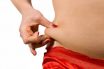
Spot reducing
A popular but false assumption that an individual can “burn” fat only in desired areas. Theory that claims that exercising a specific body part (for example, abdominal or midsection of the body) will result in significant fat reduction in that area. Contrary to popular opinion, spot reducing is not effective.
-
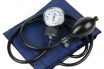
Sphygomanometer
Instrument used to measure arterial blood pressure.
-
Specificity of training
To improve muscular endurance and strength, applied resistance and range of motion must be specific to the muscle or muscle groups being worked; also applies to endurance training.
-
Smooth muscle
Involuntary muscles consisting of nonstriated, spindle shaped muscle cells, found in the walls of hollow viscera. The muscles found in the arteries, veins, and hollow organs such as the stomach. A type of muscle found in involuntary muscles. One of three major types of muscle in the body (the other two are striated muscle and…
-

Side stitch
Sharp pain in the side, thought to be caused by a spasm in the diaphragm, due to insufficient oxygen supply and improper breathing. Side stitch is pain that sometimes occurs on the side of the body just below the ribs during vigorous exercise. A variety of conditions may contribute to this spasm of the diaphragm-poor…