Mindblown: a blog about philosophy.
-
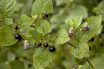
Belladonna
Source of atropine, valuable in treating eye diseases and spasms. External applications lessen local inflammation and pain. Should not be used without medical supervision. A poisonous anticholinergic plant. A poisonous plant with berries containing atropine. A form of atropine extracted from the belladonna plant. Plant (Atopa belladonna) from which certain medicines (alkaloids, e.g., atropine) are…
-
Yellow Bedstraw
Tops and roots are sources of yellow and red dyes. Decoction is useful for bladder and kidney complaints, and has the ability to curdle milk (hence its alternate name, cheese rennet).
-
Bears Breech
Stately ornamental thistle featuring handsome shiny leaves of unusual shape. Decoction of leaves was once recommended for gout, burns and scalds.
-
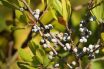
Bayberry
Aromatic shrub, native to the Canadian Maritimes. Astringent action of root bark abates diarrhea and hemorrhages; and as a gargle, soothes sore throat. Wax-covered berries are used to make aromatic candles and soap. Berries are boiled in water, liberating the wax, which floats on top.
-
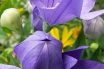
Balloon Flower
Interesting profuse blue flowers resemble balloons just before opening. Important herb of the Orient: cough remedy is prepared from the roots.
-
Avens
Infusion is used to treat diarrhea and indigestion. Also as an external application to wounds. Formerly used to add unique flavour to ale.
-
Cape Aloe
Attractive succulent from South Africa. Adapts well to home or greenhouse environment. Much used in Europe as a safe purgative. Cape Aloe also known as Aloe Ferox.
-
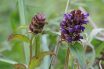
Allheal
As name suggests, infusion is effective medicine for most internal and external wounds due to its astringent action. Also as a gargle for sore throat.
-
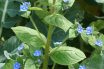
Alkanet
Root decoction has blood-cleansing action.
-
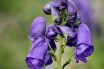
Aconite
Striking bright blue flowers borne on spikes. Recognized as a poison since antiquity, it was used to poison arrows. Contains aconitine, a useful sedative for many conditions. Not to be used without medical supervision. The dried roots of the herbaceous plant Aconitum napellus (monkshood of wolfbane), containing three analgesic substances: aconine, aconitine, and picraconitine .…
Got any book recommendations?