Mindblown: a blog about philosophy.
-
Celery
Celery juice blended with carrot and apple juice remedies poor appetite, as well as vitamin and mineral deficiency diseases. Leading ingredient in a host of 19th century patent medicines designed to treat what were vaguely described as nervous disorders. Numerous sarsaparillas were already on the market when the first celery-based product, Paine’s Celery Compound, was…
-
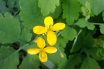
Celandine
The juice mixed with vinegar is said to remove warts and corns. It was once reputed to restore eyesight. Decoction is useful for stomach pains and inflammations of the bilary duct.
-
Catsfoot
Ameliorates the appetite for it stimulates bile flow, gastric juices and pancreatic secretions. Petite woolly rosettes of leaves resemble a cat’s foot.
-

Castor Bean
Oil extracted from seeds is a commonly used laxative effective for temporary constipation and acute diarrhea. Large tropical-looking foliage.
-

Camphor Tree
Handsome tree from which commercial camphor is obtained. Shiny, rich green leaves are highly aromatic. Interesting pot plant for sunny window or greenhouse.
-

Calendula
Flower petals give delicate flavour and strong colour to salads, omelettes and cheese, and is used as a saffron substitute for rice.
-
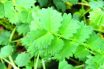
Salad Burnet
Nut-cucumber flavour of leaves is welcome in salads, soups, casseroles, herb vinegars and cream cheeses. Improves the skin if added to facial treatment.
-
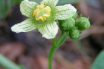
Bryony
Climber. Root is a powerful purgative, rarely used for this purpose due to its drastic action. Used in homeopathy for catarrhal and rheumatic complaints. All parts are poisonous.
-
Dyer’s Broom
Since earliest times used to dye wool bright yellow. Formerly recommended for gout and rheumatism.
-
Bittersweet
Shrubby climber. Mostly used for external afflictions. Ointment made with chamomile is effective for swellings, bruises, sprains and corns. Combined with curled dock it helps skin diseases.
Got any book recommendations?