Mindblown: a blog about philosophy.
-
Net quantity of contents
The statement on the labei which provides the amount of food in the container or pack- age. It is placed as a distinct item in the bottom 30% of the PDP in lines generally parallel with the base of the container. The net contents statement must show the net contents in both Metric and CJ.S.…
-
Natural foods
Term describing foods which are grown without chemical fertilizers or pesticides. Also, foods in the preparation of which no synthetic preservatives are used. Any food that is minimally processed and contains no artificial ingredients.
-
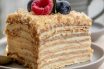
Napoleon
Layers of puff pastry filled with custard or pastry cream. Puff pastry baked into a rectangular shape measuring three by five inches, subsequently sliced lengthwise into four sections, which are then spread apart and reassembled, with a filling of custard cream in between. The top is coated with a glaze of confectioner’s sugar and butter.…
-
Nanogram
One-billionth of a gram. 10-9 gram, or 3.527 x 10⁻¹¹ ounce (avoirdupoir).
-
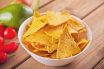
Nacho
A very hot spicy condiment or flavoring.
-
Mylar
A polyester resin used in food packaging.
-
Mycelium
A microscopic thread like filament, a part of the mold. Mass of hyphae making up the main growing body of a fungus; typically embedded in soil, wood, etc. A mass of hyphae or fungus filaments; the assimilative portion of a fungus that is obtaining nutrients. A collective term applied to a mass of hyphae. A…
-
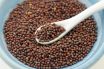
Mustard
An annual vegetable related to the turnip. The seeds are used whole, ground or powdered and used as a condiment. Although the mustard you put on a hamburger is made from the mustard plant, it was the condiment, not the plant, that was originally named mustard. The condiment acquired its name because it was made…
-
Must
Crushed fruit or juice ready for fermentation. The unfermented juice derived from grapes, consumed in the moments preceding and during the fermentation procedure that is essential in generating wine.
-
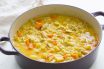
Mulligatawny
Thick soup of Indian origin with curry. This spicy soup, native to India but adopted by the English and then especially by the Australians, takes its name from milagutannir, a Tamil phrase meaning pepper-water. Mulligatawny appeared in English in the late eighteenth century, which is why some etymologists have proposed that mulligan stew, which appeared…
Got any book recommendations?