Mindblown: a blog about philosophy.
-
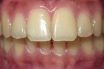
Thin periodontal biotype
Periodontal biotype characterized by a thin periodontal tissue at the facial aspect of teeth or oral implants. This biotype is prone to gingival recession following mechanical or surgical manipulation.
-
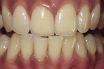
Thick periodontal biotype
Periodontal biotype characterized by a thick and wide keratinized tissue at the facial aspect of teeth and oral implants. This biotype is prone to pocket formation instead of gingival recession in the presence of periodontal disease.
-
Periodontal biotype
Categorization determined by variable biologic or physiologic characteristics of periodontal tissue. To evaluate the periodontal biotype, a periodontal probe can be placed at the facial aspect of the periodontal (or periimplant) sulcus. It is categorized as thin if the outline of the underlying probe can be seen through the gingiva or mucosa, or thick if…
-
Periodontal abscess
Pus‐producing infection of any periodontal tissue that usually involves the bone and soft tissue surrounding a tooth.
-
Intrabony (infrabony) defects
A periodontal defect surrounded by two or three bony walls or a combination of these.
-
Hemiseptal defects
A vertical defect in the presence of adjacent roots; thus half of a septum remains on one tooth.
-
Furcation invasion
Pathologic resorption of bone within a furcation.
-
Funnel shaped defects
An intrabony resorptive lesion involving one or more surfaces of supporting bone; may appear moat‐like.
-
Crater defects
A cup‐ or bowl‐shaped defect in the interalveolar bone with bone loss nearly equal on the contiguous roots. The facial and lingual palatal walls may be of unequal height. A type of intrabony defect, a crater also may be classified by the number of bony walls (i.e., one‐, two‐, or three‐walled); combination defects also exist.…
-
Circumferential defects
A vertical defect that includes more than one surface of a tooth, e.g., a vertical defect that includes the mesial and lingual surfaces of a tooth.
Got any book recommendations?