
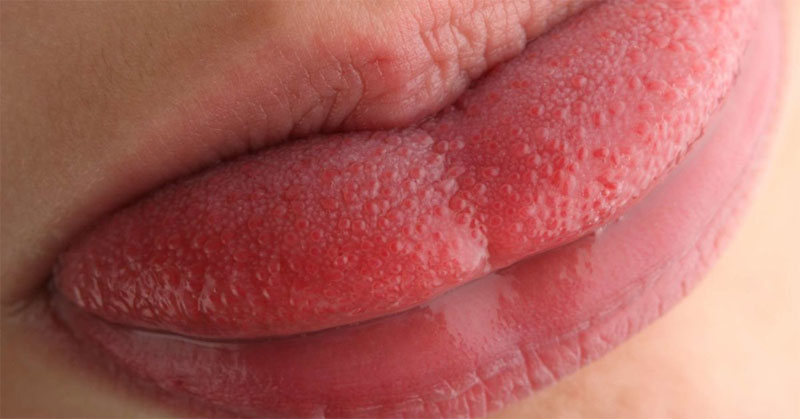
 Receptors found in the mouth.
The receptor organs for taste.
A tiny sensory receptor in the vallate and fungiform papillae of the tongue and in part of the back of the mouth.
Sensory cells on the surface of the tongue, soft palate, cheeks, and throat.
Any of numerous special sensory nerve endings located on the tongue and roof of the mouth that respond to different materials, triggering impulses conducted to the taste centers in the brain; also called gustatory organ.
The sensory receptors concerned with the sense of taste. They are located in the epithelium that covers the surface of the tongue, lying in the grooves around the papillae, particularly the circumvallate papillae. Taste buds are also present in the soft palate, the epiglottis, and parts of the pharynx. When a taste cell is stimulated by the presence of a dissolved substance impulses are sent via nerve fibers to the brain. From the anterior two-thirds of the tongue impulses pass via the facial nerve. The taste buds in the posterior third of the tongue send impulses via the glossopharyngeal nerve.
Any of the primary sensory cells that are found mainly on the margins and the back of the tongue and respond to a range of chemicals introduced into the mouth. Sensory cells of the taste buds live for approx. 10 days and are then replaced from basal stem cells.
Among the 10,000 specialized structures found primarily on the tongue, along with some located at the rear of the throat and on the palate, each bud holds around 50 sensory receptor cells. These buds are equipped with minuscule taste hairs that react to food and beverages.
Taste buds situated across various regions of the tongue detect the fundamental five tastes: bitter, sour, salty, sweet, and umami.