

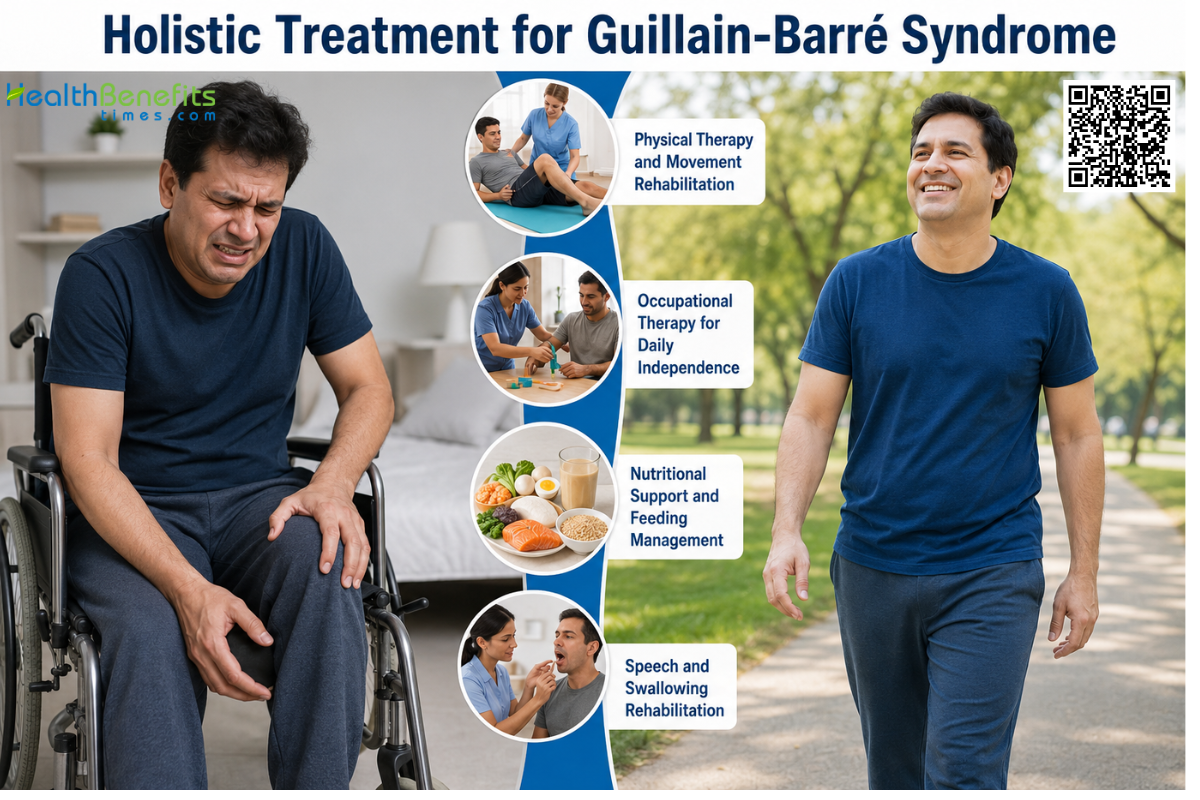
Causes of Guillain-Barré Syndrome
1. Bacterial Digestive Infections
The most common known trigger is a digestive infection caused by the bacteria Campylobacter jejuni. This infection typically causes diarrhea, is often contracted from eating undercooked poultry, and usually occurs weeks before nerve weakness begins 1.
2. Respiratory Viruses
Viral illnesses that affect the lungs and breathing airways are major triggers. The influenza (flu) virus frequently precedes the condition, and the virus responsible for COVID-19 has also been identified as a recent cause 2.
3. Other Viral Infections
Several other common viruses can confuse the immune system and lead to the disease. These include the Epstein-Barr virus (which causes mononucleosis), Cytomegalovirus (a common virus related to the herpes family), and the mosquito-borne Zika virus 3.
4. Surgeries and Physical Trauma
In rare instances, the immune system’s response to the intense physical stress of a major surgery or significant trauma can trigger the condition, though this is far less common than infectious causes 4.
5. Vaccinations
On extremely rare occasions, individuals have developed the syndrome days or weeks after receiving certain vaccines. However, global health institutions emphasize that the risk of developing the condition from a severe illness like the flu is significantly higher than the risk from the vaccine itself.
Symptoms of Guillain-Barré Syndrome
1. Progressive Muscle Weakness
The most prominent symptom is a spreading weakness that typically begins in both legs and gradually moves upward into the arms and upper body. In severe instances, this rapid weakness can progress to total muscle paralysis 5.
2. Tingling and Numbness
Individuals frequently experience altered sensations, such as “pins and needles” or tingling, which usually start in the toes and fingers before spreading to other regions of the body 5.
3. Loss of Reflexes
A defining clinical feature of the condition is the reduction or complete loss of normal, automatic deep tendon reflexes, such as the knee-jerk reaction, due to peripheral nerve damage .
4. Severe Pain
Many affected individuals experience intense, aching, or cramp-like nerve and back pain, which often becomes significantly worse during the night 6.
5. Facial and Swallowing Difficulties
As nerve damage advances upward, it can weaken the muscles of the face and throat, causing significant difficulty with making facial expressions, speaking, chewing, and swallowing 7.
6. Autonomic System Disruptions
The condition can impair the nerves responsible for automatic bodily functions, resulting in dangerous fluctuations in blood pressure, irregular heart rhythms, and sudden loss of bowel or bladder control .
7. Breathing Difficulties
In the most critical, life-threatening cases, the weakness reaches the muscles of the chest and diaphragm, leading to respiratory failure and making it impossible to breathe without a mechanical ventilator.
Holistic Treatment for Guillain-Barré Syndrome
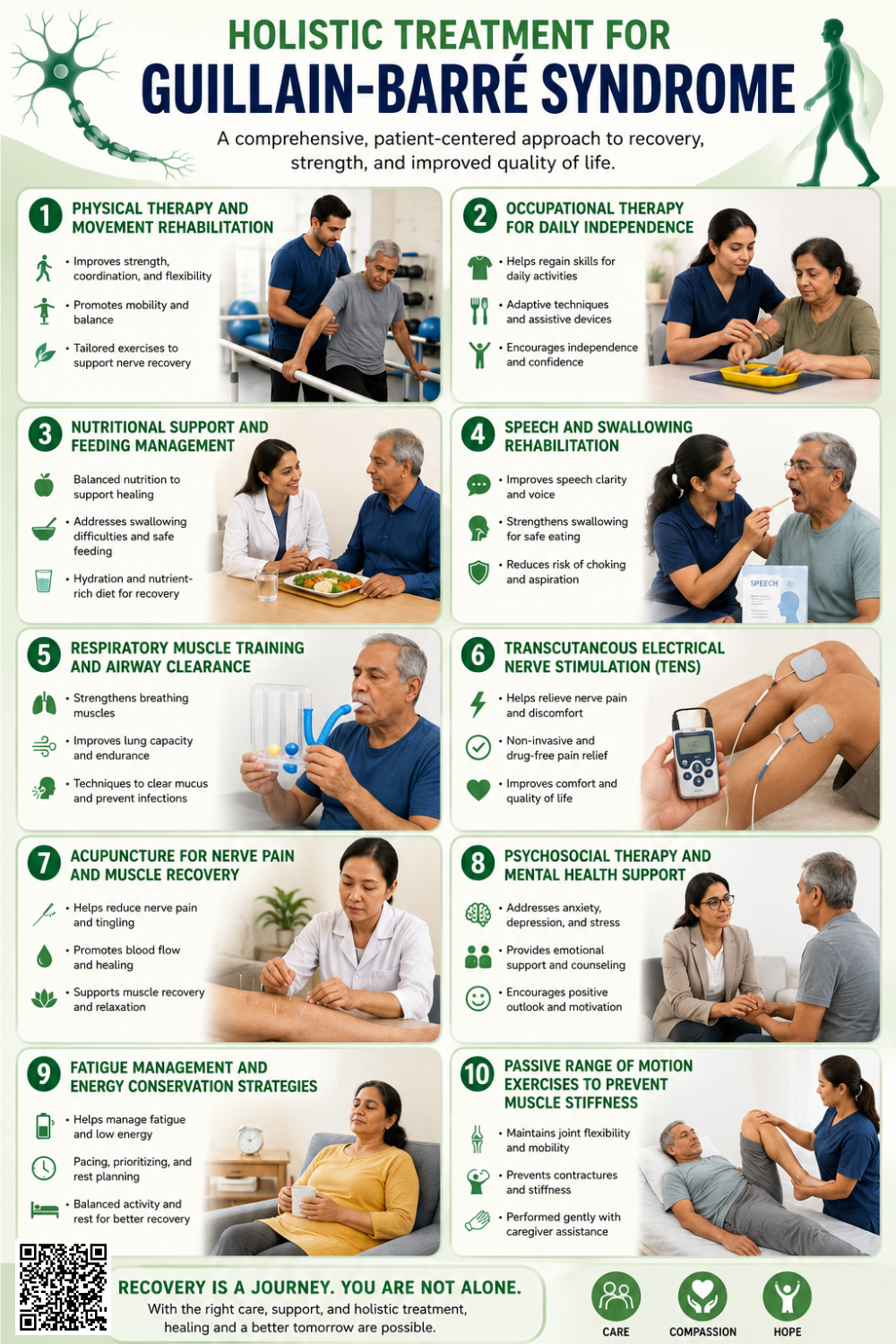
1. Physical Therapy and Movement Rehabilitation
How It May Help
Physical therapy helps individuals regain muscle strength and coordination after nerve damage. It involves targeted exercises that prevent severe joint stiffness and muscle shrinking during periods of prolonged bed rest . This structured movement trains the nervous system to communicate effectively again, promoting a faster return to independent living.
What Research Says
Clinical studies conclude that structured rehabilitation significantly improves mobility and reduces long-term disability in recovering patients . Research emphasizes that starting movement therapy as soon as the patient stabilizes leads to better functional independence and significantly lower fatigue levels during recovery 8.
How to Use It Safely
Work closely with a licensed physical therapist who understands nerve disorders. Start with gentle, assisted movements and slowly increase your effort only as your strength returns. Do not push yourself to extreme exhaustion, as overworking weakened muscles can delay your overall nerve recovery .
Potential Precautions or Side Effects
The primary risk is overexertion weakness, where intense exercise damages recovering nerves . You may also experience temporary muscle soreness, mild joint pain, or increased physical fatigue after sessions.
2. Occupational Therapy for Daily Independence
How It May Help
Occupational therapy focuses on helping recovering individuals safely perform daily activities like eating, dressing, and bathing. Therapists introduce specialized adaptive tools and teach new movement strategies to compensate for lingering hand and arm weakness . This functional retraining builds the practical skills needed to return to home life.
What Research Says
Clinical guidelines confirm that early and consistent occupational therapy significantly improves long-term functional recovery and patient quality of life . Studies demonstrate that patients who receive structured daily living training achieve greater independence and require much less long-term caregiver assistance than those who do not.
How to Use It Safely
Work with a certified occupational therapist to create a personalized recovery plan. You should pace your daily activities and use recommended assistive devices to avoid straining your muscles. Always communicate your fatigue levels, ensuring tasks are adapted to your current limits .
Potential Precautions or Side Effects
The primary risk is severe exhaustion or joint pain from attempting complex tasks too quickly. Pushing past your physical limits can temporarily worsen muscle weakness and delay nerve healing.
3. Nutritional Support and Feeding Management
How It May Help
Proper nutrition is vital for healing during severe neurological illnesses. Targeted feeding management ensures the body receives the essential proteins required for nerve repair when throat weakness makes normal eating impossible . It sustains critical energy levels necessary for enduring long periods of physical rehabilitation.
What Research Says
Clinical studies indicate that affected individuals experience rapid muscle loss and high energy demands during the acute phase of the illness 9. Evidence confirms that early nutritional intervention, often requiring temporary tube feeding to guarantee adequate caloric intake, significantly reduces overall recovery time and prevents severe malnutrition .
How to Use It Safely
Consult a clinical dietitian and a speech therapist to assess your swallowing abilities safely. You should transition to soft foods or thickened liquids if chewing becomes difficult. If swallowing remains unsafe, you must rely on supervised medical tube feeding to meet your daily nutritional requirements .
Potential Precautions or Side Effects
The greatest risk is inhaling food or liquids into the lungs, which causes dangerous respiratory infections . Medical tube feeding may also occasionally cause minor digestive discomfort or localized infections.
How It May Help
Speech and swallowing rehabilitation focuses on retraining the weakened muscles of the mouth, throat, and face. Therapists use specific exercises to improve vocal clarity and rebuild the coordination necessary for safe swallowing . This targeted therapy prevents malnutrition and restores the ability to communicate effectively during recovery.
What Research Says
Clinical evidence shows that severe nerve damage frequently causes swallowing disorders in affected individuals . Studies confirm that starting swallowing therapy early significantly lowers the risk of severe lung infections caused by inhaling food or liquid, ultimately reducing the need for prolonged hospital care and feeding tubes.
How to Use It Safely
Work exclusively with a certified speech-language pathologist. You should practice recommended throat exercises and modify your diet exactly as instructed, such as using thickened liquids or soft foods. Always sit upright while eating and communicating to ensure your airway remains clear and protected .
Potential Precautions or Side Effects
The main risk is choking or inhaling food into your lungs if diet modifications are ignored. You might also experience mild throat muscle fatigue from the new exercises.
5. Respiratory Muscle Training and Airway Clearance
How It May Help
Respiratory muscle training and airway clearance techniques strengthen the diaphragm and help remove excess mucus when chest muscles are too weak to cough effectively. These targeted interventions prevent severe lung infections, support independent breathing, and aid in the safe removal of mechanical ventilators during the healing process.
What Research Says
Clinical studies indicate that proactive respiratory management significantly reduces the rate of severe pulmonary complications in patients with acute neuromuscular disorders like Guillain-Barré syndrome 10. Evidence supports that consistent airway clearance techniques lower the need for prolonged intensive care and improve overall survival rates during recovery.
How to Use It Safely
You should always practice these techniques under the strict supervision of a licensed respiratory therapist. Your medical team must continuously monitor your vital signs during treatment. Begin with gentle exercises and slowly increase the intensity to match your lung capacity without straining your recovering chest muscles.
Potential Precautions or Side Effects
Sudden lung pressure changes from clearance devices can trigger dangerous heart rhythm abnormalities or blood pressure drops 11. Overtraining may cause extreme dizziness, shortness of breath, and severe fatigue.
6. Transcutaneous Electrical Nerve Stimulation (TENS)
How It May Help
Transcutaneous Electrical Nerve Stimulation (TENS) uses mild electrical currents delivered through skin pads to block pain signals from reaching the brain 12. This non-invasive therapy helps manage the severe nerve and muscle aching common in Guillain-Barré syndrome, reducing reliance on strong medications and improving comfort during rehabilitation 13.
What Research Says
Clinical studies conclude that TENS effectively reduces acute nerve pain and muscle spasms associated with peripheral nerve damage 14. Research indicates that incorporating electrical stimulation into a broader recovery plan significantly lowers overall pain intensity and improves the quality of life for individuals recovering from severe neurological conditions .
How to Use It Safely
Work closely with a physical therapist to determine the correct device settings and pad placements. You should start with the lowest intensity and only increase it until you feel a gentle tingling sensation. Never place the electrodes over your spine, heart, or front of your neck.
Potential Precautions or Side Effects
The most common side effect is mild skin irritation beneath the adhesive pads. You must not use this therapy if you have a pacemaker or implanted defibrillator.
7. Acupuncture for Nerve Pain and Muscle Recovery
How It May Help
Acupuncture involves inserting very thin needles into specific body points to stimulate the nervous system. For individuals recovering from nerve damage, this technique increases blood flow to affected areas and triggers the release of natural pain-relieving chemicals 15. This stimulation promotes muscle relaxation and supports peripheral nerve healing.
What Research Says
Clinical studies suggest that acupuncture, when combined with standard rehabilitation, improves muscle strength and accelerates nerve recovery in autoimmune neuropathies 16. Research concludes that this targeted therapy effectively reduces the severity of lingering nerve pain and muscle stiffness, significantly enhancing functional mobility during the recovery phase.
How to Use It Safely
You should only receive treatment from a licensed, certified acupuncturist experienced with severe neurological conditions. Before starting sessions, consult your primary neurologist to ensure your immune system is stable enough for the procedure and that there are no bleeding risks from your current medications .
Potential Precautions or Side Effects
Common side effects include minor bruising, slight bleeding, or temporary soreness at the needle insertion sites. Severe risks, such as infections, are extremely rare when providers use sterile, single-use needles.
8. Psychosocial Therapy and Mental Health Support
How It May Help
Psychosocial therapy provides coping strategies for the severe anxiety and depression that often accompany sudden paralysis. Counseling helps individuals process the emotional trauma of the illness, rebuild self-esteem, and maintain the motivation necessary to participate consistently in long-term physical rehabilitation programs 17.
What Research Says
Clinical studies confirm that recovering individuals frequently experience post-traumatic stress and depression. Research indicates that integrating structured psychological and behavioral therapy into standard neuromuscular rehabilitation significantly improves patient compliance, accelerates overall muscle function recovery, and enhances daily functional independence 18.
How to Use It Safely
Work with a licensed clinical psychologist who specializes in chronic illness recovery. You should integrate therapy sessions into your routine at a pace that avoids increasing your physical exhaustion. Communicate your emotional struggles openly to ensure the treatment plan addresses your specific fears.
Potential Precautions or Side Effects
Discussing traumatic health experiences can temporarily increase feelings of sadness or anxiety. You must never replace prescribed physical rehabilitation or medical treatments with psychological therapy alone.
9. Fatigue Management and Energy Conservation Strategies
How It May Help
Energy conservation strategies help manage the severe, persistent exhaustion common during neurological recovery . By carefully pacing daily activities and scheduling frequent rest periods, individuals prevent overworking their healing peripheral nerves. This structured approach maximizes available energy for essential rehabilitation exercises without triggering physical setbacks.
What Research Says
Clinical studies identify severe fatigue as one of the most disabling and persistent symptoms following nerve injury 19. Research confirms that implementing structured energy conservation programs significantly reduces daily exhaustion levels and improves overall physical endurance, allowing patients to participate more effectively in long-term rehabilitation .
How to Use It Safely
Work with an occupational therapist to develop a personalized activity schedule. You should break demanding tasks into smaller steps and prioritize essential activities. Always schedule mandatory rest periods before you feel exhausted, and use assistive devices to reduce the physical effort required for movement .
Potential Precautions or Side Effects
The primary risk is excessive rest, which causes further muscle deconditioning. Conversely, you must strictly avoid pushing past your energy limits, as overexertion actively delays nerve recovery .
10. Passive Range of Motion Exercises to Prevent Muscle Stiffness
How It May Help
Passive range of motion exercises involve a caregiver or therapist moving an individual’s paralyzed limbs through their natural anatomical limits. This gentle manipulation preserves joint flexibility, prevents permanent muscle shortening, and maintains vital blood circulation when voluntary movement is impossible due to severe nerve blockages .
What Research Says
Clinical guidelines emphasize that initiating passive movements immediately upon hospital admission significantly reduces the incidence of severe joint stiffness and painful deep vein blood clots . Studies confirm that consistent daily stretching is essential for preserving structural integrity until peripheral nerve function slowly returns .
How to Use It Safely
You must have a licensed physical therapist demonstrate the precise techniques before attempting these movements. Support the affected joints firmly and move the limb slowly. Stop immediately if you feel unnatural resistance, as forcing a stiff joint can tear delicate muscle tissues .
Potential Precautions or Side Effects
The primary risk is tearing muscles or dislocating joints if pushed past natural resistance. Improper handling may also cause minor bruising or temporary joint pain .
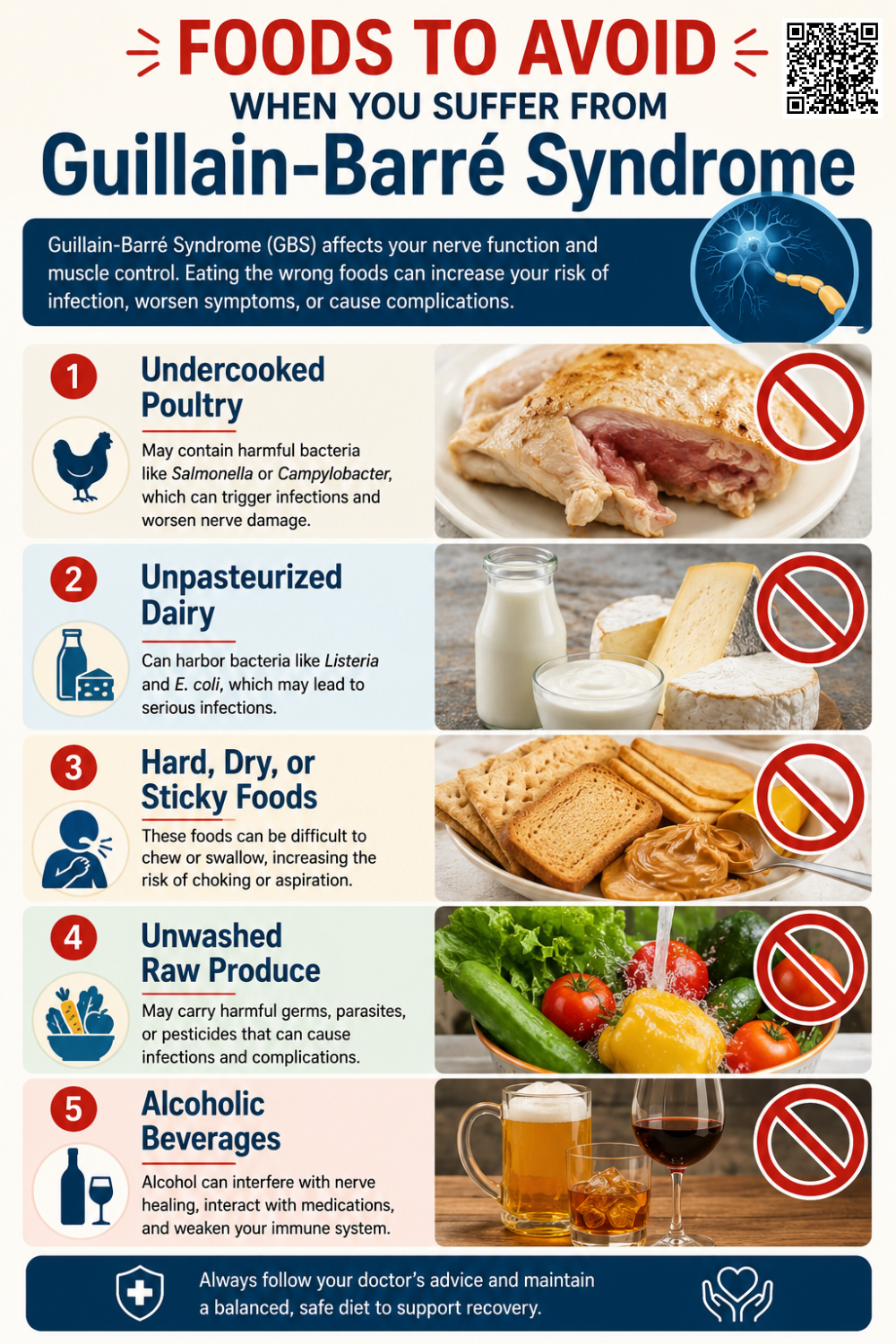
1. Undercooked Poultry
Raw or undercooked poultry is the primary source of Campylobacter jejuni, a major bacterial trigger. Avoiding it prevents dangerous secondary infections and severe immune reactions 5.
2. Unpasteurized Dairy
Raw milk frequently harbors dangerous bacteria, including Campylobacter. Consuming unpasteurized dairy significantly increases the risk of gastrointestinal infections that overwhelm an active immune system 20.
3. Hard, Dry, or Sticky Foods
Muscle weakness often causes severe swallowing difficulties. You should strictly avoid hard, dry, or sticky foods that increase the risk of choking or inhaling food into your lungs .
4. Unwashed Raw Produce
Unwashed fresh produce carries a high risk of bacterial contamination. Preventing new digestive infections is critical to avoid triggering further abnormal immune system responses 21.
5. Alcoholic Beverages
Alcohol has a direct toxic effect on peripheral nerves. You must avoid alcoholic beverages because they actively damage nerve tissue and severely delay physical recovery 22.
When to See a Doctor When You Suffer From Guillain-Barré Syndrome
1. Rapidly Spreading Weakness
If you experience tingling or muscle weakness that starts in your toes and rapidly spreads upward into your arms, seek immediate medical evaluation .
2. Breathing Difficulties
You must go to an emergency room immediately if you develop shortness of breath or feel unable to take a full breath while resting.
3. Swallowing or Speech Issues
Seek urgent care if you begin choking on saliva, have trouble swallowing, or notice sudden difficulty speaking clearly and forming facial expressions .
4. Loss of Bodily Control
You require immediate medical intervention if you suddenly lose the ability to control your bladder or bowel movements, which indicates severe nerve impairment .
5. Severe Dizziness or Fainting
Get emergency help if you experience extreme dizziness when standing, fainting spells, or an irregular heartbeat, as these signal dangerous automatic nervous system failures.
Comments
comments