

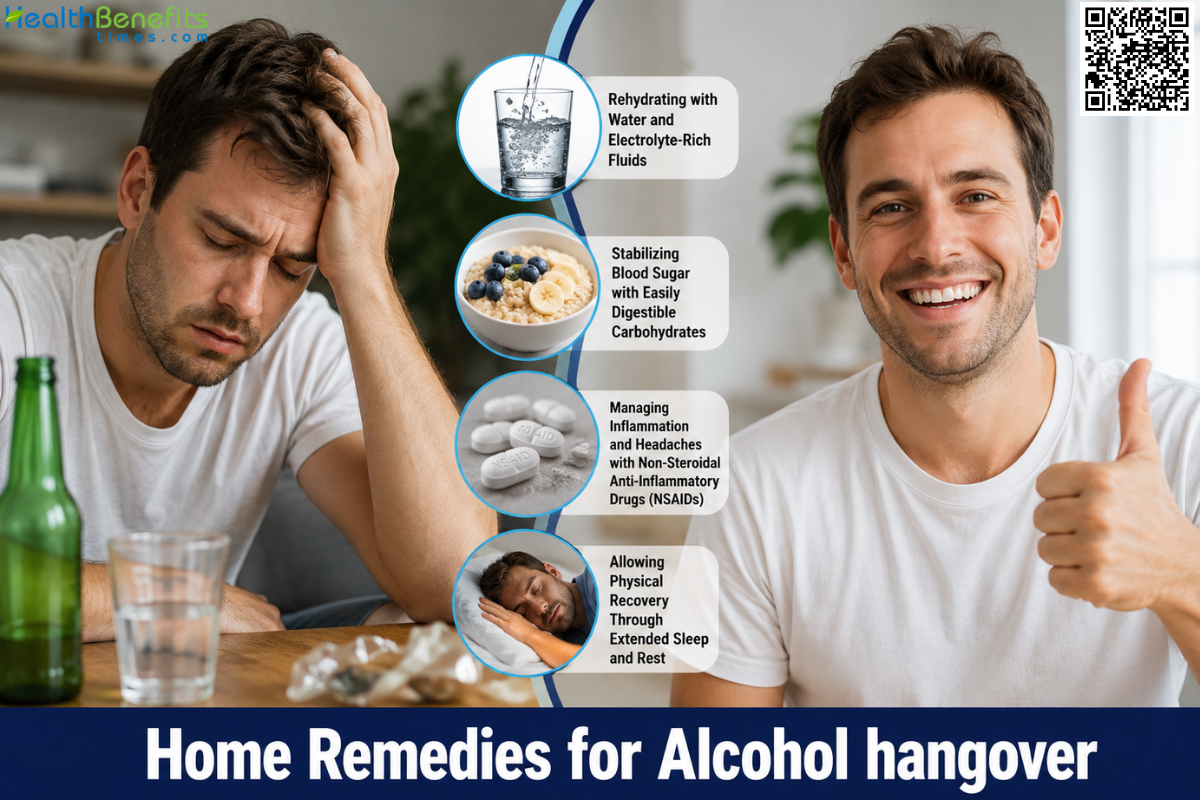
Causes of Alcohol hangover
1. Dehydration and Fluid Imbalance
Alcohol acts as a diuretic by suppressing the release of vasopressin, a hormone that normally helps the body retain water. This suppression forces the kidneys to flush out fluids at an accelerated rate, leading to severe dehydration, increased thirst, and headaches 3.
2. Toxic Byproducts of Metabolism
As the liver processes alcohol, it breaks the substance down into a highly toxic and inflammatory compound called acetaldehyde. Before the body can clear it, the temporary buildup of acetaldehyde causes cellular damage, rapid heartbeat, sweating, and widespread tissue inflammation.
3. Immune System Activation
Heavy alcohol consumption triggers a systemic immune response, prompting the body to release inflammatory proteins known as cytokines. High concentrations of these proteins are directly responsible for causing muscle aches, severe fatigue, memory disruption, and an inability to concentrate.
4. Gastrointestinal Irritation
Alcohol directly inflames the protective lining of the stomach and stimulates the overproduction of gastric acid. This harsh chemical irritation also delays the normal emptying of the stomach, which frequently results in abdominal pain, intense nausea, and vomiting.
5. Sleep Disruption
Although alcohol has a sedative effect that causes individuals to fall asleep quickly, it heavily fragments the sleep cycle and blocks the restorative rapid eye movement (REM) stage of sleep. This severe decline in sleep quality prevents physical recovery and causes profound daytime exhaustion.
6. Exposure to Congeners
Many alcoholic beverages contain complex, toxic chemical byproducts called congeners, which are naturally generated during the fermentation and aging process. Darker beverages with high congener concentrations, such as bourbon, brandy, and red wine, consistently cause more severe and prolonged hangover symptoms compared to clear liquors like vodka.
7. Blood Sugar Fluctuations
The processing of alcohol forces the liver to prioritize toxin removal over its normal role of regulating glucose levels. This metabolic disruption can cause blood sugar levels to fall, leading to physical weakness, shakiness, and mood disturbances during the hangover period.
Symptoms of Alcohol hangover
1. Intense Headaches and Muscle Aches
These physical pain symptoms occur because alcohol causes dehydration and expands blood vessels, while simultaneously triggering a widespread inflammatory response from the immune system.
2. Profound Fatigue and Weakness
Even if an individual sleeps for many hours after drinking, the sleep cycle is heavily fragmented and lacks restorative stages, resulting in severe physical exhaustion the following day.
3. Nausea, Vomiting, and Stomach Pain
Alcohol chemically irritates the protective lining of the stomach and abnormally increases the release of gastric acid, which causes significant digestive distress and delayed stomach emptying .
4. Excessive Thirst and Dry Mouth
Because alcohol suppresses the hormones responsible for water retention, the body loses large amounts of fluid through increased urination, directly causing cellular dehydration and persistent thirst .
5. Heightened Sensitivity to Light and Sound
The central nervous system becomes abnormally overactive and highly sensitive to external stimuli as the brain begins to experience mild, temporary withdrawal from the depressant effects of alcohol.
6. Dizziness and Shakiness
Physical tremors and sudden sensations of spinning frequently result from a combination of untreated dehydration, disturbances to the balance-regulating fluids in the inner ear, and sudden drops in blood sugar levels.
7. Anxiety and Mood Disturbances
As the brain attempts to restore its normal chemical balance after the sedative effects of alcohol wear off, individuals often experience sudden irritability, feelings of intense unease (commonly called “hangxiety”), and a severe inability to concentrate.
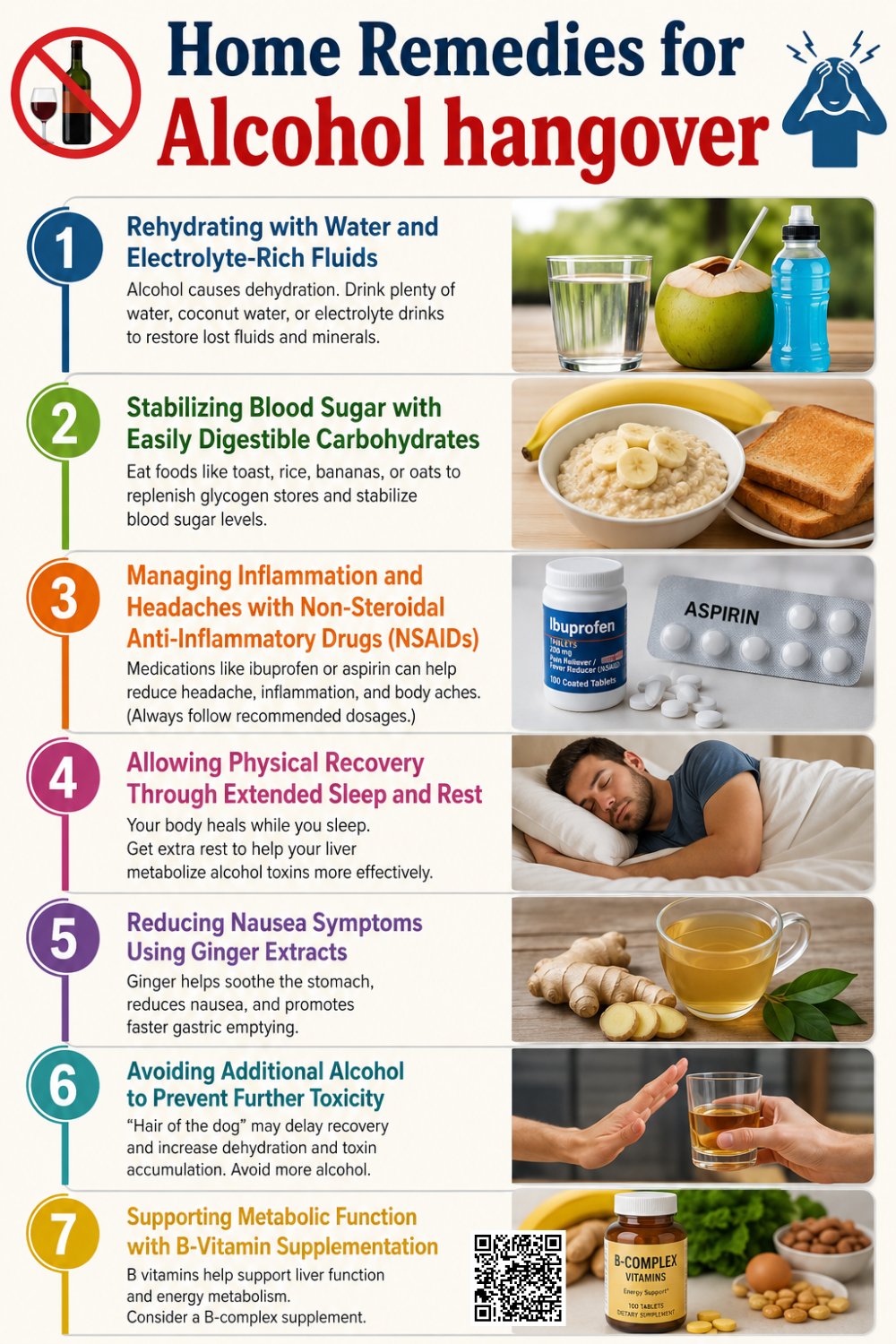
1. Rehydrating with Water and Electrolyte-Rich Fluids
How it may help
Alcohol forces the kidneys to increase urine output, leading to severe fluid loss and chemical imbalances. Consuming water and electrolyte-rich fluids restores hydration and replaces essential minerals like sodium and potassium. This process directly relieves dehydration-induced symptoms, including intense headaches, dry mouth, and dizziness.
What research says
Clinical evidence confirms that alcohol suppresses hormones that retain water, causing excessive fluid loss. Research concludes that while hydration cannot completely cure a hangover, restoring fluid and electrolyte balance is biologically necessary to resolve the physical deficits caused by dehydration and improve overall recovery.
How to use it safely
To safely rehydrate, you should drink water or electrolyte solutions steadily throughout the day rather than consuming large amounts at once. Prioritize standard oral rehydration salts, clear broths, or diluted sports drinks to efficiently replace the sodium and potassium lost during heavy urination 4.
Potential precautions or side effects
Avoid consuming massive amounts of plain water too rapidly, as this can dangerously dilute blood sodium. Limit heavily caffeinated or overly sugary drinks, which may worsen stomach irritation.
2. Stabilizing Blood Sugar with Easily Digestible Carbohydrates
How it may help
Alcohol metabolism forces the liver to prioritize processing toxins over producing new glucose, which frequently leads to low blood sugar. Consuming easily digestible carbohydrates like bland toast restores depleted glucose levels, directly relieving hangover-related fatigue, weakness, shakiness, and mood disturbances without aggravating an already sensitive stomach.
What research says
Scientific research indicates that alcohol metabolism significantly inhibits the liver’s ability to produce glucose. Clinical reviews confirm that this metabolic disruption exhausts stored glucose reserves, causing periods of low blood sugar that directly contribute to the profound physical weakness and cognitive fatigue experienced during the hangover period.
How to use it safely
To safely stabilize your blood sugar, you should eat small, frequent portions of bland carbohydrates like plain toast, crackers, or oatmeal. Avoid eating heavy, greasy meals or excessive amounts of refined sugar, which can trigger severe nausea or cause your blood sugar levels to sharply spike and crash.
Potential precautions or side effects
Individuals with diabetes must strictly monitor their glucose levels, as alcohol metabolism combined with dietary carbohydrates can cause unpredictable and dangerous fluctuations in overall blood sugar control 5.
3. Managing Inflammation and Headaches with Non-Steroidal Anti-Inflammatory Drugs (NSAIDs)
How it may help
Non-steroidal anti-inflammatory drugs, such as ibuprofen or naproxen, relieve the physical pain associated with hangovers. Because alcohol consumption triggers widespread inflammation and expands blood vessels, these medications specifically block the chemical signals that cause pounding headaches and severe muscle aches, providing direct symptom relief.
What research says
Clinical research demonstrates that alcohol metabolism directly triggers the release of inflammatory proteins and prostaglandins, which cause physical pain. Studies confirm that NSAIDs effectively block these specific inflammatory pathways, significantly reducing hangover headache severity, though they do not accelerate the clearance of alcohol from the body.
How to use it safely
To safely manage a headache, you should take the standard over-the-counter dose of an NSAID like ibuprofen only when necessary. Always consume these medications with a small amount of food and plenty of water to protect your already irritated stomach lining from further damage.
Potential precautions or side effects
NSAIDs can severely irritate the stomach lining and cause bleeding. Never use acetaminophen to treat a hangover, as combining it with lingering alcohol causes severe, potentially fatal liver damage.
4. Allowing Physical Recovery Through Extended Sleep and Rest
How it may help
Alcohol significantly disrupts the normal sleep cycle, preventing restorative rest and causing profound physical exhaustion. Prioritizing extended sleep allows the central nervous system to recover while giving the liver the necessary time to fully process and eliminate the lingering toxic byproducts of alcohol metabolism.
What research says
Clinical studies confirm that although alcohol initially initiates sleep, it heavily fragments sleep architecture and suppresses restorative rapid eye movement (REM) stages. Research concludes that while extended rest cannot accelerate alcohol clearance, it effectively mitigates the severe cognitive and physical fatigue associated with hangovers.
How to use it safely
To recover safely, you should clear your schedule and rest in a dark, quiet environment. Keep a glass of water nearby to maintain hydration upon waking. Never combine lingering alcohol in your system with over-the-counter sleep aids, as this combination causes dangerous respiratory suppression .
Potential precautions or side effects
Sleeping for excessive durations may temporarily disrupt your regular nighttime sleep schedule. Ensure you briefly wake up to consume fluids, preventing severe dehydration from worsening while you rest.
5. Reducing Nausea Symptoms Using Ginger Extracts
How it may help
Alcohol directly irritates the stomach lining and slows digestion, causing severe nausea and vomiting. Ginger contains natural chemical compounds that calm the digestive tract and accelerate stomach emptying. By blocking specific nerve signals in the gut, ginger extracts directly reduce the intense physical feeling of nausea and settle an irritated stomach 6.
What research says
Clinical trials consistently demonstrate that the active biological compounds in ginger, such as gingerols, effectively block serotonin receptors in the stomach responsible for triggering nausea. Research concludes that ginger acts as a reliable antiemetic, significantly reducing severe nausea and vomiting without causing the excessive drowsiness associated with common pharmaceutical anti-nausea medications.
How to use it safely
To safely ease stomach discomfort, you should steep fresh ginger root in hot water to create a soothing tea, or take standardized ginger extract capsules. Consume it in small, gradual amounts throughout the day to settle your stomach without triggering further gastric irritation 7.
Potential precautions or side effects
Consuming excessive amounts of ginger may cause mild heartburn, gas, or mouth irritation. Individuals taking blood-thinning medications should avoid highly concentrated ginger supplements due to a mild increased bleeding risk.
6. Avoiding Additional Alcohol to Prevent Further Toxicity
How it may help
Consuming additional alcohol to relieve symptoms is a harmful myth. Avoiding further alcohol intake is essential because it stops the introduction of new toxins. This allows the liver to finish clearing metabolic byproducts, preventing the prolongation of severe dehydration, immune system inflammation, and digestive irritation.
What research says
Clinical experts strictly advise against drinking more alcohol to treat a hangover. Research confirms that while introducing new alcohol may temporarily mask mild withdrawal symptoms by depressing the central nervous system, it ultimately forces the body to process more toxins. This cycle only delays and significantly worsens physical recovery.
How to use it safely
To recover safely, you must abstain from all alcoholic beverages until your symptoms have completely resolved. Substitute the urge to drink alcohol with rehydrating fluids like water, clear broths, or electrolyte solutions to support your body’s natural detoxification process.
Potential precautions or side effects
Relying on alcohol to relieve morning symptoms is a clinical warning sign of alcohol dependence. If you experience severe tremors or hallucinations, seek immediate emergency medical care.
7. Supporting Metabolic Function with B-Vitamin Supplementation
How it may help
Alcohol consumption heavily depletes essential B-vitamins, which the liver requires to properly metabolize and eliminate toxic byproducts. Restoring these nutrients through B-vitamin supplementation supports the body’s natural metabolic processes, helping to stabilize energy levels, reduce neurological fatigue, and efficiently clear lingering alcohol toxins from the system.
What research says
Clinical reviews indicate that while no single nutrient cures a hangover, adequate levels of B-vitamins, particularly vitamin B6, are associated with less severe hangover symptoms. Research concludes that these vitamins facilitate the enzymatic breakdown of alcohol and help repair the cellular stress caused by heavy drinking.
How to use it safely
To support your metabolic recovery safely, you should consume a standard over-the-counter B-complex vitamin with food and water. Alternatively, eat vitamin-rich foods like eggs, whole grains, or lean meats to naturally replenish your depleted nutrient stores without unnecessarily upsetting your already sensitive stomach.
Potential precautions or side effects
Taking massive doses of B-vitamins on an empty stomach can directly cause intense nausea. Always adhere to standard recommended dosages, and expect harmless, bright yellow urine after supplementation 8.
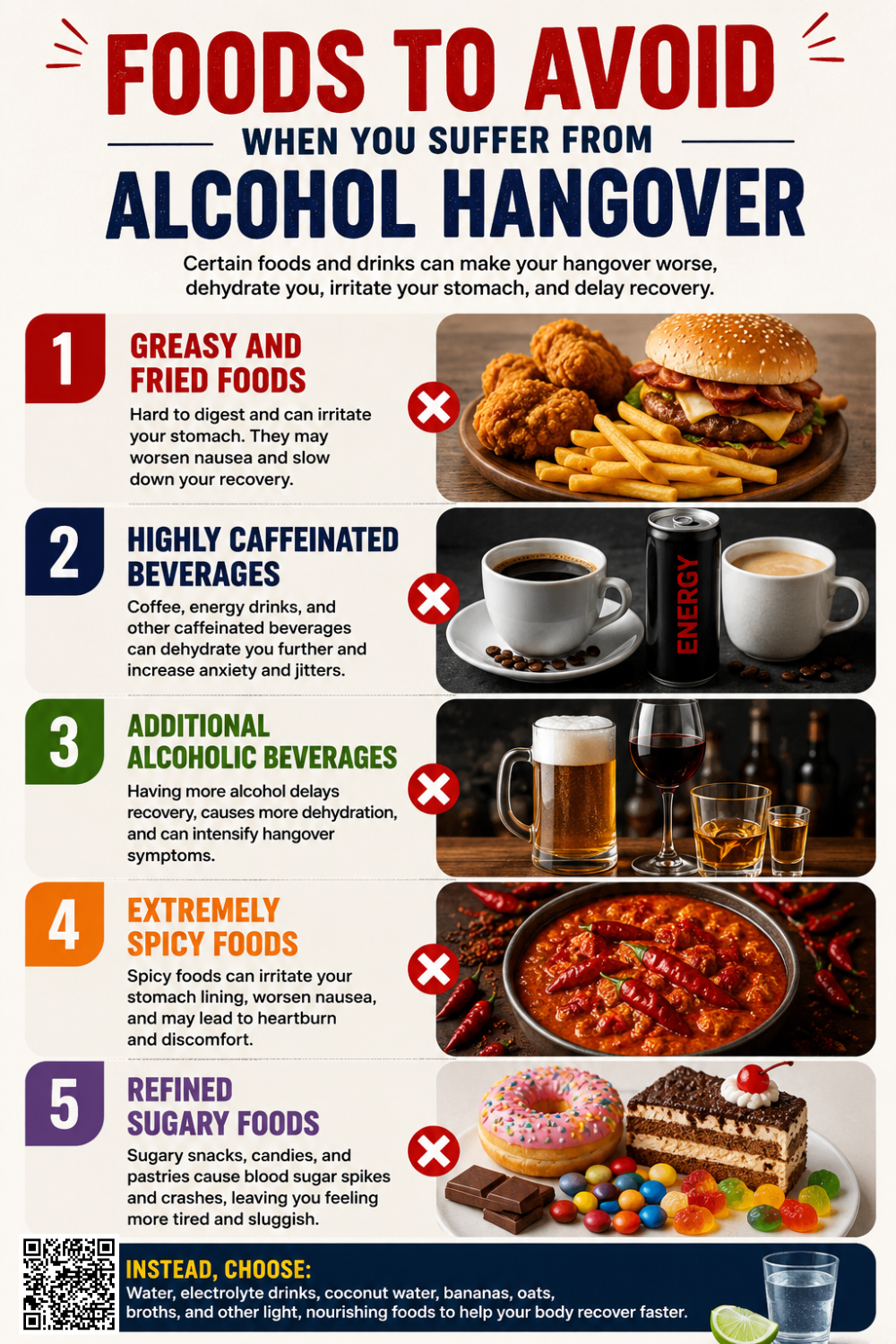
1. Greasy and Fried Foods
Heavy fats delay stomach emptying and worsen existing gastrointestinal inflammation caused by alcohol, which directly increases severe nausea and abdominal pain.
2. Highly Caffeinated Beverages
While temporarily boosting alertness, excessive caffeine worsens cellular dehydration and aggressively irritates an already highly sensitive stomach lining.
3. Additional Alcoholic Beverages
Consuming more alcohol merely masks initial symptoms while introducing new toxins, significantly delaying liver recovery and prolonging severe physical distress.
4. Extremely Spicy Foods
Strong spices contain harsh chemical compounds that directly inflame the gastric lining, significantly worsening alcohol-induced stomach pain, acid reflux, and digestive distress.
5. Refined Sugary Foods
Consuming large amounts of refined sugar causes rapid glucose spikes followed by sharp crashes, which severely worsens existing hangover fatigue and shakiness.
When To see Doctor when you suffer from Alcohol hangover
1. Persistent Vomiting
Seek immediate medical care if you cannot keep any fluids down for several hours, as this causes dangerous, rapid dehydration requiring intravenous fluid replacement.
2. Severe Confusion or Stupor
Medical attention is necessary if an individual experiences profound mental confusion or an inability to answer basic questions, which indicates dangerous neurological depression 9.
3. Slow or Irregular Breathing
Emergency care is required if breathing drops below eight breaths per minute or pauses for more than ten seconds, signaling potential respiratory failure.
4. Loss of Consciousness
If a person becomes completely unresponsive and cannot be awakened, this is a life-threatening medical emergency. Never assume they will safely sleep it off.
5. Pale, Bluish, or Cold Skin
A severe drop in body temperature causing pale, bluish, or clammy skin indicates a dangerous cardiovascular response to alcohol toxicity, requiring immediate clinical intervention.
6. Physical Seizures
The sudden onset of bodily seizures is a critical sign of acute alcohol poisoning or dangerously low blood sugar, demanding rapid emergency medical evaluation.
Comments
comments