

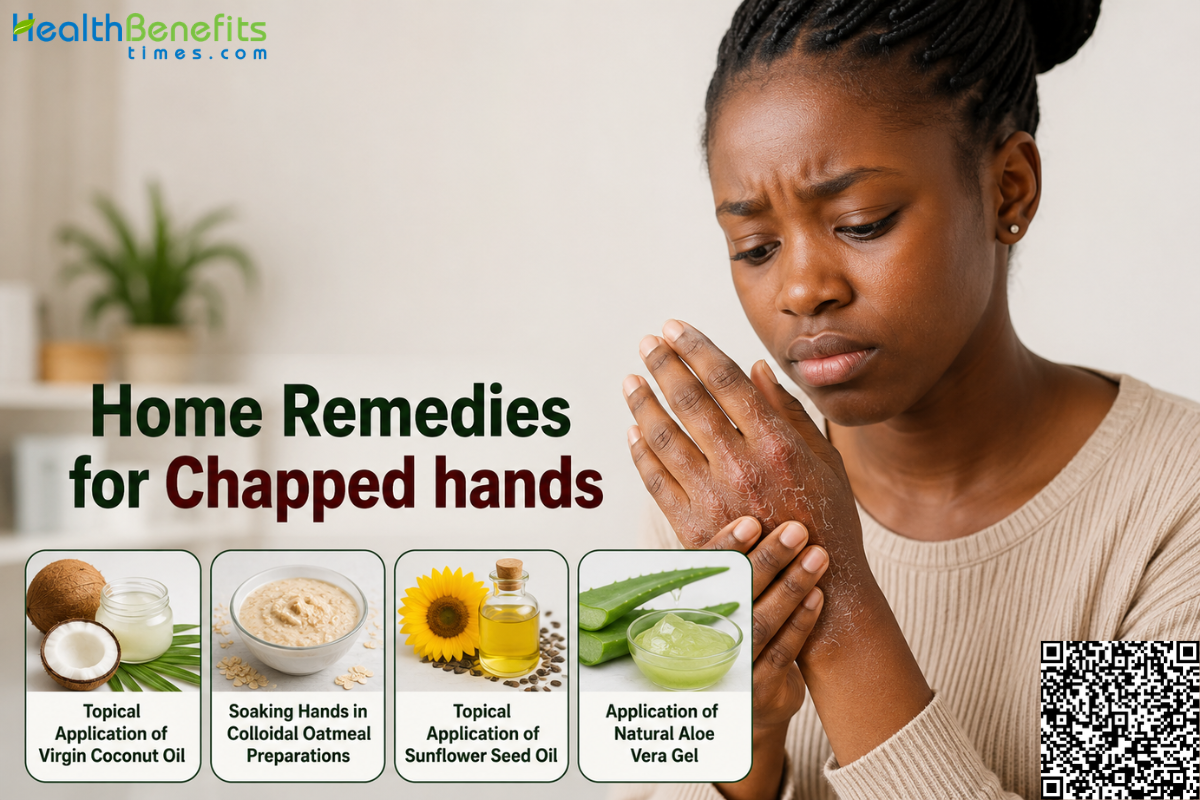
Causes of Chapped Hands
- Frequent Handwashing and Water Exposure: Repeatedly washing the hands, especially with hot water, rapidly strips the outer skin layer of its natural protective lipids, which prevents the tissue from retaining essential moisture 2.
- Cold Weather and Low Humidity: Freezing outdoor temperatures combined with dry indoor heating systems actively draw water out of the skin, causing surface cells to shrink, become brittle, and eventually crack 3.
- Harsh Soaps and Chemical Detergents: Cleansers containing strong surfactants, synthetic fragrances, or industrial solvents actively destroy the skin’s acidic protective barrier, leaving the underlying tissue exposed to severe drying and irritation 4.
- Underlying Dermatological Conditions: Chronic inflammatory diseases, such as atopic dermatitis (eczema) or psoriasis, genetically alter how skin cells retain water and shed, making the hands highly susceptible to extreme dryness and painful fissures 5.
- Occupational Irritants: Daily tasks that require constant mechanical friction, prolonged wearing of certain gloves, or continuous contact with cleaning chemicals cause ongoing physical trauma to the hands, frequently resulting in irritant contact dermatitis 6.
Symptoms of Chapped Hands
- Rough and Scaly Texture: The profound loss of cellular moisture forces the outer skin layer to shrink and dry out, resulting in visible flaking, peeling, and a noticeably coarse, sandpaper-like surface across the hands 1.
- Redness and Inflammation (Erythema): As the skin’s protective lipid barrier degrades, the unprotected underlying tissues become highly inflamed, triggering widespread redness and localized warmth, particularly around the knuckles and the spaces between the fingers 4.
- Deep Cracks and Fissures: Severe tissue dehydration completely strips the skin of its natural elasticity, causing the hardened surface to split under physical tension and form deep, painful cracks that frequently bleed 3.
- Severe Itching (Pruritus): The ongoing inflammatory response and extreme tissue dryness directly activate sensitive nerve fibers located just below the skin’s surface, creating a persistent and deeply uncomfortable urge to scratch the affected areas 7.
- Pain and Tenderness: The physical breakdown of the skin barrier, combined with open microscopic wounds, leaves sensory nerves entirely exposed, resulting in a sharp stinging or burning sensation during basic hand movements, object gripping, or routine handwashing 3.
Home Remedies for Chapped hands
1. Application of Petroleum Jelly Ointments
How it may help
Petroleum jelly acts as a powerful physical barrier on the skin’s surface. By forming a protective, impermeable seal over chapped areas, it actively prevents vital water from evaporating from the damaged tissues. This trapped moisture deeply hydrates rough skin while the ointment shields open cracks from further environmental irritation 1.
What research says
Clinical studies consistently identify white petrolatum as the most effective occlusive moisturizing agent available. Research concludes that petroleum jelly reduces superficial water loss by more than ninety-eight percent, significantly outperforming standard lotions in rapidly repairing a damaged cellular barrier and healing severe skin fissures 8.
How to use it safely
You should apply a thick layer of petroleum jelly immediately after washing your hands while your skin remains slightly damp. For maximum healing, thoroughly massage the ointment into painful cracks right before bed and wear clean cotton gloves overnight to deeply lock in the essential moisture 3.
Potential precautions or side effects
You must always wash your hands thoroughly before applying the ointment to avoid trapping harmful bacteria inside open cracks, which can directly cause severe localized skin infections 8.
2. Regular Use of Thick Emollient Creams
How it may help
Thick emollient creams directly fill the microscopic gaps between shedding skin cells. By restoring missing lipid oils, these heavy creams instantly smooth rough textures and rebuild the skin’s protective outer barrier. This physical repair prevents further moisture loss and promotes the rapid healing of painfully chapped hands 3.
What research says
Clinical studies demonstrate that the regular application of thick emollients containing ceramides or glycerin significantly improves skin hydration and barrier function. Research confirms that heavy creams strongly outperform thin, water-based lotions in treating severe hand dermatitis by effectively reducing water evaporation and rapidly decreasing surface inflammation 9.
How to use it safely
You should apply a generous layer of thick cream to your hands multiple times a day, especially immediately after washing them. For the best results, gently massage the emollient into your skin while it remains slightly damp to effectively lock in the essential surface moisture 1.
Potential precautions or side effects
You must strictly avoid creams containing artificial fragrances or alcohol. These harsh chemical additives can severely burn open cracks and trigger allergic contact dermatitis on already compromised skin 4.
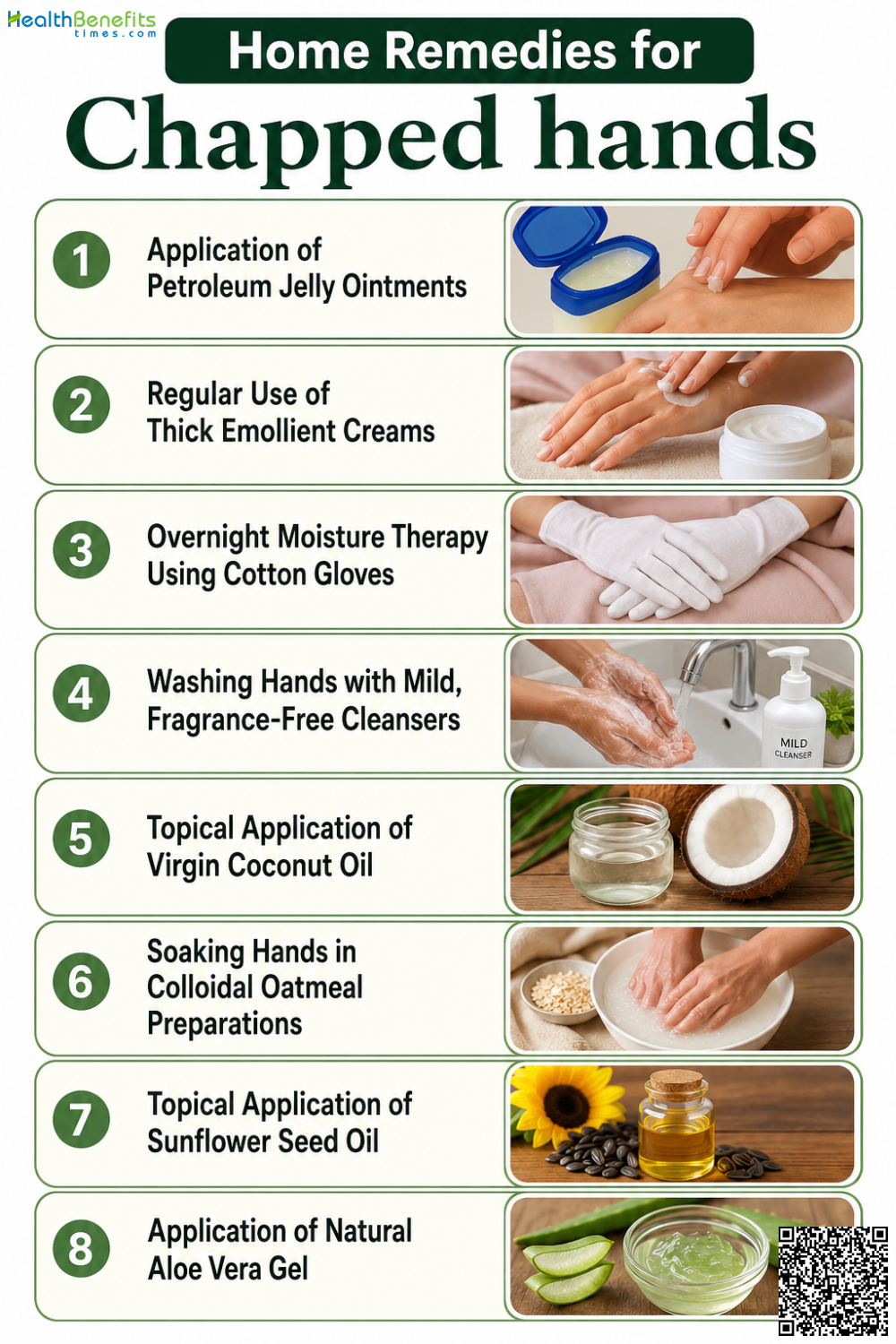
3. Overnight Moisture Therapy Using Cotton Gloves
How it may help
Wearing breathable cotton gloves over heavy ointments creates a localized, occlusive environment. This physical barrier traps vital heat and essential moisture against the skin throughout the entire night. It actively forces healing emollients deeper into damaged tissues while preventing heavy creams from simply wiping off onto your bedsheets 1.
What research says
Clinical dermatology guidelines strongly support overnight occlusion therapy for managing severe dry skin. Research confirms that trapping moisturizers beneath breathable cotton fabric significantly increases the epidermal penetration of repairing lipids. This continuous overnight hydration accelerates natural barrier recovery and provides measurable relief from chronic hand dermatitis 2.
How to use it safely
You should gently wash your hands and apply a thick layer of plain petroleum jelly immediately before going to bed. Put on clean, one-hundred-percent cotton gloves and leave them on overnight to continuously lock the healing moisture against your severely damaged skin 3.
Potential precautions or side effects
You must strictly avoid using synthetic or rubber gloves for overnight therapy. Non-breathable materials trap sweat, causing severe skin maceration that rapidly worsens painful tissue irritation 4.
4. Washing Hands with Mild, Fragrance-Free Cleansers
How it may help
Standard antibacterial soaps contain harsh chemical surfactants that rapidly strip natural lipid oils from the protective skin barrier. Mild, fragrance-free cleansers gently remove dirt without depleting these essential surface oils. This vital preservation prevents severe moisture loss and stops synthetic additives from chemically burning severely damaged, chapped tissues 4.
What research says
Clinical dermatological studies confirm that traditional alkaline soaps significantly elevate skin pH and degrade the epidermal moisture barrier. Research demonstrates that utilizing mild synthetic cleansers effectively preserves necessary hydration levels and sharply reduces the painful symptoms of irritant contact dermatitis on severely dry, compromised hands 10.
How to use it safely
You should exclusively wash your hands using lukewarm water and a gentle, fragrance-free liquid cleanser. Avoid aggressively scrubbing the affected tissue. After rinsing, you must gently pat your hands dry with a clean towel and immediately apply a thick emollient to lock in surface moisture 11.
Potential precautions or side effects
You must strictly avoid using hot water or heavily scented foaming soaps. These harsh elements rapidly dissolve remaining natural oils, significantly worsening tissue dehydration and deepening painful skin cracks 1.
5. Topical Application of Virgin Coconut Oil
How it may help
Virgin coconut oil provides natural fatty acids that effectively penetrate the skin to replace depleted lipids and restore essential moisture. It acts as a powerful emollient that instantly smooths rough tissues, while its natural antibacterial properties actively protect open skin cracks from painful localized bacterial infections 12.
What research says
Clinical trials demonstrate that topical virgin coconut oil significantly improves skin hydration and speeds up natural barrier repair. Research confirms it acts just as effectively as pharmaceutical mineral oil in treating severe skin dryness, effectively reducing painful surface inflammation and decreasing the presence of harmful bacteria 13.
How to use it safely
You should scoop a small amount of solid virgin coconut oil and gently warm it between your palms until it melts. Thoroughly massage the warm oil into your slightly damp hands after washing them, focusing specifically on heavily flaking areas and deep cracks 12.
Potential precautions or side effects
You must strictly avoid this remedy if you possess a known coconut allergy. Discontinue application immediately if you develop new redness, which strongly indicates allergic contact dermatitis 4.
6. Soaking Hands in Colloidal Oatmeal Preparations
How it may help
Colloidal oatmeal binds directly to the skin’s surface to form a protective, hydrating barrier that actively seals in vital moisture. Its natural anti-inflammatory compounds quickly soothe severe itching and visibly reduce the painful tissue redness directly associated with severely chapped, distressed hands 14.
What research says
Clinical evaluations confirm that colloidal oatmeal directly inhibits the release of specific pro-inflammatory chemicals, which significantly reduces tissue redness and surface irritation. Research concludes that these preparations effectively rebuild the broken epidermal barrier and safely restore essential hydration to severely compromised skin 15.
How to use it safely
You should dissolve finely ground colloidal oatmeal into a basin filled exclusively with lukewarm water. Gently soak your hands for ten to fifteen minutes. Afterward, carefully pat your skin dry with a clean towel and immediately apply a thick emollient to trap the newly absorbed moisture 1.
Potential precautions or side effects
You must stop soaking immediately if you develop new hives or swelling, which strongly indicates a localized oat allergy. Always avoid hot water, as it rapidly worsens severe tissue dehydration 14.
7. Topical Application of Sunflower Seed Oil
How it may help
Sunflower seed oil is naturally rich in linoleic acid, an essential fatty acid that directly rebuilds the broken outer skin layer. Applying this oil replaces lost surface lipids and seals in vital moisture. It also delivers strong anti-inflammatory properties that effectively soothe the pain and redness of chapped hands 12.
What research says
Clinical evaluations prove that topical sunflower seed oil significantly preserves stratum corneum integrity and directly increases deep tissue hydration. Research confirms that it accelerates epidermal barrier recovery and actively reduces local inflammation without inducing the additional surface irritation frequently caused by other natural botanical oils 12.
How to use it safely
You should carefully massage a few drops of cold-pressed, unrefined sunflower seed oil into your damp hands immediately after washing them. Cover your heavily oiled hands with breathable cotton gloves overnight to force the healing lipids deeper into the severely cracked skin 1.
Potential precautions or side effects
You must not use this remedy if you possess a specific sunflower seed allergy. Discontinue application immediately if you notice new rashes or swelling, which strongly indicate allergic contact dermatitis 4.
8. Application of Natural Aloe Vera Gel
How it may help
Natural aloe vera gel contains specific mucopolysaccharides that effectively bind essential moisture directly to the skin’s surface. Its potent anti-inflammatory properties quickly soothe localized redness and burning. Furthermore, natural wound-healing compounds actively stimulate cellular repair to rapidly close and heal the deep, painful cracks associated with severely chapped hands 16.
What research says
Clinical evaluations demonstrate that applying topical aloe vera gel significantly improves epidermal hydration and accelerates natural wound closure. Research confirms that its active botanical compounds directly inhibit specific inflammatory pathways, safely reducing visible tissue redness and effectively repairing the broken cellular barrier caused by extreme environmental dehydration 16.
How to use it safely
You should extract fresh gel directly from a plant leaf or utilize a pure, fragrance-free commercial gel. Gently massage a thin layer into your washed hands. After it absorbs, immediately apply a heavy emollient to securely seal this botanical moisture into the damaged tissues 17.
Potential precautions or side effects
You must perform a preliminary patch test, as topical aloe vera can occasionally trigger allergic contact dermatitis. Discontinue use immediately if new severe stinging, itching, or swelling develops 17.
When to See a Doctor When You Struggle from Chapped Hands
- Signs of Bacterial Infection: If open cracks ooze yellow pus, develop crusts, or feel extremely warm, seek immediate medical care. These symptoms indicate a bacterial infection requiring prescription antibiotics 3.
- Unresponsive to Home Treatments: Consult a physician if severe dryness and cracking show no improvement after two weeks of consistent emollient therapy. This suggests an underlying condition needing prescription treatments 1.
- Severe Pain and Disruption: See a doctor if intense burning, persistent bleeding, or extreme itching prevents you from performing basic daily tasks. Severe contact dermatitis requires professional medical management 4.
- Rapidly Spreading Redness: Seek urgent evaluation if spreading red streaks appear around chapped areas. This advancing inflammation strongly signals cellulitis, a serious deep skin infection requiring prompt intervention 18.
- Suspected Allergic Reaction: Visit a doctor if sudden hives, extreme swelling, or widespread rashes develop. This indicates severe allergic contact dermatitis necessitating formal clinical allergy testing 4.
Comments
comments