

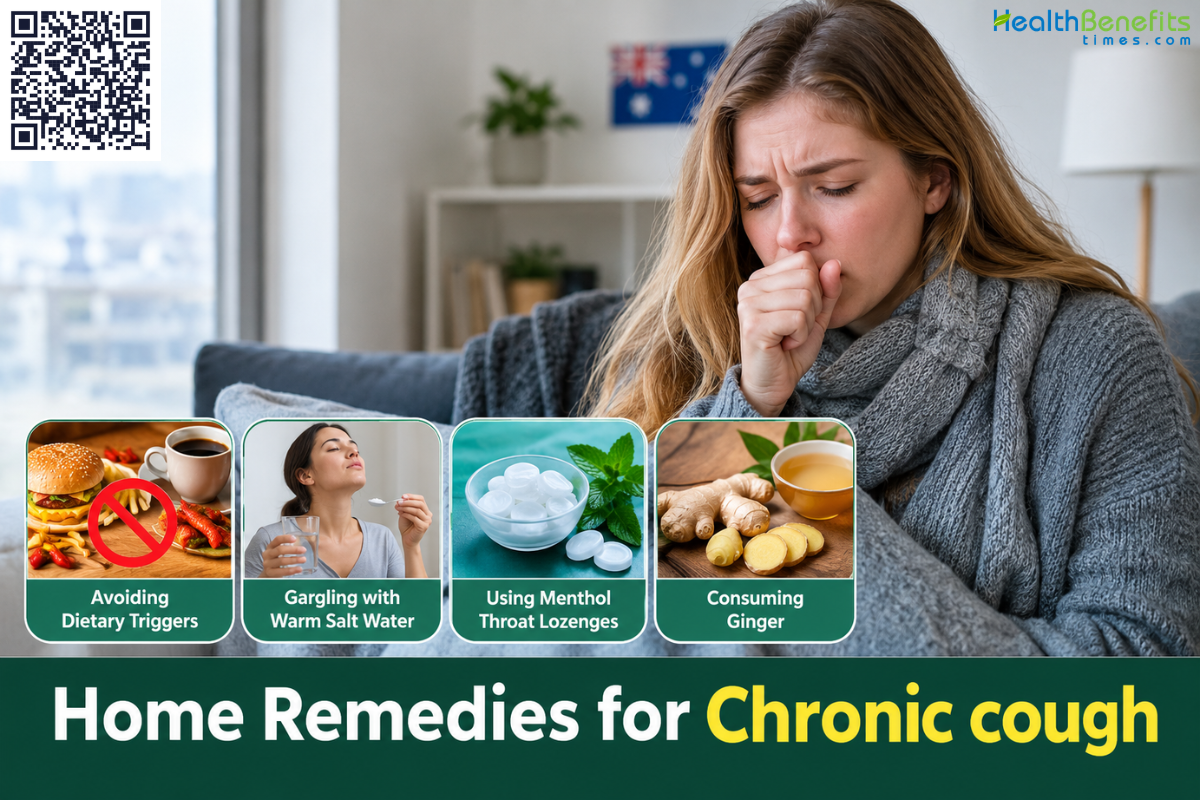
Causes of Chronic cough
- Postnasal Drip (Upper Airway Cough Syndrome): This occurs when the nose or sinuses produce excess mucus that drips down the back of the throat, repeatedly irritating the airway and triggering the cough reflex. It is frequently caused by seasonal allergies, chronic sinus infections, or nasal congestion 1.
- Asthma: While traditional asthma is known for wheezing and shortness of breath, a specific variation known as cough-variant asthma presents almost exclusively as a persistent cough. This cough typically worsens at night, during physical exertion, or when exposed to cold air and respiratory irritants 2.
- Gastroesophageal Reflux Disease (GERD): In this digestive condition, stomach acid frequently flows back into the esophagus (the tube connecting the stomach and throat). The constant acid irritation can stimulate the nerves in the lower esophagus, creating a persistent cough that can, in turn, worsen the acid reflux 1.
- Respiratory Infections: A cough can linger for weeks or months after other symptoms of a severe cold, flu, or pneumonia have resolved, due to ongoing airway inflammation. Specific bacterial infections, such as pertussis (whooping cough), are also highly recognized for causing severe, prolonged coughing spells 3.
- Blood Pressure Medications: Angiotensin-converting enzyme (ACE) inhibitors, which are commonly prescribed to manage high blood pressure and heart failure, induce a chronic, dry cough in up to 20 percent of the patients who take them 4.
- Chronic Bronchitis: This involves long-term inflammation of the major airways (bronchi) in the lungs, leading to a persistent cough that produces discolored mucus. It is a primary component of chronic obstructive pulmonary disease (COPD) and is most frequently seen in individuals with a history of long-term tobacco smoking 5.
Symptoms of Chronic cough
- Nasal and Throat Irritation: Individuals frequently experience a persistently stuffy or runny nose, alongside a distinct sensation of fluid dripping down the back of the throat. This is often accompanied by a sore throat and a recurring need to clear the airway 1.
- Breathing Difficulties and Wheezing: A persistent cough is regularly paired with shortness of breath and wheezing, which is a high-pitched whistling sound produced while exhaling. These respiratory symptoms strongly indicate underlying airway constriction, such as that seen in asthma or chronic obstructive pulmonary disease (COPD) 6.
- Vocal Changes: The continuous physical strain on the throat and vocal cords, or constant exposure to regurgitated stomach acid, often results in prolonged hoarseness, vocal fatigue, or a noticeably raspy voice 2.
- Digestive Distress: Patients may notice a sour or acidic taste in their mouth and experience heartburn, which is a burning sensation in the chest. These specific symptoms typically emerge when gastroesophageal reflux disease (GERD) is the primary trigger for the persistent cough 1.
- Systemic Physical Strain: The aggressive, repetitive physical action of coughing for weeks on end can induce a variety of secondary physical symptoms. These commonly include profound fatigue, severe sleep disruption, persistent headaches, muscle pain in the chest, and involuntary urinary leakage (incontinence) 1.
- Coughing Up Blood: In more severe instances, individuals may expel blood or blood-streaked mucus (hemoptysis) during coughing fits. This is a critical symptom that signals the potential presence of advanced infections, severe vascular damage, or respiratory tumors, requiring immediate clinical assessment 7.
Home Remedies for Chronic Cough
1. Consuming Honey
How it may help
Honey acts as a natural coating agent, covering the throat to soothe irritation and reduce the cough reflex. Its thick consistency provides a protective barrier over inflamed tissues. Additionally, honey possesses mild antibacterial and anti-inflammatory properties that may reduce throat swelling and calm the persistent tickle associated with a chronic cough 8.
What research says
Clinical studies indicate that honey effectively reduces cough frequency and severity. Research concludes that honey frequently outperforms common over-the-counter cough medicines, such as dextromethorphan, in improving nighttime coughing and overall sleep quality. Medical institutions recognize it as a beneficial, evidence-based alternative for managing persistent respiratory symptoms 9.
How to use it safely
You can safely consume one to two teaspoons of plain honey directly before bedtime. Alternatively, mix it into a cup of warm water or decaffeinated tea to enhance throat soothing. Always use a clean spoon to prevent bacterial contamination in the honey container 10.
Potential precautions or side effects
Never give honey to infants under one year old due to the severe risk of infant botulism 11. Individuals with diabetes must also monitor intake because of the high sugar content.
2. Using Cool-Mist Humidifiers
How it may help
Cool-mist humidifiers release water vapor into the indoor environment, adding essential moisture to dry air. Breathing this hydrated air helps soothe irritated throat linings and prevents the respiratory tract from drying out. This process effectively thins thick mucus, making it significantly easier to clear the airways naturally 12.
What research says
Clinical research concludes that adequate indoor humidity plays a vital role in maintaining respiratory health. Studies confirm that using room humidifiers reduces environmental triggers that cause airway hyperreactivity. Consequently, medical experts widely recommend cool-mist humidification as an effective, non-pharmacological intervention to decrease persistent coughing frequency and severity 13.
How to use it safely
You must clean your humidifier daily and change the water to prevent harmful mold and bacteria growth. Always use distilled or demineralized water instead of tap water, as it prevents mineral buildup that can be dispersed into the air and irritate your lungs 14.
Potential precautions or side effects
A poorly maintained humidifier can disperse harmful bacteria, potentially causing severe lung infections. Additionally, maintaining indoor humidity above fifty percent encourages hazardous mold and dust mite growth 15.
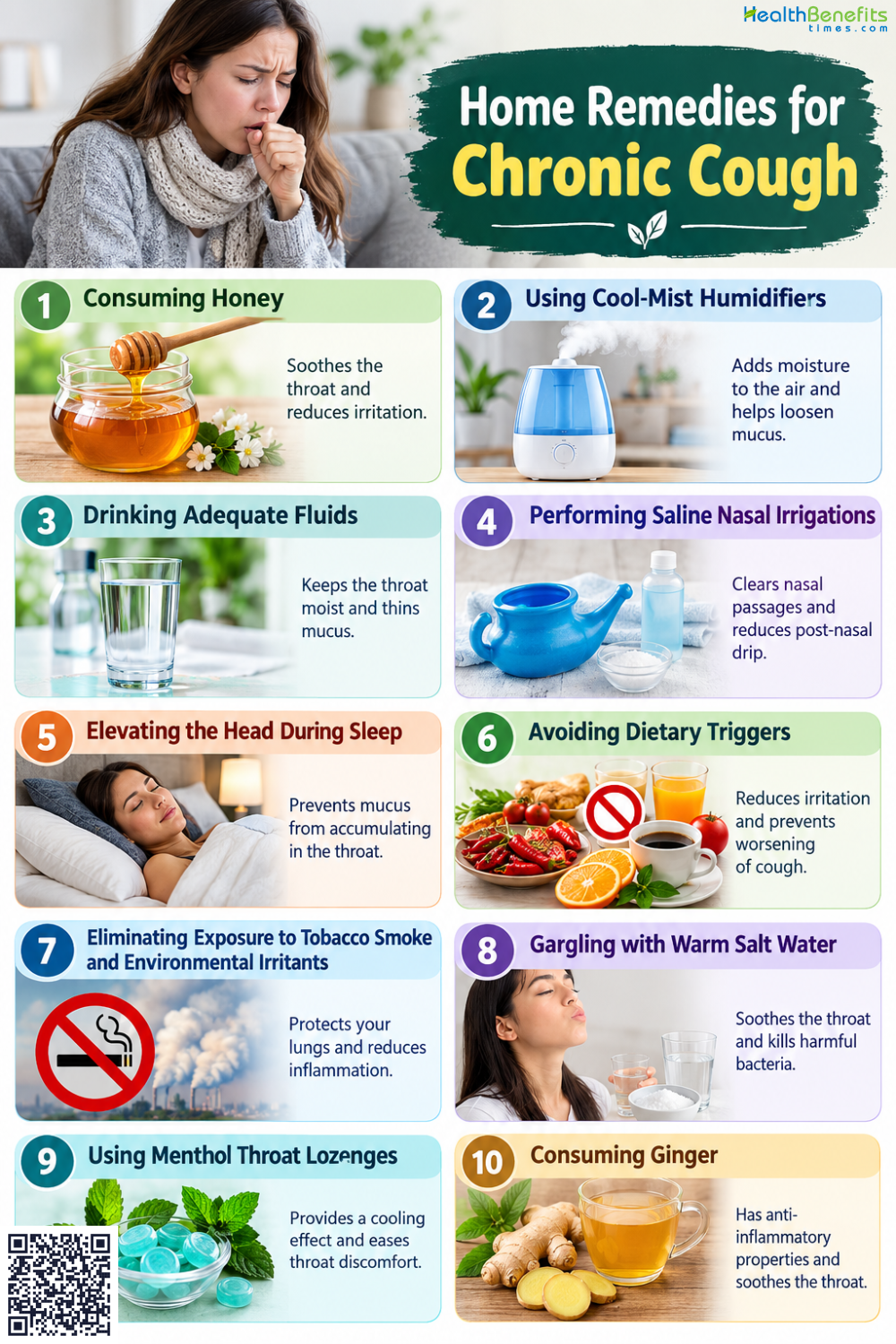
3. Drinking Adequate Fluids
How it may help
Proper hydration directly thins thick mucus, making it significantly easier to expel from the lungs. Additionally, maintaining adequate fluid intake keeps the mucosal linings of the throat continuously moist. This essential lubrication minimizes local tissue irritation and directly calms the hyperactive nerves responsible for triggering a persistent cough 16.
What research says
Clinical guidelines establish that optimal hydration is essential for the body to naturally clear the airways. Medical research concludes that adequate fluid intake prevents mucus from thickening and reduces airway resistance. Health authorities endorse continuous hydration as a primary supportive therapy to decrease cough severity and improve respiratory function 17.
How to use it safely
You should consume water, warm broths, or decaffeinated teas evenly throughout the day to maintain continuous throat hydration. Strictly avoid drinking beverages containing caffeine or alcohol. These substances act as diuretics that dehydrate body tissues and can actively worsen your respiratory irritation and coughing frequency 18.
Potential precautions or side effects
Drinking excessive fluids can be dangerous if you have severe heart failure or chronic kidney disease. Consult your physician regarding safe daily liquid limits if you manage these conditions 19.
4. Performing Saline Nasal Irrigations
How it may help
Saline nasal irrigation physically flushes out thick mucus, trapped allergens, and inflammatory debris from the nasal cavity. By effectively clearing these irritants, it directly minimizes postnasal drip, which is a primary anatomical trigger for chronic cough. This cleansing mechanism calms hypersensitive airway nerves and reduces throat irritation 20.
What research says
Clinical guidelines endorse nasal saline irrigation as an effective treatment for upper airway cough syndrome. Research concludes that routine saline rinsing significantly decreases postnasal drip volume and reduces the dependency on pharmacological cough suppressants, proving highly beneficial for managing persistent respiratory symptoms 21.
How to use it safely
You must exclusively use distilled, sterile, or previously boiled and cooled water for your irrigation solution. Gently flush each nostril using a specialized squeeze bottle or neti pot. Always wash and completely air-dry your device after every single use to prevent hazardous microbial growth 22.
Potential precautions or side effects
Irrigating with unsterilized tap water introduces a severe risk of fatal parasitic brain infections. Minor, temporary side effects frequently include mild nasal stinging or a sensation of ear fullness 23.
5. Elevating the Head During Sleep
How it may help
Elevating the head utilizes gravity to prevent stomach acid from traveling upward into the esophagus and throat. This positioning physically blocks acid reflux, a primary trigger for chronic nocturnal coughing. Additionally, it prevents mucus from pooling in the upper airways, directly reducing the postnasal drip cough reflex 24.
What research says
Clinical guidelines establish that elevating the head significantly decreases nighttime esophageal acid exposure. Medical research concludes that positional therapy effectively reduces chronic cough severity associated with gastroesophageal reflux disease. Health authorities strongly endorse this structural intervention to calm airway irritation and substantially improve nocturnal respiratory function 25.
How to use it safely
You should raise the entire head of your bed by six to eight inches using solid bed risers or a specialized foam wedge pillow. Strictly avoid stacking standard pillows, as this bends your neck unnaturally, actively restricts your airway, and increases stomach pressure 24.
Potential precautions or side effects
Improperly elevating the bed with unstable materials poses a significant fall hazard. Using stacked pillows instead of a medical wedge frequently causes severe cervical strain and back pain 26.
6. Avoiding Dietary Triggers
How it may help
Certain foods relax the lower esophageal sphincter, allowing stomach acid to travel upward. This acidic reflux directly irritates the esophagus and throat, triggering a persistent cough reflex. Eliminating these specific dietary triggers reduces overall acid production and prevents upward gastric flow, effectively calming the irritated respiratory tract 27.
What research says
Clinical studies establish gastroesophageal reflux disease as a primary cause of chronic cough. Research concludes that targeted dietary modifications significantly decrease the frequency of acid reflux episodes. Medical authorities universally endorse eliminating trigger foods as an essential, evidence-based intervention to resolve reflux-induced coughing without relying solely on medications 28.
How to use it safely
You should eliminate common reflux triggers, including high-fat foods, chocolate, caffeine, alcohol, peppermint, citrus fruits, and tomatoes. Eat smaller, frequent meals instead of large portions. You must also wait at least three hours after eating before lying down to prevent nocturnal acid reflux 27.
Potential precautions or side effects
Unsupervised elimination of multiple major food groups can cause unintended nutritional deficiencies. Always consult a medical professional or registered dietitian before permanently adopting a highly restrictive eating plan 29.
7. Eliminating Exposure to Tobacco Smoke and Environmental Irritants
How it may help
Inhaling tobacco smoke and airborne chemical irritants paralyzes the microscopic hairs inside the respiratory tract that clear mucus. Eliminating these harmful exposures immediately stops ongoing lung inflammation. This allows the respiratory mucosal lining to heal, restoring the body’s natural ability to expel trapped mucus without triggering a persistent cough 30.
What research says
Clinical guidelines establish that smoking and environmental pollutants are leading causes of chronic airway inflammation. Medical research conclusively demonstrates that smoking cessation and avoiding secondhand smoke significantly decrease cough frequency and airway hyperresponsiveness, making it the most critical initial intervention for managing persistent respiratory symptoms 2.
How to use it safely
You must completely stop smoking and actively avoid environments containing secondhand smoke, industrial dust, or strong chemical fumes. Use high-efficiency particulate air (HEPA) filters indoors to capture airborne allergens. If you must enter polluted environments, always wear a highly rated respirator mask to protect your lungs 31.
Potential precautions or side effects
When you quit smoking, your cough may temporarily worsen. This natural reaction occurs because healing lung cilia begin actively clearing accumulated tar and mucus from your respiratory tract 32.
8. Gargling with Warm Salt Water
How it may help
Warm salt water utilizes a natural process called osmosis to draw excess fluid out of inflamed throat tissues, directly reducing local swelling. This physical action also loosens thick mucus and washes away lingering allergens, bacteria, and environmental irritants that trigger the persistent cough reflex 33.
What research says
Clinical research demonstrates that saline solutions effectively reduce upper respiratory tract inflammation. Medical guidelines conclude that routine gargling significantly decreases respiratory symptom severity. Authorities endorse this low-cost intervention as a reliable supportive therapy to soothe mucosal irritation and manage chronic coughing safely 34.
How to use it safely
You should dissolve one-quarter to one-half teaspoon of standard table salt into eight ounces of warm water. Tilt your head back, gargle the solution thoroughly for thirty seconds, and then spit it out. You can safely repeat this process multiple times daily 18.
Potential precautions or side effects
You must avoid swallowing the mixture, as ingesting excess sodium causes stomach upset. Never administer this remedy to young children who cannot spit reliably to prevent accidental choking 35.
9. Using Menthol Throat Lozenges
How it may help
Menthol acts as a mild, natural anesthetic that temporarily numbs irritated throat tissues. It actively stimulates cold-sensing nerve receptors in the respiratory tract, creating a cooling sensation. This specific interaction directly suppresses the cough reflex and provides immediate, temporary relief from the persistent tickle associated with a chronic cough 36.
What research says
Clinical research concludes that menthol effectively reduces the subjective urge to cough. Studies demonstrate that menthol activates specific sensory receptors in the throat, significantly decreasing airway hyperresponsiveness. Medical authorities recognize menthol lozenges as a safe, evidence-based intervention for providing short-term symptomatic relief from chronic upper respiratory irritation 37.
How to use it safely
You should allow one menthol lozenge to dissolve slowly in your mouth every two hours as needed. Never chew or swallow the lozenge whole, as this prevents the menthol from coating and soothing your throat lining effectively 38.
Potential precautions or side effects
Never give throat lozenges to children under four years old to prevent severe choking. Consuming too many lozenges frequently causes mild stomach discomfort and excessive oral numbness 39.
10. Consuming Ginger
How it may help
Ginger contains bioactive compounds, primarily gingerols, which act as natural anti-inflammatory agents. These compounds directly relax the smooth muscles within the airways. By reducing localized throat inflammation and preventing airway constriction, ginger effectively suppresses the hyperactive nerve pathways responsible for triggering a persistent chronic cough 40.
What research says
Clinical studies establish that ginger extracts significantly inhibit airway smooth muscle contraction. Research concludes that isolated ginger compounds suppress respiratory hyperresponsiveness and reduce inflammatory responses in lung tissues. Medical literature recognizes ginger as a beneficial, evidence-based therapeutic alternative for managing chronic inflammatory airway conditions safely 40.
How to use it safely
You can safely steep one teaspoon of freshly grated ginger root in boiling water for ten minutes to create a medicinal tea. Consume this warm infusion two to three times daily to soothe irritated airways and maintain continuous throat hydration without exceeding safe daily limits 41.
Potential precautions or side effects
Consuming excessive ginger frequently causes mild heartburn, diarrhea, and stomach discomfort. You must consult your physician before using ginger if you currently take prescribed blood-thinning medications, as bleeding risks increase 41.
Foods to Avoid When You Suffer from Chronic Cough
Certain foods directly trigger gastroesophageal reflux and esophageal irritation, which are primary underlying causes of persistent respiratory inflammation and chronic coughing.
1. Caffeinated Beverages
Caffeine relaxes the lower esophageal sphincter, allowing stomach acid to enter the throat and trigger coughing 27.

2. High-Fat and Fried Foods
High-fat foods delay stomach emptying and increase gastric pressure, significantly elevating the risk of acidic reflux entering the respiratory tract 27.
3. Citrus Fruits and Juices
Oranges, lemons, and grapefruits contain high acid levels that directly irritate inflamed throat tissues and worsen existing respiratory hypersensitivity 42.
4. Chocolate
Chocolate contains methylxanthines that severely weaken esophageal barriers, directly promoting acid reflux and subsequent chronic coughing episodes 43.
5. Spicy Food
Spices containing capsaicin directly irritate the mucosal lining of the esophagus and throat, causing immediate inflammation and stimulating the cough reflex 42.
When to See a Doctor When You Struggle from Chronic Cough
While many chronic coughs result from easily treatable conditions, you should seek immediate clinical evaluation if your cough is accompanied by severe secondary symptoms that indicate potentially dangerous respiratory diseases.
- Coughing Up Blood: Expectoration of blood, even in small amounts, indicates potential severe lung infections, airway hemorrhage, or respiratory malignancies requiring immediate clinical diagnostic testing 44.
- Shortness of Breath: Experiencing new or worsening breathing difficulties alongside a persistent cough signals potential airway obstruction, chronic obstructive pulmonary disease, or cardiovascular failure 45.
- Unexplained Weight Loss: Rapid, unintended weight reduction accompanying a continuous cough serves as a primary warning indicator for lung cancer or chronic systemic infections like tuberculosis 46.
- Fever and Night Sweats: A prolonged cough paired with persistent fevers or drenching night sweats strongly suggests an active, deep-seated bacterial respiratory infection requiring targeted antimicrobial therapy 47.
- Severe Chest Pain: Sharp chest pain occurring exclusively during coughing episodes may indicate inflamed lung linings, pulmonary embolism, or fractured ribs, necessitating immediate emergency medical imaging 48.
Comments
comments