

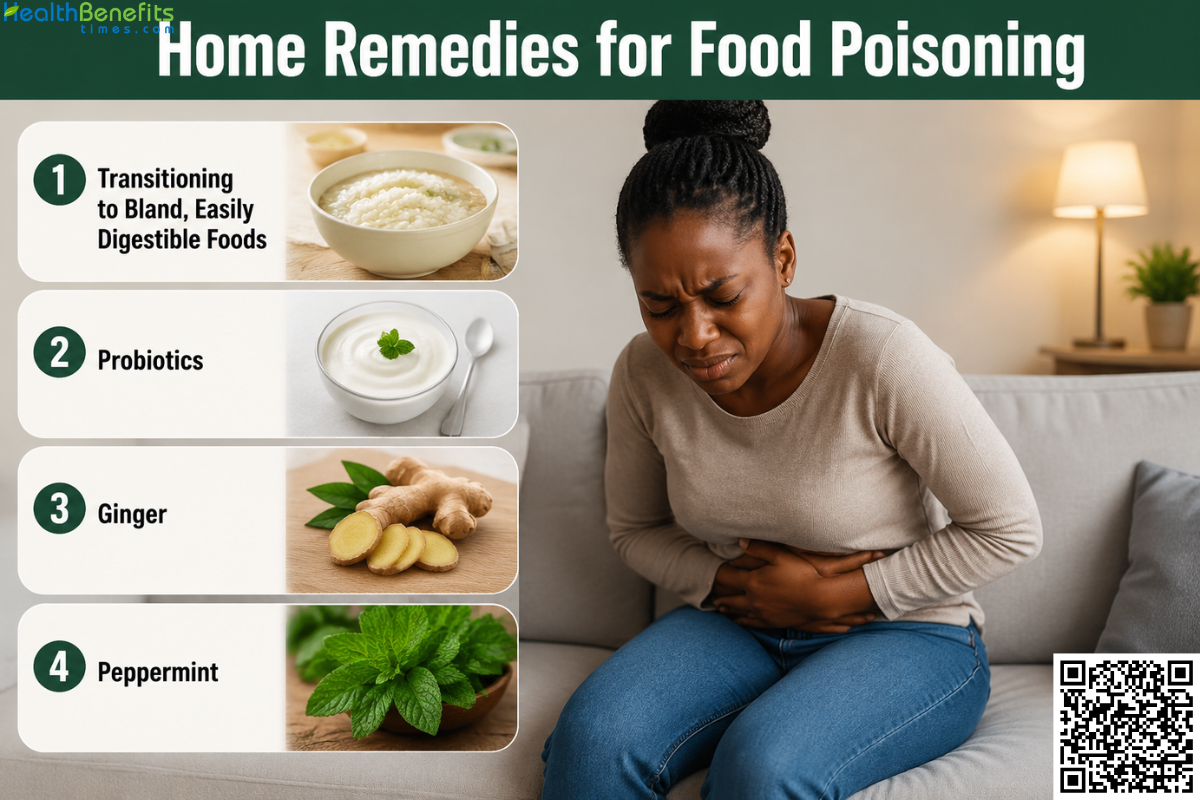
Causes of Food Poisoning
- Contamination by Harmful Bacteria (such as Salmonella, E. coli, and Campylobacter) 3
- Viral Infections (such as Norovirus and Rotavirus) 3
- Parasitic Infestations (such as Giardia and Toxoplasma) 4
- Consumption of Toxins Produced by Microbes in Spoiled or Improperly Stored Food 2
- Cross-Contamination of Ready-to-Eat Foods via Unwashed Hands, Utensils, or Cutting Boards 5
- Ingestion of Raw or Underprepared Meat, Poultry, Seafood, and Eggs 5
Symptoms of Food Poisoning
Food poisoning manifests through a broad range of clinical signs that typically affect the digestive tract, though systemic reactions can also occur depending on the specific contaminant 6. The presentation of symptoms varies based on the underlying pathogen, individual health status, and the volume of contaminated food ingested 7.
- Nausea and Vomiting: Many foodborne illnesses provoke a strong gastrointestinal rejection response, frequently serving as early indicators of bacterial toxins or viral infections 6.
- Diarrhea: This can range from mild, watery stools to severe, frequent, or bloody evacuations, which are characteristic of invasive bacterial strains such as Salmonella, Shigella, or pathogenic Escherichia coli 7.
- Abdominal Cramps and Pain: Sharp or dull muscular contractions of the stomach and intestines frequently accompany nausea and diarrhea due to localized inflammation of the mucosal lining 6.
- Fever and Chills: Elevated body temperature frequently indicates an inflammatory or infectious immune response to bacterial or viral pathogens 6.
- Dehydration: Rapid fluid loss from persistent vomiting and diarrhea can result in excessive thirst, dry mouth, dizziness, and decreased urination 7.
- Neurological Deficits: Certain potent toxins, such as those produced by Clostridium botulinum, can trigger severe neurotoxic symptoms including blurred vision, double vision, muscle weakness, and difficulty swallowing or breathing 8.
Home Remedies for Food Poisoning
1. Oral Rehydration Solutions (ORS)
How it may help
Frequent diarrhea and vomiting during food poisoning cause a rapid loss of fluids and essential minerals. Oral Rehydration Solutions (ORS) provide a precise mixture of water, salts, and sugar that helps the intestines absorb fluids quickly, restoring the body’s natural balance and preventing severe dehydration.
What research says
Health authorities identify ORS as the safest and most effective first-line treatment for dehydration linked to infectious diarrhea. Clinical evidence shows that the specific sodium-to-glucose ratio in ORS maximizes water absorption in the gut far better than plain water or commercial sports drinks. 9 10
How to use it safely
Purchase pre-mixed ORS packets and dissolve the powder completely in clean, safe drinking water following package instructions. 11 Sip the liquid slowly in small amounts to avoid triggering nausea. Discard any leftover mixed solution after 24 hours.
Potential precautions or side effects
Individuals with kidney disease, heart conditions, or high blood pressure must consult a doctor before using ORS because of its added sodium and potassium content. 12
2. Intake of Clear Liquids
How it may help
Vomiting and diarrhea cause the body to lose vital water rapidly. Consuming clear liquids replaces lost fluids, prevents dangerous dehydration, and gives the digestive tract a necessary rest while maintaining baseline hydration levels during acute illness.
What research says
Medical guidelines state that small, frequent sips of clear fluids are vital for managing mild dehydration caused by food-borne illnesses. Clinical consensus confirms this approach helps stabilize fluid balance without overwhelming an irritated stomach. 13 3
How to use it safely
Drink small sips of water, clear broth, or diluted fruit juice every few minutes rather than gulping large amounts at once. 12 Stop drinking temporarily if nausea worsens.
Potential precautions or side effects
Avoid sugary beverages or dairy, as they can worsen diarrhea and aggravate stomach cramps.
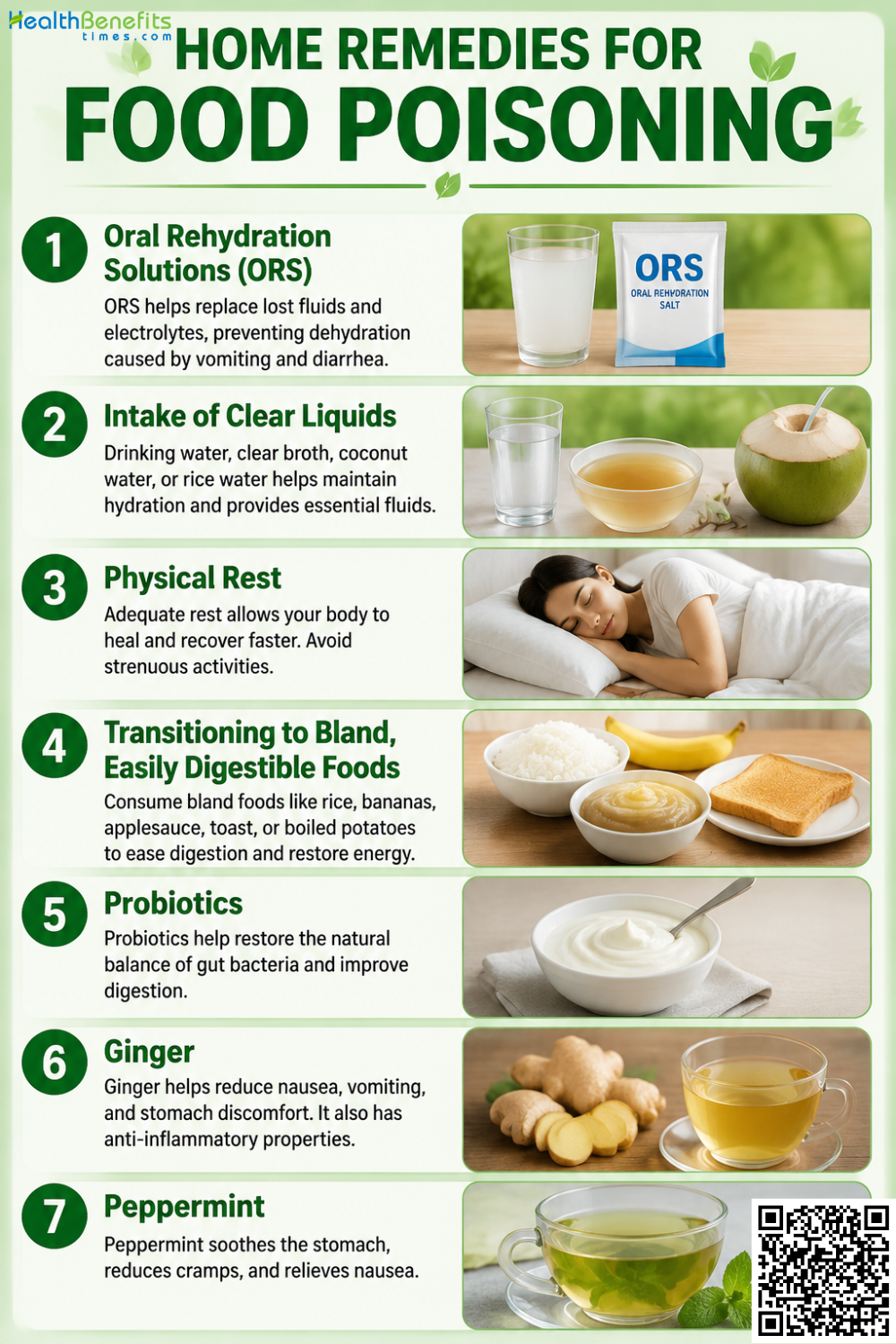
3. Physical Rest
How it may help
Physical rest conserves the body’s vital energy, allowing the immune system to focus entirely on fighting off harmful toxins and infectious microbes. Reducing physical activity lowers metabolic stress, helping to stabilize the body while the digestive system repairs itself.
What research says
Clinical guidance from leading health institutions highlights that adequate rest is a fundamental component of recovery from acute gastrointestinal infections. Medical experts emphasize that physical repose reduces systemic stress and supports natural immune defense mechanisms during illness. 13 3
How to use it safely
Lie down in a comfortable, quiet room and limit all strenuous physical tasks until energy levels return. 12 Allow yourself uninterrupted sleep to facilitate cellular recovery.
Potential precautions or side effects
Prolonged bed rest without changing positions can cause stiffness; ensure gentle movement if confined for extended periods.
4. Transitioning to Bland, Easily Digestible Foods
How it may help
Eating bland, low-fiber foods provides essential nutrition without overworking an irritated stomach and intestines. This gradual transition prevents further digestive distress, supplies steady energy, and helps firm up stool consistency as the lining of the digestive tract heals.
What research says
Clinical protocols from major medical institutions recommend incorporating plain, low-residue foods once clear liquids are tolerated. Gastroenterology guidelines show that simple carbohydrates and lean proteins minimize gut stimulation and support recovery from acute gastrointestinal irritation. 12 13
How to use it safely
Start with small portions of plain foods like crackers, toast, rice, or bananas. Eat slowly and stop immediately if cramping or nausea returns. 12
Potential precautions or side effects
Avoid fatty, spicy, sugary, or dairy-rich foods, as they can trigger renewed diarrhea and abdominal pain.
5. Probiotics
How it may help
Probiotics introduce beneficial bacteria into the digestive tract, helping to crowd out harmful microbes and restore the natural balance of the gut microbiome. This process supports intestinal barrier repair, strengthens local immune defenses, and shortens the duration of acute diarrhea.
What research says
Clinical studies published in peer-reviewed medical journals indicate that specific probiotic strains can significantly reduce the severity and length of infectious diarrhea. Gastroenterology research confirms their role in restoring normal intestinal flora following food-borne infections. 14 15
How to use it safely
Take high-quality probiotic supplements or consume live-culture foods according to the product label instructions. 14 Consult a healthcare provider to choose the correct strain for your symptoms.
Potential precautions or side effects
Individuals with severe immune system weaknesses should avoid probiotics due to rare risks of systemic infection.
6. Ginger
How it may help
Ginger contains active compounds that calm the stomach lining and speed up stomach emptying, which helps relieve severe nausea, vomiting, and abdominal cramping caused by contaminated food.
What research says
Clinical studies published in peer-reviewed medical journals confirm that ginger acts as a natural anti-nausea agent. Research shows its bioactive components effectively block gastrointestinal reflexes associated with vomiting and stomach irritation. 16 17
How to use it safely
Steep fresh ginger root in hot water to make a mild tea, or consume it in small, diluted amounts. 16 Sip slowly and discontinue use if stomach irritation worsens.
Potential precautions or side effects
High amounts of ginger can cause heartburn or interact with blood-thinning medications; use with caution.
7. Peppermint
How it may help
Peppermint contains natural compounds that relax the smooth muscles of the digestive tract. This action helps relieve painful abdominal cramps, reduces bloating, and calms spasms caused by digestive irritation during food poisoning.
What research says
Clinical studies published in peer-reviewed scientific journals indicate that peppermint oil acts as an effective antispasmodic agent for the gastrointestinal tract. Research confirms its active ingredients help soothe smooth muscle contractions and alleviate visceral discomfort. 18 19
How to use it safely
Steep fresh peppermint leaves in hot water to prepare a mild herbal tea, or consume enteric-coated peppermint oil capsules according to package directions. 18 Sip slowly to gauge digestive tolerance.
Potential precautions or side effects
Peppermint can worsen acid reflux or heartburn in some individuals and should be avoided by those with severe reflux disorders.
Foods to Avoid When You suffer from Food Poisoning
When managing a food-borne infection, the digestive tract undergoes acute stress, mucosal inflammation, and temporary enzymatic deficiencies. Clinical guidelines established by the National Institute of Diabetes and Digestive and Kidney Diseases highlight that consuming inappropriate food items can significantly worsen symptoms such as diarrhea, abdominal cramping, and dehydration. Careful dietary restriction allows the gastrointestinal mucosa to heal while preventing added osmotic or mechanical burden.
1. Dairy Products
Milk, cheese, and butter can be difficult to digest during acute gastrointestinal illness due to temporary lactase deficiency, often worsening diarrhea. 20
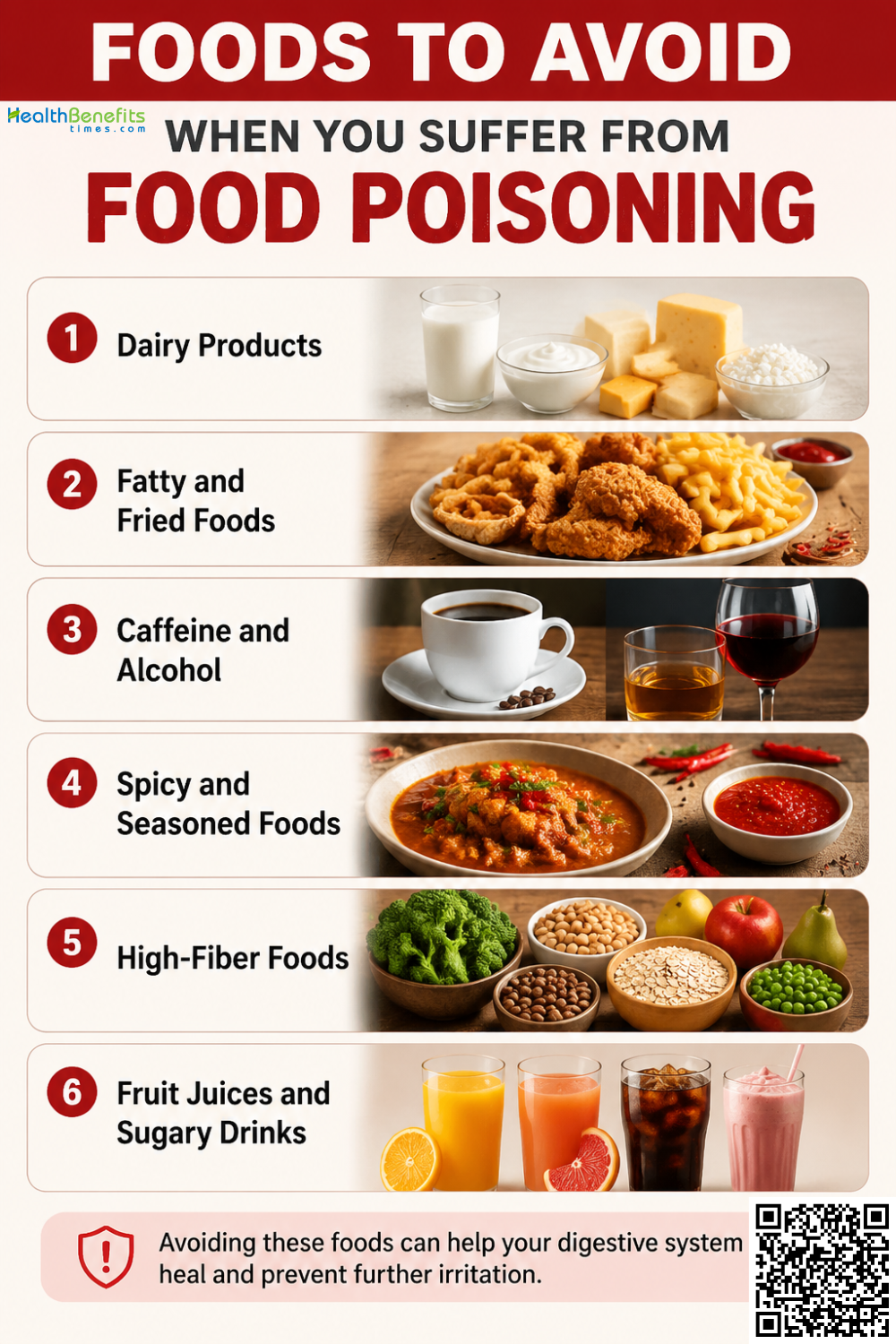
2. Fatty and Fried Foods
High-fat items slow down stomach emptying and can aggravate an already sensitive lining, triggering increased nausea and cramping. 20
3. Caffeine and Alcohol
Both substances promote fluid loss and can irritate the digestive tract, significantly increasing the risk of dehydration during bouts of vomiting and diarrhea. 20
4. Spicy and Seasoned Foods
Intense spices contain chemical compounds that can severely irritate inflamed mucosal tissues in the stomach and intestines. 20
5. High-Fiber Foods
Whole grains, raw vegetables, and certain beans add excessive bulk and require intensive digestive effort, which stresses recovering intestines. 20
6. Fruit Juices and Sugary Drinks
High concentrations of simple sugars can draw water into the bowels via osmosis, potentially worsening osmotic diarrhea. 20
When to See a Doctor When You Struggle From Food Poisoning
While most cases of food-borne illness resolve independently with rest and hydration, certain severe clinical indicators require professional medical evaluation to prevent dangerous complications like profound dehydration or systemic infection. According to the National Institute of Diabetes and Digestive and Kidney Diseases, patients must recognize critical warning signs that necessitate timely intervention by a qualified healthcare provider.
1. Prolonged Diarrhea
Consult a doctor if you experience watery or loose bowel movements lasting longer than three consecutive days without improvement. 21
2. Persistent Vomiting
Seek medical care if you vomit so frequently that you cannot keep any liquids or oral rehydration solutions down. 21
3. Bloody Stools
Professional evaluation is mandatory immediately if you notice blood, pus, or black tarry appearance in your bowel movements. 21
4. High Fever
Contact a medical professional if your body temperature rises above 102 degrees Fahrenheit, or if an infant develops any fever. 21
5. Signs of Dehydration
Watch for extreme thirst, dry mouth, little to no urination, severe weakness, and dizziness or lightheadedness when standing. 21
6. Nervous System Changes
Seek emergency care right away if you experience neurological symptoms such as blurry vision, muscle weakness, or tingling skin. 21
Comments
comments