

Causes of Fungal Infections
- Environmental Exposure: Inhaling microscopic fungal spores from contaminated soil, dust, or decaying vegetation can lead to deep or systemic infections, such as pulmonary mycoses 1.
- Direct Skin Contact: Touching contaminated surfaces, public damp areas like locker rooms, or interacting with infected humans and animals facilitates the transmission of superficial dermatophytes like ringworm 3.
- Internal Overgrowth: The uncontrolled multiplication of commensal organisms, such as Candida yeast species that naturally reside on the skin or mucosal surfaces, can trigger localized or mucosal infections 1.
- Compromised Immune Systems: Underlying medical conditions or treatments—including advanced HIV/AIDS, cancer therapies, organ transplants, and prolonged corticosteroid use—reduce the body’s defense mechanisms, allowing opportunistic fungi to invade tissues 4.
- Physical Barriers Breached: Traumatic injuries, surgical procedures, or skin cuts allow environmental fungi or surface microbes to directly penetrate physical barriers and enter deeper tissues or the bloodstream 5.
Symptoms of Fungal Infections
- Skin Rashes and Itching: Superficial infections often cause localized itching, redness, scaling, and distinct ring-shaped rashes on the skin, along with soreness in skin folds 3.
- Nail Changes: Infected fingernails or toenails frequently become thick, brittle, distorted in shape, and discolored yellow, brown, or white 3.
- Mucosal Irritation: Infections in the mouth or throat (thrush) typically produce painful white patches, redness, and a burning sensation that can make swallowing difficult 6.
- Respiratory Issues: Fungal infections affecting the lungs can manifest as a persistent cough, shortness of breath, chest pain, fever, fatigue, and night sweats 3.
- Systemic and Severe Symptoms: Deep or widespread invasive infections can cause high fevers, chills, severe headaches, confusion, and muscle aches as the pathogen impacts internal organs 3, 6.
Home Remedies for Fungal Infections
1. Tea Tree Oil Applications
How it may help
Derived from the Melaleuca alternifolia plant, tea tree oil contains active compounds like terpinen-4-ol that disrupt cellular membranes of dermatophytes and yeasts 7. This mechanism inhibits fungal growth, helping manage superficial conditions like athlete’s foot and nail infections 7, 8.
What research says
Laboratory evaluations demonstrate that tea tree oil exhibits strong fungicidal activity against common pathogens such as Trichophyton rubrum 9. Clinical observations indicate it can reduce fungal colonization, though robust large-scale trials remain limited compared to conventional pharmacological treatments 8.
How to use it safely
Always dilute pure essential oil to a safe concentration of 5% to 25% using a carrier oil like coconut or jojoba oil 8, 10. Perform a patch test on a small skin area for 24 hours before applying it to larger regions, and never ingest the oil 8.
Potential precautions or side effects
Topical application may cause contact dermatitis, skin irritation, or allergic reactions, especially if the oil has oxidized from exposure to light and air 8, 11.
2. Garlic Extract Treatments
How it may help
Garlic extract contains active sulfur compounds like allicin, which form when cloves are crushed 12. These compounds penetrate fungal cell membranes, disrupt vital metabolic enzymes, and induce oxidative stress 13, effectively suppressing common yeasts and dermatophytes responsible for superficial skin infections.
What research says
Laboratory studies demonstrate that garlic extracts exhibit strong inhibitory activity against multiple fungal strains, including Candida and Aspergillus species 14. Findings indicate that its bioactive components achieve significant fungicidal results, though comprehensive clinical trials in humans remain limited 15.
How to use it safely
Crush fresh garlic cloves and allow them to rest for ten minutes to activate allicin before mixing with a safe carrier oil 13. Apply the diluted mixture sparingly to the affected area, and always perform a patch test first to check for sensitivity.
Potential precautions or side effects
Raw garlic applications can cause severe skin irritation, chemical burns, or contact dermatitis. Discontinue use immediately if redness or discomfort develops.
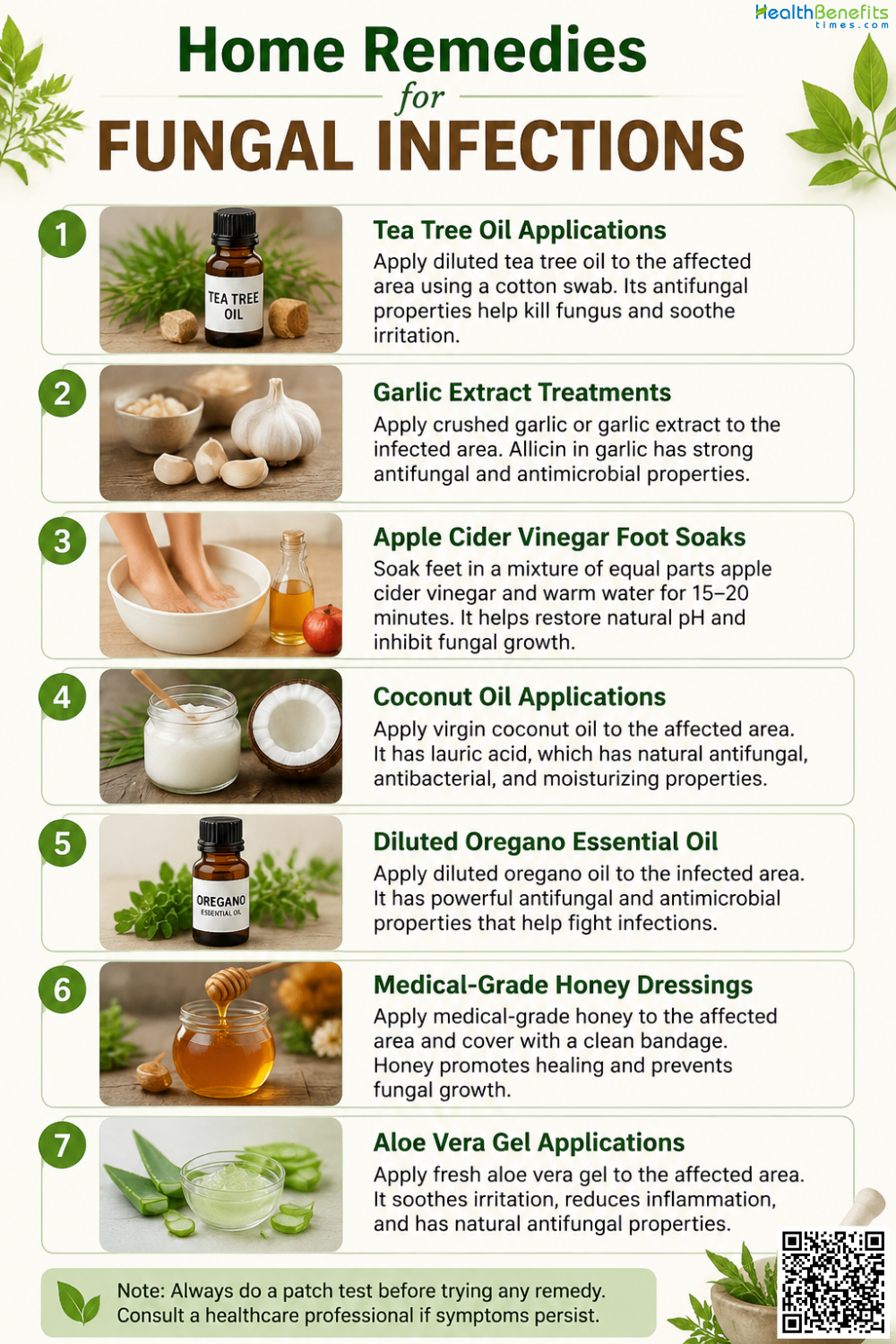
3. Apple Cider Vinegar Foot Soaks
How it may help
Apple cider vinegar contains acetic acid, which lowers local skin pH and creates an acidic environment hostile to fungi 16, 17. This acidic property helps disrupt fungal cell integrity and manage superficial skin and nail infections 17.
What research says
Laboratory studies demonstrate that apple cider vinegar exhibits significant inhibitory and lytic activity against common dermatophytes and yeasts 14, 18. Research indicates it effectively suppresses microbial growth at low concentrations, though high concentrations can stress human skin cells 18.
How to use it safely
Dilute apple cider vinegar generously with warm water, using roughly one part vinegar to several parts water 17. Soak your feet for ten to fifteen minutes daily, and rinse thoroughly afterward.
Potential precautions or side effects
Undiluted or highly concentrated solutions can cause chemical burns, skin irritation, and contact dermatitis 17.
4. Coconut Oil Applications
How it may help
Coconut oil contains active medium-chain fatty acids, notably lauric acid, which target fungal pathogens. These components integrate into the lipid structures of fungal cell membranes, increasing permeability and causing the breakdown of cellular integrity, which effectively inhibits the growth and spread of common fungi.
What research says
Preclinical investigations published via the 19 demonstrate that dietary and topical applications of coconut oil successfully suppress the proliferation of opportunistic fungal pathogens, such as Candida albicans, by disrupting cellular membranes and metabolic pathways.
How to use it safely
Apply a thin layer of pure, virgin coconut oil directly to the clean, dry skin affected by the fungal infection. Gently massage the area until absorbed, and repeat this application two to three times daily until symptoms resolve.
Potential precautions or side effects
Excessive topical application may clog pores or trap moisture, potentially worsening certain fungal environments. Discontinue use immediately if skin irritation, redness, or allergic reactions develop.
5. Diluted Oregano Essential Oil
How it may help
Diluted oregano essential oil contains active plant compounds, primarily carvacrol and thymol, which target fungal pathogens. These compounds integrate into the lipid structures of fungal cell membranes, increasing permeability and causing the leakage of vital cellular components, which effectively inhibits the growth and spread of common fungi.
What research says
Laboratory studies published via the 20 demonstrate that the phenolic constituents in oregano oil possess broad-spectrum antifungal properties, successfully suppressing the proliferation of pathogens such as Candida albicans by disrupting cellular integrity and metabolic pathways.
How to use it safely
Always dilute oregano essential oil with a carrier oil, such as coconut or jojoba oil, using a maximum concentration of one to two drops of essential oil per teaspoon of carrier oil. Perform a patch test on a small skin area before applying it gently to the affected site.
Potential precautions or side effects
Undiluted application can cause severe skin irritation, chemical burns, or allergic contact dermatitis. Avoid use near mucous membranes and discontinue immediately if irritation develops.
6. Medical-Grade Honey Dressings
How it may help
Medical-grade honey creates a low-moisture, highly acidic environment that dehydrates fungal cells through osmotic pressure. It also contains unique natural enzymes that produce low levels of hydrogen peroxide. This combination effectively damages fungal cell structures and halts the growth of superficial skin infections.
What research says
Clinical reviews published via the 21 confirm that medical-grade honey, particularly Manuka honey, demonstrates significant broad-spectrum antifungal activity. The findings conclude that its unique botanical compounds and high sugar concentration successfully inhibit the proliferation of Candida albicans and common dermatophyte species.
How to use it safely
Clean and dry the affected area completely. Apply a thin layer of sterile, medical-grade honey directly to the infection site. Cover the area with a clean, breathable bandage. Change the dressing daily, and ensure you strictly use certified medical honey rather than grocery store varieties.
Potential precautions or side effects
Avoid application if you have a known allergy to bee venom or pollen. You may experience temporary stinging upon application. Discontinue use immediately if increased redness or swelling develops.
7. Aloe Vera Gel Applications
How it may help
Aloe vera gel contains specialized proteins and active chemical compounds, such as anthraquinones, which directly attack fungal cell structures. Additionally, its natural cooling properties reduce the severe itching, redness, and inflammation often associated with skin infections, helping the skin heal while simultaneously limiting fungal spread.
What research says
Clinical studies published via the 22 indicate that the active compounds in aloe vera possess measurable antifungal activity. The findings conclude that these natural plant elements successfully inhibit the growth of common dermatophytes and yeast strains by degrading their cellular walls and neutralizing their structural integrity.
How to use it safely
Extract fresh gel directly from an aloe vera leaf or purchase a pure, fragrance-free commercial product. Clean and dry the infected skin completely, then apply a thin layer of the gel. Allow it to dry naturally. Repeat this process up to three times daily.
Potential precautions or side effects
Topical aloe vera is generally safe, but mild skin irritation or allergic contact dermatitis can occur. Discontinue use immediately if you experience increased redness, burning, or a rash.
Foods to Avoid When You Suffer from Fungal Infections
Dietary choices significantly impact the body’s ability to manage opportunistic pathogens. Limiting specific foods can help control the biological environment that allows fungi to thrive.
1. Refined Sugars
High glucose levels directly fuel opportunistic fungi like Candida, accelerating their reproduction and worsening infection severity by providing an easily accessible cellular energy source 23.
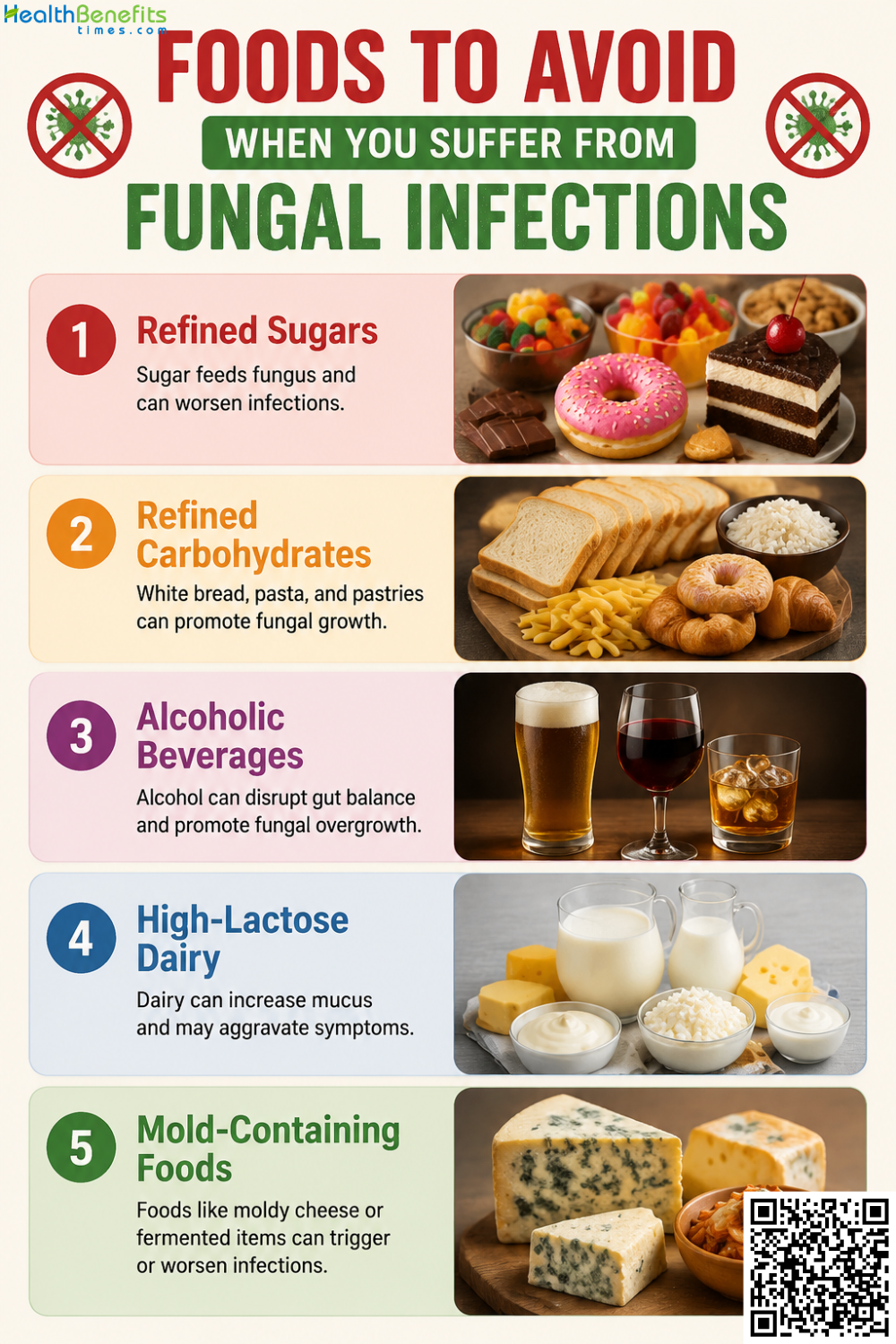
2. Refined Carbohydrates
Processed grains quickly convert to blood glucose, triggering spikes that suppress immune function and create an ideal biological environment for yeast to proliferate rapidly 24.
3. Alcoholic Beverages
Alcohol suppresses the immune system’s defensive response against pathogens and contains residual sugars that promote rapid fungal overgrowth in the digestive tract and skin 25.
4. High-Lactose Dairy
Since lactose is a simple sugar, large amounts of dairy can feed yeast populations. You should limit heavy milk consumption during active and severe fungal outbreaks 26.
5. Mold-Containing Foods
Aged cheeses and certain nuts harbor natural molds and mycotoxins, which can trigger cross-reactive inflammatory responses and exacerbate existing fungal sensitivities in susceptible individuals 27.
When to See a Doctor When You Struggle from Fungal Infections
While mild skin infections often respond to standard home care, certain clinical presentations require professional medical intervention to prevent severe complications and ensure proper healing.
1. Unresponsive to Over-the-Counter Treatments
You must seek medical evaluation if symptoms persist after two weeks of using over-the-counter treatments, as prescription-strength medications are often required to resolve resistant strains 28.
2. Signs of Secondary Bacterial Infection
Consult a physician immediately if the site exhibits pus, extreme warmth, or red streaks, as these indicate a secondary bacterial infection requiring prompt antibiotic intervention 29.
3. Widespread or Rapidly Spreading Lesions
Infections covering large areas of the body or spreading rapidly require systemic oral antifungal therapy rather than localized topical treatments to achieve effective pathogen eradication 30.
4. Scalp or Nail Bed Involvement
Fungal infections penetrating the nail bed or scalp hair follicles rarely resolve with topical creams and necessitate prolonged oral prescription medications to ensure complete clearance 31.
5. Compromised Immune System Function
Individuals managing diabetes, HIV, or undergoing chemotherapy must seek immediate clinical care for any fungal presentation to prevent invasive, potentially life-threatening systemic complications 32.
Comments
comments