


Causes of Juvenile Idiopathic Arthritis
1. Genetic Susceptibility
An individual’s genetic background plays a fundamental role in JIA pathogenesis. The disease is strongly linked to variations in human leukocyte antigen (HLA) genes, particularly specific alleles such as HLA-DRB1 and HLA-DPB1 3. Furthermore, inherited mutations in non-HLA genes responsible for regulating immune responses, including PTPN22 and STAT4, significantly predispose children to the disease.
2. Environmental Triggers
In genetically susceptible children, environmental factors can act as catalysts that initiate the disease process. Specific early-life and perinatal factors, such as delivery by Caesarean section, have been statistically correlated with a higher risk of developing JIA 4. Additionally, prior exposure to certain infectious agents, including Epstein-Barr virus, parvovirus B19, and various enteric bacteria, is recognized as a potential trigger that activates the abnormal immune response 5.
3. Immune System Dysregulation
The direct cause of the chronic joint inflammation seen in JIA is an autoimmune reaction. This occurs due to a functional cellular imbalance between regulatory T cells, which normally prevent excessive immunity, and pro-inflammatory effector cells, specifically Th1 and Th17 lymphocytes 6. Consequently, the immune system mistakenly targets and attacks the synovial lining of the joints, leading to persistent swelling and cartilage damage.
Symptoms of Juvenile Idiopathic Arthritis
1. Joint Inflammation and Stiffness
The most prominent indicator is persistent joint swelling, pain, and localized warmth lasting for six weeks or longer; this is typically accompanied by severe joint stiffness that is worse in the morning but gradually improves with physical movement 7.
2. Altered Movement and Limping
Because young children may lack the vocabulary to describe chronic pain, physical symptoms frequently manifest as an unexplained limp, sudden clumsiness, or a noticeable reluctance to use a specific arm or leg during daily activities .
3. Systemic Fever and Rash
In the systemic subtype of the disorder, children often experience recurring, high-spiking fevers that peak once or twice daily; these fevers are commonly accompanied by a faint, salmon-pink skin rash that appears and fades alongside the temperature spikes 8.
4. Eye Inflammation (Uveitis)
A severe extra-articular symptom is chronic inflammation of the eye’s middle layer, known as anterior uveitis, which can cause redness and light sensitivity; however, it frequently develops without any visible symptoms, requiring regular screening to prevent permanent visual impairment .
5. Fatigue and Growth Abnormalities
The ongoing immune system response often causes profound exhaustion, muscle weakness, and weight loss; furthermore, localized chronic inflammation can accelerate or stunt bone development, leading to noticeable limb length discrepancies or overall delayed physical growth 9.
6. Organ Enlargement
In severe systemic presentations, the widespread inflammatory reaction can extend beyond the joints to affect internal tissues, resulting in swollen lymph nodes or an enlarged liver and spleen (hepatosplenomegaly).
Home Remedies for Juvenile Idiopathic Arthritis
1. Regular Aerobic Exercise and Daily Physical Activity
How it may help
Regular aerobic exercise prevents deconditioning, mitigates chronic fatigue, and reduces joint stiffness. By increasing blood circulation and helping maintain a healthy weight, daily movement minimises biomechanical stress on affected joints, improves cardiovascular fitness, and counteracts the muscular atrophy and functional disability often caused by prolonged inactivity in pediatric patients.
What research says
Clinical trials demonstrate that structured aerobic interventions significantly improve functional mobility, increase maximum heart rate, and decrease disease-related pain in children with juvenile idiopathic arthritis 10. Systematic reviews conclude that moderate-intensity physical activity does not exacerbate joint inflammation but successfully attenuates systemic inflammatory markers and enhances overall physical function 11.
How to use it safely
You should begin with low-impact aerobic activities like swimming, brisk walking, or stationary cycling. Gradually progress toward the recommended 60 minutes of daily moderate movement. Divide this time into shorter intervals to prevent exhaustion, and consistently incorporate gentle warm-up routines to preserve joint mobility.
Potential precautions or side effects
Avoid high-impact sports during active flare-ups to prevent cartilage damage. Overtraining may provoke temporary soreness. You should consult a pediatric rheumatologist before starting any new exercise routine.
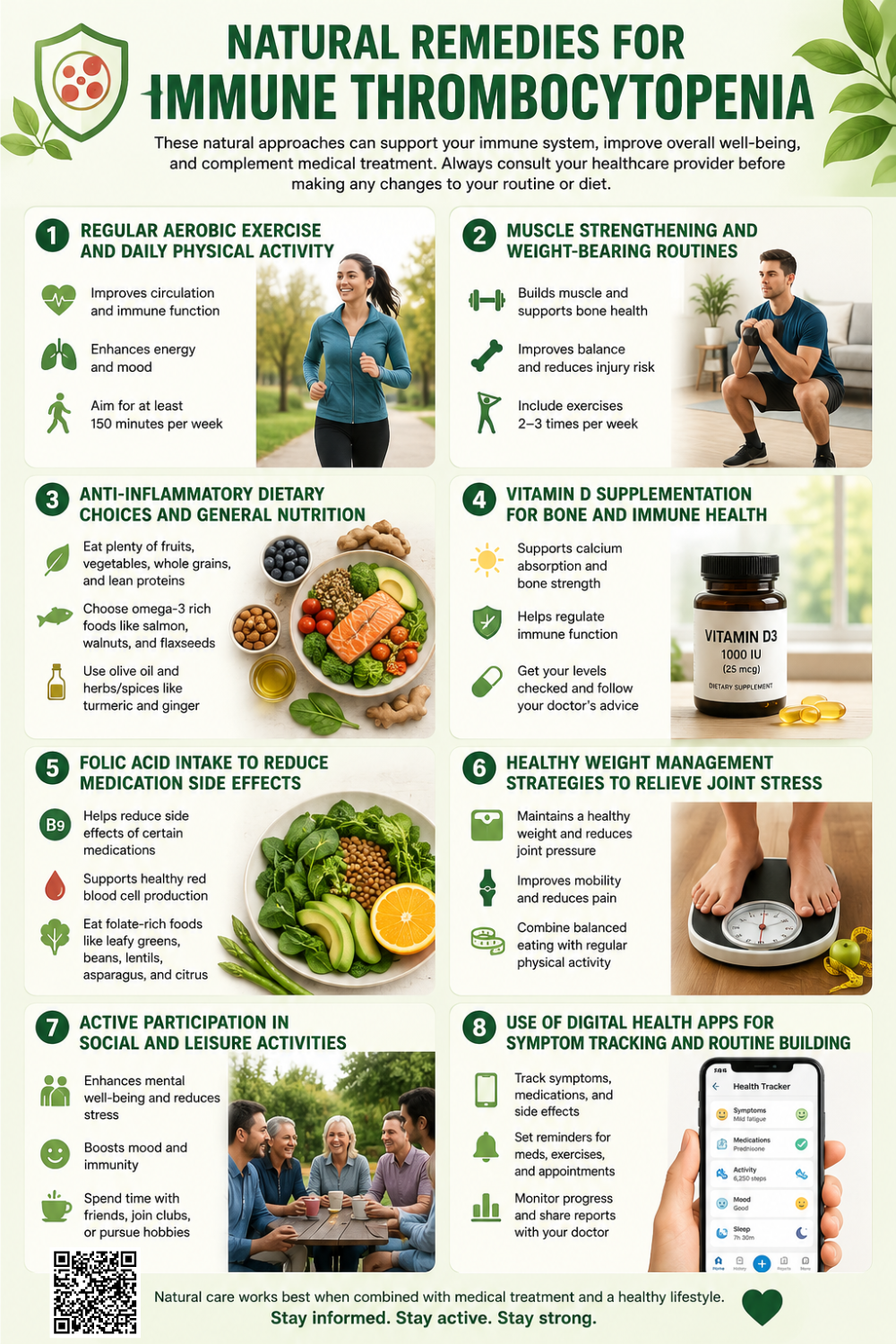
How it may help
Targeted muscle strengthening stabilizes vulnerable joints by absorbing physical impact and reducing strain. Furthermore, engaging in weight-bearing routines is essential for stimulating healthy bone development and counteracting the bone loss frequently caused by chronic joint inflammation, physical inactivity, and prolonged medication use.
What research says
Clinical trials confirm that resistance training safely increases muscle strength and functional performance in children with juvenile idiopathic arthritis without worsening joint inflammation 12. Studies show these structured routines efficiently enhance bone density, combat localized muscle shrinking, and significantly reduce chronic pain 13.
How to use it safely
You should begin with gentle muscle-tensing exercises to maintain strength without stressing the joints. Gradually progress to dynamic movements using light resistance bands or water-based exercises once pain subsides. Always perform a thorough warm-up and cool-down to preserve joint flexibility during your sessions.
Potential precautions or side effects
Overtraining can trigger temporary muscle soreness. You should strictly avoid heavy, high-intensity strength training during acute disease flare-ups to prevent severe joint strain and potential cartilage damage.
3. Anti-Inflammatory Dietary Choices and General Nutrition
How it may help
An anti-inflammatory diet rich in antioxidants and omega-3 fatty acids reduces systemic inflammation and joint swelling. Proper nutrition also supports immune system regulation, aids in maintaining a healthy body weight to lessen joint stress, and ensures adequate intake of essential vitamins needed for bone growth and tissue repair during chronic illness.
What research says
Clinical studies demonstrate that diets emphasizing vegetables, fruits, and omega-3 fatty acids significantly decrease inflammatory markers and morning stiffness in children with juvenile idiopathic arthritis 14. Research confirms that integrating anti-inflammatory nutritional plans alongside standard medical treatments improves overall disease activity scores and reduces the frequency of symptom flare-ups .
How to use it safely
You should gradually introduce a balanced diet rich in oily fish, whole grains, and leafy greens while avoiding highly processed foods. Always consult a pediatric dietitian to ensure the nutritional plan meets your child’s specific physical growth requirements without causing unintentional nutritional deficiencies.
Potential precautions or side effects
Strictly restrictive diets can cause malnutrition, unhealthy weight loss, or stunted growth in developing children. You should never use dietary changes to replace prescribed medical treatments.
4. Vitamin D Supplementation for Bone and Immune Health
How it may help
Vitamin D acts as a crucial immunomodulator, regulating the immune response to help suppress chronic joint inflammation. Furthermore, it strictly regulates calcium absorption to ensure proper bone mineralization. This is vital for children with juvenile idiopathic arthritis, who frequently suffer from bone loss due to inflammation and prolonged corticosteroid medications.
What research says
Observational studies reveal that children with juvenile idiopathic arthritis frequently exhibit low serum vitamin D, which correlates with severe disease activity 15. Clinical trials confirm that targeted cholecalciferol supplementation successfully restores 25-hydroxyvitamin D levels, supporting vital immune functions and protecting against long-term bone density loss 16.
How to use it safely
You should have your child’s serum 25-hydroxyvitamin D levels clinically tested by a pediatrician to assess baseline deficiency. Administer doctor-prescribed cholecalciferol (Vitamin D3) supplements based strictly on laboratory results. Ensure consistent adherence to the recommended dosage alongside adequate dietary calcium to maximize bone absorption benefits.
Potential precautions or side effects
Excessive vitamin D supplementation can cause hypercalcemia, leading to nausea, weakness, and kidney stones. You should strictly avoid exceeding the prescribed dosage and attend scheduled blood tests to monitor levels.
5. Folic Acid Intake to Reduce Medication Side Effects
How it may help
Many children with juvenile idiopathic arthritis are prescribed methotrexate, a powerful medication that severely depletes the body’s natural folate stores. Folic acid supplementation replenishes this vital nutrient, significantly reducing medication-induced side effects like nausea, mouth sores, and liver stress without altering the drug’s therapeutic benefits.
What research says
Clinical studies show that methotrexate acts as a direct folic acid antagonist. Research confirms that routine supplementation with folic acid effectively mitigates severe gastrointestinal side effects and corrects low serum folate levels in children, safely allowing them to maintain their necessary arthritis treatments .
How to use it safely
You must administer folic acid strictly according to your pediatric rheumatologist’s instructions. It is typically taken as an oral pill or liquid, often given on specific days carefully timed around the methotrexate dose to prevent interference with the primary medication’s absorption.
Potential precautions or side effects
You must not alter the folic acid schedule independently, as incorrect timing can diminish the arthritis treatment’s effectiveness. Excess dosage may rarely cause mild stomach upset or sleep disruptions.
6. Healthy Weight Management Strategies to Relieve Joint Stress
How it may help
Excess body weight multiplies the mechanical force exerted on weight-bearing joints like the hips and knees, worsening pain and cartilage deterioration. Maintaining a healthy weight directly reduces this physical stress, limits excess fat tissue that naturally produces inflammatory chemicals, and improves overall mobility for children with juvenile idiopathic arthritis.
What research says
Clinical research demonstrates that children with juvenile idiopathic arthritis who are overweight experience significantly higher pain scores, increased overall disease activity, and a lower likelihood of achieving disease remission 17. Studies also indicate that obesity negatively impacts the effectiveness of standard arthritis medications, making symptom control much more difficult 18.
How to use it safely
You should focus on gradual, healthy weight maintenance through balanced nutrition and daily physical activity rather than strict calorie counting. Always consult a pediatrician or registered dietitian to create a personalized weight management plan that safely supports your child’s natural growth spurts and basic nutritional needs.
Potential precautions or side effects
Extreme or unsupervised diets can cause dangerous nutritional deficiencies and stunt skeletal growth. You must never heavily restrict a developing child’s caloric intake without direct medical supervision.
7. Active Participation in Social and Leisure Activities
How it may help
Active participation in hobbies and social events significantly improves a child’s psychological well-being. By reducing feelings of isolation and depression, engaging in enjoyable leisure activities acts as a natural distraction from chronic pain, builds emotional resilience, and fosters a positive mindset essential for coping with a long-term illness.
What research says
Systematic reviews emphasize that continuous engagement in leisure activities is crucial for children with juvenile idiopathic arthritis to develop social skills, prevent severe isolation, and avoid clinical depression 19. Furthermore, evidence confirms that active social participation correlates with a significantly higher quality of life and reduced pain interference.
How to use it safely
You should encourage your child to explore low-impact hobbies, arts, or supervised community clubs that safely align with their physical capabilities. Gradually increase their social involvement while remaining mindful of their energy levels. Always allow them to take short resting breaks during group activities to prevent sudden exhaustion.
Potential precautions or side effects
Overexertion during long social events can trigger severe physical fatigue or emotional burnout. You must carefully monitor your child and avoid forcing participation during acute joint pain flare-ups.
8. Use of Digital Health Apps for Symptom Tracking and Routine Building
How it may help
Digital health applications enable precise monitoring of daily pain levels, joint stiffness, and medication schedules. By logging these details, patients and caregivers can identify specific symptom triggers, build consistent daily routines, and provide accurate, real-time data to doctors to better adjust ongoing treatment plans.
What research says
Clinical evidence indicates that mobile health interventions significantly aid symptom monitoring in children. Systematic reviews confirm that digital symptom tracking is highly preferred over recall-based assessments during consultations, successfully increasing disease knowledge, improving self-efficacy, and demonstrating a clinically meaningful reduction in baseline pain intensity 20.
How to use it safely
You should choose reputable health applications explicitly designed for pediatric rheumatology or directly recommended by your child’s medical team. Consistently log daily symptoms, medication intake, and physical activity, and routinely share this exported data with healthcare providers to inform clinical decisions.
Potential precautions or side effects
Avoid relying exclusively on apps for medical advice. Over-focusing on daily symptom tracking may induce anxiety. You must immediately consult a doctor if severe pain or new symptoms arise.

1. Refined Sugars and Sweetened Beverages
High sugar intake increases inflammatory proteins like interleukin-8 and promotes unhealthy weight gain, which places excess mechanical stress on vulnerable joints 21.
2. Red and Processed Meats
Hot dogs, bacon, and heavy red meats contain high levels of specific acids and heme iron that alter gut bacteria and trigger severe inflammatory responses .
3. Foods High in Trans Fats
Partially hydrogenated oils found in commercial baked goods and fried fast foods strongly provoke systemic inflammation and worsen existing joint swelling and chronic pain 22.
4. Refined Carbohydrates
White bread, pasta, and pastries made from refined flour cause rapid blood sugar spikes and increase intestinal permeability, aggravating the body’s underlying autoimmune reactions.
5. Excessive Dietary Sodium
A high-salt diet negatively alters the protective gut microbiome, promoting a cellular environment that worsens autoimmune processes and increases the risk of severe arthritis flare-ups.
6. Ultra-Processed Snacks
Packaged snacks containing artificial emulsifiers, synthetic sweeteners, and chemical preservatives disrupt the intestinal barrier and accelerate the release of inflammatory chemicals into the bloodstream.
When to See a Doctor When You Suffer From Juvenile Idiopathic Arthritis
1. Persistent Joint Symptoms
You should consult a doctor if joint pain, swelling, localized warmth, or severe morning stiffness lasts for six continuous weeks without improving.
2. Unexplained Limping or Clumsiness
Seek medical attention if a child unexpectedly begins limping, refuses to use a specific limb, or demonstrates sudden awkwardness during morning routines.
3. Recurring High Fevers
Contact a physician immediately if daily, high-spiking fevers occur alongside a faint pink skin rash, as this indicates a potentially dangerous systemic flare-up.
4. Eye Redness or Vision Changes
You must schedule an urgent ophthalmologist evaluation if you notice sudden eye redness, light sensitivity, or blurred vision, which are critical signs of uveitis.
5. Profound Fatigue and Weight Loss
See a pediatrician if chronic joint symptoms are accompanied by extreme physical exhaustion, loss of appetite, or unexplained weight loss, indicating widespread systemic inflammation.
6. Visible Growth Abnormalities
Consult your doctor if you observe uneven bone development, such as one leg growing longer than the other, or a general delay in overall physical growth.
7. Severe Medication Side Effects
Seek immediate medical guidance if prescribed arthritis treatments cause unexpected severe nausea, high fevers, or signs of an active infection due to immune suppression.
Comments
comments