

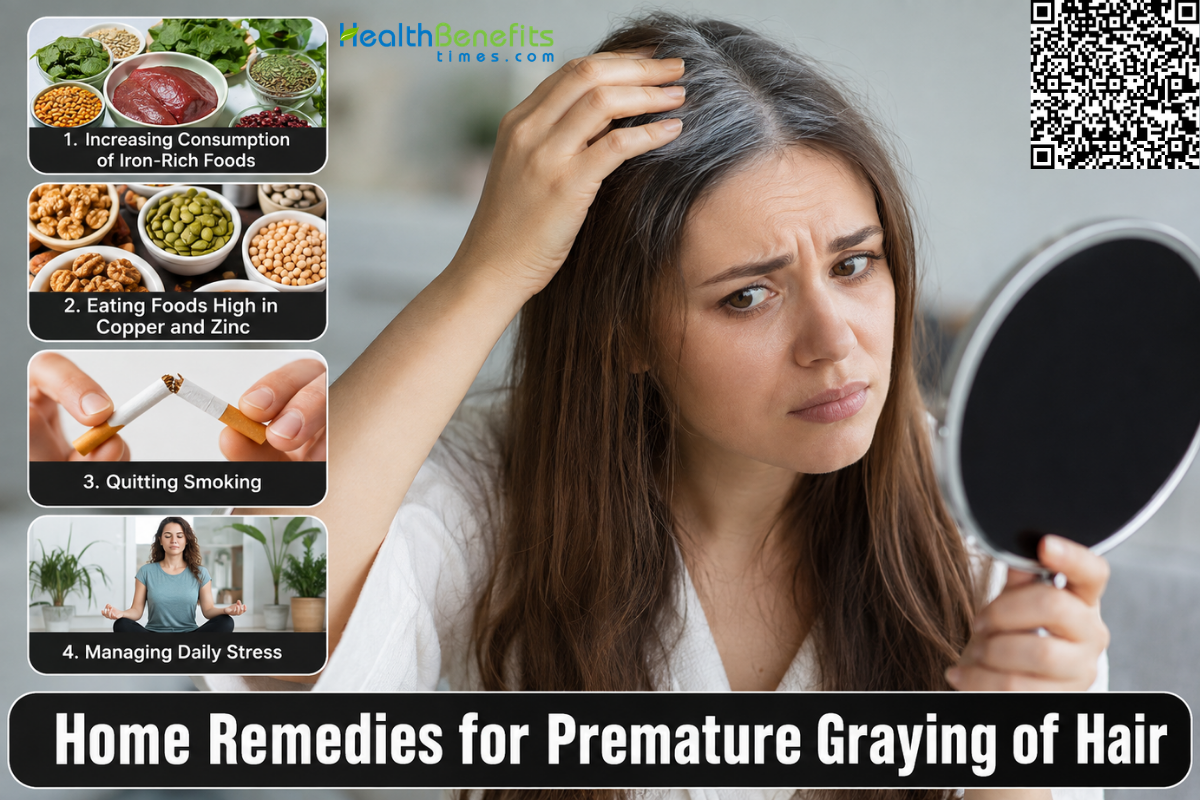
Causes of Premature Graying of Hair
1. Genetics and Family History
The most common driver of early hair graying is inherited genetics. If a person’s parents or grandparents experienced early color loss, they are highly likely to inherit the trait due to a genetically programmed early exhaustion of pigment-producing cells 1.
2. Nutritional Deficiencies
A severe lack of essential vitamins and minerals impairs the biological pathways that produce melanin. Clinical research concludes that low levels of vitamin B12, vitamin D3, calcium, copper, and iron (ferritin) are strongly linked to the premature onset of gray hair 3.
3. Tobacco Smoking
Smoking introduces harmful toxins into the bloodstream, creating chronic oxidative stress that damages the hair follicle’s pigment cells. Studies demonstrate that individuals who smoke are two and a half times more likely to develop premature gray hair compared to non-smokers 4.
4. Thyroid Dysfunction
The thyroid gland regulates cellular metabolism, directly impacting hair growth and pigmentation. Clinical findings confirm that thyroid disorders, including both underactive (hypothyroidism) and overactive (hyperthyroidism) states, disrupt hair follicle function and trigger early pigment loss 1.
5. Autoimmune Conditions
In certain autoimmune disorders, the body’s immune system mistakenly attacks its own healthy tissues. In conditions like vitiligo and alopecia areata, the immune system actively targets and destroys the melanin-producing cells in the hair follicles, resulting in distinct patches of white or gray hair 5.
6. Severe Psychological Stress
Chronic and extreme stress physically alters the hair follicle environment. Research confirms that neurotransmitters released during the body’s “fight-or-flight” stress response overactivate pigment-producing stem cells, permanently depleting them from the follicle and halting future color production 6.
Symptoms of Premature Graying of Hair
1. Early Appearance of White or Silver Strands
The defining clinical sign is the visible emergence of unpigmented hairs significantly earlier than expected, specifically occurring before age 20 in Caucasian individuals, before age 25 in Asian populations, and before age 30 in populations of African descent 1.
2. Textural Changes in the Hair Shaft
Hairs that lose their pigment undergo structural alterations, frequently becoming noticeably coarser, thicker, and more resistant to styling than fully pigmented strands 1. This textural shift occurs because the absence of melanin alters the physical properties of the hair shaft and is often accompanied by reduced sebum (oil) transfer, leading to increased dryness and brittleness.
3. Patchy or Uneven Color Loss
The onset of early graying rarely happens uniformly across the entire scalp. It typically presents as isolated, scattered silver strands or distinct patches, most commonly originating at the temples and sides of the head before gradually progressing to the crown and the back of the head 1.
4. Depigmentation of Facial and Body Hair
While premature pigment loss usually begins on the scalp, the depletion of melanocytes (pigment-producing cells) can extend to other areas of the body. This can result in the unusually early graying of the beard, mustache, eyebrows, or eyelashes, depending on the severity of the cellular decline 1.
Home Remedies for Premature Graying of Hair
1. Correcting Vitamin B12 Deficiency Through Diet
How it may help
Vitamin B12 is crucial for red blood cell formation and cellular metabolism, which directly support healthy hair follicles. It sustains melanocytes, the specialized cells that produce hair pigment. Proper B12 levels prevent the premature breakdown of these cells, maintaining natural hair color and preventing early depigmentation 1.
What research says
Clinical studies demonstrate a strong association between low serum Vitamin B12 levels and the early onset of gray hair. Research concludes that correcting this specific nutritional deficiency can effectively halt premature pigment loss and, in some cases, restore natural color to the affected hair shafts 3.
How to use it safely
You should consume B12-rich foods like eggs, dairy, fortified cereals, and lean meats daily. If you follow a strict vegan diet, integrate fortified nutritional yeast or ask your doctor about a clinically approved B12 supplement to reliably meet standard dietary requirements safely 7.
Potential precautions or side effects
Consult your doctor before starting supplements. While dietary B12 is safe, high-dose pills can interact negatively with common prescription medications, including metformin and gastric acid inhibitors 7.
2. Increasing Consumption of Iron-Rich Foods
How it may help
Iron is essential for the production of melanin, the pigment responsible for natural hair color. It supports healthy hemoglobin function, delivering vital oxygen directly to the hair follicles. Adequate iron levels ensure melanocytes function correctly, preventing the early depletion of hair pigment and maintaining the structural integrity of the hair shaft 1.
What research says
Clinical studies identify a strong association between low serum ferritin, the body’s iron storage protein, and premature hair graying. Researchers conclude that individuals experiencing early pigment loss frequently exhibit significantly reduced iron levels, indicating that restoring optimal iron balance is a necessary intervention for halting this premature aging process 3.
How to use it safely
You should incorporate dietary iron sources like lentils, dark leafy greens, fortified cereals, and lean meats into your regular meals. To maximize absorption, consume these foods alongside vitamin C-rich items like oranges. Only use iron supplements if a doctor clinically confirms a specific deficiency 8.
Potential precautions or side effects
Avoid self-prescribing high-dose iron supplements, as excess iron accumulates in tissues and causes organ toxicity. Excessive intake frequently triggers severe constipation, gastrointestinal distress, and dangerous cellular oxidative damage 8.
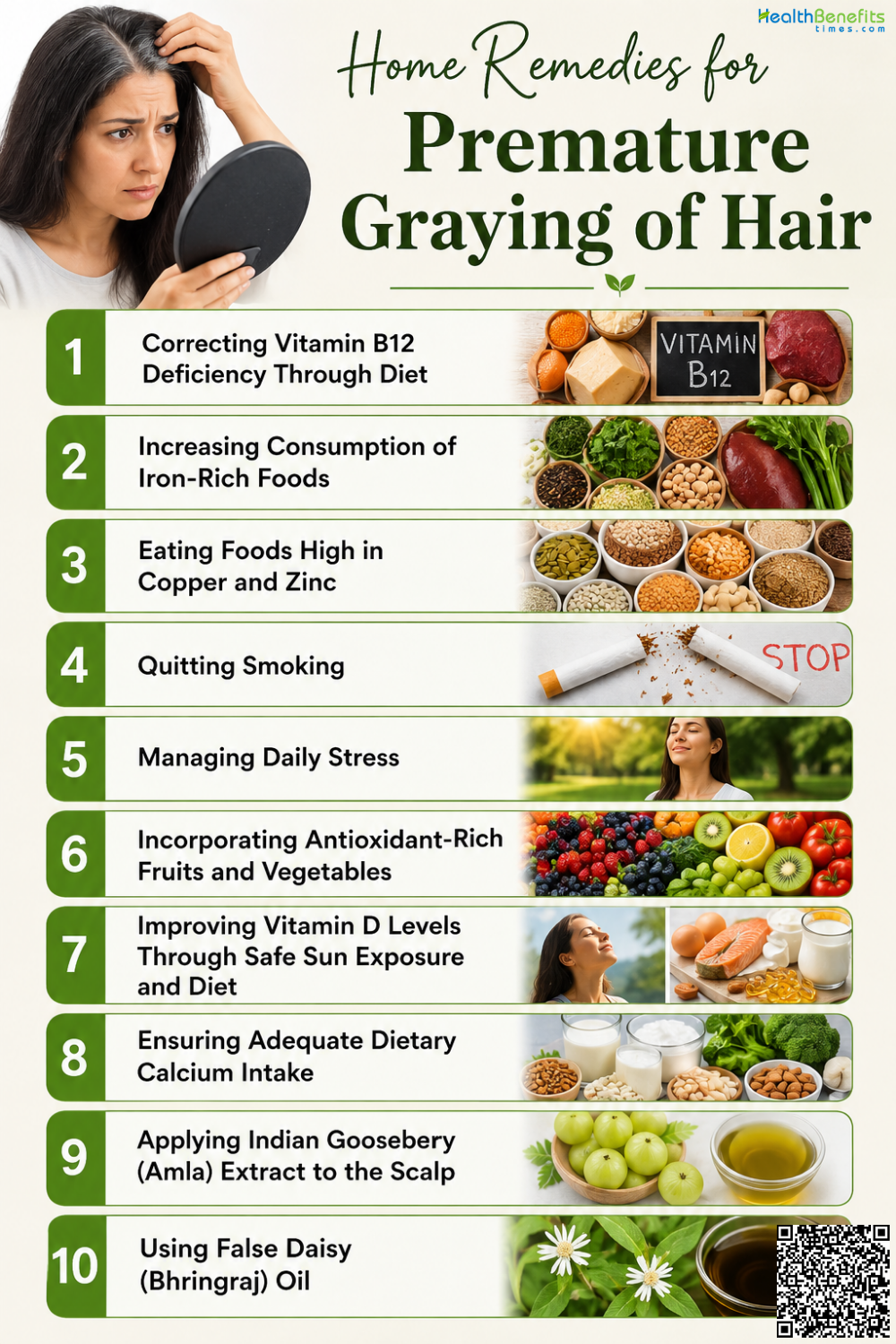
3. Eating Foods High in Copper and Zinc
How it may help
Copper is vital for activating tyrosinase, an essential enzyme required to produce hair pigment. Meanwhile, zinc protects hair follicles from cellular damage caused by environmental oxidative stress. Together, these critical trace minerals ensure continuous melanin production and actively protect melanocyte cells from early degradation, preventing the early onset of gray strands 9.
What research says
Clinical research demonstrates that individuals experiencing premature graying frequently have significantly reduced serum levels of copper and zinc. Scientists conclude that lacking these specific trace elements fundamentally disrupts the biological pathways responsible for melanin synthesis, which directly accelerates the loss of hair pigment at an unusually early age 10.
How to use it safely
You should support your hair health by consistently eating dietary sources rich in both minerals, such as lentils, chickpeas, pumpkin seeds, cashews, and shellfish. Relying on whole foods ensures you safely meet daily nutritional requirements without the risks associated with synthetic mineral supplements 11.
Potential precautions or side effects
You must avoid unauthorized high-dose mineral supplements. Excessive zinc consumption causes severe gastrointestinal distress, suppresses immune function, and actively blocks copper absorption, leading to dangerous secondary nutritional deficiencies 11.
4. Quitting Smoking
How it may help
Quitting smoking immediately halts the introduction of toxic chemicals and free radicals into the bloodstream. These harmful toxins induce severe oxidative stress within the hair follicle, physically damaging the pigment-producing cells. Eliminating this toxic burden allows the body to maintain normal cellular function, effectively preventing the accelerated loss of natural hair color 12.
What research says
Clinical studies confirm a significant, direct correlation between tobacco use and early hair depigmentation. Researchers conclude that individuals who smoke are two and a half times more likely to develop premature gray hair compared to non-smokers, primarily due to tobacco-induced oxidative damage to the hair follicle’s melanocytes 4.
How to use it safely
You should approach quitting smoking through evidence-based methods such as nicotine replacement therapy or prescribed cessation medications. Consult your doctor to create a structured quitting plan, and utilize behavioral counseling programs to safely increase your chances of long-term success 13.
Potential precautions or side effects
Prepare for temporary withdrawal symptoms like irritability and cravings. If using prescription cessation medications, carefully monitor for mood changes and report adverse effects to your doctor 13.
5. Managing Daily Stress
How it may help
Managing daily stress prevents the overactivation of the body’s sympathetic nervous system. Chronic stress constantly triggers a “fight-or-flight” response, which damages the specialized stem cells responsible for coloring hair. By keeping stress levels low, the body preserves these pigment-producing cells, effectively delaying the early onset of gray strands 6.
What research says
Clinical research concludes that severe stress forces the nervous system to release specific neurotransmitters that hyperactivate pigment-producing stem cells. This overstimulation causes the cells to rapidly deplete and permanently leave the hair follicle, resulting in irreversible color loss. Controlling stress directly halts this harmful cellular depletion 6.
How to use it safely
You should adopt daily relaxation routines to maintain healthy nervous system function. Engage in clinically supported practices such as mindful meditation, deep breathing exercises, or regular aerobic physical activity. Consistency is essential, so aim for at least twenty minutes of active stress reduction each day 14.
Potential precautions or side effects
While standard relaxation techniques are entirely safe, you should consult a licensed medical doctor or psychiatrist if you experience severe, unmanageable anxiety or chronic depression 15.
6. Incorporating Antioxidant-Rich Fruits and Vegetables
How it may help
Antioxidants neutralize harmful free radicals, which are unstable molecules that cause severe oxidative stress. This localized oxidative stress directly damages hair follicle melanocytes, the specific cells responsible for generating natural hair color. By reducing this cellular burden, antioxidants actively protect continuous melanin production and successfully prevent early pigment loss 1.
What research says
Clinical research concludes that a massive accumulation of oxidative stress within the hair follicle is a primary physiological mechanism driving premature hair graying. Scientists confirm that dietary antioxidants effectively reduce this localized free radical damage, preserving the survival and normal function of pigment-producing cells 16.
How to use it safely
You should consume a diverse daily diet containing fresh, antioxidant-dense whole foods like dark berries, leafy greens, carrots, and citrus fruits. Relying on natural whole foods safely delivers a balanced spectrum of protective nutrients without the medical risks associated with highly concentrated synthetic vitamin extracts 17.
Potential precautions or side effects
You must avoid high-dose synthetic antioxidant supplements. Clinical evidence shows excessive artificial antioxidants can paradoxically induce cellular damage and dangerously interact with prescribed medications like blood thinners 17.
7. Improving Vitamin D Levels Through Safe Sun Exposure and Diet
How it may help
Vitamin D actively regulates the biological cycles of hair follicles and supports the continuous production of melanin. This vital prohormone ensures that pigment-producing cells, known as melanocytes, remain completely active and healthy throughout the hair growth phase. Maintaining optimal systemic Vitamin D levels prevents early cellular exhaustion, successfully preserving natural hair color and actively delaying premature graying 1.
What research says
Clinical studies confirm a direct, significant correlation between premature hair graying and decreased serum Vitamin D3 levels. Researchers conclude that individuals experiencing early pigment loss frequently exhibit this specific nutritional deficiency. Restoring optimal Vitamin D balance directly supports sustained melanin synthesis, preserving overall follicular health and maintaining normal hair pigmentation 18.
How to use it safely
You should spend fifteen to twenty minutes outdoors daily to trigger natural Vitamin D synthesis through safe, moderate sun exposure. Additionally, enrich your daily diet by consistently consuming fortified dairy products, egg yolks, and fatty fish to meet your essential nutritional requirements safely 19.
Potential precautions or side effects
You must avoid excessive unprotected sun exposure to prevent permanent skin damage. Only consume high-dose Vitamin D supplements if a licensed physician clinically diagnoses a severe systemic deficiency 19.
8. Ensuring Adequate Dietary Calcium Intake
How it may help
Calcium functions as a vital intracellular signaling molecule within the hair follicle, directly regulating the tyrosinase enzyme necessary for melanin synthesis. Sustaining adequate cellular calcium ensures that melanocytes properly execute the complex pigmentation process. This continuous biological activity actively prevents early pigment cell exhaustion, thereby preserving the natural color of the growing hair shaft 20.
What research says
Clinical studies confirm a direct association between significantly diminished serum calcium levels and the early onset of hair graying. Medical researchers conclude that systemic calcium deficiency fundamentally disrupts the cellular pathways required for continuous melanin production. Correcting this specific mineral imbalance is considered clinically necessary to successfully halt premature depigmentation in affected individuals 21.
How to use it safely
You should consistently meet your daily requirements by consuming dietary calcium sources like dairy products, dark leafy greens, almonds, and fortified plant-based milks. Relying on whole foods is generally safe. Only use concentrated calcium supplements if a licensed physician clinically diagnoses a deficiency and recommends exact therapeutic dosages 22.
Potential precautions or side effects
You must avoid unauthorized high-dose calcium supplements. Excessive intake frequently causes severe constipation, significantly increases the risk of developing painful kidney stones, and dangerously impairs dietary iron absorption 22.
9. Applying Indian Gooseberry (Amla) Extract to the Scalp
How it may help
Indian Gooseberry, or amla, provides potent antioxidant properties due to its high concentration of vitamin C and tannins. Applying this botanical extract neutralizes harmful free radicals directly at the scalp, significantly reducing the localized oxidative stress that destroys pigment-producing melanocytes. This protective action sustains continuous melanin synthesis and actively prevents the accelerated loss of natural hair color 23.
What research says
Clinical reviews confirm that Emblica officinalis (amla) extracts effectively safeguard hair follicles from oxidative damage, a primary biological driver of premature graying. Medical researchers conclude that amla’s rich polyphenolic profile preserves melanocyte function, while its natural pigmenting properties are frequently utilized in topical clinical formulations to safely darken hair and conceal early silver strands 2.
How to use it safely
You can gently massage pure, cold-pressed amla oil directly into your scalp twice weekly to support follicle health. Alternatively, mix organic dried amla powder with warm water to create a natural topical paste. Leave this treatment on for thirty minutes before rinsing thoroughly with a mild, clinically safe shampoo 24.
Potential precautions or side effects
Perform a patch test to prevent allergic contact dermatitis. Avoid commercial amla products containing synthetic dyes or chemical preservatives, as they can cause severe scalp irritation 2.
10. Using False Daisy (Bhringraj) Oil
How it may help
False Daisy, clinically known as Bhringraj, contains bioactive phytochemicals like wedelolactone and flavonoids that possess powerful antioxidant properties. Applying this botanical oil neutralizes localized oxidative stress within the hair follicle, actively protecting the specialized melanocyte cells from premature damage. This protection sustains continuous melanin production and preserves natural hair color 25.
What research says
Clinical studies conclude that Eclipta alba extracts successfully scavenge harmful free radicals and prevent structural lipid peroxidation in tissues. Researchers confirm that topical application significantly stimulates the active growth phase of hair follicles, safely promoting natural melanogenesis and effectively halting the accelerated progression of early hair depigmentation 25.
How to use it safely
You can gently massage pure, cold-pressed Bhringraj oil directly into your scalp two to three times a week. Allow the therapeutic oil to absorb for at least one hour before washing it out thoroughly with a mild, clinically approved shampoo to prevent pore-clogging residue 25.
Potential precautions or side effects
You must perform a standard skin patch test before use to prevent allergic contact dermatitis. Strictly avoid commercial oil formulations containing synthetic fragrances, mineral oils, or harsh chemical additives 25.
Foods to Avoid When You suffer from Premature Graying of Hair
1. Refined Sugars
High dietary sugar triggers systemic inflammation and severe oxidative stress. This cellular damage directly destroys the hair follicle’s pigment-producing melanocytes, actively accelerating early color loss 16.
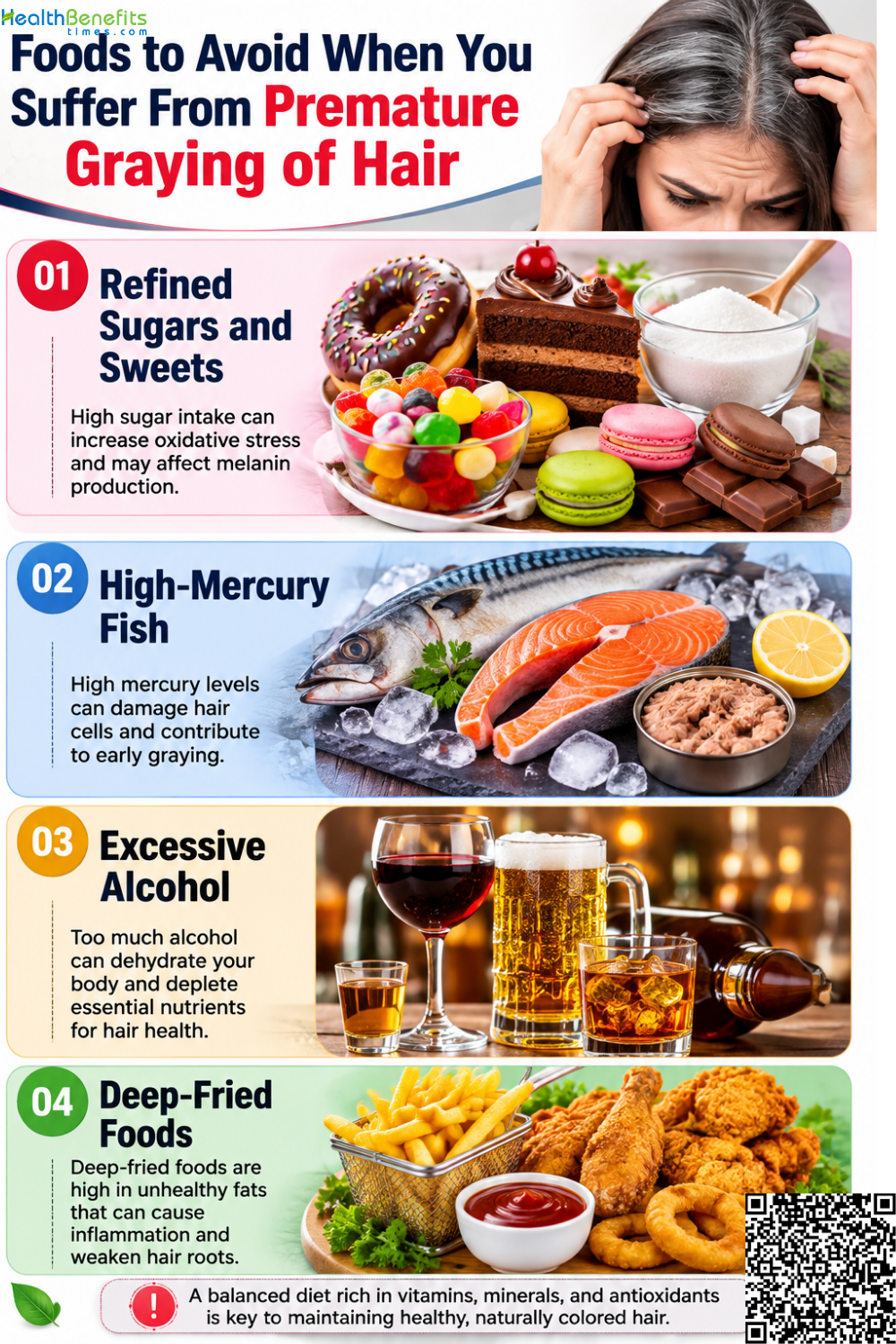
2. Ultra-Processed Foods
Heavily processed foods lack vital trace minerals required for melanin synthesis. Relying on them promotes the specific nutritional deficiencies clinically proven to trigger premature hair depigmentation 3.
3. Excessive Alcohol
Chronic alcohol consumption dangerously depletes critical micronutrients like vitamin B12. It also generates massive systemic oxidative stress, permanently damaging the stem cells responsible for hair pigmentation 1.
4. Excessive Black Tea and Coffee
Consuming massive quantities of tannin-rich beverages severely inhibits dietary iron absorption. This directly promotes the specific iron deficiency medically linked to the early onset of hair graying 8.
When to see Doctor when you struggle from Premature Graying of Hair
1. Sudden or Rapid Color Loss
You must consult a doctor if your hair turns gray rapidly. This clinically indicates severe systemic stress or an underlying autoimmune condition that requires prompt medical evaluation 6.
2. Signs of Thyroid Dysfunction
Seek medical evaluation if early graying accompanies unexplained weight changes or chronic fatigue. Clinical studies link these specific symptoms to thyroid diseases that actively disrupt hair pigmentation 1.
3. Symptoms of Nutritional Deficiencies
You should schedule a blood test if early color loss occurs alongside severe weakness or numbness. Research confirms these are critical signs of severe vitamin B12 or iron deficiencies 3.
4. Accompanying Skin Pigment Loss
Consult a dermatologist immediately if you notice white patches on your skin alongside early graying. This strongly suggests vitiligo, an autoimmune condition requiring targeted medical treatment 5.
Comments
comments