

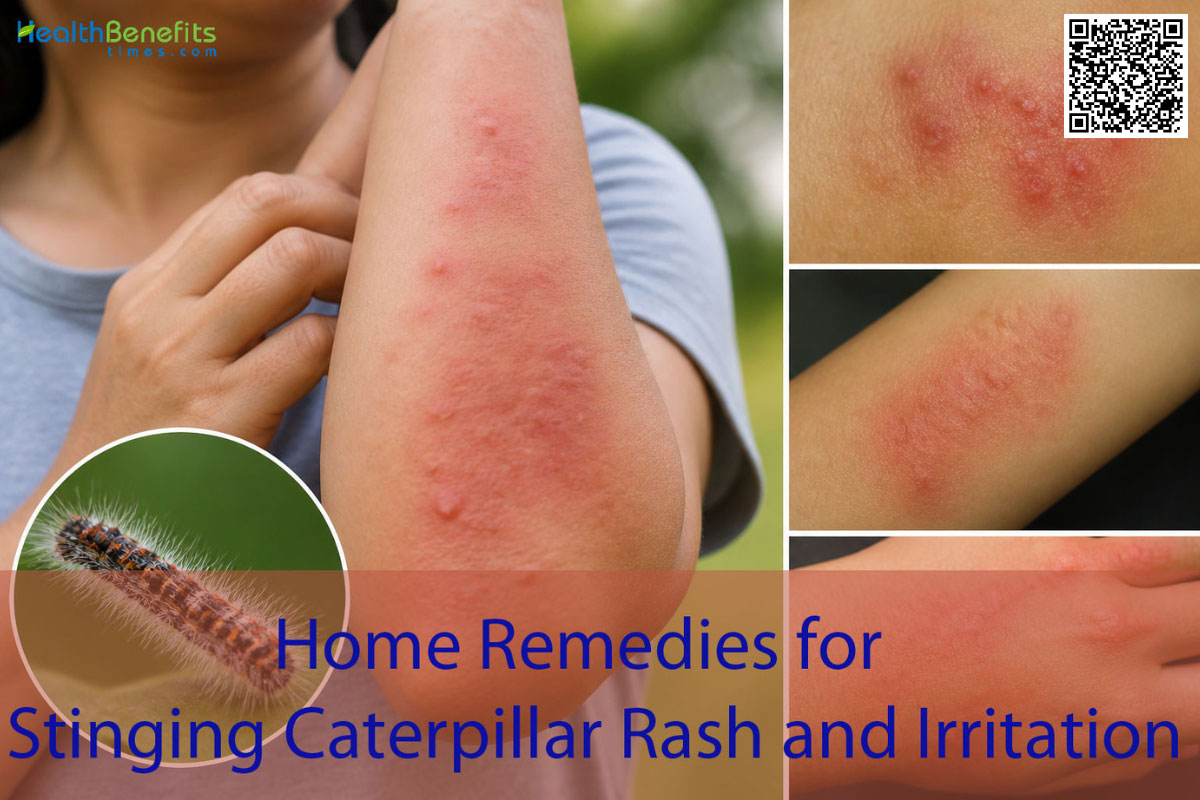
Understanding the Venom of Stinging Caterpillar
Getting to the bottom of why these tiny insects can cause such disproportionate agony requires taking a closer look at the biochemical makeup of their venom. When you are exposed to these toxins, your body is actually reacting to a sophisticated biological weapon that has been evolving for millions of years.
1. Ancient Bacterial Origins
If you’ve ever wondered why a tiny caterpillar like the puss caterpillar can deliver such an agonizing sting, the answer goes back surprisingly far. The venom didn’t fully originate from the insect itself. Genetic research shows it evolved through something called horizontal gene transfer essentially, the caterpillar’s ancestors borrowed toxin-producing genes from bacteria. This happened over 400 million years ago 4.
2. Cellular Disruption Mechanisms
At the cellular level, these bacterially-derived proteins interact with your cell membranes in a remarkably specific way they latch onto the surface, rearrange themselves into ring-shaped structures, and essentially punch tiny holes right through the membrane 5. Think of it like a biological hole-puncher working at a microscopic scale.
3. Inflammatory and Pain Triggers
Your body responds to this chemical cocktail in a specific way one that hits fast and hard. The venom contains active compounds that disrupt how your cells normally function. Your immune system detects this immediately and launches a strong inflammatory response. Fluid shifts out of your cells and into surrounding tissue, causing swelling and intense burning pain 6.
4. Specialized Delivery Systems
How venom reaches your bloodstream comes down to a relatively simple mechanism: it depends on which insect you’re dealing with. Some caterpillars have large secretory cells tucked beneath their outer skin. These cells pump venom into hollow spines. The moment you brush against them, those spines work like tiny, pressurized hypodermic needles, injecting venom straight into your skin. 7
What Other Symptoms Could Be Notice from Stinging Caterpillar Sting
1. Blistering and Raised Welts
Soon after the sting, you may develop red marks, raised bumps, or small blisters on your skin that can form in the exact shape of where the caterpillar touched you 8.
2. Hypersensitivity and Widespread Hives
If your immune system overreacts to the proteins in caterpillar hairs, you may develop a serious allergic reaction with widespread, intensely itchy hives that can last for days or even weeks 9.
3. Systemic Distress and Discomfort
In serious cases, the venom can cause widespread symptoms throughout the body, including severe headaches, nausea, vomiting, dizziness, muscle spasms, and abdominal pain 10.
4. Respiratory and Ocular Irritation
Breathing in or getting airborne microscopic hairs in your eyes can cause serious problems like intense coughing, difficulty breathing, or eye inflammation that may affect your vision 11.
5. Dangerous Bleeding Complications
In rare cases, contact with certain South American caterpillars can cause a serious condition called lonomism, which prevents blood from clotting properly and leads to dangerous bleeding throughout the body 12.
Stinging Caterpillar Facts Table
| Symptoms of Stinging Caterpillar sting |
|
| Top 10 of Stinging Caterpillars and its Stings | 1. Puss Caterpillar (Southern Flannel Moth) — Megalopyge opercularis
2. Saddleback Caterpillar — Acharia stimulea 3. Buck Moth Caterpillar — Hemileuca maia 4. Io Moth Caterpillar — Automeris io 5. Hag Moth Caterpillar (Monkey Slug) — Phobetron pithecium 6. Spiny Oak Slug Caterpillar — Euclea delphinii 7. Hickory Tussock Moth Caterpillar — Lophocampa caryae 8. White Flannel Moth Caterpillar — Norape ovina 9. Stinging Rose Caterpillar — Parasa indetermina 10. Browntail Moth Caterpillar — Euproctis chrysorrhoea
|
| How long does sting last in our body |
|
| You might be at a higher risk for Stinging Caterpillar Stings if you: |
|
| Other facts |
|
Natural Remedies for Stinging Caterpillar Rash and Irritation
Taking action quickly after a sting is the absolute best way to minimize your pain and stop the injected venom from spreading further into your dermal tissue. You can easily manage most of these frustrating and painful encounters right at home by utilizing simple, evidence-based remedies that you likely already have in your medicine cabinet or kitchen pantry.
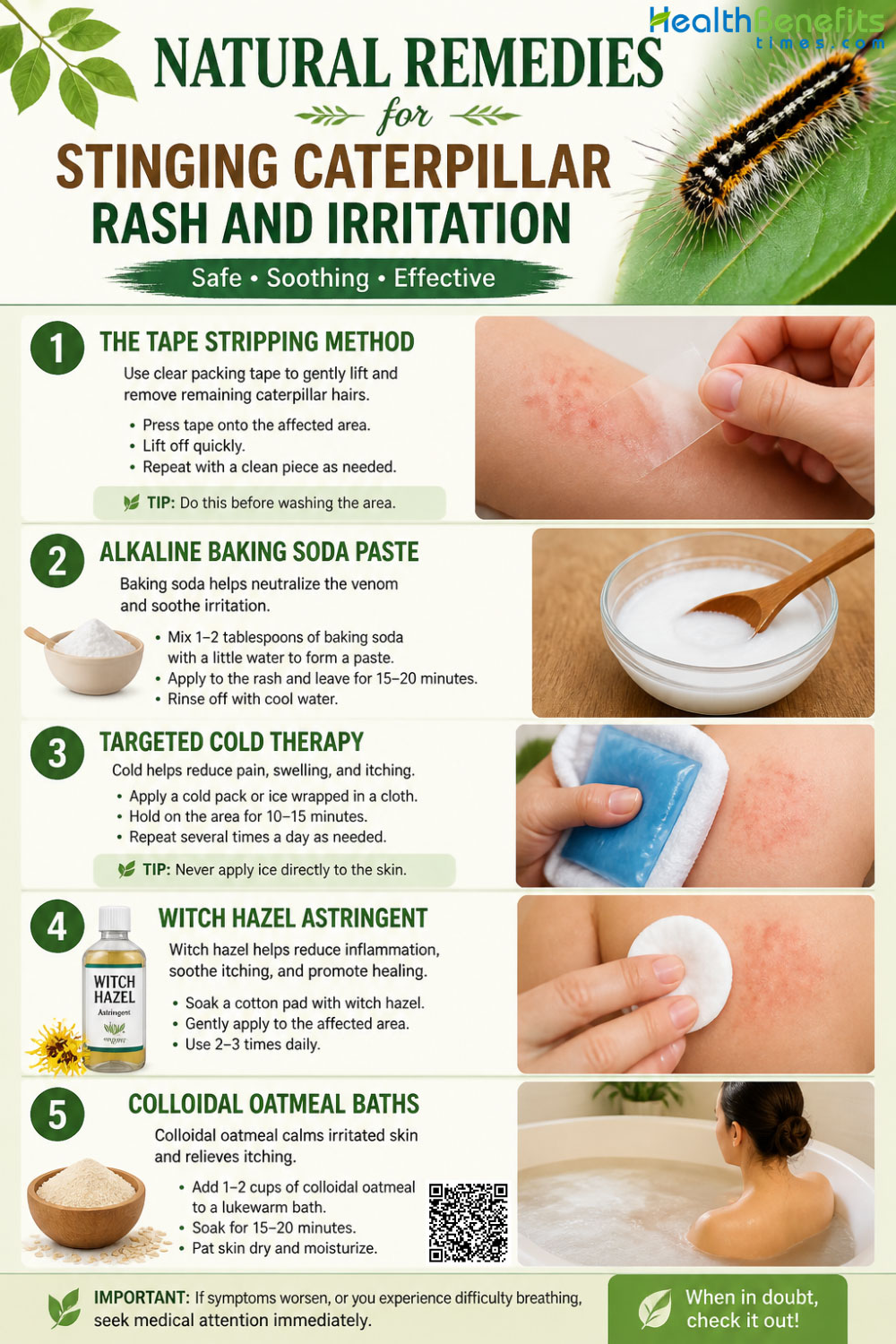
1. The Tape Stripping Method
How you prepare your skin after a sting has a greater impact on your recovery than most people realize. Before you reach for any cream or water, grab a piece of cellophane, scotch tape, or duct tape. Press it gently over the sting site, then peel it off. This pulls out the tiny, venom-filled hairs still embedded in your skin 20. It’s a simple first move but skipping it means those hairs keep releasing venom while you treat the surface.
2. Alkaline Baking Soda Paste
If you’ve ever wondered why baking soda keeps showing up in home remedy advice, the answer often comes back to basic chemistry. Mix a generous tablespoon of it with a little warm water to form a thick paste. Spread it directly over the rash. The paste works because it’s alkaline it helps neutralize the acidic, protein-based compounds in the venom that cause that intense burning feeling 21.
3. Targeted Cold Therapy
Your body responds to cold in a specific way one that works in your favor when you’re dealing with a caterpillar sting. Grab an ice pack or a bag of frozen peas, wrap it in a thin towel, and hold it against the affected area for about ten minutes at a time. The cold narrows your blood vessels and dulls the nerve endings nearby. That means fewer pain signals make it to your brain, so you start feeling relief fairly quickly 22.
4. Witch Hazel Astringent
Most people don’t think of witch hazel as a go-to for caterpillar stings, but it consistently ranks among the better natural options for skin irritation. If you’ve got a rash from a stinging caterpillar, try dabbing some witch hazel extract onto the area with a cotton ball. It cools the skin quickly and works as a natural astringent meaning it helps dry out any weeping blisters and calms the swelling and irritation around them 23.
5. Colloidal Oatmeal Baths
Sometimes the rash doesn’t stay in one spot. If airborne caterpillar hairs have triggered a widespread rash or full-body hives, a colloidal oatmeal bath can help. Soak in lukewarm water for about twenty minutes. The oatmeal coats and hydrates your skin, which calms that intense, all-over itching 24.
What Not to Do After a Stinging Caterpillar Stings
Making a simple mistake in those crucial first few minutes after a sting can easily turn a minor, localized annoyance into a massive, spreading rash that requires a hospital visit. It is incredibly important that you actively avoid certain common reactions and misconceptions that will only serve to make your symptoms significantly worse.
1. Do Not Use Your Bare Hands
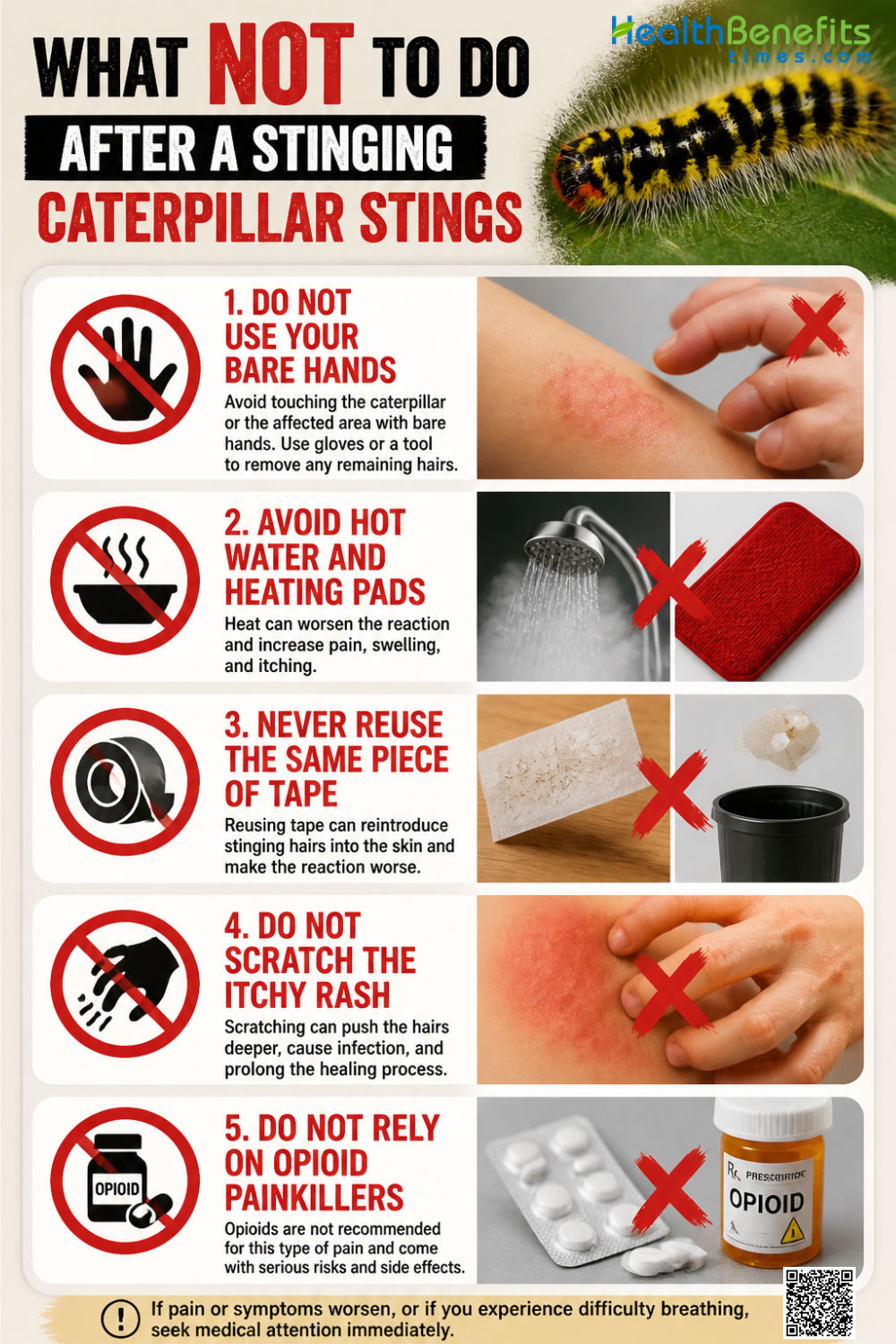
If you’ve ever been stung by a caterpillar, your first instinct is probably to swat it away. That’s exactly what you shouldn’t do. Using your bare fingers to flick or brush off the caterpillar will only push the venomous spines deeper into your skin. Worse, you’ll spread the toxins to your hands, giving yourself a second sting in the process 25.
2. Avoid Hot Water and Heating Pads
You’ve likely heard that heat can soothe pain and in many cases, it does. But after a caterpillar sting, it’s one of the worst things you can reach for. A hot shower or heating pad causes your blood vessels to widen quickly. This speeds up how fast the venom moves through your body and spreads into your bloodstream 26. So skip the heat it’ll only make things worse.
3. Never Reuse the Same Piece of Tape
When you are using the adhesive tape method to pull out the embedded hairs, you must use a brand-new, fresh piece every single time; reusing the tape will simply stick the microscopic, toxin-filled spines right back into your open pores 15.
4. Do Not Scratch the Itchy Rash
You probably already know you shouldn’t scratch a rash. What you might not know is that with caterpillar stings, scratching does more than just irritate the skin it actually makes the venom problem worse. Those tiny spines are still embedded beneath your skin, and rubbing or scratching can snap them apart. When that happens, they release even more venom into the surrounding tissue. On top of that, scratching creates small breaks in the skin, which raises your chance of picking up a bacterial infection 27.
5. Do Not Rely on Opioid Painkillers
The real-world question isn’t whether caterpillar stings hurt they absolutely can but how you manage that pain without creating a bigger problem. If you end up at the doctor for severe sting pain, know that clinical guidelines strongly favor non-opioid options first. That means medications like ibuprofen (an NSAID) or acetaminophen. These work well for this kind of pain and carry far fewer risks 28. Opioid painkillers come with serious side effects and a real risk of addiction risks that aren’t worth taking for a sting that will resolve on its own 29.
When to see Doctor
Paying close attention to how your body responds over the next few hours is absolutely vital, as some severe physiological reactions require rapid, professional medical intervention. While home remedies are usually more than sufficient for a standard sting, you should not hesitate for a moment to seek emergency care if you notice certain clinical red flags.
1. Ocular or Oral Exposure
If a live caterpillar or its airborne toxic hairs touches your eyes, mouth, or tongue, treat it as an emergency. Get medical help right away. The hairs can cause serious damage to your cornea or trigger dangerous swelling in your airway that could block your breathing 30.
2. Signs of Systemic Anaphylaxis
Most of us deal with minor stings and rashes at some point. But a systemic allergic reaction is something else entirely and recognizing it fast can save your life. If you suddenly can’t breathe, start wheezing, or notice severe swelling in your face, don’t wait. That feeling of your throat tightening or closing? That’s your body telling you this is an emergency. Call emergency services immediately 31. These are the classic warning signs of anaphylaxis a life-threatening allergic reaction that needs treatment right away.
3. Uncontrolled Pain or Spreading Infection
Most of us deal with minor skin irritations at some point and manage just fine at home. But there’s a line where home care isn’t enough. If your pain becomes impossible to manage even with ice packs and over-the-counter pain relievers it’s time to get checked out. The same goes if the rash starts getting worse instead of better. Watch for increasing redness, skin that feels hot to the touch, or pus forming days after the initial reaction. These are signs of a possible secondary bacterial infection, and a doctor needs to evaluate you 16.
4. Dangerous Hemorrhagic Symptoms
Your body responds to most scorpion stings in predictable ways pain, swelling, maybe some numbness. But there’s a rare reaction that works very differently, and it’s one you need to recognize fast. If you start bruising for no clear reason, notice your gums bleeding, or see blood in your urine hours or even days after a sting get to a hospital immediately. These are signs of a serious blood clotting problem caused by the venom. Essentially, the venom uses up your body’s clotting factors, leaving you unable to stop bleeding normally. Doctors call this consumptive coagulopathy, and while it’s uncommon, it can be dangerous if not treated quickly 32.
Comments
comments