

Causes of heart failure
- Coronary Artery Disease: This condition occurs when cholesterol buildup narrows the arteries, reducing oxygen-rich blood flow to the heart and slowly weakening the heart muscle 3.
- High Blood Pressure: When blood pressure remains consistently high, the heart must pump harder than normal to circulate blood, which eventually causes the heart muscle to become stiff and weak 2.
- Previous Heart Attack: A heart attack cuts off blood supply to a portion of the heart, creating permanent scar tissue that permanently impairs the heart’s ability to pump effectively 3.
- Heart Valve Disease: When the valves that direct blood flow through the heart become damaged or narrowed, the heart is forced to work significantly harder, ultimately leading to muscle exhaustion and failure 3.
- Heart Muscle Disease (Cardiomyopathy): Direct damage to the heart tissue from infections, prolonged alcohol abuse, or genetic factors can cause the heart muscle to become overly thick, enlarged, or rigid 3.
- Irregular Heartbeats (Arrhythmias): Severe and untreated abnormal heart rhythms force the heart to beat too fast or too unsafely, creating continuous strain that weakens the pumping mechanism over time 3.
- Congenital Heart Defects: Structural heart problems present at birth force the healthy chambers of the heart to overcompensate and work harder, which can lead to eventual heart failure 3.
Symptoms of heart failure
- Shortness of Breath: Breathing becomes difficult during physical activity or when lying flat in bed, because a weakened heart allows blood to back up and fluid to leak into the lungs 4.
- Swelling in the Legs, Ankles, and Feet: When the heart loses pumping power, blood circulation slows down in the veins, causing excess fluid to accumulate in the tissues of the lower body 2.
- Persistent Fatigue and Weakness: Because the failing heart cannot pump enough oxygen-rich blood to meet everyday energy demands, the body naturally diverts blood away from the limbs to support vital organs like the brain 4.
- Sudden Weight Gain: A rapid increase in body weight can occur over just a few days due to severe fluid retention rather than an increase in body fat 4.
- Chronic Cough or Wheezing: Fluid congestion in the lungs frequently triggers a persistent, irritating cough that may produce white or pink, blood-tinged mucus 4.
- Abdominal Swelling and Loss of Appetite: Fluid buildup can expand upward into the digestive tract and liver, leading to severe stomach bloating, nausea, and a feeling of fullness even after eating very small amounts of food 4.
- Rapid or Irregular Heartbeat: The heart may begin to beat much faster or erratically as it attempts to compensate for its weakened pumping ability and circulate blood more quickly through the body 4.
How to avoid heart failure Naturall
1. Quitting Smoking and Avoiding Secondhand Smoke
How it may help
Quitting smoking immediately reduces the physical strain on the cardiovascular system. The toxic chemicals in tobacco smoke narrow blood vessels and decrease the amount of oxygen in the blood, forcing the heart to work harder. Stopping tobacco use lowers blood pressure and allows the heart to pump more efficiently 5.
What research says
Clinical studies confirm that smoking is a major independent risk factor for developing heart failure. Research concludes that within just one year of quitting, the risk of heart disease drops by half compared to a current smoker, while avoiding secondhand smoke further protects blood vessels from structural damage 6.
How to use it safely
You should consult a healthcare provider to create a personalized quit plan. Utilize medically approved nicotine replacement therapies, such as patches or gums, to manage cravings safely. Avoid substituting cigarettes with unregulated electronic vaping devices, as they still contain harmful cardiovascular stimulants 7.
Potential precautions or side effects
You may experience temporary nicotine withdrawal symptoms, including irritability, increased appetite, headaches, and sleep disturbances. These effects are normal bodily reactions and will gradually subside over a few weeks 8.
2. Keeping Blood Pressure in a Healthy Range
How it may help
High blood pressure forces the heart to pump harder against rigid blood vessels. Over time, this extra workload causes the heart muscle to become stiff, thick, and weak. Maintaining a healthy blood pressure decreases this physical strain, preventing the heart muscle from exhausting itself and ultimately failing 9.
What research says
Clinical research identifies chronic high blood pressure as a leading preventable cause of heart failure. Studies conclude that maintaining normal blood pressure prevents structural damage to the heart chambers, significantly reducing the risk of developing severe cardiovascular disease and improving overall survival rates 10.
How to use it safely
You should monitor your blood pressure regularly using an approved at-home cuff. Maintain healthy numbers by eating a low-sodium diet, exercising daily, and managing stress. If lifestyle changes are not enough, you must take any prescribed medications exactly as directed 11.
Potential precautions or side effects
Lowering blood pressure too quickly can cause sudden dizziness or fainting. Always consult your healthcare provider before starting intense exercise programs or drastically altering your daily diet 12.
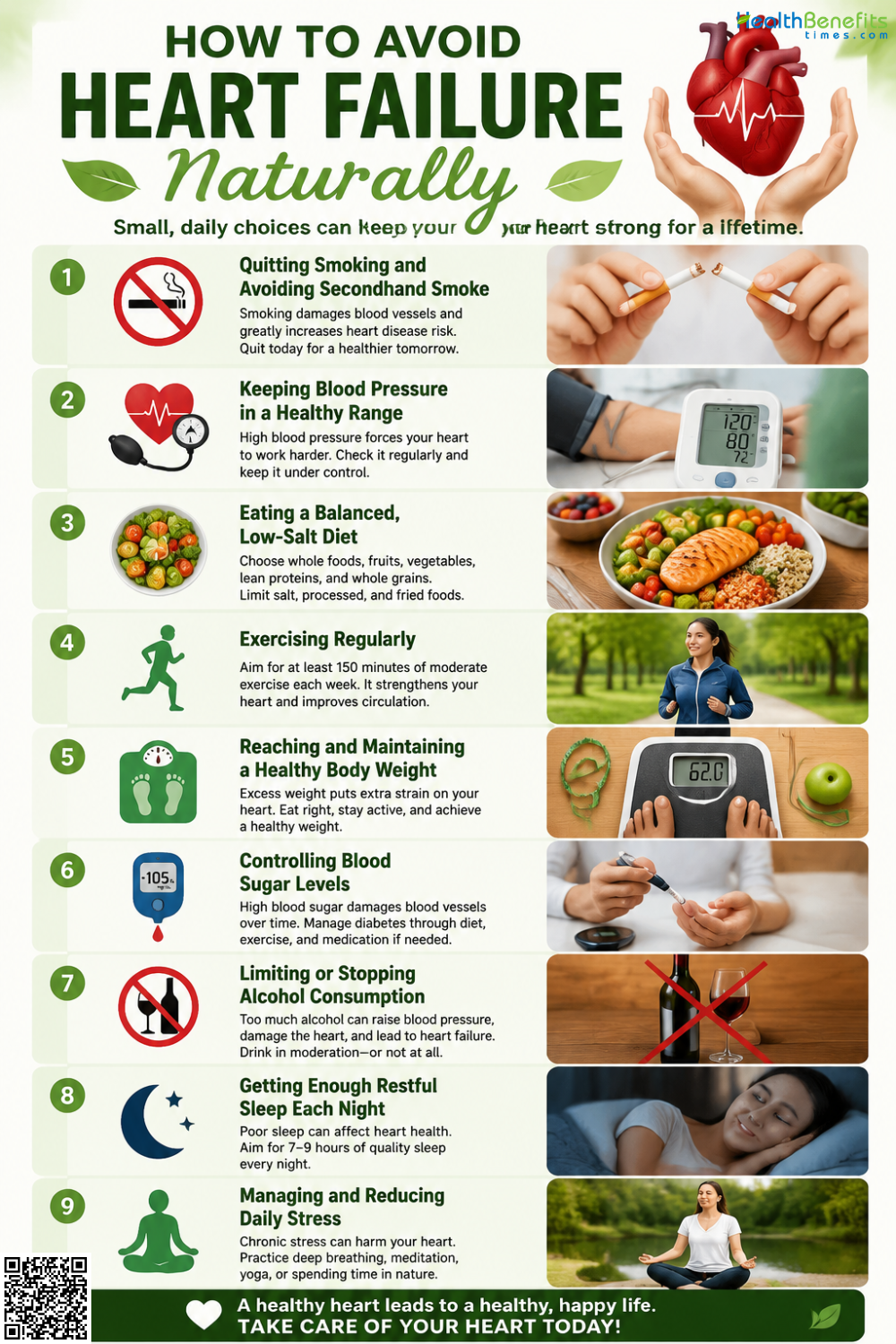
3. Eating a Balanced, Low-Salt Diet
How it may help
Consuming excess sodium causes the body to retain water, which increases overall blood volume and raises blood pressure. A low-salt diet prevents this dangerous fluid buildup. By reducing the volume of fluid the heart must circulate, a balanced diet directly decreases the daily workload on the heart muscle 13.
What research says
Clinical studies show that diets low in sodium and rich in fruits, vegetables, and whole grains significantly lower blood pressure. Medical guidelines strongly recommend the DASH (Dietary Approaches to Stop Hypertension) eating plan, as research concludes it effectively prevents structural heart damage and reduces the risk of heart failure 14.
How to use it safely
You should closely read nutrition labels and choose fresh, unprocessed foods whenever possible. Avoid canned soups and fast foods, which contain high amounts of hidden sodium. To flavor your meals safely, you must replace table salt with natural herbs, salt-free spices, and citrus juices 15.
Potential precautions or side effects
You must consult your doctor before using commercial salt substitutes. Many contain high levels of potassium, which can cause dangerous and potentially fatal interactions with certain blood pressure medications 16.
4. Exercising Regularly
How it may help
Regular physical activity strengthens the heart muscle, allowing it to pump blood more efficiently throughout the body. By improving circulation and naturally lowering resting blood pressure, consistent exercise reduces the daily physical strain on the cardiovascular system, protecting the heart from becoming overworked 17.
What research says
Clinical studies conclude that routine aerobic exercise significantly lowers the risk of developing heart failure. Medical experts report that maintaining at least 150 minutes of moderate physical activity each week directly prevents progressive heart damage and improves overall cardiovascular survival rates 18.
How to use it safely
You should consult your doctor before starting any new routine. Begin slowly with low-impact activities like brisk walking. For maximum protection, you must aim to complete 150 minutes of moderate exercise weekly while staying properly hydrated and taking appropriate rest days 17.
Potential precautions or side effects
You must stop exercising immediately if you experience sudden chest pain, unusual dizziness, or severe shortness of breath, as these symptoms can indicate acute heart strain 17.
5. Reaching and Maintaining a Healthy Body Weight
How it may help
Carrying excess body fat forces the heart to pump much harder to supply oxygen to the extra tissue. Achieving a healthy weight reduces this continuous physical strain. It naturally lowers blood pressure and prevents the heart muscle from becoming overworked and permanently weakened 19.
What research says
Clinical studies show that obesity is a direct and independent cause of heart failure. Medical experts conclude that losing even five to ten percent of excess body weight significantly improves blood flow, prevents harmful enlargement of the heart chambers, and drastically lowers overall cardiovascular risk 20.
How to use it safely
You should focus on gradual, steady weight loss of one to two pounds per week through portion control and daily physical activity. Avoid extreme, restrictive diets that promise rapid results, as these deprive your body of essential nutrients needed for healthy heart function 21.
Potential precautions or side effects
You must consult a doctor before using any commercial weight-loss supplements. Many contain unregulated stimulants that can dangerously accelerate your heart rate and spike your blood pressure 22.
6. Controlling Blood Sugar Levels
How it may help
Consistently high blood sugar damages the delicate blood vessels and nerves that control the heart. By maintaining blood glucose within a healthy range, you protect these vital tissues from structural harm. This preserves healthy circulation and prevents the heart muscle from becoming overworked and permanently weakened 23.
What research says
Clinical studies show that individuals with unmanaged diabetes are twice as likely to develop heart failure compared to those without the condition. Medical experts conclude that strictly managing blood glucose levels directly prevents severe cardiovascular damage and significantly lowers the long-term risk of heart disease 24.
How to use it safely
You should stabilize your blood sugar naturally by eating a balanced diet rich in dietary fiber and engaging in daily physical activity. If you have diabetes, you must regularly monitor your glucose levels and take all prescribed medications exactly as directed by your doctor 25.
Potential precautions or side effects
Lowering blood sugar too aggressively with extreme diets or improper medication use can cause hypoglycemia. This dangerous drop in blood sugar leads to sudden dizziness, confusion, or fainting 26.
7. Limiting or Stopping Alcohol Consumption
How it may help
Excessive alcohol acts as a direct toxin to the cardiovascular system and rapidly increases blood pressure. By limiting or completely stopping alcohol intake, the heart avoids this chemical stress. This naturally lowers resting blood pressure and prevents the heart muscle cells from becoming dangerously exhausted and weakened 27.
What research says
Clinical studies demonstrate that prolonged heavy drinking directly causes alcoholic cardiomyopathy, a disease where the heart muscle becomes thin and frail. Medical experts conclude that abstaining from alcohol halts this structural damage, significantly reducing the long-term risk of developing severe heart failure 28.
How to use it safely
You should limit alcohol intake to a maximum of one drink per day for women or two for men, though complete abstinence offers the best protection. If you struggle to stop drinking, you must consult a healthcare provider for safe, medically supervised withdrawal programs 29.
Potential precautions or side effects
Suddenly stopping heavy alcohol use causes severe withdrawal symptoms, including dangerous blood pressure spikes and seizures. Always seek professional medical supervision if you are alcohol dependent and wish to quit 30.
8. Getting Enough Restful Sleep Each Night
How it may help
During deep sleep, the body naturally lowers blood pressure and heart rate. This daily restorative period gives the cardiovascular system a vital break from daytime stress. Consistent, restful sleep prevents continuous physical strain on blood vessels and protects the heart muscle from becoming overworked 31.
What research says
Clinical studies show that chronic sleep deprivation and untreated conditions like sleep apnea cause prolonged spikes in blood pressure. Medical experts conclude that adults sleeping less than seven hours nightly face a significantly higher risk of developing severe structural heart damage and eventual heart failure 31.
How to use it safely
You should aim for seven to nine hours of continuous sleep nightly. Establish a strict bedtime routine and keep your bedroom dark. You must avoid caffeine and electronic screens before bed to ensure your body properly transitions into deep sleep 32.
Potential precautions or side effects
Avoid using over-the-counter sleep medications long-term, as they may cause dependency. If you snore loudly or gasp for air, you must consult a doctor about potential sleep apnea 33.
9. Managing and Reducing Daily Stress
How it may help
Chronic stress triggers the body to constantly release “fight or flight” hormones like cortisol and adrenaline. These chemicals increase heart rate, tighten blood vessels, and raise blood pressure. By actively managing daily stress, you lower these hormone levels, allowing your blood vessels to relax and reducing the physical strain on your heart muscle 34.
What research says
Clinical studies demonstrate a direct link between chronic mental stress and a higher risk of heart disease. Medical research concludes that consistently high levels of stress hormones double the risk of cardiovascular events, including heart attacks and progressive heart failure, even in adults who previously had normal blood pressure 35.
How to use it safely
You should practice daily relaxation techniques such as deep breathing, meditation, or yoga. Build a strong social support system by talking with friends or family. If you feel constantly overwhelmed, you must consult a licensed mental health professional to learn safe, effective coping strategies and prevent unhealthy habits 36.
Potential precautions or side effects
Avoid using alcohol, smoking, or overeating to cope with severe stress. These harmful habits directly damage the cardiovascular system and rapidly accelerate the progression of heart failure 34.
Foods to Avoid When You suffer from heart failure
Managing a proper diet is a critical component of treating heart failure. Because a failing heart struggles to pump blood efficiently, consuming specific foods can trigger dangerous fluid retention, spike blood pressure, and accelerate structural damage to the cardiovascular system. To protect remaining heart function, prevent severe symptoms like lung congestion, and avoid hospitalizations, medical experts strongly advise strictly eliminating foods that place additional physical strain on the already weakened heart muscle 37.
1. High-Sodium Foods
Canned soups, salty snacks, and fast food force the body to retain water, dangerously increasing blood volume and overwhelming a weakened heart 13.
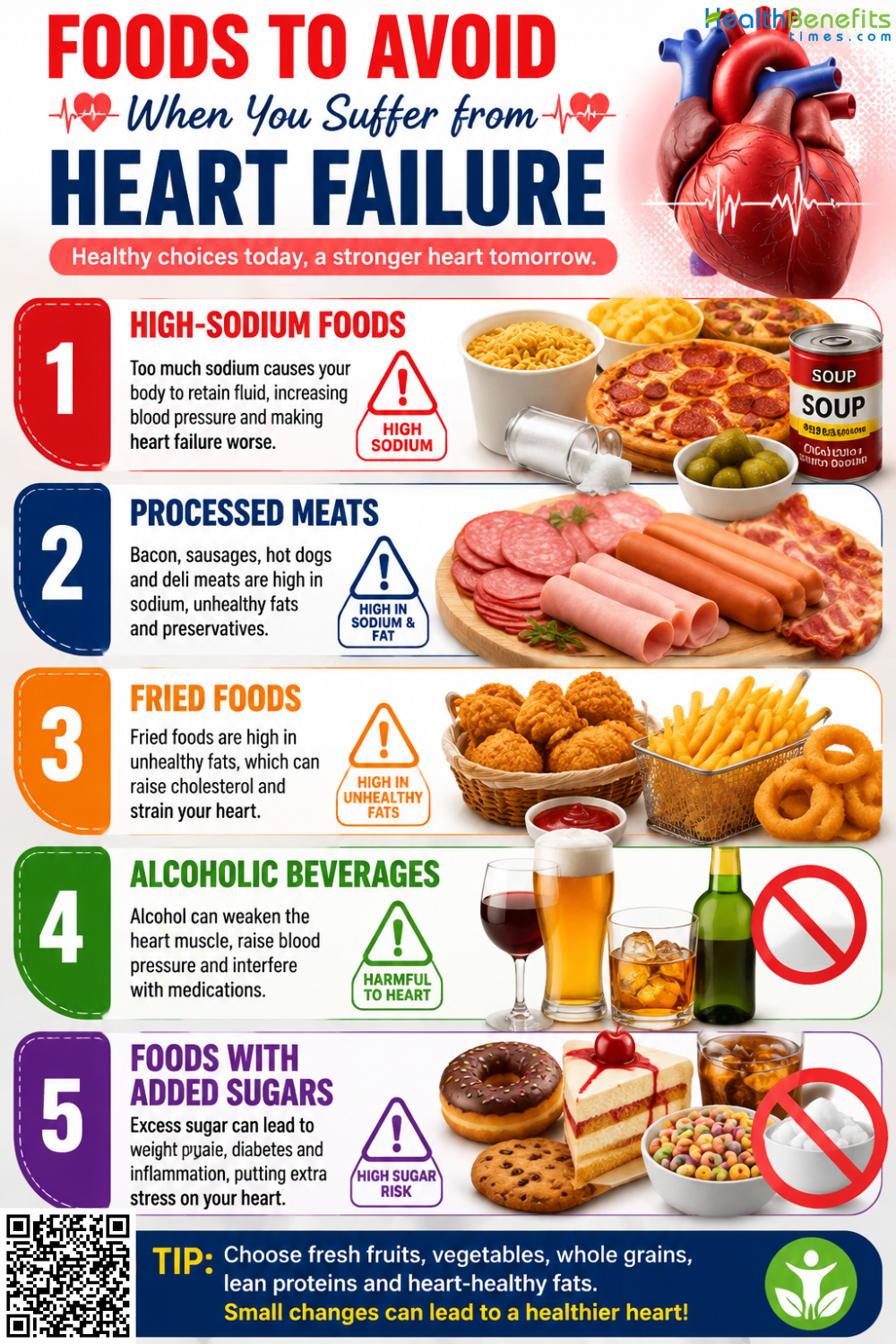
2. Processed Meats
Bacon, sausage, and deli meats contain extreme levels of hidden sodium and saturated fats that directly elevate blood pressure and restrict blood flow 38.
3. Fried Foods
Deep-fried meals are loaded with unhealthy fats that promote plaque buildup in the arteries, further restricting vital oxygen delivery to the failing heart muscle 39.
4. Alcoholic Beverages
Alcohol acts as a cardiovascular toxin that can directly thin and weaken the heart muscle, while also causing dangerous interactions with prescribed heart medications 27.
5. Foods with Added Sugars
Sugary drinks and baked goods contribute to rapid weight gain and blood sugar spikes, forcing the compromised heart to pump harder to supply extra tissue 40.
When to see Doctor when you suffer from heart failure
Because heart failure is a progressive condition, closely monitoring physical changes is essential to prevent severe complications. While daily medications and lifestyle adjustments help manage baseline symptoms, certain sudden warning signs indicate that the heart is struggling to pump effectively and dangerous fluid is accumulating. Recognizing these critical symptoms and seeking immediate medical evaluation can prevent life-threatening emergencies, such as acute respiratory failure, and avoid prolonged hospitalizations.
1. Sudden Weight Gain
Seek medical care if you experience a sudden weight gain of more than two to three pounds in a single day, indicating severe fluid retention 37.
2. Worsening Shortness of Breath
Go to the emergency room if you develop severe shortness of breath while resting or if you wake up suddenly gasping for air during the night 4.
3. Rapidly Increasing Swelling
Contact a doctor immediately if you notice rapidly worsening swelling in your legs, ankles, or abdomen, which shows the heart is failing to circulate blood 2.
4. Severe Chest Pain
Call for emergency medical help immediately if you experience sudden, severe chest pain or pressure, as this can be a direct sign of an active heart attack 4.
5. Sudden Confusion or Fainting
Seek immediate medical attention for extreme fatigue, sudden mental confusion, or fainting spells, because these symptoms indicate that your brain is not receiving enough oxygenated blood 4.
Comments
comments