

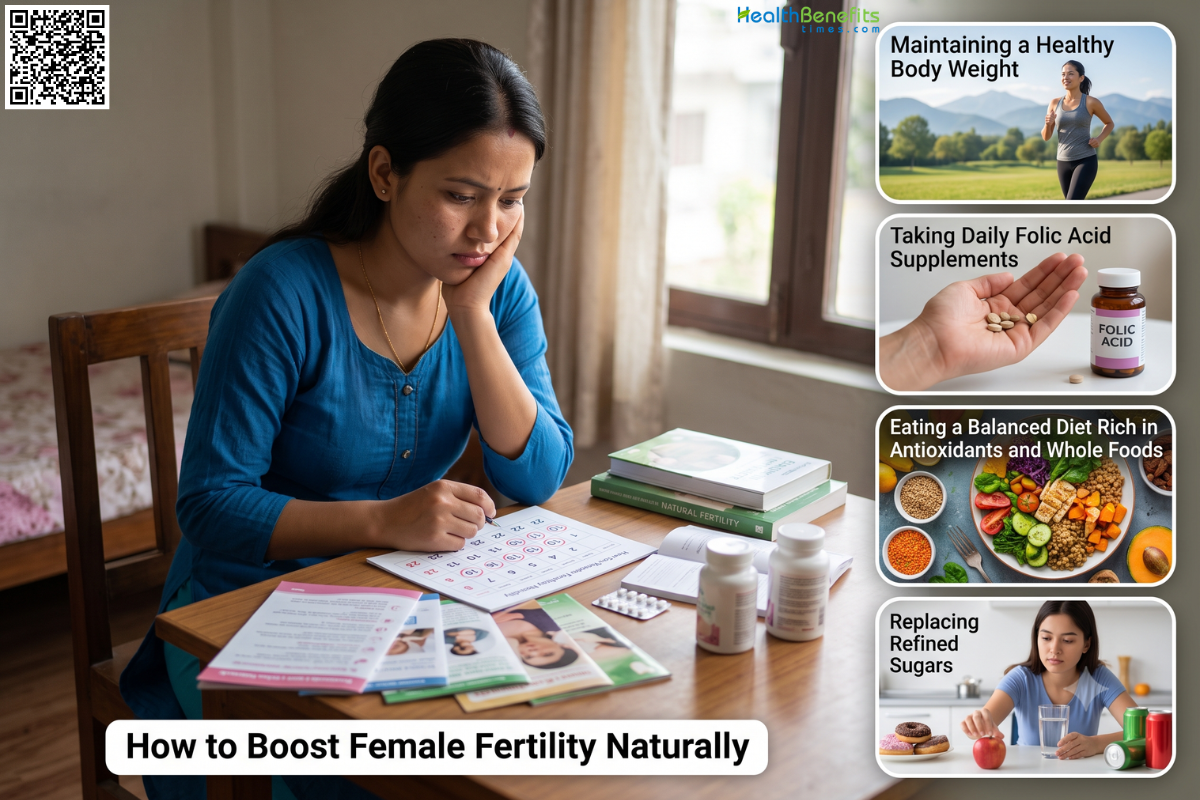
How to Boost Female Fertility Naturally
1. Maintaining a Healthy Body Weight
How It May Help
Maintaining a healthy body weight helps regulate the hormonal balance necessary for normal ovulation. Excess fat tissue can increase estrogen and insulin levels, disrupting the menstrual cycle. By achieving an optimal body mass index (BMI), women can promote regular ovulation and enhance overall reproductive health 4.
What Research Says
Extensive research concludes that a high BMI is strongly associated with an increased risk of ovulatory dysfunction and infertility. Clinical studies demonstrate that overweight and obese women face lower clinical pregnancy rates and poorer outcomes during fertility treatments compared to those with a normal BMI 5.
How to Use It Safely
To manage your weight safely, focus on gradual, sustainable changes rather than extreme diets. You should incorporate balanced nutrition and moderate, regular physical activity into your daily routine. Consult a healthcare provider to determine a healthy target weight and develop a personalized management plan.
Potential Precautions or Side Effects
Avoid crash dieting or severe calorie restriction, as rapid weight loss and nutritional deficiencies can disrupt menstrual cycles and further impair fertility 6.
2. Taking Daily Folic Acid Supplements
How It May Help
Taking daily folic acid supplements supports rapid cell division and healthy egg maturation. It plays a critical role in early embryonic development, helping to prevent major birth defects of the baby’s brain and spine 7. Adequate folate levels before conception create an optimal environment for a healthy pregnancy.
What Research Says
Clinical research concludes that women who regularly consume folic acid supplements experience lower rates of ovulatory infertility 8. Furthermore, higher folate intake is strongly associated with higher live birth rates and improved pregnancy outcomes in women undergoing fertility treatments.
How to Use It Safely
You should take 400 micrograms (mcg) of folic acid daily starting at least one month before you start trying to get pregnant 9. Take the supplement consistently, and consult your healthcare provider to determine if you require a higher prescribed dose.
Potential Precautions or Side Effects
Consuming more than 1,000 mcg daily without medical supervision may mask a vitamin B12 deficiency, potentially causing irreversible nerve damage 10. Rare side effects include mild stomach upset.
3. Eating a Balanced Diet Rich in Antioxidants and Whole Foods
How It May Help
Consuming whole foods provides essential nutrients that regulate reproductive hormones. Antioxidants neutralize harmful molecules called free radicals, protecting eggs from cellular damage 11. This protection preserves egg quality and creates a supportive environment for fertilization and early pregnancy.
What Research Says
Clinical studies conclude that dietary patterns rich in vegetables, fruits, and whole grains significantly lower the risk of ovulatory infertility 12. Furthermore, research demonstrates that higher antioxidant intake improves clinical pregnancy rates and decreases the time it takes to conceive.
How to Use It Safely
You should incorporate a variety of colorful fruits, vegetables, nuts, and whole grains into your daily meals. Focus on obtaining antioxidants primarily through whole foods rather than high-dose supplements, as natural dietary sources provide balanced nutrients that are easily absorbed.
Potential Precautions or Side Effects
Avoid excessive use of synthetic antioxidant supplements, as mega-doses can disrupt normal cellular processes and potentially impair reproductive function 13. Always wash produce thoroughly to minimize pesticide exposure.
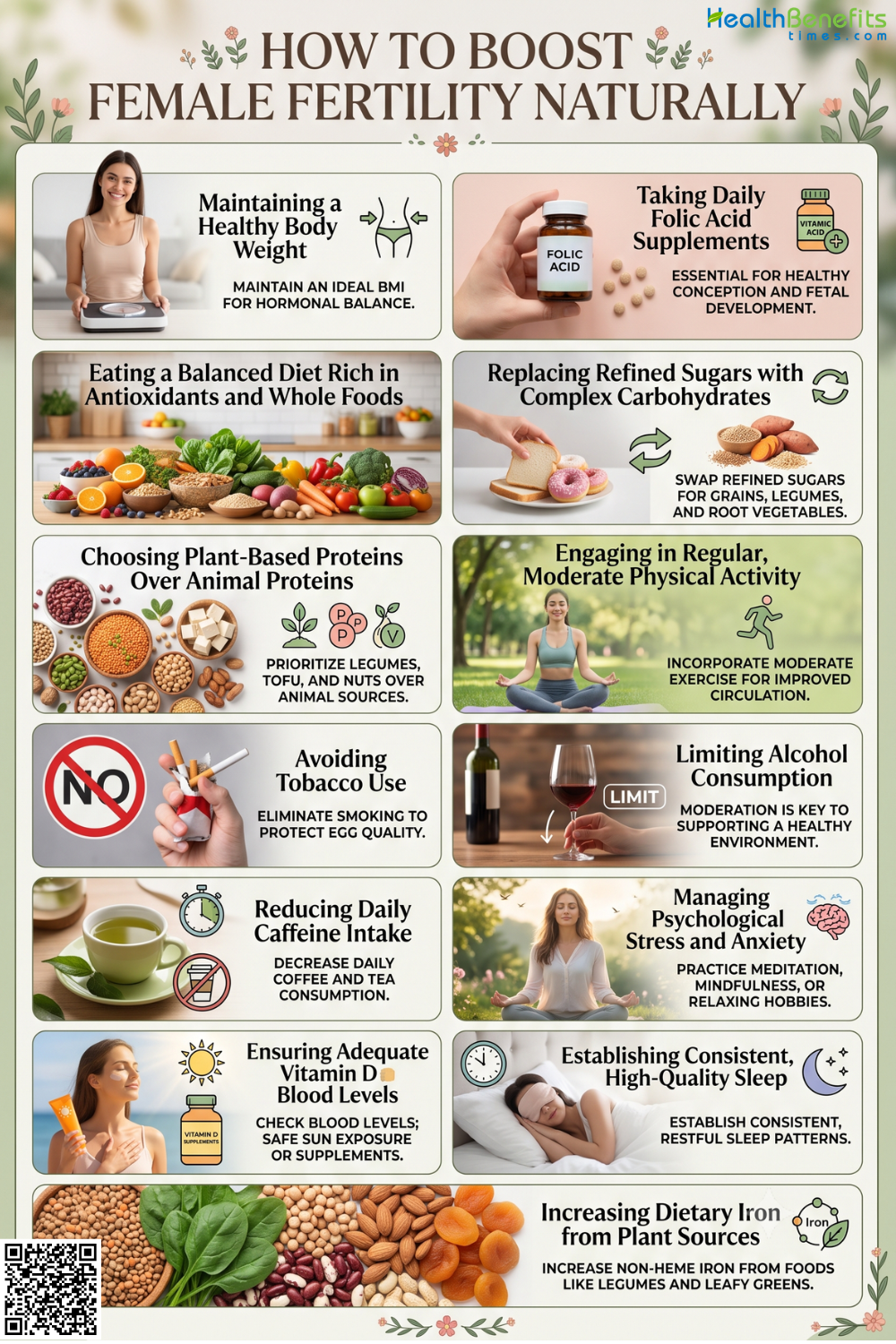
4. Replacing Refined Sugars with Complex Carbohydrates
How It May Help
Complex carbohydrates digest slowly, preventing rapid spikes in blood sugar and insulin levels. High insulin can disrupt reproductive hormones and interfere with ovulation. By stabilizing blood sugar, replacing refined sugars with complex carbohydrates helps maintain hormonal balance and promotes regular ovulatory cycles 14.
What Research Says
Clinical studies conclude that diets high in refined carbohydrates and sugars are associated with a significantly increased risk of ovulatory infertility. Research demonstrates that replacing these with low-glycemic, complex carbohydrates improves ovulation rates and enhances overall fertility outcomes 14.
How to Use It Safely
You should replace sugary snacks, white bread, and refined pasta with whole grains like oats, brown rice, and quinoa. Incorporate beans, lentils, and fiber-rich vegetables into your meals. Read food labels carefully to identify and avoid hidden added sugars in processed foods.
Potential Precautions or Side Effects
Rapidly increasing dietary fiber from complex carbohydrates can cause temporary bloating or gas 15. It is advised to increase intake gradually and consume adequate water to minimize discomfort.
5. Choosing Plant-Based Proteins Over Animal Proteins
How It May Help
Consuming plant-based proteins instead of animal proteins helps improve insulin sensitivity and reduces systemic inflammation. Lower insulin levels support the proper regulation of reproductive hormones, which is critical for maintaining regular ovulation and enhancing overall fertility 16.
What Research Says
Clinical research concludes that consuming higher amounts of animal protein, particularly red meat, is associated with a greater risk of ovulatory infertility. Studies demonstrate that substituting just five percent of total calories from animal protein with plant protein significantly decreases the risk of ovulatory disorders 16.
How to Use It Safely
You should gradually replace red meat and processed meats with plant-based alternatives like lentils, chickpeas, beans, nuts, and tofu. To ensure you receive all essential amino acids, consume a diverse variety of plant proteins daily and pair them with whole grains.
Potential Precautions or Side Effects
Strictly plant-based diets may increase the risk of vitamin B12 and iron deficiencies 17. You should monitor these nutrient levels and consult a healthcare provider regarding appropriate supplementation.
6. Engaging in Regular, Moderate Physical Activity
How It May Help
Regular, moderate physical activity improves insulin sensitivity and helps maintain a healthy body weight. These factors are essential for regulating reproductive hormones and ensuring consistent ovulation. By reducing stress levels, moderate exercise creates a more supportive physiological environment for natural conception 18.
What Research Says
Clinical studies conclude that engaging in regular, moderate exercise significantly lowers the risk of ovulatory infertility. Conversely, research demonstrates that excessive, high-intensity physical activity can disrupt normal menstrual cycles and delay conception, especially in women who already have a normal body weight 19.
How to Use It Safely
You should aim for 150 minutes of moderate-intensity exercise, such as brisk walking, cycling, or swimming, each week. Build your routine gradually rather than starting with intense workouts. Consult your healthcare provider to design a safe, balanced activity plan tailored to your current fitness level.
Potential Precautions or Side Effects
Avoid exhaustive, high-intensity training programs. Overtraining and extreme physical stress can suppress reproductive hormones, leading to a temporary halt in ovulation and irregular or absent menstrual periods 20.
7. Avoiding Tobacco Use
How It May Help
Avoiding tobacco stops the rapid depletion of the ovarian reserve and protects developing eggs from structural damage caused by toxic chemicals 21. Eliminating these toxins preserves overall egg quality and creates a healthier uterine environment that is more receptive to successful embryo implantation.
What Research Says
Clinical research concludes that tobacco use significantly increases the risk of infertility and accelerates the onset of menopause 22. Furthermore, studies demonstrate that female smokers experience substantially lower pregnancy rates and higher miscarriage rates during both natural conception and assisted reproductive treatments 21.
How to Use It Safely
You should completely stop using all forms of tobacco, including e-cigarettes. Work with your healthcare provider to access evidence-based cessation programs. Additionally, you must strictly avoid exposure to secondhand smoke, as passive inhalation similarly impairs reproductive hormones and diminishes overall fertility 23.
Potential Precautions or Side Effects
Quitting tobacco may cause temporary withdrawal symptoms like irritability and cravings. If you consider using nicotine replacement therapies to quit, consult your doctor regarding their safety during the preconception period 24.
8. Limiting Alcohol Consumption
How It May Help
Limiting alcohol intake prevents disruptions in reproductive hormones, such as estrogen, which are essential for regular ovulation. Avoiding alcohol protects developing eggs from oxidative damage and maintains a healthy uterine environment that is highly favorable for successful conception and early embryo implantation 25.
What Research Says
Clinical research concludes that heavy alcohol consumption significantly decreases conception rates and increases the risk of ovulatory infertility 25. Furthermore, studies demonstrate that women consuming high amounts of alcohol experience lower implantation success and higher miscarriage rates during both natural and assisted reproduction 26.
How to Use It Safely
You should completely eliminate alcohol if you are actively trying to conceive, as there is no proven safe level of consumption during preconception or early pregnancy 27. If you are planning for the future, limit your intake strictly and replace alcoholic beverages with healthy, hydrating alternatives.
Potential Precautions or Side Effects
Drinking alcohol while attempting to conceive risks exposing an embryo to toxins before pregnancy is confirmed, which can cause severe, irreversible fetal developmental disorders 28.
9. Reducing Daily Caffeine Intake
How It May Help
Reducing caffeine prevents the restriction of blood vessels, ensuring adequate blood flow to the uterus and ovaries. Lowering intake helps maintain steady hormone levels, creating a stable physiological environment that supports regular ovulation and improves the chances of successful embryo implantation 29.
What Research Says
Clinical research concludes that very high caffeine consumption is associated with a prolonged time to conceive and an increased risk of early pregnancy loss. However, studies demonstrate that moderate caffeine intake does not significantly impair overall fertility or ovulatory function 30.
How to Use It Safely
You should limit your total caffeine intake to less than 200 milligrams per day, equating to about one 12-ounce cup of coffee 31. Gradually reduce consumption by substituting regular coffee with decaffeinated alternatives to minimize physical dependence.
Potential Precautions or Side Effects
Abruptly stopping caffeine can cause severe headaches, irritability, and fatigue 32. Check food labels carefully, as teas, sodas, and chocolates contain hidden caffeine that counts toward your limit.
10. Managing Psychological Stress and Anxiety
How It May Help
Managing psychological stress prevents the overproduction of cortisol and other stress hormones. These hormones can disrupt the hypothalamus, the brain region responsible for regulating reproductive cycles. By maintaining hormonal balance and preventing the suppression of ovulation, managing stress creates a physiological environment highly supportive of natural conception 33.
What Research Says
Clinical research concludes that high levels of psychological stress and anxiety are associated with a prolonged time to conceive and an increased risk of ovulatory infertility 34. Furthermore, studies demonstrate that psychological interventions that effectively lower distress are associated with significant increases in natural pregnancy rates 35.
How to Use It Safely
You should integrate evidence-based relaxation techniques, such as mindfulness meditation, cognitive-behavioral therapy, or deep breathing exercises, into your daily routine. Prioritize adequate sleep and consistent self-care. If you experience chronic anxiety, consult a licensed mental health professional to develop a structured management plan.
Potential Precautions or Side Effects
Avoid relying on unprescribed medications or alcohol to manage stress, as these substances can directly impair fertility and negatively interact with reproductive hormones 27.
11. Ensuring Adequate Vitamin D Blood Levels
How It May Help
Ensuring adequate vitamin D levels helps regulate essential reproductive tissues, including the ovaries and endometrium. It supports healthy follicle development and normal sex hormone production. Furthermore, vitamin D modulates immune cells within the uterus, creating an optimal, receptive environment that supports successful embryo implantation 36.
What Research Says
Clinical research concludes that vitamin D deficiency is highly prevalent in infertile women and is strongly associated with reduced fecundability. Studies demonstrate that women maintaining adequate serum vitamin D levels achieve significantly higher clinical pregnancy and cumulative live birth rates compared to those with a deficiency 37.
How to Use It Safely
You should aim to maintain serum 25-hydroxyvitamin D levels of at least 50 nmol/L (20 ng/mL) 38. Incorporate fortified foods and fatty fish into your diet, and consider a daily 600 IU supplement. Consult your healthcare provider to check your baseline levels before supplementing.
Potential Precautions or Side Effects
Consuming more than 4,000 IU daily without medical supervision can cause vitamin D toxicity. Extremely high levels lead to hypercalcemia, causing nausea, excessive thirst, and potential kidney stones 38.
12. Establishing Consistent, High-Quality Sleep Habits
How It May Help
Establishing consistent sleep regulates the body’s circadian rhythm and melatonin production. Melatonin acts as a natural antioxidant that protects developing eggs from cellular damage, while stable circadian rhythms ensure the proper release of reproductive hormones. This hormonal stability promotes regular ovulation and creates an optimal environment for natural conception 39.
What Research Says
Clinical research concludes that women with irregular sleep patterns and chronic sleep deprivation experience significantly higher rates of menstrual irregularities and lower overall fertility. Studies demonstrate that shift workers and individuals sleeping fewer than seven hours nightly face a greater risk of ovulatory dysfunction and decreased conception rates 40.
How to Use It Safely
You should aim for seven to nine hours of uninterrupted sleep each night 41. Maintain a consistent sleep schedule by going to bed and waking up at the same times daily. Create a cool, dark sleep environment and avoid using electronic screens an hour before bedtime.
Potential Precautions or Side Effects
Avoid relying on over-the-counter sleep aids or melatonin supplements without medical supervision, as inappropriate dosages can further disrupt your natural reproductive hormones and sleep cycles 39.
13. Increasing Dietary Iron from Plant Sources
How It May Help
Consuming plant-based iron, known as non-heme iron, supports healthy red blood cell production and ensures adequate oxygen delivery to reproductive organs 42. Maintaining sufficient iron reserves helps prevent ovulatory dysfunction and regulates menstrual cycles, creating an optimal biological environment for healthy egg maturation and natural conception.
What Research Says
Clinical studies conclude that women who consume higher amounts of non-heme iron from plant sources or supplements experience a significantly lower risk of ovulatory infertility 43. Conversely, research demonstrates that a high intake of heme iron derived from animal sources does not provide this protective reproductive benefit.
How to Use It Safely
You should regularly consume iron-rich plant foods like lentils, beans, spinach, and fortified grains. To maximize non-heme iron absorption, always pair these foods with vitamin C sources, such as citrus fruits or tomatoes 44. Ask your healthcare provider to test your iron levels before taking supplements.
Potential Precautions or Side Effects
Avoid high-dose iron supplements unless medically prescribed, as excessive iron intake can cause severe constipation, nausea, and potentially dangerous organ toxicity 44.
Comments
comments