

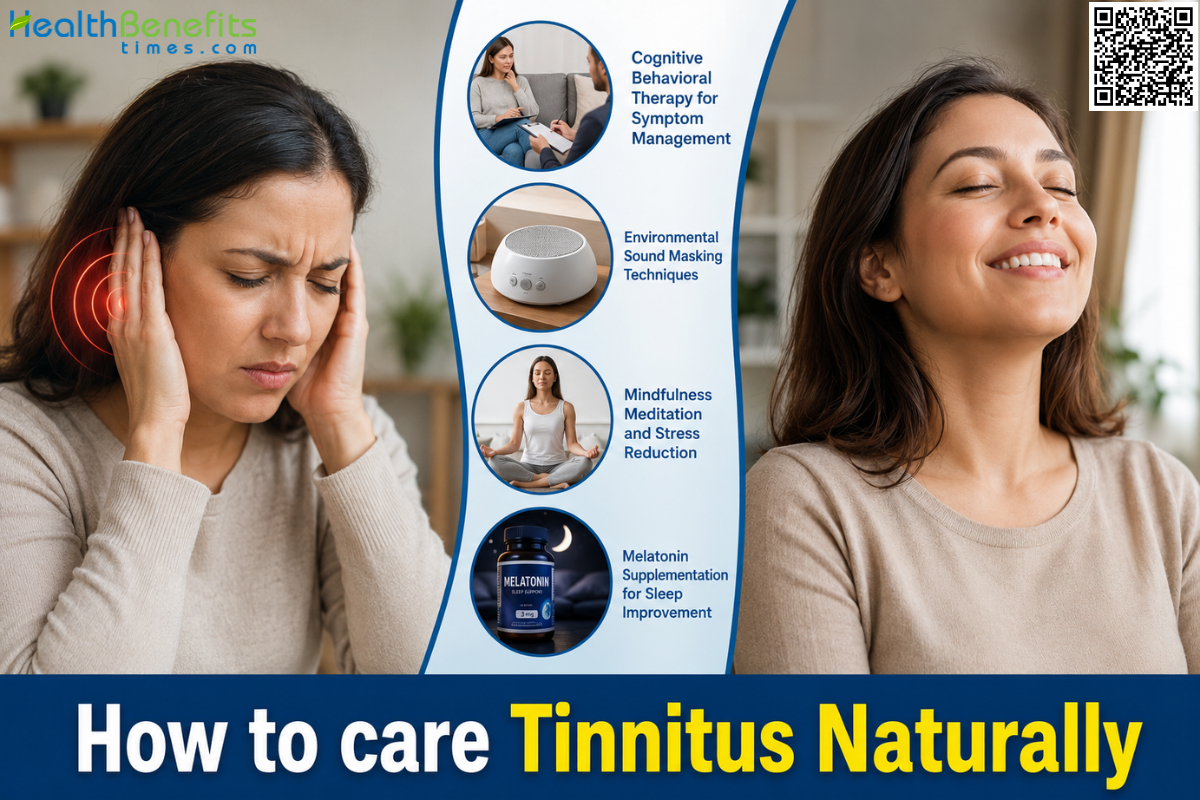
Causes of Tinnitus
1. Noise-Induced Hearing Loss
Exposure to loud environments damages the delicate sensory hair cells in the inner ear, disrupting normal auditory signals sent to the brain 4.
2. Age-Related Hearing Loss (Presbycusis)
The natural, gradual degeneration of inner ear structures over time leads to a loss of hearing sensitivity, which often triggers phantom sounds as the brain attempts to compensate 5.
3. Ototoxic Medications
Over 200 prescription and over-the-counter medications can cause inner ear toxicity. High-risk drugs include platinum-based chemotherapy agents (such as cisplatin and carboplatin), certain aminoglycoside antibiotics, loop diuretics, and high doses of nonsteroidal anti-inflammatory drugs like aspirin.
4. Ear Canal Blockages
An accumulation of earwax (cerumen impaction), dirt, or fluid from middle ear infections can physically block sound waves, altering pressure within the ear and causing ringing 6.
5. Ménière’s Disease
This chronic inner ear disorder causes abnormal fluid pressure and composition, which directly disrupts normal auditory and balance functions.
6. Head and Neck Trauma
Severe physical injuries, such as concussions or whiplash, can physically damage the central auditory nervous system, the inner ear, or the auditory nerve connecting the ear to the brain 7.
7. Temporomandibular Joint (TMJ) Disorders
Mechanical issues and muscle spasms affecting the jaw joint, located directly in front of the ears, can cause referred neural signals that manifest as buzzing or ringing sounds.
8. Vascular Abnormalities
Conditions affecting blood flow in the head and neck—such as malformed blood vessels, tumors, or high blood pressure—can cause a rare variant known as pulsatile tinnitus, where an individual hears a rhythmic pulsing synchronized with their heartbeat.
Symptoms of Tinnitus
1. Phantom Noises
The primary hallmark of the condition is hearing sounds that do not exist in the external environment, most frequently described as persistent ringing, buzzing, roaring, clicking, or hissing 8.
2. Pitch and Volume Fluctuations
The perceived sound can vary dramatically from a low-pitched hum to a high-pitched squeal. These sounds may be present constantly or occur intermittently in one or both ears.
3. Rhythmic Pulsing (Pulsatile Tinnitus)
A specific structural variant causes individuals to hear a rhythmic swooshing, beating, or throbbing sound that synchronizes precisely with the pace of their own heartbeat.
4. Auditory Interference
The internal noise can become loud or distracting enough to mask real external sounds, making it difficult to follow normal conversations or focus on complex tasks.
5. Sleep Disturbances
Because environmental background noise is minimal at night, the perception of tinnitus often becomes more pronounced, frequently leading to difficulty falling asleep, frequent waking, and chronic insomnia 9.
6. Psychological and Emotional Distress
The constant auditory burden often triggers severe secondary emotional symptoms, strongly correlating with heightened clinical anxiety, irritability, severe fatigue, and depression.
How to care Tinnitus Naturally
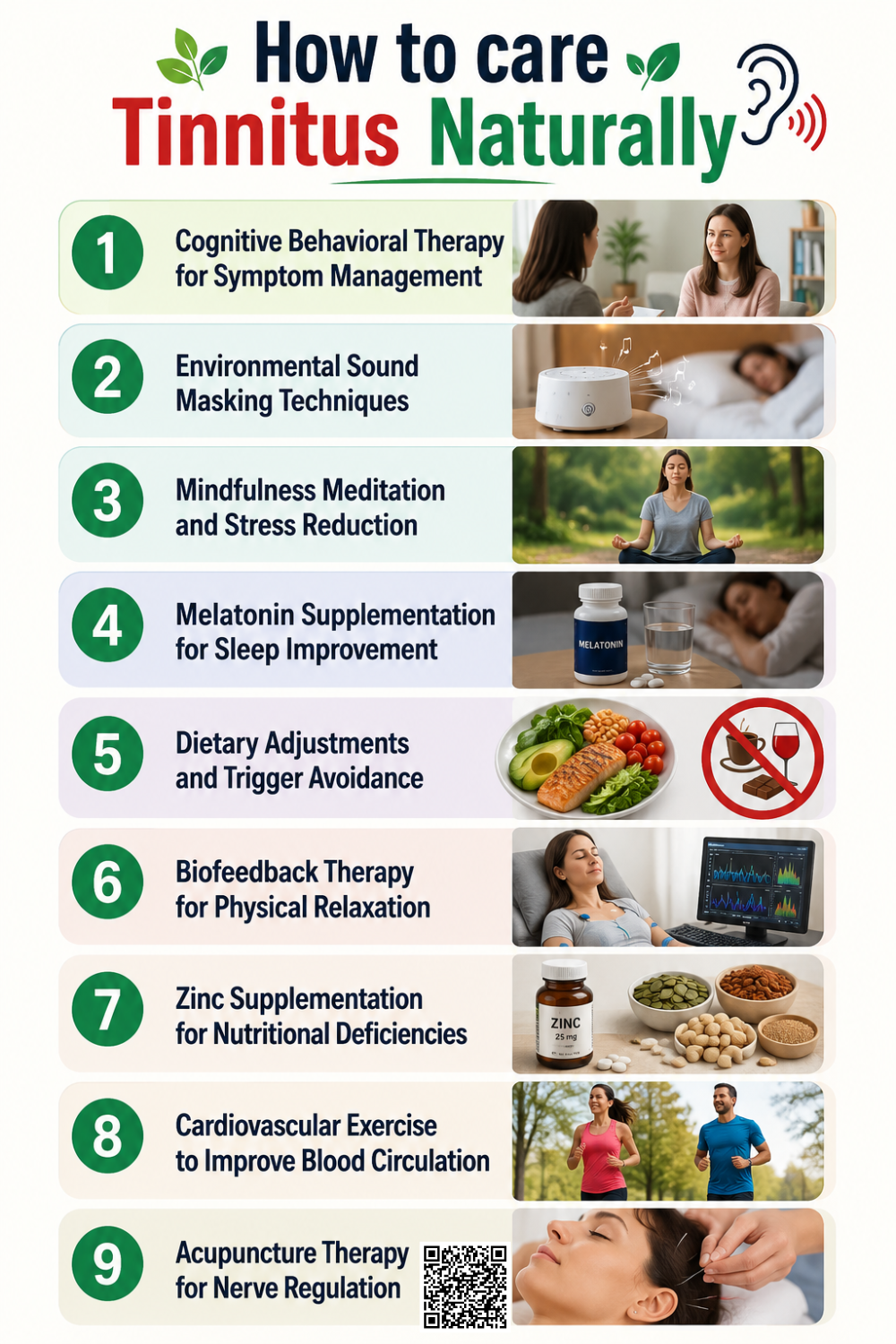
1. Cognitive Behavioral Therapy for Symptom Management
How It May Help
Cognitive Behavioral Therapy (CBT) does not eliminate the ringing sound, but it changes how the brain reacts to it. It teaches individuals to identify and alter negative thought patterns linked to the noise. By reducing the emotional and psychological distress associated with the condition, CBT helps the brain gradually ignore the persistent sound.
What Research Says
Clinical research consistently identifies CBT as the most effective psychological treatment for reducing the negative impact of the condition. Studies conclude that while it does not lower the actual volume of the noise, it significantly decreases related anxiety, depression, and daily life disruption, greatly improving overall quality of life 10.
How to Use It Safely
To use this therapy safely and effectively, you should seek a licensed mental health professional trained in auditory disorders or chronic pain management. Commit to regular weekly sessions and actively practice the prescribed coping strategies, relaxation techniques, and thought-shifting exercises at home to maximize the benefits.
Potential Precautions or Side Effects
This therapy has no physical side effects. However, you may experience temporary emotional discomfort when discussing anxieties. It requires significant time, patience, and consistent effort to achieve lasting results.
How It May Help
Introducing continuous, low-level external noise helps cover up the internal ringing associated with the condition. By reducing the contrast between a quiet room and the phantom sound, environmental masking makes the ringing less noticeable. This technique distracts the brain, making it easier to focus during the day and fall asleep at night.
What Research Says
Clinical studies confirm that sound therapy provides immediate, short-term relief by decreasing the perceived loudness of the internal noise. Evidence shows that utilizing background sound machines or wearable devices significantly improves sleep quality and reduces daily annoyance, making it a standard recommendation in audiology management guidelines.
How to Use It Safely
Set a sound machine, fan, or nature audio to a comfortable, low volume. You should keep the external sound slightly softer than your ringing rather than completely drowning it out. Avoid using earbuds at high volumes while sleeping to prevent further damage to your hearing.
Potential Precautions or Side Effects
Never play masking sounds at loud volumes, as excessive noise exposure can permanently worsen underlying hearing loss and increase the severity of your symptoms over time.
3. Mindfulness Meditation and Stress Reduction
How It May Help
Chronic stress increases the body’s sensitivity to physical sensations, making internal ear noises seem louder. Mindfulness meditation trains the brain to notice these sounds without a negative emotional reaction. This relaxation lowers the body’s stress response, helping the nervous system gradually ignore the constant ringing.
What Research Says
Clinical trials show that mindfulness-based stress reduction significantly lowers the psychological distress connected to the condition. Studies conclude that while meditation does not cure the physical sound, it effectively reduces anxiety, improves mood, and decreases the daily disruption caused by the symptoms 11.
How to Use It Safely
Start with short, guided sessions lasting five to ten minutes daily. Focus on slow, deep breathing and relaxing your muscles. Practice in a calm space, but you can leave a soft background sound playing if total silence makes your ringing too loud or distracting.
Potential Precautions or Side Effects
This practice is very safe, but you may initially feel more anxious or frustrated when sitting quietly, because the internal ringing might seem louder before you learn to relax.
4. Melatonin Supplementation for Sleep Improvement
How It May Help
Melatonin is a natural hormone that controls the sleep-wake cycle. Because constant ear ringing frequently causes severe insomnia, melatonin helps individuals fall asleep faster and rest more deeply. Additionally, its antioxidant properties may help protect the delicate inner ear nerves from further daily stress and damage.
What Research Says
Clinical trials demonstrate that melatonin supplementation significantly improves sleep quality for individuals with chronic ear ringing. Research concludes that while it does not cure the condition, it effectively reduces the perceived volume of the noise and decreases overall daily distress, particularly in older adults 12.
How to Use It Safely
You should consult your doctor before starting this supplement. Take a low dose, typically between one and three milligrams, about thirty to sixty minutes before your bedtime. Use it primarily as a short-term sleep aid and always avoid driving after taking your dose.
Potential Precautions or Side Effects
You might experience morning drowsiness, mild headaches, or vivid dreams. Do not take melatonin without medical approval if you use blood thinners, blood pressure medications, or diabetes drugs.
5. Dietary Adjustments and Trigger Avoidance
How It May Help
Certain dietary choices can affect blood pressure and stimulate the nervous system, which may worsen inner ear noises. Reducing the intake of salt, caffeine, and alcohol helps stabilize blood flow and decrease nerve overactivity. This steady internal environment can prevent sudden spikes in the intensity of the ringing.
What Research Says
Clinical studies indicate that while no universal diet cures the condition, high salt and caffeine intake frequently exacerbate symptoms for many individuals. Research concludes that managing these dietary triggers, alongside controlling blood pressure, can significantly reduce the severity and frequency of the auditory disturbances.
How to Use It Safely
You should keep a daily food journal to track what you eat and note any changes in your symptoms. Gradually reduce your caffeine and salt intake rather than stopping suddenly. Always maintain a balanced diet and stay well-hydrated to support your overall health.
Potential Precautions or Side Effects
Abruptly stopping caffeine can cause severe withdrawal headaches and fatigue. Avoid highly restrictive diets, as they can lead to harmful nutritional deficiencies and weaken your immune system.
6. Biofeedback Therapy for Physical Relaxation
How It May Help
Biofeedback therapy uses specialized sensors to teach individuals how to consciously control involuntary physical reactions to stress, such as muscle tension, breathing, and heart rate. Because physical tension in the head, neck, and jaw frequently worsens inner ear ringing, learning to deeply relax these specific muscles can directly reduce the intensity of the phantom noise.
What Research Says
Clinical research confirms that biofeedback effectively decreases the emotional and physical distress associated with chronic ringing. Studies show that while it does not cure the underlying auditory damage, it successfully lowers stress-induced muscle tension and nervous system arousal, significantly improving a patient’s ability to ignore the sound and reducing overall annoyance 13.
How to Use It Safely
You should seek a licensed healthcare provider trained in clinical biofeedback. During sessions, you will be connected to painless sensors that display your stress responses on a monitor. You must actively learn targeted relaxation techniques during these appointments and consistently practice the exercises at home without the equipment.
Potential Precautions or Side Effects
This physical therapy is completely non-invasive and safe. However, it requires a significant time commitment, mental patience, and daily active practice, as results often take several months to develop.
7. Zinc Supplementation for Nutritional Deficiencies
How It May Help
The inner ear contains a high concentration of zinc, a mineral necessary for normal nerve signaling. A deficiency in this mineral can disrupt nerve function and trigger ringing. Correcting this shortage helps stabilize these sensitive auditory nerves and restore normal sound processing.
What Research Says
Clinical studies conclude that taking a daily zinc supplement successfully decreases the loudness of ear ringing for individuals with a confirmed zinc deficiency. However, research shows this treatment provides no benefit for patients who already have normal zinc levels in their blood 14.
How to Use It Safely
You should have your doctor perform a blood test to confirm a deficiency before starting. If prescribed, take the supplement with food to avoid an upset stomach, and strictly follow your doctor’s dosing instructions to safely restore your nutrient levels.
Potential Precautions or Side Effects
Taking too much zinc causes severe nausea, stomach pain, and harmful copper deficiencies. You must avoid high doses and consult a doctor if you take antibiotics or diuretic medications.
8. Cardiovascular Exercise to Improve Blood Circulation
How It May Help
The delicate structures of the inner ear rely on a constant, healthy blood supply to function properly. Cardiovascular exercise increases overall blood flow and strengthens the heart. By improving circulation to the head and neck, regular physical activity can reduce the nerve misfires that cause ringing sounds while naturally lowering stress levels.
What Research Says
Clinical studies reveal that engaging in regular leisure-time physical activity correlates with a significant reduction in the perceived severity of ear ringing. Research concludes that consistent cardiovascular exercise not only lessens auditory distress but also improves sleep, mood, and overall quality of life for individuals suffering from chronic auditory symptoms 15.
How to Use It Safely
Consult your doctor before starting any new exercise routine. Aim for at least thirty minutes of moderate aerobic activity, such as brisk walking, swimming, or cycling, most days of the week. Start slowly and gradually increase your intensity to build cardiovascular endurance safely without overstraining your body.
Potential Precautions or Side Effects
Avoid heavy weightlifting or extremely high-intensity workouts that require you to strain or hold your breath, as sudden spikes in blood pressure can temporarily make ringing sounds much louder.
9. Acupuncture Therapy for Nerve Regulation
How It May Help
Acupuncture involves inserting fine needles into specific body points to stimulate the central nervous system. This traditional practice helps increase blood flow to the inner ear and regulates neurotransmitters. By promoting physical relaxation and calming overactive nerve pathways, it effectively reduces the brain’s focus on the phantom sounds.
What Research Says
Recent systematic reviews show that acupuncture can significantly reduce the loudness and annoyance of chronic ear ringing. While it does not cure the underlying condition, researchers conclude that this therapy effectively improves sleep quality and lowers daily emotional distress for many individuals with subjective auditory symptoms 16.
How to Use It Safely
You must consult a licensed and certified acupuncturist to ensure proper technique and sterile equipment. Expect to attend multiple sessions over several weeks, as the therapeutic benefits build gradually. Communicate openly with your practitioner about the exact location and intensity of your ear ringing.
Potential Precautions or Side Effects
You might experience mild soreness, minor bruising, or temporary lightheadedness after a session. Avoid this therapy without medical approval if you have severe bleeding disorders or take prescription blood thinners.
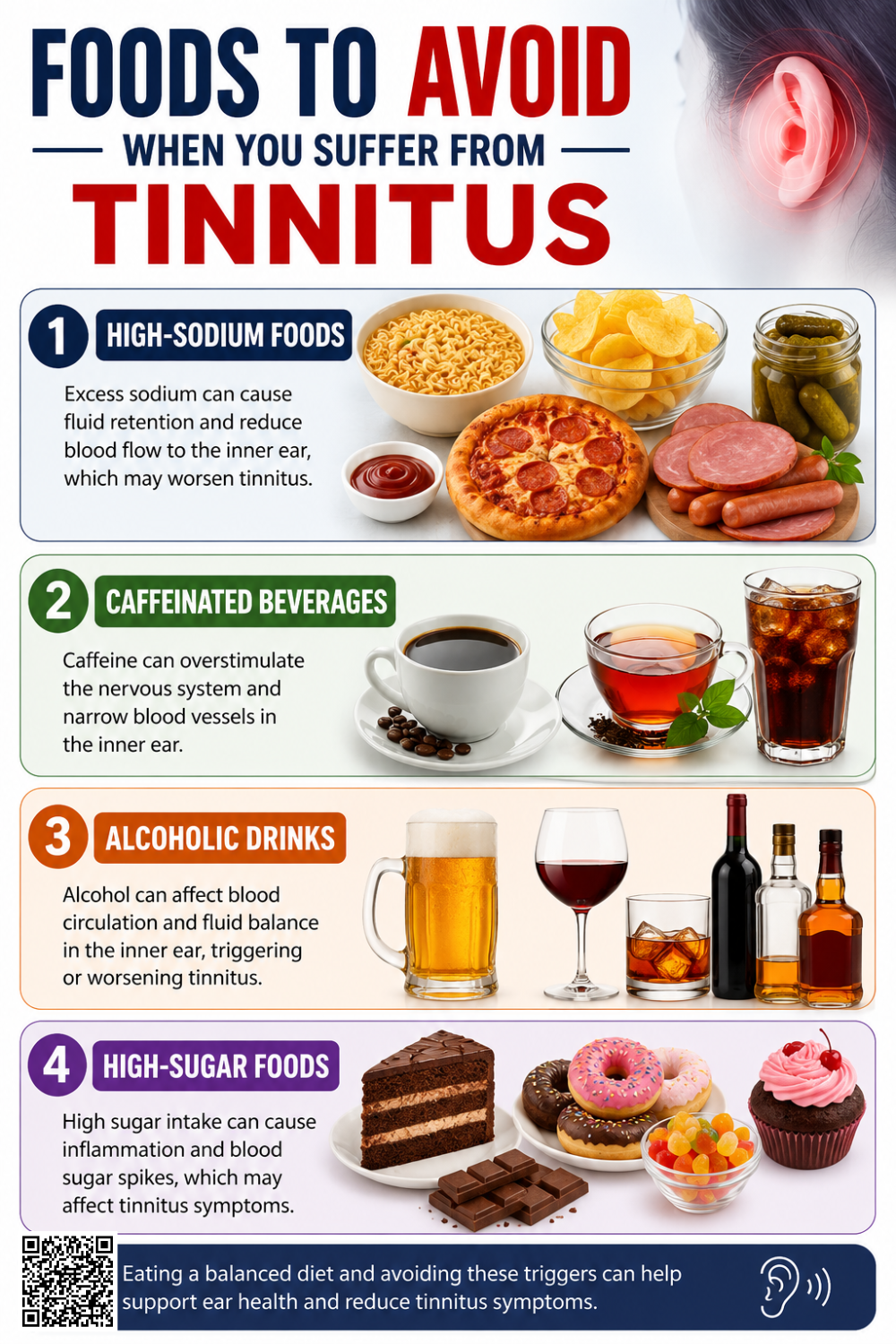
1. High-Sodium Foods
Consuming excessive salt raises blood pressure and disrupts inner ear fluid balance, frequently making auditory ringing much louder for many individuals 9.
2. Caffeinated Beverages
Caffeine stimulates the central nervous system and alters blood flow. Research identifies heavy consumption as a common trigger that exacerbates phantom noises.
3. Alcoholic Drinks
Alcohol temporarily dilates blood vessels, increasing blood flow to the inner ear. This vascular change often causes ear ringing to sound significantly more intense.
4. High-Sugar Foods
Consuming large amounts of refined sugar triggers rapid insulin spikes, which clinical studies indicate can disrupt auditory nerve function and worsen overall symptoms 17.
When To See a Doctor When You Suffer from Tinnitus
1. Rhythmic Pulsing
If you hear a rhythmic pulsing that matches your heartbeat, see a doctor immediately, as this often indicates an underlying vascular condition requiring rapid evaluation.
2. Sudden Hearing Loss
Seek emergency care if the ringing occurs alongside sudden hearing loss. Prompt clinical intervention within days is critical to prevent permanent auditory damage 18.
3. Single-Ear Ringing
Consult a specialist if the noise occurs in only one ear. This asymmetrical symptom requires thorough imaging to rule out benign tumors on the auditory nerve 19.
4. Accompanying Dizziness
Schedule a medical evaluation if the ringing is accompanied by severe dizziness or vertigo, as this combination frequently points to chronic inner ear conditions like Ménière’s disease 20.
5. Neurological Symptoms
Seek immediate medical attention if the auditory symptoms occur with facial weakness, sudden numbness, or extreme unsteadiness, which strongly indicate a serious neurological emergency.
Comments
comments