

Causes of Grief
- Death of a Loved One: The loss of a family member, partner, friend, or pet is the most commonly recognized trigger for grief, often initiating a profound period of bereavement and emotional adjustment 2.
- Significant Life Transitions: Major changes in life circumstances, such as divorce, the dissolution of a long-term relationship, or the loss of a job, can trigger a grief response due to the loss of security, identity, or established routines 1.
- Loss of Health or Physical Ability: Receiving a diagnosis of a chronic or terminal illness, or experiencing a permanent change in physical function, often requires an individual to grieve the loss of their previous sense of well-being and future expectations 2.
- Relocation and Displacement: Moving to a new environment or experiencing forced displacement results in the loss of home, community, and social support systems, which can lead to significant psychological distress and grief 3.
Symptoms of Grief
- Emotional Responses: Individuals frequently experience intense, fluctuating emotions including profound sadness, anger, guilt, anxiety, or numbness. These feelings may occur in waves and can vary significantly in intensity over time 2.
- Cognitive Difficulties: Bereavement often impacts mental clarity, resulting in challenges with concentration, memory lapses, confusion, or persistent preoccupation with the circumstances of the loss. Such cognitive strain can affect an individual’s ability to focus on daily tasks 4.
- Physical Manifestations: Grief can manifest through various somatic symptoms, such as fatigue, muscle weakness, tightness in the chest or throat, changes in appetite, and significant disturbances in sleep patterns. These physical responses are common physiological reactions to emotional stress 2.
- Behavioral and Social Changes: It is common to experience social withdrawal, a lack of interest in previously enjoyed activities, or irritability. Some individuals may also experience restlessness or a tendency to avoid reminders of the loss as a way to manage overwhelming emotional pain 4.
How to Cope with Grief
1. Seeking Professional Mental Health Support
How it may help
Professional support provides a structured environment to process emotions, develop healthy coping strategies, and address grief-related distress. Therapists help individuals navigate complex feelings and identify potential complications that impede natural healing. 1
What research says
Evidence indicates that psychotherapy, including cognitive behavioral interventions, effectively reduces the severity of grief-related symptoms and improves overall emotional functioning. These professional approaches assist in managing the psychological burden of bereavement by providing evidence-based tools for adjustment. 5
How to use it safely
When seeking help, ensure you consult licensed mental health professionals, such as psychologists or psychiatrists. Verify their credentials through state or national health licensing boards. It is important to find a provider experienced in bereavement or trauma-informed care to ensure the support is appropriate for your specific needs.
Potential precautions or side effects
While therapy is generally safe, intense emotional recall during sessions may temporarily increase feelings of distress. If symptoms significantly worsen or feelings of hopelessness become overwhelming, communicate these changes to your therapist immediately. 1
2. Participating in Support Groups for the Bereaved
How it may help
Support groups offer a safe space to share experiences with others navigating similar losses. This social connection reduces feelings of isolation, provides validation for complex emotions, and offers practical advice from peers who understand the unique challenges of bereavement. 2
What research says
Research indicates that peer-led support groups improve psychological adjustment and emotional well-being by normalizing the grieving process. Participants often report increased social support and a greater sense of community, which helps mitigate the negative impact of long-term isolation on mental health. 5
How to use it safely
Identify groups facilitated by hospitals, hospices, or licensed counseling centers to ensure a supervised and supportive environment. Prioritize groups that align with your specific type of loss. Observe initial meetings to confirm the group’s structure and supportive atmosphere before deciding to fully engage.
Potential precautions or side effects
Some individuals may experience increased emotional distress or “compassion fatigue” when hearing others’ painful stories. If the group environment feels overwhelming or unsupportive, discontinue participation and seek guidance from a mental health professional.
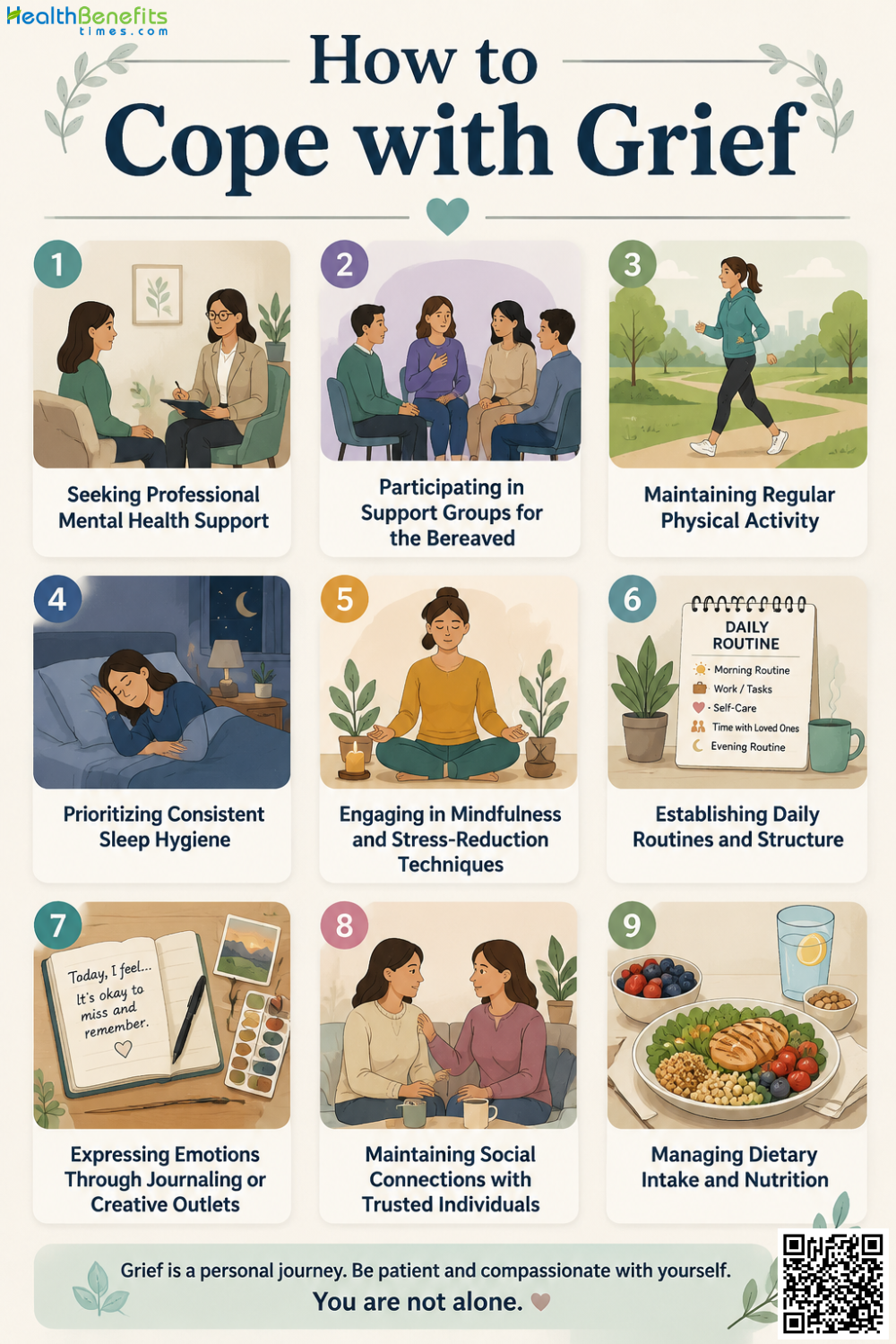
3. Maintaining Regular Physical Activity
How it may help
Consistent physical activity helps manage grief by reducing stress hormones and promoting the release of chemicals that improve mood and energy levels. Engaging in movement can also provide a necessary daily distraction and improve sleep quality, which is often disrupted during periods of mourning. 6
What research says
Clinical evidence demonstrates that regular exercise significantly reduces symptoms of depression and anxiety, which frequently co-occur with grief. Research confirms that sustained physical activity aids in stabilizing mood and enhancing overall cognitive function, assisting individuals in navigating the emotional challenges of bereavement more effectively. 7
How to use it safely
Start with low-intensity activities like walking, swimming, or stretching. Consult your healthcare provider before beginning a new routine, especially if you have existing health conditions. Aim for consistency rather than high intensity, and choose activities you find enjoyable to ensure long-term sustainability.
Potential precautions or side effects
Avoid overexertion during periods of extreme fatigue or physical depletion. Stop activity immediately if you experience dizziness, sharp pain, or unusual shortness of breath.
4. Prioritizing Consistent Sleep Hygiene
How it may help
Prioritizing consistent sleep hygiene helps stabilize mood and improves cognitive resilience during bereavement. Adequate, quality sleep is essential for the nervous system to recover from the intense emotional and physiological demands of grief, helping individuals better regulate their responses to daily stressors and avoid further mental exhaustion. 8
What research says
Research consistently demonstrates that sleep disturbances are a primary complication of grief. Studies confirm that restorative sleep is critical for emotional regulation and psychological healing. Conversely, chronic sleep deprivation impairs the ability to process emotional pain, potentially worsening symptoms of anxiety and depression during the grieving process. 4
How to use it safely
Maintain a regular sleep schedule by waking and retiring at the same time daily. Create a quiet, dark, and cool environment. Limit screen use before bed and avoid stimulants like caffeine in the evening to improve sleep quality and ease of falling asleep.
Potential precautions or side effects
Avoid over-the-counter sleep aids without consulting a healthcare provider, as they may cause dependency or daytime grogginess. If persistent insomnia occurs, seek medical evaluation for underlying concerns.
5. Engaging in Mindfulness and Stress-Reduction Techniques
How it may help
Mindfulness practices help individuals remain present and grounded, reducing the tendency to become overwhelmed by future anxieties or past regrets. These techniques help regulate the body’s stress response, potentially lowering heart rate and promoting a sense of calm amidst the emotional turbulence often associated with the grieving process. 13
What research says
Clinical research indicates that mindfulness-based interventions can significantly reduce symptoms of psychological distress, including anxiety and depression. Evidence suggests that consistent practice aids in emotional regulation and helps individuals better tolerate painful experiences by fostering a non-judgmental awareness of their current state. 6
How to use it safely
Begin with short, daily guided breathing exercises or seated meditation. Use reputable resources from health institutions or qualified instructors to learn proper techniques. Focus on consistency rather than duration, practicing in a quiet, comfortable space where you can remain undisturbed and focused.
Potential precautions or side effects
For some, deep introspection can trigger intense emotions or traumatic memories. If you experience increased distress or dissociation during practice, stop immediately and seek guidance from a qualified mental health professional who can provide trauma-informed support.
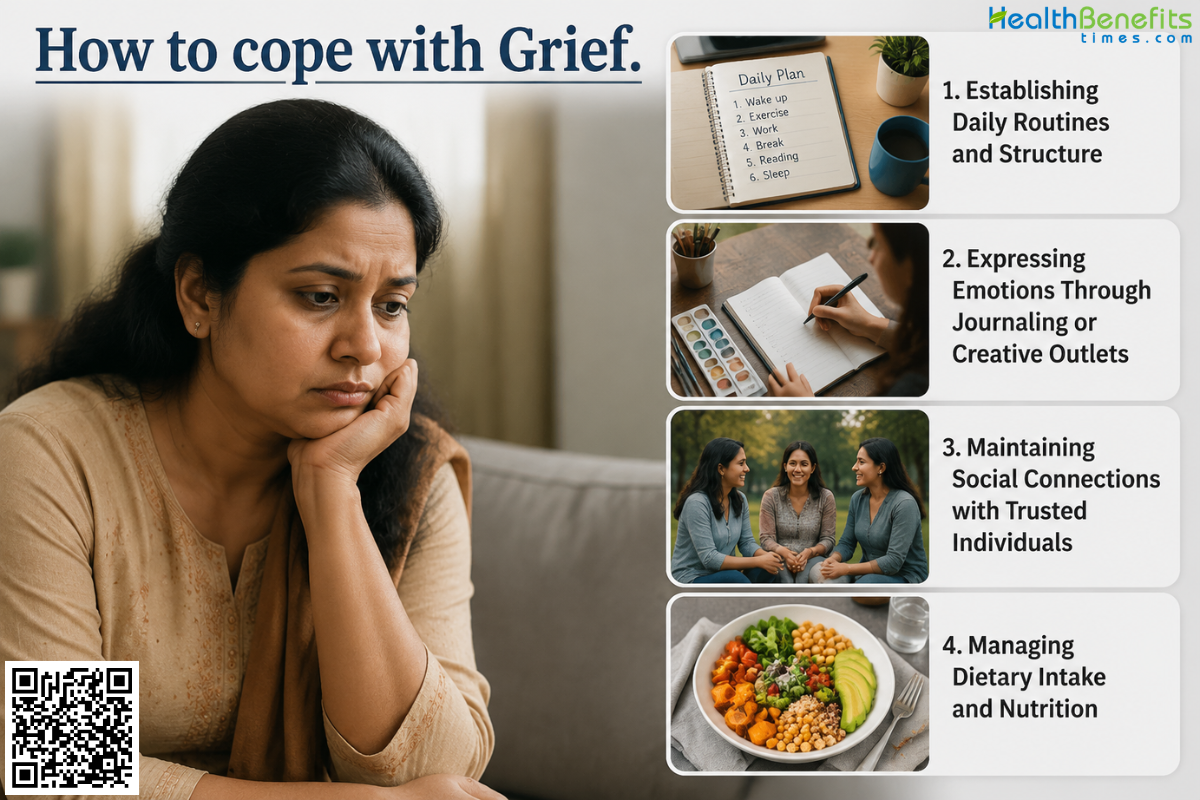
6. Establishing Daily Routines and Structure
How it may help
Maintaining a predictable daily schedule provides a sense of stability and control during the unpredictable emotional landscape of grief. By anchoring the day with routine activities like meals and hygiene, individuals can reduce the mental fatigue associated with making constant decisions, helping to create a necessary sense of order amid personal loss. 4
What research says
Research suggests that restoring routine is a critical component of healthy bereavement. Consistent structure helps stabilize circadian rhythms and reduces the cognitive load of decision-making, which is often impaired by emotional distress. These stable patterns support psychological grounding and facilitate a smoother transition through the natural phases of the grieving process. 5
How to use it safely
Start by implementing a simple, flexible schedule that includes basic self-care tasks. Prioritize consistency over complexity, allowing for necessary adjustments on days when grief symptoms are more intense. Integrate small, manageable goals to maintain a sense of accomplishment without creating undue pressure or exhaustion.
Potential precautions or side effects
Avoid becoming overly rigid or punitive if you fail to complete your planned tasks. Excessive structure can lead to frustration; allow for necessary rest and flexibility to prevent additional stress.
7. Expressing Emotions Through Journaling or Creative Outlets
How it may help
Creative expression and journaling provide a structured channel for processing complex, often overwhelming emotions. These outlets allow individuals to externally organize internal experiences, which can help clarify feelings, reduce the intensity of painful thoughts, and facilitate a healthier connection with one’s own emotional state during the bereavement process. 5
What research says
Research indicates that expressive writing and creative engagement can improve psychological health by helping individuals integrate the meaning of their loss. Findings demonstrate that these practices may lower distress levels and enhance cognitive processing, ultimately assisting in the emotional adaptation required to navigate the various stages of grief. 5
How to use it safely
Begin with short, private sessions focusing on genuine expression rather than form or performance. Use any medium writing, drawing, or music that feels accessible. There is no requirement to share these outputs; the therapeutic value lies entirely in the act of personal creation and emotional release.
Potential precautions or side effects
If specific memories cause extreme distress or intrusive symptoms, stop the activity. Creative expression is a supportive tool, not a substitute for professional clinical care when emotional pain becomes unmanageable.
8. Maintaining Social Connections with Trusted Individuals
How it may help
Social connections serve as a vital buffer against the isolation that often accompanies bereavement. Engaging with supportive family members or friends provides a necessary emotional outlet, helping to reduce stress and prevent the detrimental psychological effects of prolonged withdrawal while reinforcing a sense of belonging and ongoing community support. 10
What research says
Research consistently demonstrates that strong social networks are essential for emotional resilience during times of crisis. Studies conclude that consistent interaction with trusted individuals correlates with improved mental health outcomes, as these relationships provide critical instrumental and emotional support that buffers against the development of severe depression or anxiety during the mourning process. 6
How to use it safely
Focus on interactions with individuals who offer patient, non-judgmental listening rather than unsolicited advice. Clearly communicate your needs, such as a desire to simply be in their presence or talk about other topics when you feel overwhelmed. Do not feel obligated to engage in social events that feel exhausting.
Potential precautions or side effects
Be mindful that not everyone may understand your specific experience, which can occasionally lead to invalidating comments. If interactions consistently leave you feeling drained or unsupported, respectfully limit those contacts and prioritize time with individuals who provide genuine comfort.
9. Managing Dietary Intake and Nutrition
How it may help
Maintaining balanced nutrition provides the physical fuel necessary for the body to cope with the physiological stress of grief. Consuming regular, nutrient-dense meals helps stabilize blood sugar levels and supports energy regulation, which are critical for mitigating the physical exhaustion and mood fluctuations often experienced during the bereavement process. 11
What research says
Research indicates that the brain-gut connection plays a significant role in emotional regulation. Nutritional deficiencies caused by poor appetite or stress-induced eating can exacerbate symptoms of fatigue and anxiety. Clinical consensus supports that adequate intake of essential nutrients helps sustain cognitive function and enhances the body’s resilience against the physical impacts of emotional trauma. 6
How to use it safely
Focus on small, frequent meals if your appetite is low. Prioritize whole foods, such as fruits, vegetables, and lean proteins, and ensure consistent hydration. Prepare simple, easy-to-access options ahead of time to minimize the need for complex decision-making or intensive food preparation during periods of intense grief.
Potential precautions or side effects
Avoid relying heavily on caffeine or high-sugar snacks, as these can cause significant energy crashes and increase anxiety. If you experience persistent loss of appetite or sudden weight changes, consult a physician to rule out underlying medical issues.
Foods to Avoid When You Suffer from Grief
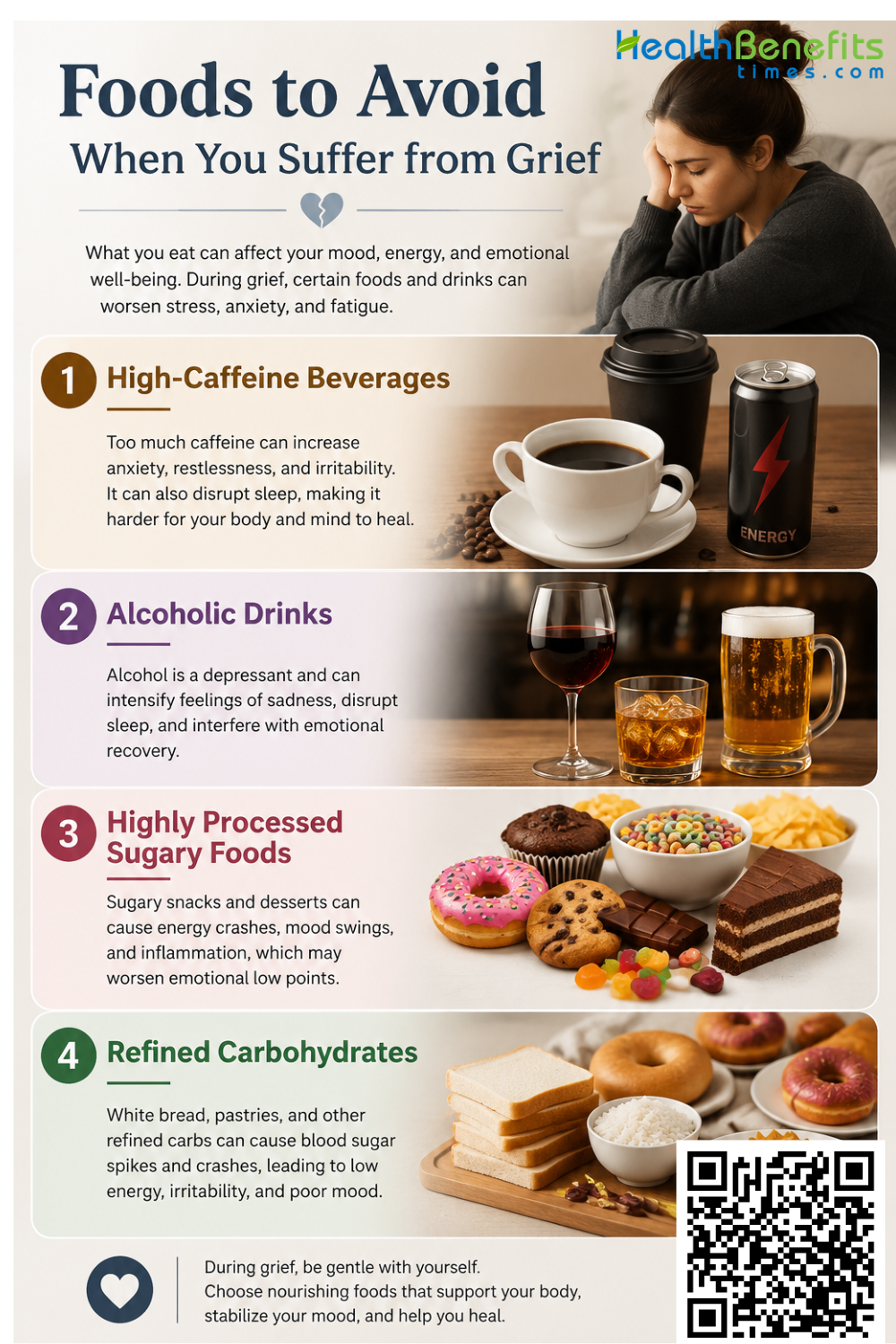
1. High-Caffeine Beverages
Excessive intake of caffeine can increase physiological arousal, worsening anxiety, heart palpitations, and sleep disturbances, which are already common challenges during the bereavement process. 6
2. Alcoholic Drinks
Alcohol is a central nervous system depressant that disrupts restorative sleep cycles and can exacerbate feelings of sadness, emotional instability, and existing symptoms of depression. 4
3. Highly Processed Sugary Foods
These items trigger rapid fluctuations in blood glucose levels, leading to energy crashes that intensify feelings of lethargy, irritability, and poor cognitive focus. 11
4. Refined Carbohydrates
Foods lacking fiber and nutrients provide only short-term energy, potentially impacting mood stability and contributing to the physical fatigue frequently experienced when navigating significant life loss. 11
When to See a Doctor When You Suffer from Grief
1. Persistent Impairment of Daily Functioning
Seek professional help if you cannot perform essential tasks such as working, attending school, or maintaining basic personal hygiene for an extended period. 1
2. Thoughts of Self-Harm or Suicide
Immediate medical attention is required if you experience thoughts of hurting yourself, suicide, or feel that life is no longer worth living. 12
3. Physical Health Decline
Consult a healthcare provider if you experience unexplained physical symptoms, significant weight changes, or a persistent inability to sleep despite practicing good sleep hygiene. 4
4. Symptoms That Do Not Improve
If emotional pain remains intensely debilitating or feels as though it is worsening after several months, a clinical evaluation is recommended to assess for complications. 1
5. Increased Substance Use
Seek guidance if you find yourself relying on alcohol or drugs as a way to cope with or avoid processing your emotional pain. 4
Comments
comments