

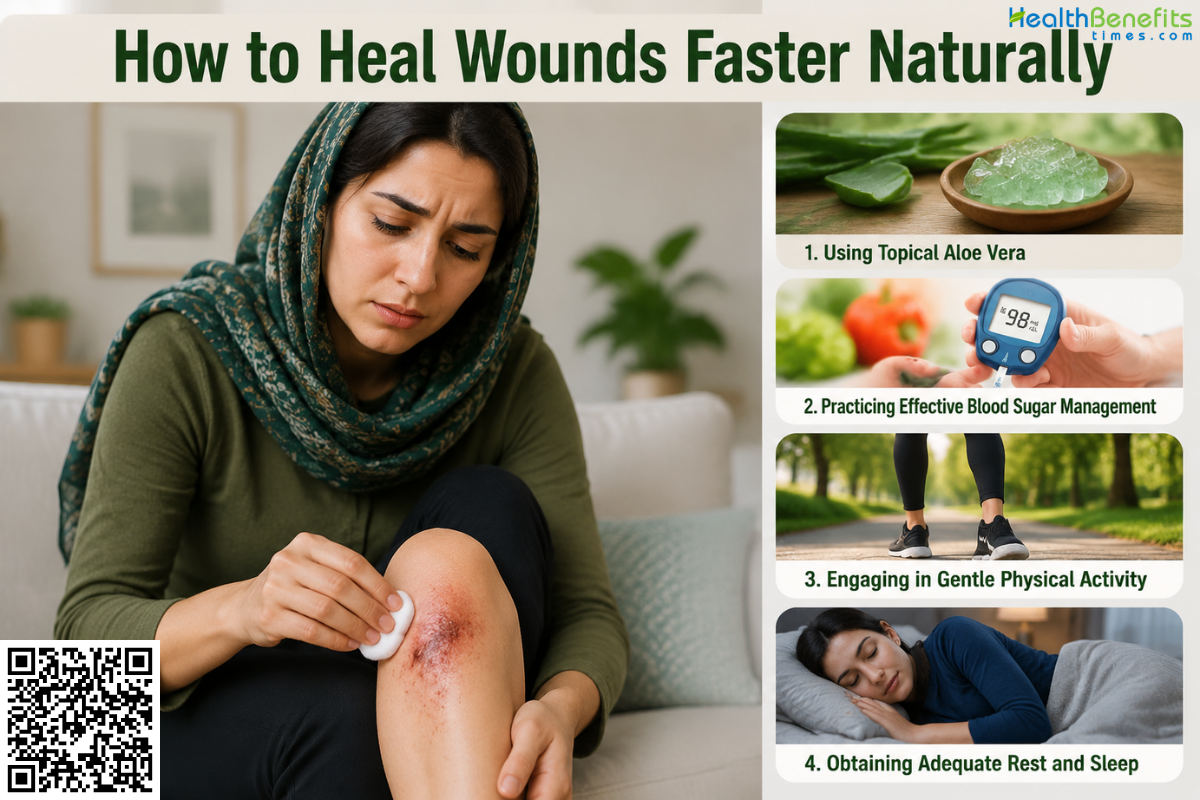
Causes of Slow Healing
- Poor Blood Circulation: Inadequate blood flow deprives injured tissues of the essential oxygen and vital nutrients required to rebuild cells, which significantly stalls the natural repair process 3.
- Elevated Blood Sugar Levels: Chronically high blood sugar damages blood vessels, impairs white blood cell function, and reduces the body’s ability to fight off bacteria, making tissue recovery slow and difficult 4.
- Nutritional Deficiencies: Lacking key building blocks—such as sufficient protein, vitamins, and minerals like zinc—prevents the body from manufacturing new tissue and collagen effectively 5.
- Local Infections: The presence of harmful bacteria or microbes creates continuous inflammation, forcing the body to fight off pathogens rather than focus energy on closing and repairing the wound 3.
- Chronic Systemic Illnesses: Long-term conditions, particularly kidney disease and immune system disorders, weaken the body’s overall cellular response and delay recovery timelines 1.
Symptoms of Slow Healing
- Persistent Open Wounds: Wounds that fail to show measurable signs of closing, shrinking, or healing after four to twelve weeks are clinically classified as delayed or non-healing 6.
- Ongoing Localized Pain: Continuous or worsening discomfort, tenderness, and throbbing around the injury site indicate that the tissue remains trapped in a prolonged state of inflammation 6.
- Unusual Fluid Discharge: Continuous weeping, oozing, or the presence of thick, discolored, or foul-smelling fluid coming from the injury site frequently signals an underlying infection or stalled cellular recovery 6.
- Discolored or Swollen Surrounding Skin: Skin around the injury that remains red, dark, warm, hard, or heavily swollen for an extended period points to compromised local circulation and chronic irritation 6, 7.
- Frequent Wound Breakdown: Scars or newly formed tissue that repeatedly crack open, tear, or revert backward instead of growing stronger over time 6, 7.
How to Heal Wounds Faster Naturally
1. Optimizing Dietary Protein Intake
How it may help
Dietary protein supplies essential amino acids that act as the fundamental building blocks for tissue repair, cell renewal, and immune function. During recovery, adequate protein intake supports collagen production and the formation of new blood vessels, directly accelerating the transition from the inflammatory phase to the tissue growth phase.
What research says
Clinical investigations published by medical institutions indicate that optimal protein administration significantly shortens recovery times and improves healing outcomes for tissue injuries. Research demonstrates that increased metabolic demands during tissue trauma require higher protein availability to prevent delayed cellular regeneration and support structural integrity.
How to use it safely
Incorporate lean meats, fish, eggs, dairy, legumes, and plant-based alternatives into your daily meals. Clinical guidelines suggest targeting higher daily protein amounts during active recovery, such as roughly 1.5 grams per kilogram of body weight, unless underlying medical conditions require a restricted protein intake.
Potential precautions or side effects
Excessive protein consumption can strain pre-existing kidney or liver disease. Consult a qualified healthcare professional before significantly increasing daily intake or using concentrated protein supplements.
2. Maintaining Adequate Hydration
How it may help
Adequate fluid intake maintains optimal blood volume, ensuring that red blood cells, oxygen, and vital nutrients are efficiently delivered to injured tissue. Proper systemic hydration supports cellular metabolism and accelerates the transport of immune cells to the wound site, which collectively facilitates tissue regeneration and functional recovery.
What research says
Clinical literature highlights that maintaining proper water balance prevents tissue desiccation and supports optimal cellular migration across the wound bed. Studies documented by the 8 indicate that maintaining proper hydration parameters significantly improves skin integrity and overall dermal repair efficiency.
How to use it safely
Drink fluids consistently throughout the day, prioritizing plain water to meet your daily physiological requirements. You should monitor your urine color to ensure it remains a pale, transparent yellow, which typically indicates healthy hydration status during your recovery period.
Potential precautions or side effects
Excessive fluid intake can cause electrolyte imbalances or place undue strain on cardiac and renal functions. Consult your physician if you manage fluid-restricted medical conditions.
3. Consuming Vitamin C-Rich Foods
How it may help
Vitamin C acts as an essential nutrient that enables the body to manufacture collagen, the primary structural protein required to rebuild damaged skin and blood vessels. By functioning as a powerful antioxidant, it also protects cells from oxidative stress and helps regulate the inflammatory response during the initial stages of tissue repair 9.
What research says
Clinical studies published in peer-reviewed medical journals indicate that maintaining optimal vitamin C levels significantly enhances tissue regeneration and scar strength 10. Controlled trials demonstrate that individuals with adequate vitamin C status achieve faster rates of wound closure and improved overall recovery outcomes compared to deficient subjects 11.
How to use it safely
Include a variety of fresh fruits and vegetables in your daily diet, such as citrus fruits, bell peppers, strawberries, broccoli, and tomatoes. Consuming these nutrient-dense whole foods consistently meets daily nutritional needs without the risks associated with excessive isolated doses 10.
Potential precautions or side effects
Excessive intake from high-dose supplements can cause gastrointestinal distress or increase the risk of kidney stones. Consult a healthcare professional before taking high-potency supplements 11.
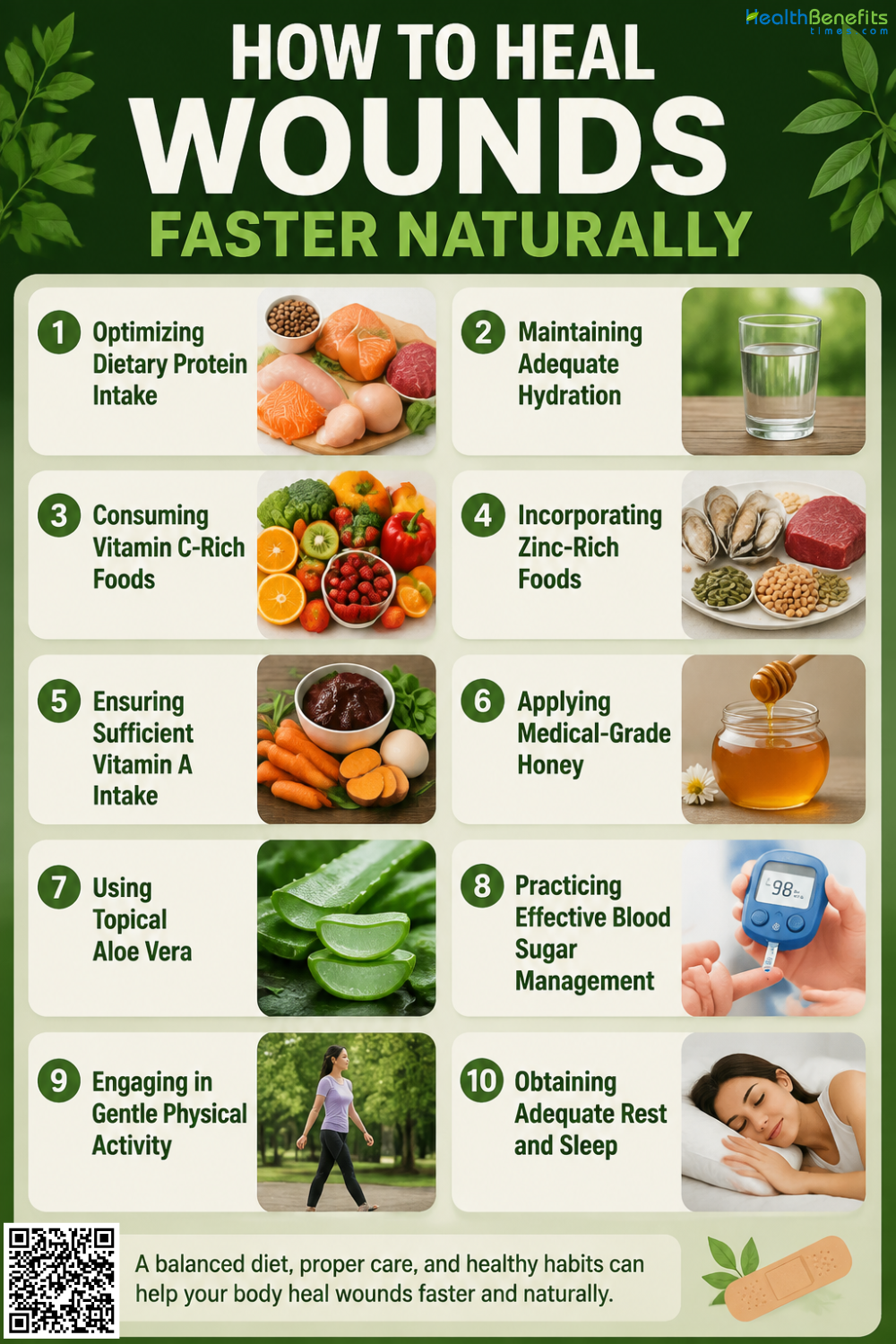
4. Incorporating Zinc-Rich Foods
How it may help
Zinc functions as a vital trace element that drives cell division, protein synthesis, and immune defense mechanisms necessary for tissue repair 12. It acts as a crucial helper molecule for numerous enzymes that control inflammation, cell growth, and collagen production, thereby accelerating overall skin regeneration 13.
What research says
Clinical studies published in peer-reviewed medical journals indicate that maintaining adequate zinc levels significantly prevents delayed tissue repair and shortens recovery timelines 14. Research confirms that individuals with sufficient zinc status achieve stronger wound closure and more efficient cellular restoration than those with nutritional deficiencies 15.
How to use it safely
Include nutrient-dense whole food sources in your daily meals, such as lean meats, shellfish, legumes, seeds, nuts, and whole grains. Consuming a balanced diet naturally meets daily mineral requirements without exposing the body to the imbalances caused by excessive isolated supplements 14.
Potential precautions or side effects
High-dose zinc supplements can interfere with copper absorption, cause nausea, and induce gastrointestinal distress. Consult a healthcare professional before taking high-potency mineral supplements 13.
5. Ensuring Sufficient Vitamin A Intake
How it may help
Vitamin A supports tissue repair by promoting the growth of new skin cells, stimulating collagen production, and enhancing the formation of blood vessels 16. It also regulates the immune system to maintain an effective inflammatory response during the early stages of injury recovery 17.
What research says
Clinical research published in medical journals indicates that maintaining adequate vitamin A levels prevents delayed tissue repair and improves structural strength in healing skin 18. Studies demonstrate that sufficient amounts of this nutrient are critical for supporting cellular turnover and successful wound closure 16.
How to use it safely
Consume a balanced diet containing animal-based foods like eggs and dairy, alongside plant-based sources rich in beta-carotene such as carrots, sweet potatoes, and dark leafy greens 19. Obtaining nutrients through whole foods safely fulfills daily requirements without risking nutrient toxicity 17.
Potential precautions or side effects
Excessive vitamin A intake from high-dose supplements can cause toxicity, liver damage, and birth defects. Consult a healthcare professional before taking supplements 17.
6. Applying Medical-Grade Honey
How it may help
Medical-grade honey provides a protective barrier that keeps injuries moist while preventing bacterial growth through natural antimicrobial properties 20. It also reduces localized inflammation, decreases unpleasant odors, and helps remove dead tissue to promote faster skin cell regeneration 21.
What research says
Clinical studies published in peer-reviewed medical journals indicate that topical application of specialized therapeutic honey significantly reduces healing times for acute and chronic injuries 22. Research confirms that sterile honey dressings improve overall tissue recovery rates and lower infection risks compared to standard gauze treatments 23.
How to use it safely
Apply only sterilized, medical-grade products such as Manuka honey directly to minor cuts or burns following clean clinical protocols. Cover the area with a sterile bandage and replace the dressing according to product instructions or professional healthcare guidance 20.
Potential precautions or side effects
Avoid using standard grocery honey on injuries. Seek medical evaluation for deep wounds or signs of severe infection 21.
7. Using Topical Aloe Vera
How it may help
Topical aloe vera provides soothing moisture and active plant compounds that stimulate skin cell multiplication and collagen production 24. It helps maintain a moist environment, reduces localized swelling, and supports tissue remodeling during the repair of minor skin injuries and burns 25.
What research says
Clinical evaluations published in medical journals indicate that applying therapeutic aloe vera gel can shorten recovery times for superficial burns and abrasions 24. Controlled studies demonstrate that its active constituents enhance epithelial tissue regeneration compared to standard dry dressings 26.
How to use it safely
Apply a thin layer of purified, medical-grade aloe vera gel directly to clean, minor skin irritations or first-degree burns 24. Always choose commercial preparations designed specifically for skin care to minimize the risk of contamination 25.
Potential precautions or side effects
Raw plant sap can cause contact dermatitis or allergic skin irritation. Avoid applying aloe vera to deep, open, or surgical wounds 24.
8. Practicing Effective Blood Sugar Management
How it may help
Maintaining normal blood sugar levels ensures proper immune cell function and efficient delivery of oxygen and nutrients to damaged skin tissues 27. High blood sugar impairs white blood cell activity, stiffens blood vessels, and slows down tissue repair, making glucose control vital for natural healing 28.
What research says
Clinical studies published in medical journals indicate that stable blood glucose control significantly reduces infection rates and accelerates closure in chronic skin injuries 27. Research confirms that individuals maintaining optimal metabolic control experience faster cellular regeneration compared to those with elevated blood sugar 29.
How to use it safely
Monitor your blood glucose levels regularly and adopt a balanced diet rich in fiber, lean proteins, and complex carbohydrates while minimizing sugary foods 30. Engage in consistent physical activity and follow your prescribed healthcare plan to maintain stable levels 28.
Potential precautions or side effects
Overly aggressive glucose reduction can lead to dangerous low blood sugar episodes. Consult a physician before altering diet or medication regimens 29.
9. Engaging in Gentle Physical Activity
How it may help
Gentle physical activity enhances systemic blood circulation, ensuring a steady delivery of oxygen and vital nutrients to recovering skin tissues 31. Improved cardiovascular flow also supports immune cell efficiency and helps regulate the inflammatory response required for early tissue repair 32.
What research says
Clinical investigations published in peer-reviewed medical journals indicate that moderate exercise programs significantly accelerate tissue regeneration and shorten recovery timelines 32. Research confirms that individuals engaging in appropriate physical movement achieve faster rates of cellular repair compared to sedentary control groups 31.
How to use it safely
Incorporate low-impact movements such as light walking, stretching, or beginner yoga into your routine 33. Keep sessions short and avoid any movements that strain, stretch, or put pressure directly on the recovering wound site 34.
Potential precautions or side effects
Overexertion can tear healing tissue or increase localized inflammation. Consult a physician before beginning exercise after surgery or major injury 32.
10. Obtaining Adequate Rest and Sleep
How it may help
Quality sleep accelerates tissue recovery by optimizing human growth hormone release, boosting protein synthesis, and enhancing cellular division 35. Deep rest also restores immune cell function and reduces systemic inflammation, creating an internal environment that allows damaged skin barriers to repair efficiently 36.
What research says
Clinical studies published in peer-reviewed medical journals indicate that sleep deprivation significantly delays skin barrier recovery and impairs local immune responses 37. Research confirms that individuals maintaining sufficient rest achieve faster tissue regeneration compared to sleep-restricted subjects 36.
How to use it safely
Aim for seven to nine hours of uninterrupted, high-quality sleep each night to support physiological recovery 37. Maintain a consistent sleep schedule, keep your bedroom dark and quiet, and limit screen use before bedtime to promote deep, restorative rest 35.
Potential precautions or side effects
Chronic sleep loss weakens immune defense and delays healing. Consult a physician if persistent sleep disturbances hinder your recovery 36.
Foods to Avoid When You Suffer from Slow Healing
1. Added Sugars and Sweets
High sugar intake spikes blood glucose, which impairs white blood cell function, reduces oxygen delivery, and delays cellular tissue repair 27.
2. Ultra-Processed and Fried Foods
These items promote systemic inflammation and lack essential micronutrients, diverting metabolic resources away from successful collagen synthesis 38.
3. Alcoholic Beverages
Alcohol suppresses immune function, disrupts protein synthesis, and causes dehydration, severely hindering the body’s natural capacity to close wounds 39.
When to See a Doctor When You Struggle from Slow Healing
1. Stalled Progress After Two Weeks
Consult a physician if a wound shows no visible reduction in size or fails to demonstrate noticeable healing progress after fourteen days.
2. Signs of Spreading Infection
Seek immediate medical evaluation if you notice expanding redness, localized warmth, severe swelling, foul-smelling discharge, or pus.
3. Worsening or Severe Pain
Schedule an appointment if pain intensifies rather than subsides over time, or if discomfort becomes disproportionate to the size of the injury.
4. Systemic Symptoms of Illness
Go to urgent care or an emergency room if you develop a fever, chills, confusion, or red streaks extending outward from the injury site.
5. High-Risk Underlying Conditions
Contact a healthcare provider promptly if you have diabetes, poor circulation, or a weakened immune system and experience a slow-healing sore.
Comments
comments