

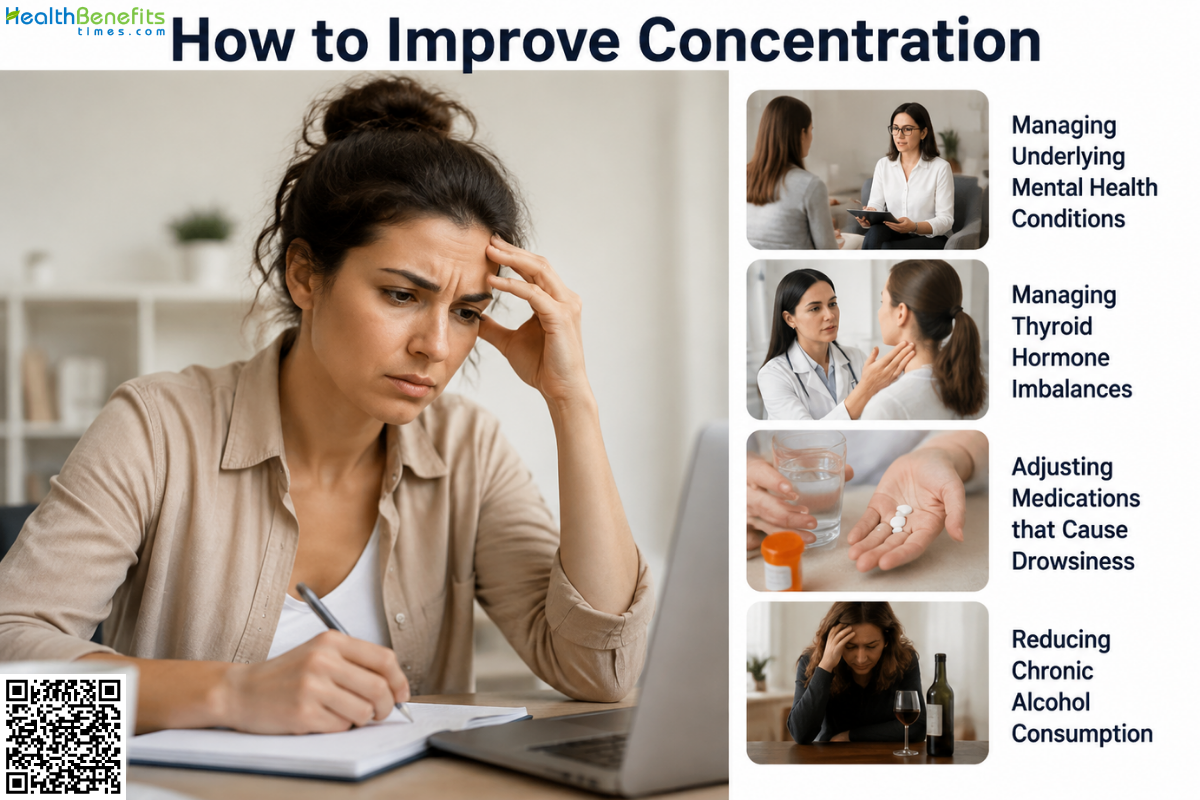
Causes of Poor Concentration
1. Attention-Deficit/Hyperactivity Disorder (ADHD)
This developmental brain condition involves an ongoing pattern of inattention and disorganization that severely interferes with daily life, learning, and cognitive development 4.
2. Mental Health Conditions
Psychological disorders such as severe depression and anxiety commonly disrupt mental focus. Depression can significantly decrease the ability to process information or make decisions, while anxiety often causes racing or intrusive thoughts that interrupt task focus 5.
3. Sleep Deprivation
A lack of quality sleep severely impairs brain function, leading to reduced alertness, slower thinking, and poor memory retention 6. Sleep breathing disorders, such as sleep apnea, also frequently cause daytime sleepiness and chronic attention issues.
4. Neurological Disorders
Diseases that progressively damage brain tissue, such as Alzheimer’s disease and other forms of dementia, directly impair cognitive abilities, making it difficult to concentrate on familiar tasks 7. Traumatic brain injuries (TBI) and concussions also cause physical brain changes that can permanently alter attention span 8.
5. Nutritional Deficiencies
Inadequate levels of certain essential nutrients, particularly Vitamin B12, can damage the nervous system over time. This damage produces cognitive symptoms such as confusion, memory loss, and reduced concentration 9.
6. Thyroid Disorders
An underactive thyroid gland (hypothyroidism) slows down metabolism and essential body functions, which often results in systemic physical fatigue, mental sluggishness, and an inability to sustain focus 10.
7. Medications and Substance Use
Many prescription drugs, including sedatives, certain allergy medications, and anti-anxiety pills, cause drowsiness and cognitive dulling as expected side effects. Additionally, chronic alcohol use disrupts communication pathways in the brain, leading to both short-term and long-term concentration deficits 11.
Symptoms of Poor Concentration
1. Careless Mistakes
Individuals often struggle to pay close attention to details, leading to frequent, preventable errors in professional work, academic assignments, or daily activities 12.
2. Inability to Sustain Focus
There is a noticeable difficulty in maintaining attention during assigned tasks, reading long documents, or engaging in lengthy conversations 12.
3. Appearing Inattentive in Conversation
A person experiencing poor concentration may seem absent-minded, distracted, or as if their mind is elsewhere even when they are spoken to directly 12.
4. Failure to Complete Tasks
Reduced cognitive focus frequently results in an inability to follow complex instructions, leaving workplace duties, household chores, or school projects unfinished 12.
5. Poor Organization and Time Management
Cognitive distraction makes it highly challenging to keep physical materials orderly, sequence tasks properly, manage time effectively, and meet deadlines 12.
6. Avoidance of Sustained Mental Effort
Because forcing focus can be mentally exhausting, individuals often avoid or strongly dislike activities that require long periods of thinking, such as filling out detailed forms or preparing extensive reports 12.
7. Frequent Misplacement of Items
A common clinical sign of a distracted mind is routinely losing necessary everyday objects, such as keys, wallets, mobile phones, or important paperwork 12.
8. High Distractibility
The ability to stay on task is easily derailed by minor external stimuli, background noise, or unrelated internal thoughts 12.
9. Daily Forgetfulness
A poor attention span directly impairs short-term memory, leading to frequently forgetting routine obligations like taking medications, paying bills, keeping appointments, or returning phone calls 12.
How to Improve Concentration
1. Establishing a Consistent Sleep Schedule
How it may help
Establishing a regular sleep-wake cycle regulates the body’s internal clock, optimizing brain function during the day. Consistent sleep clears metabolic waste from the brain and consolidates memory, which directly supports sustained attention, faster processing speeds, and the ability to focus on complex tasks 13.
What research says
Clinical evidence demonstrates that sleep deprivation severely impairs cognitive functions, particularly attention span and working memory. Studies confirm that maintaining seven to nine hours of consistent nightly sleep results in significantly improved concentration and lower rates of mental errors compared to irregular sleep patterns 6.
How to use it safely
Go to bed and wake up at the same time every day, including weekends. Limit your exposure to screens and bright lights for at least one hour before bedtime, and ensure your sleeping environment remains dark, quiet, and comfortably cool 14.
Potential precautions or side effects
Healthy sleep schedules carry no adverse effects. If chronic sleep difficulties persist despite consistent routines, consult a physician to evaluate for underlying medical conditions such as sleep apnea 15.
2. Treating Underlying Sleep Disorders
How it may help
Identifying and treating sleep disorders, such as obstructive sleep apnea or chronic insomnia, restores the deep phases of rest. Medical treatments prevent brain oxygen deprivation and repeated awakenings, which directly reduces daytime fatigue and significantly sharpens daytime cognitive focus and attention span 15.
What research says
Clinical research concludes that untreated sleep disorders are a primary cause of daytime cognitive impairment. Studies show that patients using continuous positive airway pressure (CPAP) machines for sleep apnea experience substantial and sustained improvements in daytime concentration, memory retrieval, and overall alertness 16.
How to use it safely
If you frequently wake up tired, consult a healthcare provider for a formal sleep study. Strictly adhere to prescribed treatments, such as utilizing a CPAP machine nightly, rather than relying on over-the-counter sleep aids to manage chronic exhaustion 17.
Potential precautions or side effects
Prescription sleep medications may cause daytime drowsiness or dependency. Medical devices like CPAP machines can initially cause dry mouth, nasal congestion, or mild skin irritation until properly adjusted 16.
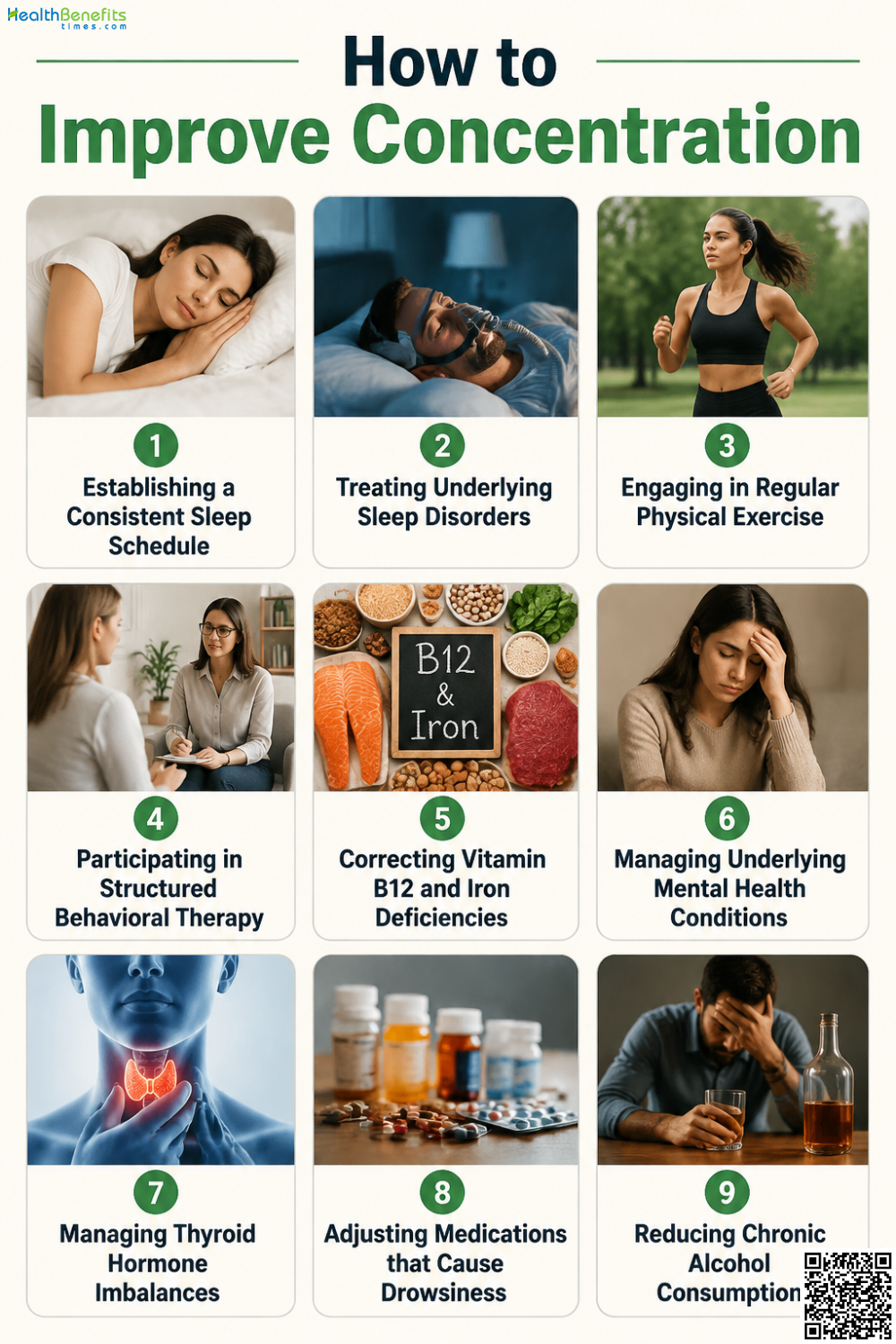
3. Engaging in Regular Physical Exercise
How it may help
Regular physical activity increases blood flow to the brain, delivering essential oxygen and nutrients. This biological process stimulates the release of specific brain chemicals, such as dopamine and serotonin, which are critical for maintaining mental focus. Over time, exercise also promotes the healthy growth of new brain cells 18.
What research says
Scientific evidence concludes that engaging in moderate-to-vigorous physical activity immediately improves executive brain functions, including attention span and organizational skills 18. Long-term studies consistently show that routine exercise preserves overall cognitive function, prevents mental decline, and significantly increases sustained attention capacity in adults 19.
How to use it safely
Aim for at least 150 minutes of moderate aerobic activity, such as brisk walking, each week 20. Start slowly if you are currently inactive, stay well-hydrated, and wear appropriate supportive footwear to prevent physical injury during your workouts.
Potential precautions or side effects
Sudden, intense workouts may cause muscle strains or cardiovascular stress. Consult a healthcare provider before starting a new exercise regimen if you have pre-existing heart or joint conditions 21.
4. Participating in Structured Behavioral Therapy
How it may help
Structured behavioral therapy, specifically cognitive behavioral therapy (CBT), teaches individuals how to recognize and alter distracting thought patterns. It helps develop practical coping strategies for time management, organization, and task completion, directly addressing the underlying psychological barriers that frequently disrupt sustained mental focus 22.
What research says
Clinical research demonstrates that behavioral therapy effectively improves concentration, particularly for individuals with attention disorders like ADHD. Studies conclude that cognitive behavioral interventions produce lasting improvements in attention span and organizational skills by reinforcing healthy mental habits and reducing the disruptive impacts of psychological distress 4.
How to use it safely
Seek therapy from a licensed mental health professional, such as a psychologist or clinical social worker. Be consistent with your scheduled sessions and actively practice the recommended focusing exercises and organizational strategies in your daily routine to achieve the best results 22.
Potential precautions or side effects
Behavioral therapy is highly safe and has no physical side effects. However, confronting difficult emotions or challenging ingrained mental habits may cause temporary emotional discomfort or mild frustration initially 22.
5. Correcting Vitamin B12 and Iron Deficiencies
How it may help
Correcting low levels of Vitamin B12 and iron restores essential biological functions in the brain. Vitamin B12 is necessary for maintaining healthy nerve cells, while iron is required to transport oxygen to brain tissue. Replenishing these nutrients eliminates the physical fatigue and mental fog that disrupt sustained concentration 9 23.
What research says
Clinical research confirms that deficiencies in Vitamin B12 and iron directly cause cognitive impairments, including poor attention and memory loss 24. Studies show that restoring these nutrient levels through dietary changes or clinical supplementation significantly improves executive brain function, mental alertness, and the ability to focus 25.
How to use it safely
Ask your healthcare provider for a blood test to confirm a deficiency before starting any dietary supplements. Follow their exact dosing instructions. You can safely increase your daily intake by eating iron-rich foods, such as lean meats, along with B12-fortified cereals and dairy products 26.
Potential precautions or side effects
Taking high iron doses without medical supervision causes severe organ toxicity and constipation 23. Vitamin B12 supplements may also interact negatively with certain acid reflux or diabetes medications.
6. Managing Underlying Mental Health Conditions
How it may help
Treating mental health disorders, such as clinical depression and generalized anxiety, reduces the cognitive burden caused by intrusive thoughts and emotional distress. Effective clinical management restores normal brain chemistry and neural function, allowing individuals to regain their ability to process information efficiently and sustain attention 5.
What research says
Clinical research establishes that untreated psychiatric conditions directly impair executive brain functions. Studies conclude that managing depression and anxiety through psychotherapy or prescribed neurochemical regulation significantly improves working memory, decision-making speed, and long-term concentration levels by resolving the underlying neurological disruptions 27.
How to use it safely
Consult a licensed psychiatrist or psychologist for an accurate clinical diagnosis and personalized treatment plan. Attend regular therapy sessions and take prescribed psychiatric medications exactly as directed. Never abruptly stop taking these medications without medical supervision, as this triggers severe withdrawal 28.
Potential precautions or side effects
Psychiatric medications often cause initial side effects, including nausea, weight fluctuations, or sleep disturbances. Always report severe adverse reactions or worsening emotional symptoms to your prescribing healthcare provider immediately 28.
7. Managing Thyroid Hormone Imbalances
How it may help
Balancing thyroid hormones restores normal energy metabolism in the brain. An underactive thyroid significantly slows down cellular functions, which causes mental sluggishness and physical fatigue 10. Correcting this imbalance with medical treatment eliminates these symptoms, allowing the brain to process information efficiently and sustain focus.
What research says
Clinical research confirms that abnormally low thyroid hormone levels directly impair cognitive functions, specifically decreasing attention span and working memory 10. Studies conclude that daily treatment with synthetic thyroid hormones successfully reverses these cognitive deficits, restoring normal alertness and resolving clinical mental fog.
How to use it safely
Ask your doctor for a simple blood test if you suspect a thyroid issue. If diagnosed, take your prescribed hormone replacement medication at the same time every day, usually on an empty stomach 10. Attend regular medical checkups to routinely monitor and adjust your dosage.
Potential precautions or side effects
Taking too much thyroid medication causes hyperactive symptoms, including heart palpitations, severe anxiety, and insomnia 10. Certain supplements, like calcium or iron, can also block proper medication absorption.
8. Adjusting Medications that Cause Drowsiness
How it may help
Adjusting medications that depress the central nervous system stops artificial cognitive suppression. Many common drugs, including older antihistamines and muscle relaxants, chemically slow down brain activity 29. Modifying the dose or switching to non-drowsy alternatives quickly eliminates mental fog, allowing the brain to maintain natural alertness and focus.
What research says
Clinical pharmacological research confirms that specific drug classes directly impair executive brain functions and working memory. Studies conclude that modifying these sedating medications under medical supervision significantly reverses daytime drowsiness and successfully restores baseline attention span without compromising the treatment of the original medical condition 30.
How to use it safely
Review all your daily prescriptions and over-the-counter pills with a licensed pharmacist or physician. If a medication makes you excessively tired, ask about non-sedating alternatives or shifting the dose to bedtime. Never adjust or stop taking a prescribed medication on your own 31.
Potential precautions or side effects
Stopping prescriptions abruptly, particularly sedatives or anti-anxiety drugs, causes severe physical withdrawal symptoms and dangerous symptom relapses 28. Always follow a physician’s exact tapering schedule to avoid adverse reactions.
9. Reducing Chronic Alcohol Consumption
How it may help
Lowering alcohol intake allows brain chemistry and communication pathways to recover. Chronic alcohol use disrupts neurotransmitters responsible for cognitive control. Reducing consumption repairs these neural networks, eliminates residual brain fog, and restores natural energy levels, significantly improving the brain’s ability to focus and process information efficiently 11.
What research says
Clinical research demonstrates that heavy and chronic alcohol consumption directly damages brain regions controlling executive function, memory, and attention. Studies confirm that reducing or eliminating alcohol intake results in noticeable structural recovery in the brain and substantial improvements in overall cognitive processing speed 32.
How to use it safely
Limit daily alcohol intake to moderate levels, or eliminate consumption entirely under medical guidance. If you consume alcohol heavily, seek professional support to gradually lower your intake rather than stopping completely on your own, as structured tapering prevents severe physical complications 33.
Potential precautions or side effects
Abruptly stopping heavy alcohol use triggers dangerous withdrawal symptoms, including seizures and severe confusion 34. Always consult a physician for a safe, medically supervised detoxification plan.
Foods to Avoid When You Suffer From Poor Concentration
1. Sugary Beverages and Snacks
Consuming high amounts of added sugars causes rapid spikes and subsequent crashes in blood glucose levels, which deprives the brain of stable energy and worsens mental fatigue and distractibility 35.
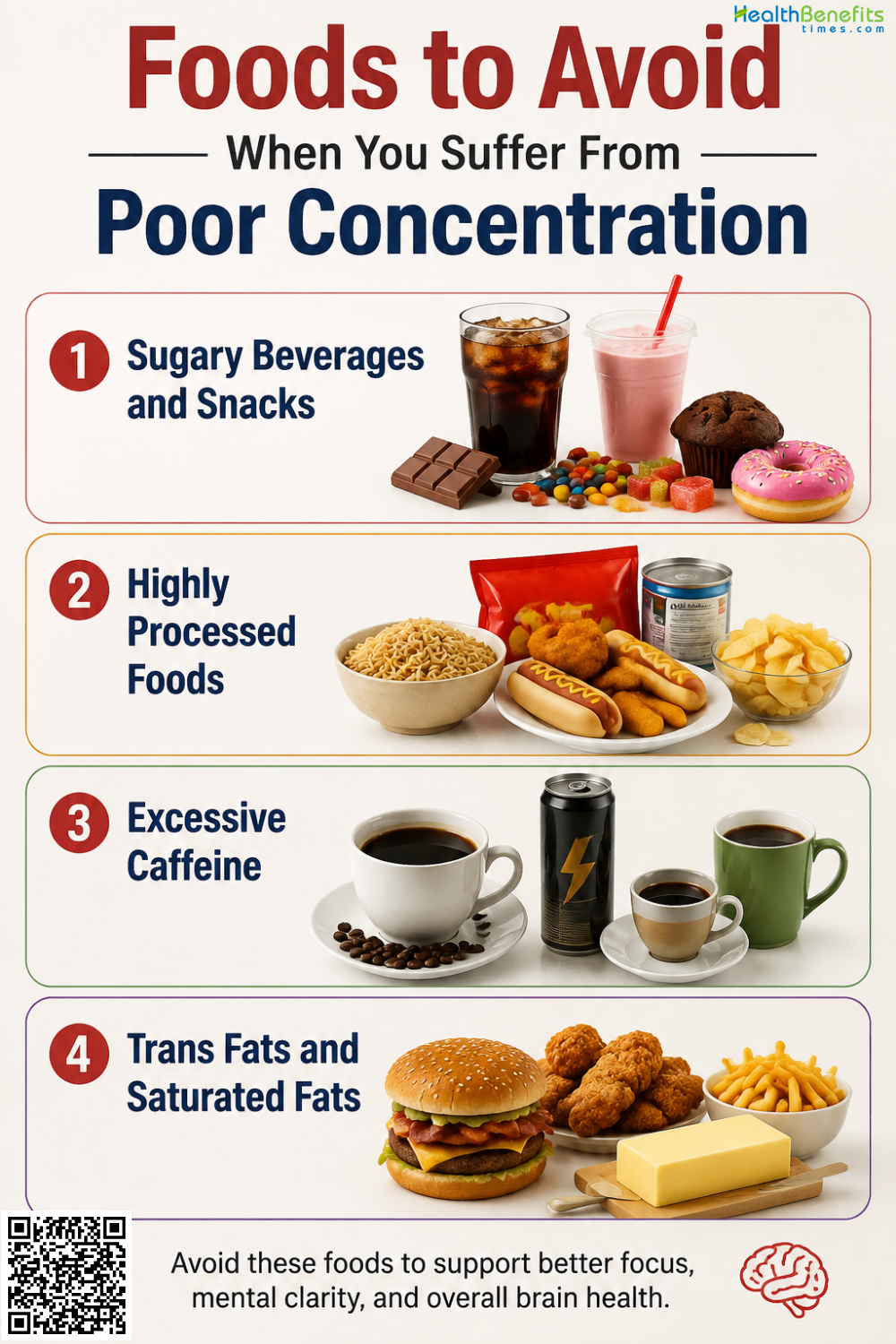
2. Highly Processed Foods
Diets heavy in ultra-processed items promote systemic inflammation and oxidative stress, which clinical studies link to impaired neuroplasticity, slower cognitive processing, and reduced attention spans 36.
3. Excessive Caffeine
While moderate caffeine boosts temporary alertness, overconsumption triggers severe jitteriness, increases anxiety levels, and disrupts sleep architecture, ultimately causing long-term cognitive deficits and poor concentration 37.
4. Trans Fats and Saturated Fats
Foods fried or high in unhealthy fats degrade cardiovascular health, reducing optimal blood flow and oxygen delivery to critical brain regions responsible for executive function and memory 38.
When to See a Doctor When You Struggle From Poor Concentration
1. Sudden or Rapid Cognitive Decline
If you experience an abrupt and severe drop in your mental focus or memory over a short period, seek prompt medical evaluation to rule out acute neurological events 8.
2. Interference with Daily Responsibilities
Consult a healthcare provider when attention deficits persistently disrupt your job performance, academic duties, or essential self-care routines, preventing you from functioning independently 4.
3. Accompanying Neurological Symptoms
Schedule a clinical examination if poor concentration is accompanied by warning signs such as severe headaches, sudden weakness, unexplained numbness, or chronic dizziness 39.
4. Persistent Sleep Disturbances
Seek professional guidance if chronic concentration issues persist alongside ongoing sleep problems, such as severe insomnia or loud nighttime snoring that disrupts restful sleep 15.
Comments
comments