


Causes of Insulin Sensitivity
1. Regular Physical Activity
Engaging in consistent aerobic and resistance exercise is a primary physiological driver of insulin sensitivity. When skeletal muscles contract during physical movement, they rapidly absorb circulating blood glucose to use for cellular energy, a metabolic process that occurs entirely independently of insulin 4. Beyond this immediate glucose uptake, routine physical activity structurally adapts the muscle tissue to make its cellular receptors highly responsive to insulin, allowing the body to process blood sugar efficiently even during prolonged periods of rest 5.
2. Low Levels of Visceral Fat
The absence of excessive visceral adipose tissue—the fat stored deep within the abdominal cavity surrounding vital organs—is essential for optimal insulin signaling. Visceral fat is highly metabolically active and secretes inflammatory proteins and free fatty acids that enter the bloodstream and actively disrupt insulin receptors in both the liver and skeletal muscles. Maintaining a healthy body weight prevents this biochemical interference, allowing insulin to successfully bind to target cells and regulate glucose without resistance.
3. Adequate and High-Quality Sleep
Uninterrupted sleep cycles are strictly required to regulate metabolic hormones and preserve baseline insulin sensitivity. Sleep deprivation or disrupted circadian rhythms trigger a prolonged elevation in cortisol and other stress hormones, which signal the liver to release excess glucose while simultaneously dulling the responsiveness of cellular insulin receptors 6. Consistently achieving quality restorative sleep prevents this stress-induced physiological blockade, ensuring the body’s metabolic pathways remain highly sensitive to normal insulin levels.
4. High-Fiber Dietary Intake
Consuming a diet abundant in complex carbohydrates and dietary fiber directly improves systemic insulin sensitivity. Soluble fiber thickens digestive fluids, which physically slows gastric emptying and delays the intestinal absorption of dietary sugars into the bloodstream 7. This slow, controlled release of glucose prevents sudden insulin spikes, reducing the overall functional workload on the pancreas and protecting cellular receptors from the metabolic desensitization that occurs with rapid blood sugar fluctuations.
Symptoms of Insulin Sensitivity
1. Stable Fasting Blood Sugar
Because insulin sensitivity represents a healthy, highly functional metabolic state, its primary clinical indicator is the body’s ability to effortlessly maintain normal blood glucose levels. When cells are highly sensitive to insulin, fasting blood sugar remains consistently below 100 milligrams per deciliter (mg/dL) and long-term A1C levels stay below 5.7 percent, without the pancreas needing to overwork or produce excess hormones 8.
2. Normal Skin Pigmentation
Individuals with optimal insulin sensitivity retain standard skin tone and texture, particularly around skin folds. This is the direct opposite of insulin resistance, which frequently triggers acanthosis nigricans, a clinical condition where chronically high insulin levels cause skin cells to reproduce rapidly, creating dark, thick, velvety patches on the neck, armpits, or groin 9.
3. Optimal Blood Lipid Profiles
Efficient cellular response to insulin strongly regulates how the liver processes and stores dietary fats. A clear metabolic sign of healthy insulin sensitivity is a normal lipid panel on standard blood tests, specifically characterized by low levels of triglycerides and protective, high levels of high-density lipoprotein (HDL) cholesterol 10.
4. Consistent Post-Meal Energy
When muscle and fat cells respond properly to insulin, they absorb dietary glucose in a controlled, steady manner after a meal. This efficient cellular uptake prevents severe blood sugar spikes and the subsequent reactive drops (hypoglycemia) that often cause severe fatigue, brain fog, and intense sugar cravings shortly after eating 11.
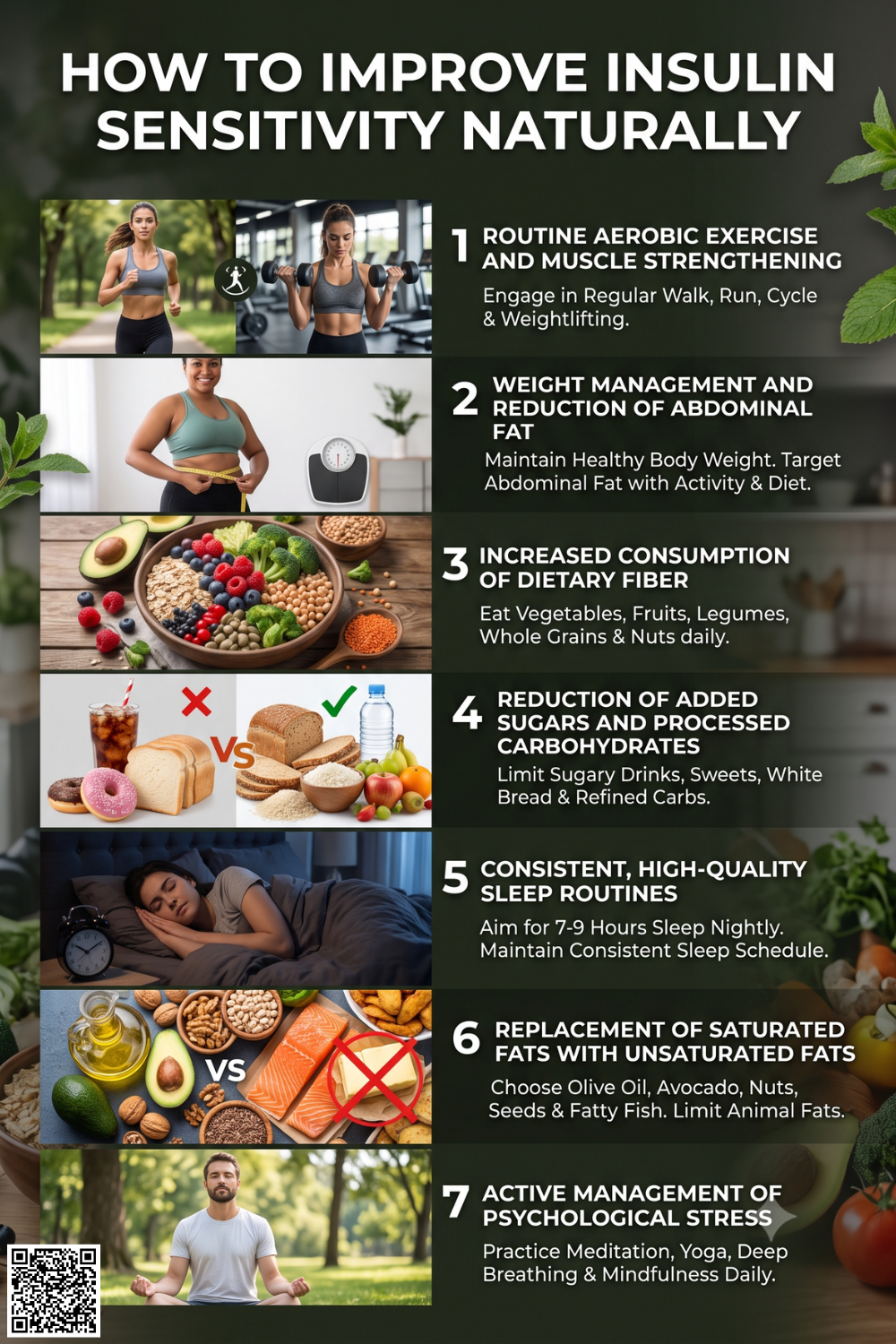
1. Routine Aerobic Exercise and Muscle Strengthening
How it may help
Physical activity prompts skeletal muscles to absorb circulating glucose for immediate energy, a metabolic process occurring completely independently of insulin. Furthermore, routine exercise physically adapts muscle cells, making their receptors significantly more responsive to normal circulating insulin for up to 24 hours after physical exertion.
What research says
Clinical studies demonstrate that combining aerobic activities, such as brisk walking, with weight-bearing resistance training provides the most substantial metabolic improvements. Research concludes this combined approach significantly lowers fasting blood glucose and effectively reverses cellular insulin resistance better than performing either exercise type alone 12.
How to use it safely
To exercise safely, you should aim for at least 150 minutes of moderate aerobic activity weekly, alongside two days of strength training 13. Start slowly to build endurance. Always warm up, stay hydrated, and monitor your blood sugar closely if you take glucose-lowering medications.
Potential precautions or side effects
Sudden or overly intense physical exertion can trigger dangerously low blood sugar (hypoglycemia) in those taking insulin therapies. Additionally, rapid overtraining without adequate rest increases the risk of musculoskeletal joint injuries.
2. Weight Management and Reduction of Abdominal Fat
How it may help
Excess abdominal fat actively secretes inflammatory chemicals and free fatty acids into the bloodstream, which directly interfere with cellular insulin receptors. Shedding this deep belly fat removes this biochemical blockade, allowing the liver and muscles to properly recognize insulin and efficiently absorb blood sugar.
What research says
Clinical trials confirm that losing just 5 to 7 percent of total body weight significantly reverses insulin resistance and restores metabolic function. This moderate, targeted weight reduction has been proven to delay or completely prevent the onset of type 2 diabetes in highly susceptible adults 14.
How to use it safely
You should aim for a gradual, sustainable weight loss of 1 to 2 pounds per week through portion control and daily physical activity 15. Avoid extreme diets, and consult a medical professional to create a balanced caloric deficit tailored to your metabolic needs.
Potential precautions or side effects
Rapid, extreme calorie restriction can trigger severe medical complications, including dangerous losses of lean muscle mass, systemic nutritional deficiencies, and the formation of painful gallstones 16.
3. Increased Consumption of Dietary Fiber
How it may help
Soluble dietary fiber dissolves in water to form a thick, gel-like substance in the digestive tract. This physical barrier slows gastric emptying and delays the intestinal absorption of dietary sugars into the bloodstream. This controlled glucose release prevents severe blood sugar spikes, directly reducing the functional workload on the pancreas and protecting cellular insulin sensitivity.
What research says
Clinical evidence concludes that high dietary fiber intake significantly lowers long-term markers of blood glucose, such as A1C levels, in individuals with metabolic disorders. Extensive reviews show that consuming viscous, soluble fibers consistently reduces post-meal glucose spikes and lowers fasting insulin levels, serving as an effective dietary intervention for reversing insulin resistance 17.
How to use it safely
You should aim for 25 to 30 grams of daily fiber from whole plant sources like oats, legumes, and vegetables 18. Increase your fiber intake gradually over several weeks and drink plenty of water to allow your digestive system to adjust and prevent bowel blockages.
Potential precautions or side effects
Rapidly increasing dietary fiber without consuming adequate fluids frequently causes severe gastrointestinal distress, including abdominal bloating, painful gas, severe cramping, and constipation 19.
4. Reduction of Added Sugars and Processed Carbohydrates
How it may help
Processed carbohydrates and added sugars digest rapidly, causing severe blood glucose spikes that force the pancreas to overproduce insulin. Over time, this constant hormone flooding causes cellular receptors to become resistant. Eliminating these rapid-digesting foods prevents frequent blood sugar surges, allowing cells to rest and naturally regain their insulin sensitivity 20.
What research says
Clinical research concludes that high consumption of added sugars, particularly liquid fructose found in sweetened beverages, strongly induces severe insulin resistance within the liver. Studies demonstrate that eliminating dietary sugars and refined carbohydrates rapidly lowers circulating insulin levels and significantly reduces the metabolic markers associated with type 2 diabetes 21.
How to use it safely
You should actively read nutrition labels to identify and avoid hidden added sugars like high-fructose corn syrup 22. Gradually replace white rice, white bread, and sugary beverages with complex whole grains and water to maintain steady energy levels without triggering intense cravings.
Potential precautions or side effects
Abruptly eliminating all dietary sugars and carbohydrates can cause temporary withdrawal-like symptoms, including severe fatigue, intense sugar cravings, headaches, and irritability as the body adjusts to lower glucose levels.
5. Consistent, High-Quality Sleep Routines
How it may help
Uninterrupted sleep is critical for regulating the body’s metabolic hormones. Sleep deprivation triggers the release of stress hormones like cortisol, which prompt the liver to release extra glucose while simultaneously making cells less responsive to insulin. Maintaining a consistent sleep schedule prevents this hormone-induced insulin resistance.
What research says
Clinical research demonstrates that restricting healthy adults to just four or five hours of sleep per night drastically reduces whole-body insulin sensitivity by up to 25 percent in a matter of days. Furthermore, chronic sleep disruption is proven to significantly increase the long-term risk of developing type 2 diabetes 23.
How to use it safely
You should aim for seven to eight hours of uninterrupted sleep each night. Establish a strict bedtime routine by going to sleep at the exact same time daily, keeping your bedroom cool, and avoiding caffeine and electronic screens for at least an hour before bed 24.
Potential precautions or side effects
Relying on prescription sleep medications can cause daytime drowsiness or chemical dependency. Additionally, if you suffer from severe snoring, you must be medically evaluated for sleep apnea 25.
6. Replacement of Saturated Fats with Unsaturated Fats
How it may help
High intake of saturated fats causes toxic lipid buildup in muscle and liver cells, actively blocking insulin signaling pathways. Replacing these with unsaturated fats improves cell membrane flexibility, allowing cellular insulin receptors to function properly and efficiently clear glucose from the bloodstream 26.
What research says
Clinical trials consistently demonstrate that substituting dietary saturated fatty acids with monounsaturated and polyunsaturated fats significantly enhances whole-body insulin sensitivity. Furthermore, research concludes this dietary modification drastically reduces liver fat accumulation and lowers the long-term risk of developing type 2 diabetes 27.
How to use it safely
You should replace butter, fatty meats, and coconut oil with healthy alternatives like olive oil, avocados, nuts, and seeds 28. Strictly monitor your portions, as all fats are highly calorie-dense and must fit within your daily limits to avoid weight gain 29.
Potential precautions or side effects
Consuming any dietary fat in excessive quantities leads to a caloric surplus and subsequent weight gain, which will actively worsen insulin resistance and overall metabolic dysfunction.
7. Active Management of Psychological Stress
How it may help
Chronic psychological stress triggers the continuous release of stress hormones, primarily cortisol and adrenaline. These hormones prompt the liver to release excess glucose into the bloodstream while simultaneously making cells highly resistant to insulin 30. Actively reducing stress lowers these hormones, naturally restoring normal cellular insulin sensitivity.
What research says
Clinical studies confirm that chronic psychological stress significantly impairs glucose metabolism and accelerates the development of type 2 diabetes. Research demonstrates that implementing regular stress reduction interventions effectively decreases circulating cortisol levels, which subsequently lowers fasting blood sugar and restores systemic metabolic balance 31.
How to use it safely
You should practice daily relaxation techniques, such as deep breathing, meditation, or gentle yoga, to actively lower stress hormones 32. Dedicate at least ten to fifteen minutes daily to these practices, and consult a licensed therapist if you struggle to manage chronic anxiety independently.
Potential precautions or side effects
Never replace prescribed metabolic or psychiatric medications with relaxation techniques alone. Severe, unmanaged psychological distress requires formal medical evaluation to prevent worsening mental and physical health complications 33.
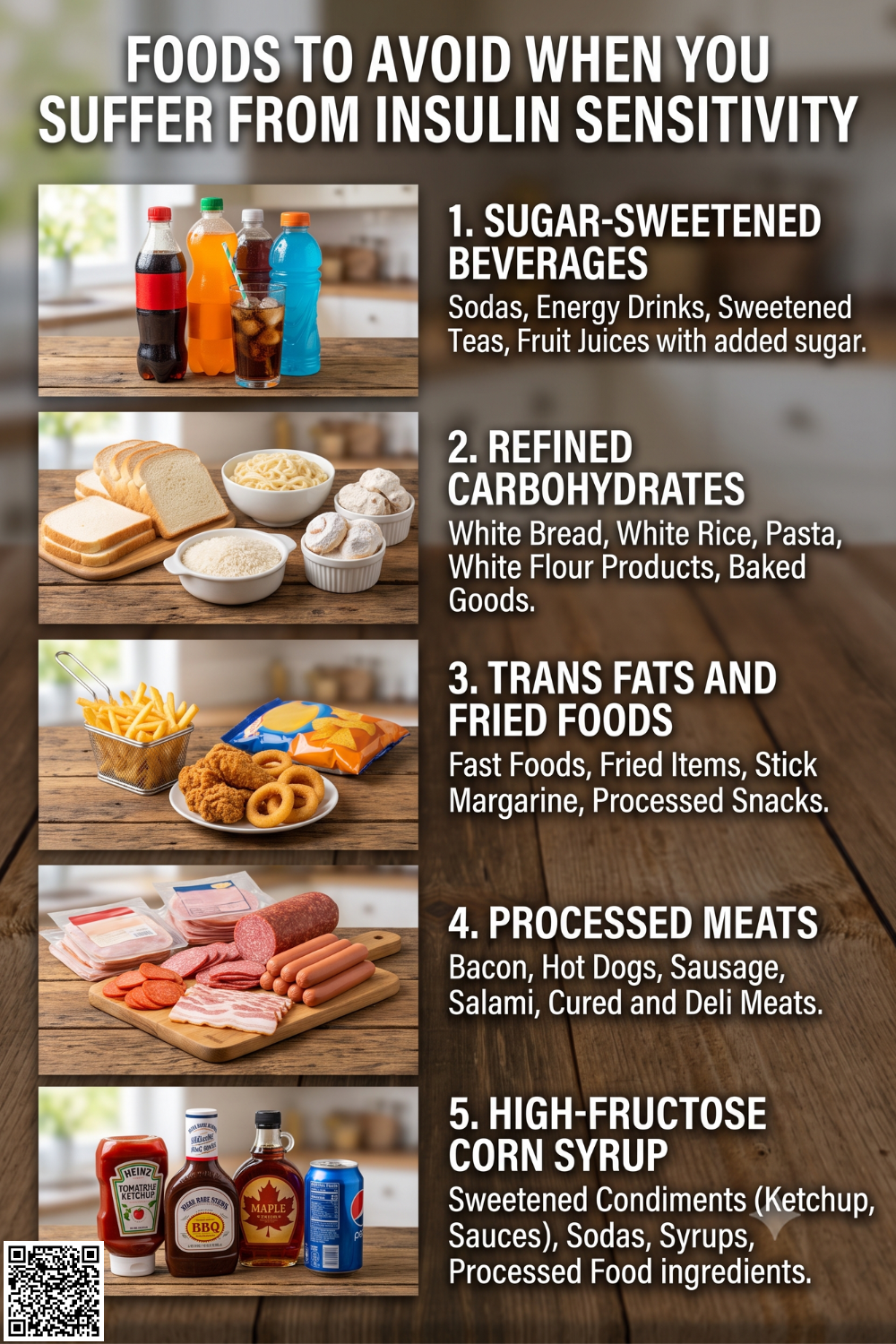
1. Sugar-Sweetened Beverages
Liquid sugars rapidly spike blood glucose levels, forcing the pancreas to overproduce insulin, which directly worsens cellular insulin resistance over time.
2. Refined Carbohydrates
Foods like white bread lack dietary fiber, causing rapid digestion and severe glucose spikes that continuously exhaust cellular insulin receptors.
3. Trans Fats and Fried Foods
Artificial trans fats actively trigger systemic inflammation and toxic lipid accumulation in the liver, which severely disrupts normal metabolic insulin signaling.
4. Processed Meats
High consumption of heavily processed meats introduces inflammatory compounds and excessive saturated fats that significantly increase the clinical risk of metabolic dysfunction.
5. High-Fructose Corn Syrup
This concentrated commercial additive forces the liver to rapidly convert excess fructose into fat, actively accelerating hepatic insulin resistance and worsening overall metabolic health.
When To See a Doctor When You Suffer From Insulin Sensitivity Issues
1. Extreme Thirst and Frequent Urination
Experiencing constant thirst and frequent urination suggests excess blood sugar is forcing the kidneys into overdrive, a primary clinical warning sign of metabolic dysfunction 34.
2. Darkened Skin Patches
The sudden appearance of thick, dark, velvety skin patches, particularly around the neck or armpits, is a direct dermatological indicator of severe insulin resistance.
3. Unexplained, Chronic Fatigue
Severe exhaustion, especially after meals, indicates that cellular insulin receptors are failing to properly absorb circulating blood glucose to use for essential daily energy 35.
4. Slow-Healing Wounds
If minor cuts or bruises take unusually long to heal, it indicates that chronically elevated blood glucose is actively impairing normal circulation and immune function 36.
5. Frequent Dizziness or Shaking
Sudden dizziness, severe sweating, or confusion after eating may indicate reactive hypoglycemia, where the pancreas incorrectly releases excessive insulin due to underlying metabolic dysfunction.
Comments
comments