

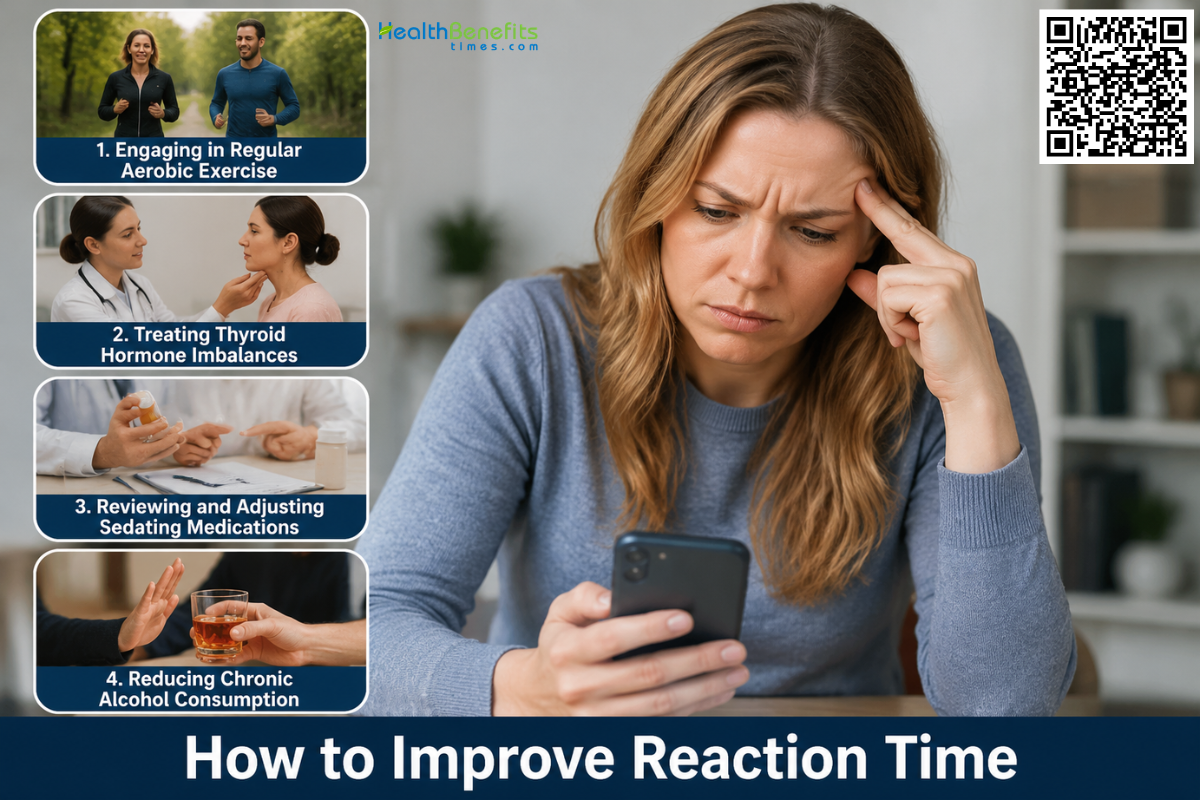
Causes of Slowed Reaction Time
- Sleep Deprivation: An inadequate amount of quality sleep significantly impairs central nervous system efficiency, slowing down neural transmission speeds and drastically increasing physical and mental response times 3.
- Neurological Disorders: Degenerative brain conditions, such as Alzheimer’s disease and Parkinson’s disease, progressively damage neural pathways, severely disrupting the brain’s ability to quickly process sensory information and command motor actions 4.
- Traumatic Brain Injuries: Physical head trauma, including concussions and traumatic brain injuries, causes structural changes to brain tissue that can permanently alter and slow down reflex coordination and processing speeds 2.
- Medication Side Effects: Many prescription and over-the-counter drugs, particularly sedatives, muscle relaxants, and certain allergy medications, depress central nervous system activity and induce drowsiness, which directly delays reaction times 1.
- Substance Use: Alcohol and other intoxicating substances depress communication pathways within the brain, heavily impairing motor coordination, sensory perception, and rapid decision-making abilities 5.
- Thyroid Imbalances: An underactive thyroid gland (hypothyroidism) slows down overall body metabolism and cognitive processing, leading to generalized sluggishness and delayed physical responses 6.
Symptoms of Slowed Reaction Time
- Delayed Physical Responses: Individuals exhibit a noticeable lag in responding to sudden physical cues, such as failing to brake promptly while driving or catching a dropped object 2.
- Difficulty Processing Rapid Information: There is a distinct trouble keeping up with fast-paced conversations, multi-step instructions, or rapidly changing visual environments 4.
- Impaired Motor Coordination: Physical movements may appear clumsy, uncoordinated, or sluggish due to the delayed transmission of motor commands from the brain to the muscles 7.
- Extended Decision-Making Time: A person requires significantly more time to evaluate simple choices, solve basic problems, or formulate verbal replies during everyday interactions 1.
- Increased Frequency of Accidents: Individuals experience a higher rate of minor physical mishaps, such as tripping, bumping into furniture, or mishandling everyday tools and utensils 2.
How to Improve Reaction Time
1. Establishing Consistent Sleep Patterns
How it may help
Maintaining a regular sleep routine optimizes central nervous system function. Consistent, adequate rest restores neural transmission speeds and clears metabolic waste from brain tissue, which directly enhances cognitive processing, alertness, and physical response times 8.
What research says
Clinical studies conclude that chronic sleep deprivation severely impairs reflex coordination and cognitive processing speed. Research confirms that getting seven to nine hours of consistent nightly sleep dramatically improves motor reaction times and reduces error rates compared to irregular or insufficient sleep schedules 3.
How to use it safely
Go to bed and wake up at the same time every day, including weekends. Limit exposure to bright screens for at least one hour before bedtime, and keep your sleeping environment dark, quiet, and cool 9.
Potential precautions or side effects
Healthy sleep routines carry no adverse effects. If persistent sleep issues continue despite lifestyle adjustments, consult a physician to evaluate for sleep disorders 10.
2. Treating Underlying Sleep Disorders
How it may help
Treating sleep disorders like obstructive sleep apnea or chronic insomnia restores deep, uninterrupted rest. Medical intervention prevents nightly drops in blood oxygen and frequent micro-awakenings, which instantly reduces daytime sleepiness and significantly sharpens cognitive reflexes and physical reaction speeds 10.
What research says
Clinical studies conclude that untreated sleep disorders are a primary cause of prolonged reaction times and impaired coordination. Research confirms that patients receiving proper therapies, such as continuous positive airway pressure (CPAP), experience substantial improvements in alertness, decision-making speed, and neurological processing efficiency 11.
How to use it safely
Consult a healthcare provider for a formal diagnosis if chronic exhaustion persists despite adequate rest. Strictly follow prescribed medical device settings or treatment protocols, avoiding over-the-counter sleep remedies for long-term management 12.
Potential precautions or side effects
Medical airway devices can cause temporary nasal discomfort or dry mouth until adjusted. Prescription sleep medications may cause next-day drowsiness or dependency 11.
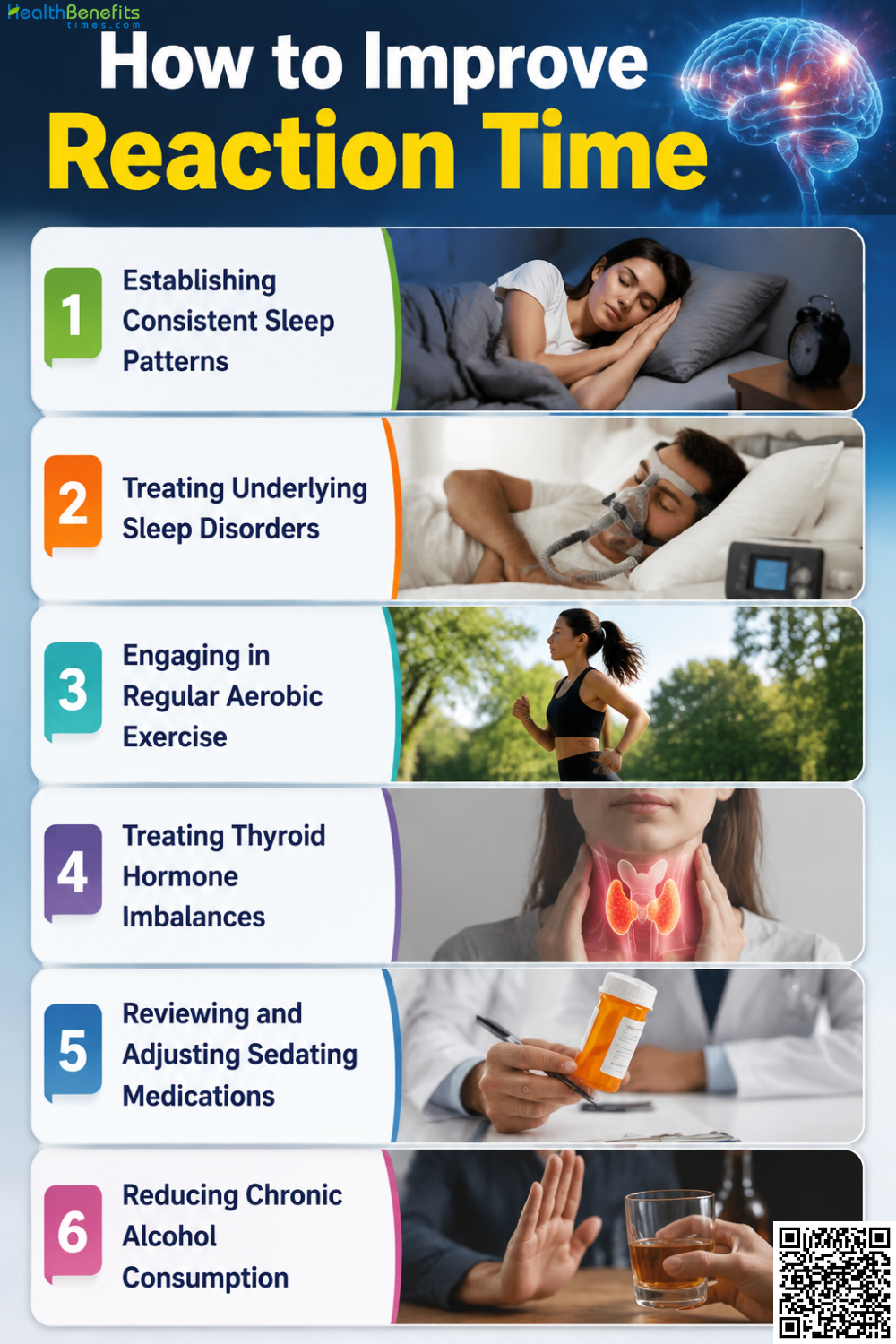
3. Engaging in Regular Aerobic Exercise
How it may help
Regular aerobic exercise increases blood flow and oxygen delivery to brain tissue, enhancing neural connectivity. This physical activity stimulates vital growth factors that support brain health, which directly accelerates sensory processing speeds and improves physical reflex coordination 13.
What research says
Clinical evidence confirms that consistent moderate-to-vigorous aerobic activity improves executive brain functions and reduces reaction times. Research shows that long-term exercise routines significantly preserve cognitive processing speeds and prevent age-related declines in neurological reflex performance 14.
How to use it safely
Aim for at least 150 minutes of moderate aerobic activity, such as brisk walking, each week 15. Start slowly if you are currently inactive, stay well-hydrated, and wear proper footwear to prevent physical injury.
Potential precautions or side effects
Intense physical workouts can cause muscle soreness, joint strain, or cardiovascular stress 16. Consult a physician before starting if you have pre-existing health conditions.
4. Treating Thyroid Hormone Imbalances
How it may help
Balancing thyroid hormones restores standard energy production within the brain and body. An underactive thyroid gland slows cellular metabolism and nerve signal transmission, resulting in sluggish physical responses 6. Correcting this deficiency normalizes neurological function, sharpening reflex speeds and overall physical agility.
What research says
Clinical research confirms that low thyroid hormone levels directly impair cognitive processing and slow physical reaction times 6. Studies conclude that targeted hormone replacement therapy successfully reverses these neurological deficits, restoring baseline response speeds and resolving mental sluggishness.
How to use it safely
Consult a physician for a blood test if you suspect a thyroid issue. Take prescribed synthetic thyroid medication on an empty stomach at the same time each morning, and attend routine medical checkups to monitor hormone levels 6.
Potential precautions or side effects
Excessive hormone medication causes rapid heartbeats, anxiety, and insomnia 6. Certain mineral supplements can also prevent proper drug absorption.
5. Reviewing and Adjusting Sedating Medications
How it may help
Reviewing and modifying medications that depress the central nervous system stops artificial cognitive slowing. Certain drugs, such as older antihistamines and muscle relaxants, dampen neural activity 1. Adjusting dosages or shifting to non-sedating alternatives restores rapid brain processing, alertness, and physical reflex speeds.
What research says
Clinical pharmacological research confirms that specific sedating medications directly impair motor coordination and prolong response times. Studies conclude that adjusting these prescriptions under medical guidance significantly improves alertness and restores normal reaction speeds without compromising the treatment of the original condition 17.
How to use it safely
Review all prescription and over-the-counter medications with a physician or pharmacist. If a drug causes excessive sleepiness, ask about alternative options or taking the dose before bedtime. Never modify or stop medication schedules independently 18.
Potential precautions or side effects
Abruptly stopping sedatives or prescription drugs causes severe withdrawal reactions and symptom relapses 19. Always adhere to a physician’s safe tapering schedule.
6. Reducing Chronic Alcohol Consumption
How it may help
Lowering alcohol intake allows brain chemistry and communication pathways to recover. Chronic alcohol use disrupts neurotransmitters responsible for cognitive control and motor coordination. Reducing consumption repairs these neural networks, eliminating residual mental fog and significantly improving the brain’s ability to process sensory information and execute fast physical responses 5.
What research says
Clinical research demonstrates that heavy and chronic alcohol consumption directly damages brain regions controlling executive function, reflex speed, and attention. Studies confirm that reducing or eliminating alcohol intake results in noticeable structural recovery in the brain and substantial improvements in overall motor response times 20.
How to use it safely
Limit daily alcohol intake to moderate levels, or eliminate consumption entirely under medical guidance. If you consume alcohol heavily, seek professional support to gradually lower your intake rather than stopping completely on your own, as structured tapering prevents severe physical complications 21.
Potential precautions or side effects
Abruptly stopping heavy alcohol use triggers dangerous withdrawal symptoms, including seizures and severe confusion 22. Always consult a physician for a safe, medically supervised detoxification plan.
Foods to Avoid When You Suffer From Slowed Reaction Time
1. Sugary Foods and Beverages
Consuming foods high in added sugars causes rapid blood glucose spikes followed by sharp crashes, depriving the brain of stable energy and worsening mental sluggishness 23.
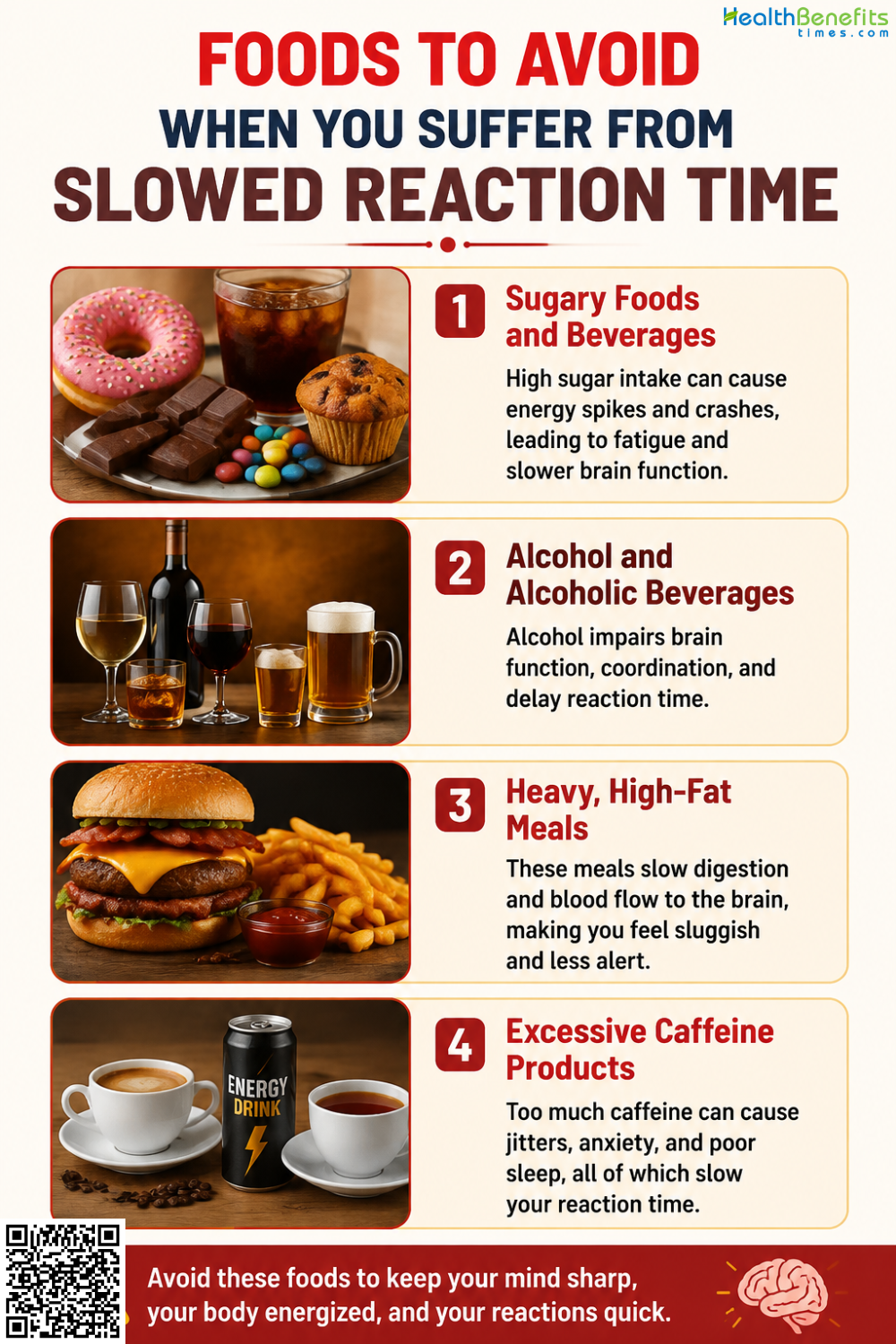
2. Alcohol and Alcoholic Beverages
Alcohol depresses the central nervous system, directly impairing neural communication pathways, slowing down sensory perception, and severely delaying physical reaction times 5.
3. Heavy, High-Fat Meals
Eating large, greasy meals redirects substantial blood flow toward the digestive tract to process fats, temporarily reducing optimal blood oxygen delivery to the brain and inducing mental drowsiness 24.
4. Excessive Caffeine Products
While moderate caffeine offers temporary stimulation, overconsumption triggers severe jitteriness, disrupts normal sleep architecture, and results in chronic fatigue that impairs overall reflex speeds 25.
When to See a Doctor When You Struggle From Slowed Reaction Time
1. Sudden Onset of Cognitive Slowing
If you experience an abrupt and unexplained delay in your mental processing speeds or physical reflexes, seek immediate medical evaluation to rule out acute neurological events 26.
2. Interference with Daily Driving or Work Safety
Consult a healthcare provider when delayed reaction times consistently compromise your ability to drive safely, operate machinery, or perform essential workplace responsibilities without risking injury 2.
3. Accompanying Neurological Warning Signs
Schedule an urgent clinical examination if slowed responses occur alongside symptoms such as sudden weakness, severe headaches, confusion, vision changes, or difficulty speaking 26.
4. Persistent and Unexplained Fatigue
Seek professional guidance if chronic sluggishness and delayed reflexes persist despite adequate nightly rest, as this often indicates an underlying metabolic or sleep disorder 10.
Comments
comments