

Causes of Bad Cholesterol
- Unhealthy Diet: Consuming foods that are high in saturated fats and trans fats, such as fatty red meats, full-fat dairy products, and heavily processed snacks, directly triggers the liver to produce excess low-density lipoprotein (LDL) cholesterol 4.
- Lack of Physical Activity: A sedentary lifestyle without regular aerobic exercise lowers the body’s levels of high-density lipoprotein (HDL) the “good” cholesterol which impairs the body’s natural ability to filter and clear bad cholesterol from the bloodstream 5.
- Excess Body Weight: Being overweight or obese alters how the body naturally metabolizes fats, leading to an increased production of LDL cholesterol and a simultaneous decrease in beneficial HDL cholesterol 4.
- Genetics and Family History: An inherited genetic disorder called familial hypercholesterolemia causes a specific genetic mutation that prevents the liver from properly removing bad cholesterol, resulting in dangerously high LDL levels from birth 6.
- Smoking and Tobacco Use: Toxic chemicals inhaled from tobacco smoke damage the interior lining of blood vessels and significantly lower protective HDL cholesterol, making it much easier for bad cholesterol to stick to artery walls and form hardened plaque 5.
- Underlying Medical Conditions: Certain chronic illnesses, including type 2 diabetes, chronic kidney disease, and an underactive thyroid (hypothyroidism), disrupt normal metabolic functions and cause elevated bad cholesterol as a secondary complication 7.
- Advanced Age: As the human body naturally ages, the liver gradually becomes less efficient at filtering and removing LDL cholesterol from the blood, causing bad cholesterol levels to steadily rise over time 4.
- Certain Medications: The use of specific prescription drugs, including corticosteroids, beta-blockers, and certain diuretics used to treat high blood pressure, can inadvertently increase LDL cholesterol levels as a chemical side effect 4.
Symptoms of Bad Cholesterol
- No noticeable symptoms (Silent progression): High levels of bad cholesterol inherently do not cause any direct physical symptoms, meaning the condition silently damages blood vessels over many years and can usually only be detected through a routine medical blood test 1.
- Yellowish skin deposits (Xanthomas): Individuals with a severe, genetically inherited form of high cholesterol may develop small, raised, waxy yellow bumps under the skin, which frequently form over tendons, knuckles, knees, or the Achilles heel 6.
- Yellow patches around the eyes (Xanthelasma): Extremely high concentrations of circulating bad cholesterol can occasionally cause soft, yellowish, fatty plaques to visibly form on or around the upper and lower eyelids 8.
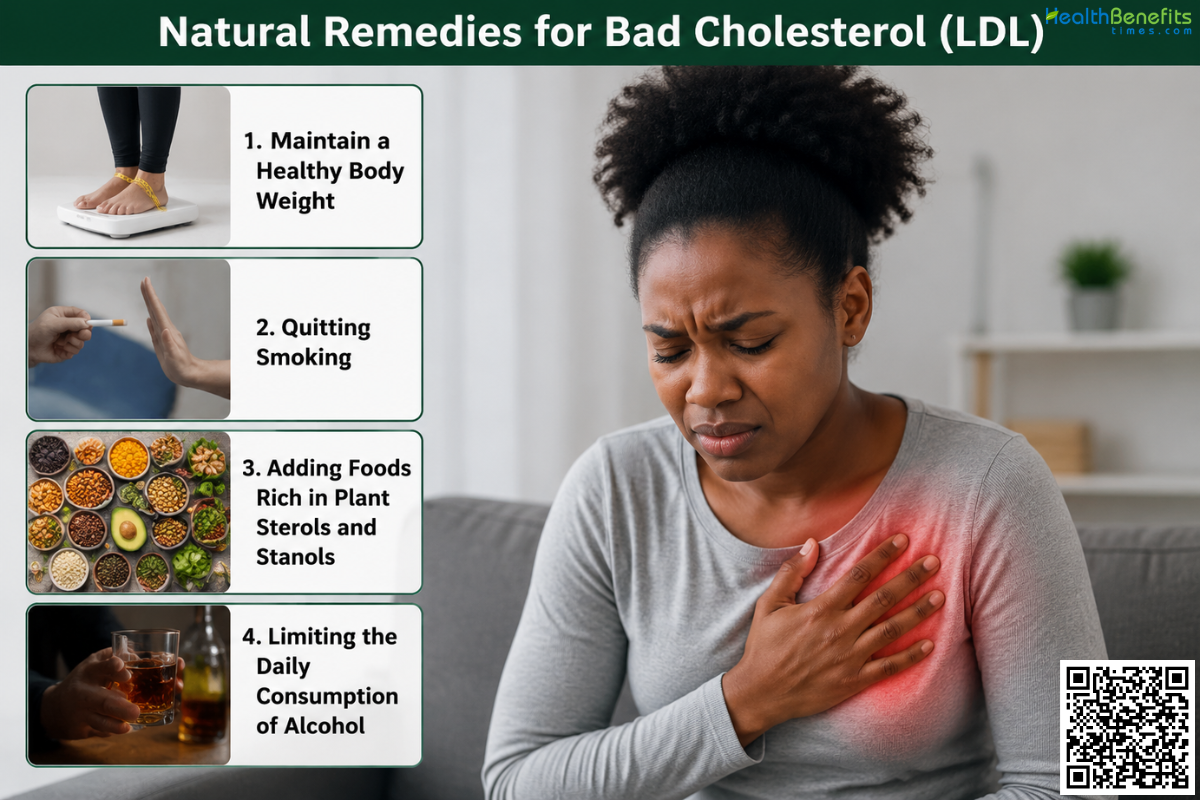
- Chest pain or pressure (Angina): When bad cholesterol forms hardened plaque that dangerously narrows the specific arteries supplying the heart muscle, it reduces necessary blood flow, resulting in episodes of sharp chest pain or a heavy, squeezing sensation 9.
- Pain and cramping in the legs (Claudication): As cholesterol buildup increasingly restricts blood flow in the major blood vessels of the legs, individuals may experience severe, aching pain, numbness, or cramping in the calves and thighs while walking 10.
- Neurological warning signs (Transient Ischemic Attack): If cholesterol plaque limits blood flow through the arteries leading to the brain, it can cause temporary, stroke-like symptoms such as sudden dizziness, slurred speech, or weakness on one side of the face or body 11.
How to Lower Bad Cholesterol (LDL) Naturally
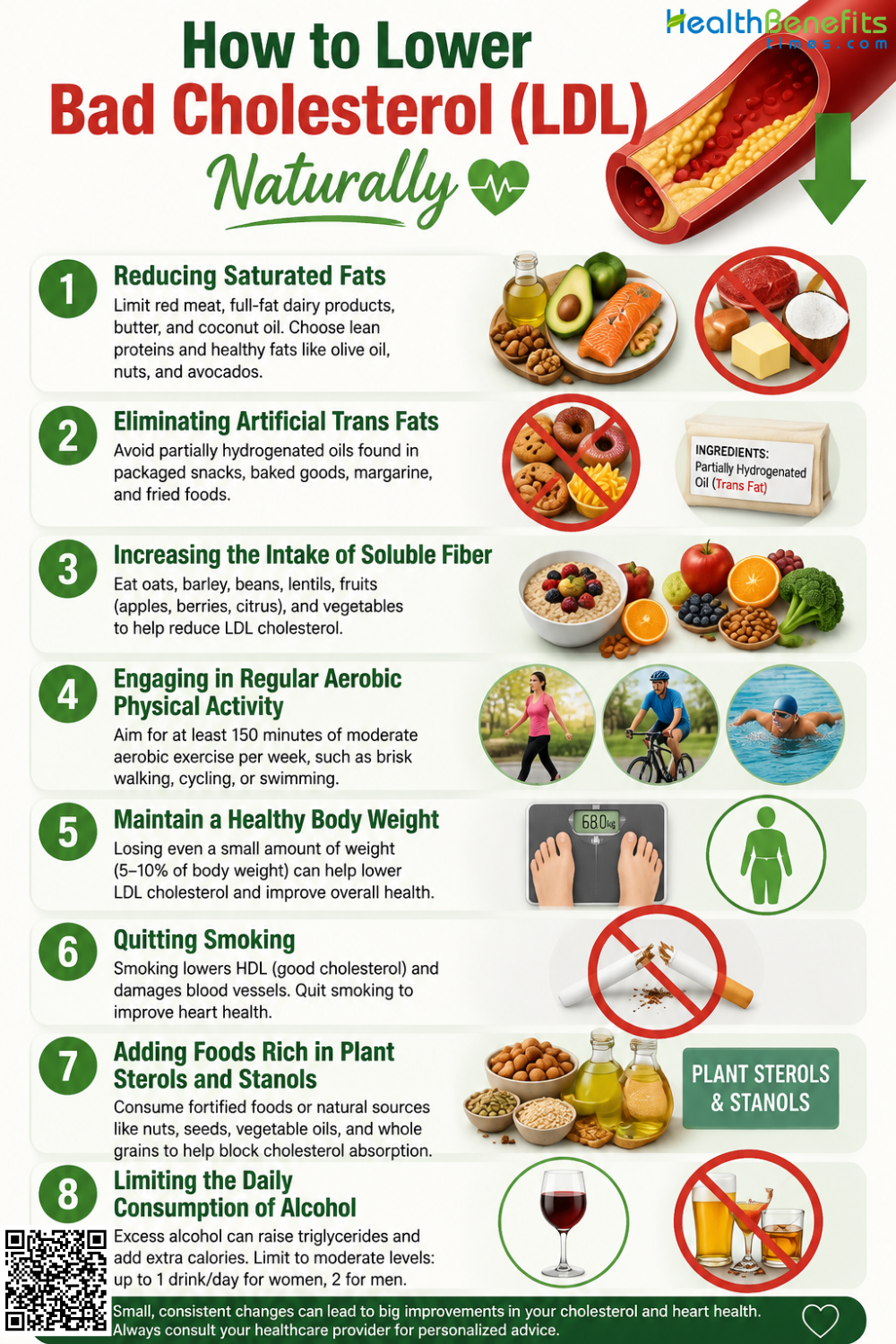
1. Reducing Saturated Fats
How it may help
Consuming saturated fats signals the liver to produce excess low-density lipoprotein (LDL) cholesterol. By reducing your intake of these heavy fats, your liver releases less bad cholesterol into the bloodstream, which directly slows the dangerous buildup of hardened plaque inside the walls of your arteries 12.
What research says
Clinical guidelines confirm that saturated fat is a primary dietary cause of elevated LDL cholesterol. Medical research demonstrates that limiting saturated fat to less than seven percent of total daily calories significantly drops bad cholesterol levels and drastically reduces the overall risk of heart attacks and strokes 12.
How to use it safely
You should avoid fatty red meats, butter, and full-fat dairy products. Instead, choose lean proteins like skinless poultry, beans, and fish. When cooking, replace solid animal fats with healthy plant-based options like olive oil, and always read nutrition labels to track your saturated fat intake 13.
Potential precautions or side effects
When cutting saturated fats, do not replace them with unhealthy refined carbohydrates or added sugars, as this can cause weight gain and worsen other cardiovascular risk factors 14.
2. Eliminating Artificial Trans Fats
How it may help
Artificial trans fats uniquely harm the body by simultaneously raising bad cholesterol levels and lowering beneficial good cholesterol. Completely eliminating these artificial fats from your diet directly reduces the amount of low-density lipoprotein circulating in the blood, effectively preventing rapid plaque accumulation inside major blood vessels 12.
What research says
Clinical evidence definitively proves that consuming artificial trans fats drastically increases the risk of developing cardiovascular disease. Due to the severe danger they pose to heart health by rapidly elevating bad cholesterol, major public health organizations have declared them unsafe for human consumption 13.
How to use it safely
You must carefully read ingredient lists on packaged foods and completely avoid any product containing “partially hydrogenated oils.” To protect your heart, eliminate commercially baked pastries, deep-fried fast foods, and solid margarines from your daily meals, choosing fresh, whole foods instead 12.
Potential precautions or side effects
When removing trans fats from your diet, do not accidentally replace them with heavy saturated fats like palm oil, which will also dangerously elevate your bad cholesterol levels 14.
3. Increasing the Intake of Soluble Fiber
How it may help
Soluble fiber dissolves in water to form a thick, gel-like substance inside the digestive tract. This gel binds to cholesterol particles, preventing them from being absorbed into the bloodstream. The body then naturally eliminates these trapped fats through digestive waste, directly lowering circulating bad cholesterol levels 12.
What research says
Clinical research demonstrates that consuming five to ten grams or more of soluble fiber daily significantly decreases low-density lipoprotein levels. Medical guidelines strongly recommend adding soluble fiber to a heart-healthy diet as a proven, effective method to reduce cholesterol absorption and lower overall cardiovascular disease risk 15.
How to use it safely
You should incorporate fiber-rich foods like oatmeal, kidney beans, Brussels sprouts, apples, and pears into your daily meals. To avoid digestive discomfort, slowly increase your fiber intake over several weeks and drink plenty of water throughout the day to help the fiber digest smoothly 12.
Potential precautions or side effects
Adding too much fiber too quickly can cause uncomfortable digestive side effects, including severe bloating, abdominal cramping, and excessive intestinal gas. Always increase your daily fiber intake gradually 16.
4. Engaging in Regular Aerobic Physical Activity
How it may help
Regular aerobic physical activity stimulates enzymes in the body that help move bad cholesterol from the bloodstream directly to the liver. Once there, the liver processes and removes the cholesterol, effectively lowering the amount of harmful fats that can build up inside the arteries 15.
What research says
Clinical studies confirm that performing moderate to vigorous physical activity reliably increases beneficial high-density lipoprotein, which actively clears bad cholesterol from the blood. Medical guidelines state that engaging in 150 minutes of aerobic exercise weekly significantly improves overall cholesterol levels and reduces cardiovascular disease risk 13.
How to use it safely
You should aim for at least thirty minutes of moderate aerobic exercise, such as brisk walking, swimming, or cycling, five days a week. If you have been inactive or have a heart condition, consult your doctor before starting any new fitness routine to ensure it is safe 17.
Potential precautions or side effects
Starting high-intensity exercise too quickly can lead to severe muscle strains, joint injuries, or dangerous stress on the heart. Always begin slowly and gradually increase your physical activity levels 17.
5. Maintain a Healthy Body Weight
How it may help
Carrying excess body weight alters how metabolism processes dietary fats, causing the liver to overproduce low-density lipoprotein. Losing even a small amount of weight restores normal metabolic function, enabling the body to clear bad cholesterol from the bloodstream more efficiently and reducing dangerous plaque buildup in the arteries 13.
What research says
Clinical studies confirm that obesity directly contributes to unhealthy cholesterol profiles and cardiovascular disease. Medical research concludes that losing just five to ten percent of total body weight significantly lowers bad cholesterol, while simultaneously increasing beneficial high-density lipoprotein, thereby drastically reducing the risk of heart attacks 18.
How to use it safely
You should aim for a slow, steady weight loss of one to two pounds per week by eating balanced meals and increasing physical activity. Work with your doctor or a registered dietitian to create a sustainable plan that safely meets your nutritional needs 18.
Potential precautions or side effects
You must avoid extreme crash diets or unregulated weight-loss supplements, as they can cause dangerous heart arrhythmias, severe nutritional deficiencies, and sudden, dangerous spikes in blood pressure 19.
6. Quitting Smoking
How it may help
Quitting smoking stops toxic chemicals from entering the bloodstream and damaging blood vessels. This allows the body to restore normal levels of protective high-density lipoprotein, which is necessary to sweep bad cholesterol away from artery walls and return it to the liver for safe removal 13.
What research says
Clinical research demonstrates that tobacco smoke severely suppresses protective cholesterol mechanisms while promoting vascular inflammation. Medical experts conclude that quitting smoking quickly improves high-density lipoprotein levels, significantly enhancing the body’s natural ability to filter out bad cholesterol and drastically lowering the overall risk of heart disease 20.
How to use it safely
You should consult your healthcare provider to develop a structured plan to quit smoking. To safely manage cravings, utilize proven treatments such as nicotine replacement patches, prescription medications, or behavioral counseling tailored to your specific physical and emotional needs 21.
Potential precautions or side effects
You may experience temporary withdrawal symptoms like irritability, anxiety, and weight gain. Discuss cessation medications with your doctor, as some can cause mood changes or psychiatric side effects 22.
7. Adding Foods Rich in Plant Sterols and Stanols
How it may help
Plant sterols and stanols are natural compounds that have a physical structure very similar to human cholesterol. When consumed, they actively compete with dietary cholesterol for absorption in the digestive tract. This prevents bad cholesterol from entering the bloodstream, forcing the body to eliminate it as waste 12.
What research says
Clinical studies confirm that consuming about two grams of plant sterols or stanols daily significantly reduces low-density lipoprotein levels. Medical guidelines recommend incorporating these plant compounds into a heart-healthy diet, as they can safely lower bad cholesterol by up to ten percent without requiring medication 15.
How to use it safely
You can find natural sterols in small amounts in vegetable oils, nuts, and seeds. To achieve noticeable benefits, you should look for foods specifically fortified with sterols, such as certain orange juices or margarines, and consume them as part of your regular daily meals 12.
Potential precautions or side effects
Fortified foods often contain extra calories, unhealthy fats, or added sugars. You should carefully read nutrition labels to ensure these specific products fit safely within your overall daily dietary limits 13.
8. Limiting the Daily Consumption of Alcohol
How it may help
When the liver processes heavy amounts of alcohol, it produces more triglycerides and cholesterol as a result. By limiting alcohol intake, the liver functions more efficiently at filtering fats, which prevents the excess production and buildup of low-density lipoprotein (LDL) and other harmful lipids in the bloodstream 13.
What research says
Clinical guidelines establish that excessive alcohol consumption significantly raises triglyceride levels and contributes to weight gain, both of which indirectly increase bad cholesterol. Medical experts conclude that restricting alcohol intake is a critical lifestyle change required to maintain a healthy lipid profile and reduce overall cardiovascular disease risk 15.
How to use it safely
You should follow established health guidelines that recommend drinking only in moderation, which means no more than two drinks per day for men and one drink per day for women. If you do not currently drink alcohol, you should not start 13.
Potential precautions or side effects
If you have a history of heavy drinking, quitting abruptly can cause severe withdrawal symptoms, including dangerous seizures. Always seek medical supervision when significantly reducing heavy alcohol consumption 23.
Foods to Avoid When You suffer from Bad Cholesterol
1. Fatty Red Meats
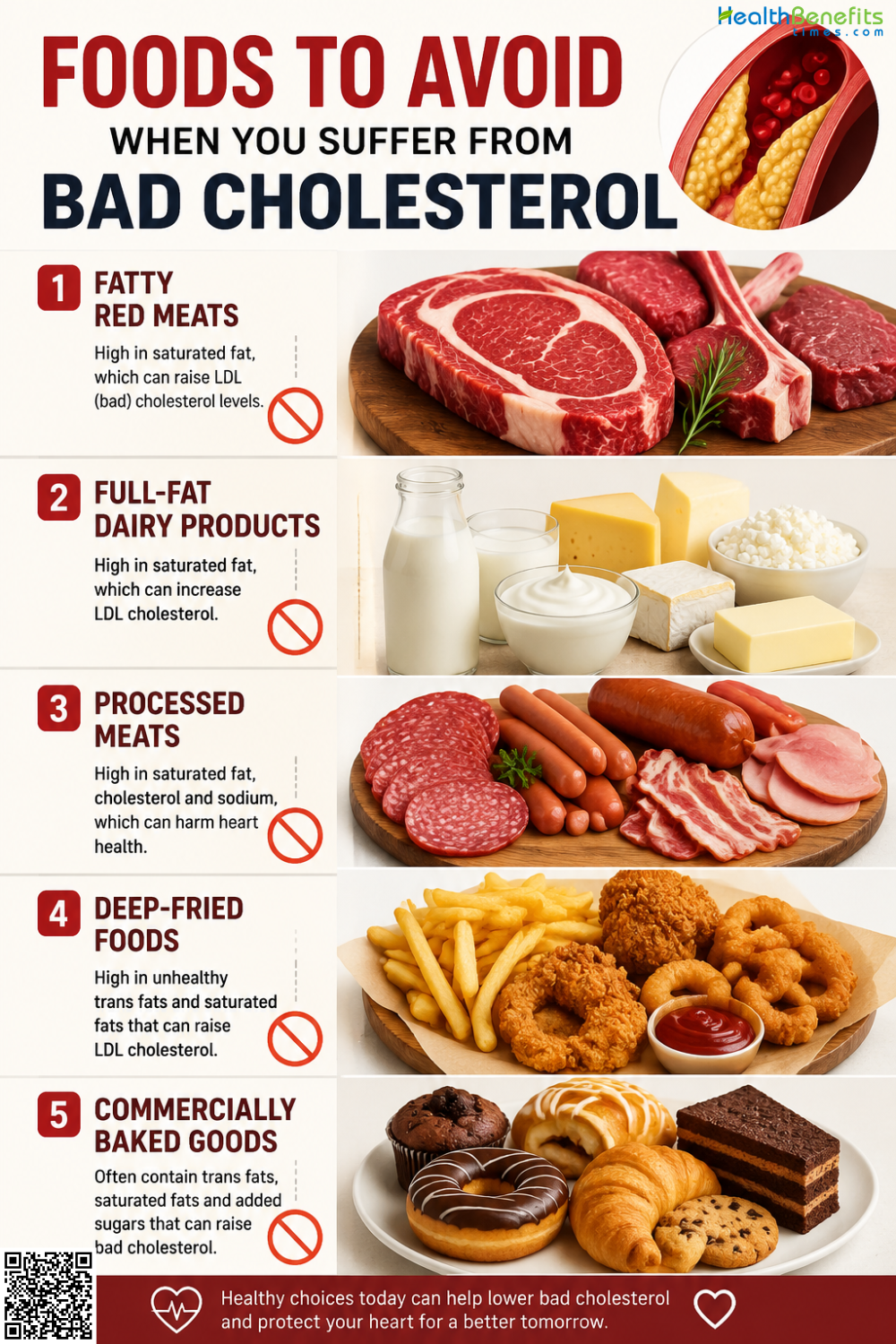
Beef, lamb, and pork contain high levels of saturated fats, which directly stimulate the liver to overproduce low-density lipoprotein (LDL) cholesterol, accelerating arterial plaque buildup 12.
2. Full-Fat Dairy Products
Whole milk, butter, and hard cheeses are packed with heavy saturated fats that rapidly elevate blood cholesterol levels, making it harder to filter harmful lipids 4.
3. Processed Meats
Hot dogs, bacon, and sausages are highly processed with unhealthy fats and sodium, significantly worsening lipid profiles and increasing the overall risk of cardiovascular disease 13.
4. Deep-Fried Foods
Foods fried in unhealthy oils absorb dangerous fats that simultaneously increase bad cholesterol and decrease protective good cholesterol, causing severe vascular inflammation 14.
5. Commercially Baked Goods
Pastries, cookies, and cakes are frequently made with solid fats like shortening, which deliver hidden trans fats that drastically spike harmful cholesterol levels 12.
When to see Doctor when you suffer from Bad Cholesterol.
1. Routine Screening
Since high cholesterol has no physical symptoms, schedule routine blood tests every four to six years to detect and monitor elevated lipid levels before dangerous plaque forms 24.
2. Family History
Consult your doctor for early screening if a close relative suffered a heart attack or was diagnosed with severe cardiovascular disease at an unusually young age 5.
3. Visible Skin Growths
Seek medical evaluation if you notice yellowish, waxy fat deposits appearing under the skin or around your eyes, which strongly indicates severe, inherited cholesterol buildup 8.
4. Chest Pain or Pressure
If you experience any sudden chest pain, tightness, or shortness of breath, go to an emergency room immediately, as cholesterol plaque may be actively blocking heart arteries 9.
5. Neurological Warning Signs
Seek immediate emergency care if you experience sudden dizziness, slurred speech, or weakness on one side of your body, signaling a potential cholesterol-related blocked brain artery 11.
Comments
comments