

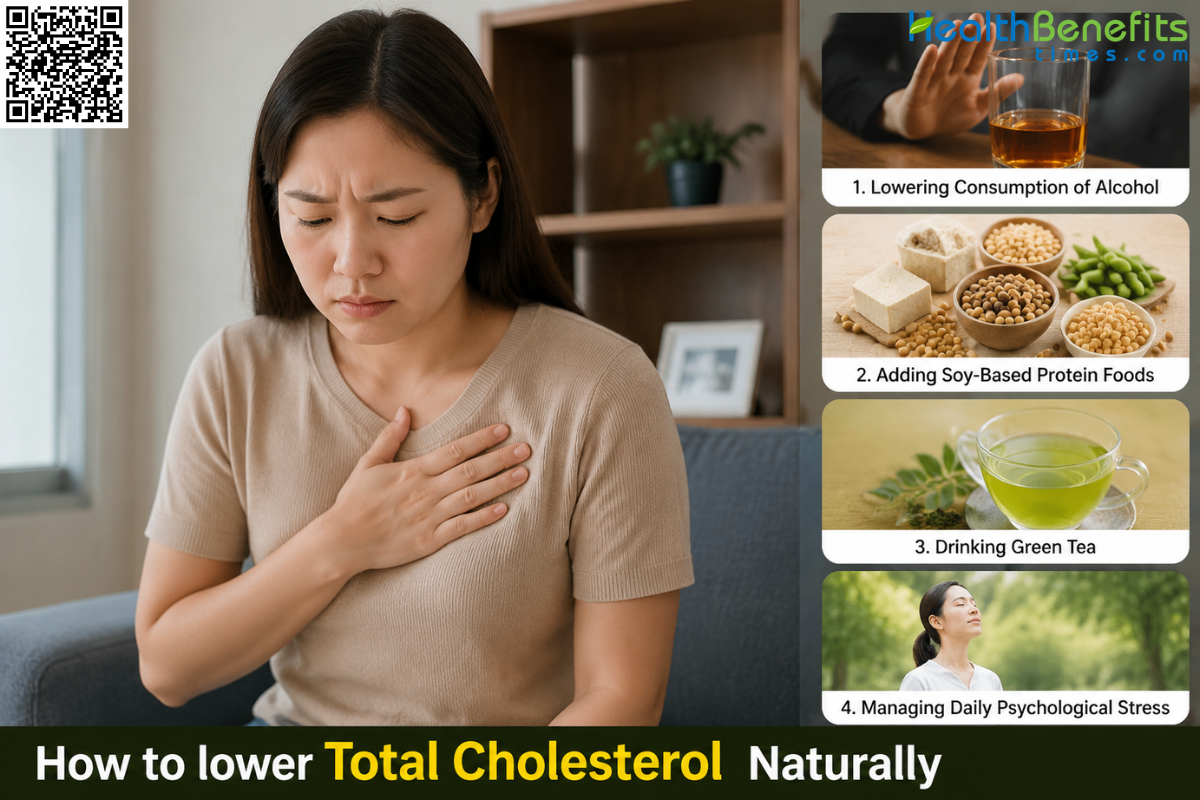
How to Lower Total Cholesterol Naturally
1. Reducing Dietary Intake of Saturated and Trans Fats
How it may help
Consuming high amounts of saturated and artificial trans fats triggers the liver to produce excess low-density lipoprotein (LDL), often called bad cholesterol. Limiting these fats directly reduces the amount of cholesterol circulating in the bloodstream and prevents plaque buildup in the arteries, thereby lowering your overall total cholesterol levels.
What research says
Clinical evidence shows that reducing saturated fat intake to less than 6 percent of total daily calories significantly decreases LDL cholesterol levels 3. Furthermore, research confirms that completely eliminating artificial trans fats from the diet both lowers bad cholesterol and increases high-density lipoprotein, or good cholesterol 4.
How to use it safely
To apply this safely, read nutrition labels and avoid foods listing partially hydrogenated oils. Replace red meat, butter, and full-fat dairy with skinless poultry, fish, and liquid plant oils. Focus on a balanced diet rich in whole grains, fruits, and vegetables 5.
Potential precautions or side effects
When reducing fat intake, avoid replacing these fats with refined carbohydrates or sugars, as this can inadvertently raise blood triglyceride levels and harm overall heart health 6.
2. Eating More Soluble Fiber from Oats and Legumes
How it may help
Soluble fiber forms a thick, gel-like substance in the digestive tract. This material binds to cholesterol particles and bile acids, preventing them from being absorbed into the bloodstream. Instead of entering the blood, the trapped cholesterol is excreted from the body through waste, which effectively lowers total cholesterol levels.
What research says
Clinical research confirms that consuming 5 to 10 grams or more of soluble fiber daily significantly reduces low-density lipoprotein, or bad cholesterol 7. Studies indicate that incorporating natural sources like oats and beans safely lowers total cholesterol without negatively affecting healthy cholesterol levels 8.
How to use it safely
To increase your intake safely, gradually add soluble fiber to your meals over several weeks. Start by eating a daily bowl of oatmeal or mixing beans into salads. You must also drink plenty of water throughout the day to help the fiber move smoothly 9.
Potential precautions or side effects
Adding too much fiber too quickly can cause digestive discomfort, including gas, bloating, and stomach cramps. Increasing your intake slowly gives your digestive system time to adjust 10.
3. Adding Foods Enriched with Plant Sterols and Stanols
How it may help
Plant sterols and stanols are natural substances with a molecular structure similar to human cholesterol. When eaten, they directly compete with dietary cholesterol for absorption within the digestive tract. Because the body absorbs these plant compounds instead, the unabsorbed cholesterol is eliminated through waste, effectively lowering overall blood levels.
What research says
Clinical evidence demonstrates that consuming approximately 2 grams of plant sterols or stanols daily reduces low-density lipoprotein, or bad cholesterol, by up to 10 percent. Research confirms that these compounds effectively lower total cholesterol without negatively impacting healthy high-density lipoprotein levels 11.
How to use it safely
To achieve the best results, consume foods specially enriched with these compounds, such as fortified margarines, orange juice, or yogurt. Eat these foods alongside your main meals to maximize their ability to block cholesterol absorption during digestion 5.
Potential precautions or side effects
High sterol intake can slightly reduce the body’s absorption of fat-soluble vitamins. You can easily counteract this effect by eating a balanced diet rich in brightly colored fruits and vegetables 11.
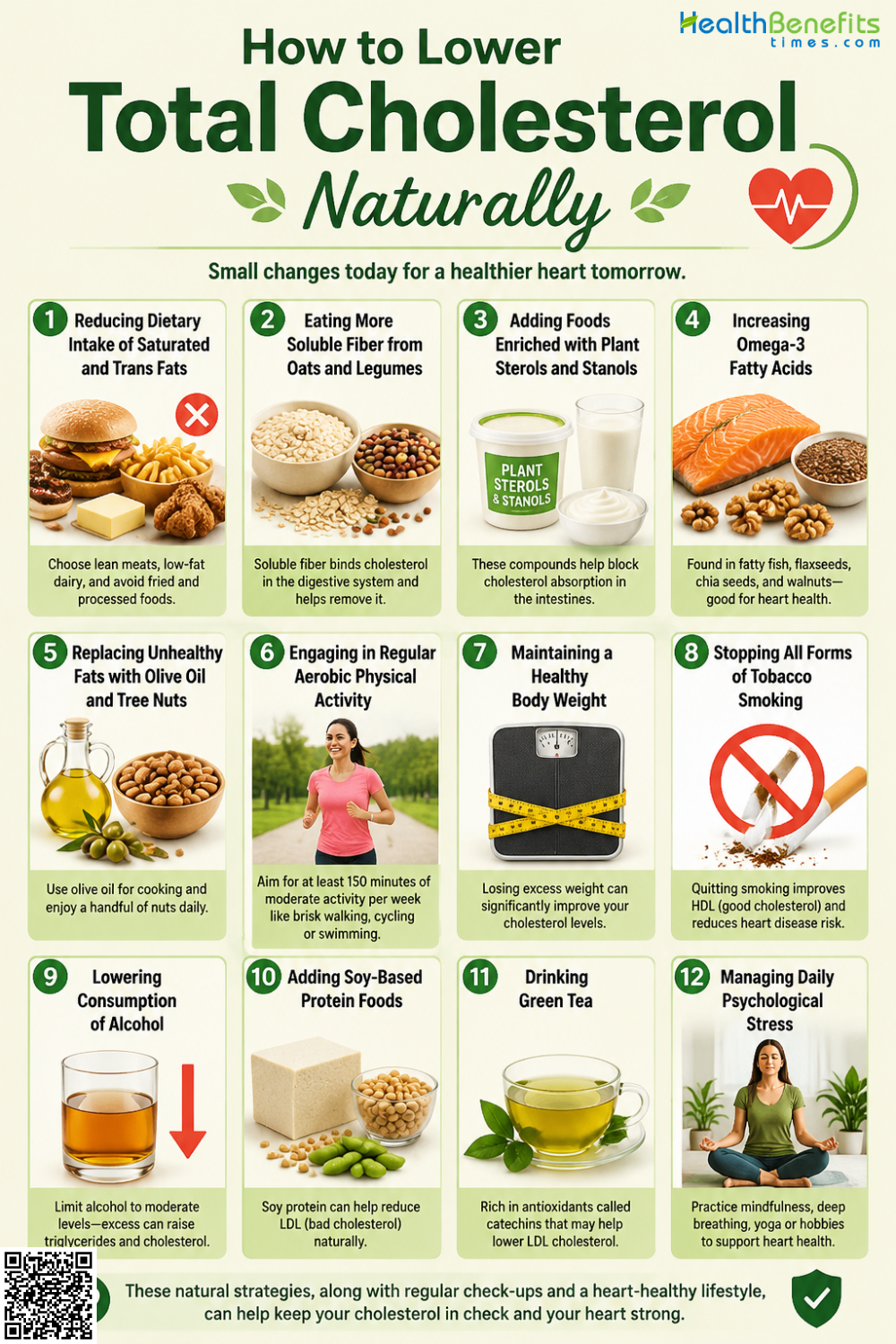
4. Increasing Omega-3 Fatty Acids
How it may help
Omega-3 fatty acids primarily reduce the liver’s production of triglycerides, a specific type of fat included in total cholesterol measurements. While they do not directly lower bad cholesterol, decreasing high triglycerides improves the overall lipid profile and prevents plaque buildup, which supports long-term cardiovascular health.
What research says
Clinical research confirms that consuming omega-3 fatty acids significantly lowers blood triglyceride levels 12. However, studies conclude that omega-3s do not reduce overall total cholesterol or bad cholesterol, and high doses may even slightly increase bad cholesterol despite their other heart-protective benefits 13.
How to use it safely
To safely increase your intake naturally, eat at least two servings of fatty fish, such as salmon or sardines, each week. For plant-based options, add walnuts, flaxseeds, or chia seeds to your daily meals 14.
Potential precautions or side effects
Taking high doses of omega-3 supplements can increase bleeding risks and interfere with blood-thinning medications. Common mild side effects include fishy breath, stomach upset, and nausea 12.
5. Replacing Unhealthy Fats with Olive Oil and Tree Nuts
How it may help
Replacing saturated fats with unsaturated fats found in olive oil and tree nuts improves how the liver processes blood lipids. These healthy fats help clear low-density lipoprotein, or bad cholesterol, from the bloodstream while preserving healthy high-density lipoprotein, which actively lowers total cholesterol levels.
What research says
Clinical guidelines conclude that replacing saturated animal fats with monounsaturated and polyunsaturated plant fats significantly lowers bad cholesterol 3. Furthermore, research confirms that eating a daily serving of tree nuts directly reduces low-density lipoprotein levels and improves overall cardiovascular health 7.
How to use it safely
To benefit safely, substitute butter and lard with extra virgin olive oil when cooking or dressing salads. Additionally, eat a small handful of unsalted tree nuts, such as almonds or walnuts, as a daily snack instead of processed foods 5.
Potential precautions or side effects
Olive oil and tree nuts are high in calories. You must practice strict portion control, as overeating these healthy fats can lead to unwanted weight gain 7.
6. Engaging in Regular Aerobic Physical Activity
How it may help
Regular aerobic exercise stimulates enzymes that move low-density lipoprotein, or bad cholesterol, from the blood to the liver for excretion. It simultaneously increases high-density lipoprotein, the good cholesterol that actively clears fat from arteries. Together, these physical processes effectively lower total cholesterol circulating in the bloodstream.
What research says
Clinical guidelines state that completing at least 150 minutes of moderate-intensity physical activity per week significantly improves lipid profiles 3. Research confirms that consistent aerobic exercise effectively lowers blood triglycerides and bad cholesterol while raising good cholesterol, ultimately reducing the risk of cardiovascular disease 5.
How to use it safely
To start safely, gradually build up to 30 minutes of moderate-intensity aerobic exercise, such as brisk walking, cycling, or swimming, at least five days a week. Always begin with a brief warm-up to prepare your muscles and heart for increased physical exertion 15.
Potential precautions or side effects
Consult a doctor before starting an exercise routine if you have underlying health conditions. Stop immediately if you experience chest pain, severe shortness of breath, or dizziness 16.
7. Maintaining a Healthy Body Weight
How it may help
Carrying excess body fat alters how your metabolism manages lipids, often increasing bad cholesterol and triglycerides while decreasing good cholesterol. Shedding excess weight improves the liver’s ability to process and remove bad fats from the bloodstream, which directly lowers overall total cholesterol levels.
What research says
Clinical guidelines indicate that losing just 5 to 10 percent of total body weight significantly lowers low-density lipoprotein and blood triglycerides 17. Furthermore, medical research concludes that sustaining this moderate weight reduction effectively maintains total cholesterol within a healthy range over the long term 5.
How to use it safely
To lose weight safely, aim for a gradual reduction of one to two pounds per week by consuming fewer calories and increasing physical activity 17. Focus on adopting a sustainable, balanced diet of whole foods rather than following severely restrictive fad diets 18.
Potential precautions or side effects
Avoid extreme calorie restriction, as rapid weight loss can cause muscle depletion, nutritional deficiencies, and gallstones. Always consult a healthcare professional before beginning a new weight loss program 19.
8. Stopping All Forms of Tobacco Smoking
How it may help
Tobacco smoke damages blood vessel walls and significantly lowers high-density lipoprotein, or good cholesterol. Stopping smoking reverses these effects. As good cholesterol levels recover, the body becomes more efficient at clearing bad cholesterol from the bloodstream, which ultimately helps lower overall total cholesterol.
What research says
Clinical evidence demonstrates that quitting smoking rapidly increases protective high-density lipoprotein levels within just weeks 20. Health authorities conclude that stopping all tobacco use profoundly improves overall blood lipid profiles and significantly decreases the long-term risk of cardiovascular disease 3.
How to use it safely
To quit effectively, consult a healthcare provider to create a personalized cessation plan. Utilize evidence-based support methods, such as FDA-approved nicotine replacement therapies or behavioral counseling, to manage cravings and increase your chances of long-term success 21.
Potential precautions or side effects
Quitting tobacco often causes temporary withdrawal symptoms, including irritability, anxiety, and mild weight gain. Medical support can effectively manage these physical discomforts during the transition 22.
9. Lowering Consumption of Alcohol
How it may help
When the liver breaks down alcohol, it converts it into triglycerides and cholesterol. Drinking excessive amounts directly elevates these blood lipids. Reducing your alcohol consumption decreases the liver’s production of these fats, which effectively lowers blood triglycerides and overall total cholesterol levels.
What research says
Clinical evidence shows that heavy alcohol consumption significantly increases blood triglycerides and elevates total cholesterol. Health authorities conclude that limiting alcohol intake directly improves blood lipid profiles and decreases the overall risk of developing cardiovascular disease and severe liver complications 3.
How to use it safely
To manage cholesterol effectively, limit alcohol to two drinks per day for men or one drink per day for women 23. If you do not currently drink alcohol, medical guidelines strictly advise against starting for any potential health benefits 5.
Potential precautions or side effects
If you consume heavy amounts of alcohol, consult a healthcare provider before stopping abruptly. Sudden alcohol withdrawal can cause dangerous medical complications, including severe anxiety, tremors, and seizures 24.
10. Adding Soy-Based Protein Foods
How it may help
Soy protein provides a heart-healthy alternative to animal proteins high in saturated fat. Furthermore, naturally occurring plant compounds in soy help the liver increase its clearance of low-density lipoprotein, or bad cholesterol, effectively removing it from the bloodstream and lowering overall total cholesterol levels.
What research says
Clinical studies conclude that consuming 25 grams of soy protein daily moderately decreases bad cholesterol by approximately 3 to 4 percent 25. Health authorities note that the most significant cholesterol-lowering benefits occur when soy replaces meat and dairy products that are high in unhealthy saturated fats 26.
How to use it safely
To safely add soy to your diet, choose minimally processed options such as edamame, tofu, tempeh, and unsweetened soy milk. Use these plant-based foods as direct substitutes for red meat or full-fat dairy products in your daily meals to maximize cardiovascular benefits 27.
Potential precautions or side effects
Soy is generally safe, but individuals with soy allergies must avoid it. Occasional mild side effects include temporary digestive discomfort, such as gas or mild stomach upset 26.
11. Drinking Green Tea
How it may help
Green tea contains high levels of natural plant antioxidants known as catechins. These specific compounds help reduce the amount of cholesterol that the digestive tract absorbs from food. By blocking this absorption, the body eliminates the unabsorbed cholesterol through waste, which effectively lowers overall total cholesterol levels.
What research says
Clinical research concludes that consuming green tea significantly lowers total cholesterol and low-density lipoprotein, or bad cholesterol. However, health authorities report that drinking green tea does not significantly change levels of high-density lipoprotein, the good cholesterol, or blood triglycerides 28.
How to use it safely
To consume it safely, drink one to three cups of freshly brewed green tea each day without adding sugar. Medical experts recommend drinking the brewed beverage rather than taking concentrated green tea extract pills to reduce the risk of potential organ toxicity 28.
Potential precautions or side effects
Green tea contains caffeine, which can cause sleep disturbances and anxiety. Additionally, taking highly concentrated green tea extract supplements carries a rare but serious risk of severe liver damage 28.
12. Managing Daily Psychological Stress
How it may help
Chronic psychological stress triggers the body to release hormones like cortisol and adrenaline. These stress hormones prompt the liver to produce more blood sugar and fatty acids for immediate energy. Consequently, the liver converts these excess circulating fats into low-density lipoprotein, or bad cholesterol, elevating total cholesterol levels.
What research says
Clinical studies demonstrate that prolonged emotional stress significantly increases low-density lipoprotein and triglyceride levels while decreasing protective high-density lipoprotein 29. Health authorities conclude that effectively managing chronic psychological stress directly improves blood lipid profiles and reduces the long-term risk of cardiovascular events 30.
How to use it safely
To manage stress effectively, practice daily relaxation techniques such as deep breathing exercises, mindfulness meditation, or yoga. Establish a consistent sleep schedule to ensure adequate rest. If you experience severe anxiety, consult a licensed mental health professional for behavioral therapy 31.
Potential precautions or side effects
Stress reduction techniques must complement, not replace, medical treatments. Never stop taking prescribed cholesterol-lowering medications or abandon healthy dietary interventions without first consulting a healthcare provider 5.
Comments
comments