

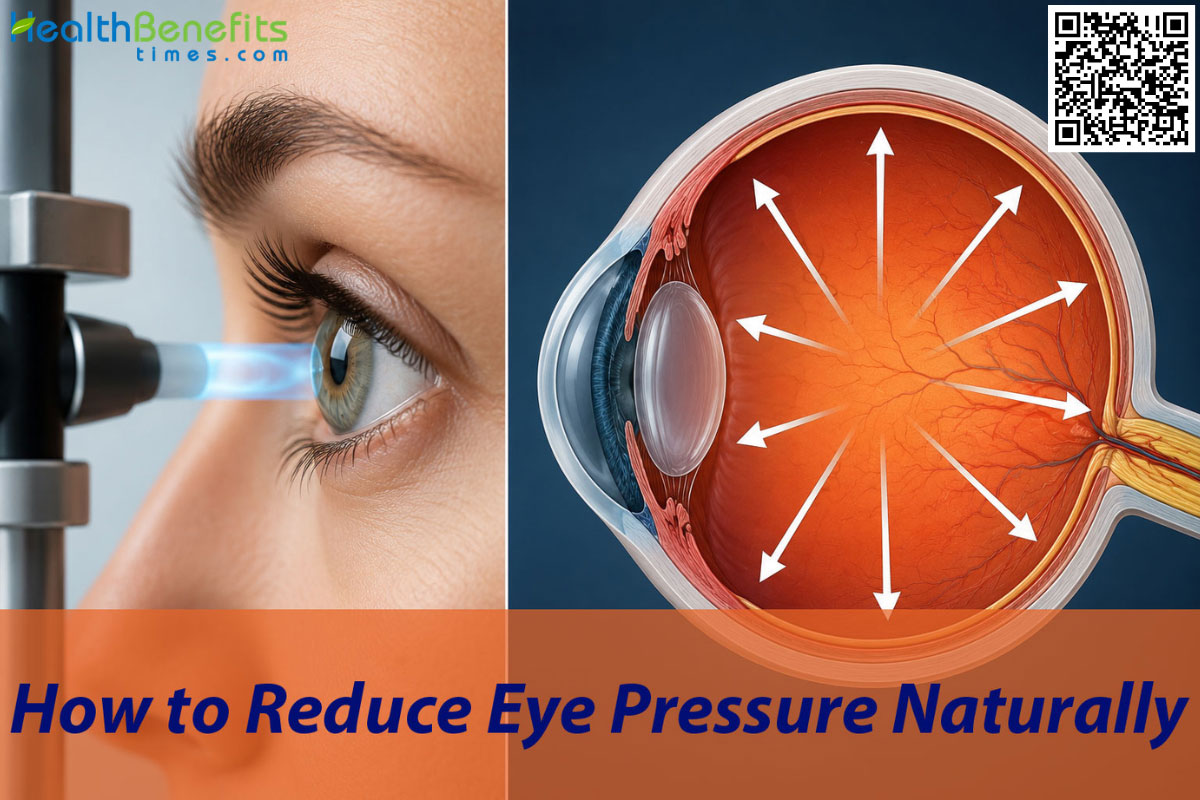
Causes of Eye Pressure
Understanding the exact origins of elevated ocular tension requires looking at a combination of anatomical, environmental, and genetic factors. High intraocular pressure rarely emerges from a single isolated event, but rather from a complex disruption of the eye’s natural drainage capabilities.
1. Impaired Aqueous Humor Drainage
The most frequent driver of increased eye pressure happens when the internal drainage canals become partially or fully obstructed over time. The purpose of the aqueous humor is to nourish specific structures, but the drainage system must remain perfectly clear to maintain a healthy equilibrium. When the trabecular meshwork gradually loses its permeability, the clear fluid can no longer exit efficiently, leading to a steady, dangerous accumulation inside the eye 2.
2. Anatomical Structure Abnormalities
Certain individuals are born with naturally narrow drainage angles between the iris and the cornea. This specific structural trait makes the eye highly susceptible to sudden, complete blockages where the iris physically slides over the drainage pathway. Nonpupillary block mechanisms, such as plateau iris syndrome or an anteriorly displaced lens, can also push tissues together and acutely obstruct the outflow of fluid 4.
3. Severe Myopia
Elongation of the eyeball, which is the hallmark of high myopia or severe nearsightedness, acts as a significant structural risk factor for drainage issues. The physical stretching of ocular tissues alters the normal architecture of the eye’s internal pathways. Clinical evidence points out that an increased axial length directly correlates with an increased risk of abnormal pressure development and progressive fluid buildup 5.
4. Medication Side Effects
Routine administration of certain prescription drugs can inadvertently trigger severe spikes in intraocular tension. Corticosteroids whether administered via topical eye drops, oral pills, or inhalers are particularly notorious for inducing microscopic structural changes within the trabecular meshwork. These steroid-induced alterations physically restrict the outflow of aqueous humor, resulting in a secondary form of elevated pressure 6.
5. Ocular Trauma and Injury
Physical damage to the face or directly to the eye itself can leave a lasting impact on internal fluid dynamics. Blunt force trauma, penetrating wounds, or severe chemical burns have the potential to physically rupture or permanently scar the delicate drainage canals. Secondary pressure issues often manifest long after the initial injury has healed, as the internal scar tissue slowly compromises normal fluid pathways 7.
Symptoms of Eye Pressure
Detecting abnormal tension inside the eye can be quite challenging because the condition frequently develops without giving off any obvious physical warnings. However, when the pressure reaches an acute state or rises very abruptly, the body produces several distinct clinical signals.
- Asymptomatic progression during the early and moderate stages, where no pain or visual disturbances are noticed 8.
- Gradual development of blind spots in the peripheral or side vision.
- Severe, deep aching pain in the affected eye that often radiates to the brow or forehead 9.
- Sudden and significant reduction in visual acuity, manifesting as severe blurred vision.
- Perception of rainbow-colored rings or luminous halos surrounding streetlights and lamps 4.
- Profound nausea and active vomiting triggered by the intense neurological distress of a sudden pressure spike 10.
- Noticeable redness in the sclera (the white of the eye) due to severely engorged conjunctival blood vessels.
- A hazy, cloudy, or opaque appearance covering the cornea as a result of acute swelling and fluid retention.
Eye Pressure Facts
| Feature | Details |
| Symptoms |
|
| Causes |
|
| Types of Eye Pressure |
|
| How does spread |
|
| Age Group |
|
| You might be at a higher risk for exposure of this disease if you: |
|
| How doctors diagnose |
|
| Other facts |
|
How to Reduce Eye Pressure Naturally
Taking active control of your ocular health involves making targeted, scientifically backed modifications to your daily dietary habits. You can effectively complement your medical treatments by integrating specific nutrients that are proven to support vascular health and regulate fluid in the eyes.
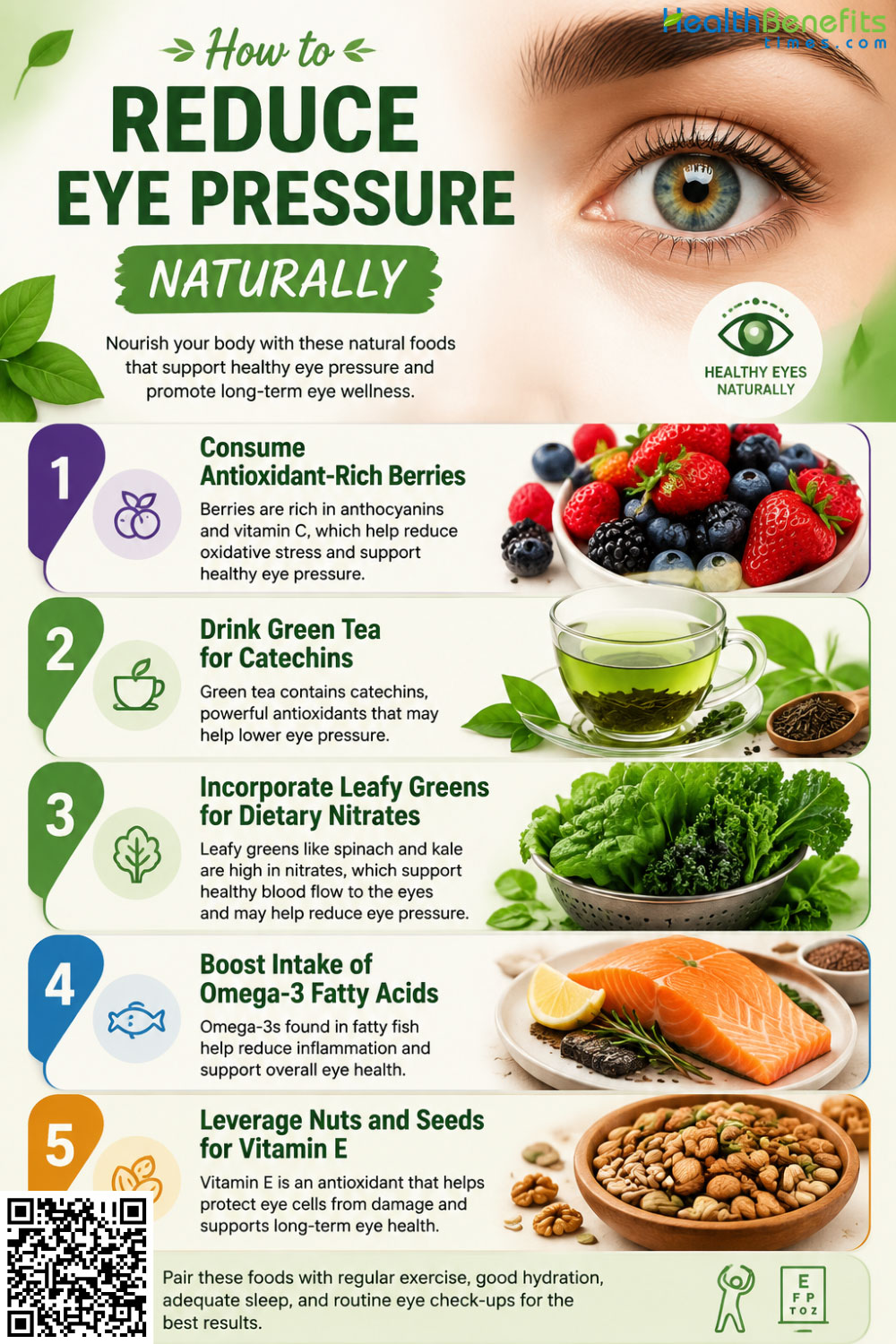
1. Consume Antioxidant-Rich Berries
Fueling your body with dark-colored berries offers immense protective benefits for your visual system. Fruits such as blueberries, blackberries, and strawberries are densely packed with naturally occurring compounds called anthocyanins and resveratrol. These powerful antioxidants actively combat cellular damage and support the delicate structural integrity of your retinal tissues. Regular consumption of these specific fruits has been linked to a significantly lower risk of developing pressure-related eye damage by preserving the microscopic vascular structures that feed the optic nerve 11.
Note: These are commonly eaten raw as a daily snack, blended into morning smoothies, or mixed into oatmeal to maximize antioxidant absorption.
2. Drink Green Tea for Catechins
Swapping out your standard beverages for green tea introduces powerful flavonoids into your bloodstream that can directly influence ocular fluid dynamics. Green tea is incredibly abundant in epigallocatechin gallate (EGCG), a specific catechin noted for its exceptional protective properties. Concentrated green tea extracts have demonstrated a statistically significant reduction in intraocular pressure, with the most notable hypotensive effects occurring within a two-hour window following consumption 12.
Note: This is commonly consumed as a warm brewed beverage daily, or applied for remedial benefits via a moderate-dose concentrated botanical extract capsule.
3. Incorporate Leafy Greens for Dietary Nitrates
Filling your daily plate with dark, leafy greens directly equips your circulatory system with the tools needed to regulate blood flow to your head and eyes. Vegetables such as spinach, kale, and collard greens are exceptional natural sources of dietary nitrates. Once consumed, your body efficiently converts these nitrates into nitric oxide, a vital molecule that relaxes blood vessels and improves overall ocular hemodynamics, thereby offering a protective effect against compromised fluid outflow 13.
Note: These vegetables are best eaten fresh in salads, gently sautéed in olive oil, or blended into daily juices to maintain their high nitrate levels.
4. Boost Intake of Omega-3 Fatty Acids
Prioritizing healthy fats fundamentally alters the inflammatory baseline of your entire body, including the delicate internal tissues of your eyes. Omega-3 fatty acids, which are predominantly found in cold-water fish like salmon, trout, and sardines, play a massive structural role in maintaining the health of the eye’s drainage networks. Ensuring an adequate and consistent intake of these essential lipids helps prevent cellular degradation and supports the smooth, continuous flow of aqueous humor 14.
Note: This is commonly achieved by eating two to three servings of wild-caught oily fish per week, or by taking high-quality, purified fish oil supplements.
5. Leverage Nuts and Seeds for Vitamin E
Snacking intelligently provides a direct, daily mechanism to supply your eyes with essential cellular defense components. Almonds, sunflower seeds, and pumpkin seeds act as highly concentrated natural reservoirs of Vitamin E and magnesium. Vitamin E functions specifically to shield your retinal tissues from oxidative free radical damage, while magnesium works simultaneously to improve blood flow by gently relaxing the smooth muscles of the ocular vascular system 15.
Note: These are commonly consumed as a small, unsalted handful daily for a mid-day snack, or sprinkled generously over salads and yogurts.
Is there any exercise or physical activities for Eye Pressure?
Moving your body strategically offers one of the most practical, non-pharmaceutical methods for immediately influencing your internal eye tension. You can harness the physiological benefits of physical conditioning to safely lower your readings, provided you engage in the correct types of movement.
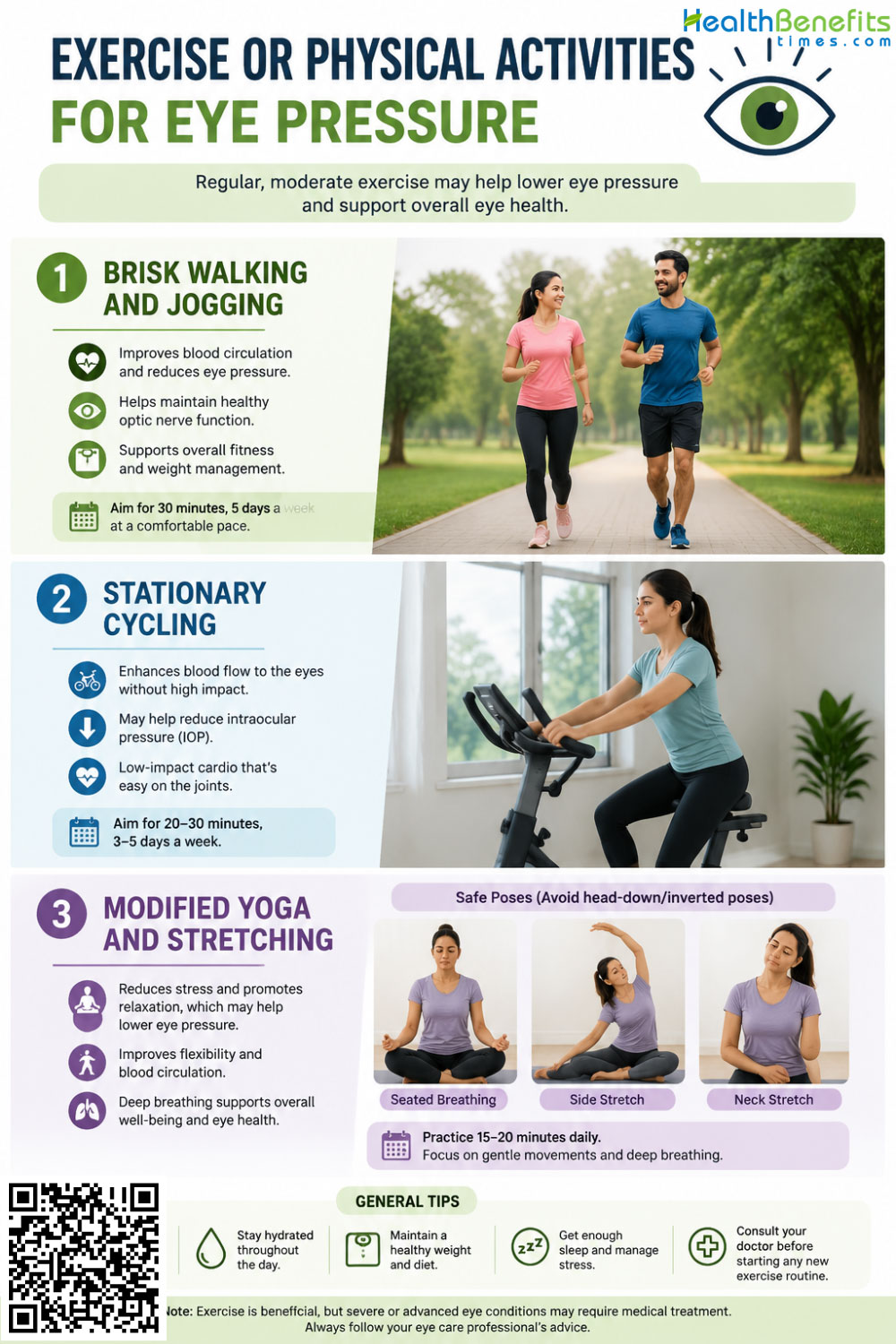
1. Brisk Walking and Jogging
Committing to a regular, moderate-intensity cardiovascular workout yields profound and lasting benefits for your ocular fluid mechanics. Engaging in continuous aerobic activities like brisk walking or light jogging prompts an increase in heart rate and oxygen exchange, which subsequently improves blood flow directly to the brain and retina. Maintaining a brisk walking routine for 30 to 45 minutes, three to four times a week, effectively lowers intraocular pressure by modifying the trabecular meshwork’s outflow resistance 16.
Note: To do this safely, walk at a pace that elevates your heart rate and induces a light sweat, but still allows you to carry on a normal conversation without gasping for air.
2. Stationary Cycling
Utilizing a stationary bicycle allows you to reap all the cardiovascular rewards of aerobic exercise without subjecting your body to undue physical strain or joint impact. Cycling on a level surface or a stationary machine safely boosts your systemic blood circulation, which helps nourish the optic nerve while entirely avoiding the dangerous pressure spikes associated with sudden, intense physical exertion 17.
Note: To do this properly, pedal at a steady, moderate resistance for 30 to 45 minutes, ensuring you remain seated upright and breathe continuously without holding your breath.
3. Modified Yoga and Stretching
Practicing mindfulness and flexibility through yoga can significantly reduce systemic stress, but it must be meticulously adapted to protect your delicate vision. Standard yoga provides excellent cardiovascular and mental health benefits; however, you must prioritize keeping your head elevated above your heart to maintain safe fluid dynamics. Modified poses, such as a seated forward bend using a padded chair for forehead support, keep your eyes situated above your chest, effectively neutralizing the risk of pooling blood and fluid in your head 18.
Note: To do this correctly, focus on deep, continuous breathing and strictly utilize props, like chairs and yoga blocks, to keep your head in an upright or neutral alignment throughout your entire practice.
Foods and Activities to Avoid
Dietary missteps and aggressive physical movements can inadvertently sabotage your efforts to maintain stable eye health. When you are prone to ocular tension issues, you must actively restrict certain items and routines that are known to cause harmful physiological spikes.
Foods to Avoid When You suffer from Eye Pressure and you are prone to Eye Pressure
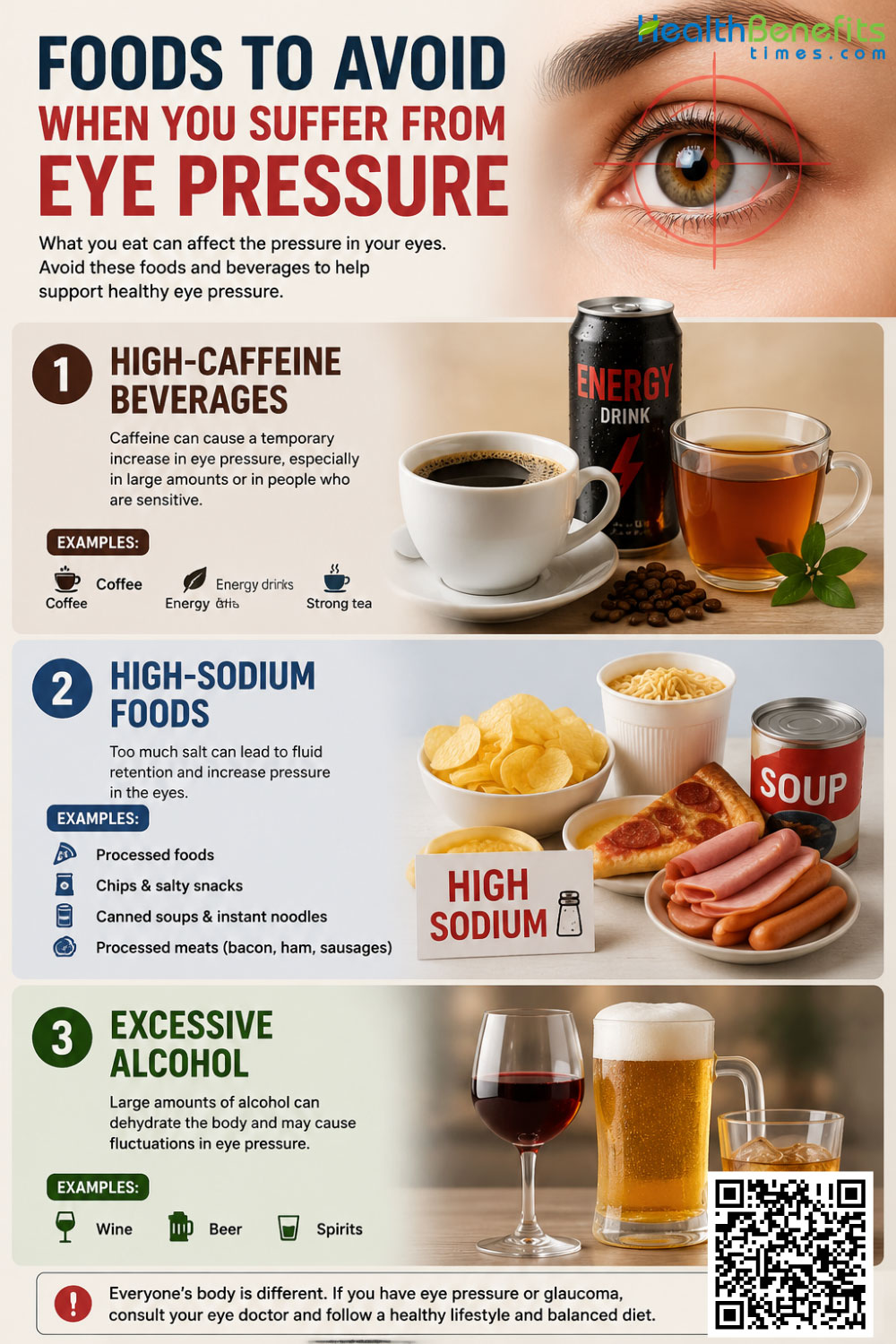
1. High-Caffeine Beverages
Consuming excessive amounts of espresso, strong coffee, or heavily caffeinated energy drinks triggers rapid vascular constriction in your body. This vascular reaction results in measurable, transient increases in eye pressure that can unfortunately persist for several hours after consumption 15.
2. High-Sodium Foods
Heavily processed meats, canned soups, and fast food dump massive amounts of salt into your system. This dietary overload drives up your systemic blood pressure and negatively influences the delicate pressure gradients necessary for healthy ocular fluid drainage 19.
3. Excessive Alcohol
While a single drink might occasionally cause a temporary, minor drop in pressure, habitual or heavy alcohol consumption is strongly correlated with a higher baseline intraocular pressure and a significantly increased risk of long-term optic nerve damage.
Activities to Avoid When You suffer from Eye Pressure
1. Inverted Yoga Poses
Placing your head entirely below your heart in positions like downward-facing dog, headstands, shoulder stands, or the plow pose relies on gravity to rush fluid straight to your head. These specific postures have been clinically shown to dramatically double or even triple intraocular pressure within minutes 20.
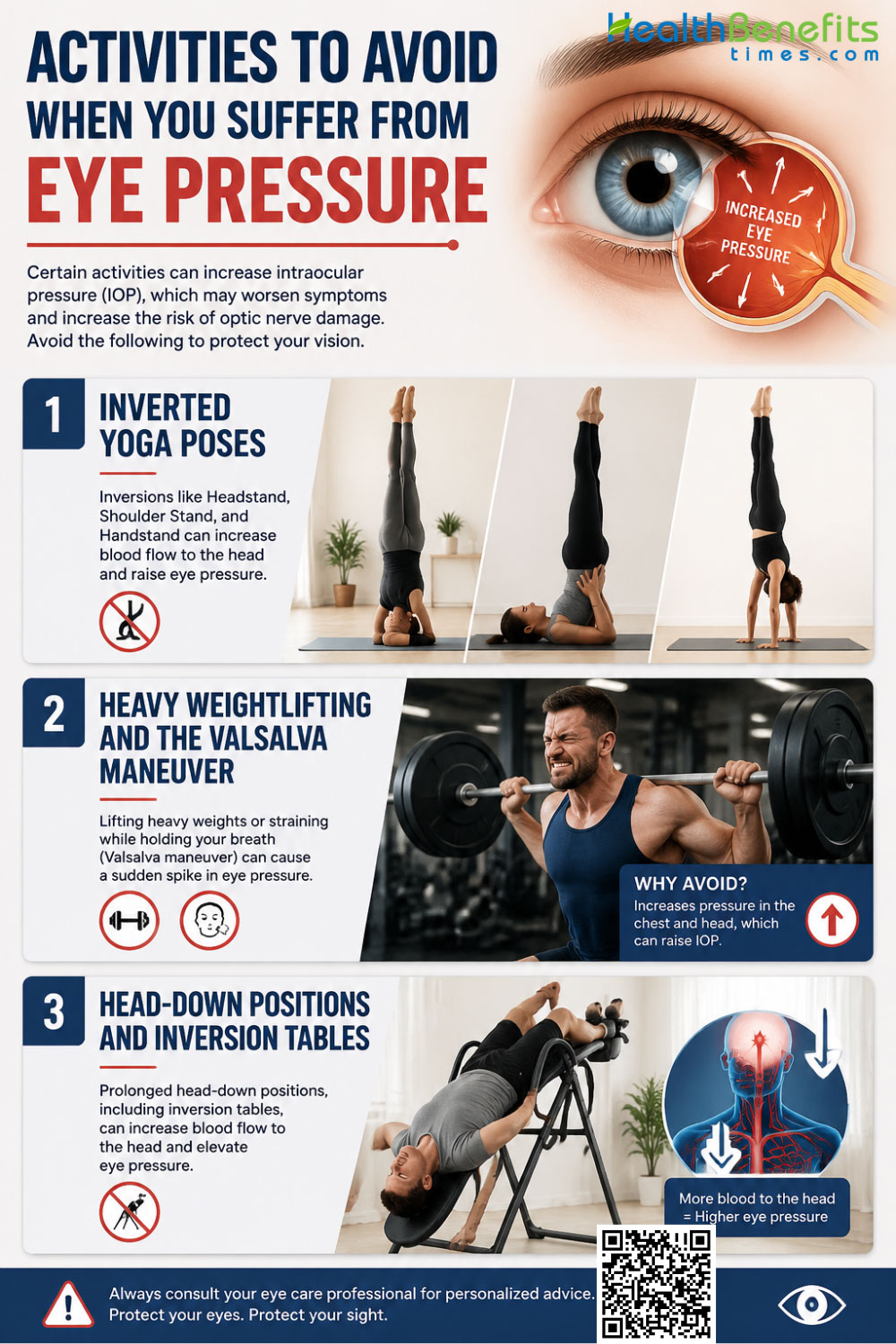
2. Heavy Weightlifting and The Valsalva Maneuver
Maximum exertion exercises, especially heavy bench presses or deadlifts, force intense muscle contractions. Holding your breath while forcefully bearing down blocks the windpipe and creates a massive, instantaneous pressure spike in your head and eyes that must be avoided.
3. Head-Down Positions and Inversion Tables
Utilizing therapeutic devices designed to hang you upside down for back pain relief forces ocular pressure to skyrocket. Placing your head below your heart for prolonged periods is exceptionally dangerous for your optic nerve and must be strictly eliminated from your routine 21.
Myths and Misconceptions
Misinformation surrounding ocular conditions routinely leads patients to make poor health decisions or develop highly unrealistic expectations regarding their prognosis. Dispelling these widespread inaccuracies is crucial for establishing proper and safe management strategies.
| Myth | Reality |
| Surgery can permanently cure high eye pressure. | There is currently no absolute cure for this condition. Surgical interventions effectively lower internal pressure and prevent further damage, but they serve to manage the condition long-term rather than curing it completely 22. |
| People with perfect 20/20 vision do not have pressure issues. | Elevated pressure is famously termed the “silent thief of sight” precisely because it often presents zero symptoms. Individuals can easily maintain perfect central vision until the very late, irreversible stages of the disease. |
| A lack of family history guarantees you are completely safe. | While genetics undoubtedly play a significant role, a vast number of diagnosed patients have absolutely no known family history of the disease. Everyone is susceptible regardless of their immediate genetic lineage. |
| Smoking marijuana is a practical, long-term medical treatment. | Although marijuana temporarily lowers eye pressure, the effect lasts merely 3 to 4 hours. Treating a 24-hour chronic condition would require 8 to 10 doses daily, resulting in severe physical, mental, and cardiovascular side effects that negate its medical viability 23. |
| High eye pressure inevitably leads to complete blindness. | Complete vision loss is exceptionally rare with modern medical interventions. With early detection, strict adherence to prescribed therapy, and regular monitoring, the vast majority of patients retain functional eyesight throughout their entire lives. |
Special Considerations
Different life stages and concurrent health profiles demand uniquely tailored approaches to monitoring and managing internal ocular tension. Clinical protocols must be heavily modified to accommodate the specific physiological realities of vulnerable demographic groups.
1. Children
Pediatric fluid regulation anomalies, such as primary congenital glaucoma, represent a severe and fast-moving clinical challenge. Unlike the rigid adult eye, an infant’s eye is highly elastic; therefore, elevated pressure physically stretches the globe, resulting in abnormally large eyes, corneal clouding, and extreme light sensitivity 24. Because vision loss in young children can stem from permanent amblyopia or corneal scarring long before the optic nerve actually dies, immediate surgical intervention is almost always required to preserve their sight 25.
2. Pregnancy
Gestational hormonal shifts naturally decrease intraocular pressure for many healthy women, but patients with pre-existing ocular tension face highly unpredictable outcomes. Clinical monitoring reveals that up to 60 percent of pregnant women with pressure disorders actually experience worsening visual fields or dangerous pressure spikes during their terms 26. The situation is further complicated because virtually all pharmaceutical eye drops cross the placenta and eventually enter breast milk. Consequently, standard medications are often contraindicated, forcing ophthalmologists and obstetricians to collaborate closely, sometimes relying on early laser therapies to bypass medication entirely 27.
3. Chronic Conditions
Patients managing systemic chronic diseases face compounded risks regarding their overall optical health. Conditions such as diabetes mellitus and systemic hypertension heavily damage the delicate microvasculature of the entire body, fundamentally compromising the steady blood flow required to keep the optic nerve healthy 28. Furthermore, individuals suffering from severe myopia possess structurally elongated eyeballs, which inherently weakens the supporting tissues of the drainage angles and mandates much more aggressive screening protocols.
4. Elderly
Advanced age stands as one of the most prominent, unmodifiable risk factors for fluid drainage failure. As the human body surpasses 60 years of age, the cellular integrity of the trabecular meshwork naturally degrades, creating sluggish fluid outflow and a significantly higher prevalence of elevated tension 29. Because elderly populations frequently manage multiple systemic illnesses and take various prescription medications, their treatment plans require meticulous clinical oversight to avoid adverse drug interactions and to ensure stable ocular perfusion pressure.
Precaution before use of natural remedies when you have Eye Pressure
Integrating holistic approaches into your lifestyle requires a high degree of caution and transparent communication with your healthcare providers. You must navigate natural supplementation with the exact same rigor and respect as traditional pharmaceuticals.
- Never Abandon Prescribed Treatments: You must never substitute your medically prescribed eye drops or clinical treatments with dietary supplements. Vitamins, herbs, and dietary changes completely lack the immediate potency required to halt acute physical damage to your optic nerve 30.
- Consult Your Ophthalmologist First: Always initiate a formal discussion with your eye care specialist before purchasing or consuming any concentrated herbal extracts. You must ensure that these natural remedies align safely with your specific disease progression and medical history.
- Beware of Excessive Mineral Intake: You should strictly monitor your overall consumption of certain over-the-counter minerals. Clinical data shows that taking excessively high doses of supplemental calcium and iron actually increases oxidative stress pathways, which corresponds directly with higher odds of developing severe eye pressure issues 31.
- Acknowledge Short-Term Efficacy: Understand clearly that lifestyle changes, such as aerobic exercise, only lower your pressure temporarily. If you abruptly stop your walking or cycling routine, your internal pressure will revert directly to its previous dangerous levels 32.
When to see Doctor
Medical emergencies involving your vision afford absolutely no window for hesitation, as optical nerve fibers cannot regenerate once they are destroyed. You must seek immediate, emergency evaluation from an ophthalmologist if you experience any of the following critical warning signs.
- Sudden and Severe Visual Blurring: If your eyesight rapidly loses focus, drops in acuity, or goes completely dark in a matter of hours, you must bypass home remedies and head directly to a clinical setting for emergency care 8.
- Intense Ocular or Forehead Pain: You should never ignore a deep, throbbing ache radiating from your eyeball to your brow. This specifically indicates a severe, acute blockage of your internal fluid drainage that requires immediate medical intervention.
- Appearance of Rainbow Halos: If you suddenly begin seeing distinctly colored rings or glowing halos surrounding lamps, streetlights, or headlights, your cornea has likely become swollen with trapped fluid and requires urgent attention.
- Nausea Accompanied by Eye Discomfort: You must urgently consult a doctor if severe stomach sickness or active vomiting coincides with a red, painful eye. This directly signals a systemic reaction to extreme cranial pressure and is highly indicative of an acute attack 33.
- Routine Age-Based Screenings: Even if you feel perfectly healthy and have no symptoms, you must schedule a comprehensive dilated eye exam by age 40 to establish a clinical baseline. You must commit to returning every 1 to 2 years if you possess genetic, structural, or lifestyle risk factors 34.
Comments
comments