

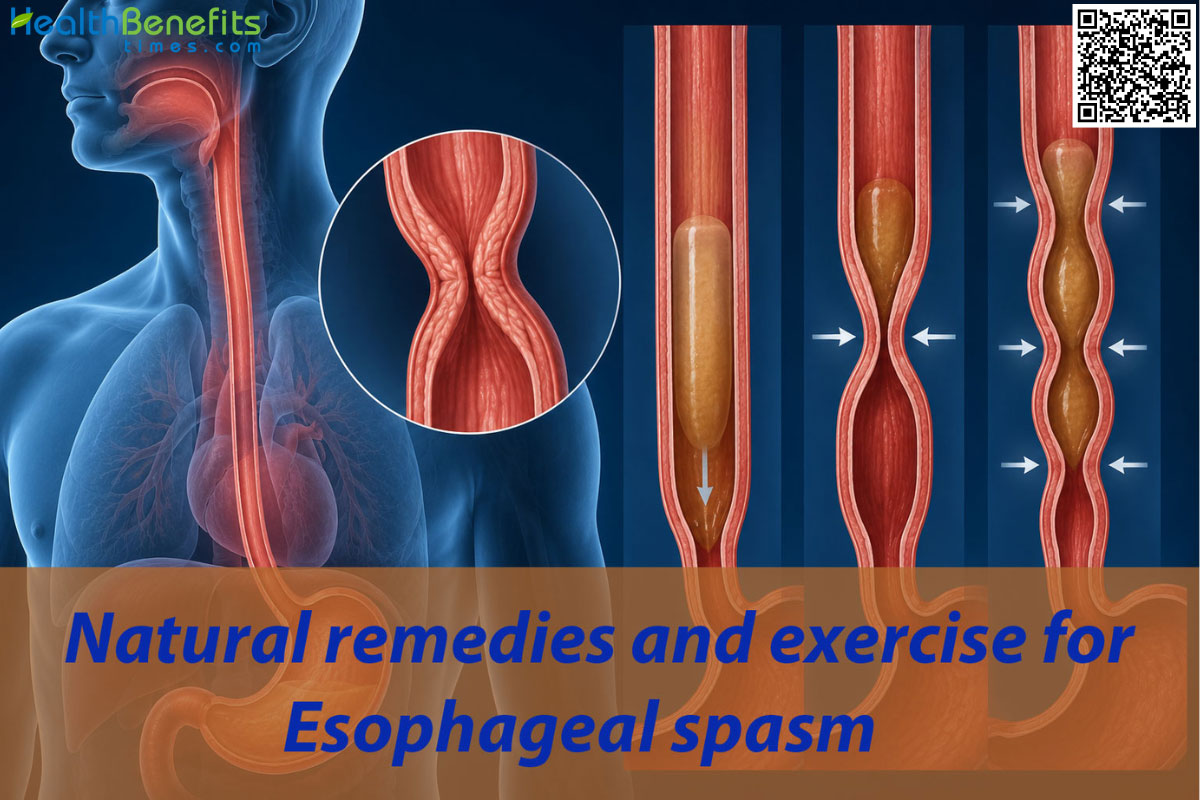
Learning about the inner workings of the human body can sometimes feel like exploring a hidden universe, especially when looking at the digestive system. Distal esophageal spasm, which is commonly referred to simply as an esophageal spasm, is a relatively rare but highly impactful movement disorder affecting the gastrointestinal tract 1. Medical professionals define this specific condition as the sudden occurrence of uncoordinated, simultaneous muscle contractions in the smooth muscle lining of the lower esophagus. Normally, the esophagus uses a gentle, coordinated, wave-like pushing motion called peristalsis to move food from the throat down into the stomach. However, in individuals with this condition, the muscles contract randomly and with intense force, completely disrupting the natural flow of digestion 2.
Gathering an accurate diagnosis for this issue requires specialized medical testing to observe the muscles in action. Doctors typically look for specific clinical markers during a swallowing test, such as premature muscle contractions that occur in at least twenty percent of a patient’s wet swallows, often paired with contraction strengths that exceed 30 mmHg 1. With the help of modern high-resolution manometry equipment, the medical community also searches for technical signs, such as a distal latency of under 4.5 seconds occurring alongside the normal relaxation of the lower esophageal sphincter, to officially confirm the presence of this unique spasmodic disorder 2.
Causes of Esophageal Spasm
Delving into the root triggers of this uncomfortable condition reveals a complex mix of bodily signals and structural changes. While the exact, singular cause remains somewhat of a medical mystery, researchers have identified several major contributing factors that disrupt normal swallowing.
1. Uncoordinated Nervous System Signals
Understanding how we swallow requires looking at the delicate balance of nerves controlling our throat and chest. The coordination of a healthy swallow relies heavily on a precise sequence of excitatory and inhibitory nerve pathways firing at exactly the right time. A disruption in this communication network, often believed to be caused by uncontrolled brain signals running down to the nerve endings in the chest, can easily trigger sudden spasms 2. When the nerves send mixed signals, the esophageal muscles do not know whether to squeeze or relax, leading to a simultaneous, painful cramp.
2. Neurotransmitter Imbalances
Chemical messengers play a massive role in how our muscles behave on a second-by-second basis. An increased release of acetylcholine, which is a powerful chemical messenger that commands muscle fibers to contract, is heavily implicated in diffuse esophageal spasms 2. When the local nerve endings flood the esophageal tissue with too much acetylcholine, the muscles fire too frequently and far too forcefully, resulting in the hypercontractile squeezing associated with this disorder.
3. Gastroesophageal Reflux Disease (GERD)
Stomach acid belongs strictly in the stomach, and when it escapes, it causes significant trouble for the surrounding organs. Chronic exposure to harsh stomach acid can severely irritate the delicate mucosal lining of the esophagus and its underlying nerve networks. Over time, this constant acid wash creates a hypersensitive environment inside the food pipe, making the local muscles highly twitchy and prone to uncoordinated, spastic contractions as a defense mechanism against the burn 2.
4. Structural Muscle Thickening
Physical changes to the anatomy of the digestive tract can also alter how food travels downward. In many diagnosed instances, patients present with a physical thickening of the muscle walls, known in the medical field as muscular hypertrophy or hyperplasia. This thickening is usually present in the lower two-thirds of the esophagus, fundamentally altering how the muscle tissue flexes and stretches during a normal swallow 2. Thicker muscles often require more force to move and can easily fall into an uncoordinated rhythm.
5. Nitric Oxide Deficiency
Relaxation is just as important as contraction when it comes to moving food through the body. The spasms are frequently tied to a localized deficiency of nitric oxide within the esophageal tissues. Nitric oxide is a vital inhibitory molecule responsible for telling the smooth muscles precisely when to relax and open up 3. Without enough of this calming molecule present, the muscles remain in a tense, contracted state, blocking the passage of food and causing significant chest discomfort.
Symptoms of Esophageal Spasm
Recognizing the specific warning signs of this muscular issue is the first step toward finding relief and communicating effectively with a healthcare provider. The symptoms can vary in intensity from person to person, but they generally follow a distinct pattern.
- Episodic Noncardiac Chest Pain: Individuals frequently experience a sudden, intense, squeezing pain right in the center of the chest that can easily be mistaken for a serious heart attack, even though it originates entirely from the digestive tract 2.
- Intermittent Dysphagia: There is often a recurring, unpredictable difficulty in swallowing both solid foods and plain liquids, making the everyday act of eating feel frustrating and physically uncomfortable.
- Sensation of Trapped Food: Many patients describe a highly distressing feeling that a bite of food has paused or become permanently lodged somewhere in the middle of their chest, refusing to move up or down.
- Frequent Regurgitation: Food or liquid that has just been swallowed may inadvertently travel back up the esophagus toward the back of the throat, which happens independently of feelings of nausea or traditional stomach vomiting 4.
- Temperature-Triggered Discomfort: The onset of severe chest pain or swallowing difficulty is uniquely susceptible to being provoked by the ingestion of excessively cold foods, ice water, or frozen desserts 5.
Esophageal Spasm Facts
Gathering the essential truths about this condition helps paint a clearer, more comprehensive picture of who it affects, how it behaves, and what the medical community looks for during diagnosis.
| Fact Category | Details |
| Symptoms |
|
| Causes |
|
| Types of Esophageal spasm 6. |
|
| How does spread |
|
| Age Group |
|
| You might be at a higher risk for exposure of this disease if you: |
|
| How doctors diagnose |
|
| Other facts |
|
Natural remedies for Esophageal spasm
Turning to nature can offer a variety of gentle, effective ways to calm an irritated digestive tract without relying solely on heavy pharmaceuticals. By understanding the science behind traditional botanicals and thermal treatments, you can actively participate in managing your own digestive comfort.
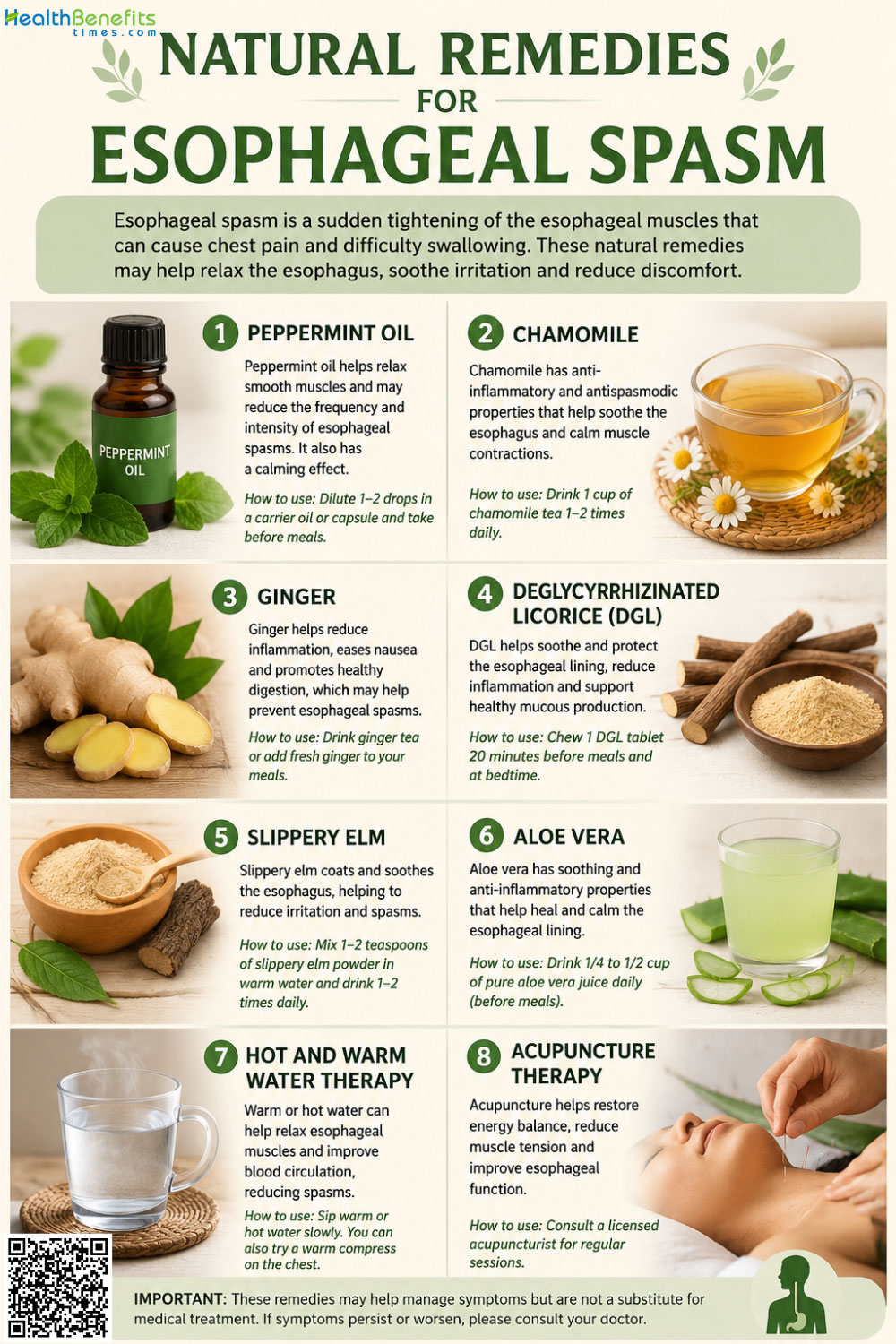
1. Peppermint Oil
Discovering the soothing power of peppermint oil can be an absolute game-changer for daily digestive comfort. The primary active component found inside this fragrant essential oil is menthol, a compound uniquely capable of promoting the deep relaxation of gastrointestinal smooth muscles 3. Menthol achieves this calming effect by physically dampening the influence of contractile neurotransmitters, such as acetylcholine and histamine, which otherwise tell the esophagus to squeeze tightly. Furthermore, the menthol actively blocks L-type calcium channels located in the muscle cell walls. Because calcium is strictly required for any muscle fiber to tense up, blocking these microscopic channels prevents the esophagus from entering a rigid state of spasm. Clinical evidence has shown that peppermint oil can completely eliminate simultaneous esophageal contractions and vastly improve the variability of muscle amplitude, making swallowing feel much smoother and more predictable 7. Because it counteracts the pathophysiology of the disorder naturally, it stands out as a highly effective, low-cost alternative to traditional blood pressure medications often used for this condition.
Note: You can easily apply this remedy by mixing exactly five drops of pure, food-grade peppermint oil into a small glass of warm water (about 10 mL) and drinking it ten minutes before your meals to relax your esophagus and prevent sudden spasms.
2. Chamomile
Welcoming a warm cup of chamomile into a daily routine offers far more health benefits than just providing a good night’s sleep. This ancient, daisy-like medicinal herb is packed with powerful flavonoids and terpenoids, most notably apigenin, chamazulene, and bisabolol, which work together beautifully to reduce systemic inflammation and oxidative stress 8. When it comes to the digestive system, chamomile exerts a significant antispasmodic effect directly on the smooth muscles, helping to physically relax the entire tract and reduce the frequency of harmful acid reflux episodes. It also actively aids the stomach by promoting faster gastric emptying, meaning that food spends much less time sitting in the stomach creating upward pressure against the lower esophageal sphincter 8. Additionally, the natural mucilage and hydroxycoumarins present in the flowers help to lightly coat and protect the sensitive mucosal linings from harsh digestive acids, providing a soothing shield against irritation.
Note: You should enjoy this remedy by brewing a fresh cup of high-quality Roman or German chamomile tea, sipping it slowly either directly after your meals to aid digestion, or just before bedtime to keep nighttime spasms at bay.
3. Ginger
Looking into the average kitchen spice cabinet, ginger emerges as a remarkable, ancient root with profound digestive healing properties. Ginger contains highly potent bioactive compounds known as gingerols and shogaols, which have been traditionally utilized for thousands of years to treat gastric ailments, stomach bloating, and severe indigestion 9. When a person consumes ginger, it actively encourages the lower esophageal sphincter the crucial valve at the bottom of the food pipe to relax more thoroughly during a swallow, making it significantly easier for food to pass into the stomach without getting stuck. It also slightly decreases the velocity of the contraction waves traveling down the esophagus, creating a more measured, less erratic swallowing pattern that is less likely to cramp 10. By gently regulating digestive motility, ginger also helps to safely expel trapped gastric gas, which relieves the upward pressure that might otherwise trigger a spasmodic chest pain attack.
Note: You can harness the benefits of this root by stirring one gram of dried ginger powder into a glass of water, steeping fresh, raw ginger slices in hot water to make a soothing tea, or taking it in a standardized capsule form shortly before eating a meal.
4. Deglycyrrhizinated Licorice (DGL)
Nature has provided a brilliant, heavy-duty mucosal protector in the form of the humble licorice root. The medicinal application of licorice focuses heavily on its rich flavonoid content, which serves to deeply protect the delicate lining of the esophagus from ongoing inflammation and acid-induced tissue damage 8. Licorice actively enhances the body’s natural secretion of mucus in the digestive tract, creating a robust, physical barrier that shields sensitive nerve endings from harsh, acidic irritation. By soothing the raw tissues, it helps break the vicious cycle of irritation and muscle reactivity that so often leads to spastic cramping. Because traditional, raw licorice contains a compound called glycyrrhizin which can dangerously raise blood pressure individuals looking for relief should specifically seek out the deglycyrrhizinated (DGL) form, which has this risky compound safely removed while fully retaining all of its wonderful gastroprotective benefits 11.
Note: You can take this remedy in the form of sweet, chewable DGL tablets, thoroughly chewing one to two tablets about twenty minutes before your meals to ensure the protective compounds properly mix with your saliva to coat your throat and esophagus.
5. Slippery Elm
Walking through the history of Native American traditional remedies, slippery elm stands out as one of the most reliable, comforting botanicals available for throat issues. The inner bark of the slippery elm tree contains a very high concentration of mucilage, a complex polysaccharide substance that transforms into a thick, slick gel the moment it comes into contact with water 12. This unique, slippery texture allows it to form a highly soothing, physical coating directly over the irritated or ulcerated mucosa of the human esophagus. By thickly blanketing the tissue, slippery elm immediately alleviates the burning irritation caused by stomach acid, calming the local nerves and subsequently reducing the likelihood of reactive muscle spasms. It also gently stimulates the body’s own natural production of saliva and mucus, naturally enhancing the internal defenses against overall digestive discomfort 13.
Note: You should mix one to two tablespoons of slippery elm root bark powder into a glass of room-temperature water until it reaches a tolerable, syrup-like thickness, drinking it after meals and right before bed to physically coat and soothe your digestive tract.
6. Aloe Vera
Bringing the well-known soothing effects of aloe vera from the realm of sunburned skin to the internal digestive tract offers incredible relief. Pure aloe vera gel contains complex plant polysaccharides and specialized enzymes that aid the stomach in breaking down sugars and heavy fats, facilitating a much smoother, faster overall digestive process 14. For individuals suffering from esophageal discomfort, aloe vera acts as a profound anti-inflammatory agent, actively reducing the swelling and angry redness of the esophageal lining caused by prolonged acid exposure. By promoting deep cellular healing and reducing local tissue inflammation, the underlying muscle layers become far less prone to hypersensitive twitching and sudden spasms. Clinical observations have even shown that specialized aloe vera syrup can be just as effective as certain traditional acid-reducing medications in managing the daily symptoms of gastroesophageal reflux, which is one of the primary triggers for spasms 15.
Note: You can apply this remedy by drinking a small amount (usually one to two ounces) of pure, decolorized, food-grade aloe vera juice about twenty minutes before your meals to coat and soothe your system before food arrives.
7. Hot and Warm Water Therapy
Sometimes, the most powerful and immediate remedies are the ones readily flowing directly from a kitchen tap. The physical temperature of the liquids a person consumes has a profound, immediate mechanical impact on the behavior of their esophageal muscles. Drinking hot or very warm water directly and rapidly reduces the resting pressure of the lower esophageal sphincter, encouraging this crucial, stubborn valve to open fully and easily to accept food 4. Furthermore, warm water actively shortens the duration of active contractions in the esophageal body, meaning that if a painful spasm does occur, the application of heat helps the muscle relax much faster. It also accelerates the clearance of trapped food and acid from the esophagus, preventing the prolonged physical retention that can trigger severe cramping 16. Because of its absolute safety, utter simplicity, and immediate mechanical effect on the tissues, thermal therapy is highly recommended for managing nearly all motility disorders.
Note: You should form a daily habit of sipping a cup of hot or comfortably warm water alongside your main meals, and immediately slowly sip a cup of hot water at the exact moment you feel a chest pain or spasm attack beginning to take hold.
8. Acupuncture Therapy
Looking to ancient therapeutic modalities, traditional acupuncture provides a fascinating, systemic approach to calming an erratic digestive tract. By strategically inserting incredibly fine, sterile needles into specific energy points on the body, acupuncture actively modulates the gastrointestinal nervous system and regulates vagal nerve tone 17. This ancient physical practice has been clinically shown to improve the barrier function of the esophageal sphincter, increasing its resting pressure just enough so that stomach acid cannot easily escape upward to cause burns. More importantly for spasm sufferers, it significantly improves the motor function of the esophageal body by increasing the percentage of intact, healthy peristaltic contractions while drastically decreasing the amount of fragmented, ineffective, and premature muscle spasms 18. Specific acupressure points, such as Zusanli (ST36) and Neiguan (PC6), are specifically targeted by practitioners to harmonize digestive motility and elevate the patient’s overall pain threshold.
Note: You must visit a licensed, registered acupuncturist to receive this physical therapy, which typically involves resting comfortably in a supine position while sterile needles are expertly applied to specific points on your limbs and abdomen for about thirty minutes per session.
Exercise for Esophageal spasm
Training the human body through highly targeted, deliberate movements can fundamentally change how the digestive muscles respond to stress, giving patients back a much-needed sense of physical control.
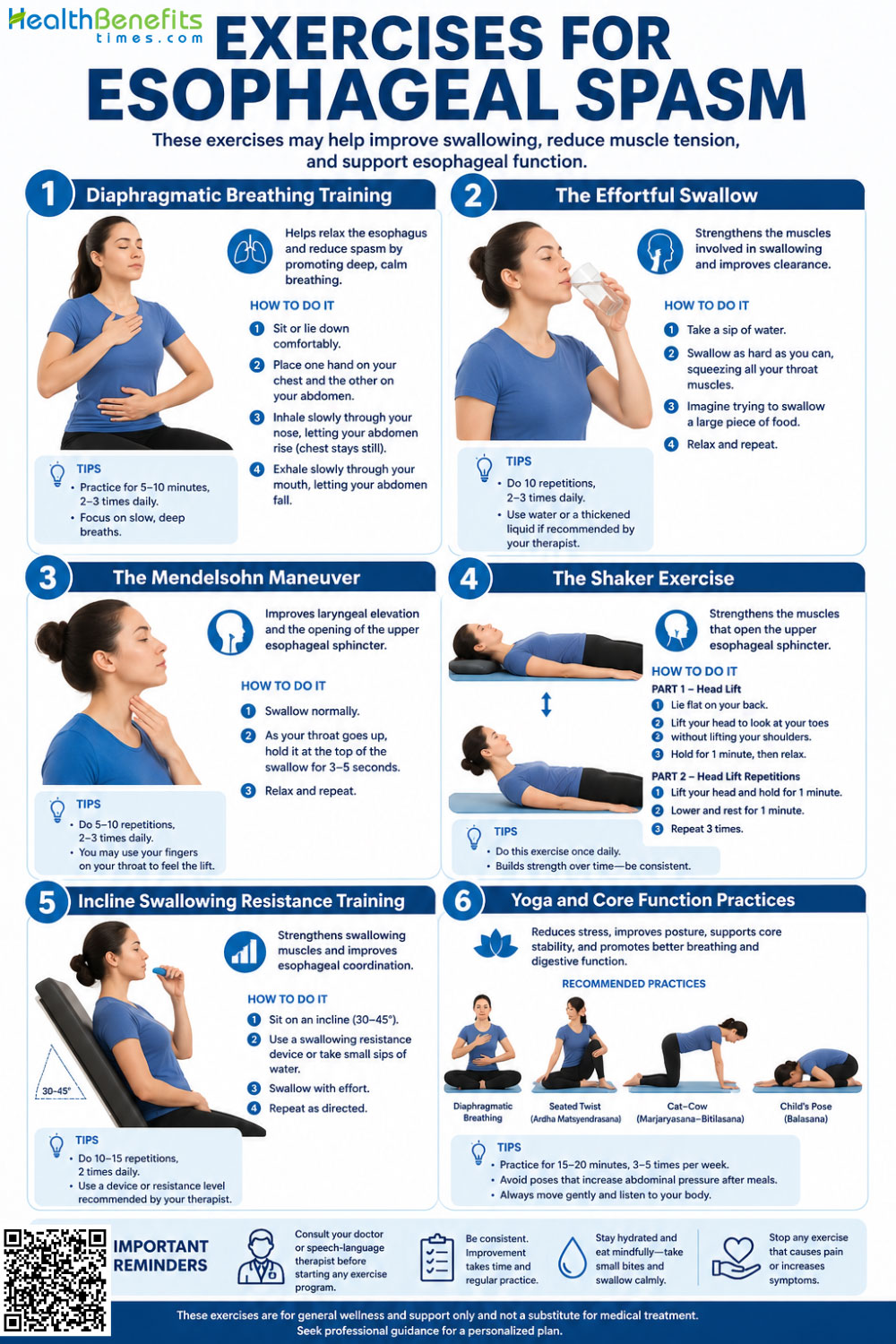
1. Diaphragmatic Breathing Training
Taking a deep, focused breath does much more than simply fill the lungs with oxygen; it actively exercises the primary muscular barrier protecting the esophagus. The crural diaphragm is a thick sheet of skeletal muscle that wraps tightly around the esophagogastric junction, acting as a supportive external valve that contributes to roughly 85% of the lower sphincter’s resting pressure 19. Because the diaphragm is made of skeletal muscle rather than smooth muscle, humans have voluntary control over it, meaning individuals can literally strengthen their own anti-reflux barrier through daily practice. Many people with digestive issues suffer from a postural imbalance that weakens this diaphragmatic activity, causing the sphincter to physically separate from the diaphragm. Deep, focused diaphragmatic breathing corrects this poor posture, alters the physical compliance of the junction, and forces the esophagus to exert better, healthier contractile vigor during the swallowing process 20.
Note: You should practice this by lying flat on your back with one hand resting on your chest and the other on your stomach; breathe in deeply through your nose so only the hand on your stomach rises, then exhale very slowly through pursed lips, repeating this cycle for ten minutes daily.
2. The Effortful Swallow
Transforming an automatic, subconscious reflex into a deliberate, strenuous workout can rapidly rebuild the neuromuscular coordination of the throat and esophagus. The effortful swallow is a specialized exercise specifically designed by speech and swallowing therapists to increase the muscular activation and physical strength of the pharyngeal constrictors and the base of the tongue 21. By consciously applying maximum physical effort to the simple act of swallowing, the patient is recruiting far more muscle fibers than usual, which helps to create a much stronger, more unified driving force to push food downward. This enhanced driving pressure translates directly into better clearance of heavy food boluses into the esophagus, greatly reducing the likelihood that leftover, stuck residue will trigger a secondary, spasmodic reflex. Over time, this high-intensity physical training improves the overall physiology and timing of the entire swallowing mechanism.
Note: You perform this exercise by pushing your tongue up as hard as you can against the roof of your mouth and swallowing with as much intense muscular effort as possible, pretending you are trying to swallow a whole golf ball, aiming for about twenty repetitions per session.
3. The Mendelsohn Maneuver
Learning to manually override the automatic, split-second timing of the throat muscles can bring immense relief to a chaotic, spastic swallowing pattern. The Mendelsohn maneuver is an exercise that focuses on volitionally prolonging the elevation of the larynx (the voice box) and extending the exact amount of time the upper esophageal sphincter remains physically open during a swallow. Normally, this tight upper sphincter opens for just a tiny fraction of a second to let food pass; by holding it open longer through muscle tension, the patient creates a wider, safer pathway for food to enter the esophagus, drastically reducing high-pressure bottlenecks. This highly targeted exercise hones in on the specific physiological components of swallow initiation, essentially teaching the nervous system how to maintain coordinated muscle tension without collapsing into an uncoordinated spasm.
Note: You do this by starting a normal swallow, and at the exact moment you feel your voice box rise to its absolute highest point in your throat, squeeze your neck muscles to hold it up there firmly for up to five seconds before relaxing and finishing the swallow.
4. The Shaker Exercise
Lifting the head might seem completely unrelated to stomach issues, but it is actually one of the most mechanically effective ways to stretch and strengthen the upper swallowing valves. The Shaker exercise is an isometric and isotonic head-raising physical routine that directly fatigues and subsequently strengthens the sternocleidomastoid and suprahyoid muscle groups in the front of the neck 22. The upward and forward movement of these heavy neck structures physically pulls on the upper esophageal sphincter, manually stretching it open much wider than it would open on its own 23. By increasing the anteroposterior diameter and overall cross-sectional area of the sphincter, food can enter the esophagus with significantly less physical resistance 24. This vital reduction in initial throat resistance allows the subsequent esophageal peristalsis to flow far more smoothly, decreasing the erratic, high-pressure demands that often culminate in a painful esophageal spasm.
Note: You should lie completely flat on your back on a firm surface without a pillow, keeping your shoulders flat against the floor, and simply lift your head just enough to look down at your toes; hold this tense position for a full minute, rest, and repeat, followed by thirty quick head lifts.
5. Incline Swallowing Resistance Training
Using the simple, everyday force of planetary gravity can provide a unique and highly effective form of resistance training for the elusive lower esophageal sphincter. While involuntary smooth muscle inside the body typically cannot be strengthened through conscious flexing like a bicep, the esophagus presents a special physiological loophole because the swallow begins voluntarily in the mouth before initiating the involuntary wave 25. By purposely positioning the body so that the mouth is physically lower than the stomach, the esophagus is forced to push a bolus of food upward against the heavy pull of gravity. This requires the lower esophageal sphincter and the distal smooth muscles to do a little extra physical work, effectively conditioning them to function with greater competence and resting tone over time. Patients practicing this novel, unconventional approach have reported the complete cessation of severe reflux symptoms after several months of daily repetition.
Note: You perform this by carefully kneeling on a comfortable surface and bowing your head down so that your mouth is physically lower than your stomach, then taking a small bite of food and swallowing it ‘uphill’ against gravity, repeating this process a few times daily.
6. Yoga and Core Function Practices
Engaging the entire physical body through mindful, ancient movement can significantly alleviate the anatomical and stress-related triggers of severe esophageal dysfunction. Specific, targeted Yoga methods, particularly those involving Pranayama (breath control) and deep abdominal contractions, directly target the deep core muscles and the vital organs of the digestive tract. Practices such as Kapalbhati (rapid, forceful exhalations) and Agnisar kriya (rhythmic drawing in and releasing of the lower abdomen) provide an intense internal massage to the stomach and the lower portion of the esophagus 26. This mechanical, rhythmic stimulation helps to tone the vagus nerve, drastically improve blood flow to the digestive organs, and potentially aid in the management of hiatal hernias, which are a major structural cause of GERD and subsequent esophageal spasms. Regular, dedicated practice has been shown to improve severe symptoms that were previously totally refractory to standard medical prescriptions.
Note: You should ideally learn these powerful techniques under the direct supervision of a certified yoga instructor; for Agnisar kriya, you will stand with your knees slightly bent, exhale completely, and rapidly pull your stomach in and out without breathing in, before relaxing and catching your breath.
Foods and Activities to Avoid When You suffer from Esophageal spasm
Navigating daily life requires knowing exactly what habits and treats might trigger an attack, so you can steer clear of unnecessary pain and discomfort.
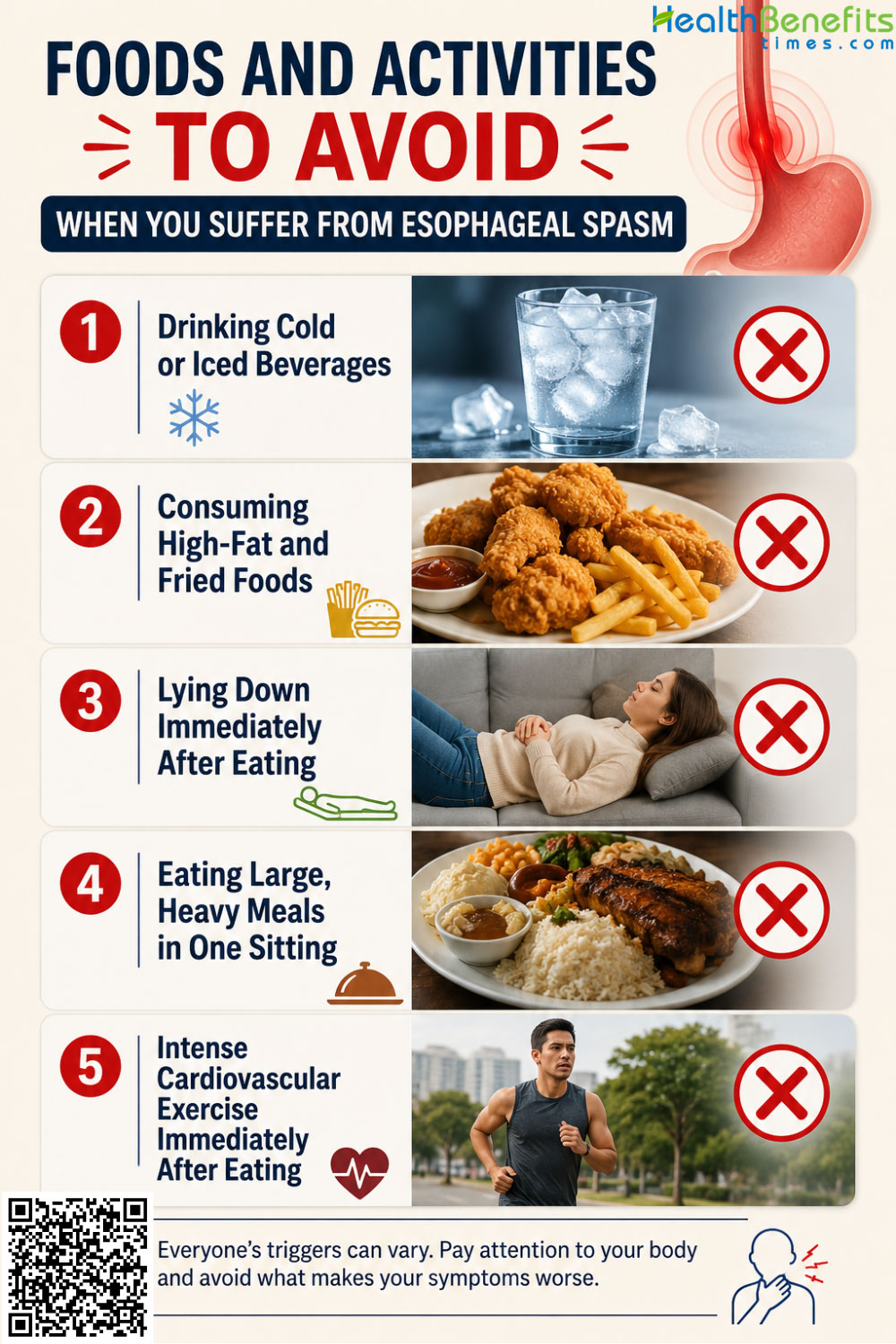
1. Drinking Cold or Iced Beverages
You absolutely must avoid consuming cold water, iced tea, or frozen foods like ice cream during or around meal times. Cold temperatures actively and rapidly increase the resting pressure of your lower sphincter, drastically prolong the duration of any esophageal muscle contractions, and predictably provoke severe chest pain and dysphagia 27. The chilling effect essentially shocks the nerves into a state of panic.
2. Consuming High-Fat and Fried Foods
You should stay far away from greasy, fat-heavy meals like fast food burgers or heavily fried items. Fat takes significantly longer to empty from your stomach than proteins or carbohydrates, creating prolonged upward pressure and massively increasing the likelihood of acid reflux 4. This trapped acid directly irritates the esophageal nerves, creating the perfect environment for a spasm to trigger.
3. Lying Down Immediately After Eating
You need to strictly avoid reclining on the couch or going to sleep right after finishing a meal. Gravity is your esophagus’s best friend; lying flat removes this gravitational assist and allows digesting stomach contents and harsh acids to easily flow backward into the esophagus. This inflames the delicate tissue and is the primary cause of terrifying, painful nocturnal spasms that wake people from their sleep.
4. Eating Large, Heavy Meals in One Sitting
You should refrain from consuming massive, heavy portions in a single sitting, such as at a holiday dinner. Overfilling the stomach physically stretches its muscular walls to their limit and forces the lower esophageal sphincter to yield and open under the intense pressure. It is much safer and easier on your system to eat four to five smaller, well-spaced meals throughout the day to keep digestive pressures perfectly low.
5. Intense Cardiovascular Exercise Immediately After Eating
You must avoid running, heavy lifting, or high-impact aerobics right after eating a meal. Engaging in intense exercise naturally alters your baseline esophageal motility and can easily provoke painful spasms (a medical phenomenon specifically known as exercise-provoked esophageal spasm) 28. This happens due to the body rapidly shifting blood flow away from the gut to the limb muscles, combined with the physical bouncing of the heavy stomach contents.
Myths and Misconceptions
Separating scientific fact from common fiction is absolutely crucial when dealing with a physical condition that can be as frightening and heavily misunderstood as esophageal spasms.
| Myth | Reality |
| Severe chest pain always means you are currently having a heart attack. 2 | While the intense squeezing pain can feel terrifyingly identical to a myocardial infarction, esophageal spasms cause severe noncardiac chest pain that is related purely to digestive muscle cramps, not actual heart damage. However, severe pain should always be medically evaluated first to be safe. |
| Only very elderly people can develop esophageal spasms. | Although the median age of clinical onset is around 60 years old, this motility disorder can easily develop in younger adults of any age group depending on their unique risk factors, such as severe chronic acid reflux, high stress, or underlying nerve issues. |
| Drinking ice water will numb and soothe an inflamed, hurting throat. | Actually, cold water is highly detrimental to the esophagus; it drastically increases smooth muscle tension, prolongs the painful spasm contractions, and severely exacerbates a person’s difficulty swallowing liquids and solids. |
| Frequent esophageal spasms will eventually turn into esophageal cancer. | Esophageal spasms are a completely benign (non-cancerous) functional motility disorder. While they undoubtedly cause significant physical discomfort and negatively impact a person’s quality of life, the spasms themselves do not genetically mutate into cancer. |
| You cannot physically strengthen the muscles inside your esophagus. | While it is true that you cannot flex smooth muscle directly like an arm muscle, targeted physical exercises (like deep diaphragmatic breathing and resistance swallowing) physically strengthen the surrounding anatomical barriers and alter esophageal compliance in a beneficial way. |
Special Considerations
Tailoring our understanding of this condition to different life stages and medical backgrounds ensures that everyone gets the safest, most appropriate, and most effective care possible.
1. Children
While incredibly rare, pediatric cases of esophageal dysmotility absolutely do exist, often presenting as chronic, stubborn food refusal, unexplained crying during meals, or recurrent, painless vomiting. Because young children lack the vocabulary to articulate the highly specific sensation of a spasm or noncardiac chest pain, diagnosis relies heavily on parental observation of eating habits and pediatric gastroenterology tests. Natural remedies like peppermint oil must be used with extreme, calculated caution and only in highly diluted, pediatrician-approved doses, as children have much smaller bodies and far more sensitive gastrointestinal linings than adults.
2. Pregnancy
Expectant mothers experience massive, systemic hormonal shifts, particularly a massive surge in the hormone progesterone, which naturally relaxes smooth muscle tissue throughout the entire body. While this relaxation is biologically meant to accommodate a growing uterus, it also dangerously and inadvertently relaxes the lower esophageal sphincter, leading to severe, daily acid reflux. This constant acid exposure can easily trigger secondary esophageal spasms. Pregnant women must be highly cautious with herbal remedies; for example, taking large amounts of chamomile or traditional licorice can negatively affect hormones or blood pressure, so structural exercises like diaphragmatic breathing are often considered the absolute safest intervention during this time.
3. Chronic Conditions
Individuals currently living with advanced diabetes frequently develop a secondary condition called autonomic neuropathy, which is a type of nerve damage that directly impacts the automatic, subconscious functioning of the digestive tract. When the stomach empties far too slowly (a condition called gastroparesis), the lower esophagus is put under immense, prolonged stress, dramatically exacerbating any existing motility disorders. Strictly managing blood sugar levels (avoiding chronic hyperglycemia) is therefore a highly critical, non-negotiable step in preventing nerve damage and subsequent esophageal spasms for diabetic patients 2.
4. Elderly
The natural aging process brings about a phenomenon known as presbyphagia, which refers specifically to the expected, age-related changes and weakening in the human swallowing mechanism 29. Elderly patients often have significantly decreased muscle reserves, reduced natural saliva production, and multiple overlapping health comorbidities. Furthermore, polypharmacy (the daily act of taking multiple different prescription medications) can severely dry out the esophagus or chemically relax the lower sphincter too much. Gentle, non-invasive interventions like warm water therapy, gentle head-lift exercises, and carefully measured peppermint oil are highly favorable for this demographic, as they offer excellent symptom relief without the adverse, dizzying side effects common to heavy cardiovascular pharmaceuticals.
Precaution before use of natural remedies when you have Esophageal spasm
Taking charge of your own daily health with natural, plant-based remedies is highly empowering, but it requires a careful, informed, and cautious approach to avoid unintended bodily consequences.\
1. Beware of Peppermint Oil if You Have Severe GERD
You must use extreme caution with peppermint oil if your primary digestive issue is a weak, floppy lower esophageal sphincter. Because menthol is such a powerful, effective muscle relaxant, swallowing non-enteric coated peppermint oil can over-relax this crucial valve, allowing massive amounts of harsh stomach acid to wash upward freely. This can potentially worsen your overall reflux disease and end up triggering far more spastic pain than it relieves 11.
2. Understand Slippery Elm’s Medication Blocking Effects
You need to strictly and carefully time your use of slippery elm powder. Because it works by forming a thick, heavy mucilage barrier over your entire digestive tract, it can physically block your stomach lining from absorbing other vital, life-saving medications (like blood pressure pills, heart medications, or thyroid hormones). Always make sure to take slippery elm at least two full hours apart from any prescribed pharmaceutical drugs to ensure they absorb properly.
3. Check for Licorice-Induced High Blood Pressure
You must painstakingly ensure that any licorice supplement you purchase and use explicitly states on the bottle that it is Deglycyrrhizinated (DGL). Standard, whole licorice contains a strong compound that alters human kidney function and can cause a highly dangerous, sudden spike in blood pressure alongside a severe drop in blood potassium levels, which is incredibly risky for your long-term heart health.
4. Monitor Closely for Hidden Herbal Allergies
You should always start with a very small, cautious test dose of any new herbal remedy, particularly chamomile tea. Because the chamomile plant is a direct member of the daisy (Asteraceae) family making it a close botanical cousin to common allergens like ragweed, chrysanthemums, and marigolds individuals with severe seasonal pollen allergies can experience sudden, severe allergic reactions, throat swelling, or contact dermatitis when consuming it 30.
5. Do Not Discontinue Prescribed Regimens Abruptly
You should never, under any circumstances, abruptly stop taking your prescribed proton pump inhibitors (PPIs) or calcium channel blockers in favor of suddenly switching to natural remedies without a doctor’s guidance. Sudden, unmanaged withdrawal from heavy acid-suppressing medications can cause a massive, painful “rebound” of stomach acid production, severely burning the unprotected esophagus and causing incredibly intense, prolonged spastic episodes.
When to see Doctor
Listening closely to the signals your body sends is essential, and knowing exactly when a symptom crosses the line from a manageable daily nuisance to a potential medical emergency can save your life.
1. Sudden, Crushing, Radiating Chest Pain
You must seek immediate emergency medical care by calling an ambulance if your chest pain suddenly radiates to your left arm, up into your jaw, or through to your back, especially if it is accompanied by shortness of breath, sudden dizziness, or profound, cold sweating. Because the pain of an esophageal spasm perfectly mimics a severe myocardial infarction (a heart attack), you should never simply assume it is just a harmless digestive spasm until an emergency room doctor has explicitly run an EKG and ruled out your heart 2.
2. Complete, Unyielding Inability to Swallow
You need to go straight to the emergency room if you suddenly find yourself entirely unable to swallow even your own natural saliva, or if a piece of meat or dense food has become permanently lodged in your esophagus and will not move. This is known medically as an esophageal food impaction, which is a structural emergency that requires immediate endoscopic removal by a doctor to prevent permanent tissue damage or a fatal esophageal tear.
3. Unexplained, Rapid, and Unintentional Weight Loss
You should schedule a prompt, serious visit with a gastroenterologist if your fear of eating (due to pain) or your daily difficulty swallowing has caused you to unintentionally lose a significant amount of body weight over a short period. This rapid weight loss can quickly lead to severe bodily malnutrition and requires aggressive diagnostic testing to rule out dangerous structural blockages, strictures, or malignancies.
4. Vomiting Fresh Blood or Dark Material
You must seek urgent medical evaluation if your typical regurgitation or vomit suddenly contains bright red blood, or if it contains dark, gritty material that looks exactly like wet coffee grounds. This terrifying symptom indicates that the delicate lining of your esophagus or your stomach has begun to actively bleed, likely from severe, unchecked acid erosion or a physically torn blood vessel caused by the force of the spasms.
5. Symptoms Entirely Unresponsive to Lifestyle Changes
You should comfortably consult your primary care doctor or a specialist if you have diligently and perfectly tried dietary modifications, breathing exercises, and various natural remedies for several weeks, yet your dysphagia and chest pain continue to worsen or increase in frequency. You may require targeted, advanced medical interventions to find relief, such as targeted pharmaceutical neuromodulators, specialized Botox injections directly into the spastic esophageal muscle, or in the most severe, relentless cases, a surgical myotomy to physically cut the hyperactive muscle fibers.
Comments
comments