

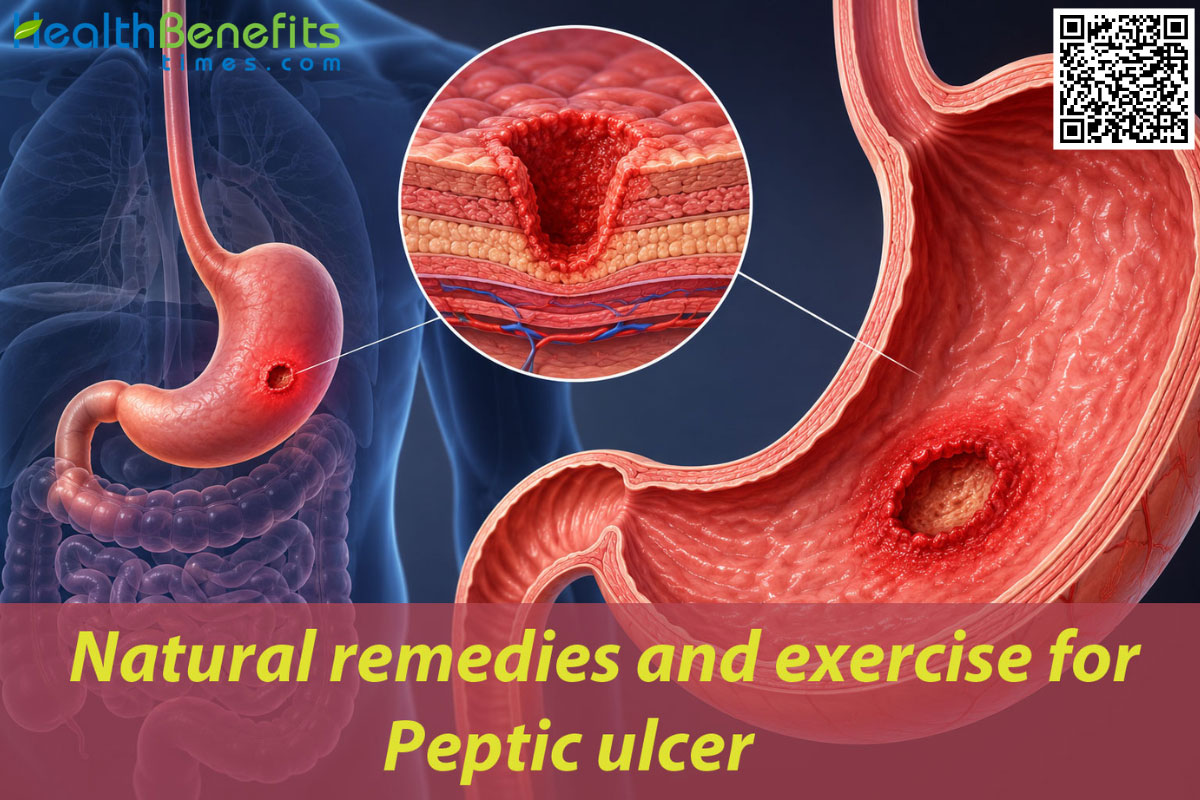
Causes of Peptic ulcer
Understanding the underlying triggers of a peptic ulcer is the most crucial step in the healing journey. A healthy stomach maintains a masterful balancing act between producing harsh digestive acids and secreting a thick, protective mucus layer. When specific factors tip this balance, the stomach’s natural defenses fail, leading to tissue damage.
1. Bacterial Infection from Helicobacter pylori
A resilient, microscopic bacterium known as Helicobacter pylori is the primary culprit behind the vast majority of peptic ulcers globally 5. This spiral-shaped organism is uniquely equipped to survive in the highly acidic environment of the stomach by burrowing deeply into the protective mucous layer. Once established, it generates a chronic state of localized inflammation, systematically weakening the stomach’s defenses and making the tissue highly vulnerable to normal digestive acids.
2. Frequent Use of Non-Steroidal Anti-Inflammatory Drugs (NSAIDs)
Reaching for common over-the-counter pain relievers to manage headaches or joint pain can inadvertently harm your digestive tract. Medications such as ibuprofen, aspirin, and naproxen function by inhibiting specific enzymes in the body to reduce pain and swelling. Unfortunately, this chemical process simultaneously halts the production of prostaglandins, which are vital chemical messengers that tell the stomach to produce its protective mucus barrier 6.
3. Excessive Production of Gastric Acid
In some instances, the human body may naturally produce an abnormally large volume of highly concentrated stomach acid 7. This hypersecretory state can be triggered by genetic predispositions or rare underlying medical conditions, such as Zollinger-Ellison syndrome, where small tumors continuously force the stomach to pump out massive amounts of acid, rapidly eroding the mucosal lining.
4. Tobacco Smoking and Nicotine Exposure
The inhalation of tobacco smoke introduces a host of toxic chemicals into the bloodstream, which dramatically alters the normal blood flow to the digestive organs. Smoking not only reduces the secretion of protective bicarbonates that help neutralize stomach acid, but it also creates a highly hospitable internal environment for Helicobacter pylori to thrive and multiply 8.
5. Heavy and Concentrated Alcohol Consumption
While light social drinking may not immediately cause an ulcer, the consumption of heavy, concentrated spirits acts as a direct chemical irritant to the delicate gastric mucosa. Alcohol behaves like a solvent, slowly stripping away the protective mucus layer and causing acute inflammation that leaves the stomach lining completely exposed to the burning effects of naturally occurring digestive acids 9.
Symptoms of Peptic ulcer
The physical warning signs of a developing ulcer can range from mildly irritating to severely disruptive. Recognizing these early indicators is essential for seeking proper care and preventing further tissue damage.
1. Burning Epigastric Pain
The hallmark symptom is a persistent, gnawing, or burning ache located in the central abdomen, just below the breastbone. This discomfort typically fluctuates in intensity and is heavily influenced by meal times, sometimes improving when food neutralizes the acid, and other times worsening as the stomach churns 10.
2. Nausea and Digestive Upset
A stomach battling inflammation struggles to process food normally, frequently leading to a profound sense of nausea. Individuals often feel an uncomfortable, heavy fullness even after consuming very small meals, which can occasionally escalate to vomiting as the digestive system rejects the incoming food 11.
3. Severe Indigestion and Bloating
The presence of a sore disrupts normal gastric emptying, leading to excessive burping, sour belching, and visible abdominal bloating. This creates a constant feeling of pressure and heartburn that travels upward into the lower chest 12.
4. Unintended Weight Loss
Because the simple act of eating can trigger painful burning sensations, many individuals unconsciously begin to avoid meals or restrict their caloric intake. This fear of eating, combined with impaired nutrient absorption, frequently results in a slow, gradual, and completely unintentional loss of body weight 13.
Peptic ulcer Facts table
| Aspect | Details |
| Symptoms |
|
| Causes |
|
| Types of Peptic ulcer |
|
| How does spread |
|
| Age Group. | While the disease can affect individuals of any age, the overall incidence historically rises as individuals get older.
Complications, such as perforated ulcers, are highly prevalent in individuals over the age of 60. |
| You might be at a higher risk for exposure of this disease if you: |
|
| How doctors diagnose |
|
| Other facts |
|
Natural remedies for Peptic ulcer
When you are suffering from the burning discomfort of a digestive sore, turning to natural, botanical interventions can offer profound relief. These remedies have been studied extensively for their unique abilities to lower inflammation, physically protect the stomach lining, and combat harmful bacteria without relying entirely on synthetic chemicals.
1. Cabbage Juice (Vitamin U)
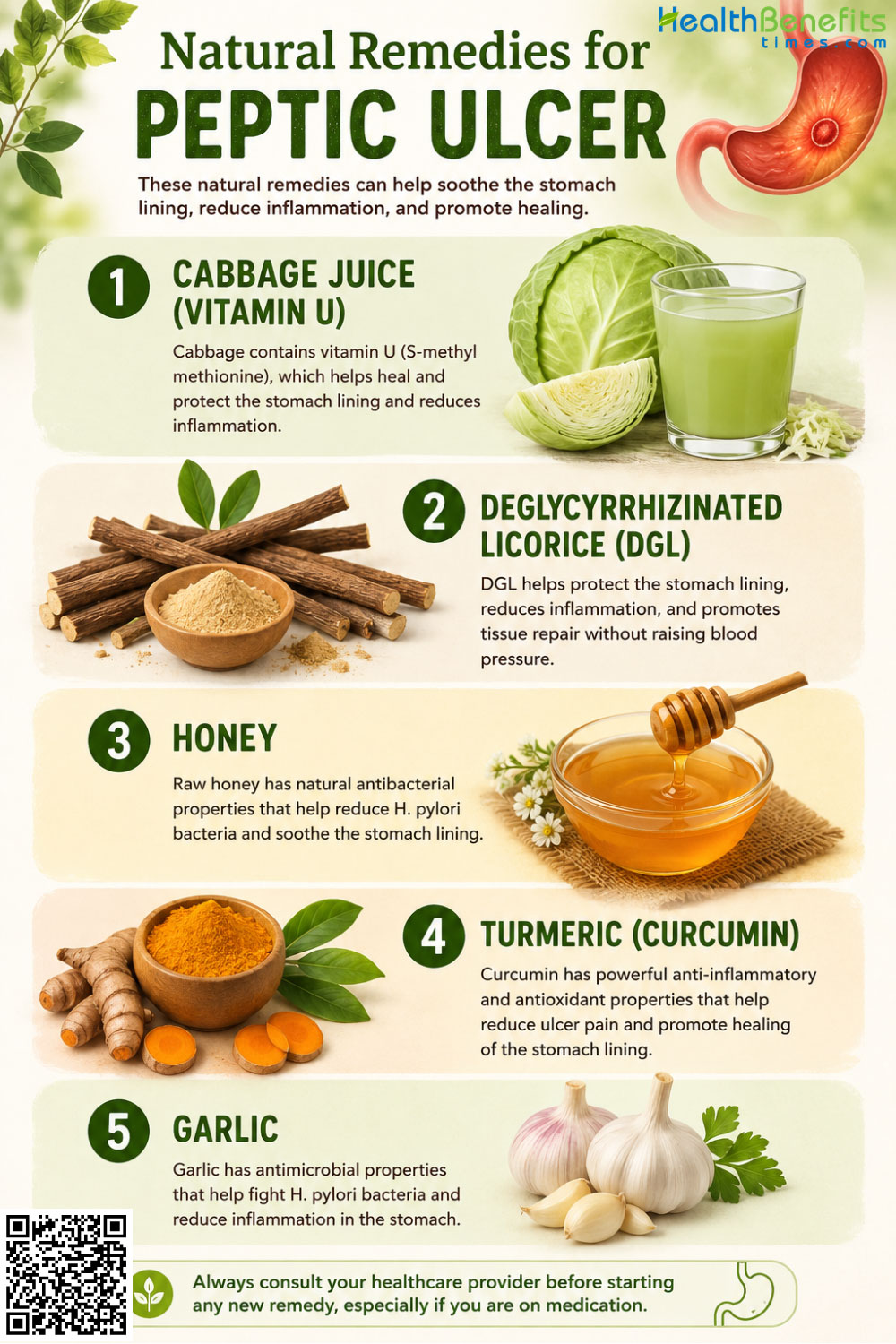
Raw cabbage has been celebrated for decades as a potent, natural healer for the gastrointestinal tract. The therapeutic power of this common vegetable comes from a naturally occurring amino acid derivative historically referred to as “Vitamin U” (S-methylmethionine) 16. When you introduce raw cabbage juice into a damaged digestive system, it acts directly on the denuded mucosa to provide a soothing, anti-peptic factor that dramatically relieves the symptom of pain 17. Clinical observations have revealed that the administration of fresh cabbage juice can remarkably accelerate the healing time of an ulcer crater, helping the tissue knit back together much faster than traditional bland diets alone 18. The natural compounds actively promote cellular repair and protect against further acid erosion.
Note: You can easily use this remedy by passing fresh, raw green cabbage through a juicer and drinking a small glass of the concentrated liquid daily to coat and soothe your stomach.
2. Deglycyrrhizinated Licorice (DGL)
Licorice root is a foundational herb in natural medicine, but raw licorice contains a compound called glycyrrhizin, which can cause unwanted side effects like elevated blood pressure. To safely harness the plant’s healing power, scientists developed Deglycyrrhizinated Licorice (DGL), a specialized extract where the risky molecule has been completely removed 19. When you use DGL, you are providing your stomach with rich flavonoids that actively stimulate your body’s natural defense mechanisms 20. Instead of just neutralizing acid, DGL increases the local blood supply to the damaged mucosa and significantly boosts the production of the protective mucus that lines your entire gastrointestinal tract 21. It also helps extend the lifespan of healthy intestinal cells, making it a highly effective tool for long-term mucosal repair 22.
Note: You must take this remedy as a chewable tablet about 20 minutes before your meals, because mixing the extract with your natural saliva is required to activate its healing properties.
3. Honey
Sweet, dense, and naturally calming, honey is far more than a simple sweetener for your tea. Specific high-quality varieties, particularly Manuka honey and Black Forest honey, have demonstrated potent antibacterial properties that can directly target stomach infections 23. Because honey is extremely dense, it exerts a strong osmotic effect, essentially drawing vital moisture away from bacterial cells and making it incredibly difficult for microbes to survive 24. Additionally, naturally occurring enzymes in the honey produce trace amounts of hydrogen peroxide, creating a hostile environment for invaders while gently soothing the inflamed tissues of your stomach 25. In some traditional practices, combining honey with ground black seeds creates a therapeutic mixture that effectively alleviates symptoms of dyspepsia, abdominal pain, and bloating 26.
Note: You can apply this remedy by eating a spoonful of raw, unpasteurized honey directly, or stirring it into a cup of warm water to gently coat your digestive tract.
4. Turmeric (Curcumin)
Recognized by its brilliant, golden-yellow hue, turmeric contains a powerful active compound known as curcumin, which is a master at reducing systemic inflammation 27. When dealing with an ulcer caused by bacteria, turmeric is highly efficient; laboratory tests have shown that it can achieve a complete killing effect on certain harmful bacterial strains in a matter of minutes 28. Beyond its bactericidal strength, turmeric uniquely possesses anti-adhesive properties, meaning it contains compounds that physically block bacteria from attaching to the delicate host tissue of your stomach 29. By preventing this crucial adhesion, you stop the bacteria from colonizing and allow the damaged ulcer crater the space and time it needs to regenerate healthy tissue 30.
Note: You can easily incorporate this by adding a pinch of turmeric powder to your daily meals, brewing it into a warm golden tea, or taking a standardized curcumin supplement for targeted relief.
5. Garlic
Garlic is celebrated globally not just for its robust culinary flavor, but for its impressive medicinal profile. The true healing magic of garlic lies in its unique organosulphur compounds, specifically allicin, which are released the moment the clove is crushed or chewed 31. These highly active compounds give garlic its famous aroma and deliver strong bacteriostatic properties that help keep your gut microbiome in check 32. While raw garlic can sometimes feel overly sharp on a very sensitive stomach, using an aged, odorless garlic extract provides a highly stable, water-soluble alternative that safely scavenges free radicals and prevents oxidative tissue damage inside your digestive tract 33. Regular exposure to these sulfur compounds helps suppress the proliferation of unwanted bacteria and encourages a balanced internal environment 34.
Note: You can use this remedy by lightly cooking fresh garlic into your restorative soups, or by taking a gentle, aged garlic extract capsule to avoid irritating your stomach lining.
Exercise for Peptic ulcer
Physical activity is a vital cornerstone of human wellness, and its gentle application can have profoundly beneficial effects on your gastrointestinal tract. Regular, mindful movement acts as a non-pharmacological approach to improving digestion, boosting circulation, and reducing the physical impacts of stress on your stomach.
1. Moderate Aerobic Activity (Walking and Jogging)
Engaging in light to moderate aerobic exercise provides a spectacular array of physiological benefits that directly support your gut’s ability to heal. When you take a brisk walk or go for a light jog, you significantly increase your systemic blood circulation, which helps deliver vital oxygen and repair nutrients directly to the damaged tissues of your stomach and duodenum 35. Keeping your body moderately active helps enhance your immune system’s baseline ability to neutralize lingering infections, and it greatly improves your psychological capacity to cope with daily stressful situations 36. Interestingly, there is a “J-shaped” relationship between exercise and ulcer healing; while moderate activity is incredibly protective, extreme or exhausting exercise should be avoided during recovery 37.
Note: You can achieve this by engaging in a comfortable, brisk walk through a park or neighborhood for 20 to 30 minutes a day, ensuring your breathing remains steady and entirely unforced.

2. Yogic Gut Aeration Techniques (YGAT)
Ancient practices have long recognized the deep, inseparable connection between mindful movement and healthy digestion. Yogic Gut Aeration Techniques (YGAT) encompass specific breathing and abdominal exercises such as Kapalbhati and Agnisar kriya that provide a gentle, internal massage to your gastrointestinal organs 38. Because the bacteria that cause most ulcers require very specific, low oxygen levels to survive, introducing aeration to your gut through these specialized movements helps create an inhospitable environment for the infection {https://pmc.ncbi.nlm.nih.gov/articles/PMC1724173/ %}. Practicing these techniques has been shown to result in a significant reduction in gastrointestinal symptoms, less epigastric pain, and a remarkable decrease in psychological stress 39.
Note: You can perform this by sitting upright on an empty stomach, forcefully exhaling while pulling your abdominal muscles inward, and then passively inhaling, repeating this rhythmic pattern carefully.
3. Mind-Body Relaxation and Gentle Stretching
Your gut and your brain are in constant communication via the vagus nerve, which means that a highly stressed mind almost always results in a highly stressed, acidic stomach 40. Practicing gentle, restorative stretching and Mindfulness-Based Stress Reduction actively intervenes in this gut-brain axis 41. During these slow, deliberate movements, your body achieves a deep “relaxation response,” characterized by a simultaneous lowering of your heart rate, blood pressure, and respiratory rate. This physiological shift actively reduces your body’s output of stress hormones, which in turn signals your stomach to turn down its aggressive production of gastric acid 42.
Note: You can do this by finding a quiet space, rolling out a soft mat, and performing slow, deliberate stretches combined with deep, diaphragmatic breathing for 15 minutes each evening.
Foods and Activities to Avoid When You suffer from Peptic ulcer
Protecting a healing digestive tract requires you to consciously minimize your exposure to substances and daily habits that trigger acid overproduction or physically irritate your delicate mucosa. Making a few minor adjustments to your daily routine can yield massive improvements in your daily comfort levels.
1. Coffee and Highly Caffeinated Beverages
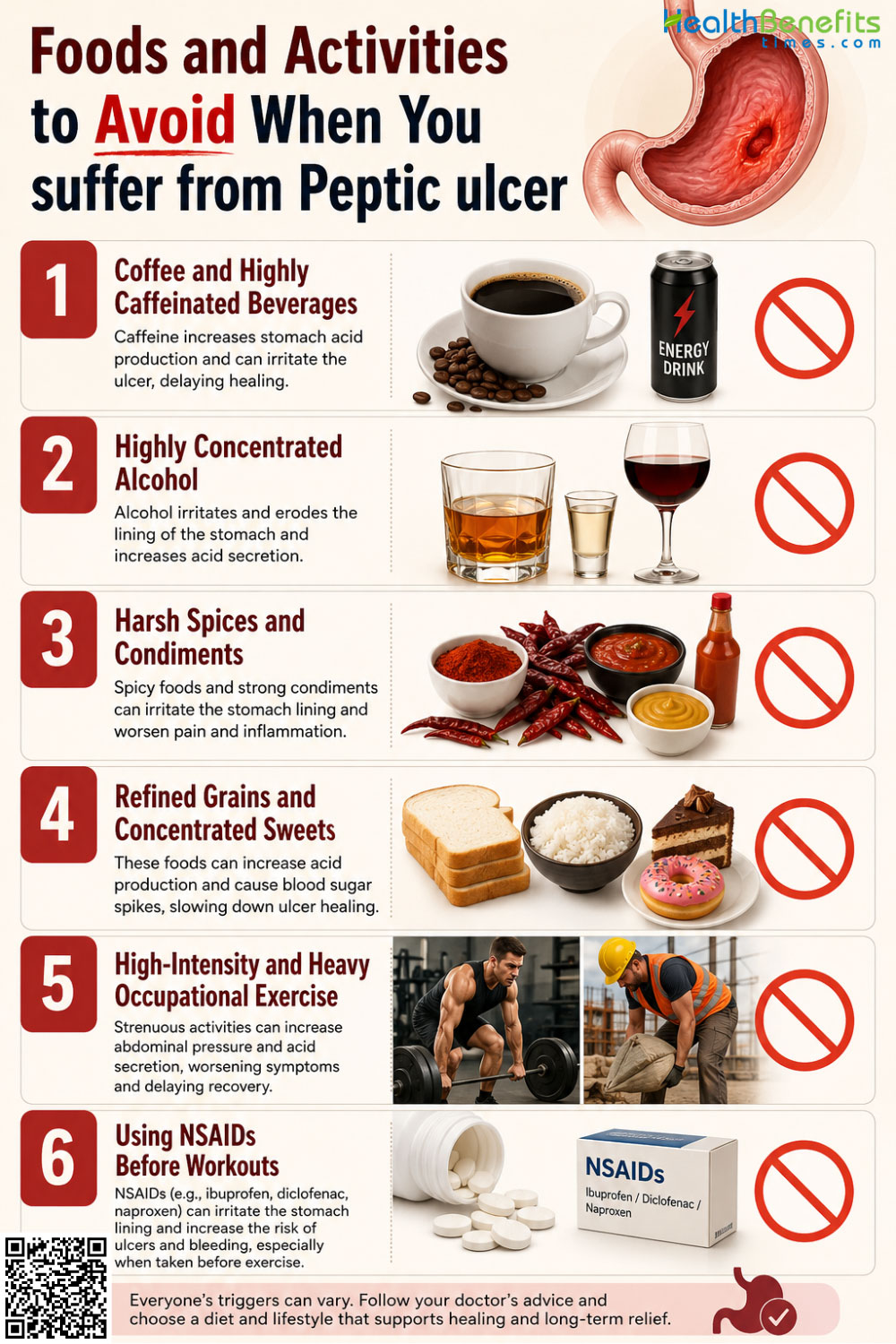
Both regular and decaffeinated coffee possess strong acid secretagogue properties, meaning they actively stimulate your stomach to pump out much more acid than necessary 43. Black tea, energy drinks, and caffeinated soft drinks produce very similar dyspeptic effects and should be heavily restricted or completely prohibited while you are allowing your stomach to heal 44.
2. Highly Concentrated Alcohol
Spirits and liquors with a high alcohol content act as a harsh chemical solvent on your stomach lining. Consuming these beverages strips away the protective mucus layer and causes direct, painful irritation and inflammation right at the site of the sore 45.
3. Harsh Spices and Condiments
While mild, culinary spices are generally safe, extreme irritants like heavy black pepper, raw red chili powder, and crushed mustard grain can cause severe dyspepsia and physical discomfort. Industrialized seasonings like ketchup and mayonnaise often contain hidden acids and artificial preservatives and should be used with extreme caution 46.
4. Refined Grains and Concentrated Sweets
A diet that is excessively high in heavily processed items like white bread, cookies, sugary cakes, and rich chocolate has been statistically associated with poorer digestive health and higher rates of bacterial infections 47. You should pivot toward a diet rich in natural, soluble dietary fiber to support mucosal health.
5. High-Intensity and Heavy Occupational Exercise
While moderate leisure exercise is incredibly healing, engaging in extreme, heavy, or highly strenuous physical exertion can actually divert too much vital blood away from your digestive tract, posing a serious risk of mucosal injury and negative gastrointestinal side effects.
6. Using NSAIDs Before Workouts
Taking aspirin or ibuprofen to prevent workout soreness is highly dangerous when you have an ulcer. These drugs eliminate your stomach’s protective barrier right when physical stress is being applied, easily leading to severe mucosal injury and dangerous internal bleeding.
Myths and Misconceptions
The landscape of digestive health is often cluttered with outdated advice and medical folklore that can confuse patients. Modern scientific evidence has successfully debunked several long-standing beliefs regarding the care, diet, and treatment of peptic ulcers.
| Myth | Reality |
| Patients must eat a highly restrictive, incredibly bland diet to heal. {% https://www.ncbi.nlm.nih.gov/books/NBK557826/ %} | Current evidence absolutely does not support the need for extreme dietary restriction. In fact, eating a normal, varied diet that is high in soluble dietary fiber (from vegetables and non-citrus fruits) is protective and actively reduces the risk of developing duodenal ulcers. |
| Drinking copious amounts of milk will coat and cure stomach ulcers. 48. | While drinking a glass of milk provides a temporary buffering effect that momentarily relieves pain, its dense proteins and fats quickly trigger a massive rebound effect, stimulating the stomach to secrete even more gastric acid shortly afterward. |
| Decaffeinated coffee is completely safe and gentle on the stomach. 49. | The decaffeination process only removes the caffeine stimulant; the coffee bean itself still contains natural compounds that are potent acid stimulators. Drinking decaffeinated coffee will still significantly increase stomach acid production and induce dyspepsia. |
| Swallowing Licorice root capsules is the best way to utilize the herb. 50 | For Deglycyrrhizinated Licorice (DGL) to work effectively, it must physically mix with the digestive enzymes in human saliva. Swallowing it whole in a traditional capsule form bypasses this crucial step and has been proven to be highly ineffective. |
| Once the pain stops, the ulcer is completely cured and gone. {% https://pmc.ncbi.nlm.nih.gov/articles/PMC10257400/ %} | The cessation of pain does not guarantee that the mucosal defect has fully healed. Discontinuing protective measures or treatments too early often leads to a rapid recurrence of the ulcer, as the underlying tissue remains fragile and susceptible to acid damage. |
Special Considerations
Peptic ulcer disease does not affect every demographic identically. Certain stages of life, physiological changes, and underlying health statuses require a highly specialized, nuanced approach to ensure absolute safety and prevent catastrophic complications.
1. Children
While statistically much less common than in older adults, young children can and do harbor stomach infections. A common misconception among parents is that an asymptomatic bacterial infection will cause permanent growth stunting. However, studies show that mild infections and associated iron deficiencies are not directly associated with decreased physical growth in pediatric populations 51. If a child presents with severe, unexplained abdominal symptoms, they should not be treated blindly with adult medications; rather, they require an extensive, gentle diagnostic work-up by a pediatric gastroenterology specialist to formulate a safe, age-appropriate treatment plan 52.
2. Pregnancy and Puerperium
The presentation of an active peptic ulcer during pregnancy is incredibly rare, but when it does occur, it carries immense clinical risks. A perforated peptic ulcer during the third trimester or the postpartum period has a frighteningly high rate of maternal and fetal mortality due to the complex, systemic physiological changes of carrying a child 53. Diagnosis is exceptionally challenging because common ulcer symptoms like nausea and heartburn are frequently mistaken for normal pregnancy discomforts. While certain acid-reducing medications are generally considered safe for the developing fetus, synthetic prostaglandin drugs (such as misoprostol) possess strong uterotonic properties and are strictly contraindicated, as they can induce dangerous, premature uterine contractions 54.
3. Elderly Populations
As individuals advance in age, the risk of severe ulcer complications skyrockets dramatically. The highest mortality rates for peptic ulcers are heavily concentrated among adults aged eighty-five years and older 55. Women over the age of sixty show a dramatic, seventeen-fold increase in the incidence of perforated ulcers, a trend that is largely driven by the frequent, concurrent use of NSAIDs for aging-related joint pain and arthritis 56. Furthermore, elderly patients often possess limited knowledge regarding the self-management of the disease, leading to severe anxiety, poor treatment compliance, and heavily delayed tissue healing 57.
4. Living with Chronic Conditions
Patients living with serious co-morbidities such as liver cirrhosis, end-stage renal disease, chronic obstructive pulmonary disease, and advanced diabetes face a substantially higher risk of upper gastrointestinal bleeding and life-threatening rebleeding events 58. These highly fragile patients require aggressive acid secretory control and extremely careful medical monitoring, especially when adjusting vital blood-thinning medications or daily antiplatelet therapies to protect their cardiovascular health.
Precaution before use of natural remedies when you have Peptic ulcer
While botanical and natural interventions are highly effective and soothing, they contain active chemical compounds that demand your respect and awareness. Exercising proper caution ensures that your pursuit of natural healing does not inadvertently cause you harm.
1. Avoid Raw, Unprocessed Licorice
Standard licorice root contains glycyrrhizin, a natural compound that can trigger severe aldosterone-like side effects, including dangerous spikes in your blood pressure and excessive water retention. You must always ensure the product you purchase is specifically labeled as Deglycyrrhizinated Licorice (DGL) to avoid cardiovascular strain 59.
2. Master the Proper Timing of Botanicals
The true efficacy of natural remedies is highly dependent on when you take them. For example, DGL chewable tablets must be taken exactly twenty minutes before your meals to effectively stimulate your protective mucus; taking them after a meal yields incredibly poor and disappointing results 60.
3. Beware of High-Dose Culinary Spices
While turmeric and ginger are remarkably healing at moderate, culinary doses, consuming extreme amounts of raw, highly concentrated spice extracts can paradoxically stimulate excess gastric acid and cause acute stomach upset if your lining is already highly sensitive 61.
4. Consider Serious Drug Interactions
Garlic possesses strong, natural blood-thinning properties. If you are currently taking prescription anticoagulant medications or high-dose NSAIDs for another condition, combining them with large amounts of aged garlic extract can drastically increase your risk of experiencing an internal bleeding event 62.
5. Strictly Verify Botanical Quality
The natural supplement market is notoriously under-regulated. Utilizing herbal therapies is crucial, but you must take the time to source high-quality, pure botanical extracts from reputable suppliers to completely avoid ingesting hidden contaminants that could further inflame your delicate gastrointestinal mucosa.
6. Do Not Mask Emergency Symptoms
Natural remedies are highly effective for managing baseline pain and promoting long-term healing, but you should never use them to mask the severe, sudden pain of a deeply eroding ulcer. Relying solely on botanicals while completely ignoring worsening, sharp symptoms can lead to dangerous, life-threatening delays in treating a perforated stomach wall.
When to see Doctor
Vigilance is absolutely necessary when you are actively managing your digestive health. While lifestyle adjustments and natural interventions form the bedrock of daily healing, certain red-flag indicators dictate that immediate, professional medical intervention is entirely non-negotiable.
1. Vomiting Blood (Hematemesis)
If any vomited material appears bright red or visually resembles dark, grainy coffee grounds, it strongly indicates that an ulcer has eroded deeply into a major blood vessel, creating a critical internal bleeding emergency that requires a hospital visit immediately 63.
2. Passing Dark, Tarry Stools (Melena)
The sudden passage of black, foul-smelling, or visibly bloody bowel movements is a severe physiological warning sign that digested blood is actively traveling through your intestinal tract, requiring urgent endoscopic evaluation by a specialist 64.
3. Sudden, Severe, and Sharp Abdominal Pain
If your typical dull, gnawing ache abruptly transitions into an excruciating, sharp pain that radiates rapidly to your back, it may signal an ulcer perforation a highly life-threatening scenario where your stomach acid is spilling directly into your abdominal cavity 65.
4. Abdominal Rigidity and Distension
A stomach that suddenly becomes incredibly hard to the touch, visibly swollen, and highly tender (which are clinical signs of peritonitis) indicates severe internal complications that require an immediate surgical consultation to save your life.
5. Unrelenting Nausea and Dangerous Weight Loss
If chronic, unmanaged inflammation leads to a complete inability to keep any food or liquids down, causing rapid weight loss, weakness, and dangerous systemic dehydration, medical professionals must intervene promptly with intravenous fluids to prevent severe malnutrition and stabilize your digestive tract.
6. Complete Failure to Improve
If your painful symptoms persist or continuously worsen despite your strict adherence to dietary modifications, complete avoidance of NSAIDs, and the diligent use of natural remedies over several weeks, you must consult a physician for advanced diagnostic testing and potentially aggressive bacterial eradication therapies.
Comments
comments