

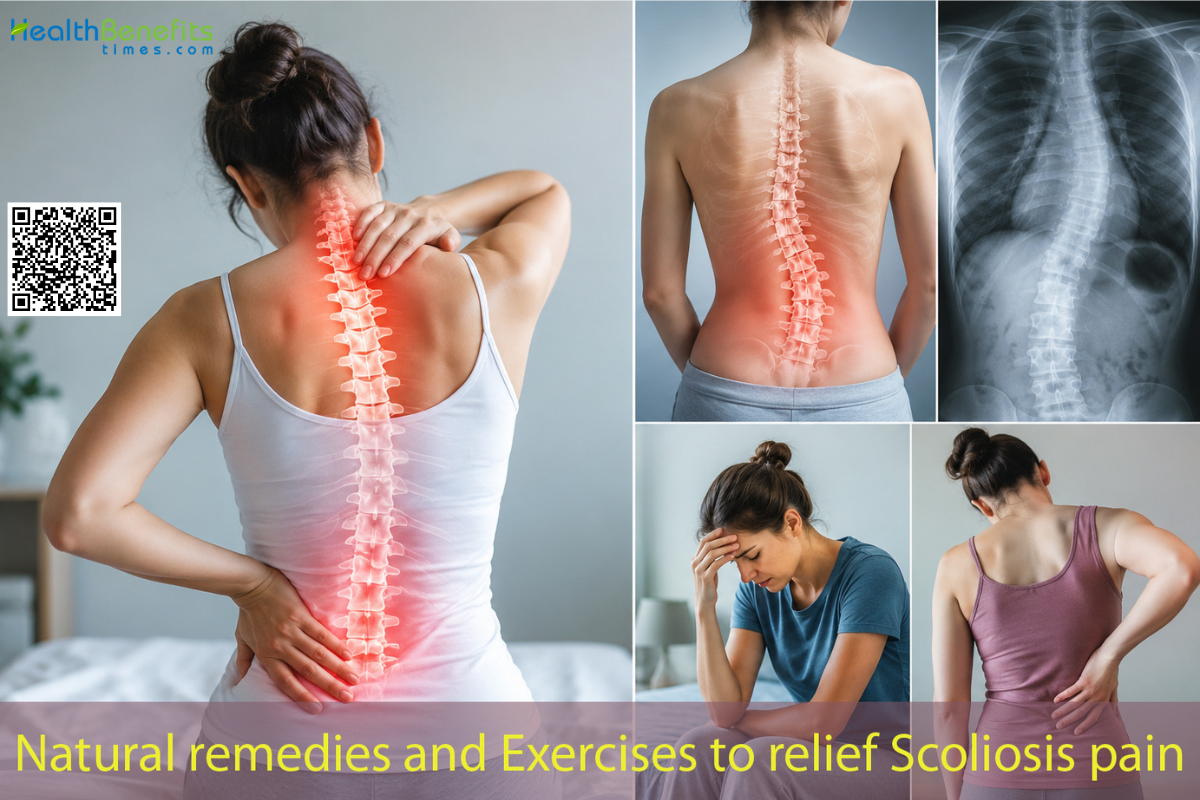
Causes of Scoliosis pain
1. Muscle Fatigue and Imbalance
The uneven curve of the spine forces surrounding back muscles to work harder to support the body, leading to chronic muscle strain and dysfunction.
2. Spinal Disc Pressure
The sideways curve creates asymmetrical, high-pressure zones on the intervertebral discs, especially on the inner side of the curve, which can cause aching.
3. Joint Strain
The twisting of the spine causes unequal physical stress and wear on the facet joints that connect the vertebrae.
4. Loss of Normal Spinal Curves
A reduction in the natural inward curve of the lower back (hypolordosis) shifts body weight improperly, serving as a primary contributor to chronic back pain in scoliosis.
5. Spinal Degeneration
In adults, scoliosis accelerates the natural aging process of the spine, leading to early disc degeneration and osteoarthritis in the spinal joints.
6. Vertebral Slippage (Olisthesis)
The twisted and degenerating spine can cause individual vertebrae to slide out of alignment, creating mechanical instability and pain.
7. Nerve Compression
Severe curvature or accompanying bone degeneration can pinch spinal nerves, resulting in radiating back pain or leg pain, such as cruralgia.
8. Stress Fractures
In younger patients, back pain accompanying a spinal curve may be caused by stress fractures in the spinal bones, known as spondylolysis.
9. Underlying Spinal Conditions
Rarely, a spinal curve and severe, sudden pain are secondary symptoms caused by underlying clinical issues such as bone tumors, cysts, or spinal infections.
Symptoms of Scoliosis pain
1. Chronic Aching or Stiffness
Persistent dull, aching pain in the lower or middle back, often concentrated directly around the spinal curve or the lower lumbar region.
2. Muscle Fatigue and Spasms
Tiring and cramping of the back muscles, particularly on the outward (convex) side of the curve, as these muscles overwork to maintain postural balance.
3. Radiating Nerve Pain (Sciatica)
Sharp, shooting pain that travels from the lower back down through the buttocks and into the legs, resulting from the compression or irritation of spinal nerves.
4. Numbness and Tingling
A “pins and needles” sensation or a noticeable loss of feeling in the lower extremities due to pinched nerves.
5. Neurogenic Claudication
Leg pain, cramping, or heaviness that worsens when standing or walking for extended periods but improves when sitting or leaning forward; this is commonly observed in adults with degenerative scoliosis.
6. Localized Tenderness
Physical sensitivity or soreness when pressure is applied to the muscles, ligaments, or facet joints near the apex of the spinal curve.
7. Postural Fatigue
Difficulty standing fully upright, a noticeable lean to one side, and general physical exhaustion from the body constantly compensating for spinal imbalance.
8. Activity-Related Pain
Back pain that noticeably increases with physical exertion, prolonged sitting, or lifting, and is typically relieved by resting in a supported position. 1, 2, 3, 4, 5
Natural remedies and Exercises to relief Scoliosis pain
1. The Schroth Method: Specialized Physical Therapy for Spinal Alignment
How it may help
The Schroth Method uses customized exercises designed to return the curved spine to a more natural position. It focuses on three-dimensional breathing and specific postures to elongate the trunk and correct spinal imbalances 6. This targeted physical therapy helps retrain the muscles to support a straighter posture, thereby reducing the physical strain that causes back pain.
What research says
Clinical evidence demonstrates that Schroth exercises significantly reduce back pain and improve physical function in patients with scoliosis 7. Research confirms that this specialized physical therapy halts curve progression and enhances overall quality of life by decreasing the severity of chronic aching and muscle fatigue 8.
How to use it safely
To use the Schroth Method safely, you must work directly with a certified physical therapist who specializes in scoliosis treatment. Always perform the prescribed breathing and postural exercises exactly as instructed, gradually increasing your effort to avoid sudden muscle strain or back injury 9.
Potential precautions or side effects
Improper technique can temporarily increase muscle soreness or worsen spinal strain 10. Stop the exercises and consult your therapist if you experience sharp pain, numbness, or breathing difficulties.
2. Physiotherapeutic Scoliosis-Specific Exercises (PSSE): Targeted Muscle Strengthening
How it may help
Physiotherapeutic Scoliosis-Specific Exercises (PSSE) strengthen the specific muscles surrounding the spine to provide better internal support 11. By focusing on self-correction and postural training, these exercises reduce the unequal pressure on spinal joints that causes chronic aching 12. This targeted approach helps the body maintain a balanced posture, directly relieving muscle fatigue.
What research says
Clinical studies demonstrate that PSSE effectively reduces back pain intensity and improves overall back function in individuals with scoliosis 13. Research confirms that patients completing these specific exercise programs experience long-term relief from discomfort and a noticeable improvement in their daily physical activities 14.
How to use it safely
You should perform these exercises under the direct guidance of a trained physical therapist who specializes in scoliosis 15. Begin slowly to learn the correct movements, and consistently practice your customized routine at home to safely build spinal stability without overexerting your back muscles.
Potential precautions or side effects
Performing the movements incorrectly can lead to temporary muscle spasms or worsened back soreness 16. Stop the exercises immediately and consult your therapist if you feel any sharp, sudden pain.
3. Core Stabilization and Pilates: Building Internal Support for the Spine
How it may help
Core stabilization exercises, particularly Pilates, focus on strengthening the deep abdominal and back muscles to create an internal support system for the spine 17. By building this muscular corset, Pilates helps stabilize the torso, improves posture, and reduces the uneven mechanical pressure on spinal joints that causes aching 18.
What research says
Clinical evidence indicates that participating in modified Pilates programs significantly decreases chronic back pain severity in individuals with scoliosis 19. Research confirms these core-strengthening routines not only provide lasting pain relief but also improve spinal flexibility and enhance overall physical functioning in daily life 20.
How to use it safely
You should begin Pilates under the supervision of a certified instructor who has specific experience with spinal conditions 21. Focus on slow, controlled movements and modify the routines to avoid deep backbends or extreme twisting motions that could overstrain your curved spine.
Potential precautions or side effects
Performing advanced exercises without proper form can lead to acute muscle strain and temporarily worsen back pain 22. Stop immediately if you experience sharp pain or radiating nerve discomfort.
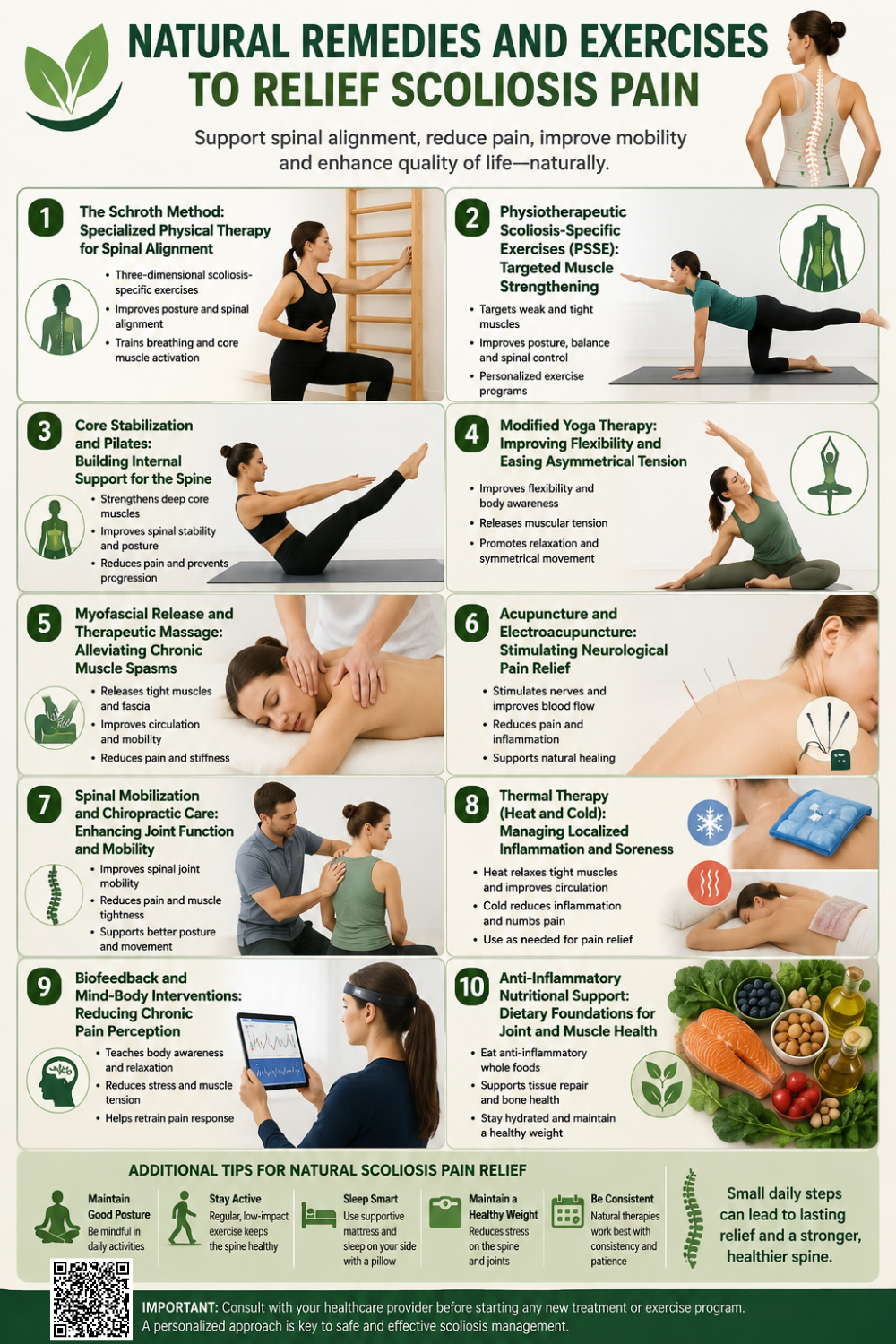
How it may help
Modified yoga therapy involves adapted stretching and breathing exercises designed to lengthen tight muscles and strengthen weak areas along the curved spine 23. By addressing this asymmetrical muscle tension, these customized poses improve overall spinal flexibility and relieve the mechanical stress that causes daily back pain 24.
What research says
Clinical studies demonstrate that practicing specific, asymmetrical yoga poses daily significantly reduces chronic back pain and improves spinal curvature in scoliosis patients 25. Research confirms that this modified approach not only decreases muscle soreness but also enhances postural control and physical functioning over time 26.
How to use it safely
You should only practice yoga under the guidance of an instructor trained in spinal conditions to ensure proper modifications 27. Avoid deep backbends, forceful twists, and inversions, as these standard poses can further destabilize your curved spine and trigger acute discomfort 28.
Potential precautions or side effects
Performing unmodified or advanced yoga poses can severely strain back ligaments and worsen your spinal curve 29. Stop immediately if you experience sharp pain or radiating nerve tingling.
5. Myofascial Release and Therapeutic Massage: Alleviating Chronic Muscle Spasms
How it may help
Myofascial release and therapeutic massage involve applying sustained pressure to tight connective tissues and overworked muscles along the curved spine 30. By relaxing deep muscle spasms and improving local blood circulation, these therapies relieve the severe mechanical tension that constantly pulls on the spinal joints 31.
What research says
Clinical evidence demonstrates that myofascial release significantly reduces pain intensity and corrects muscular imbalances in individuals with structural spinal curves 32. Research confirms that targeted therapeutic massage lowers the severity of chronic back aching and noticeably improves daily physical mobility for scoliosis patients 33.
How to use it safely
You should seek treatment strictly from a licensed massage therapist or physical therapist experienced in treating spinal conditions 34. Always communicate your comfort levels during the session, and ask the practitioner to adjust their pressure to avoid irritating your spine.
Potential precautions or side effects
You may experience temporary muscle soreness or mild bruising after deep tissue treatments 35. Avoid direct, hard pressure on the actual spinal bones to prevent painful joint inflammation.
6. Acupuncture and Electroacupuncture: Stimulating Neurological Pain Relief
How it may help
Acupuncture involves inserting thin needles into specific points to stimulate the nervous system and release natural pain-relieving chemicals like endorphins 36. Electroacupuncture adds a mild electrical current to these needles to further relax deep muscle spasms surrounding the curved spine, effectively interrupting chronic nerve pain signals 37.
What research says
Clinical evidence demonstrates that both traditional and electroacupuncture significantly reduce chronic lower back pain and improve physical mobility in patients with structural spinal conditions. Research confirms these natural therapies offer effective, non-drug relief for the specific musculoskeletal aching and joint stiffness associated with abnormal spinal curvature 38.
How to use it safely
You should only receive treatment from a licensed and board-certified acupuncturist 39. Ensure the practitioner uses sterile, single-use needles, and always clearly communicate the exact location of your spinal curve so they can safely target the correct back muscles without irritating sensitive joints 40.
Potential precautions or side effects
You might experience minor bleeding, bruising, or temporary soreness at the needle sites 41. Avoid electroacupuncture entirely if you have a pacemaker or similar implanted electrical medical device 42.
7. Spinal Mobilization and Chiropractic Care: Enhancing Joint Function and Mobility
How it may help
Spinal mobilization and chiropractic adjustments apply controlled force to restricted joints to restore normal movement and reduce mechanical tension 43. By addressing the joint stiffness and nerve irritation caused by the abnormal spinal curve, these hands-on therapies can relieve localized back aching and muscle fatigue 44.
What research says
Clinical evidence indicates that targeted chiropractic care and mobilization significantly reduce chronic pain scores and improve physical disability in adult patients with structural spinal curves 45. Research confirms these non-invasive techniques provide effective management for musculoskeletal discomfort, though they do not reverse the underlying spinal deformity 46.
How to use it safely
You should strictly seek mobilization therapies from a licensed practitioner experienced in managing structural spinal conditions 47. Always provide your complete medical imaging history before treatment so the provider can safely avoid applying excessive rotational force to vulnerable areas of your spine 48.
Potential precautions or side effects
You may experience temporary muscle soreness, stiffness, or mild joint aching following an adjustment 49. Avoid high-velocity manipulations if you have severe osteoporosis or active nerve compression 50.
8. Thermal Therapy (Heat and Cold): Managing Localized Inflammation and Soreness
How it may help
Thermal therapy utilizes targeted temperature changes to manage the mechanical back pain associated with abnormal spinal curvature 51. Applying cold packs reduces acute inflammation and numbs localized nerve endings during sudden flare-ups 52. Conversely, applying heat promotes blood circulation and relaxes the chronic, deep muscle spasms that occur when back muscles strain to support a curved spine 53.
What research says
Clinical evidence confirms that alternating heat and cold therapy provides rapid, temporary relief for non-specific lower back pain and muscular tension 54. Research indicates that thermal interventions effectively lower patient-reported pain scores and improve short-term physical mobility without the use of pharmaceutical pain relievers.
How to use it safely
You should apply an ice pack wrapped in a cloth for 15 to 20 minutes to manage sudden soreness 55. For chronic muscle stiffness, apply a warm compress on a low setting for 20 minutes 56. Always keep a protective layer between your skin and the temperature source.
Potential precautions or side effects
Prolonged exposure to extreme temperatures can cause localized skin damage, burns, or frostbite 57. Avoid using thermal therapy over areas with decreased skin sensitivity or open wounds.
9. Biofeedback and Mind-Body Interventions: Reducing Chronic Pain Perception
How it may help
Mind-body interventions, including biofeedback and mindfulness, teach individuals to consciously control physiological responses such as heart rate and muscle tension 58. By lowering neurological stress levels and reducing deep back muscle spasms, these techniques alter how the brain perceives the chronic mechanical aching originating from an abnormal spinal curve 59.
What research says
Clinical evidence demonstrates that mind-body interventions significantly reduce physical pain intensity and improve functional disability in patients with chronic back conditions 60. Research confirms that integrating biofeedback with traditional physical therapies decreases reliance on pharmaceutical pain relievers and enhances the overall quality of life for individuals managing structural spinal deformities 61.
How to use it safely
You should seek training from a licensed mental health professional or certified biofeedback therapist who specializes in chronic pain management 62. Consistently practice these techniques alongside physical treatments, as mind-body therapies cannot correct the actual structural curvature of your spine 63.
Potential precautions or side effects
Deep relaxation techniques can occasionally trigger temporary emotional distress or heightened anxiety as suppressed feelings surface 64. Discontinue specific mental exercises if they consistently worsen your psychological distress.
10. Anti-Inflammatory Nutritional Support: Dietary Foundations for Joint and Muscle Health
How it may help
Anti-inflammatory nutrition focuses on consuming whole foods rich in omega-3 fatty acids, antioxidants, and essential minerals to reduce systemic inflammation 65. By mitigating chronic inflammation, these dietary choices help protect spinal cartilage, support joint integrity, and reduce the muscular soreness commonly experienced due to postural imbalance in scoliosis 66.
What research says
Clinical evidence indicates that diets high in anti-inflammatory nutrients, such as those found in Mediterranean-style eating patterns, are associated with decreased chronic musculoskeletal pain 67. Research confirms that specific intake of vitamins and minerals supports bone density and reduces the degenerative joint processes that frequently aggravate scoliosis-related back aching 68.
How to use it safely
You should prioritize whole, plant-based foods, fatty fish, and healthy fats while limiting processed sugars and refined carbohydrates 69. Before beginning any significant dietary changes or starting high-dose supplements, you must consult a registered dietitian or your physician to ensure the plan supports your specific health needs 70.
Potential precautions or side effects
High-dose anti-inflammatory supplements can interact negatively with blood-thinning medications or cause gastrointestinal distress. Always confirm that your dietary changes do not interfere with other medical treatments.
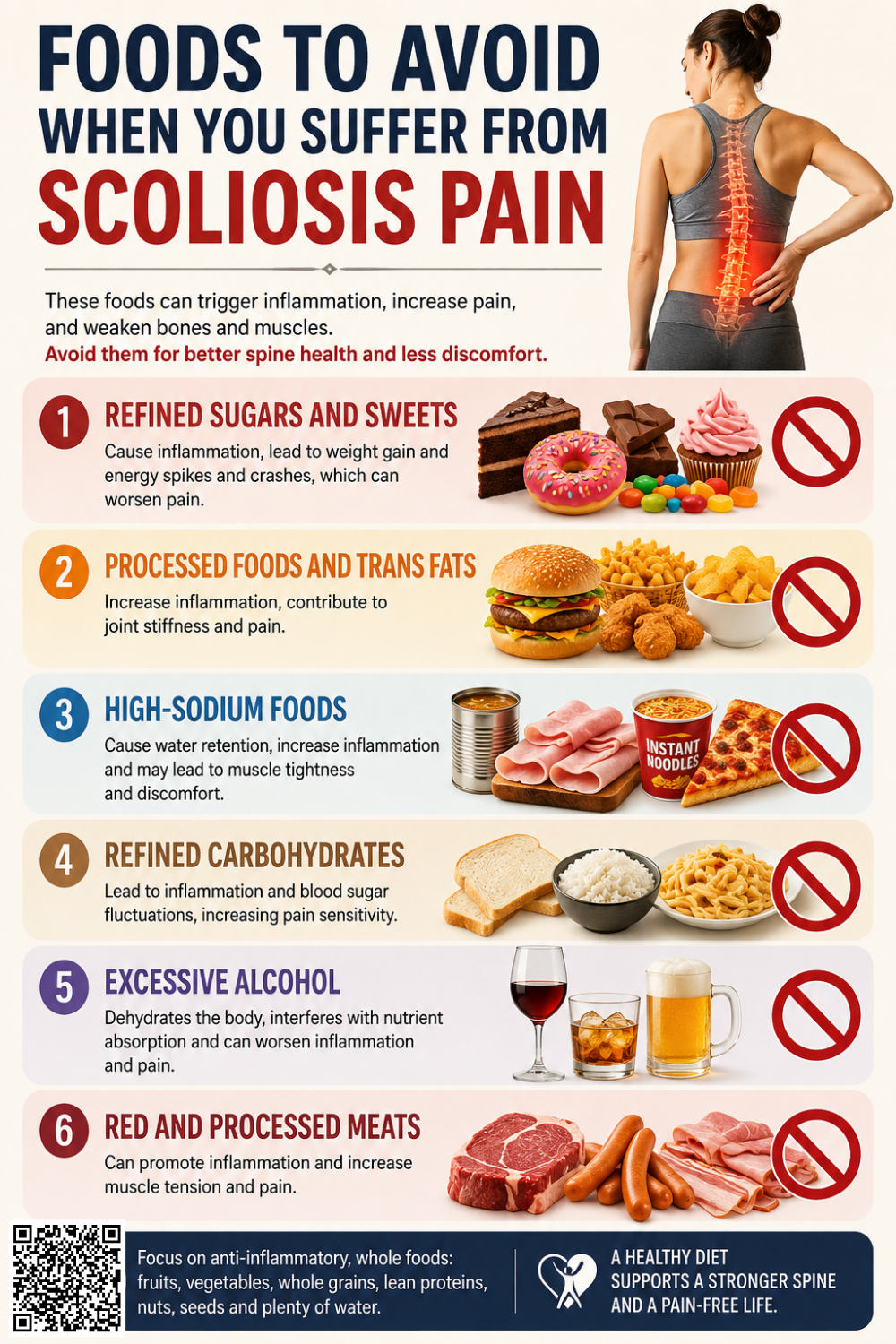
1. Refined Sugars and Sweets
High sugar intake increases systemic inflammation, which can intensify the perception of pain in sore, fatigued muscles surrounding the spinal curve.
2. Processed Foods and Trans Fats
These items often contain industrial oils that promote inflammatory responses in the body, potentially worsening joint discomfort and hindering muscular recovery.
3. High-Sodium Foods
Excessive salt can contribute to water retention and blood pressure issues, which may exacerbate swelling and pressure around already sensitive spinal nerves and discs. 71 72
4. Refined Carbohydrates
White flour products are rapidly converted to glucose, triggering insulin spikes that contribute to inflammatory markers, negatively impacting overall musculoskeletal and joint health. 73
5. Excessive Alcohol
Alcohol consumption can impede the body’s ability to heal damaged tissues and disrupts sleep quality, which is essential for managing chronic pain levels. 74 75
6. Red and Processed Meats
These foods are often linked to higher levels of inflammatory proteins, which may aggravate chronic pain conditions and degrade joint cartilage health over time. 76
When to See a Doctor for Scoliosis Pain
1. Sudden or Severe Pain
Seek medical attention if you experience intense, sharp, or sudden back pain that prevents you from completing your daily activities or disrupts your sleep. 77
2. Neurological Symptoms
Consult a specialist immediately if you notice numbness, tingling, or weakness in your legs, or if you experience radiating pain that travels down into your extremities.
3. Visible Progression of Curvature
If you or others notice a significant change in your spinal alignment, such as one shoulder becoming higher than the other, schedule an evaluation promptly.
4. Bladder or Bowel Changes
Any sudden loss of bladder or bowel control accompanying back pain is a medical emergency that requires urgent evaluation to rule out severe spinal complications.
5. Difficulty Breathing
If your spinal curve appears to be affecting your lung capacity or causing persistent shortness of breath, consult a physician for a thorough respiratory and spinal assessment.
6. Pain Unresponsive to Treatment
If you have tried physical therapy or conservative pain management for several weeks without noticeable improvement, return to your doctor to review your care plan.
Comments
comments