

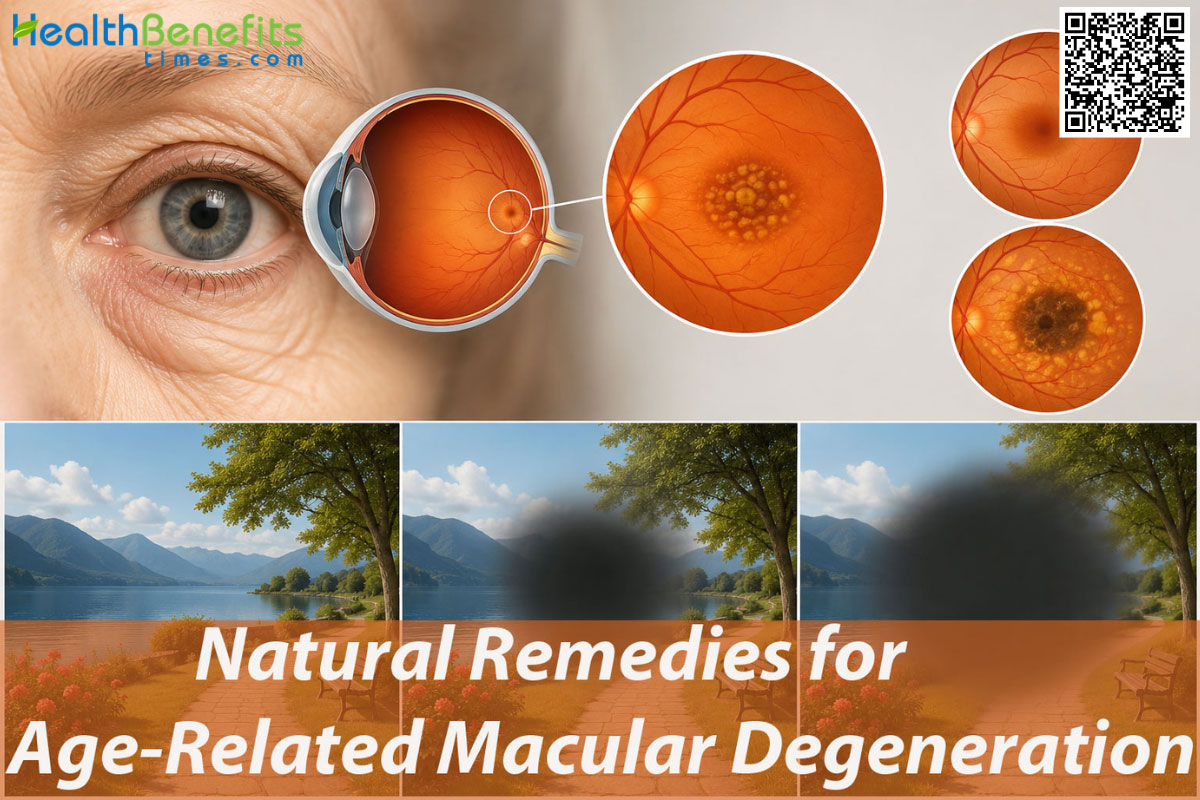
Causes of Age-Related Macular Degeneration
1. Advancing Biological Age
The relentless progression of time remains the single most prominent contributing factor to the deterioration of the macula. As the human body ages, the cellular infrastructure of the retinal pigment epithelium slowly loses its optimal ability to clear away metabolic waste products. This natural decay leads to the accumulation of cellular debris beneath the retina, which disrupts the delicate exchange of oxygen and nutrients necessary for maintaining healthy photoreceptors.
2. Genetic Predisposition and Heredity
Family history plays an undeniable and heavily documented role in the likelihood of developing this ocular disease. Specific genetic variations, particularly those intimately related to the body’s innate immune response and inflammatory complement cascade pathways, have been closely linked to long-term retinal health 4. Individuals possessing these specific genetic markers inherit a biological environment that is inherently more susceptible to macular tissue breakdown.
3. Cumulative Oxidative Stress
Throughout an average lifetime, the human eye is subjected to immense volumes of concentrated light and heavily oxygenated blood flow. This constant metabolic activity inevitably leads to the creation of unstable, highly reactive molecules known as free radicals. Over decades, these free radicals inflict structural damage on the delicate photoreceptor cells in the macula, overwhelming the eye’s natural antioxidant defense mechanisms and triggering cellular death.
4. Tobacco Smoking and Chemical Toxins
Inhaling cigarette smoke introduces a massive influx of harmful chemical toxins directly into the systemic bloodstream. These circulating toxins severely restrict the efficient delivery of oxygen to the microvascular networks of the eyes, effectively starving the retinal tissues. Furthermore, smoking exponentially accelerates the generation of oxidative damage within the retina, doubling the overall risk of developing advanced stages of the disease 5.
5. Systemic Cardiovascular Conditions
The health of the eye is intrinsically tied to the health of the heart and the broader circulatory system. Chronic systemic issues such as high blood pressure, elevated low-density lipoprotein (LDL) cholesterol, and generalized cardiovascular disease impede proper, unobstructed blood flow to the choroid. Because the choroid is the specific vascular layer responsible for nourishing the retina, any cardiovascular impairment directly translates to macular starvation and accelerated degeneration.
6. Prolonged Environmental Exposures
Navigating the physical world constantly exposes the eyes to varying spectrums of light. Prolonged, unprotected exposure to harsh ultraviolet (UV) rays from the sun, as well as highly energetic visible blue light, contributes significantly to the cumulative deterioration of the protective pigments located within the macular tissue. When these natural pigments are bleached or destroyed by environmental exposure, the underlying visual cells are left completely vulnerable to phototoxic damage.
Symptoms of Age-Related Macular Degeneration
- Completely Asymptomatic Early Stages: During the initial phases of the disease, patients experience absolutely zero noticeable changes in their visual field, meaning the disease quietly progresses without triggering any internal alarms.
- Visual Distortions (Metamorphopsia): Physical objects that possess perfectly straight lines, such as door frames, window blinds, or lines of printed text on a page, may suddenly appear dramatically wavy, crooked, or bent out of their normal shape.
- Central Vision Blurriness: A generalized haziness or a distinct blurred area often develops directly in the absolute center of the visual field, making it incredibly difficult to focus on fine details directly in front of the observer.
- Decreased Contrast Sensitivity: The vibrant world may begin to look washed out, muted, or significantly less colorful, as the eye loses its ability to distinguish between subtle shades and contrasting hues.
- Impaired Adaptation to Low Light: Transitions between different lighting environments become highly problematic; individuals frequently struggle to adjust when moving from a brightly lit outdoor space into a dimly lit room, or find it impossible to read without intense, direct lighting.
- Central Blind Spots (Scotomas): As the cellular destruction progresses into the most advanced stages, the previously blurred central area frequently expands into a defined gray, black, or completely empty patch that rests permanently in the direct line of sight.
Age-Related Macular Degeneration Facts
| Feature | Details |
| Symptoms |
|
| Causes |
|
| Types of Age-Related Macular Degeneration |
|
| How does it spread |
|
| Age Group |
|
| You might be at a higher risk for exposure of this disease if you: |
|
| How doctors diagnose |
|
| Other facts |
|
Natural Remedies for Age-Related Macular Degeneration
1. Lutein and Zeaxanthin (Macular Carotenoids)
The architecture of the human retina requires a robust, built-in defense system to protect itself from the constant, daily bombardment of energetic light rays. Lutein and zeaxanthin serve precisely this biological function, acting as highly specialized xanthophyll carotenoid pigments that naturally congregate and concentrate within the fovea, the absolute center of the macula 6. Together, these brilliant yellow pigments form a crucial protective layer known as the macular pigment. Their primary biological objective is to function as internal sunglasses for the eye, physically absorbing and filtering out highly energetic, tissue-damaging short-wave blue light before it can penetrate deep enough to destroy the underlying fragile photoreceptor cells. Furthermore, because they are structurally powerful antioxidants, they constantly neutralize the free radicals generated by normal oxygen metabolism and external light exposure. Extensive clinical data reveals that intentionally increasing dietary intake of these specific carotenoids significantly increases macular pigment optical density (MPOD), which statistically correlates with a tangibly reduced risk of progressing to advanced, vision-threatening stages of the disease 7. Consistent, high systemic intakes of these unique nutrients have also been associated with measurable improvements in daily visual performance metrics, including enhanced contrast sensitivity, sharper visual acuity, and a notably reduced susceptibility to blinding glare.
Note: You should consume these nutrients by eating generous portions of dark, leafy green vegetables such as spinach, kale, and collard greens, or you can take them as standardized daily oral dietary supplements to actively build your protective macular pigment.
2. Goji Berries (Lycium barbarum)
Ancient traditional practices have long utilized certain vibrant, deeply colored fruits for maintaining ocular health, and rigorous modern science has recently identified the Goji berry as a particularly potent, evidence-based ally. Goji berries possess an exceptionally high, bioavailable concentration of naturally occurring zeaxanthin, arguably yielding the highest levels of any known whole food source on the planet. This remarkable nutritional profile makes them highly effective at replenishing the crucial macular pigment that depletes as the human eye ages 8. Regular consumption has been clinically observed to elevate plasma zeaxanthin levels and overall systemic antioxidant capacity significantly in the human bloodstream. In carefully observed clinical populations of elderly individuals, the daily intake of a specific dosage of these berries led to a measurable, sustained increase in macular pigment optical density. Furthermore, this consistent intake actively helped protect the fragile retina from accumulating soft drusen and experiencing dangerous hypopigmentation, both of which are classic, hallmark clinical signs of early macular degeneration 9. The natural matrix of the berry appears to offer a highly efficient delivery system for delivering zeaxanthin directly to the ocular tissues that require it most.
Note: You can easily integrate Goji berries into your diet by eating them dried as a daily snack, brewing them in hot water to create herbal teas, or blending them into morning smoothies to naturally and safely elevate your systemic zeaxanthin levels.
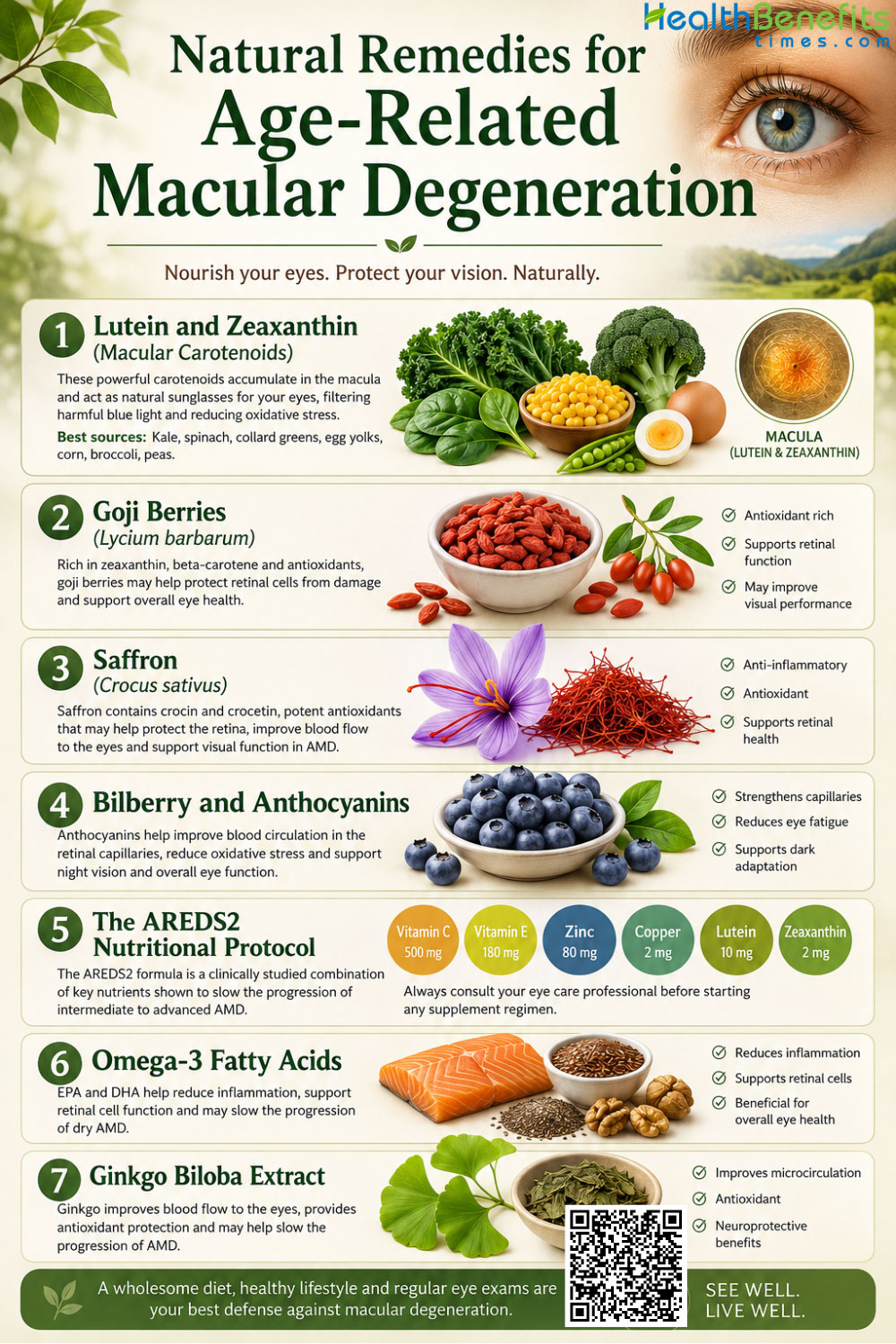
3. Saffron (Crocus sativus)
Laboriously harvested from the delicate crimson stigmas of the Crocus flower, saffron is a highly prized culinary spice that has recently demonstrated remarkable, targeted neuroprotective properties in advanced ophthalmic research. The active therapeutic compounds locked within the saffron threads, primarily crocin and crocetin, operate as exceptionally powerful antioxidants that help shield vulnerable retinal cells from the devastating effects of oxidative stress. Beyond mere antioxidant activity, these compounds actively downregulate inflammatory cytokines that contribute to autoimmune-mediated damage within the retinal microenvironment 10. Rigorous clinical evidence, derived from multi-month trials, demonstrates that daily saffron supplementation can modestly but significantly improve retinal function and preserve visual electrical responses in individuals currently suffering from mild to moderate disease stages 11. Furthermore, these tangible functional improvements in the retina’s localized electrical sensitivity often remain remarkably stable over long-term follow-up periods, strongly suggesting that saffron aids in preserving the survival and function of “at-risk” photoreceptors that are diseased but have not yet died off completely 12.
Note: You can harness the benefits of saffron by steeping a few high-quality threads in hot water to make a soothing tea, incorporating it consistently into your daily cooking, or taking standardized oral capsules for precise, medicinal dosing.
4. Bilberry and Anthocyanins
Frequently referred to as the European blueberry, the wild bilberry is exceptionally rich in deep purple and blue pigments scientifically known as anthocyanins. These bioactive flavonoids are widely recognized in the medical literature for their robust vascular support and profound antioxidant benefits. These specific anthocyanins possess the rare ability to readily cross physiological barriers to deliver their protective effects directly to the enclosed ocular tissues. Preclinical laboratory models strongly indicate that administering bilberry extracts can effectively suppress pro-inflammatory cytokines, inhibit the process of retinal cell apoptosis (which is the programmed cell death of visual neurons), and dramatically enhance the natural antioxidant defense mechanisms of the eye when it is subjected to excessive, damaging visible light stress 13. By strengthening the structural integrity of the retina and supporting the tiny, crucial capillary beds (the choriocapillaris) that physically feed the macula, bilberry is increasingly viewed as a highly promising botanical agent for slowing the neurodegenerative progression intrinsically associated with central vision loss 14.
Note: You should consume bilberry as a raw, fresh fruit when available, press it into pure, unsweetened juices, or take it as a concentrated, encapsulated extract to reliably support your retinal blood flow and overall antioxidant defense.
5. The AREDS2 Nutritional Protocol
Standing as the most heavily researched and universally endorsed nutritional intervention for this ocular condition, the Age-Related Eye Disease Study 2 (AREDS2) protocol represents a monumental shift in preventative eye care. Developed and rigorously tested by federal health agencies over decades of clinical trials, this precise formulation includes highly specific, massive doses of nutrients: 500 mg of Vitamin C, 400 IU of Vitamin E, 80 mg of Zinc, 2 mg of Copper, 10 mg of Lutein, and 2 mg of Zeaxanthin 15. The protocol was specifically updated from an earlier, original version to completely remove beta-carotene, an ingredient which had been definitively linked to a statistically elevated risk of lung cancer in current and former smokers, replacing it with the safer, highly effective macular carotenoids lutein and zeaxanthin 16. Taking this exact, scientifically verified ratio of nutrients has been proven to significantly reduce the risk of intermediate macular degeneration progressing to the advanced, vision-threatening stages by approximately 25 percent 17. The inclusion of copper specifically serves to prevent the dangerous copper-deficiency anemia that can be triggered by such high, continuous doses of zinc.
Note: You must apply this specific remedy strictly via standardized, over-the-counter oral supplements labeled “AREDS2,” as it is biologically impossible to achieve these exact, massive therapeutic dosages through standard dietary food intake alone.
6. Omega-3 Fatty Acids
The exact therapeutic role of long-chain polyunsaturated fatty acids, specifically docosahexaenoic acid (DHA) and eicosapentaenoic acid (EPA), remains a topic of highly nuanced discussion and ongoing investigation in ocular health. Found abundantly in the retinas of healthy eyes, DHA is structurally vital for maintaining the physical integrity, permeability, and fluidity of photoreceptor cell membranes. While large-scale observational and epidemiological data strongly suggest that human populations consuming diets natively rich in fatty fish and omega-3s enjoy a much lower natural incidence of macular degeneration, targeted clinical supplementation trials have yielded mixed conclusions. Notably, the specific addition of highly purified omega-3 supplements to the established AREDS nutritional protocol did not demonstrate a statistically significant additional benefit in actively slowing the progression of the disease to its advanced stages in clinical settings 18. However, many leading researchers firmly believe that maintaining a healthy baseline level of these essential fats through a balanced diet remains a cornerstone of general ocular and cardiovascular health, which indirectly but powerfully supports retinal function over a lifespan 19.
Note: You are encouraged to consume Omega-3s naturally by eating cold-water fatty fish (such as wild salmon, mackerel, and sardines), integrating flaxseeds and walnuts into your meals, or taking daily purified fish oil or algal oil capsules for baseline health.
7. Ginkgo Biloba Extract
Extracted from the fan-shaped leaves of one of the oldest living species of trees on Earth, Ginkgo biloba is historically celebrated in global medicine for its unparalleled ability to enhance peripheral blood circulation and provide systemic neuroprotective effects. The fundamental scientific hypothesis for its use in ocular health revolves tightly around its capacity to improve microcirculation within the microscopic blood vessels of the choroid, thereby significantly increasing the delivery of life-sustaining oxygen and essential nutrients directly to the starving, compromised macular tissues. Although the overall body of clinical literature regarding the eye is smaller compared to other established nutritional protocols, some double-blind, controlled trials have reported highly positive outcomes, noting that patients receiving standardized Ginkgo extracts experienced modest but statistically significant improvements in long-distance visual acuity and overall vision quality 20. The presumed pathogenesis of central vision decline intimately involves free oxygenated radicals and chronic poor tissue perfusion, both of which Ginkgo actively and systematically combats, making it a highly supportive, though still actively researched, botanical intervention {% https://pubmed.ncbi.nlm.nih.gov/2947098/ %}.
Note: You should take Ginkgo biloba orally, almost exclusively in the form of standardized botanical tablets, capsules, or liquid tinctures, to safely promote healthy, unobstructed blood flow to your eyes and brain.
Is there any exercise or physical activities for Age-Related Macular Degeneration?
1. Aerobic Exercise for Retinal Neuroprotection
Many individuals mistakenly assume that physical exercise only provides tangible benefits for the heart, lungs, and skeletal muscles, but engaging in regular, sustained aerobic activity actually exerts a profound, protective impact on the microscopic cellular health of your eyes. When the human body engages in brisk walking, running, or cycling, it naturally upregulates and increases the systemic production of brain-derived neurotrophic factor (BDNF). This crucial, highly specialized protein acts as a biological fertilizer, actively supporting the survival, growth, and long-term maintenance of delicate neurons, including the highly sensitive photoreceptors residing in your retina. Long-term epidemiological research clearly establishes that individuals who maintain a physically active lifestyle participating in moderate to vigorous activities several times a week over many years—exhibit significantly lower statistical odds of developing both the early and late stages of macular degeneration 21. Furthermore, consistent aerobic exercise permanently enhances the body’s overarching antioxidative capacity and actively suppresses chronic systemic inflammation, providing a robust, non-invasive, and highly effective layer of defense against the relentless oxidative stress that routinely damages macular cells 22.
Note: To achieve this protective effect, you should aim for at least 150 minutes of moderate-intensity aerobic activity (such as brisk walking, swimming laps, or cycling) per week, ensuring your heart rate elevates sufficiently to promote healthy, nutrient-rich blood flow to the head and eyes.
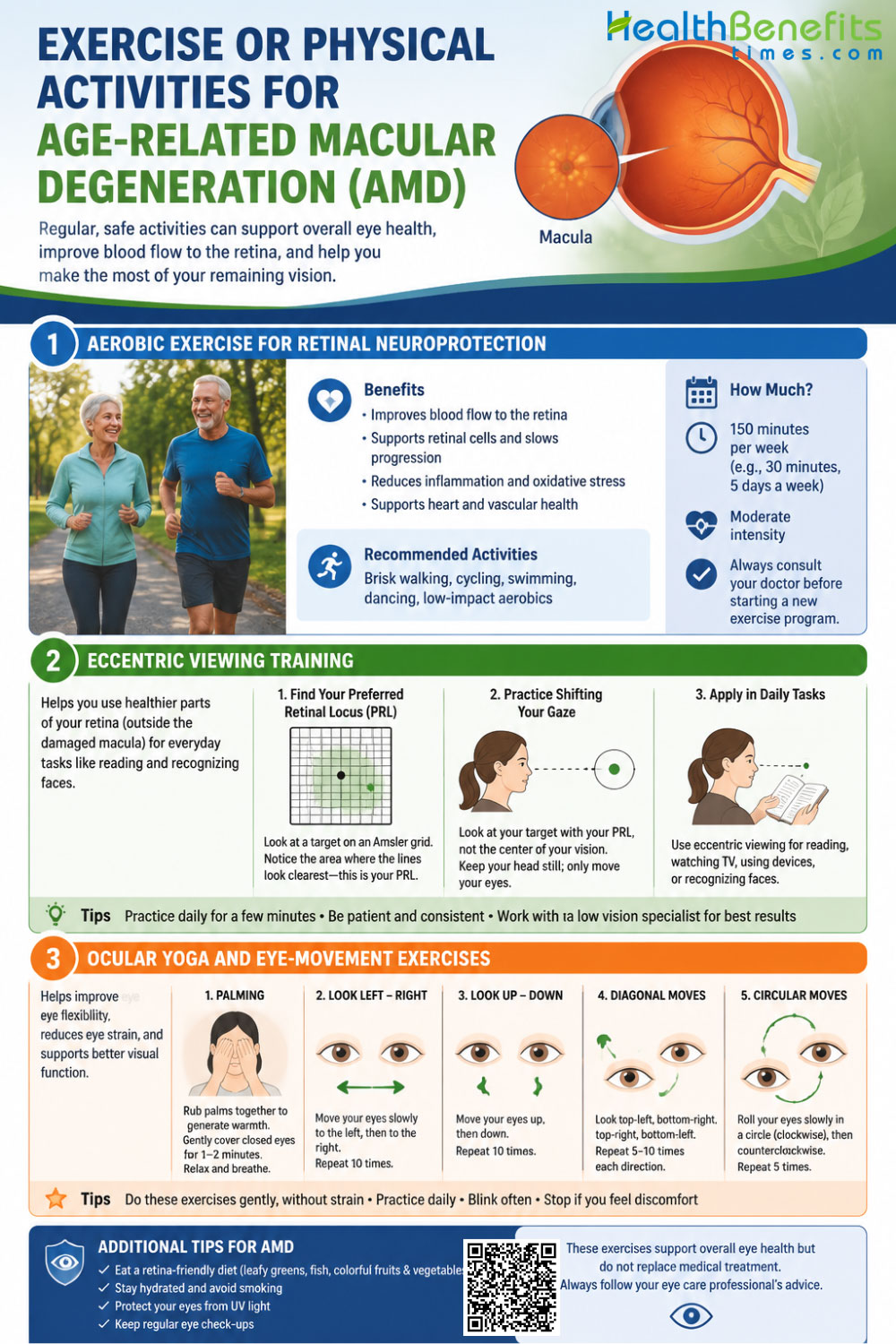
2. Eccentric Viewing Training
When the central fovea becomes severely damaged by disease progression and inevitably creates a permanent blind spot (medically termed a scotoma) in the direct middle of the visual field, the eyes must literally learn a completely new, unnatural way to look at the surrounding world. Eccentric viewing training is a highly specialized, clinical low-vision rehabilitation technique that systematically teaches a patient how to direct their gaze slightly away from a target. This deliberate shifting of the eyes allows an undamaged, non-central area of the retina known in the medical literature as the Preferred Retinal Locus (PRL) to permanently take over the task of seeing detailed images 23. By intentionally bypassing the damaged, non-functional macula, patients can theoretically recover the lost ability to read large print text, recognize the faces of loved ones, and perform essential activities of daily living. While rigorous clinical outcomes indicate that the overall success of this specific training varies heavily depending on the severity of the disease and the individual’s neurological adaptation, it serves as a critical, foundational adaptive strategy for maximizing residual vision when pristine central sight is permanently compromised 24.
Note: To master this technique, you must generally work closely with a certified low-vision occupational therapist who will use specific charts and visual targets to help you identify the healthiest remaining part of your peripheral retina, followed by extensive, daily at-home practice of looking slightly above, below, or to the side of the exact objects you wish to see clearly.
3. Ocular Yoga and Eye-Movement Exercises
Managing the severe physical stress, strain, and muscular tension that accumulates around the eyes can provide excellent complementary comfort and structural support for the overall ocular environment. Specific yoga exercises expressly designed for the eyes emphasize the slow, highly controlled stretching of the extraocular muscles, always performed alongside deep, rhythmic breathing and central nervous system relaxation techniques. Although it must be stated that these physical movements cannot biologically reverse cellular damage or clear away drusen in the macula, clinical studies observing participants engaging in structured eye yoga routines found measurable, statistically significant decreases in internal eye pressure (intraocular pressure, or IOP) and slight, highly beneficial increases in average macular thickness immediately following the exercise sessions 25. By consciously guiding the eyes through their absolute full ranges of motion and engaging in restorative practices like “palming” to warm the surrounding tissues, patients can help substantially reduce the severe visual fatigue, headaches, and physical exhaustion that frequently plagues individuals who are constantly struggling to see through central blind spots 26.
Note: To perform these exercises properly, you should sit comfortably with a straight spine, breathe deeply, and slowly trace your eyes to their maximum horizontal, vertical, and diagonal limits without moving your head or neck. Follow this exertion by vigorously rubbing your palms together to generate friction heat, then gently cup your warmed hands over your closed eyes to let them rest and recover in complete, soothing darkness.
Foods to Avoid When You Suffer From Age-Related Macular Degeneration and You Are Prone to Age-Related Macular Degeneration
The specific dietary choices you make every single day play a monumental, undeniable role in dictating the biological environment of your retina. To actively protect your remaining macular health and slow disease progression, you must actively restrict or entirely eliminate the following categories of food from your diet:
1. High Glycemic Index (GI) Carbohydrates
You must drastically minimize your intake of highly refined grains, white breads, sugary baked desserts, and artificially sugar-sweetened beverages. These simple carbohydrates trigger rapid, violent spikes in your blood sugar levels, which actively promotes systemic inflammation and triggers the formation of advanced glycation end-products that severely and permanently damage the delicate retinal microvasculature over time 27.
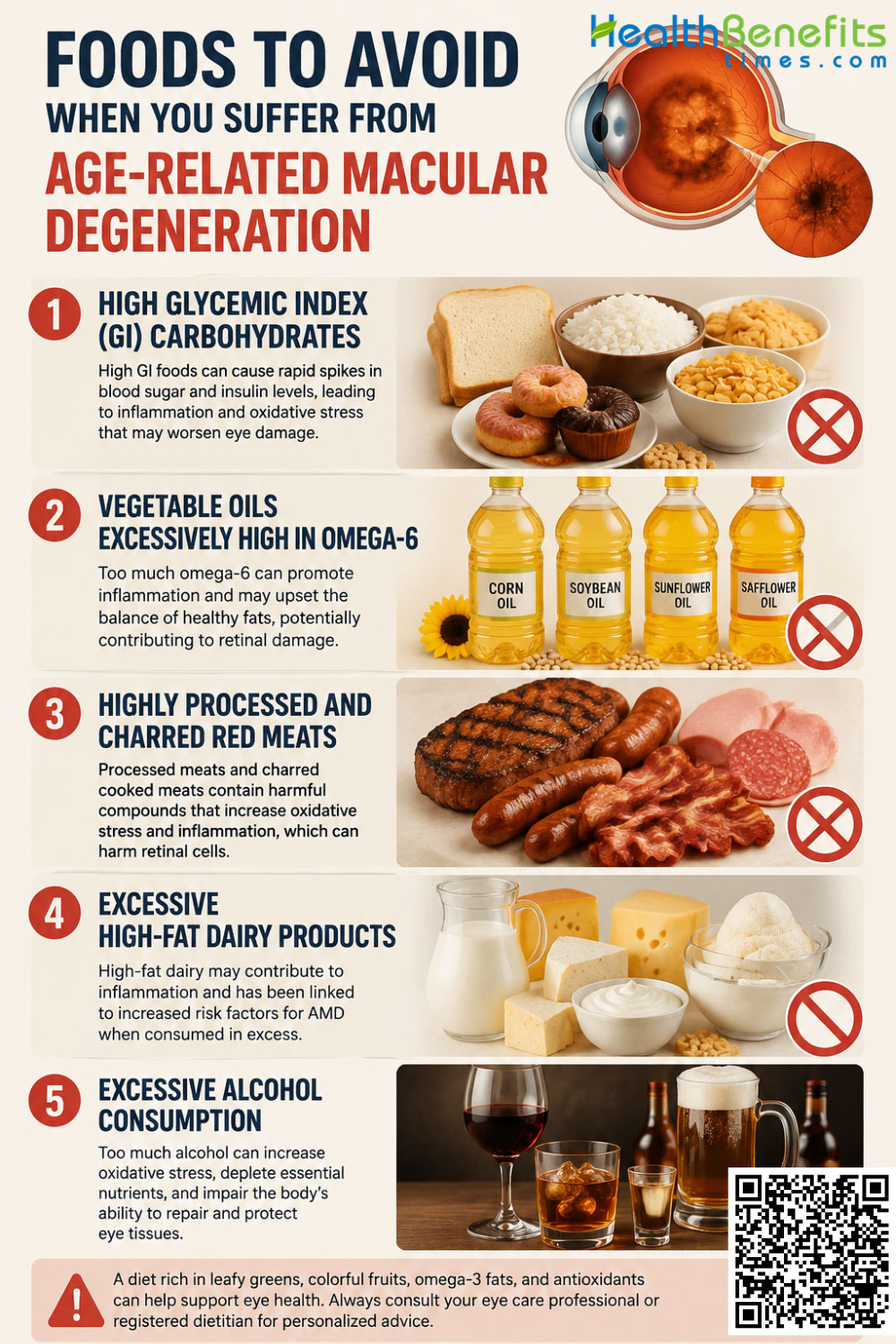
2. Vegetable Oils Excessively High in Omega-6
You need to avoid the excessive, daily use of common, highly processed industrial cooking oils like soybean, corn, and sunflower oils. Maintaining a heavy dietary imbalance that favors Omega-6 fatty acids over Omega-3 fatty acids creates a highly pro-inflammatory state within the human body, which can dramatically accelerate the cellular breakdown of the already vulnerable macula 28.
3. Highly Processed and Charred Red Meats
You must strictly limit the consumption of processed sausages, bacon, deli meats, and heavy, fatty red meats. These specific foods are frequently loaded with saturated fats, chemical preservatives, and excessive sodium that directly contribute to poor cardiovascular health, thereby severely restricting the vital blood flow required to keep the eyes healthy.
4. Excessive High-Fat Dairy Products
You are strongly advised to moderate your daily intake of heavy creams, full-fat cheeses, and solid butter. Excessive saturated fat intake is a recognized, core characteristic of the standard “Western diet” pattern, which consistently and strongly correlates with a statistically higher risk of advancing retinal disease in large population studies.
5. Excessive Alcohol Consumption
You must closely and honestly monitor your alcohol consumption. Drinking more than two standard alcoholic beverages a day is significantly associated with an increased risk of macular disease progression, primarily because processing alcohol actively depletes the liver of the crucial, systemic antioxidants that are urgently required to protect distant ocular tissues from oxidative stress.
Activities to Avoid When You Suffer From Age-Related Macular Degeneration
Just as certain foods slowly degrade your vision from the inside out, specific external lifestyle habits can exponentially worsen your condition. To preserve your sight, you must actively avoid the following behaviors:
1. Smoking and Any Form of Tobacco Use
You absolutely must stop smoking immediately. Inhaling cigarette smoke introduces massive, overwhelming amounts of oxidative free radicals directly into your bloodstream while simultaneously strangling the oxygen supply to your retina. This singular habit effectively doubles your risk of suffering rapid, irreversible vision loss 29.
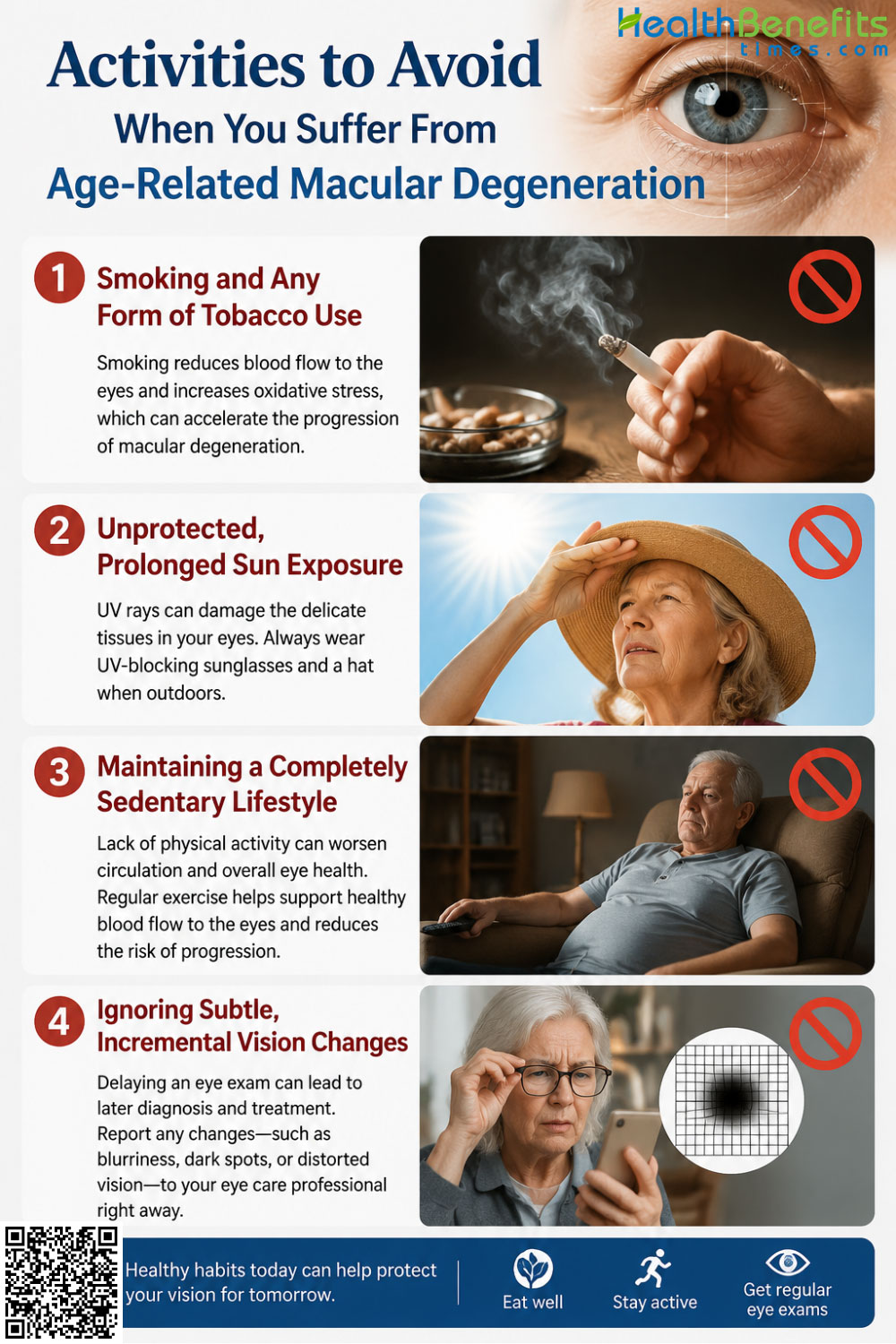
2. Unprotected, Prolonged Sun Exposure
You should never spend prolonged periods of time outdoors without wearing adequate, high-quality eye protection. Staring into bright, sunlit environments without 100% UV-blocking sunglasses rapidly accelerates phototoxic damage to your already highly vulnerable photoreceptor cells, stripping away your natural macular pigment.
3. Maintaining a Completely Sedentary Lifestyle
You need to avoid sitting for excessive, uninterrupted periods without engaging in any physical movement. A complete lack of cardiovascular exercise inevitably leads to poor, sluggish blood circulation, effectively denying the tiny, microscopic capillaries in your eyes the vital oxygen and nutrients they desperately need to survive the aging process.
4. Ignoring Subtle, Incremental Vision Changes
You must avoid the dangerous habit of brushing off small, seemingly insignificant changes in your sight. Assuming that a slight blurriness, a minor wave in a straight line, or a new difficulty reading in dim light is “just a normal part of getting older” can tragically delay critical, time-sensitive medical interventions that could save your central vision.
Myths and Misconceptions
| Myth | Reality |
| Macular degeneration inevitably leads to complete, pitch-black blindness. | While the disease undeniably and devastatingly affects central sight, it almost never impacts the peripheral (side) vision of the eye. Because the peripheral retina remains healthy, individuals will still be able to navigate a room, walk around independently, and perceive their broader physical surroundings, even in the most advanced stages of the disease 30. |
| Only the very elderly or those in their 80s can develop this disease. | Though advancing age is undeniably the primary risk factor, powerful genetic components and poor lifestyle choices mean the early, silent stages of the disease can begin quietly developing in individuals as young as their 40s or 50s. Regular screening is required long before old age sets in 31. |
| There is absolutely nothing you can do to reduce your risk or prevent the disease. | Modifying your daily lifestyle can profoundly and measurably change your long-term visual trajectory. Eating antioxidant-rich leafy greens, exercising regularly, quitting smoking, and aggressively managing blood pressure can reduce your statistical risk of early disease development by up to threefold, giving you immense power over your ocular health 32. |
| If you don’t have any blurry spots or vision problems, you definitely don’t have the disease. | The earliest, formative stages of the disease present with absolutely zero noticeable symptoms to the patient. Cellular damage and yellowish drusen accumulation can only be detected early through a dilated clinical examination by an eye care professional, long before the patient ever realizes their macula is failing. |
| Once you are formally diagnosed, there is no medical treatment available to help you. | While there is no total, magical cure that restores dead retinal cells, specialized nutritional protocols (like AREDS2) can successfully slow the progression of the dry form. Furthermore, advanced anti-VEGF medical injections can successfully and rapidly halt blood vessel leakage in the wet form, often preserving functional, highly useful vision for many years. |
Special Considerations
1. Children and Young Adults (Stargardt Disease)
When the clinical signs of macular degeneration unexpectedly appear in childhood, adolescence, or young adulthood, medical professionals recognize it almost exclusively as an inherited genetic condition known as Stargardt disease, rather than the standard age-related variant. This highly specific, devastating condition involves a direct mutation in the ABCA4 gene, which normally helps clear waste from the eye. When this gene fails, it causes a highly toxic metabolic byproduct called lipofuscin to aggressively and relentlessly build up in the retinal pigment epithelium. It is of paramount, critical importance that children and young adults diagnosed with Stargardt disease strictly avoid high-dose Vitamin A supplements, beta-carotene, and the original AREDS formulation. Because Vitamin A serves as the direct biological precursor to the exact toxins that destroy the retina in Stargardt disease, supplementing with it will exponentially accelerate their vision loss and rapid disease progression 33.
2. Pregnancy and Nursing Mothers
If you are currently pregnant or actively nursing an infant, you must exercise extreme, uncompromising caution before introducing high-dose botanical remedies or heavily concentrated vitamin protocols into your daily regimen. The therapeutic, clinical dosages of zinc, copper, and Vitamin E found in targeted eye supplements (such as the AREDS2 formula) far exceed the standard Recommended Dietary Allowance (RDA) utilized for routine prenatal care. Unregulated, excessive intake of heavy fat-soluble vitamins and certain potent herbal extracts like Ginkgo Biloba can easily cross the placental barrier, potentially affecting delicate fetal development or significantly increasing the risk of severe maternal bleeding complications during the physical delivery process.
3. Chronic Systemic Conditions
Individuals currently battling pre-existing chronic conditions must carefully cross-reference their systemic health before ever utilizing natural macular therapies. If you suffer from chronic kidney disease or any form of hepatic (liver) impairment, your body’s natural ability to filter and excrete heavy minerals is severely compromised. This means that the high, daily doses of zinc required for ocular protocols could rapidly build up to highly toxic, dangerous levels in your bloodstream. Furthermore, if you are actively taking prescription anticoagulants (blood thinners) for cardiovascular disease or stroke prevention, introducing high doses of Vitamin E, Ginkgo Biloba, or excessive Omega-3 fish oils can dangerously amplify your bleeding risks, leading to severe, life-threatening internal hemorrhaging.
4. The Elderly Population
The aging population, which serves as the primary demographic for these natural remedies and clinical supplements, naturally faces a much higher prevalence of polypharmacy (the practice of taking multiple prescription medications simultaneously). As an older adult, your digestive tract may process, break down, and absorb nutrients at a drastically different rate than a younger person, and introducing heavy mineral supplements can easily disrupt your gastrointestinal stability. High doses of zinc are uniquely and notoriously known to compete directly with copper absorption in the gut. This biological competition can inadvertently trigger severe copper-deficiency anemia and irreversible, debilitating neurological symptoms if the formulations are not precisely balanced by a medical professional {% https://pmc.ncbi.nlm.nih.gov/articles/PMC6880204/ %}.
Precaution Before Use of Natural Remedies When You Have Age-Related Macular Degeneration
When you make the proactive decision to integrate natural remedies and high-dose supplements into your daily routine to combat retinal decline, you must remain acutely aware of potential toxicities and complex systemic interactions. The label “natural” does not inherently mean safe, especially when substances are consumed at massive, clinical dosages. You should carefully review and strictly adhere to the following precautions:
1. Monitor for Urinary Tract Complications from High-Dose Zinc
You must monitor your urinary and prostate health closely. Extensive clinical trials have definitively shown that continuous, high-dose zinc supplementation (such as the massive 80 mg dose found in some ocular formulations) significantly increases the statistical risk of genitourinary hospitalizations, particularly regarding enlarged prostates and severe urinary tract infections in older adults 34.
2. Acknowledge Severe Lung Cancer Risks from Beta-Carotene
If you are a current smoker or possess a history of smoking, you must absolutely and completely avoid taking beta-carotene. Extensive, undeniable research indicates that high doses of this specific nutrient dramatically and dangerously increase the incidence of aggressive lung cancers in individuals with a history of tobacco use 35. You must always ensure you are using a strictly beta-carotene-free formula (like AREDS2).
3. Prevent Dangerous Copper Deficiency Anemia
You should never, under any circumstances, take massive daily doses of zinc without corresponding copper supplementation. Heavy zinc intake aggressively blocks your intestines from absorbing vital dietary copper, which can quickly lead to severe clinical anemia, profound physical fatigue, and irreversible, crippling damage to your spinal cord and peripheral nerves 36.
4. Be Highly Cautious of Bleeding Risks with Vitamin E and Botanicals
You need to be extremely cautious with high-dose Vitamin E, Ginkgo Biloba extracts, and heavy Omega-3 fish oil supplements if you are preparing for a surgical procedure or currently taking blood-thinning medications like Warfarin, Plavix, or Aspirin. These natural agents inherently inhibit platelet aggregation, meaning they stop your blood from clotting efficiently and can cause dangerous, uncontrollable surgical or spontaneous bleeding.
5. Anticipate and Manage Gastrointestinal Distress
You should be fully prepared for potential, sometimes severe, digestive upset. Taking concentrated botanical extracts and heavy, metallic minerals on a completely empty stomach frequently induces severe nausea, painful acid reflux, stomach cramps, and explosive diarrhea. You must always remember to consume these potent remedies directly alongside a substantial, well-balanced meal to buffer your stomach lining.
When to See a Doctor
While proactive nutritional support and rigorous lifestyle modifications serve as excellent, empowering defenses against vision loss, you cannot safely manage this complex degenerative condition entirely on your own. Your vision is incredibly delicate and absolutely requires professional, ongoing medical oversight using advanced imaging technology. You should immediately pick up the phone and schedule an emergency appointment with an ophthalmologist or retinal specialist if you experience any of the following:
- Sudden, Unexplained Distortion of Straight Lines: If you look at a grid, a brick wall, or a simple door frame and the straight lines abruptly appear wavy, broken, bent, or distorted, you must seek emergency evaluation. This specific visual phenomenon is the primary, undeniable hallmark of fluid or blood actively leaking into the macula, indicating a rapid shift to the dangerous wet form of macular degeneration.
- Rapid Development of New Blind Spots: If you wake up or suddenly notice a new, distinct dark, gray, or entirely blank patch resting directly in the center of your vision that does not blink away or resolve within a few minutes, you require immediate imaging to assess retinal tissue death.
- Profound, Unexplained Changes in Color Perception: If the vibrant colors in your environment suddenly appear washed out, significantly faded, or you experience a sudden, profound difficulty distinguishing between contrasting hues that you could normally tell apart with ease.
- Sudden Difficulty Recognizing Familiar Faces: If you find yourself looking directly at a close friend or family member but simply cannot make out their specific facial features, despite your peripheral, side vision remaining perfectly clear and functional.
- The Need for Routine, Preventative Monitoring: Even if you feel your vision is perfectly fine and you have zero complaints, you must commit to maintaining annual, comprehensive dilated eye examinations once you pass the age of 50. Early clinical detection of microscopic cellular debris (drusen) before any physical symptoms ever manifest is the single most critical factor in preserving your sight for the rest of your life.
Comments
comments