

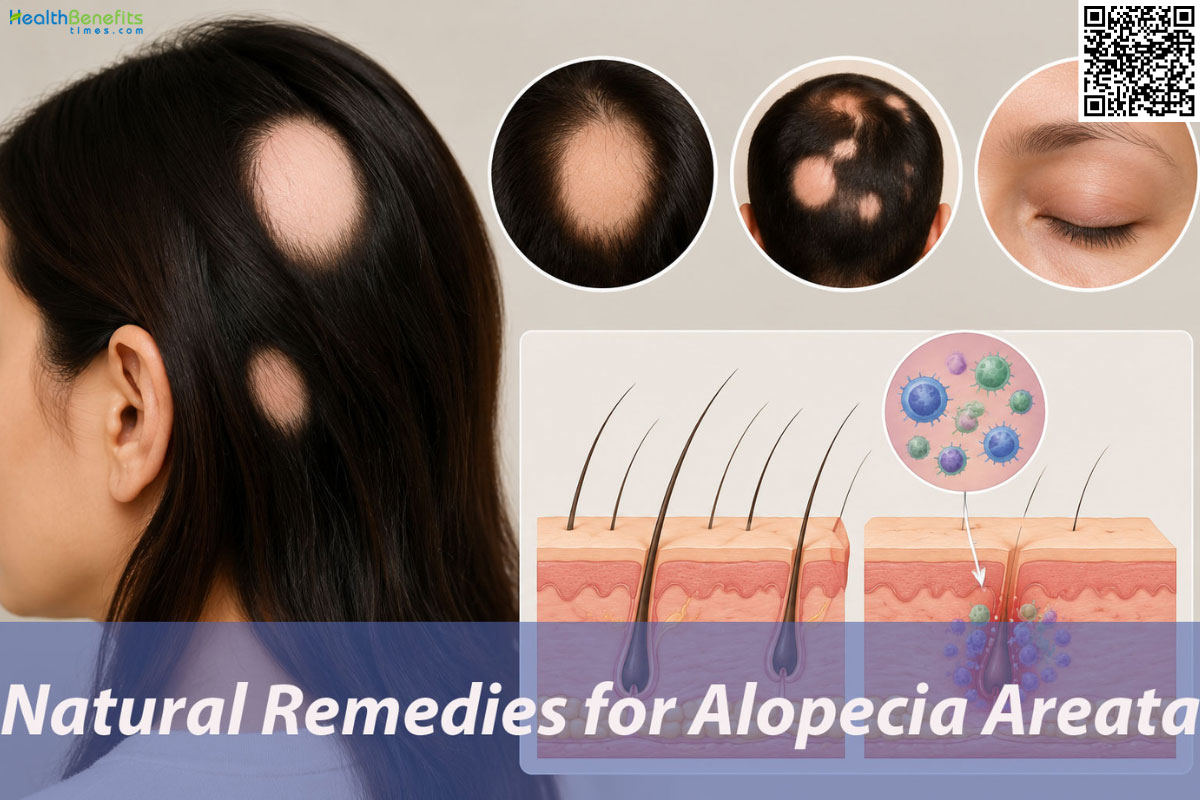
Causes of Alopecia Areata
- Autoimmune System Reaction: The body’s immune system mistakenly identifies the hair follicles as foreign threats and attacks them, causing the hair to fall out.
- Genetics and Family History: Inherited genes can make certain people more likely to develop the condition, especially if close family members also have it.
- Loss of Immune Protection: A breakdown in the natural protective barrier (immune privilege) around hair follicles leaves them vulnerable to immune system attacks.
- Co-existing Immune Disorders: Having other autoimmune conditions, such as thyroid disease, vitiligo, lupus, or severe allergies (like atopic dermatitis), increases the likelihood of developing the condition.
- Severe Stress: Significant psychological, emotional, or physical stress can act as an environmental trigger for the sudden onset of hair loss.
- Infections: Viral infections or other acute illnesses can stimulate the immune system and provoke the condition in vulnerable individuals.
- Hormonal Changes: Significant fluctuations in hormones can sometimes act as a trigger.
- Lifestyle and Environmental Factors: Habits such as smoking or exposure to certain chemicals can increase inflammation and free radicals in the body, which may trigger or worsen the disease. 2, 3, 4, 5, 6
Symptoms of Alopecia Areata
- Sudden patchy hair loss: Small, smooth, round or oval patches of hair falling out over just a few days or weeks, most commonly on the scalp.
- Facial and body hair loss: Losing hair from the eyebrows, eyelashes, beard, or other areas of the body.
- “Exclamation mark” hairs: Short, broken hairs around the edges of the bald patches that are narrower at the bottom near the skin than at the top, resembling exclamation marks.
- Nail changes: Fingernails and toenails may develop tiny dents (pitting), rough ridges, red spots, or become brittle and pull away from the nail bed.
- Widespread scalp hair loss (Alopecia totalis): The patchy hair loss can sometimes progress until the person loses all or nearly all of the hair on their head.
- Complete body hair loss (Alopecia universalis): In severe cases, the condition can cause a total loss of hair across the entire body.
- Band-like hair loss (Ophiasis): Hair falling out in a continuous band shape around the sides and lower back of the head.
- Sudden graying appearance: The condition sometimes spares white or gray hairs while attacking colored hairs, giving the sudden illusion that the hair has turned gray overnight.
- Scalp dots: The appearance of tiny black or yellow dots on the scalp where hair has broken off at the skin’s surface or where hair is attempting to regrow. 2, 3
Natural Remedies for Alopecia Areata
1. Aromatherapy Using Essential Oils (Rosemary, Thyme, Cedarwood, and Lavender)
How it may help
Essential oils like rosemary, thyme, cedarwood, and lavender are believed to stimulate hair follicles, improve local blood circulation, and reduce skin inflammation 7. These plant compounds may help interrupt the localized immune attack on hair roots and encourage the follicles back into the active growth phase 8.
What research says
Clinical findings indicate that massaging a specific blend of these essential oils into the scalp daily can safely and significantly improve hair regrowth in individuals with alopecia areata 9. The therapeutic benefits are primarily attributed to the anti-inflammatory and follicle-stimulating properties of the botanical extracts 10.
How to use it safely
You must always dilute essential oils before applying them directly to your skin 11. Mix a few drops of the essential oil blend into a neutral carrier oil, such as jojoba or grapeseed oil. Gently massage the mixture into the affected scalp areas every night.
Potential precautions or side effects
Undiluted essential oils can cause severe skin irritation or allergic contact dermatitis 12. Stop using the mixture immediately if you experience persistent redness, itching, or burning on the scalp.
2. Topical Application of Crude Onion Juice
How it may help
Crude onion juice is naturally rich in dietary sulfur, a mineral necessary for producing strong hair proteins and preventing hair breakage 13. Additionally, its natural antibacterial and anti-inflammatory compounds help calm scalp irritation and create a healthier environment for dormant follicles to resume normal hair production 14.
What research says
Clinical evidence demonstrates that applying crude onion juice to the scalp significantly promotes hair regrowth in individuals with alopecia areata compared to those using standard water treatments 15. This natural therapy has proven to be an effective, non-invasive option, with males frequently experiencing particularly notable and rapid regrowth rates 16.
How to use it safely
To extract the juice, you should blend or finely grate fresh onions and strain the liquid through a clean cloth. Apply this raw liquid directly to your bald patches twice daily, leave it on for about fifteen minutes, and then wash your scalp thoroughly with a gentle shampoo.
Potential precautions or side effects
You may experience scalp redness, intense itching, or allergic contact dermatitis when using raw onion juice 17. The strong, lingering odor can also be highly unpleasant for some.
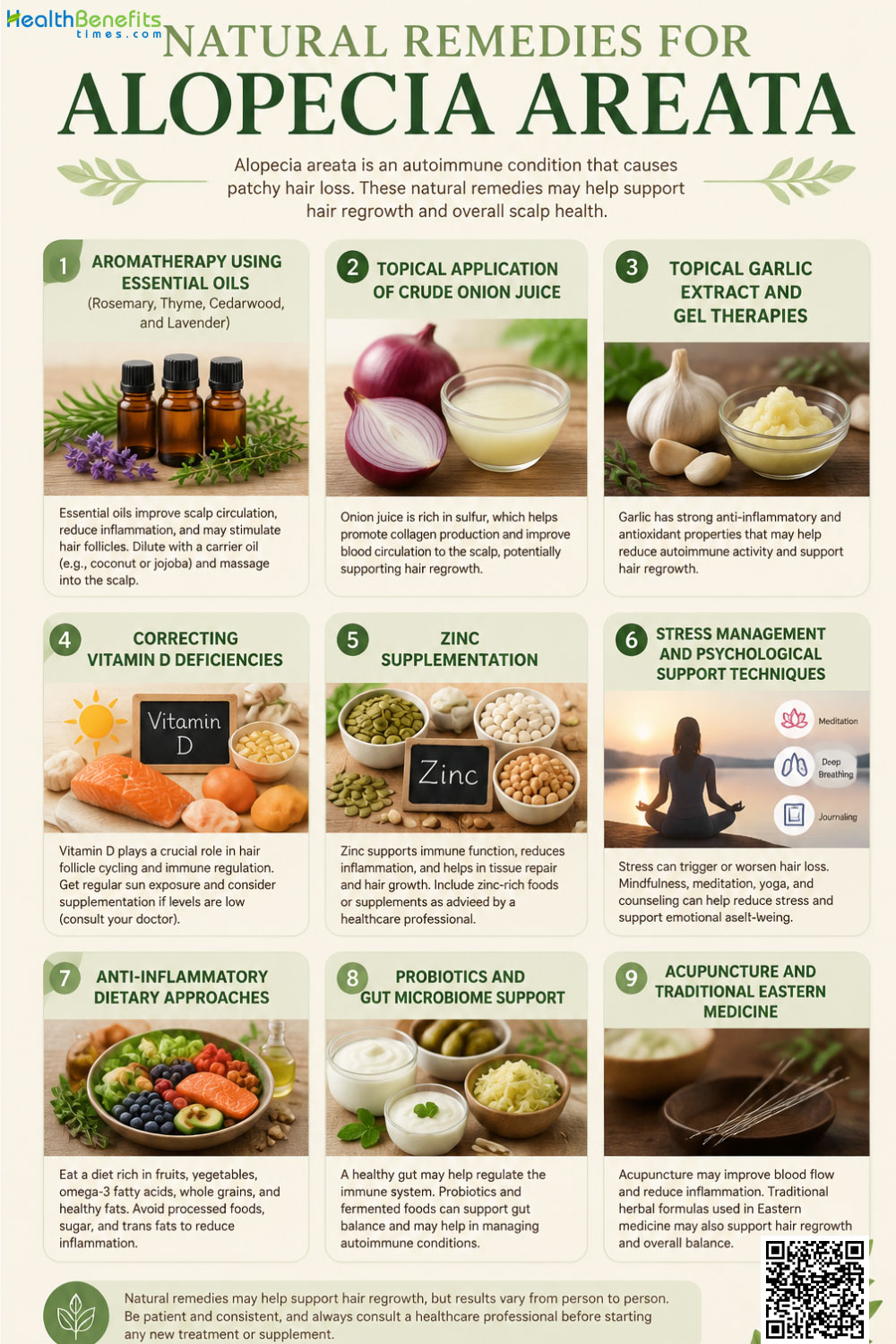
3. Topical Garlic Extract and Gel Therapies
How it may help
Garlic contains a powerful active compound called allicin, which provides significant natural anti-inflammatory and immunomodulatory properties 18. Applying garlic extract to the scalp may help calm the immune system’s localized attack on hair follicles, reduce surrounding skin inflammation, and stimulate the cellular activity needed for hair regrowth 19.
What research says
Clinical evidence demonstrates that applying topical garlic gel alongside standard corticosteroid creams significantly improves hair regrowth in people with localized alopecia areata 20. The addition of garlic extract to traditional medical therapies effectively enhances overall treatment success and promotes a higher number of thick, permanent hairs returning to bald patches 21.
How to use it safely
You should choose commercially prepared, stabilized garlic gels or dermatologist-recommended extract formulas to ensure proper and safe dosing. Apply a thin layer of the gel directly to your bald spots twice daily, gently rubbing it into the skin in conjunction with your standard prescribed topical treatments.
Potential precautions or side effects
Applying raw, crushed garlic directly to your scalp can cause severe chemical burns, intense skin irritation, and allergic contact dermatitis 22. You must always patch-test these botanical products before widespread use.
4. Correcting Vitamin D Deficiencies
How it may help
Vitamin D plays a crucial role in balancing the immune system and maintaining normal hair follicle growth cycles 23. By controlling immune responses, adequate vitamin D levels help prevent the body from mistakenly attacking healthy hair follicles, which causes this specific hair loss 24.
What research says
Clinical evidence consistently demonstrates that individuals with alopecia areata have significantly lower vitamin D levels in their blood compared to the general population 25. Furthermore, studies confirm an inverse relationship where more severe vitamin D deficiencies directly correspond to more extensive hair loss and disease severity 26.
How to use it safely
You should first ask your doctor for a blood test to accurately measure your baseline vitamin D levels 27. Follow your healthcare provider’s prescribed dosage for oral vitamin D3 supplements, taking them alongside meals containing healthy fats to ensure your body absorbs them properly 28.
Potential precautions or side effects
Taking excessive amounts of vitamin D can cause severe toxicity, leading to a dangerous buildup of calcium in your blood, kidney stones, intense nausea, and abnormal heart rhythms 29.
5. Zinc Supplementation
How it may help
Zinc plays a crucial role in regulating the immune system and maintaining normal hair follicle growth cycles. 30 By supporting DNA stability and cellular repair, sufficient zinc helps prevent the immune system from mistakenly attacking the hair roots, which directly causes this specific type of baldness. 31
What research says
Clinical meta-analyses show that individuals with alopecia areata consistently have significantly lower zinc levels in their blood, with greater deficiencies correlating to more severe hair loss. 32 Supplementing with oral zinc produces noticeable hair regrowth and positive therapeutic effects, especially in patients with confirmed baseline deficiencies. 33
How to use it safely
You should always ask your doctor for a blood test to evaluate your actual zinc levels before taking supplements. 34 If you are deficient, follow your healthcare provider’s prescribed daily dose of oral zinc gluconate and have your blood continuously monitored to ensure safe absorption. 35
Potential precautions or side effects
Taking excessive amounts of zinc can cause severe nausea, stomach cramping, and vomiting. 36 Long-term overuse dangerously depletes your body’s copper levels, which can lead to severe anemia. 37
6. Stress Management and Psychological Support Techniques
How it may help
Severe emotional or physical stress releases specific stress hormones and neuropeptides that can trigger the immune system to attack hair follicles. 38 Stress management techniques help lower these harmful chemical signals, thereby calming neurogenic inflammation and protecting the hair roots from further autoimmune damage. 39
What research says
Clinical studies confirm that acute psychological stress is a significant environmental trigger that often precedes the sudden onset or worsening of alopecia areata. 40 Furthermore, research demonstrates that integrating targeted psychological support alongside standard medical treatments significantly improves patient well-being and may enhance overall hair regrowth outcomes. 41
How to use it safely
You should work with a licensed mental health professional to learn cognitive behavioral therapy or structured stress-reduction techniques. 42 Practice daily mindfulness or meditation to manage chronic stress, and consider joining patient support groups to reduce feelings of isolation. 43
Potential precautions or side effects
While psychological support is safe, you must never use it as a substitute for prescribed medical therapies. 44 Severe depression requires immediate evaluation by a qualified psychiatric specialist. 45
7. Anti-Inflammatory Dietary Approaches
How it may help
An anti-inflammatory diet focuses on nutrient-dense foods that lower systemic inflammation and regulate immune system activity. 46 By reducing internal inflammatory markers, this nutritional approach helps prevent the immune system from aggressively attacking the hair follicles, creating a healthier internal environment for normal hair growth. 47
What research says
Clinical evidence suggests that diets rich in fresh vegetables, omega-3 fatty acids, and lean proteins significantly reduce the severity of autoimmune disorders. 48 Furthermore, research confirms that eliminating highly processed foods and refined sugars decreases inflammatory flare-ups, ultimately supporting better clinical outcomes and hair preservation for patients with alopecia areata. 49
How to use it safely
You should consult a registered dietitian to create a balanced, personalized meal plan rather than adopting extreme diets. 50 Focus on incorporating whole foods like leafy greens and fatty fish while systematically eliminating known inflammatory triggers from your daily meals. 51
Potential precautions or side effects
Highly restrictive diets can cause severe nutritional deficiencies that actually worsen hair loss. 52 You must ensure adequate intake of essential calories and minerals to sustain bodily functions. 53
8. Probiotics and Gut Microbiome Support
How it may help
The digestive tract houses a significant portion of the immune system, and beneficial gut bacteria directly regulate autoimmune responses. 54 By restoring a healthy balance to the gut microbiome, probiotics help prevent the immune system from mistakenly attacking hair follicles, thereby reducing localized scalp inflammation. 55
What research says
Clinical evidence reveals that individuals with alopecia areata frequently exhibit significant imbalances in their intestinal bacteria compared to healthy individuals. 56 Furthermore, research confirms that correcting this microbiome disruption through targeted probiotic therapies helps stabilize immune function and supports the preservation and regrowth of hair. 57
How to use it safely
You should incorporate naturally fermented foods, such as yogurt or kefir, into your daily diet. 58 If selecting a commercial probiotic supplement, consult your healthcare provider to choose a reputable product with clinically tested bacterial strains to ensure proper immune support. 59
Potential precautions or side effects
You may experience mild gas or bloating when starting probiotics. 60 Individuals with severely weakened immune systems must avoid them due to a risk of serious systemic infections. 61
9. Acupuncture and Traditional Eastern Medicine
How it may help
Acupuncture involves inserting very thin needles into specific body points to improve scalp blood circulation and modulate immune system activity. 62 This increased blood flow delivers vital oxygen and nutrients directly to dormant hair follicles while calming the localized immune response causing the hair loss. 63
What research says
Clinical reviews indicate that acupuncture effectively promotes hair regrowth and reduces the overall severity of alopecia areata. 64 Evidence suggests these traditional Eastern therapies successfully regulate autoimmune imbalances, offering a beneficial complementary treatment option with a highly favorable safety profile compared to conventional medications. 65
How to use it safely
You should only seek treatment from a licensed, board-certified acupuncturist who strictly uses sterile, single-use needles. 66 Always discuss your full medical history with the practitioner to ensure these traditional techniques will not interfere with your prescribed dermatological treatments. 67
Potential precautions or side effects
You might experience mild soreness, minor bleeding, or slight bruising at the needle insertion sites. 68 Avoid acupuncture if you have severe bleeding disorders or active skin infections. 69
Foods to Avoid When You suffer from Alopecia Areata
1. Refined Sugars
Consuming excessive refined sugar spikes blood glucose levels, triggering systemic inflammation that can worsen the autoimmune attack on your hair follicles. 70, 71
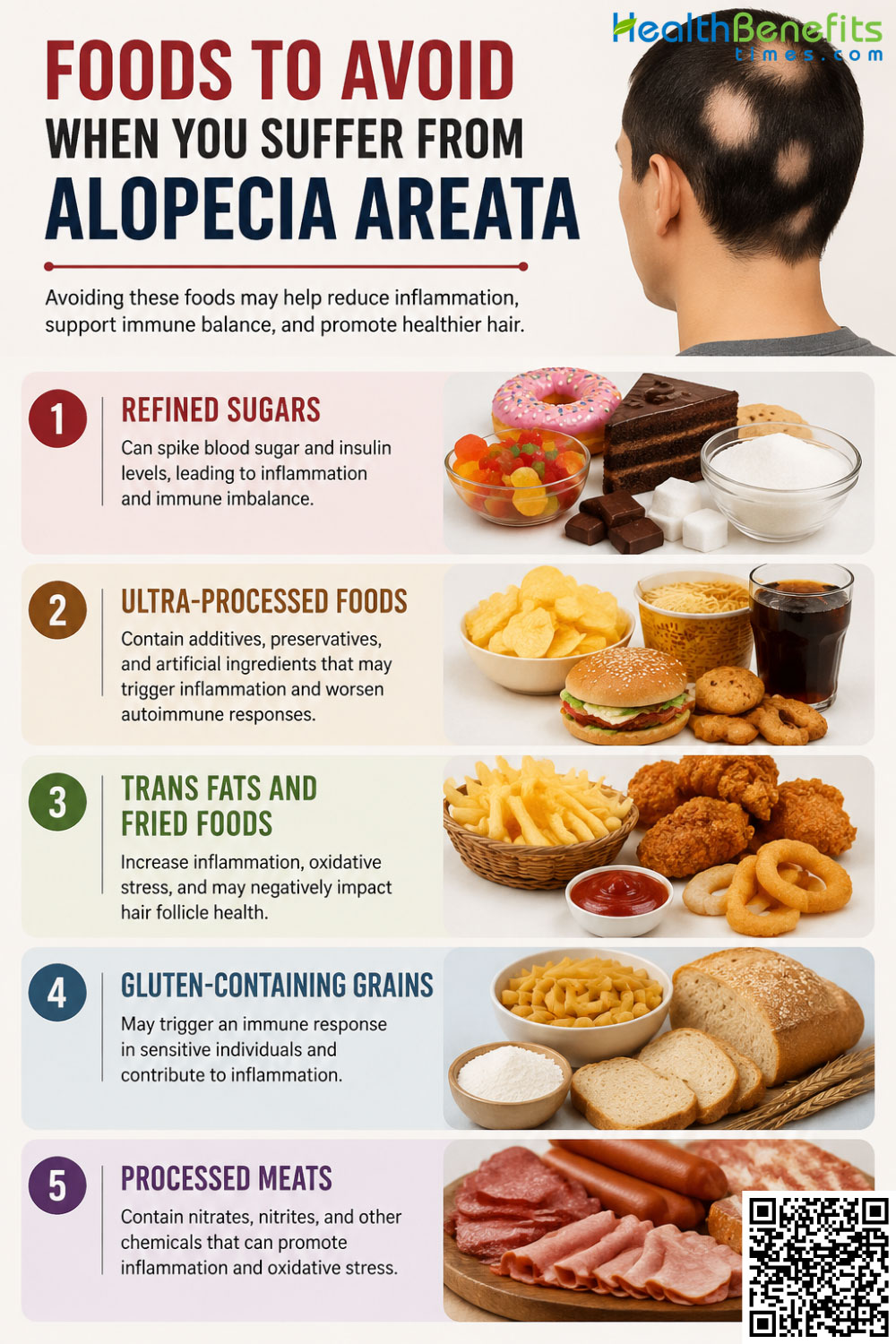
2. Ultra-Processed Foods
These heavily altered foods contain artificial additives and preservatives that disrupt your gut microbiome, potentially hyperactivating your immune system. 72, 73
3. Trans Fats and Fried Foods
Trans fats found in many fried goods produce significant inflammatory markers in your body, aggravating existing autoimmune skin and hair conditions. 74, 75
4. Gluten-Containing Grains
Because alopecia frequently co-occurs with celiac disease, eating wheat or barley can trigger severe immune flares if you have an underlying gluten sensitivity. 76, 77
5. Processed Meats
Hot dogs, bacon, and deli meats contain high levels of saturated fats and pro-inflammatory compounds that continually overstimulate your localized immune system responses. 78, 79
When to See a Doctor When You Have Alopecia Areata
1. Sudden or Rapid Hair Loss
See a doctor if you experience sudden, rapid, and patchy hair shedding, as early medical evaluation can help determine the severity and start prompt treatment. 80, 81
2. Loss of Facial or Body Hair
Consult a dermatologist immediately if hair loss spreads beyond the scalp to your eyebrows, eyelashes, or beard, indicating a potentially more severe disease progression. 82, 83
3. Noticeable Nail Changes
Seek medical attention if your fingernails or toenails develop tiny pits, rough ridges, or become extremely brittle, as nail involvement often reflects more aggressive autoimmune activity. 84, 85
4. Symptoms of Other Autoimmune Disorders
Visit a doctor if hair loss is accompanied by extreme fatigue, joint pain, or significant weight changes, which may signal coexisting autoimmune conditions like thyroid disease. 86, 87
5. Severe Psychological Distress
You must seek professional help if your hair loss triggers severe anxiety, deep depression, or intense social withdrawal, as psychological support is critical for overall well-being. 88, 89
Comments
comments