

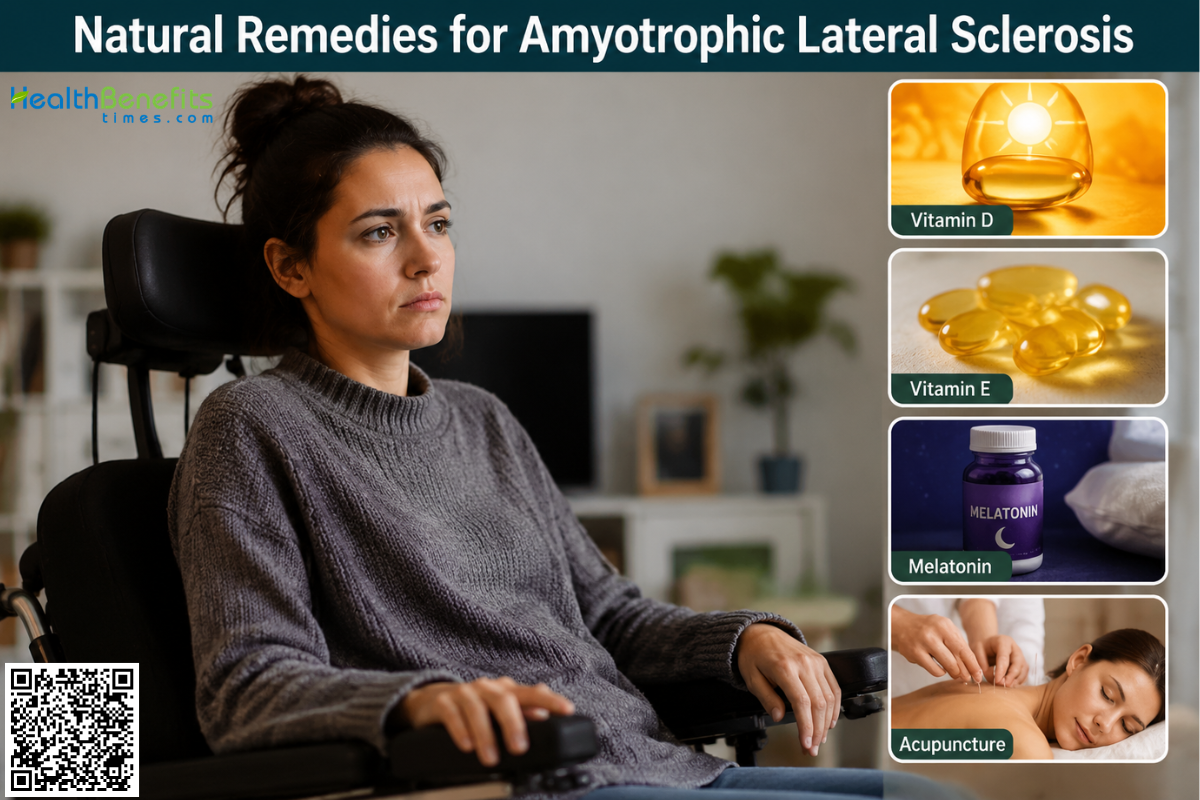
Causes of Amyotrophic Lateral Sclerosis
1. Unknown Origins (Sporadic ALS)
In about 90 percent of all cases, the exact cause of the disease is completely unknown 1. These cases occur randomly without any clear family history, likely resulting from an undiscovered mix of environmental and genetic factors 1.
2. Inherited Genetics (Familial ALS)
Roughly 5 to 10 percent of cases are directly caused by inherited genetic defects passed down from a parent 1. Flaws in specific genes, most commonly the C9orf72 and SOD1 genes, lead to the production of defective proteins that destroy motor neurons 1.
3. Military Service
Veterans of the military are up to twice as likely to develop the condition compared to the general public 1. The exact reason is not fully understood, but researchers suspect it may be linked to specific environmental exposures during service, such as lead, pesticides, or other toxins 1.
4. Toxic Chemical Messengers
On a biological level, patients often exhibit higher-than-normal levels of glutamate, a normal chemical messenger found in the brain and spinal fluid 1. When glutamate lingers too long around nerve cells, it becomes extremely toxic and causes the cells to die 1.
5. Immune System Malfunction
In some instances, a person’s immune system begins to mistakenly attack healthy cells within the body 1. Scientists believe this abnormal, unprovoked immune response may accelerate the damage to the nervous system in affected individuals 1.
6. Protein Buildup
The disease is heavily linked to the mishandling of proteins within the nerve cells themselves 1. When cells fail to process these proteins correctly, abnormal clumps form inside the motor neurons, eventually causing the cells to break down, stop functioning, and die 1.
Symptoms of Amyotrophic Lateral Sclerosis
- Muscle Weakness and Shrinking: The most frequent early indicator is a gradual onset of muscle weakness that typically begins in the arms, hands, or legs, which eventually leads to a visible loss of muscle mass 1.
- Involuntary Twitches and Cramps: Individuals commonly experience painful muscle cramps and visible, uncontrollable twitching beneath the skin, particularly in the arms, legs, shoulders, or tongue 1.
- Speech Abnormalities: As the disease attacks the muscles of the lower face and jaw, a person’s voice may become significantly slurred, thick, or nasal, making it increasingly difficult to be understood 1.
- Swallowing and Chewing Difficulties: Weakness in the throat muscles makes it hard to safely chew food and swallow, increasing the risk of choking and causing severe weight loss 1.
- Loss of Coordination: Patients often develop clumsiness, leading to frequent tripping, stumbling, or the inability to perform precise movements like buttoning a shirt, holding a pen, or turning a key in a lock 1.
- Muscle Stiffness: The disease can cause severe tightening and stiffening of the muscles, known clinically as spasticity, which severely limits a person’s normal range of motion 1.
- Breathing Impairment: In advanced stages, the disease destroys the specific motor neurons that control the diaphragm and chest wall, leading to shortness of breath and ultimately requiring permanent breathing assistance 1.
Natural Remedies for Amyotrophic Lateral Sclerosis
1. High-Calorie Nutrition
How it may help
Amyotrophic lateral sclerosis often causes patients to burn energy much faster than normal, leading to rapid weight loss and muscle breakdown 2. A high-calorie diet provides the extra energy required to fight this decline, helping to preserve vital muscle mass and support overall physical strength as the disease advances 3.
What research says
Clinical studies demonstrate that high-calorie nutrition safely prevents extreme weight loss and significantly improves body mass index in affected individuals 4. Furthermore, research concludes that maintaining a higher body weight through these specialized diets is strongly associated with slower disease progression and a longer overall survival time 5.
How to use it safely
Work directly with a medical team or registered dietitian to safely incorporate calorie-dense foods into your meals 3. Focus on adding healthy fats like avocados, nut butters, and natural oils. If swallowing becomes difficult, switch to specialized high-calorie liquid supplements to comfortably meet your daily energy needs 5.
Potential precautions or side effects
You must carefully manage the texture of your food to prevent choking or inhaling particles into your lungs 3. Limit unhealthy saturated fats to avoid developing cardiovascular complications.
2. Physical Therapy and Stretching
How it may help
Physical therapy and daily stretching maintain a patient’s range of motion and prevent painful muscle stiffening, known as contractures, caused by prolonged inactivity 6. While these interventions cannot reverse permanent nerve damage, they actively manage debilitating physical symptoms, reduce overall discomfort, and help individuals preserve physical independence longer 7.
What research says
Clinical meta-analyses conclude that moderate physical therapy is highly beneficial and completely safe for patients with amyotrophic lateral sclerosis 8. Research confirms that tailored stretching and aerobic programs significantly improve functional capacity, ease fatigue, and elevate quality of life without accelerating the underlying progression of the disease 6.
How to use it safely
You should always consult a licensed physical therapist to design a customized exercise plan tailored to your specific stage of the disease 7. Focus entirely on gentle, moderate-intensity stretching and aerobic activities, such as swimming or stationary cycling, to safely maintain muscle function 6.
Potential precautions or side effects
Avoid high-intensity exercises and heavy weightlifting, as extreme physical exertion can permanently damage vulnerable muscles and trigger severe fatigue, which may worsen overall physical decline 6.
3. Cannabis-Based Extracts
How it may help
Cannabis-based extracts interact with the central nervous system. They may help manage ALS symptoms by relaxing muscles to reduce spasticity, stimulating appetite, and improving sleep quality. Additionally, these extracts possess anti-inflammatory and antioxidant properties that might theoretically protect nerve cells from progressive deterioration 9 10.
What research says
Animal models indicate that cannabinoids delay disease progression and improve survival by reducing neuroinflammation 11 12. In humans, patient surveys confirm cannabis effectively relieves pain, cramps, and sleep disturbances, though large-scale clinical trials proving it halts disease progression in humans are currently lacking 13 14.
How to use it safely
Always consult your neurologist before trying cannabis extracts. You should start with a very low dose and increase it gradually to carefully monitor your tolerance. Only purchase medical-grade products from regulated dispensaries to guarantee accurate active ingredient concentrations and avoid harmful agricultural contaminants.
Potential precautions or side effects
Common side effects include drowsiness, dry mouth, dizziness, and fatigue 13. High doses can trigger elevated heart rates, confusion, or adverse interactions with your current ALS medications 15.
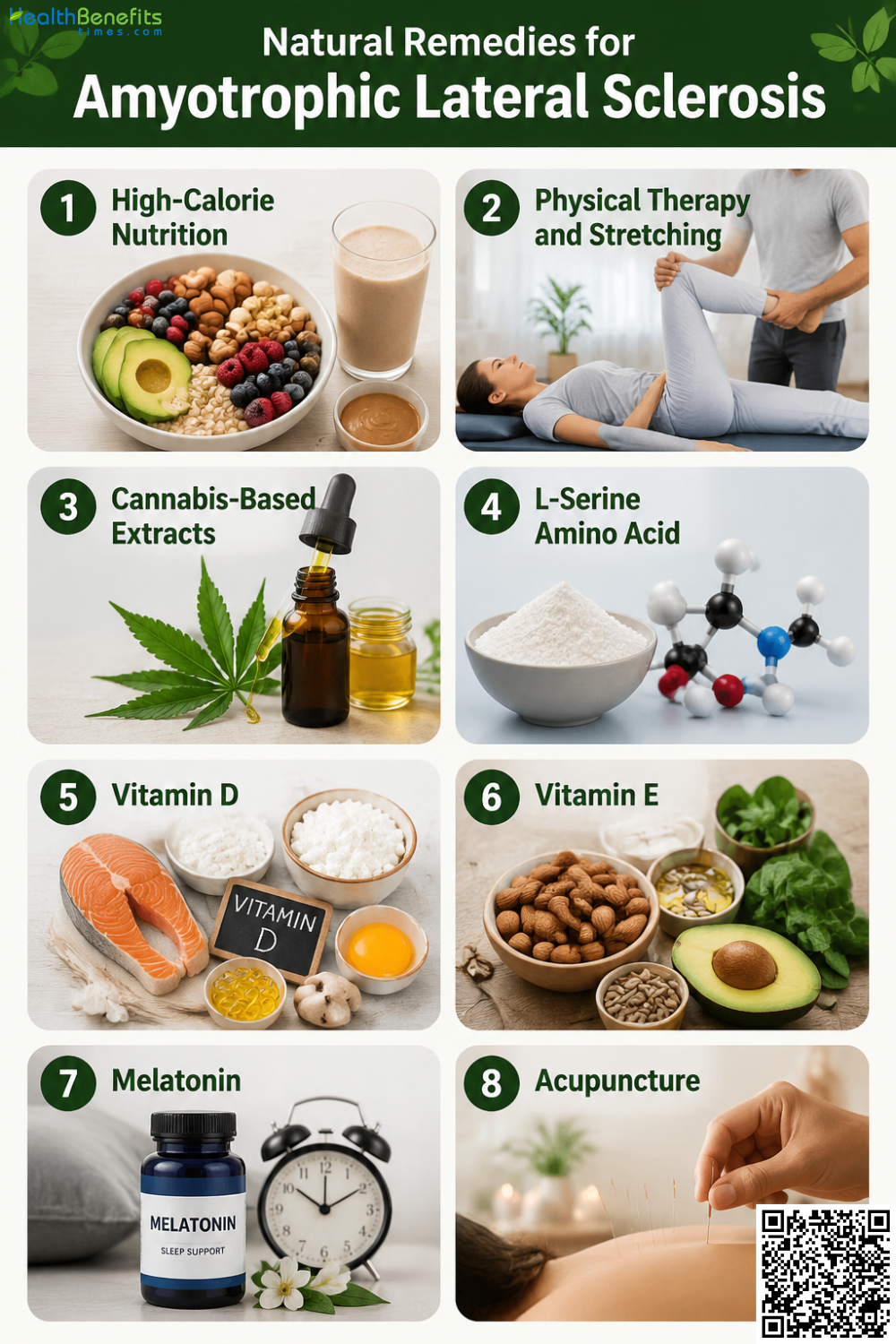
4. L-Serine Amino Acid
How it may help
L-serine is an amino acid that protects nerve cells from environmental toxins linked to neurodegeneration. It prevents the accumulation of toxic proteins within the central nervous system. Additionally, L-serine activates specific cellular enzymes that clear out misfolded proteins, helping to maintain overall motor neuron health 16 17.
What research says
Clinical trials indicate that L-serine is safe for individuals with Amyotrophic Lateral Sclerosis and may slow disease progression. Animal studies also confirm it reduces motor neuron degeneration and limits spinal cord inflammation 18. Early human trials observed a measurable decrease in the rate of functional decline among treated patients 19.
How to use it safely
You must consult your neurologist before starting L-serine supplementation. Clinical protocols typically evaluate oral doses ranging up to 15 grams taken twice daily 20. Always purchase pharmaceutical-grade supplements from reputable suppliers to ensure precise dosing and prevent exposure to harmful impurities.
Potential precautions or side effects
L-serine is generally well tolerated, but high doses can cause gastrointestinal distress, including stomach cramps or nausea 20. Immediately report any adverse digestive symptoms to your healthcare provider.
5. Vitamin D
How it may help
Vitamin D is a hormone with neuroprotective properties that support motor neuron health. It may protect against nerve cell damage by reducing inflammation and oxidative stress. Maintaining adequate levels is primarily beneficial for preserving general bone and muscle health in individuals with Amyotrophic Lateral Sclerosis 21.
What research says
Research yields mixed conclusions. Although early observational studies suggested that severe vitamin D deficiency accelerates functional decline, comprehensive randomized clinical trials demonstrate that long-term supplementation does not significantly improve motor dysfunction or alter disease progression in Amyotrophic Lateral Sclerosis 22 23.
How to use it safely
You must consult your doctor for a blood test before starting supplementation. If a deficiency is confirmed, follow your prescribed dosage closely to reach a normal range. Always choose high-quality, pharmacy-grade supplements to ensure accurate dosing and prevent contamination.
Potential precautions or side effects
Excessive supplementation can cause toxic calcium buildup in your blood. This may trigger severe nausea, extreme weakness, abnormal heart rhythms, and kidney stones 24.
6. Vitamin E
How it may help
Vitamin E is a powerful antioxidant that protects cells from damage caused by harmful free radicals. In Amyotrophic Lateral Sclerosis, reducing this oxidative stress is theoretically believed to preserve nerve function and delay the progressive destruction of motor neurons within the central nervous system 25.
What research says
While observational studies suggest regular Vitamin E intake might slightly lower the overall risk of developing Amyotrophic Lateral Sclerosis, clinical trials show it is an ineffective treatment. Taking supplements does not improve physical function, slow disease progression, or increase survival rates in diagnosed patients 26 27.
How to use it safely
You must discuss Vitamin E supplementation with your neurologist to ensure it does not interfere with your current treatment plan. If approved, use only quality-tested, pharmacy-grade supplements and strictly adhere to your recommended daily dosage to maintain healthy levels and avoid toxicity.
Potential precautions or side effects
High doses of Vitamin E increase the risk of dangerous bleeding, particularly for individuals taking blood thinners. It may also cause nausea, headaches, vision changes, and gastrointestinal upset 28.
7. Melatonin
How it may help
Melatonin is a hormone with strong antioxidant and neuroprotective properties. It may manage Amyotrophic Lateral Sclerosis by neutralizing free radicals and reducing oxidative damage in the brain and spinal cord 29. It also supports better sleep and blocks specific chemical pathways that cause motor neuron death 30.
What research says
Animal studies demonstrate that melatonin delays disease progression and prolongs survival 30. In humans, retrospective clinical databases suggest melatonin use associates with slower functional decline and reduced mortality risk 31. High-dose safety trials also confirm it effectively normalizes oxidative stress markers in patients 32.
How to use it safely
You must consult your neurologist before starting melatonin. While standard supplements improve sleep, ALS trials explore much higher daily doses 32. Always purchase pharmacy-grade products and slowly increase your intake under medical supervision to safely monitor your tolerance and prevent negative drug interactions.
Potential precautions or side effects
Common side effects include morning drowsiness, mild headaches, dizziness, and nausea 33. High doses may cause daytime fatigue, vivid dreams, or interact with other nervous system medications.
8. Acupuncture
How it may help
Acupuncture uses thin needles inserted into specific body points to stimulate the nervous system. For Amyotrophic Lateral Sclerosis, it aims to relieve symptoms rather than cure the underlying disease. It may reduce muscle spasticity, manage chronic pain, improve sleep, and alleviate excessive saliva 34.
What research says
Clinical reviews suggest acupuncture can temporarily improve quality of life and relieve specific symptoms like fatigue and muscle cramps 34. However, current evidence relies largely on case studies. There is no conclusive proof that acupuncture stops motor neuron destruction or extends survival 35.
How to use it safely
You must consult your neurologist before trying acupuncture. Only receive treatment from a licensed, board-certified acupuncturist experienced with neurological disorders. Always verify that they use single-use, sterile needles to prevent transmissible infections during your therapy sessions.
Potential precautions or side effects
Minor side effects include temporary soreness, light bleeding, or bruising at insertion sites. Severe complications like infections are extremely rare when performed properly 35.
Foods to Avoid When You suffer from Amyotrophic Lateral Sclerosis
Individuals diagnosed with Amyotrophic Lateral Sclerosis frequently develop progressive muscle weakness that impairs swallowing, a medical condition known as dysphagia. Proper dietary management and modifying food textures are essential clinical strategies to prevent severe malnutrition, choking, and aspiration pneumonia.
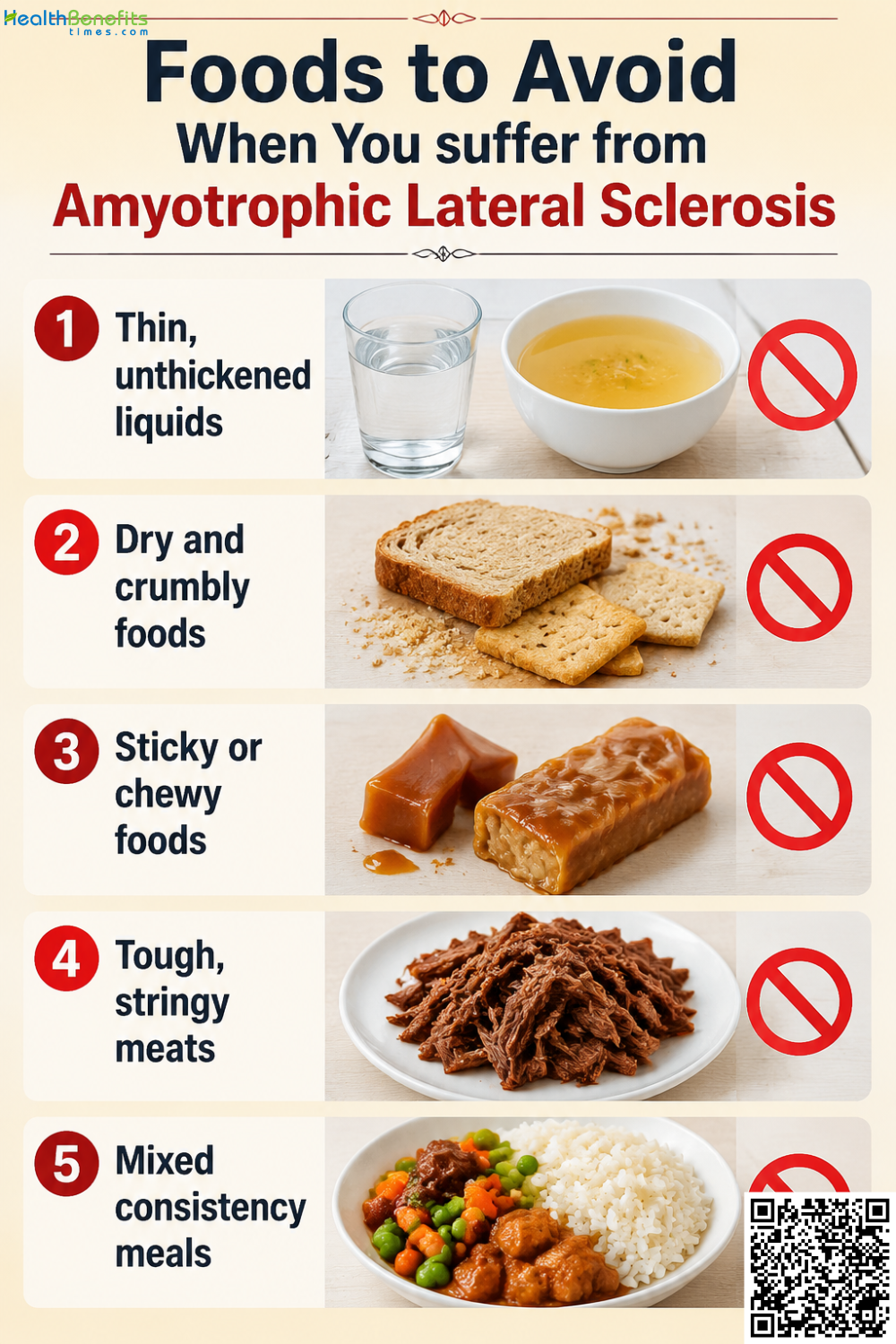
1. Thin, unthickened liquids
Thin drinks like water or clear juice move rapidly down the throat, increasing the risk of choking and dangerous lung infections 36.
2. Dry and crumbly foods
Crackers, toast, and hard cookies easily break into dry fragments, causing severe coughing fits and potential airway blockages during swallowing 37.
3. Sticky or chewy foods
Items like thick peanut butter or caramel require excessive chewing effort, sticking to the mouth and causing severe swallowing fatigue 38.
4. Tough, stringy meats
Fibrous proteins like steak demand significant jaw strength, leading to eating exhaustion and difficulty fully clearing food from the throat 36.
5. Mixed consistency meals
Dishes combining liquids and solids, such as chunky vegetable soups, confuse swallowing muscles and increase the likelihood of respiratory aspiration 36.
When to see Doctor when you struggle from Amyotrophic Lateral Sclerosis
Amyotrophic Lateral Sclerosis is a progressive neurodegenerative disease characterized by the steady destruction of motor neurons. Because this condition continuously degrades respiratory, bulbar, and spinal functions, affected individuals require comprehensive, ongoing medical supervision. Monitoring for acute changes in physical stability, breathing capacity, and swallowing efficiency is essential to prevent life-threatening medical emergencies. Prompt clinical intervention is crucial to manage severe symptoms, reduce the risk of sudden respiratory failure, and preserve the highest possible quality of life.
1. Breathing difficulties
Seek emergency medical care if you develop resting shortness of breath or morning headaches, as these indicate respiratory failure requiring mechanical ventilation 39.
2. Swallowing complications
Contact your neurologist if you frequently choke while eating or drinking, as dysphagia significantly increases your risk of severe aspiration pneumonia and malnutrition 40.
3. Rapid muscle weakness
Consult your doctor if you experience sudden declines in motor strength or frequent falls to receive appropriate physical therapy and necessary mobility aids 1.
4. Speech deterioration
See your healthcare provider if your speech becomes heavily slurred so that specialized speech therapists can intervene with effective communication strategies and devices 1.
5. Significant weight loss
Schedule an evaluation if you lose weight rapidly, as your medical team must urgently adjust your dietary plan or consider placing a feeding tube 1.
Comments
comments