

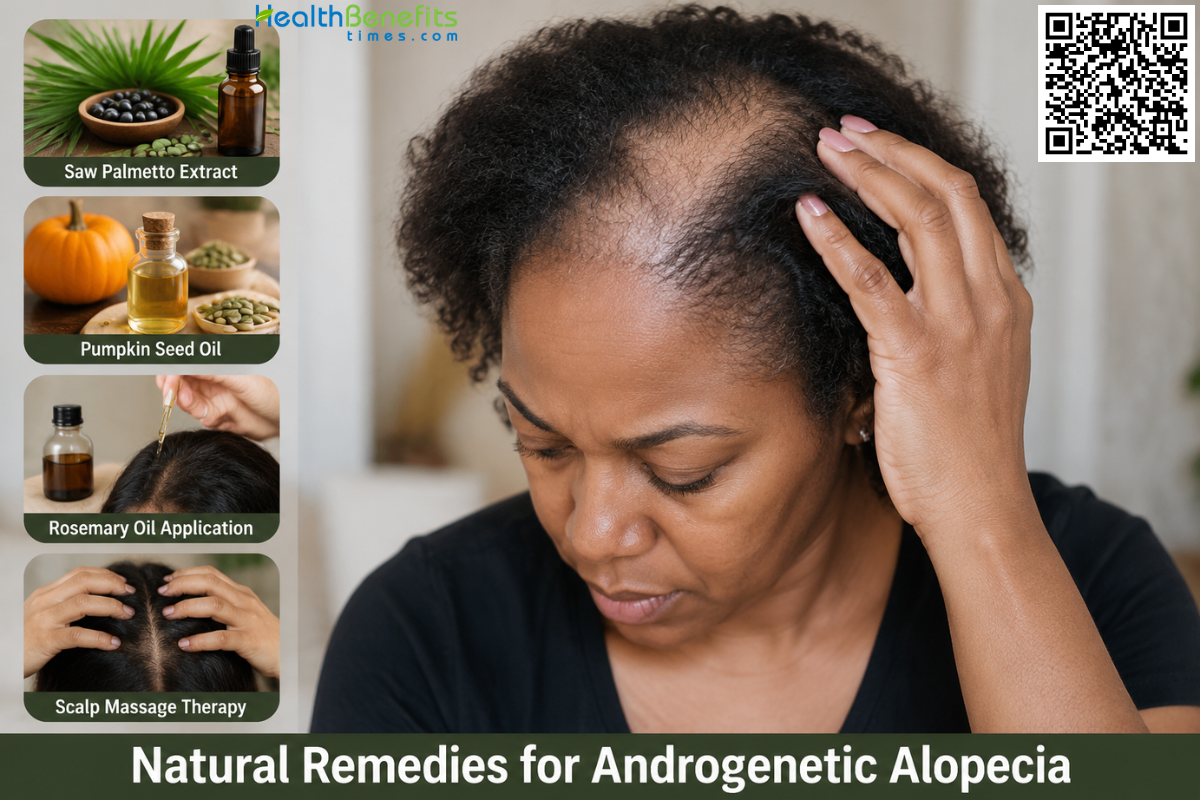
Causes of Androgenetic Alopecia
- Genetic Inheritance: The primary driver of androgenetic alopecia is heredity. Research indicates that individuals with a family history of hair loss are significantly more likely to develop the condition, as multiple genes influence the sensitivity of hair follicles to hormonal changes. 2
- Hormonal Influence: The condition is specifically linked to the action of androgens, which are hormones that regulate hair growth. Increased sensitivity to dihydrotestosterone (DHT) within the scalp follicles causes these follicles to shrink, leading to a shortened growth phase and eventually ending the production of visible hair. 1
- Follicular Miniaturization: This biological process serves as the clinical mechanism for hair loss. Under the influence of specific hormonal signals, the hair follicles become progressively smaller, causing them to produce thinner, lighter, and shorter hairs until they eventually cease hair production altogether. 1
Symptoms of Androgenetic Alopecia
- Gradual Hair Thinning: The most common sign is the slow, progressive reduction in hair density. Hair shafts become progressively finer and shorter, leading to a visible decrease in scalp coverage over time. 2
- Receding Hairline in Men: Males typically experience a distinct pattern of hair loss starting at the temples, which gradually creates an “M” shape as the hairline recedes backward across the scalp. 1
- Diffuse Thinning in Women: Females commonly exhibit a widening of the central part line while maintaining the frontal hairline. This pattern involves diffuse hair loss across the top of the scalp rather than a receding pattern. 1
- Crown Thinning: Many individuals experience thinning specifically at the vertex, or the crown of the head. This area often loses density steadily, eventually leading to a noticeable patch of exposed skin. 2
Natural Remedies for Androgenetic Alopecia
1. Saw Palmetto Extract
How it may help
Saw palmetto is believed to help manage androgenetic alopecia by inhibiting the enzyme 5-alpha reductase, which converts testosterone into dihydrotestosterone (DHT). By reducing DHT levels within the scalp, it may help prevent the miniaturization of hair follicles and support the maintenance of hair density.
What research says
Clinical research suggests that saw palmetto extracts may be effective in promoting hair growth in individuals with androgenetic alopecia. Systematic reviews indicate that it can stabilize hair loss and improve overall hair quality, often serving as a secondary treatment option when compared to standard pharmaceutical interventions for hair density retention. 3
How to use it safely
For safe use, consult a healthcare provider to determine the appropriate dosage, as standardized extracts are preferred over raw plant forms. Follow the specific product labeling or medical guidance regarding the frequency of application or ingestion to ensure consistency and avoid potential over-supplementation.
Potential precautions or side effects
Potential side effects are generally mild but may include digestive issues, such as nausea or stomach pain, and rare instances of dizziness. Always monitor for adverse reactions.
2. Pumpkin Seed Oil
How it may help
Pumpkin seed oil may help manage androgenetic alopecia by inhibiting 5-alpha reductase activity, an enzyme responsible for producing dihydrotestosterone (DHT). By potentially lowering DHT concentration in the scalp, it helps protect hair follicles from the hormone-driven shrinkage that leads to thinning and loss of hair density.
What research says
Clinical findings indicate that supplementation with pumpkin seed oil can increase hair count in individuals with androgenetic alopecia. Observations suggest that the oil contributes to hair regrowth and improved scalp coverage, functioning as a viable complementary approach for those seeking to support hair maintenance through natural lipid-based interventions. 4
How to use it safely
For safe use, take pumpkin seed oil supplements only as directed by a healthcare professional or following the manufacturer’s clinical dosage guidelines. Ensure you source high-quality, cold-pressed oil from reputable suppliers to maintain efficacy and avoid contamination. Always store the supplement in a cool, dark place to prevent degradation.
Potential precautions or side effects
Reported side effects are typically minor, primarily consisting of mild gastrointestinal discomfort or nausea. Consult a physician if you experience persistent digestive issues or allergic reactions.
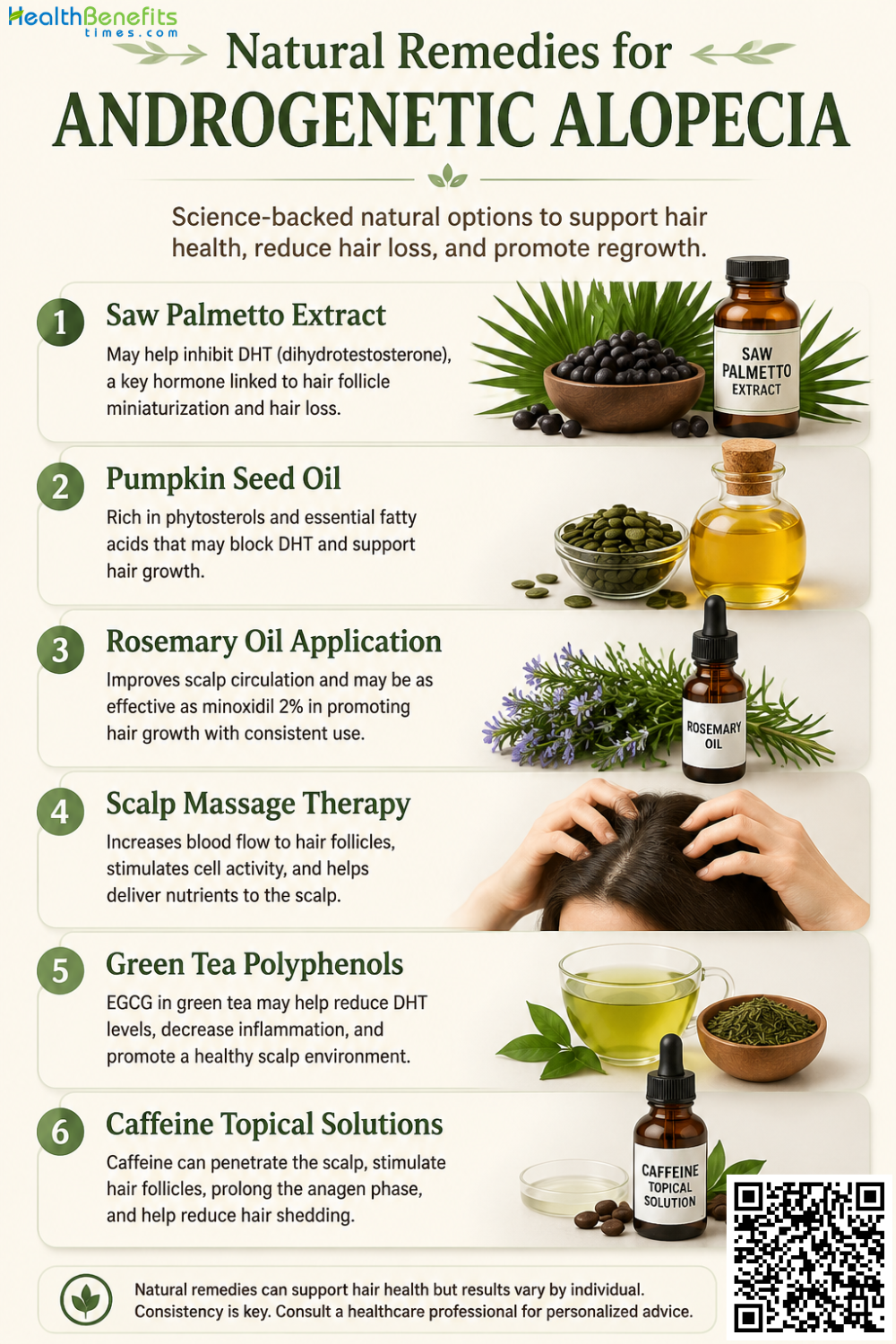
3. Rosemary Oil Application
How it may help
Rosemary oil is thought to support hair growth by improving blood circulation to the scalp. Its active components may also provide antioxidant benefits and protect hair follicles from damage, which helps maintain the health and function of the follicles during the growth cycle.
What research says
Research comparing rosemary oil to common topical treatments has indicated that it can significantly increase hair count over several months. Studies suggest that its consistent use effectively promotes hair growth in individuals experiencing hair thinning, making it a reliable botanical option for those seeking to enhance scalp health and hair density. 5
How to use it safely
For safe use, always dilute rosemary essential oil in a carrier oil, such as jojoba or coconut oil, before applying it to your scalp. Avoid direct, undiluted application to prevent skin irritation. Massage the mixture gently into the scalp and leave it for the recommended duration before washing.
Potential precautions or side effects
Potential side effects include scalp irritation, redness, or contact dermatitis. Perform a patch test on a small area of skin before regular use to ensure you have no allergic reaction.
4. Scalp Massage Therapy
How it may help
Scalp massage may help manage androgenetic alopecia by applying mechanical stress to dermal papilla cells. This stimulation encourages blood flow to the hair follicles, potentially promoting hair thickness and improved follicular health.
What research says
Clinical research suggests that consistent scalp massage can lead to increased hair thickness, with participants in studies reporting improved hair growth and scalp health outcomes over several months. 6
How to use it safely
To use this therapy safely, perform a gentle, firm circular massage across the entire scalp using your fingertips for approximately four minutes daily. Ensure your movements are steady and avoid aggressive pulling or scrubbing, which could damage existing hair shafts. Consistent, daily application is more effective than intermittent, high-pressure sessions.
Potential precautions or side effects
Avoid massaging too vigorously to prevent physical hair breakage or scalp irritation. If you have active scalp inflammation, open sores, or severe skin conditions, consult a dermatologist before beginning, as massage may worsen localized infections or flare-ups.
5. Green Tea Polyphenols
How it may help
Green tea contains a potent antioxidant known as epigallocatechin-3-gallate (EGCG). This compound may help manage androgenetic alopecia by protecting hair follicles from oxidative stress and potentially inhibiting enzymes that contribute to hormone-related hair thinning. These processes help maintain the hair growth cycle and may prolong the active growth phase of follicles.
What research says
Peer-reviewed studies indicate that EGCG can stimulate human hair follicles and prolong hair growth in laboratory environments. While results show promise in supporting follicular health, further clinical human trials are necessary to confirm the efficacy of topical green tea applications for significant hair regrowth in individuals with androgenetic alopecia. 7
How to use it safely
To use it safely, apply a cooled, concentrated green tea solution or a standardized EGCG topical extract directly to the scalp. Leave the solution on for a few minutes before rinsing if desired. Ensure you perform a patch test on your inner forearm first to check for any skin sensitivity.
Potential precautions or side effects
Some individuals may experience contact dermatitis or mild scalp irritation. If you notice redness, itching, or swelling, discontinue use immediately and consult a healthcare professional.
6. Caffeine Topical Solutions
How it may help
Topical caffeine helps manage androgenetic alopecia by counteracting the suppressive effects of hormones on hair follicles. By stimulating the hair shaft and extending the growth phase, caffeine promotes improved follicle production. This process helps counteract the miniaturization of hair follicles commonly observed in pattern hair loss.
What research says
Research indicates that caffeine promotes hair shaft elongation and stimulates hair matrix keratinocyte proliferation. Clinical evidence suggests it is a biologically active substance that can penetrate the human scalp, effectively supporting hair growth when applied topically. 8
How to use it safely
Apply a caffeine-infused shampoo or leave-on tonic directly to your scalp. For maximum benefit, gently massage the product in and allow it to remain on the scalp for at least two minutes before rinsing to ensure adequate absorption into the hair follicles.
Potential precautions or side effects
Possible side effects include mild scalp irritation, dryness, or itching. If you experience persistent redness or discomfort, discontinue use and consult a dermatologist for further evaluation.
Foods to Avoid When Experiencing Androgenetic Alopecia
While no single food causes hair loss, certain dietary habits can exacerbate systemic inflammation or hormonal imbalances that negatively impact follicle health.
1. High-Glycemic Foods
Sugary snacks, white bread, and processed carbohydrates cause rapid spikes in insulin. These surges can increase androgen activity, which may accelerate the miniaturization of hair follicles. 9
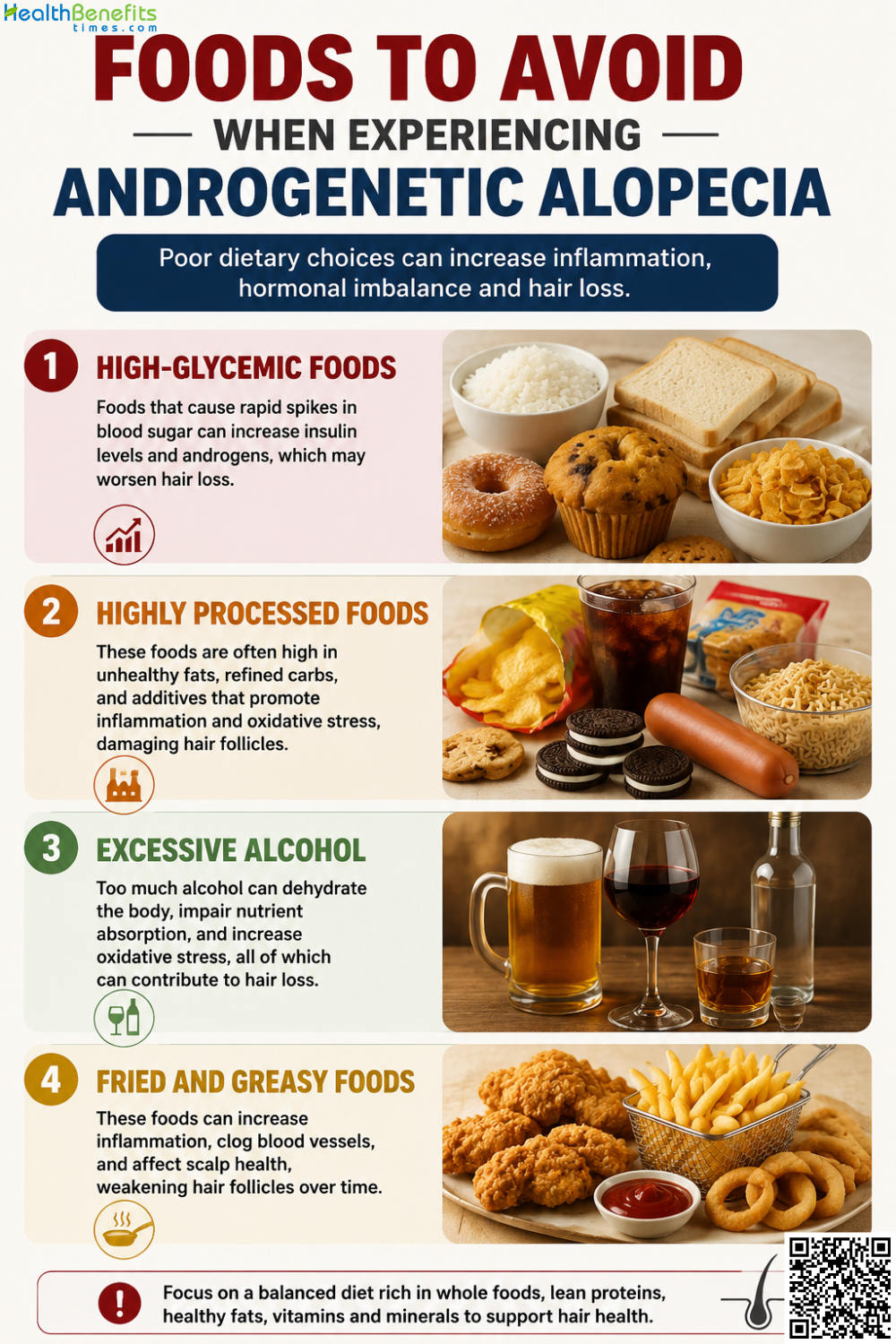
2. Highly Processed Foods
These items often contain unhealthy fats, additives, and high sodium levels that promote chronic systemic inflammation, potentially disrupting the natural hair growth cycle and follicle function. 10
3. Excessive Alcohol
Heavy alcohol consumption contributes to nutritional deficiencies and oxidative stress, which may impair hair follicle regeneration and reduce the overall quality and density of hair shafts. 11
4. Fried and Greasy Foods
Consuming excessive saturated and trans fats can negatively alter lipid profiles and increase systemic inflammation, which is linked to poor scalp health and hair loss progression. 12
When to Consult a Healthcare Professional
While androgenetic alopecia is typically a gradual process, consult a healthcare provider if you notice changes that deviate from expected patterns or if you require medical management.
1. Sudden or Rapid Hair Shedding
Seek an evaluation if hair loss occurs abruptly or in large clumps, as this may indicate an underlying medical condition, autoimmune process, or nutritional deficiency. 13
2. Pain, Itching, or Burning
Consult a doctor if the scalp shows signs of inflammation, redness, or persistent discomfort, as these symptoms may signal a secondary skin disorder requiring specific treatment. 14
3. Patchy or Asymmetric Loss
If you observe distinct, bald, coin-shaped patches rather than gradual thinning, seek professional diagnostic imaging or physical examination to rule out other types of alopecia. 9
4. Desire for Clinical Treatment
Consult a dermatologist to discuss evidence-based medical interventions, such as topical or oral therapies, which are most effective when started during the early stages of hair loss. 15
Comments
comments