

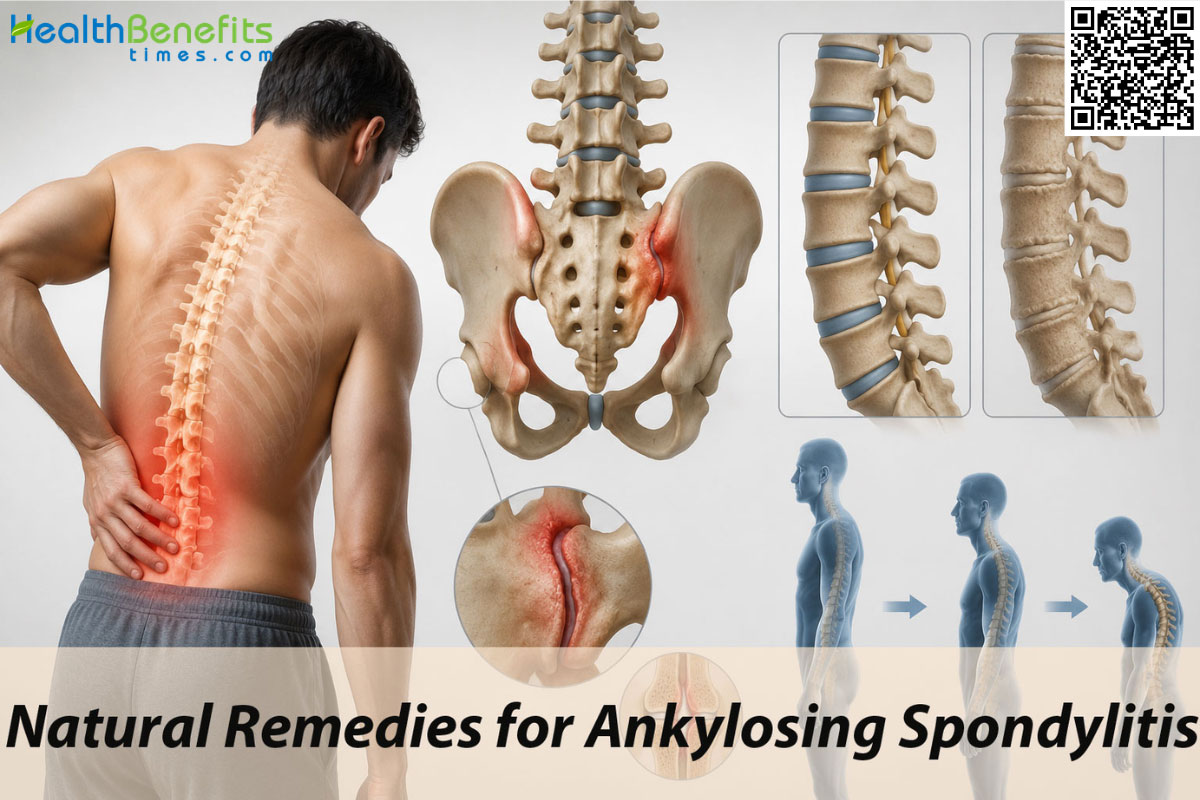
Causes of Ankylosing Spondylitis
- Genetic predisposition, most notably the inheritance of the HLA-B27 gene variant.
- Additional genetic mutations that influence immune system function, such as the ERAP1, IL12B, and IL23R genes.
- An abnormal autoimmune response where the body’s immune system mistakenly attacks healthy spinal joints, ligaments, and tissues.
- A direct family history of ankylosing spondylitis or related autoimmune conditions like psoriatic arthritis or inflammatory bowel disease.
- Potential environmental triggers, such as prior bacterial infections in the gastrointestinal or urinary tracts, which may activate the disease in genetically susceptible people.
- Disruptions or imbalances in the natural gut bacteria (the microbiome), which researchers believe may trigger systemic inflammation and autoimmune activity. 2, 3, 1
Symptoms of Ankylosing Spondylitis
- A gradual onset of pain and stiffness in the lower back and pelvis, typically developing slowly over weeks or months.
- Back pain that noticeably improves with physical activity and exercise but worsens during periods of rest or inactivity.
- Severe morning stiffness in the lower back and hips that lasts for 30 minutes or longer upon waking.
- Deep pain in the buttocks that frequently alternates from one side to the other.
- Chronic fatigue and a generalized feeling of exhaustion resulting from systemic inflammation.
- Inflammation, pain, and swelling in other peripheral joints, most commonly affecting the hips, shoulders, knees, and ankles.
- Tenderness and pain where tendons and ligaments attach to bones (enthesitis), frequently occurring at the back or base of the heel (Achilles tendinitis or plantar fasciitis).
- Chest pain, rib stiffness, and restricted chest expansion, which can make it uncomfortable or difficult to take deep breaths.
- Acute eye inflammation (uveitis or iritis), which causes sudden eye redness, severe pain, blurred vision, and heightened sensitivity to light.
- A progressive loss of spinal mobility and flexibility, potentially leading to a visibly hunched or stooped posture in advanced stages. 3, 4, 1
Natural Remedies for Ankylosing Spondylitis
1. Targeted Physical Therapy and Daily Stretching Exercises
How It May Help
Targeted physical therapy and daily stretching regimens are fundamental in managing ankylosing spondylitis because they maintain spinal flexibility and promote proper posture. By consistently stretching the back and chest muscles, individuals can prevent or delay the joint fusion and stiffening that characterize the progression of the disease. 3
What Research Says
Clinical studies confirm that supervised physical therapy combined with a home exercise program significantly improves spinal mobility and reduces chronic pain in patients with this condition. Evidence highlights that continuous, lifelong exercise interventions are the most effective non-pharmacological approach to improving physical function and overall quality of life. 5
How to Use It Safely
To use this approach safely, you should work directly with a licensed physical therapist to design a customized routine that avoids placing excessive strain on inflamed joints. Begin with gentle stretching and deep breathing exercises, and consistently perform your routine daily rather than attempting intense, sporadic workouts. 4
Potential Precautions or Side Effects
Stop exercising and consult your doctor if you experience sharp, sudden pain. Avoid high-impact activities or heavy lifting during acute disease flare-ups to prevent joint injury or increased inflammation. 1
2. Hot and Cold Therapy
How It May Help
Alternating between temperature treatments provides targeted relief for joint pain and stiffness. Applying localized heat expands blood vessels, which increases circulation and relaxes tight muscles in the lower back. 3 Conversely, cold therapy constricts blood vessels, effectively reducing acute joint inflammation and numbing sharp pain during disease flare-ups. 6
What Research Says
Clinical studies indicate that thermotherapy and cryotherapy serve as effective supplementary treatments for managing chronic inflammatory arthritis. Evidence confirms that the regular application of heat and cold significantly reduces pain severity scores, decreases morning joint stiffness, and improves overall physical comfort in patients experiencing autoimmune spinal inflammation. 7
How to Use It Safely
To use these treatments safely, apply a warm compress or take a warm shower to relieve daily morning stiffness. 8 During acute pain flares, apply an ice pack wrapped in a protective cloth to the affected area for no longer than 20 minutes to prevent skin tissue damage. 9
Potential Precautions or Side Effects
Never apply ice directly to bare skin, as this causes frostbite. You must avoid using heating pads on areas with active swelling, broken skin, or reduced nerve sensation. 10
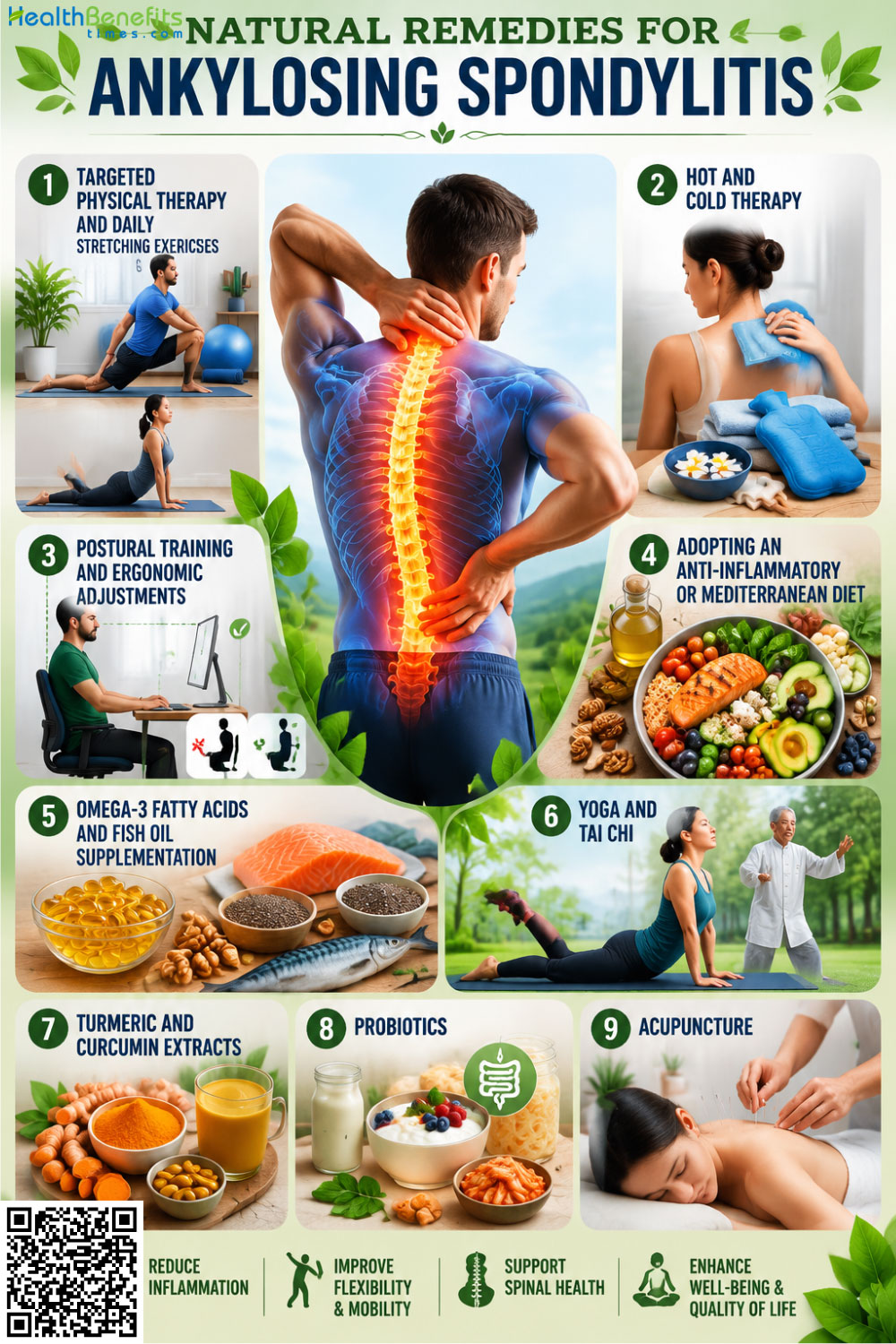
3. Postural Training and Ergonomic Adjustments
How It May Help
Conscious postural training helps prevent the spine from permanently fusing in a hunched, forward-bending position, a common complication of advanced ankylosing spondylitis. 3 Implementing ergonomic workspace adjustments supports the natural curvature of the spine, which significantly reduces physical strain on inflamed spinal ligaments and surrounding muscles. 1
What Research Says
Clinical evidence demonstrates that consistent postural education and spinal extension exercises successfully delay the progression of structural spinal deformities. 11 Research confirms that patients who integrate ergonomic workplace modifications experience lower levels of daily fatigue and maintain better overall physical function. 5
How to Use It Safely
You should sleep on a firm mattress to support your spine and avoid using thick pillows that forcefully push your neck forward. 4 Adjust your computer monitor directly to eye level and use a chair with proper lumbar support to maintain a straight, neutral posture. 12
Potential Precautions or Side Effects
Do not force your spine into painful positions or wear rigid back braces without medical guidance, as prolonged immobilization can accelerate joint stiffness and weaken essential core muscles. 10
4. Adopting an Anti-Inflammatory or Mediterranean Diet
How It May Help
An anti-inflammatory or Mediterranean diet focuses on whole foods that naturally reduce systemic inflammation. By eliminating processed foods and sugars that trigger immune responses, this dietary approach helps lower the overall inflammatory burden on the body, which can decrease joint swelling and morning stiffness associated with autoimmune arthritis. 13
What Research Says
Clinical studies indicate that adherence to a Mediterranean diet significantly lowers blood markers of inflammation, such as C-reactive protein. 14 Research confirms that patients with inflammatory arthritis who consume high amounts of fruits, vegetables, and unsaturated fats report measurable improvements in physical function and reduced joint pain severity. 15
How to Use It Safely
You should incorporate plenty of fresh vegetables, whole grains, and fatty fish into your daily meals. 16 Cook with extra virgin olive oil instead of saturated fats, and strictly avoid highly processed foods, refined sugars, and excessive red meat, which are known to provoke inflammatory responses. 17
Potential Precautions or Side Effects
Do not replace prescribed medical treatments with dietary changes alone. 4 You should monitor for food allergies and consult a medical dietitian before starting any restrictive eating plan. 18
5. Omega-3 Fatty Acids and Fish Oil Supplementation
How It May Help
Omega-3 fatty acids, specifically EPA and DHA found in fish oil, act as natural anti-inflammatory agents by inhibiting the production of inflammatory chemicals in the body. 19 By suppressing this systemic immune response, these supplements effectively decrease chronic joint swelling and relieve severe morning stiffness in the spine. 20
What Research Says
Clinical evidence indicates that high-dose omega-3 supplementation significantly reduces disease activity scores and persistent joint pain in patients with inflammatory arthritis. 21 Studies confirm that daily fish oil supplementation frequently leads to improved physical mobility and a measurable decrease in the required usage of nonsteroidal anti-inflammatory drugs. 22
How to Use It Safely
You should consume omega-3s through dietary sources like salmon or take high-quality, purified fish oil capsules. 23 Always consult your doctor to determine the appropriate dosage, as effective anti-inflammatory therapy typically requires between two and three grams of combined EPA and DHA daily. 24
Potential Precautions or Side Effects
High doses of fish oil can increase bleeding risks and interact dangerously with blood-thinning medications. 25 You may also experience mild gastrointestinal upset, such as indigestion, nausea, or diarrhea. 26
6. Yoga and Tai Chi
How It May Help
Yoga and Tai Chi utilize slow, controlled movements and deep breathing to enhance spinal flexibility, strengthen core muscles, and improve overall posture. 27 These mind-body practices also effectively reduce mental stress, which is a known trigger for autoimmune disease flare-ups and chronic pain amplification. 28
What Research Says
Clinical evidence demonstrates that mind-body exercises significantly reduce chronic back pain and decrease overall disease activity in patients with inflammatory arthritis. 29 Furthermore, studies confirm that regular practice specifically improves chest expansion and spinal mobility, leading to better physical function and a higher quality of life. 30
How to Use It Safely
You should begin under the direct guidance of a certified instructor who has experience with spinal conditions. 31 Inform them of your diagnosis so they can modify poses, ensuring you avoid extreme spinal flexion or sudden twisting movements that could trigger acute inflammation. 32
Potential Precautions or Side Effects
Do not attempt advanced, forceful poses that cause sharp joint pain. 33 You must strictly avoid strenuous routines during active disease flare-ups to prevent severe spinal injury. 34
7. Turmeric and Curcumin Extracts
How It May Help
Curcumin, the primary active compound found in turmeric root, possesses potent anti-inflammatory properties that directly inhibit the production of pro-inflammatory enzymes and cytokines. 35 By suppressing these specific chemical pathways, curcumin helps reduce joint swelling, alleviate severe spinal pain, and decrease the overall inflammatory burden associated with autoimmune arthritis. 36
What Research Says
Clinical evidence demonstrates that high-quality curcumin supplementation significantly lowers key blood markers of systemic inflammation, including C-reactive protein and erythrocyte sedimentation rates. 37 Furthermore, research confirms that patients utilizing turmeric extracts experience notable reductions in morning joint stiffness and a measurable improvement in overall physical mobility. 38
How to Use It Safely
You should take curcumin supplements that contain black pepper extract (piperine), as this significantly enhances the body’s ability to absorb the compound into the bloodstream. 39 Always consult your physician for proper dosage recommendations, generally ranging from 500 to 2,000 milligrams daily, and take the capsules with meals. 40
Potential Precautions or Side Effects
High doses of turmeric can thin your blood and dangerously interact with prescribed anticoagulant medications. 41 You may also experience mild gastrointestinal distress, such as nausea or acid reflux. 42
8. Probiotics
How It May Help
Probiotics restore the natural balance of beneficial bacteria in the gastrointestinal tract, which is crucial for regulating immune system responses. 43 By correcting bacterial imbalances, probiotics help prevent intestinal permeability and reduce the systemic inflammation that triggers joint pain and spinal stiffness in autoimmune conditions. 44
What Research Says
Clinical evidence demonstrates that a significant percentage of patients with ankylosing spondylitis exhibit underlying gut inflammation and altered microscopic intestinal flora. 45 Furthermore, research confirms that targeted probiotic supplementation successfully lowers circulating inflammatory markers and can noticeably improve daily physical function and disease activity scores. 46
How to Use It Safely
You should incorporate naturally fermented foods, such as plain yogurt, kefir, and sauerkraut, into your daily diet. 47 If utilizing supplements, consult your physician to select a high-quality product containing well-studied bacterial strains like Lactobacillus and Bifidobacterium at an appropriate daily dosage. 48
Potential Precautions or Side Effects
You may experience temporary digestive issues like mild gas or bloating when starting treatment. 49 Immunocompromised individuals must avoid live bacterial supplements to prevent severe systemic infections. 50
9. Acupuncture
How It May Help
Acupuncture involves inserting sterile, hair-thin needles into specific pathways on the body to stimulate the central nervous system. 51 This traditional therapy helps release natural pain-relieving chemicals called endorphins, which effectively relaxes severe muscle spasms and reduces the chronic spinal pain associated with autoimmune arthritis. 52
What Research Says
Clinical evidence demonstrates that integrating acupuncture with standard medical care significantly reduces back pain intensity and improves daily morning stiffness. 53 Furthermore, research confirms that this targeted needle stimulation successfully lowers circulating inflammatory markers and safely enhances overall spinal mobility. 54
How to Use It Safely
You should seek treatment strictly from a licensed, board-certified acupuncture practitioner to ensure proper technique and safety. 55 Always verify that the practitioner uses sterile, individually packaged, disposable needles to eliminate the risk of severe bloodborne infections. 56
Potential Precautions or Side Effects
You may experience minor soreness, slight bruising, or bleeding at insertion sites. 57 Individuals with bleeding disorders or those taking blood thinners must consult a physician first. 58
Foods to Avoid When You Suffer from Ankylosing Spondylitis
1. Refined Sugars
High sugar intake spikes systemic inflammation by triggering the release of inflammatory cytokines, worsening autoimmune joint pain and stiffness. 59, 60
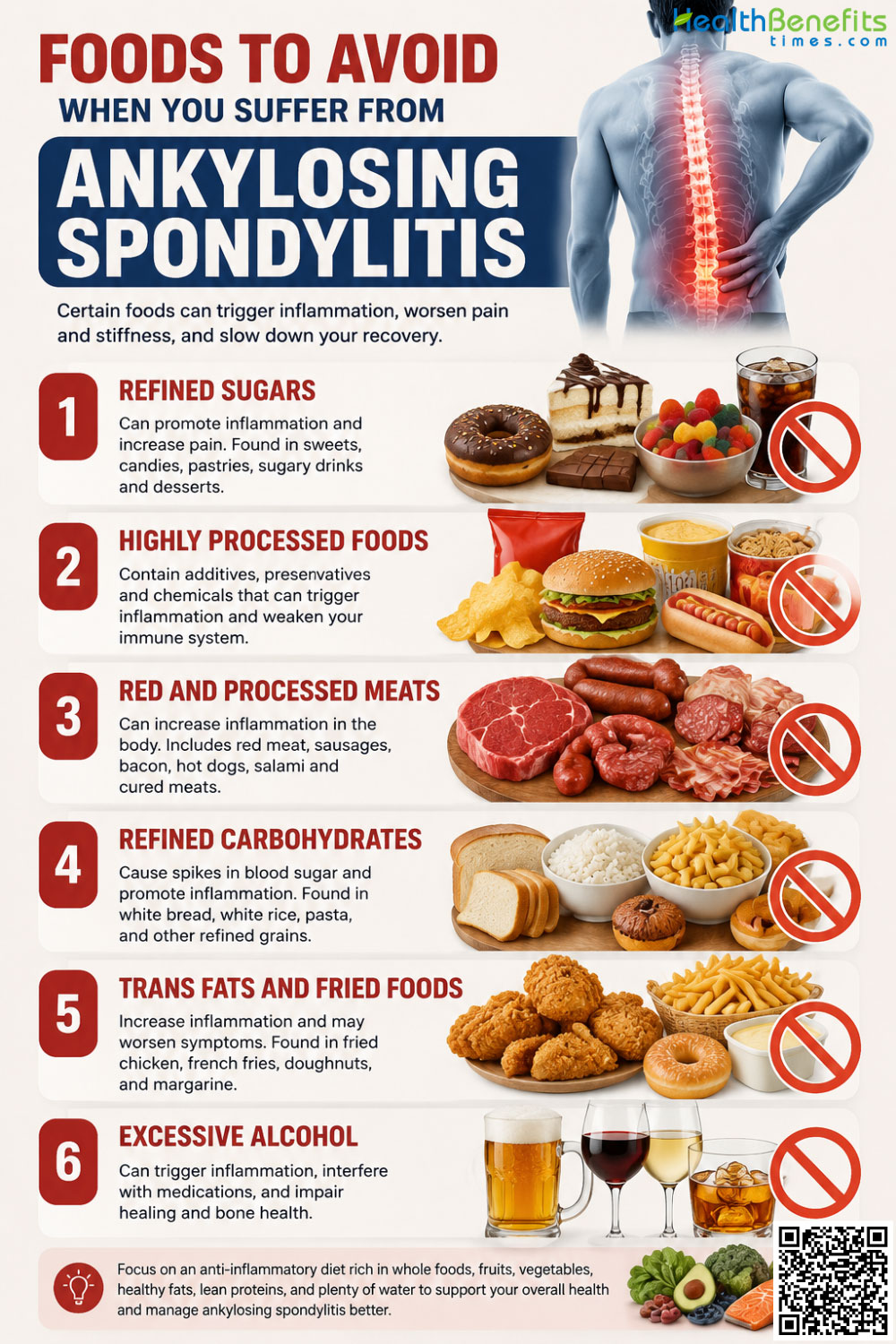
2. Highly Processed Foods
Packaged snacks contain artificial preservatives and excessive sodium, which disrupt gut bacteria and exacerbate systemic inflammatory responses in arthritis.61, 62
3. Red and Processed Meats
High levels of saturated fats and advanced glycation end products in red meat stimulate severe inflammatory pathways, intensifying spinal stiffness.63, 64
4. Refined Carbohydrates
White bread and pastries cause rapid blood sugar spikes, promoting insulin resistance and elevated pro-inflammatory markers that aggravate joint swelling. 65, 66
5. Trans Fats and Fried Foods
Partially hydrogenated oils found in fried foods severely inflame tissues by elevating C-reactive protein levels throughout the body.67, 68
6. Excessive Alcohol
Excessive alcohol consumption impairs liver function, disrupts the gut microbiome, and interacts dangerously with prescribed anti-inflammatory medications. 69, 70
When to See a Doctor When You Have Ankylosing Spondylitis
1. Acute Eye Inflammation
Seek immediate care if you experience sudden eye redness, severe pain, blurred vision, or light sensitivity, as this indicates uveitis, a serious complication requiring prompt treatment.71, 72
2. Sudden or Unbearable Spinal Pain
Contact your doctor if you develop sudden, sharp back or neck pain following a minor injury, as a rigid, fused spine is highly susceptible to dangerous fractures. 73, 74
3. Breathing Difficulties and Chest Pain
Schedule a medical evaluation if you experience restricted breathing or sharp chest pain upon inhaling, which occurs when chronic inflammation severely stiffens the joints connecting your ribs. 75, 76
4. Numbness, Tingling, or Weakness
Seek emergency medical attention if you notice new numbness, tingling in your limbs, or unexpected loss of bowel or bladder control, signaling severe spinal nerve compression. 77, 78
5. Severe Gastrointestinal Distress
Consult your physician if you experience chronic diarrhea, severe abdominal cramps, or bloody stools, since ankylosing spondylitis frequently co-occurs with inflammatory bowel diseases like Crohn’s. 79, 80
Comments
comments