

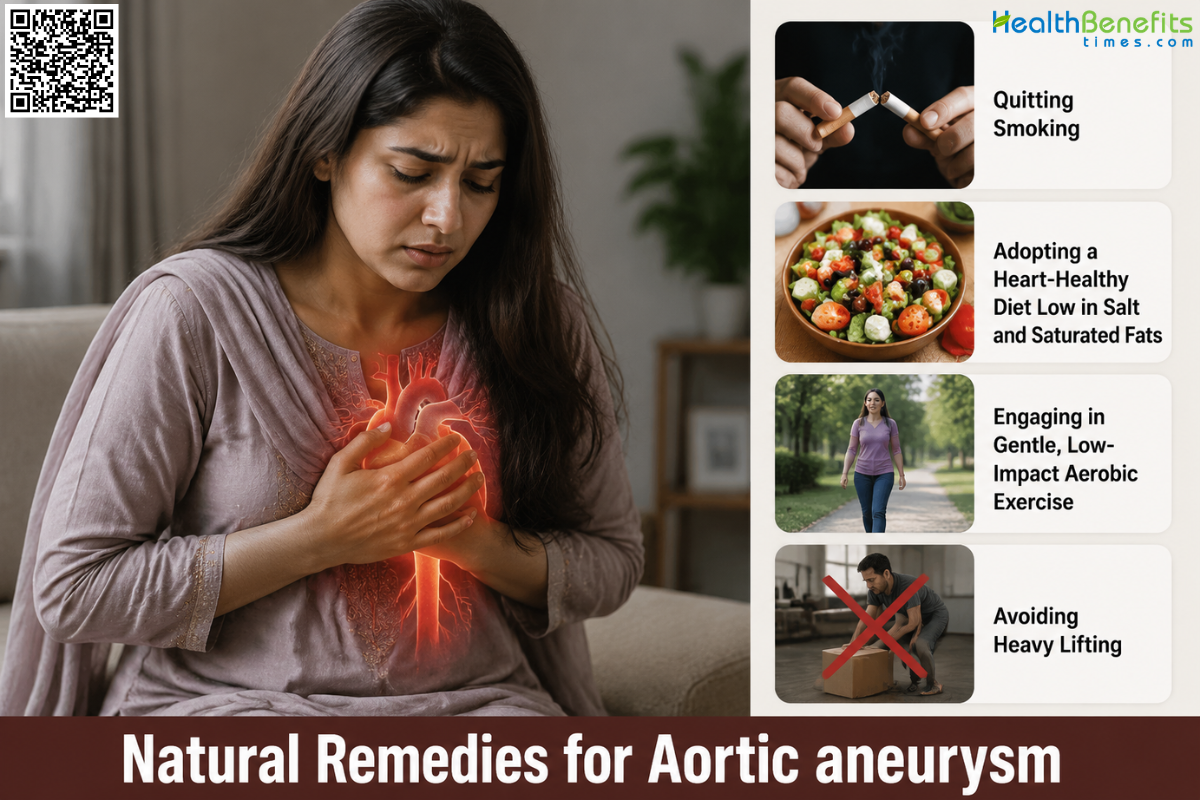
Causes of Aortic aneurysm
- Hardening of the arteries (atherosclerosis): A buildup of plaque made of fat, cholesterol, and other substances that damages and weakens the aortic walls over time 3.
- High blood pressure (hypertension): Increased force of blood flowing through the aorta can gradually stretch and break down the elasticity of the blood vessel 4.
- Smoking and tobacco use: Chemical exposure from smoking directly degrades the structural proteins of the aortic wall and is one of the most significant behaviors that leads to this condition 4.
- Inherited connective tissue disorders: Genetic conditions, such as Marfan syndrome and Ehlers-Danlos syndrome, cause abnormal tissue formation that makes the aorta unusually fragile 5.
- Congenital heart defects: Being born with a structural irregularity in the heart, such as a bicuspid aortic valve, alters blood flow and increases the physical stress placed on the aorta 6.
- Infections and inflammation: Certain bacterial infections, such as syphilis or staphylococcus, as well as general inflammatory conditions, can infect and degrade the tissues of the blood vessel 7.
- Physical trauma: A sudden, severe physical impact to the chest or abdomen, such as the forces experienced in a car crash, can acutely injure the aorta and trigger an aneurysm 7.
- Advanced age: Natural aging gradually decreases the protective structural proteins (like elastin and collagen) in the aortic walls, making the vessel thinner and less resilient as a person gets older 3.
Symptoms of Aortic aneurysm
- Asymptomatic progression: Most aortic aneurysms develop slowly over many years and do not produce any noticeable signs or physical sensations until they become unusually large or rupture 8.
- Pulsating sensation: Individuals with an abdominal aortic aneurysm may experience a persistent, rhythmic throbbing feeling in the central abdomen, often located near the navel, which closely resembles a heartbeat 8.
- Localized, persistent pain: As an aneurysm expands, it can exert physical pressure against surrounding organs and nerves, resulting in a steady, deep aching pain in the chest, lower back, flank, or abdomen depending on the location of the swelling 9.
- Respiratory and vocal disruptions: When a thoracic aortic aneurysm grows large enough to compress the upper airway or adjacent nerves in the chest cavity, it can trigger shortness of breath, a chronic cough, or unexplained hoarseness of the voice 10.
- Sudden, severe tearing pain: If the weakened aortic wall begins to tear (dissection) or completely bursts (rupture), the individual will experience immediate, agonizing pain in the chest, back, or abdomen that is frequently described as a sharp tearing or ripping sensation 11.
- Cardiovascular shock: A ruptured aneurysm causes massive internal hemorrhage, leading to clinical shock characterized by a drastic drop in blood pressure (hypotension), rapid heart rate, nausea, pale and clammy skin, and loss of consciousness 8.
- Neurological deficits: In emergencies where an aortic tear severely compromises the normal blood flow to the brain, patients may exhibit sudden stroke-like symptoms, including numbness, profound dizziness, or unilateral paralysis (weakness on one side of the body) 10.
Natural Remedies for Aortic aneurysm
1. Quitting Smoking
How it may help
Quitting smoking directly stops harmful chemicals from degrading structural proteins in blood vessel walls. This essential change reduces vascular inflammation and lowers blood pressure, which slows the expansion of an existing aneurysm and significantly decreases the risk of a life-threatening rupture 12.
What research says
Clinical studies confirm that smoking tobacco is the strongest controllable risk factor for aortic aneurysms. Research concludes that individuals who continue to smoke experience a faster growth rate of their aneurysm and face a drastically higher risk of vessel rupture compared to those who quit 4.
How to use it safely
To quit smoking safely, work with your healthcare provider to create a structured cessation plan. You should utilize proven therapies, such as nicotine replacement patches or prescription medications, combined with behavioral counseling to manage cravings and withdrawal symptoms effectively 12.
Potential precautions or side effects
You may experience temporary nicotine withdrawal symptoms like irritability, anxiety, and weight gain. Always consult your doctor before taking cessation medications, as some can cause psychiatric side effects 13.
2. Adopting a Heart-Healthy Diet Low in Salt and Saturated Fats
How it may help
A heart-healthy diet low in salt and saturated fats lowers blood pressure and prevents cholesterol from building up inside blood vessels. By reducing the physical force of blood pushing against the weakened aortic wall, this dietary approach helps slow the growth of an aneurysm and prevents further vessel damage 12.
What research says
Clinical guidelines emphasize that managing blood pressure and cholesterol through diet is critical for patients with aortic conditions. Research confirms that limiting sodium effectively lowers high blood pressure, while reducing saturated fats minimizes the progression of atherosclerosis, both of which are major risk factors for aneurysm expansion and rupture 3.
How to use it safely
Focus your meals on fresh fruits, vegetables, whole grains, and lean proteins. You should carefully read food labels to avoid hidden sodium in processed foods. Consult with your doctor or a registered dietitian to create a personalized meal plan that safely meets your cardiovascular and nutritional needs 14.
Potential precautions or side effects
Drastically changing your diet can affect how certain blood pressure medications work in your body. Always inform your doctor before making major dietary shifts to prevent unsafe blood pressure drops 15.
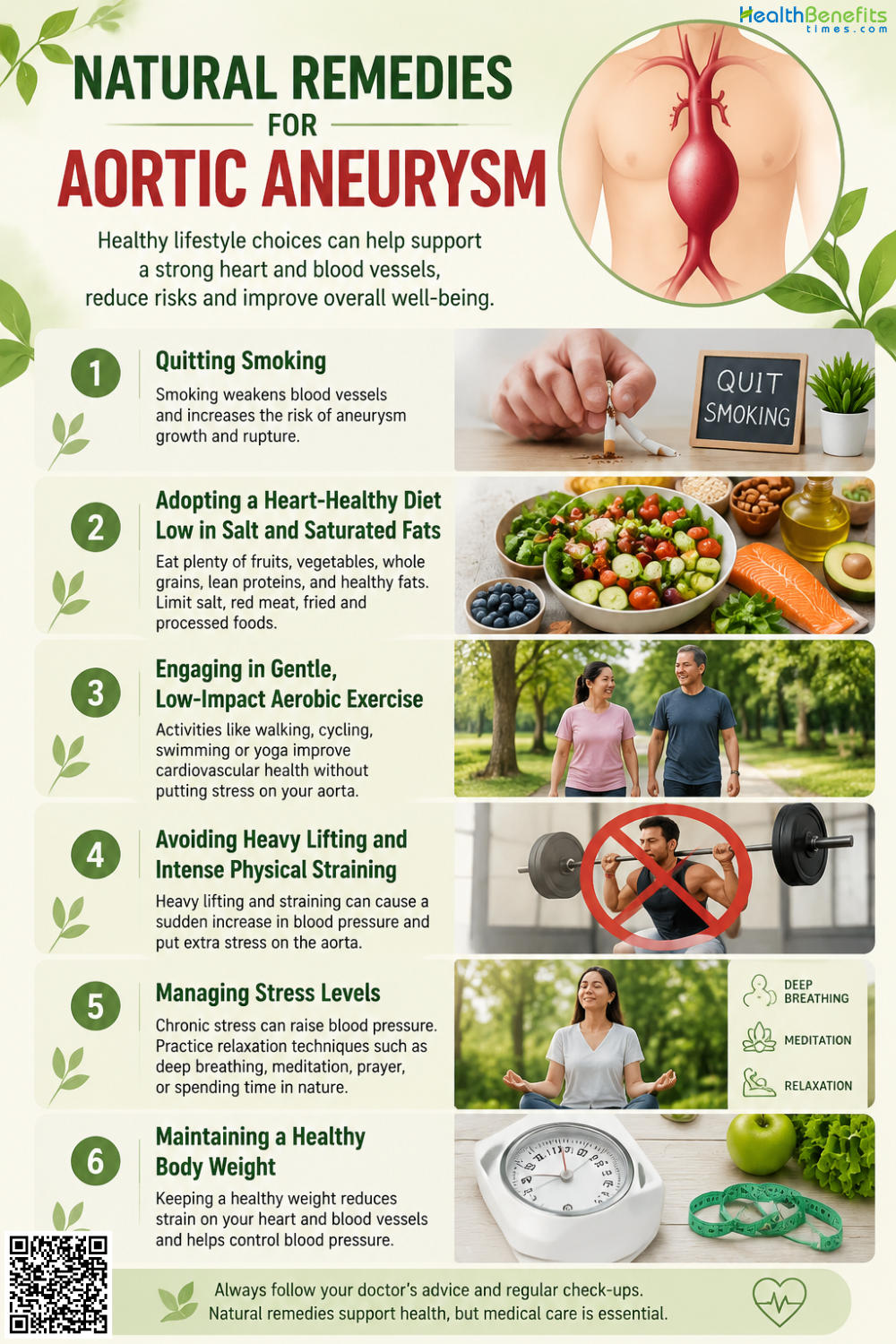
3. Engaging in Gentle, Low-Impact Aerobic Exercise
How it may help
Gentle, low-impact aerobic exercise strengthens the heart and improves blood flow without placing sudden, dangerous stress on the blood vessels. Regular movement naturally lowers resting blood pressure and helps maintain flexible arteries, which minimizes the physical force placed on a weakened aortic wall 12.
What research says
Clinical guidelines conclude that moderate aerobic exercise is safe and highly beneficial for individuals with stable aneurysms. Studies confirm that avoiding a sedentary lifestyle reduces overall cardiovascular risk factors, such as high cholesterol and obesity, which indirectly slows down the progression of an existing aneurysm 16.
How to use it safely
You should focus on steady activities like brisk walking, swimming, or using a stationary bicycle. Always avoid heavy weightlifting, intense physical straining, or activities that require holding your breath. Consult your cardiologist for medical clearance before beginning any new exercise routine 12.
Potential precautions or side effects
If you experience sudden chest pain, severe dizziness, or sharp abdominal pain during activity, stop immediately and seek emergency medical care to rule out a dangerous vascular complication 17.
4. Avoiding Heavy Lifting and Intense Physical Straining
How it may help
Lifting heavy objects or straining intensely causes a sudden, drastic spike in blood pressure. This acute pressure puts immediate physical stress on the already weakened aortic wall, which significantly increases the risk that the aneurysm will tear or completely burst 12.
What research says
Clinical guidelines clearly state that intense straining, particularly when holding the breath, dangerously elevates pressure inside the chest and abdomen. Medical experts conclude that individuals with enlarged aortas must avoid heavy isometric exercises to prevent sudden, life-threatening vascular emergencies 3.
How to use it safely
You should avoid lifting anything heavier than 10 to 30 pounds, depending on your doctor’s advice. Always ask for assistance when moving heavy items. During any physical task, keep breathing normally and never hold your breath while exerting effort 17.
Potential precautions or side effects
Strict lifting limitations can make routine daily chores difficult and lead to muscle weakness over time. Always ask your cardiologist to clarify your specific, personalized weight limits 12.
5. Managing Stress Levels
How it may help
Chronic stress triggers the body to release hormones that temporarily increase heart rate and tighten blood vessels. By actively managing stress, the body maintains a lower, more stable resting blood pressure, which reduces the constant physical force pushing against the fragile walls of an aortic aneurysm 18.
What research says
Clinical research demonstrates that chronic psychological stress contributes to sustained high blood pressure, a primary driver of vascular damage. Medical guidelines recommend stress reduction as a vital lifestyle modification to lower baseline blood pressure, which directly decreases the risk of an aneurysm expanding or suddenly rupturing 19.
How to use it safely
You should incorporate daily relaxation techniques, such as deep breathing exercises, mindfulness meditation, or gentle yoga, into your routine. If you feel overwhelmed, seek guidance from a licensed therapist to develop healthy coping mechanisms that will not physically strain your body 20.
Potential precautions or side effects
Stress management should never replace prescribed blood pressure medications. Always consult your doctor before stopping any treatments, as uncontrolled blood pressure remains highly dangerous for an aneurysm 19.
6. Maintaining a Healthy Body Weight
How it may help
Excess body weight forces the heart to work harder to pump blood, which naturally increases blood pressure. Reaching and maintaining a healthy weight reduces this cardiovascular strain. Lowering blood pressure is crucial because it decreases the physical force constantly pushing against the weakened walls of an aortic aneurysm 12.
What research says
Clinical studies confirm that obesity significantly increases the risk of high blood pressure and cholesterol buildup in the arteries. Medical experts conclude that maintaining a normal body mass index (BMI) effectively lowers resting blood pressure, which is a primary strategy for preventing an existing aneurysm from expanding or rupturing 3.
How to use it safely
You should aim for slow, steady weight loss through portion control and low-impact activities like walking. Always avoid extreme crash diets or intense weightlifting programs. Consult a registered dietitian or your doctor to design a safe weight management plan tailored to your specific cardiovascular needs 21.
Potential precautions or side effects
Avoid over-the-counter diet pills or weight loss supplements, as many contain stimulants that dangerously spike blood pressure and heart rate, putting severe stress on your aneurysm 22.
Foods to Avoid When You suffer from Aortic aneurysm.
1. High-Sodium Processed Foods
Excess sodium causes water retention, elevating blood pressure and increasing physical stress on the weakened aortic wall, which raises the risk of a rupture 19.
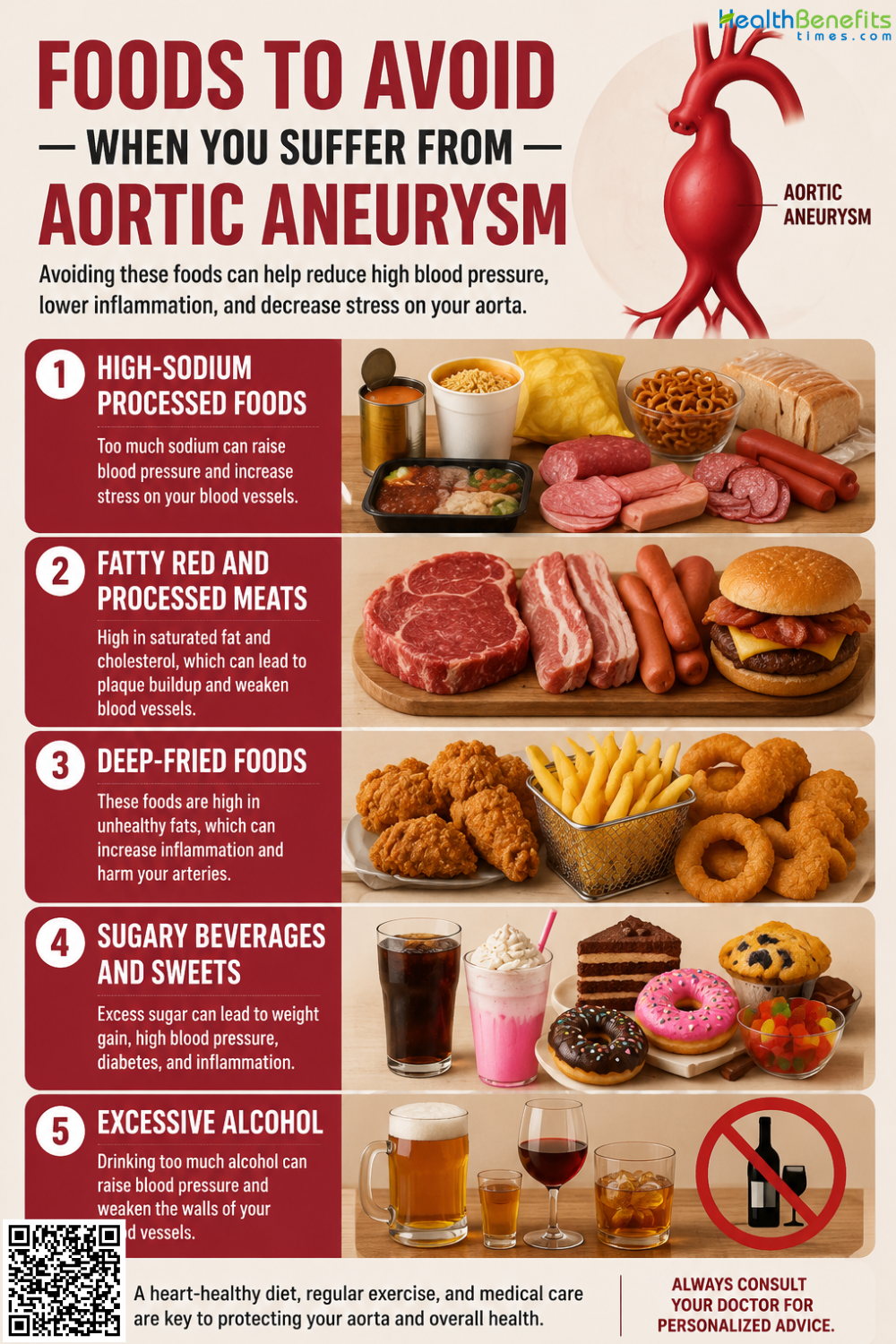
2. Fatty Red and Processed Meats
These meats contain high saturated fats that accelerate arterial plaque buildup, stiffening blood vessels and worsening the condition of an existing aneurysm 3.
3. Deep-Fried Foods
Fried foods provide unhealthy trans fats that elevate bad cholesterol, contributing to vascular inflammation and the dangerous hardening of the major arteries 14.
4. Sugary Beverages and Sweets
High sugar intake promotes obesity and vascular inflammation, forcing the cardiovascular system to work harder and dangerously increasing pressure on the damaged aorta 14.
5. Excessive Alcohol
Consuming large amounts of alcohol causes sustained spikes in blood pressure, placing immediate and severe mechanical strain on the aneurysm that can trigger a tear 23.
When to see Doctor when you suffer from Aortic aneurysm.
1. Sudden, Severe Pain
If you experience a sudden, sharp, or tearing pain in your chest, back, or abdomen, seek immediate emergency care, as this indicates a life-threatening rupture 24.
2. Fainting or Dizziness
A sudden drop in blood pressure, extreme dizziness, or passing out requires immediate emergency medical attention, signaling severe internal bleeding from a burst aneurysm 4.
3. Persistent Pulsing Sensation
Schedule a prompt medical evaluation if you notice a continuous, heartbeat-like throbbing in your central abdomen, which suggests an aneurysm is expanding in size 2.
4. Difficulty Breathing or Swallowing
Contact your doctor if an unexplained cough, shortness of breath, or hoarseness develops, as a thoracic aneurysm may be dangerously compressing your airway or nearby nerves 24.
5. Routine Monitoring Appointments
Attend all regularly scheduled ultrasound or CT scans. Most aneurysms grow silently and require precise medical imaging to safely track their size and determine surgical needs 25.
Comments
comments