

Causes of Arrhythmias
1. Structural Heart Diseases and Ischemia
Damage or alterations to the heart muscle are primary drivers of irregular heartbeats. Conditions such as a previous heart attack, coronary artery disease, and heart failure can impair the heart’s electrical pathways 3. Additionally, individuals born with congenital heart defects or those who have acquired valvular heart diseases and cardiomyopathies are at a significantly higher risk due to structural abnormalities and altered blood flow dynamics 4.
2. Electrolyte and Metabolic Disturbances
The heart relies on a delicate balance of minerals—specifically calcium, potassium, and magnesium—to maintain a normal rhythm. Significant deviations in these electrolyte levels, along with abnormal blood gas levels or thyroid dysfunctions, can disrupt the electrical signals of the heart cells and provoke potentially critical arrhythmias 5.
3. Systemic Medical Conditions
Several chronic health issues that affect the entire body can indirectly alter the heart’s rhythm. Conditions such as hypertension (high blood pressure), diabetes mellitus, and clinical obesity are strongly associated with a reduction in normal heart rate variability and an increased risk of arrhythmic events 6. Furthermore, respiratory illnesses like chronic obstructive pulmonary disease (COPD) are established predictors of postoperative rhythm disorders 7.
4. Medical Interventions and Surgical Procedures
Surgical operations, especially cardiac and dental procedures, frequently precipitate arrhythmias because of direct manipulation of the tissues or intense stimulation of the nervous system. Routine intraoperative actions, such as placing a breathing tube (endotracheal intubation) or inserting central venous catheters, can cause sudden hemodynamic stress and trigger irregular heartbeats. For patients with congenital heart disease, surgical scars and patches from previous corrective surgeries frequently become the focal points for electrical re-entry pathways that cause rapid heart rates 8.
5. Medications and Substances
Various drugs can directly interfere with the heart’s electrical system. Medications that stimulate the sympathetic nervous system, such as certain anesthetics or emergency drugs like epinephrine, can increase pacemaker cell activity and lead to arrhythmias. Paradoxically, many antiarrhythmic drugs used to treat irregular heartbeats can prolong the electrical reset phase of the heart, increasing the risk of sudden, dangerous rhythm disturbances.
6. Physiological Stress and Autonomic Imbalance
Extreme physical or physiological stress triggers the body’s sympathetic nervous system, which naturally accelerates the heart rate. Any severe insult to the body’s baseline balance, such as a lack of oxygen (hypoxia) or high carbon dioxide levels in the blood, can prompt an intense stress response that forces the heart out of its normal rhythm. Conversely, excessive stimulation of the vagus nerve, which slows the heart down, can cause severe bradycardia (a very slow heart rate), prompting other heart cells to attempt to take over pacing and create erratic rhythms.
Symptoms of Arrhythmias
1. Palpitations
Patients frequently report a sensation of their heart fluttering, racing, or unexpectedly skipping beats. This occurs when abnormal electrical signals disrupt the standard pacing of the heart, causing premature or unusually forceful muscle contractions 9.
2. Fatigue and Weakness
A profoundly irregular heartbeat drastically impairs the heart’s ability to pump adequate blood throughout the circulatory system. Over time, this diminished blood flow deprives the body’s tissues of essential oxygen, leading to persistent physical exhaustion and a reduced ability to tolerate physical activity 10.
3. Dizziness and Lightheadedness
When a rhythm disorder reduces the volume of blood reaching the brain, individuals often experience sudden dizziness or a feeling that they might pass out. This symptom is a direct consequence of inadequate blood circulation to the brain tissues during the abnormal heartbeat.
4. Syncope (Fainting)
Severe rhythm disturbances, particularly unusually slow heart rates or rapid heartbeats originating in the lower chambers, can cause a sudden drop in overall blood pressure. This severe pressure drop leads to a temporary loss of consciousness, which is a critical clinical sign requiring immediate medical intervention to prevent sudden cardiac arrest.
5. Shortness of Breath (Dyspnea)
When the heart struggles to move blood efficiently, pressure can build up and push fluid into the lungs. This internal congestion disrupts normal oxygen exchange, resulting in breathing difficulties that often worsen during physical exertion.
6. Chest Pain or Discomfort
Exceptionally rapid heart rates increase the heart muscle’s demand for oxygen while reducing the time the heart has to rest and receive its own blood supply. This imbalance between oxygen supply and demand frequently manifests as acute chest pain, tightness, or a sensation of heavy pressure.
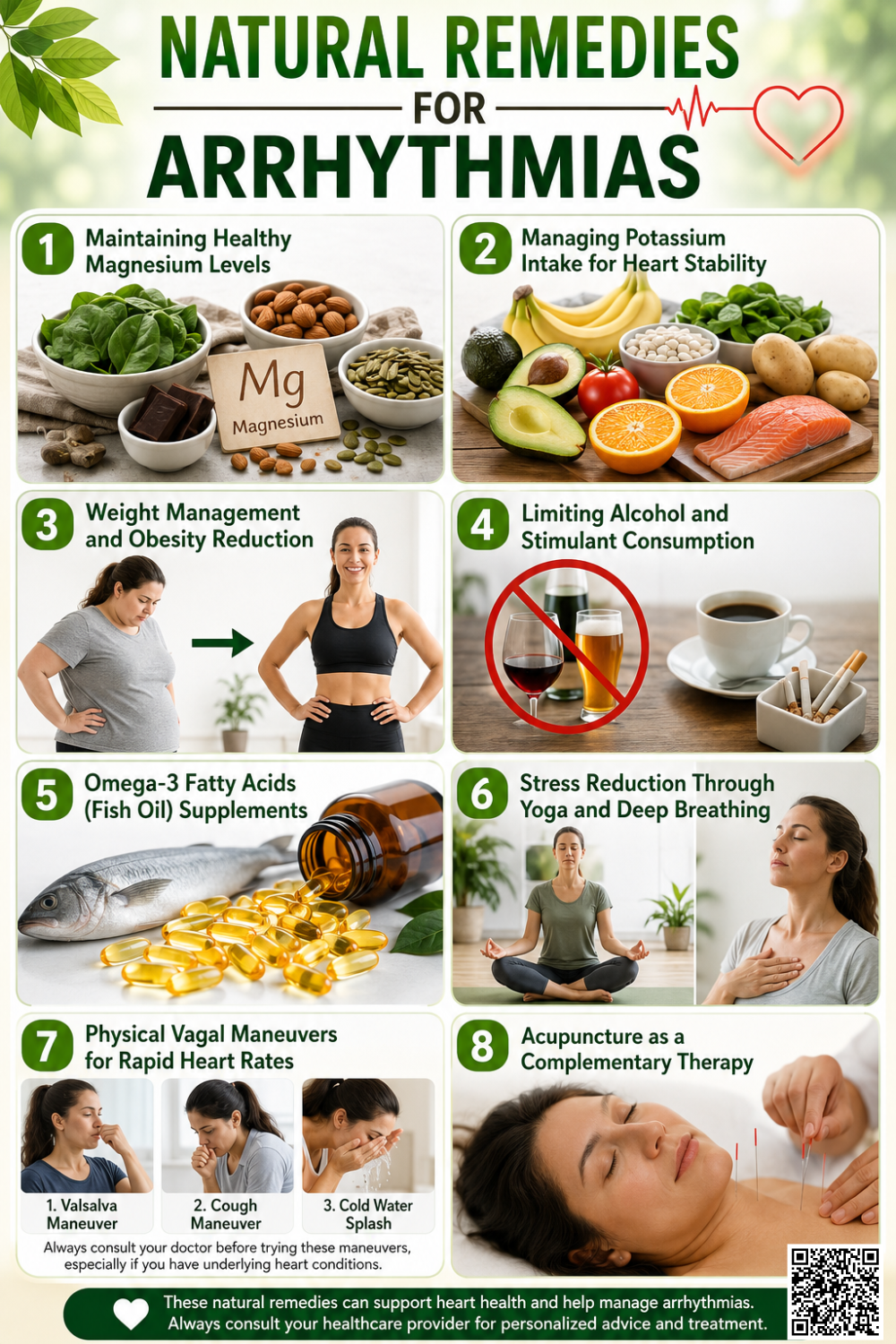
1. Maintaining Healthy Magnesium Levels
How it may help
Magnesium functions as a natural stabilizer for the heart’s electrical pathways. It regulates the flow of calcium and potassium into heart cells, which is necessary for normal muscle contraction and electrical signaling 11. This mineral prevents heart cells from becoming overactive, helping to maintain a steady, consistent heartbeat.
What research says
Clinical research demonstrates that administering magnesium is a highly effective treatment for specific life-threatening arrhythmias, particularly Torsades de Pointes. Additionally, population studies conclude that individuals with adequate dietary magnesium intake have a significantly lower risk of developing atrial fibrillation and other heart rhythm disorders over time.
How to use it safely
You should prioritize getting magnesium through natural dietary sources, including dark leafy greens, nuts, seeds, and beans 12. If you are considering oral supplements, you must consult your healthcare provider to establish the appropriate dosage and ensure it does not interact with your current medications.
Potential precautions or side effects
Taking high doses of magnesium supplements frequently causes gastrointestinal issues like diarrhea and stomach cramps. In severe cases, toxic levels can lead to dangerously low blood pressure and cardiac arrest.
2. Managing Potassium Intake for Heart Stability
How it may help
Potassium is a crucial mineral that regulates the electrical signals driving heart muscle contractions. It dictates the resting state of the heart’s cellular electrical system, preventing the cells from firing prematurely 13. Maintaining optimal potassium levels prevents the electrical instability that frequently triggers chaotic or rapid heartbeats.
What research says
Clinical studies conclude that hypokalemia—abnormally low blood potassium—significantly increases the risk of developing atrial fibrillation and life-threatening ventricular arrhythmias 14. Furthermore, research demonstrates that correcting these potassium deficiencies effectively reduces the occurrence of abnormal rhythms and stabilizes the heart’s overall electrical conduction 15.
How to use it safely
You should acquire potassium primarily through a balanced diet rich in fruits, vegetables, beans, and lentils 16. You must consult your healthcare provider before attempting to self-treat with potassium supplements or commercial salt substitutes, as these products can easily interfere with standard blood pressure and heart medications.
Potential precautions or side effects
Excessive potassium intake causes hyperkalemia, a dangerous condition that can induce severe muscle weakness, abnormally slow heart rates, and potentially fatal cardiac arrest in people with kidney disease.
3. Weight Management and Obesity Reduction
How it may help
Excess body weight increases physical strain on the heart, promotes systemic inflammation, and causes structural changes such as the enlargement of the upper heart chambers. These structural alterations disrupt standard electrical signaling 17. Intentional weight loss reduces this metabolic stress, thereby decreasing the likelihood of chaotic electrical impulses.
What research says
Clinical trials conclude that substantial weight reduction significantly decreases the severity and frequency of atrial fibrillation episodes in obese patients 18. Furthermore, research demonstrates that individuals who achieve and maintain a weight loss of at least ten percent are significantly more likely to sustain a normal heart rhythm over the long term.
How to use it safely
You should aim for steady, sustainable weight loss through a nutrient-dense diet and regular, moderate physical activity. You must consult your healthcare provider before beginning any new exercise regimen or restrictive diet to verify that the program is safe for your current cardiovascular condition.
Potential precautions or side effects
Extreme calorie restriction or rapid weight loss diets often cause severe dehydration and dangerous electrolyte imbalances, which can paradoxically trigger life-threatening cardiac arrhythmias rather than preventing them.
4. Limiting Alcohol and Stimulant Consumption
How it may help
Alcohol and stimulants directly irritate the heart muscle and overstimulate the nervous system 19. This overstimulation disrupts normal electrical signaling and forces the heart to beat erratically. Restricting these substances reduces physiological stress on the cardiovascular system and prevents premature electrical firing.
What research says
Clinical studies establish a direct link between regular alcohol consumption and a higher risk of developing atrial fibrillation. Furthermore, clinical trials conclude that completely abstaining from alcohol significantly reduces the recurrence of irregular heartbeats in patients who have a documented history of rhythm disorders 20.
How to use it safely
You should eliminate or strictly limit your intake of alcohol and highly caffeinated energy drinks. If you consume large amounts of caffeine daily, you must gradually reduce your intake over several weeks to avoid physical withdrawal symptoms while effectively stabilizing your heart rhythm.
Potential precautions or side effects
Abruptly stopping heavy alcohol use can trigger severe withdrawal symptoms, including dangerous spikes in blood pressure and life-threatening arrhythmias, requiring immediate medical supervision during detoxification 21.
5. Omega-3 Fatty Acids (Fish Oil) Supplements
How it may help
Omega-3 fatty acids reduce systemic inflammation and lower blood triglyceride levels, which supports overall cardiovascular health. Historically, researchers believed these fats naturally stabilized the heart’s electrical system and improved nervous system balance, potentially protecting against irregular heartbeats when consumed through a standard diet 22.
What research says
Research conclusions on omega-3s depend heavily on the dosage. While natural omega-3 levels from food are linked to a reduced risk of rhythm disorders, extensive clinical meta-analyses conclude that high-dose fish oil supplements significantly increase the risk of developing atrial fibrillation 23.
How to use it safely
You should obtain omega-3s naturally by eating fatty fish, such as salmon or mackerel, rather than taking concentrated pills. You must consult your cardiologist before starting any fish oil supplements, particularly if you already have an elevated risk for rhythm disorders.
Potential precautions or side effects
High-dose fish oil supplements increase bleeding risks and can directly provoke new episodes of atrial fibrillation 24. They also interact dangerously with standard prescription blood thinners.
6. Stress Reduction Through Yoga and Deep Breathing
How it may help
Yoga and deep breathing exercises lower physiological stress by stimulating the parasympathetic nervous system, which promotes relaxation. These practices decrease the production of stress hormones and reduce the sympathetic nervous system’s fight-or-flight response, ultimately slowing the heart rate and preventing the electrical overstimulation that triggers irregular heartbeats 25.
What research says
Clinical trials conclude that regular yoga practice significantly decreases the frequency of symptomatic atrial fibrillation episodes and lowers baseline heart rates 26. Furthermore, research indicates these relaxation techniques effectively reduce overall anxiety and depression scores in patients with chronic rhythm disorders, substantially improving their daily cardiovascular stability and quality of life 27.
How to use it safely
You should begin with gentle, restorative yoga classes focused on controlled breathing rather than intense physical strain. You must avoid hot yoga environments, as excessive sweating causes dehydration and electrolyte loss. Always consult your cardiologist before starting any physical regimen to ensure it suits your specific heart condition.
Potential precautions or side effects
Avoid forcefully holding your breath during exercises, as this rapidly alters internal chest pressure and can paradoxically trigger abnormal heart rhythms or severe dizziness 28.
7. Physical Vagal Maneuvers for Rapid Heart Rates
How it may help
Physical vagal maneuvers stimulate the vagus nerve, which manages the body’s relaxation system. This stimulation directly signals the heart’s electrical center to slow down conduction, specifically at the atrioventricular node 29. This action effectively interrupts the rapid, abnormal electrical loops responsible for certain fast heart rates.
What research says
Clinical guidelines establish vagal maneuvers as a highly effective, standard first-line treatment for terminating supraventricular tachycardia in stable patients. Furthermore, research concludes that the modified Valsalva maneuver—which involves elevating the legs immediately after the straining phase—drastically increases the success rate of restoring a normal heart rhythm 30.
How to use it safely
You should only perform these techniques after receiving explicit instruction from a healthcare provider. The safest method for home use is the Valsalva maneuver, where you pinch your nose, close your mouth, and bear down forcefully as if having a bowel movement for fifteen seconds.
Potential precautions or side effects
You must strictly avoid pressing on your neck arteries (carotid massage), as this can dislodge blood vessel plaque and cause a stroke. Maneuvers can also provoke severe dizziness.
8. Acupuncture as a Complementary Therapy
How it may help
Acupuncture modulates the nervous system through the targeted stimulation of specific physical points, such as the inner wrist. This process balances the body’s relaxation and stress responses, naturally reducing cardiovascular strain and stabilizing the underlying electrical pathways that dictate the heart’s rhythm 31.
What research says
Clinical trials demonstrate that acupuncture successfully reduces the frequency of premature heartbeats and lowers average resting heart rates. Furthermore, research concludes that patients receiving targeted acupuncture after an electrical cardioversion experience a significantly lower recurrence rate of atrial fibrillation than those receiving standard care alone 32.
How to use it safely
You must seek treatment exclusively from a licensed acupuncturist operating in a clinical environment with sterile needles. You should use acupuncture only as a complementary support system, never as a replacement for standard antiarrhythmic medications or scheduled cardiac procedures.
Potential precautions or side effects
Acupuncture commonly causes minor soreness or localized bruising. If you take prescription blood thinners to manage stroke risks associated with arrhythmias, you face an increased risk of prolonged bleeding.
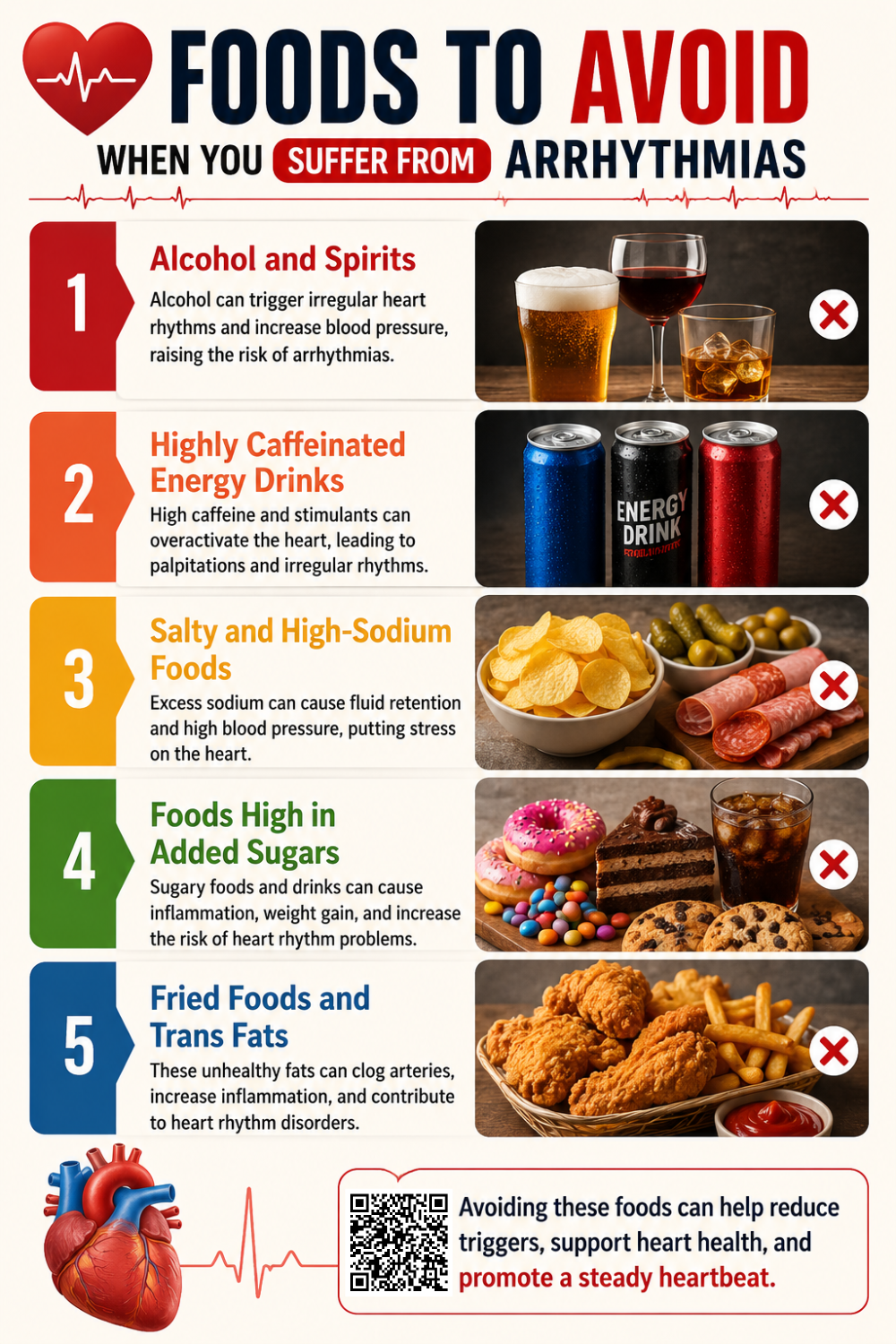
1. Alcohol and Spirits
Regular alcohol consumption directly alters heart cell electrical signaling and significantly increases the clinical risk of developing atrial fibrillation, even in otherwise healthy individuals.
2. Highly Caffeinated Energy Drinks
Excessive caffeine acts as a powerful stimulant that forces the heart to beat faster, frequently triggering premature contractions and dangerous rapid heart rhythms 33.
3. Salty and High-Sodium Foods
Diets heavy in sodium chronically elevate blood pressure, which physically stretches the heart muscle over time and creates ideal conditions for electrical misfires 34.
4. Foods High in Added Sugars
Excessive sugar intake promotes systemic inflammation and clinical obesity, both of which are established primary drivers for structural heart changes and subsequent atrial fibrillation.
5. Fried Foods and Trans Fats
Artificial trans fats accelerate coronary artery disease and restrict oxygen supply to the heart, directly creating damaged tissue areas that generate chaotic electrical signals.
When To See a Doctor When You Suffer from Arrhythmias
1. Fainting or Loss of Consciousness
If you experience sudden fainting or near-fainting spells, seek immediate care. This indicates a severe drop in blood pressure preventing adequate oxygen delivery to the brain.
2. Severe Chest Pain
You must pursue emergency evaluation for acute chest pain accompanying an irregular heartbeat, as this strongly suggests the heart muscle is actively being deprived of oxygen.
3. Unexplained Shortness of Breath
Seek prompt medical attention if irregular heartbeats trigger severe breathing difficulties. This symptom often signals that the arrhythmia is causing fluid to back up into your lungs.
4. Sustained Rapid Heart Rate
You should see a doctor if your resting heart rate remains exceptionally fast for prolonged periods. Sustained rapid rhythms severely weaken the heart muscle over time.
5. New or Worsening Palpitations
Consult a cardiologist if you develop new fluttering sensations or skipping beats, especially if you have a preexisting history of structural heart disease or a prior heart attack.
Comments
comments