

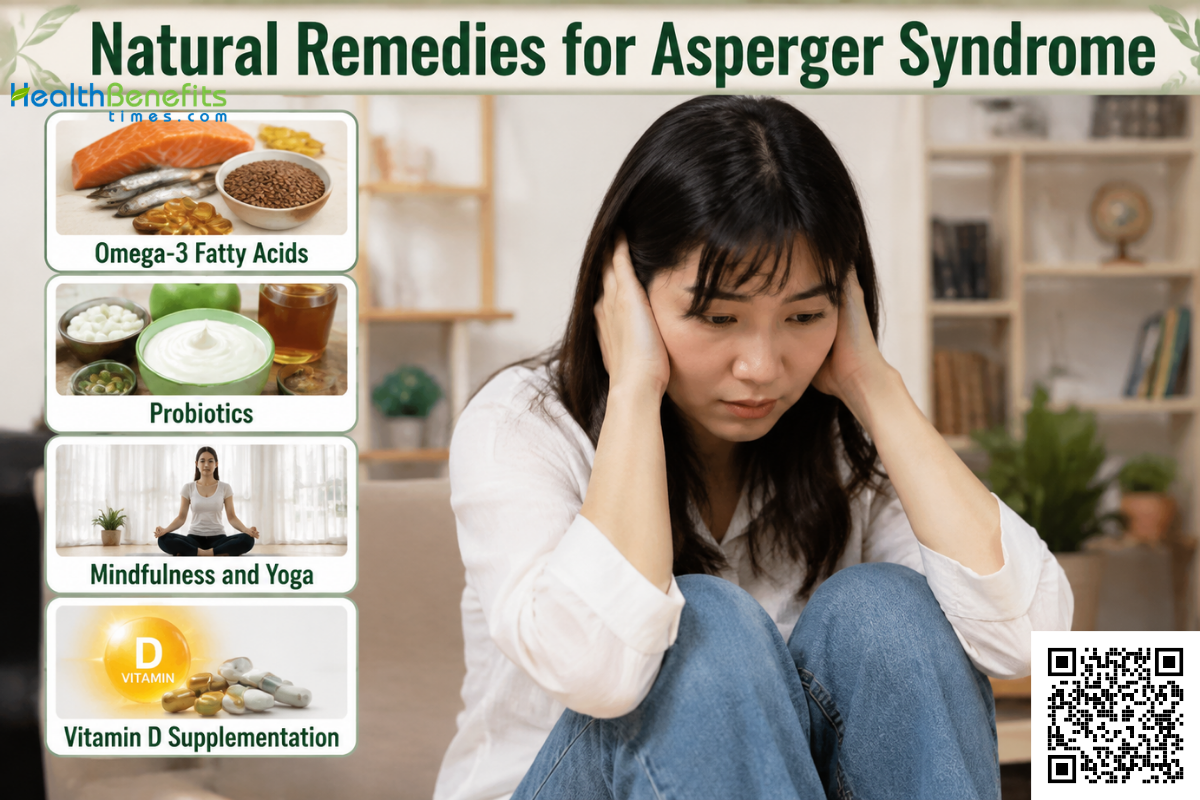
Causes of Asperger Syndrome
1. Genetics and Heredity
Genetic factors play a primary role in the development of autism spectrum conditions, including Asperger syndrome. Families with one autistic child have a significantly higher chance of having another child with the condition, and research has identified specific gene mutations linked to altered brain development 3.
2. Advanced Parental Age
The age of the parents at the time of conception is a recognized biological risk factor. Children born to older parents generally have a higher likelihood of being diagnosed with traits on the autism spectrum 4.
3. Pregnancy and Birth Complications
Certain physical stresses during early fetal development can increase the risk of the condition. These specific complications include extreme premature birth (being born before 26 weeks of gestation), unusually low birth weight, and pregnancies involving multiples, such as twins or triplets 5.
4. Prenatal Medication Exposure
Exposure to specific prescription medications in the womb can impact fetal brain development. Taking medications like valproic acid (commonly used for seizures and mood disorders) during pregnancy has been clinically proven to increase the risk of a child developing an autism spectrum profile 3.
Symptoms of Asperger Syndrome
1. Social Interaction Difficulties
Individuals often struggle to intuitively grasp the unspoken rules of interpersonal relationships, which can lead to social isolation or difficulties forming and maintaining age-appropriate friendships 6. They may avoid making direct eye contact, display limited facial expressions, and find it challenging to recognize or understand other people’s emotional states and perspectives 7.
2. Atypical Communication Styles
While grammar and vocabulary are typically highly developed, individuals may struggle with the social aspects of conversation, such as taking turns or understanding metaphors, irony, and subtle jokes 8. Speech can sometimes sound monotonous, overly formal, or robotic, and they may tend to steer conversations heavily back to their own specific topics of interest 7.
3. Intense and Restricted Interests
A core characteristic is a passionate, highly focused preoccupation with specific, narrow areas of knowledge 6. These specialized interests are pursued with an unusual level of intensity and focus, often resulting in the person acquiring vast amounts of factual information on that particular subject 7.
4. Preference for Strict Routines
There is typically a strong reliance on specific daily rituals and predictable environments. Even minor or sudden changes to an established schedule or environment can cause significant distress or anxiety, as unexpected disruptions may overwhelm the individual’s coping mechanisms 7.
5. Sensory Sensitivities
Many individuals experience unusually high or low reactivity to sensory input from their environment. This can present as an extreme aversion to specific textures, strong odors, bright lights, or loud noises, as well as an intense focus on certain physical or sensory details 6.
6. Motor Clumsiness
While historically considered a secondary feature, physical coordination issues are very commonly observed. Individuals may appear physically awkward in their movements, struggle with tasks requiring fine motor skills, or display repetitive physical mannerisms 6.
Natural Remedies for Asperger Syndrome
1. Melatonin Supplements
How it may help
Many individuals with Asperger syndrome experience severe sleep disturbances, including difficulty falling and staying asleep. Melatonin is a natural hormone produced by the brain that regulates the body’s sleep-wake cycle. Taking supplemental melatonin helps signal to the body that it is time to sleep, improving overall rest and daytime functioning.
What research says
Clinical studies confirm that melatonin is a highly effective treatment for insomnia in children and adolescents on the autism spectrum. Research concludes that it significantly reduces the time it takes to fall asleep and increases total nightly sleep duration, leading to better daytime behavior 9.
How to use it safely
Always consult a healthcare provider before starting melatonin. You should begin with the lowest effective dose, typically between 1 to 3 milligrams, administered 30 to 60 minutes before bedtime 10. Maintain a consistent nightly schedule and practice good sleep habits alongside the supplement.
Potential precautions or side effects
Melatonin is generally safe for short-term use. Mild side effects include morning grogginess, daytime sleepiness, headaches, dizziness, or vivid dreams 11. It may interact with certain prescription medications.
2. Music Therapy
How it may help
Music therapy uses structured musical interactions to improve social and emotional skills. It provides a predictable, engaging environment where individuals with Asperger syndrome can practice non-verbal communication, turn-taking, and expressing feelings. This therapeutic approach helps build self-confidence and promotes better emotional regulation through rhythm and active participation.
What research says
Clinical research demonstrates that music therapy significantly improves social interaction and verbal communication in individuals on the autism spectrum. Studies conclude that participating in these sessions enhances emotional understanding and helps develop critical non-verbal communication skills compared to standard care alone 12.
How to use it safely
You should work exclusively with a board-certified music therapist who has experience with autism spectrum conditions. Schedule regular, consistent sessions to establish a routine. Ensure the therapist tailors the musical instruments and activities to match your specific sensory preferences and comfort levels.
Potential precautions or side effects
Music therapy is highly safe with minimal risks. However, individuals with severe sensory sensitivities may experience temporary distress or anxiety if the music becomes too loud, unpredictable, or overstimulating.
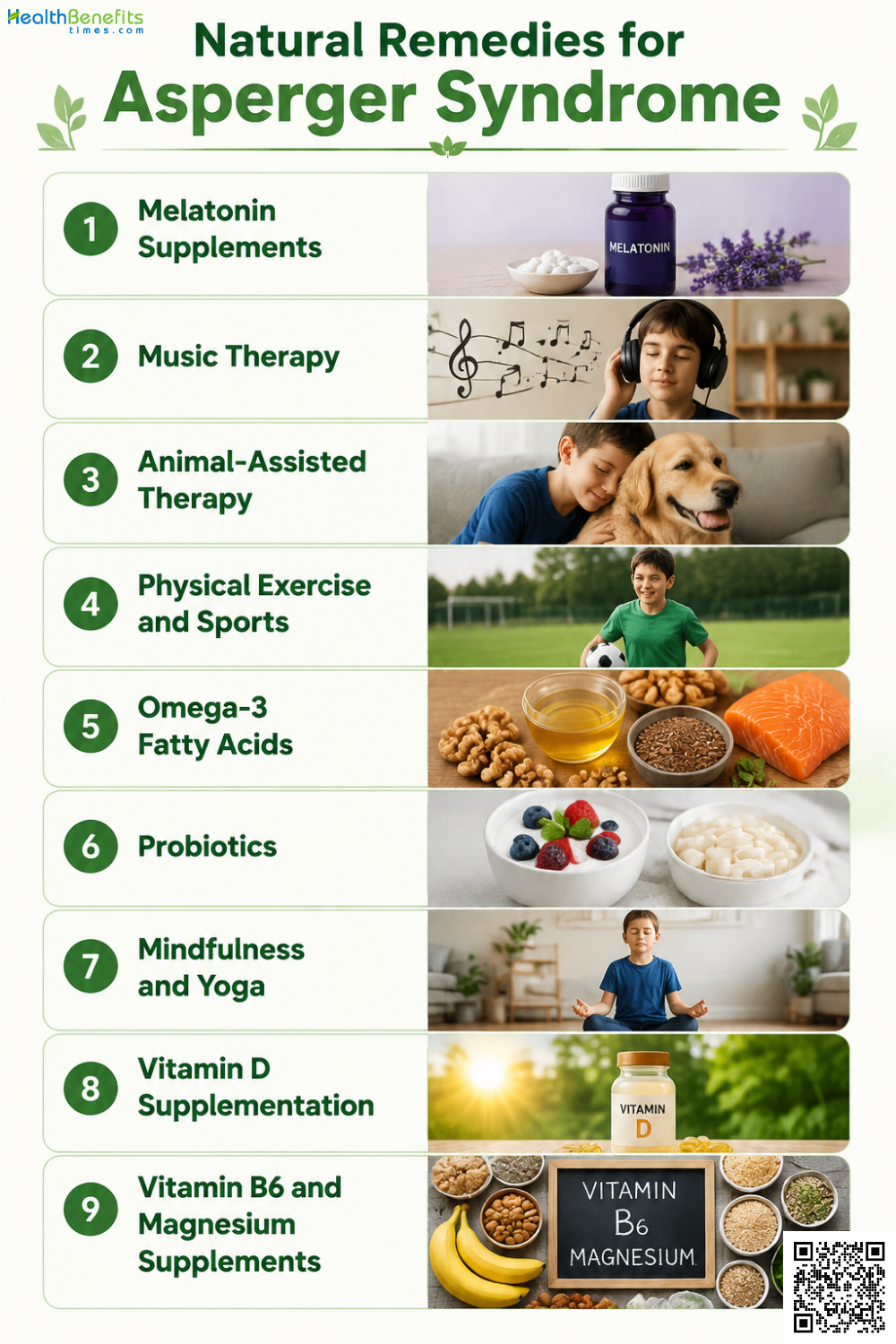
3. Animal-Assisted Therapy
How it may help
Animal-assisted therapy utilizes trained animals, such as dogs or horses, to facilitate social connections and emotional growth. The non-judgmental presence of an animal provides a calming sensory experience, which helps lower anxiety levels. This supportive environment encourages individuals to practice social interactions and improve non-verbal communication skills.
What research says
Clinical reviews indicate that interacting with therapy animals significantly increases positive social behaviors among individuals on the autism spectrum. Research concludes that these programs effectively reduce physiological stress, decrease behavioral outbursts, and improve overall social engagement compared to traditional therapy environments 13.
How to use it safely
You should seek therapy programs supervised by licensed professionals and certified animal handlers. Introduce the animal slowly to prevent sensory overload. Always verify that the therapy animals undergo rigorous health screenings and behavioral training to ensure they remain calm during interactions.
Potential precautions or side effects
You must evaluate potential risks like animal allergies or pre-existing fears of animals. Even highly trained animals can sometimes react unpredictably, so you should ensure constant supervision during all therapy sessions.
4. Physical Exercise and Sports
How it may help
Physical exercise provides structured physical activity that improves motor coordination, balance, and muscle strength. Engaging in sports helps release endorphins, which naturally reduce anxiety and promote emotional regulation. Individual activities, like swimming or track, allow for focused energy release without the overwhelming social pressures of team sports.
What research says
Clinical studies confirm that regular physical activity significantly decreases repetitive behaviors and improves overall social-emotional functioning in individuals on the autism spectrum. Research concludes that structured exercise programs lead to noticeable improvements in attention, behavioral control, and physical coordination compared to inactive lifestyles 14.
How to use it safely
You should begin with short, low-intensity sessions to build stamina and prevent frustration. Choose environments with minimal sensory triggers, such as quiet parks or small classes. Always consult a healthcare professional before starting any new exercise routine to ensure the activities match your physical capabilities.
Potential precautions or side effects
Exercise in loud or crowded environments may trigger intense sensory overload. Watch for signs of physical exhaustion or overheating, as some individuals may struggle to communicate physical discomfort effectively.
5. Omega-3 Fatty Acids
How it may help
Omega-3 fatty acids, specifically EPA and DHA, are essential nutrients crucial for healthy brain development and cellular function. They support neurotransmitter activity and help reduce cellular inflammation. For individuals with Asperger syndrome, these nutrients can help stabilize mood, improve focus, and support better overall cognitive processing and emotional regulation.
What research says
Clinical reviews indicate that Omega-3 supplementation offers mild improvements in specific behavioral aspects of the autism spectrum. Research concludes that while it does not alter core social deficits, it can effectively reduce hyperactivity, lethargy, and repetitive behaviors in some individuals when used as a complementary approach 15.
How to use it safely
You should always consult a healthcare provider before starting Omega-3 supplements to determine the appropriate dosage for your specific needs. Choose high-quality fish oil or plant-based algae supplements that are verified by third-party testing to ensure purity and the absence of heavy metals.
Potential precautions or side effects
Omega-3 supplements are generally well-tolerated. Minor side effects can include fishy-tasting burps, mild stomach upset, or nausea. High doses may increase bleeding risks if you take blood-thinning medications.
6. Probiotics
How it may help
Many individuals with Asperger syndrome experience chronic digestive issues, such as constipation or stomach discomfort. Probiotics contain beneficial live bacteria that restore balance in the digestive tract. By improving gut health, probiotics can positively influence brain function through the gut-brain connection, potentially reducing physical distress and supporting better emotional regulation.
What research says
Clinical studies demonstrate that probiotic supplements effectively improve digestive symptoms in individuals on the autism spectrum. Research concludes that restoring gut bacteria balance also has beneficial effects on specific behavioral manifestations, such as hyperactivity, concentration issues, and irritability, offering a valuable complementary approach to managing daily symptoms 16.
How to use it safely
You should consult a healthcare provider before starting probiotics to select the most appropriate bacterial strains. Choose high-quality, clinically tested, multi-strain supplements. Begin with a lower dose to allow your digestive system to adapt, and consistently take the supplement daily, preferably with meals, to maximize its effectiveness.
Potential precautions or side effects
Probiotics are generally safe for daily use. However, you may experience temporary, mild digestive changes, including gas, bloating, or an upset stomach during the first few days of use.
7. Mindfulness and Yoga
How it may help
Mindfulness and yoga combine physical movement, deep breathing, and focused attention to calm the nervous system. These practices help individuals with Asperger syndrome reduce high anxiety levels, improve emotional regulation, and increase body awareness. By providing structured relaxation techniques, they offer practical tools for managing daily stress and sensory overload.
What research says
Clinical research confirms that mindfulness-based programs and yoga significantly reduce anxiety and stress in individuals on the autism spectrum. Studies conclude that consistent practice improves emotional self-regulation, decreases behavioral outbursts, and enhances overall mental well-being, making it a highly effective complementary approach for daily symptom management 17.
How to use it safely
You should begin with short, structured sessions led by an instructor experienced with autism spectrum conditions. Choose a quiet, low-stimulation environment to practice. Ensure the routines are highly predictable and tailored to accommodate any specific physical limitations or sensory sensitivities you may have.
Potential precautions or side effects
These practices are highly safe. However, you should avoid overly complex poses to prevent physical strain. Sessions that are too long or unstructured may cause frustration rather than relaxation.
8. Vitamin D Supplementation
How it may help
Vitamin D is a crucial nutrient that supports healthy brain development and regulates the immune system. Many individuals with Asperger syndrome exhibit lower-than-average levels of this vitamin. Supplementation helps support proper neurotransmitter function and reduces brain inflammation, which may lead to improvements in mood and behavioral regulation.
What research says
Clinical trials demonstrate that Vitamin D supplementation significantly improves the core symptoms of autism spectrum conditions in individuals with established deficiencies. Research concludes that daily administration leads to noticeable reductions in irritability, hyperactivity, and social withdrawal, making it a safe and effective complementary nutritional approach 18.
How to use it safely
You must request a blood test from your healthcare provider to confirm a deficiency before starting supplementation. Always take Vitamin D with a meal containing healthy fats to maximize absorption. Work directly with your doctor to determine the exact daily dosage required to reach optimal blood levels.
Potential precautions or side effects
Vitamin D toxicity can occur if you take excessively high doses. You should watch for warning signs like nausea, unusual weakness, or frequent urination, which require immediate medical attention.
9. Vitamin B6 and Magnesium Supplements
How it may help
Vitamin B6 is essential for producing brain chemicals like serotonin and dopamine, which regulate mood and behavior. Magnesium is added to help the body absorb the B6 and to provide a natural calming effect on the nervous system. Together, this combination can help improve focus, reduce hyperactivity, and support emotional stability.
What research says
Clinical studies suggest that combining Vitamin B6 and magnesium can improve social interactions and communication in some individuals on the autism spectrum. Research concludes that this specific nutritional therapy significantly reduces hyperactivity and disruptive behaviors, though it is most effective when guided by a medical professional 19.
How to use it safely
You should always consult a healthcare provider before starting this regimen to determine the correct dosage. Because high doses are often used in these therapies, your doctor must monitor your blood levels regularly to ensure the supplements remain safe and effective for your specific needs.
Potential precautions or side effects
Excessive Vitamin B6 can cause nerve damage, leading to numbness or tingling. High doses of magnesium frequently cause digestive issues, including stomach cramps and diarrhea.
Foods to Avoid When You Suffer from Asperger Syndrome
While diet does not cure the condition, avoiding specific foods can help manage physical discomfort and behavioral sensitivities.
1. Gluten-Containing Foods
Research indicates that eliminating gluten, a protein in wheat, reduces gastrointestinal distress and improves behavioral symptoms in some individuals on the autism spectrum 20.
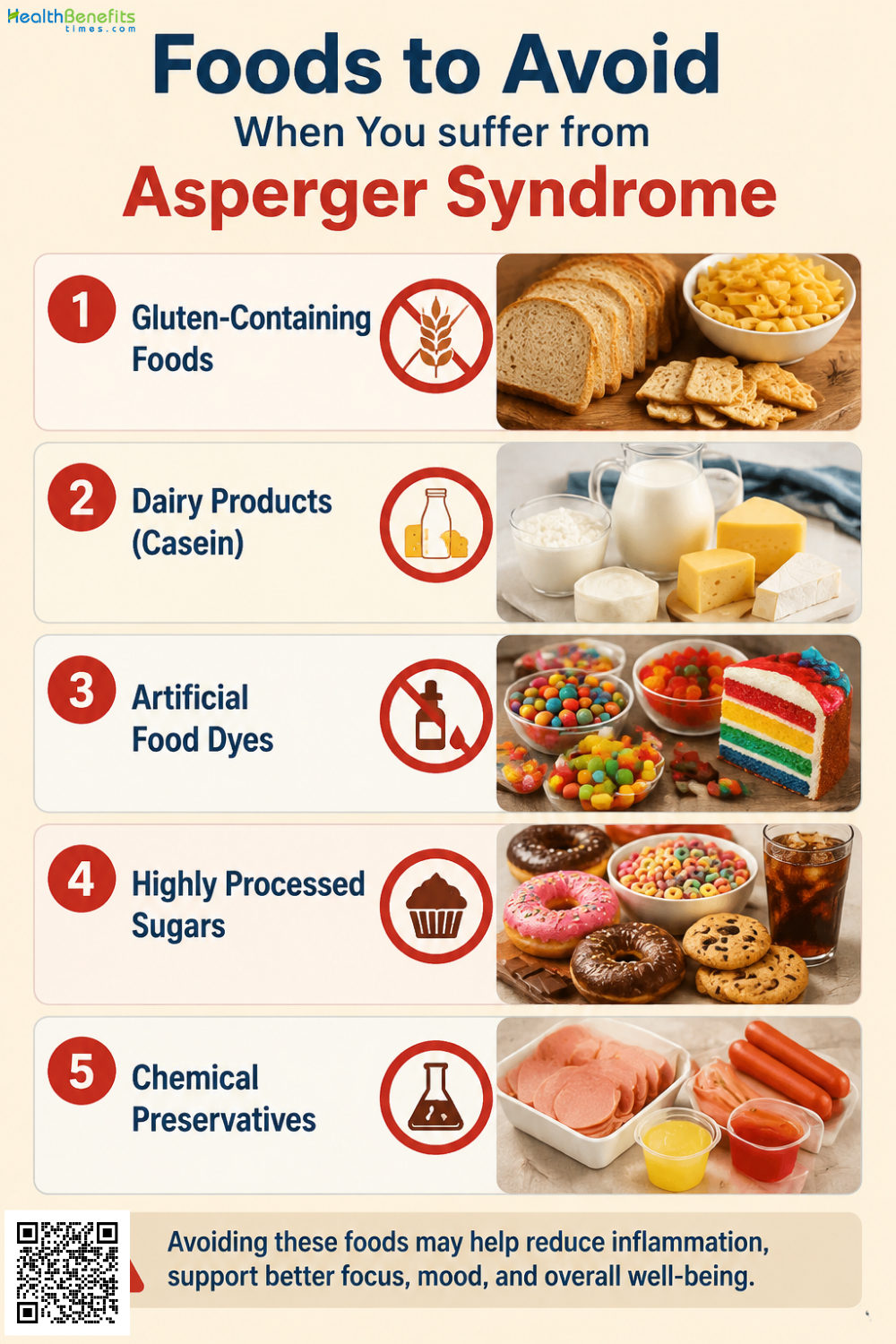
2. Dairy Products (Casein)
Casein, a primary milk protein, can trigger digestive issues. Studies conclude that a casein-free diet often improves social communication and reduces hyperactivity 21.
3. Artificial Food Dyes
Synthetic food colorings are clinically linked to increased hyperactivity and worsening of behavioral symptoms in neurodivergent individuals, making them important to avoid 22.
4. Highly Processed Sugars
Excessive sugar intake causes rapid energy spikes that can worsen hyperactivity, emotional dysregulation, and attention difficulties in individuals with autism spectrum profiles 23.
5. Chemical Preservatives
Artificial preservatives can trigger inflammatory responses that negatively affect the nervous system, potentially exacerbating behavioral and sensory challenges in autistic individuals 23.
When to See a Doctor When You Struggle with Asperger Syndrome
While many daily traits of the autism spectrum are managed through routine therapies and lifestyle adjustments, certain physical and mental health complications require direct medical intervention. Knowing exactly when to seek clinical help ensures you receive the appropriate care for co-occurring medical conditions.
1. Severe Anxiety or Depression
Seek medical help if you experience extreme worry, prolonged sadness, or intense mood swings. Doctors can prescribe safe medications or therapies to manage these mental health conditions 24.
2. Extreme Behavioral Outbursts
Consult a doctor if you develop sudden physical aggression, self-harming behaviors, or severe meltdowns. These symptoms require clinical assessment to identify underlying physical pain or psychological distress 24.
3. Chronic Sleep Disturbances
Contact a healthcare provider if you struggle with severe insomnia or highly irregular sleep. Medical interventions can safely treat chronic exhaustion that disrupts your daily functioning 25.
4. Severe Gastrointestinal Issues
Schedule a doctor’s appointment if you experience persistent stomach pain, chronic constipation, or diarrhea. These frequent physical problems require a comprehensive medical evaluation and targeted treatment 26.
5. Loss of Acquired Skills
Seek immediate neurological evaluation if you notice a sudden loss of communication skills, motor abilities, or if you begin experiencing unexplained seizures 25.
Comments
comments