

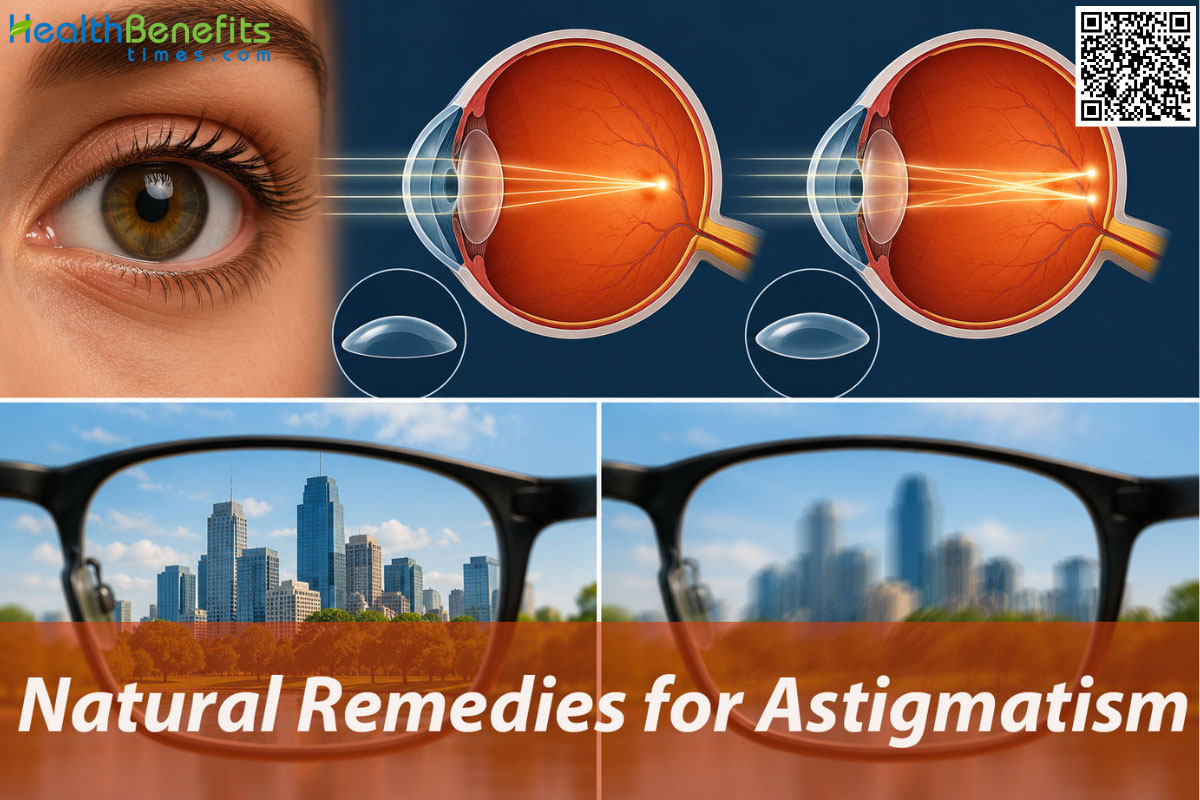
Causes of Astigmatism
1. Genetic Inheritance
The foundational blueprint of the ocular structure is passed down through generations, making inherited traits the most frequent origin point for irregular corneal or lenticular curvature. While the precise molecular trigger that causes the shape of the cornea to vary from person to person remains unknown, clinical patterns confirm that the risk of developing this refractive error is heavily linked to family history 3.
2. Mechanical Eye Rubbing
Applying continuous, forceful physical friction to the eyes exerts cyclic shear stress on the microscopic microstructures of the cornea. Repetitive mechanical trauma reduces the density of keratocytes the primary cells responsible for maintaining corneal health and induces abnormal intraocular pressure fluctuations that physically weaken and warp the front surface of the eye 4.
3. Keratoconus Progression
Certain progressive ocular disorders actively break down the structural integrity of the eye over time. Keratoconus is a particularly notable condition that causes the normally thick, dome-shaped cornea to progressively thin out and bulge forward into a distinct, highly irregular cone shape, inducing severe astigmatic distortion 5.
4. Ocular Trauma and Injury
Direct physical impacts to the delicate front window of the eye can leave behind microscopic scar tissue. As the eye heals from a laceration, blunt force trauma, or chemical burn, the resulting cicatricial tissue pulls the previously smooth corneal surface out of its natural, spherical alignment.
5. Post-Surgical Alterations
Essential medical interventions aimed at fixing other ocular issues can inadvertently shift the structural tension and shape of the ocular anatomy. Procedures such as the surgical removal of cataracts, retinal detachment repairs, or earlier generations of refractive surgeries can alter the healing trajectory of the cornea, resulting in induced postoperative astigmatism.
6. Lenticular Changes
Internal shifts within the eye can also trigger this condition, completely independent of the outer cornea. As the crystalline lens inside the eye naturally ages, thickens, or begins to develop early-stage cataracts, its internal curvature can change dramatically, leading to what is clinically classified as lenticular astigmatism.
Symptoms of Astigmatism
- Blurred or Distorted Visual Clarity: Experiencing a persistent lack of sharpness that affects both reading distance and distant horizons, often causing straight lines to appear slanted or wavy.
- Subconscious Squinting: Developing a persistent habit of narrowing the eyelids in a biological attempt to manually sharpen the focal point by blocking out scattered, unfocused light rays entering the periphery of the pupil.
- Tension Headaches: Suffering from dull, throbbing pain typically localized around the frontal lobe, brow bone, or temples, which directly stems from the brain’s exhausting, continuous effort to interpret and correct scattered visual signals.
- Pronounced Physical Eye Strain: Feeling an intense, aching, burning, or heavy sensation around the orbital area, known medically as asthenopia, which occurs when the ciliary muscles remain locked in a state of spasm 6.
- Poor Night Vision: Facing significant difficulty navigating environments in low light, particularly noting an inability to see clearly at night or experiencing excessive, blinding glare and halos radiating from oncoming vehicle headlights and street lamps.
- Rapid Visual Exhaustion: Noticing severe ocular irritation, watering, and a feeling of profound fatigue following extended periods of high concentration, such as reading fine print, studying, or viewing digital computer monitors for work.
Astigmatism Facts
| Parameter | Details |
| Symptoms |
|
| Causes |
|
| Types of Astigmatism |
|
| How does it spread |
|
| Age Group |
|
| You might be at a higher risk for exposure of this disease if you: |
|
| How doctors diagnose |
|
| Other facts |
|
Natural Remedies for Astigmatism
Understanding the strict biological limitations of natural wellness is crucial before beginning any regimen; dietary supplements cannot magically reshape the physical curvature of a distorted cornea back into a perfect sphere. However, you can effectively utilize specific natural remedies to drastically reduce the severe eye strain, muscular fatigue, dry-eye symptoms, and neurological tension that constantly accompany astigmatism.
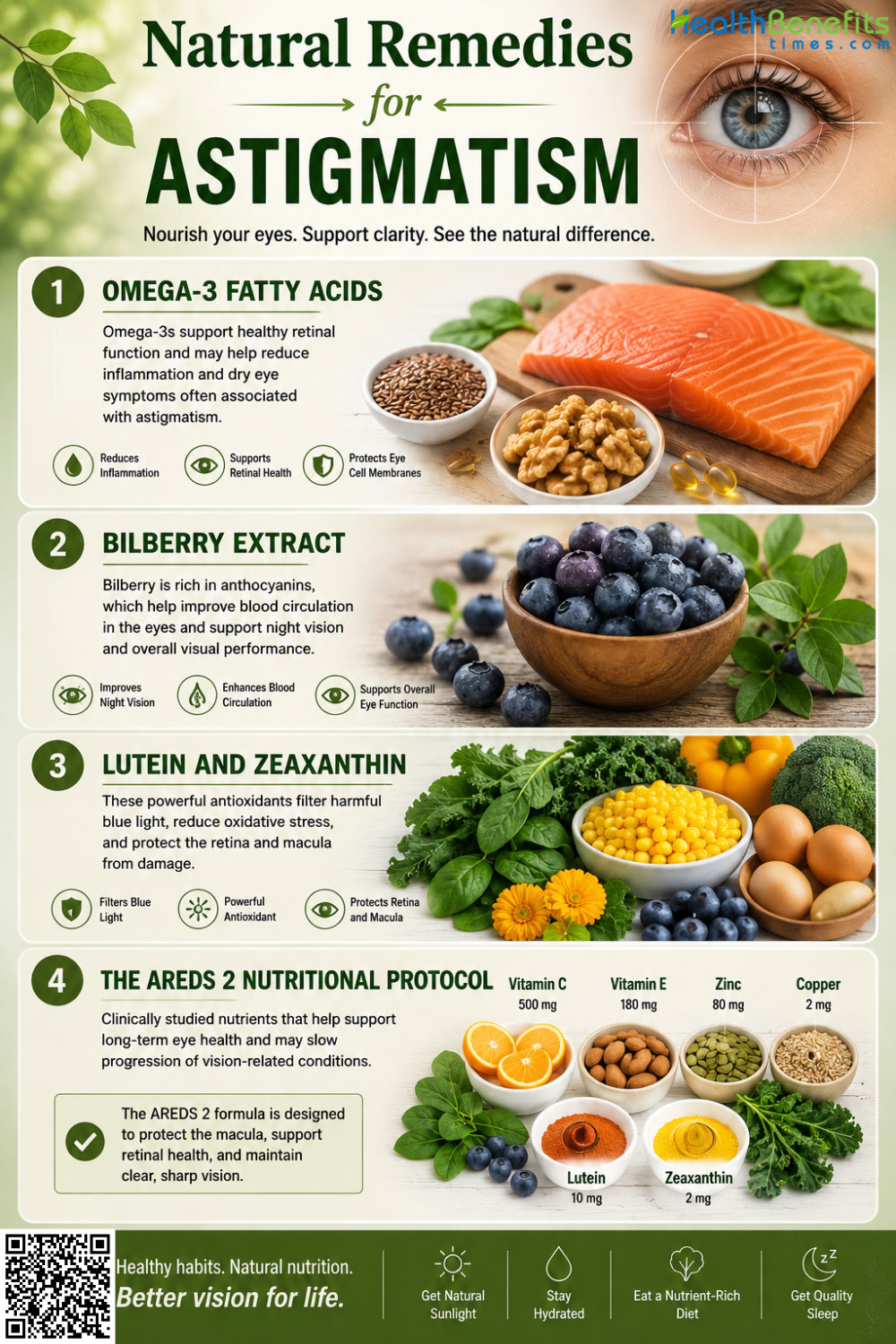
1. Omega-3 Fatty Acids
Sourcing high-quality omega-3 fatty acids, particularly eicosapentaenoic acid (EPA) and docosahexaenoic acid (DHA), provides profound structural support to the delicate tear film coating your eyes. When you suffer from refractive errors, your eyes work overtime to focus, significantly reducing your natural blink rate and leading to rapid tear evaporation. Integrating omega-3s helps fortify the lipid layer of your tears, preventing dry, scratchy ocular surfaces while significantly decreasing tear osmolarity and cellular inflammation. Clinical trials confirm that a moderate daily dose of these essential fatty acids, especially in a phospholipid form like krill oil, results in increased tear stability and a measurable reduction of proinflammatory cytokines on the ocular surface 9. Current systematic reviews also emphasize that omega-3 supplementation effectively reduces dry eye disease symptoms, making the baseline blurriness of astigmatism much more tolerable by ensuring a smooth optical surface 10.
Note: Commonly consumed as a daily dietary supplement via krill oil, refined fish oil capsules, or by heavily integrating wild-caught salmon and flaxseeds into your weekly diet.
2. Bilberry Extract
Harnessing the power of natural antioxidants, bilberry extract contains highly soluble compounds known as anthocyanins that directly target ocular stress. Because your ciliary muscles are constantly tense as they attempt to force an astigmatic eye into focus, you likely experience deep, aching eye fatigue by the end of the day. Clinical observations indicate that the specific compounds within bilberry extract migrate directly into ocular tissues to actively suppress inflammatory factors, successfully relieving the tonic accommodation and rigid tension of overworked ciliary muscles 11. Regular supplementation has been shown to alleviate the acute reduction in critical flicker fusion frequency caused by heavy visual display terminal loads, effectively mitigating subjective symptoms like ocular pain, heaviness, and foreign body sensations 12.
Note: Commonly taken as a standardized oral extract supplement or brewed as a potent herbal tea to alleviate daily screen-induced eye fatigue.
3. Lutein and Zeaxanthin
Acting as biological sunglasses, these powerful plant-derived antioxidants are naturally deposited into the macula at the very back of your eye. When you deal with constant blurriness from astigmatism, harsh blue light from digital screens only magnifies the sensory strain your brain experiences, leading to rapid asthenopia. Fortifying your internal nutrient reserves with lutein and zeaxanthin actively increases the total anti-oxidation capacity of your crystalline lens, buffering the ocular system against environmental stressors and clinically alleviating overall visual fatigue 13. These nutrients are vital for maintaining the structural integrity of the visual pathways, helping your eyes recover faster from the exhaustive effort of trying to pull distorted images into sharp focus.
Note: Commonly eaten in abundance through dark leafy greens like spinach and kale, or taken as a daily concentrated dietary capsule.
4. The AREDS 2 Nutritional Protocol
Protecting the cellular integrity of your retina ensures that the light signals finally reaching the back of your astigmatic eye are processed as efficiently as possible. You can adopt the highly researched AREDS 2 nutritional protocol, which utilizes high, precise doses of Vitamin C, Vitamin E, Zinc, and Cupric Oxide. While originally formulated through National Institutes of Health studies to protect against age-related macular degeneration, this exact ratio of dense micronutrients builds a robust defense system for overall ocular wellness 14. By flooding the ocular tissues with these specific vitamins and minerals, you actively prevent the oxidative stress that makes astigmatism-related fatigue feel so unbearable, providing a systemic foundation for long-term vision health.
Note: Commonly used as a comprehensive daily multivitamin explicitly formulated for foundational eye health and retinal longevity.
Is there any exercise or physical activities for Astigmatism
Physical ocular exercises will never change the biological shape of an oval cornea back into a perfect sphere. However, you can employ targeted physical eye activities to build muscular endurance, soothe accommodative spasms, and dramatically lessen the daily physical discomfort caused by your refractive error.
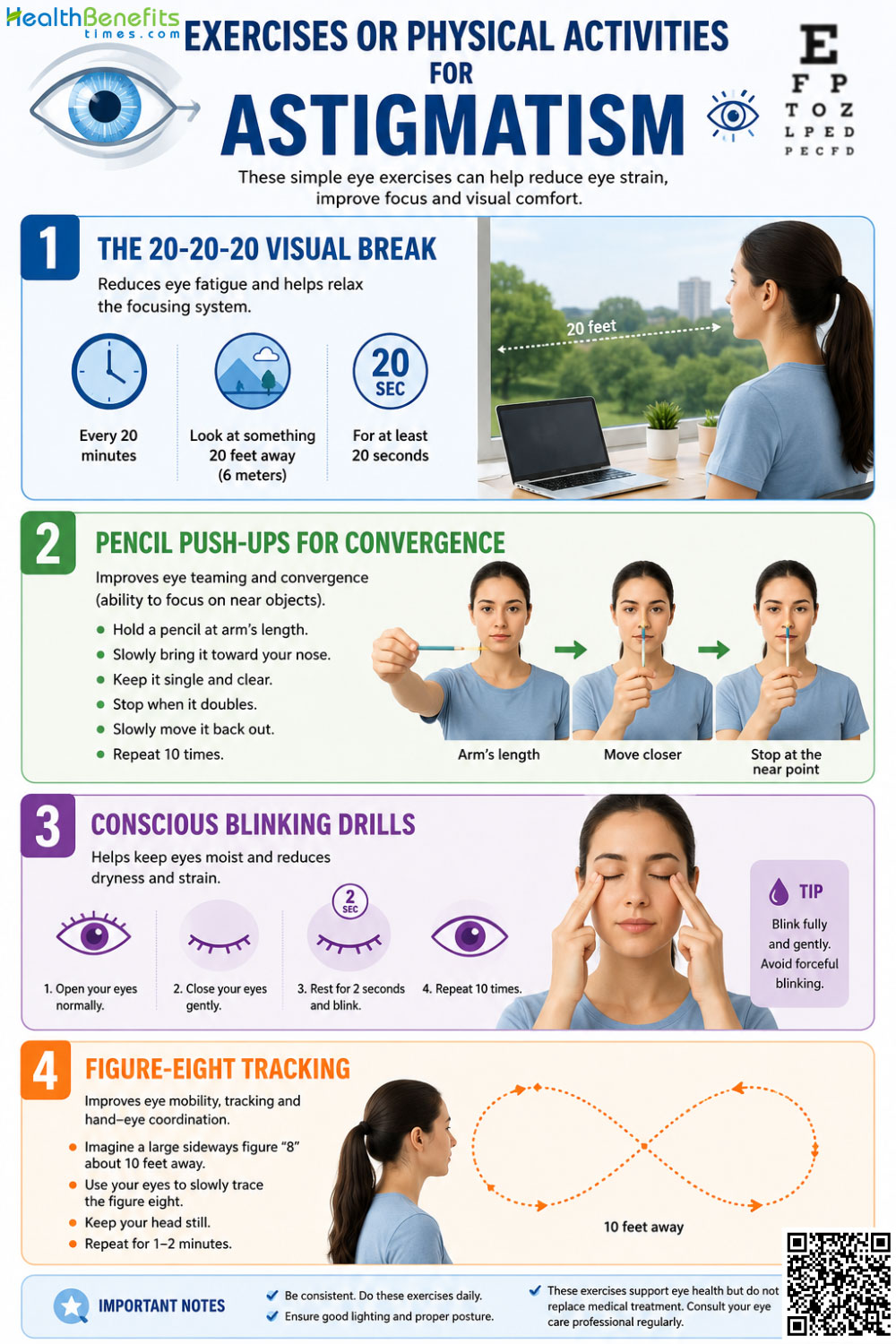
1. The 20-20-20 Visual Break
Breaking the cycle of continuous focal tension is the absolute best defense against digital eye strain, which inherently worsens the blur of astigmatism. When you stare at a fixed distance like a computer monitor or a book for hours at a time, your focusing muscles physically lock up in a state of sustained contraction. You can intentionally interrupt this microscopic muscle spasm by periodically forcing the eye to relax its internal lens mechanism, thereby refreshing your visual comfort and preventing the onset of tension headaches 15.
Note: How to do this—Every 20 minutes of close-up work, shift your gaze to look at an object at least 20 feet away, and hold your focus there for a minimum of 20 seconds to fully reset the accommodation reflex.
2. Pencil Push-Ups for Convergence
Training the external muscles of the eyes to work in perfect tandem is highly beneficial for those who suffer from secondary focusing issues. If you experience convergence insufficiency alongside your astigmatism, your eyes struggle to maintain alignment on near objects, essentially doubling your visual fatigue. You can utilize pencil push-ups to actively condition your extraocular muscles, significantly improving your near point of convergence and reducing the sensation of heavy, tired eyes. Consistent home-based convergence exercises have been shown to significantly reduce exodeviation and improve binocular alignment in symptomatic patients 16. Furthermore, these simple orthoptic movements serve as an effective first-line therapy to combat the muscular strain associated with poor near-focusing abilities 17.
Note: How to do this—Hold a pencil at arm’s length, focus sharply on the tip, and slowly draw it toward your nose until it becomes double, then push it back out and repeat.
3. Conscious Blinking Drills
Rehydrating the ocular surface is critical because humans instinctively drop their blink rate by up to fifty percent when intensely focusing on blurry texts or digital displays. When you have astigmatism, a dry cornea refracts light even more erratically than a lubricated one. You can actively combat the stinging, burning sensation of dry eye by periodically reminding your eyelids to fully coat the cornea with fresh, lipid-rich tear film, effectively smoothing out the optical surface for slightly better light refraction and massive symptom relief 18.
Note: How to do this—Close your eyes normally, pause for a second, squeeze them slightly tighter for another second, and then open them, repeating this deliberate cycle ten times every hour.
4. Figure-Eight Tracking
Stretching the extraocular muscles ensures that your eyes retain their full, smooth range of motion without feeling stiff or restricted. When you only look straight ahead at a monitor, the muscles controlling peripheral movement become easily fatigued and rigid. You can engage in slow, deliberate tracking movements to promote healthy blood flow to the orbital region and ease the physical tension associated with asthenopia. By guiding the eyes through a full range of fluid motion, you help alleviate the stiffness that accumulates after hours of compensating for poor visual acuity.
Note: How to do this—Imagine a giant number eight turned on its side about ten feet in front of you, and slowly trace the shape with your eyes in one continuous direction for a minute, then reverse the flow.
Foods to Avoid When You suffer from Astigmatism and you are prone to Astigmatism
1. High-Glycemic Sugars and Refined Carbohydrates
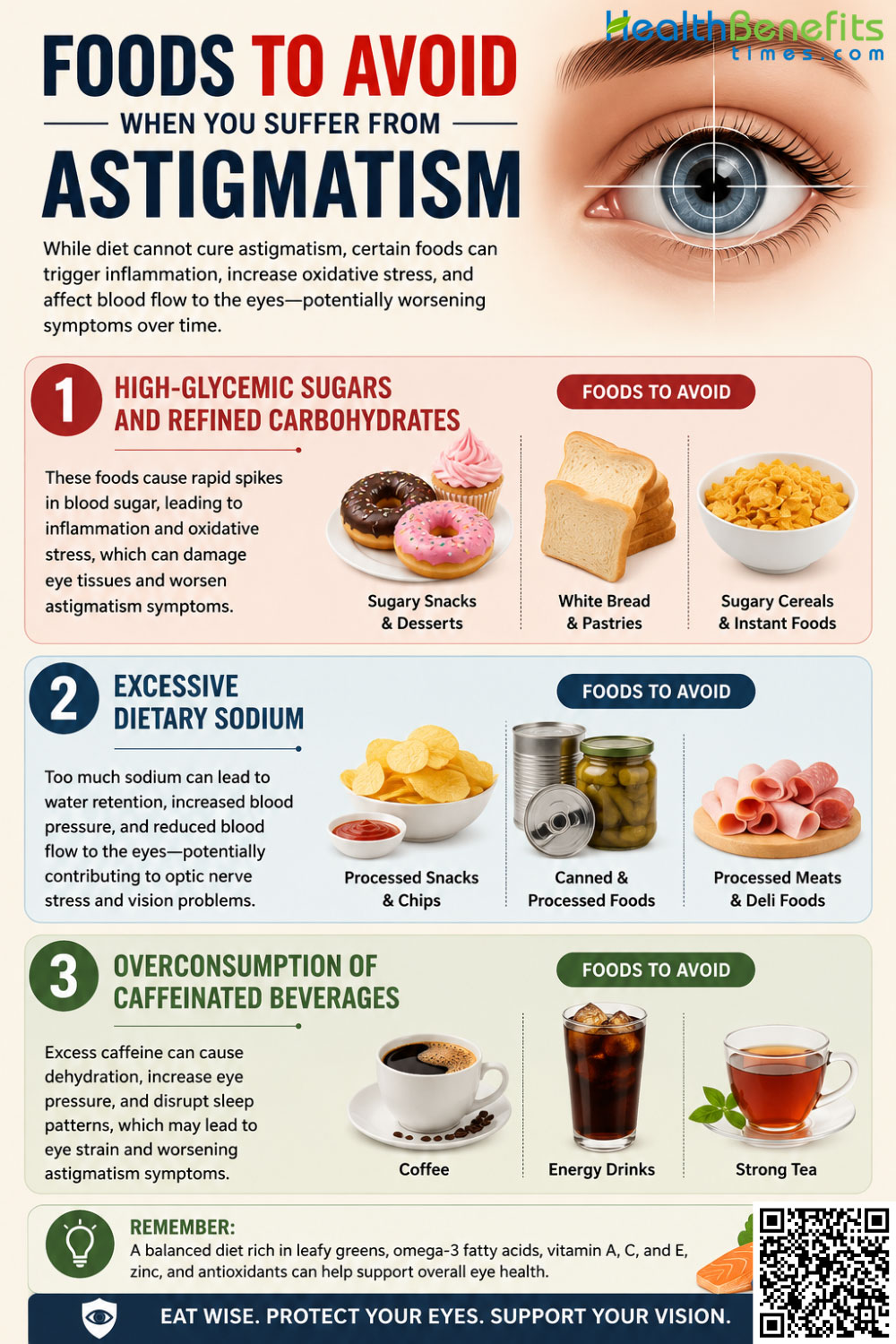
Heavy consumption of processed sugars causes rapid, uncontrolled spikes in blood glucose levels. These dramatic metabolic fluctuations draw water directly into the crystalline lens of the eye via an osmotic gradient, physically altering its shape and causing severe, transient changes in refractive error that predictably worsen your baseline blurriness 19.
2. Excessive Dietary Sodium
Diets that are overwhelmingly rich in salt can disrupt overall cellular hydration and elevate systemic blood pressure. This potentially compromises the delicate microvascular blood flow required to keep the retina, macula, and optic nerve adequately nourished, increasing your susceptibility to visual fatigue.
3. Overconsumption of Caffeinated Beverages
While moderate caffeine intake is generally harmless, drinking excessive amounts of coffee or high-octane energy drinks acts as a systemic diuretic. This progressively dehydrates the body and severely reduces the fluid volume necessary to maintain a healthy, lubricating tear film over your already irregular cornea.
Activities to Avoid When You suffer from Astigmatism
1. Aggressive Eye Rubbing
Vigorously grinding your knuckles into your eyes is arguably the most destructive physical habit you can have. This mechanical trauma actively crushes corneal keratocytes, causing the tissue to thin out and warp, which can aggressively accelerate a mild astigmatism into a blinding, irreversible condition known as keratoconus 20.
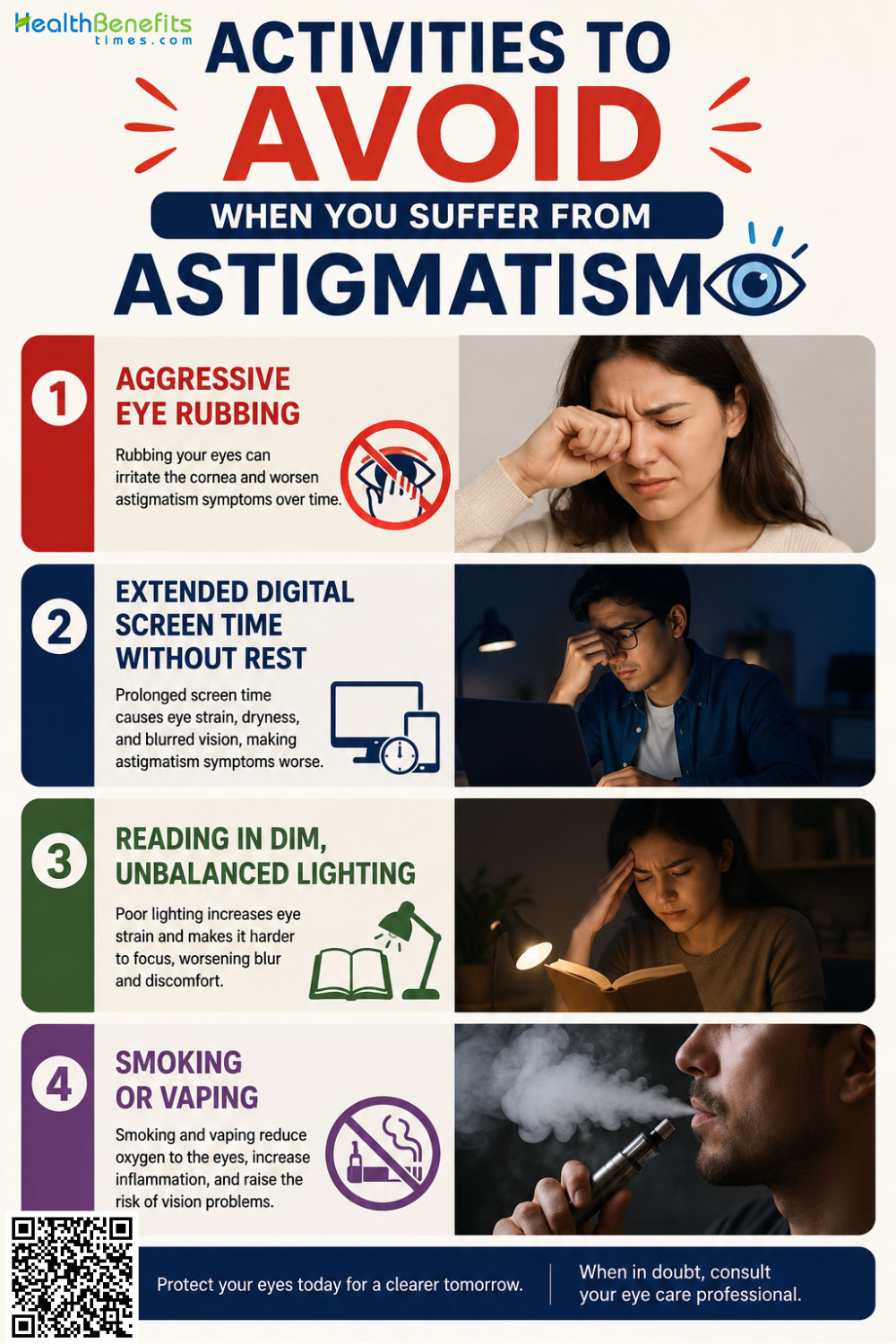
2. Extended Digital Screen Time Without Rest
Staring endlessly at laptops, tablets, or mobile phones forces your ciliary muscles into a state of continuous, unnatural contraction. This behavior drastically reduces your blink rate, inflames the surface of the eye, and practically guarantees the onset of severe digital eye strain and burning sensations 21.
3. Reading in Dim, Unbalanced Lighting
Forcing your eyes to decipher small text in poorly lit environments requires maximum pupil dilation and immense accommodative effort. This creates agonizing eye strain and tension headaches that aggressively magnify your preexisting refractive limitations.
4. Smoking or Vaping
Inhaling combusted toxins heavily restricts vascular blood flow to the fine capillaries of the eyes and systematically depletes the body of natural antioxidants. This destructive habit actively degrades the retinal health required to efficiently process whatever scattered light manages to successfully pass through your astigmatic cornea.
Myths and Misconceptions
| Myth | Reality |
| Sitting too close to the television or reading in the dark directly causes astigmatism. | While these specific activities will absolutely cause temporary ocular fatigue and deeply uncomfortable eye strain, they do not possess the mechanical ability to permanently alter the physical shape of your cornea or crystalline lens. |
| Performing daily eye exercises will permanently cure astigmatism. | No amount of muscular training can reshape the inherited, physical structure of ocular tissue. Eye exercises are highly effective at relieving the muscular symptoms of eye strain and convergence issues, but clinical evidence confirms they cannot reverse the refractive error itself |
| Squinting trains your eyes to eventually see better on their own. | Squinting only works momentarily by creating a “pinhole effect,” which physically blocks out scattered light rays from entering the periphery of the pupil. It is a temporary optical trick, not a form of vision-improving physical therapy, and relying on it will consistently cause severe tension headaches. |
| Astigmatism is a rare and dangerous eye disease. | It is not a disease at all; it is simply a very common anatomical variation in how the eye is shaped, much like having a different shoe size or physical height. |
| Specialized blue-light blocking glasses are mandatory for treating astigmatism at a computer. | Medical consensus indicates that blue light filters are no more effective at reducing the actual symptoms of digital eye strain than a neutral filter; the strain comes from decreased blinking and focusing effort, not the blue light itself |
| Wearing your prescribed glasses too often will make your astigmatism worse. | Corrective lenses do not make the eyes lazy or dependent. They simply bend light properly before it enters the eye. Refractive errors change naturally over time due to aging and genetic factors, completely independent of how often your glasses are worn. |
Special Considerations
1. Children
Younger visual systems are incredibly adaptable, which unfortunately means that undiagnosed structural issues can lead to permanent, lifelong developmental roadblocks. If a child possesses a high degree of uncorrected astigmatism, their rapidly developing brain is constantly receiving a blurred, distorted image from the optic nerve. To cope with this confusing sensory input, the neurological pathways may eventually begin to suppress or entirely ignore the signals from the more distorted eye, leading to a severe condition known as amblyopia, or “lazy eye.” Refractive amblyopia is a significant concern in pediatric populations, as astigmatism is the most common refractive error found during preschool vision screenings 24. This makes early, comprehensive eye examinations absolutely critical, as treating the astigmatism promptly with corrective lenses ensures the brain maps visual signals correctly before early childhood neuroplasticity windows permanently close 25.
2. Pregnancy
Expecting mothers undergo a massive surge of systemic hormonal fluctuations, which uniquely impacts the body’s fluid retention mechanisms and connective tissues. These profound physiological shifts frequently cause the actual tissue of the cornea to swell, temporarily altering its central thickness and overall curvature. Clinical observations demonstrate that hormonal fluctuations during pregnancy exert significant effects on corneal biomechanics, often causing a marked reduction in corneal curvature and leading to a progressive myopic shift 26. This means a pregnant woman might experience a sudden worsening of her astigmatism or general blurriness. Because these refractive changes are highly unstable and directly tied to gestation, medical professionals strongly advise postponing the fitting of new contact lenses or undergoing permanent refractive laser surgeries until several weeks postpartum, when hormones and fluid levels fully stabilize 27.
3. Chronic conditions
Individuals actively managing systemic metabolic diseases, specifically diabetes mellitus, must monitor their visual clarity with extreme caution and awareness. When blood glucose levels spike or plummet uncontrollably, the delicate osmotic balance within the eye is violently disrupted. This imbalance pulls fluid into the internal crystalline lens, causing it to swell and dramatically shifting the eye’s refractive power in a matter of hours or days. Transient blurred vision is incredibly common in diabetic patients, serving as a biological warning sign that metabolic control is inadequate and requires immediate stabilization. Research suggests that the magnitude of fasting plasma glucose decrement during treatment is closely associated with the fluctuation of refraction in the eyes 28. Therefore, diabetic patients should ensure their blood sugar has been stable for several weeks before attempting to purchase new corrective lenses to avoid receiving an inaccurate prescription 29.
4. Elderly
Advancing into older age naturally introduces a host of structural and biological changes to the intricate anatomy of the eye. Even if an individual never experienced noticeable astigmatism in their youth, the internal lens of the eye continually grows, hardens, and yellows over decades. As naturally occurring cataracts begin to form, the clouding and hardening of this tissue can alter the internal curvature, introducing a new phenomenon known as lenticular astigmatism that severely distorts vision. Furthermore, aging inherently decreases natural tear production, compounding the gritty, distorted vision that older adults experience on a daily basis. For this demographic, receiving comprehensive dilated eye exams every one to two years is paramount to track these progressing refractive errors and screen for age-related macular degeneration 30.
Precaution before use of natural remedies when you have Astigmatism
- Never Discard Corrective Lenses: Dietary supplements, herbal teas, and physical eye exercises are strictly adjunctive therapies designed for symptomatic comfort; you must never view them as a medical substitute for scientifically prescribed eyeglasses, toric soft lenses, or rigid gas-permeable contact lenses.
- Consult Your Optometrist First: Before initiating high-dose protocols of antioxidants like Lutein, Zeaxanthin, or Bilberry extract, you must have a comprehensive conversation with your eye care provider to ensure these supplements align with your specific clinical needs and overall ocular health status 31.
- Monitor for Medical Interactions: High dosages of Omega-3 fatty acids derived from fish oil can act as mild systemic blood thinners. You must exercise extreme caution and consult a general physician if you are already taking prescription anticoagulant medications to prevent unexpected bleeding complications.
- Verify Supplement Purity: The natural dietary supplement market is frequently unregulated and flooded with substandard products. You should always seek out nutritional products that have been independently verified by third-party laboratories to ensure they do not contain toxic heavy metals or unlisted filler ingredients.
- Avoid Over-Exercising the Eyes: While the 20-20-20 rule and pencil push-ups are highly beneficial, excessively forcing eye movements to the point of pain will only trigger worse tension headaches and severely exasperate your underlying asthenopia.
- Acknowledge the Limits of Natural Healing: If your vision becomes rapidly distorted, you should not assume natural remedies or vitamins will fix it. Sudden structural changes often indicate dangerous underlying issues, such as the onset of keratoconus, which requires immediate clinical cross-linking therapy to halt progression before corneal transplantation becomes necessary.
When to see Doctor
- Sudden or Drastic Changes in Vision: If the blurry or distorted nature of your sight rapidly worsens over a short period of days or weeks, it signals an immediate medical emergency requiring professional mapping of the cornea to rule out aggressive diseases like keratoconus 4.
- Chronic, Unmanageable Headaches: When standard rest, proper hydration, and over-the-counter pain relievers consistently fail to mitigate the throbbing tension in your temples after reading or working, your astigmatism prescription likely needs an urgent clinical adjustment.
- Observation of a “Lazy Eye” in Children: If you notice a child consistently squinting, tilting their head strangely to view a television screen, or if an eye visibly begins to wander or cross, they require an immediate pediatric ophthalmology evaluation to prevent permanent vision loss from amblyopia 32.
- Experiencing Double Vision: Astigmatism typically causes a smearing or shadowing of objects. If you suddenly begin seeing two distinctly separate images (diplopia) instead of a blurred single image, this could indicate serious neurological or muscular complications completely beyond a simple refractive error.
- Failure to Pass Routine Vision Screenings: Any individual, whether a school-aged child at a nurse’s office or an adult renewing a driver’s license, who fails a basic visual acuity test should immediately schedule a comprehensive dilated eye exam to accurately measure their astigmatic curvature.
- Persistent Eye Pain or Extreme Light Sensitivity: Structural refractive errors cause dull fatigue and mild strain, not sharp, piercing pain. If your eyes physically hurt to touch, constantly feel as though sand is trapped beneath the lids, or you cannot bear to look at ambient room lighting, seek emergency medical care to rule out severe inflammation, acute hydrops, or corneal abrasions.
Comments
comments