

Causes of Bad breath (halitosis)
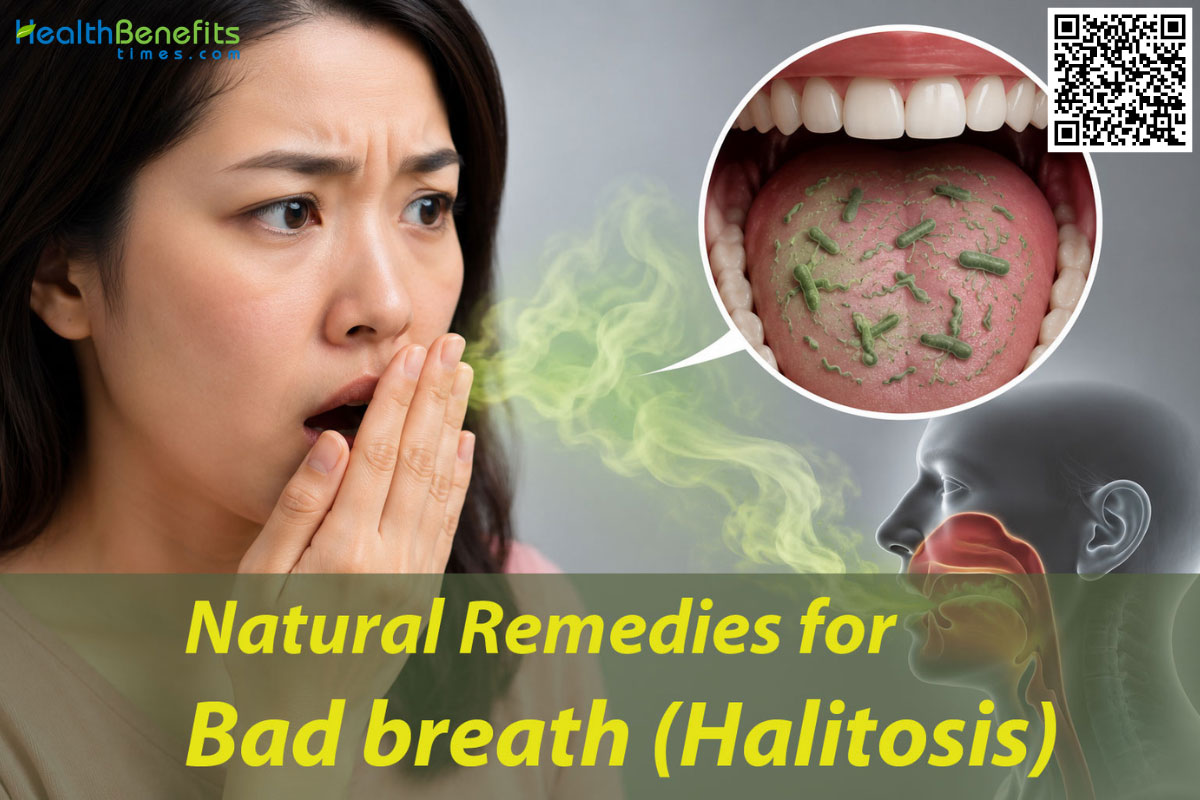
Delving into the root triggers of oral malodor reveals a complex web of biological and environmental factors. The origins of halitosis are primarily divided into intraoral and extraoral categories, with the vast majority of cases stemming directly from microscopic processes within the mouth itself.
- Bacterial Putrefaction on the Tongue: The irregular, fissured surface of the human tongue acts as an ideal trap for desquamated epithelial cells, food residues, and leukocytes. When anaerobic bacteria break these entrapped materials down, they produce highly concentrated volatile sulfur compounds, such as methyl mercaptan and hydrogen sulfide 3.
- Periodontal and Gingival Infections: Chronic gum inflammation, including acute necrotizing ulcerative gingivitis and periodontitis, creates deep pockets around the teeth. These oxygen-deprived periodontal spaces serve as perfect breeding grounds for the exact pathogenic bacteria responsible for offensive oral odors 4.
- Xerostomia (Reduced Salivary Flow): Saliva functions as the mouth’s primary natural cleansing agent. When saliva production drops significantly, the oral cavity loses its self-cleaning mechanism, allowing dead cells to accumulate rapidly and putrefy in a stagnant environment.
- Habitual Mouth Breathing: Relying on the mouth for respiration drastically evaporates the protective layer of saliva. This sudden dehydration leads to mucin precipitation and a highly alkaline environment, which forcefully accelerates the decomposition of amino acids by gram-negative bacteria 5.
- Tonsillar Crypts and Stones: Moving beyond the teeth, the palatine tonsils feature deep structural crevices. In cases of chronic caseous tonsillitis, organic debris and bacteria become trapped in these crypts, eventually calcifying into foul-smelling tonsil stones that project a strong odor into the exhaled air 6.
- Gastrointestinal Pathologies: Although statistically rare, underlying digestive tract issues can occasionally manifest as halitosis. Severe gastroesophageal reflux disease (GERD) or persistent stomach infections caused by Helicobacter pylori can allow foul-smelling gastric gases to travel upward through the esophagus and into the oral cavity 7.
- Systemic and Metabolic Diseases: Certain advanced physiological conditions present very specific olfactory warning signs through the breath. For instance, uncontrolled diabetic ketoacidosis yields a sweet, fruity scent, while advanced renal failure generates a distinct, urine-like uremic odor due to the buildup of systemic toxins.
Symptoms of Bad breath (halitosis)
Recognizing the subtle physiological warning signs of halitosis extends far beyond simply noticing an unpleasant smell in the air. The body often provides numerous localized indications that the oral environment has fallen out of balance.
- A consistent, noticeably foul odor present upon exhalation, particularly prominent immediately upon waking.
- The appearance of a thick, persistent white or yellowish microbial film coating the posterior dorsum (back surface) of the tongue.
- A lingering sour, bitter, or metallic taste that remains in the mouth and does not resolve after drinking water or eating.
- A physical sensation of severe dryness, stickiness, or lack of fluid moisture across the oral mucous membranes.
- Frequent buildup of hardened dental calculus or sticky plaque around the gum line.
- The occasional coughing up of small, solid, highly malodorous white or yellowish lumps from the back of the throat.
- Heightened psychological anxiety, self-consciousness, or a noticeable behavioral tendency to avoid close-proximity social interactions.
Bad breath (halitosis) Facts table
Understanding the broader epidemiological and clinical context of oral malodor requires distinguishing scientifically established facts from common cultural assumptions.
| Category | Clinical Details |
| Symptoms |
|
| Causes |
|
| Types of Bad breath (halitosis) |
|
| How does spread |
|
| Age Group |
|
| You might be at a higher risk for exposure of this disease if you: |
|
| How doctors diagnose |
|
| Other facts |
|
Natural Remedies for Bad breath (halitosis)
Turning toward holistic and plant-based therapeutic approaches frequently yields highly effective, scientifically validated solutions for neutralizing unwanted breath odor. By targeting the fundamental microbial imbalances responsible for the condition, these organic remedies offer compelling alternatives to harsh chemical mouthwashes.
1. Targeted Probiotic Therapy
Fixing bad breath is not solely about eradicating all bacteria; rather, it often involves introducing the correct beneficial strains to restore equilibrium. Probiotic therapy operates on the biological principle of competitive exclusion. By introducing specific friendly microbes such as Lactobacillus salivarius, Streptococcus salivarius K12, and Weissella cibaria, the oral microbiome is actively modulated to outcompete and displace the VSC-producing pathogens residing on the tongue and gums 8. These beneficial strains alter the local environment by producing natural antimicrobial peptides called bacteriocins, which specifically target foul-smelling anaerobic bacteria. Clinical evaluations confirm that such targeted probiotic interventions significantly reduce VSC levels and remarkably improve organoleptic test scores over short-term usage 9.
Note: You should slowly dissolve an oral probiotic lozenge on your tongue immediately after your final nightly brushing, allowing the beneficial bacterial flora to colonize your mouth undisturbed overnight.
2. Green Tea (Camellia sinensis) Rinses
Centuries of herbal medicine tradition are now strongly supported by modern microscopic analysis regarding the deodorizing power of green tea. The leaves of this plant contain exceptionally high concentrations of a potent antioxidant known as epigallocatechin gallate (EGCG). When introduced to the oral cavity, EGCG engages in a direct chemical reaction with methyl mercaptan, physically neutralizing the specific gas molecule most heavily associated with halitosis 10. Furthermore, EGCG actively interrupts the cell membrane integrity of Solobacterium moorei, a stubborn anaerobic bacterium highly prevalent in the mouths of those suffering from severe breath issues, thereby reducing its ability to adhere to epithelial cells. Over a sustained period, herbal mouthwashes formulated with a five percent concentration of green tea demonstrate comparable efficacy to standard chlorhexidine formulas in reducing plaque deposition and oral malodor 11.
Note: You can steep natural green tea leaves in warm water, allow the liquid to cool completely, and use it as an alcohol-free, one-minute mouth rinse twice daily to safely reduce bacterial plaque.
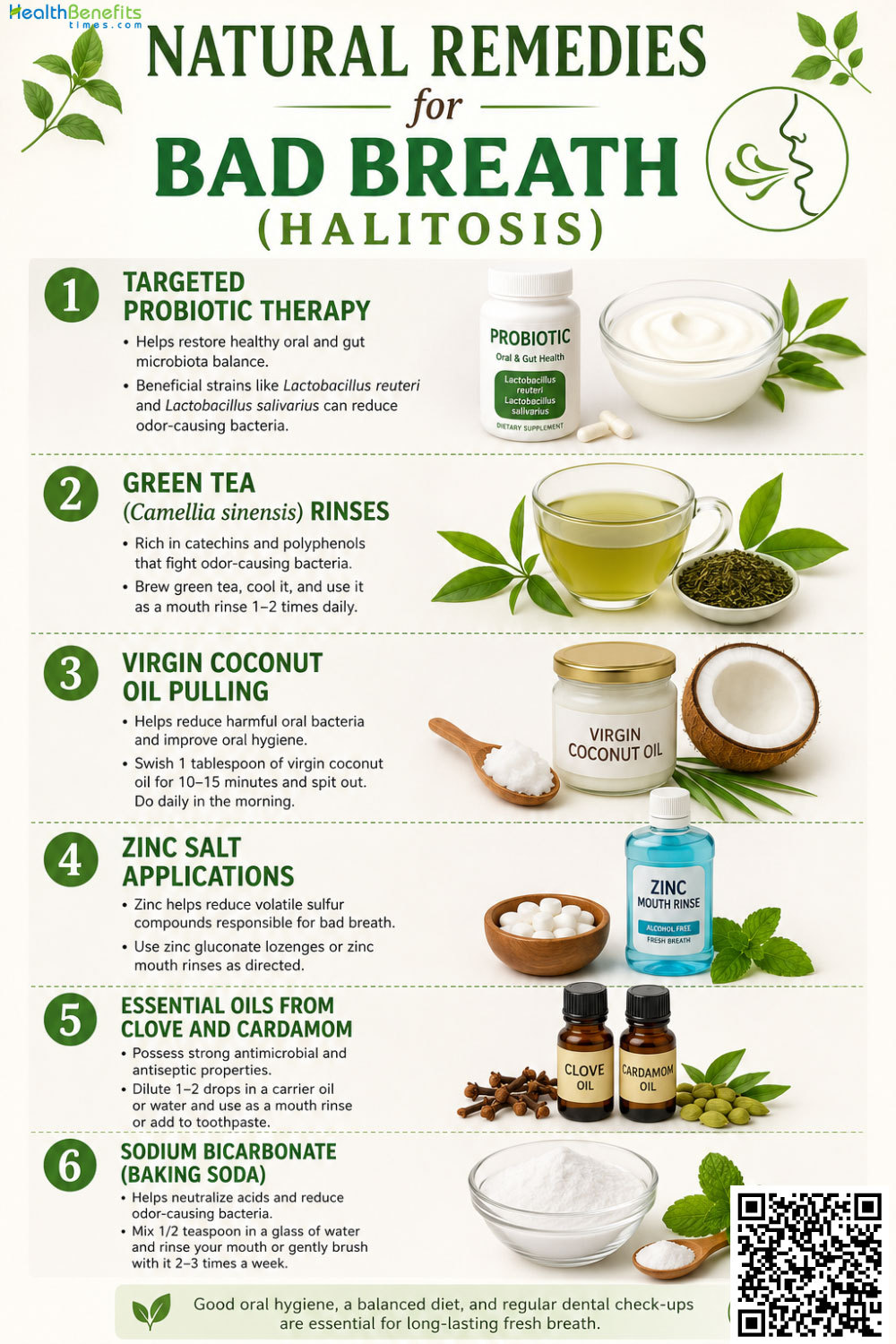
3. Virgin Coconut Oil Pulling
Ancient Ayurvedic practices have recently garnered immense clinical validation, particularly concerning the method of swishing lipid oils through the teeth. Virgin coconut oil features a rich profile of bioactive medium-chain fatty acids, primarily lauric acid. When this oil is vigorously agitated inside the mouth, it undergoes a mild saponification (soap-making) process that chemically alters and disrupts organized bacterial cell walls. This action dramatically reduces the populations of Streptococcus mutans and safely sweeps away sticky plaque matrices without causing the tooth staining or altered taste sensations frequently associated with prolonged chemical mouthwash use 12. Additionally, the viscous lipid barrier provides deep tissue hydration, actively fighting off the symptoms of dry mouth while exerting notable anti-inflammatory properties 13.
Note: You should take a tablespoon of cold-pressed virgin coconut oil, swish it gently around your teeth and gums for 10 to 15 minutes on an empty stomach, spit it out into a trash bin, and then brush your teeth normally.
4. Zinc Salt Applications
Minerals play an unsung yet vital physiological role in maintaining long-term oral freshness. Zinc ions possess an exceptional capacity to directly bind to gaseous hydrogen sulfide molecules, instantly converting them into non-malodorous, insoluble zinc sulfides 14. By working through this distinct chemical binding pathway, zinc effectively neutralizes the gases while simultaneously stunting the cellular growth of the bacteria that produce them. Because of its unique substantivity and binding kinetics, the odor-eliminating effects of zinc salts are remarkably fast-acting and can be sustained for several hours after a single application 15.
Note: You can apply an alcohol-free, over-the-counter mouthwash containing low concentrations of zinc ions (such as zinc acetate or zinc gluconate), rinsing for 30 to 60 seconds twice daily for rapid and sustained odor neutralization.
5. Essential Oils from Clove and Cardamom
Aromatic spices have historically served as the primary tools for combating bad breath across various global cultures. Cloves (Syzygium aromaticum) contain a potent active botanical ingredient called eugenol, which exhibits strong natural antiseptic and mild anesthetic properties. Crushing or chewing these whole spices releases essential oils that act rapidly to camouflage foul odors while actively fighting off surface-level microbial infections 16. Cardamom pods function through a remarkably similar mechanism, utilizing naturally occurring cineole to inhibit bacterial overgrowth and temporarily override offensive scents, making these spices especially useful for neutralizing transient odors caused by recent food consumption.
Note: You can slowly chew on a single whole clove or a crushed cardamom pod after a heavy meal to release its natural, odor-masking aromatic oils directly into your saliva flow.
6. Sodium Bicarbonate (Baking Soda)
Simple household ingredients sometimes harbor the most effective and direct chemical solutions for localized health ailments. The specific anaerobic bacteria that manufacture halitosis-causing sulfur compounds thrive predominantly in highly acidic environments. Baking soda is a powerfully alkaline substance that, when introduced to the oral cavity, rapidly neutralizes acidic bacterial byproducts and elevates the overall pH of the mouth 17. By forcing the environment to shift from acidic to basic, this compound essentially creates an inhospitable biological zone for odor-producing pathogens, while its mild abrasive texture helps mechanically dislodge sticky bacterial biofilms from the smooth surfaces of the teeth.
Note: You should dip a wet, soft-bristled toothbrush into half a teaspoon of plain baking soda and gently brush the surfaces of your teeth and the top of your tongue to quickly neutralize oral acidity.
Is there any exercise or physical activities for Bad breath (halitosis)
Engaging the body’s musculature and respiratory systems can surprisingly alleviate the dry, stagnant conditions that breed oral malodor. When bad breath is closely linked to a lack of salivary flow or chronic physiological stress, specific functional exercises can naturally jumpstart the body’s restorative moisture functions.
1. The Stomatognathic Tongue Rotation
Activating the complex web of muscles in the face and jaw is an incredibly effective physiological method for triggering immediate salivary gland production. The tongue rotation exercise comprehensively engages a full spectrum of stomatognathic muscles, which aggressively squeeze and stimulate the major salivary glands. Because this particular physical exercise is performed with the mouth completely closed, it dramatically increases both unstimulated and stimulated whole saliva volume sometimes yielding three times the fluid volume observed during empty chewing. Additionally, this rhythmic rotation stimulates the vagus nerve, initiating a powerful parasympathetic nervous system response that lowers overall psychological stress and visibly reduces salivary amylase activity 18.
Note: With your mouth tightly closed, you should press the tip of your tongue against the inside of your lips and forcefully rotate it in a large, sweeping circle across the outer surfaces of your teeth and gums, repeating the motion 20 times in each direction.
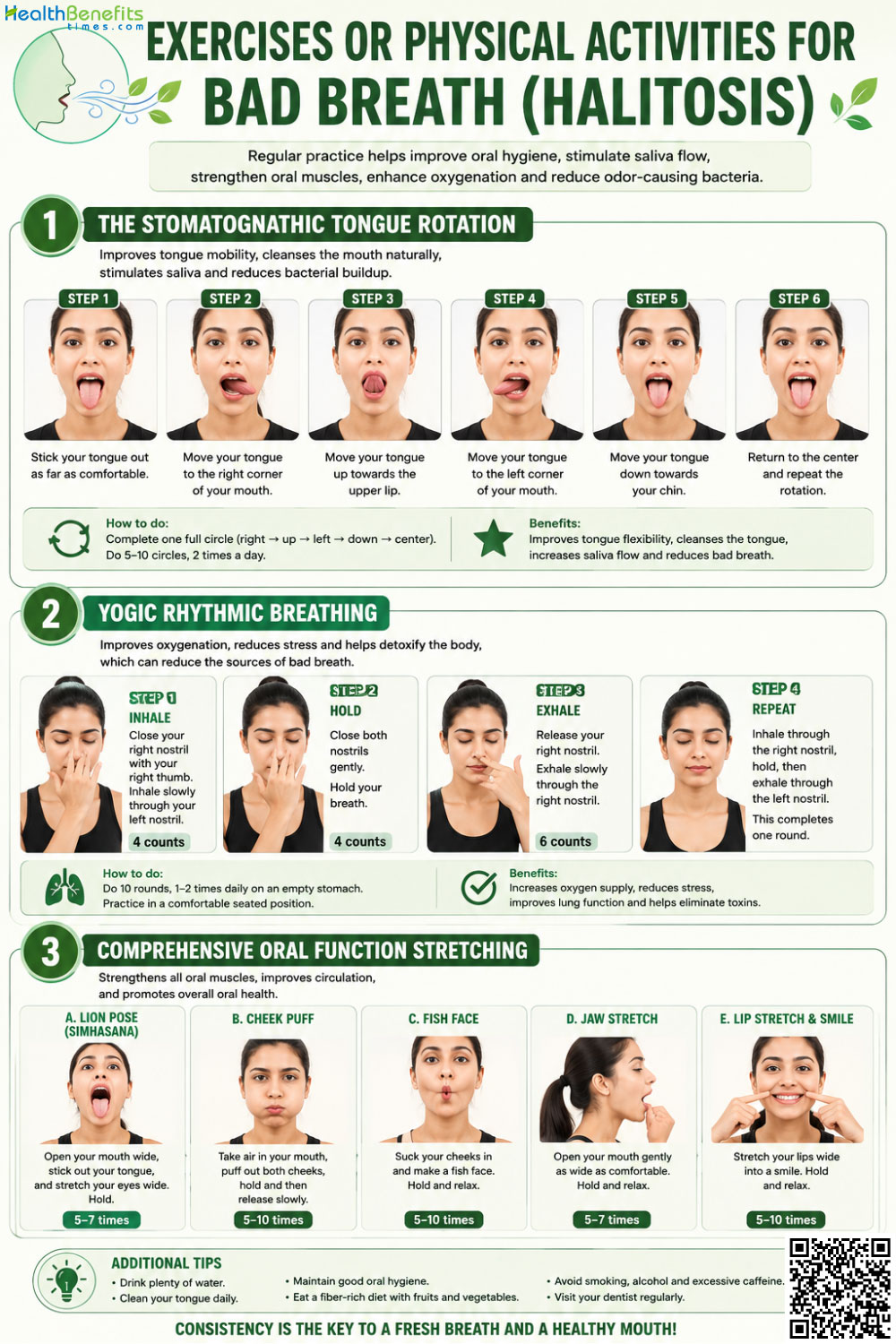
2. Yogic Rhythmic Breathing
Controlling how ambient air flows into the body directly impacts oral hydration and systemic inflammatory markers. Chronic stress regularly disrupts underlying physiological systems, often resulting in gastric refluxes and severe clinical dry mouth, both of which directly culminate in rampant halitosis. Practicing mindful yogic breathing techniques successfully induces a profound sense of calmness, immediately lowering salivary cortisol levels. Furthermore, shifting respiratory habits exclusively to controlled nasal breathing prevents the rapid drying of delicate throat and oral tissues, successfully maintaining a healthy moisture barrier that suppresses the exponential growth of odor-causing anaerobic bacteria 19.
Note: You can sit quietly in a comfortable position and practice deep, slow inhalations strictly through your nose, allowing your abdomen to expand fully, followed by exceptionally slow nasal exhalations, repeating this cycle for 10 consecutive minutes daily.
3. Comprehensive Oral Function Stretching
Strengthening the core mechanical functions of the mouth ensures that the oral cavity appropriately cleans itself during the natural acts of eating and speaking. Oral function stretching involves a coordinated combination of lip stretching, active cheek pulling, and forceful swallowing exercises. By systematically improving overall muscular strength and raw tongue pressure, these exercises facilitate better mastication (chewing). Improved chewing naturally sweeps the oral cavity of lingering food debris, while the heightened muscular activity continually pumps fresh, oxygenated saliva into the mouth, effectively flushing away concentrated pools of sulfur compounds 20.
Note: You should stretch your lips widely into an exaggerated, tense smile, hold the position for five full seconds, pucker your lips deeply outward, and finish the sequence by swallowing forcefully to fully engage the deep muscles of the throat.
Foods to Avoid When You suffer from Bad breath (halitosis) and you are prone to Bad breath (halitosis)
Dietary choices dictate the exact biochemical fuel made available to the bacteria residing in your mouth. To maintain untainted breath, you must actively deny these microbes their preferred nutritional sources.
1. Sugary Treats and Candies
Simple carbohydrates act as a premium super-fuel for oral bacteria. When you consume high-sugar foods, pathogens rapidly ferment these simple sugars into strong localized acids, dropping the oral pH and creating a highly ideal environment for foul-smelling putrefaction.
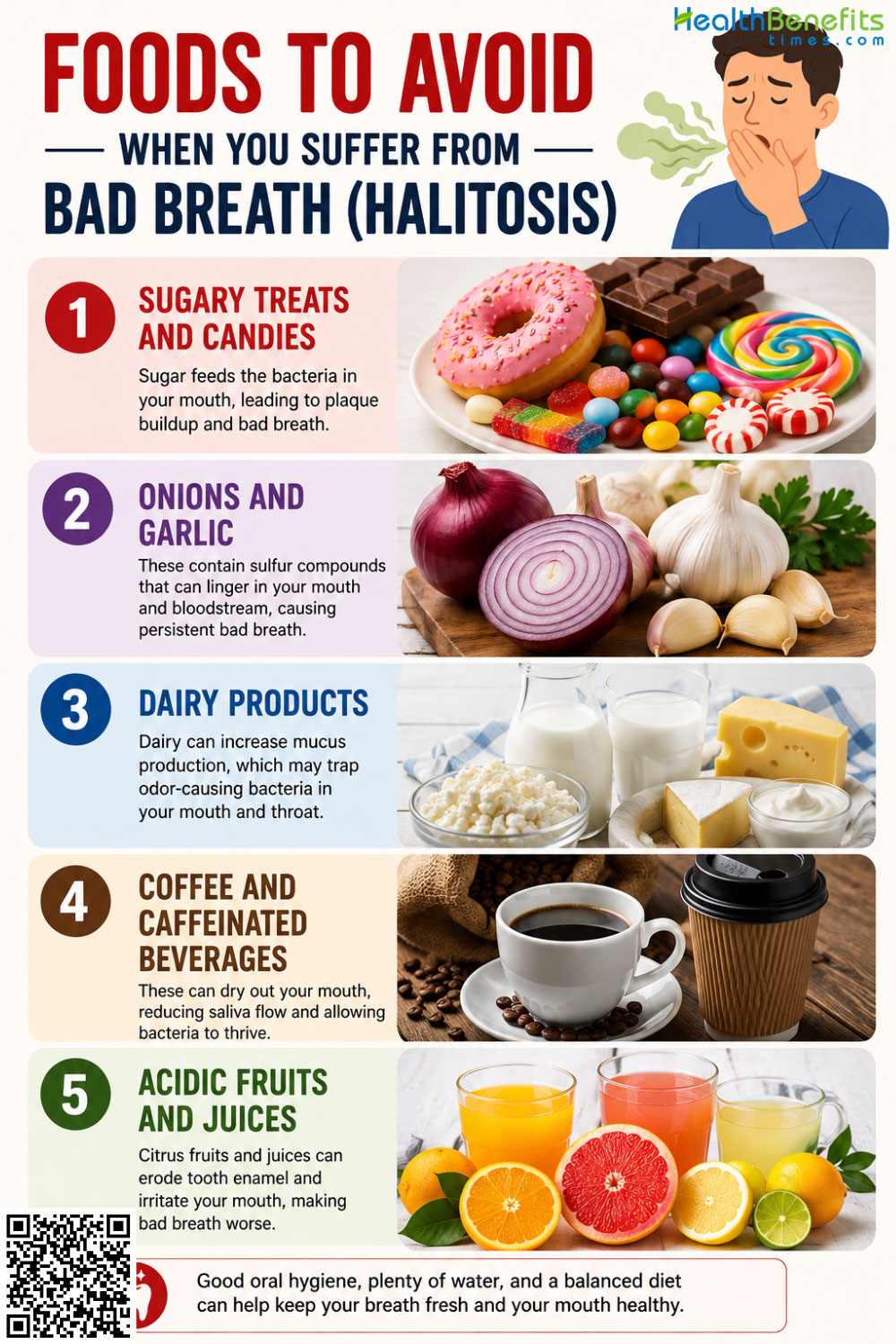
2. Onions and Garlic
These dense, bulbous vegetables naturally contain highly pungent volatile sulfur compounds before they even enter the mouth. Once you digest them, these pre-formed sulfur molecules enter your bloodstream, travel directly into your lungs, and are forcefully exhaled with every breath you take.
3. Dairy Products
Milk, heavy cheese, and yogurt contain dense proteins rich in sulfur-containing amino acids. Anaerobic bacteria residing on the back of your tongue aggressively break down these heavy dairy proteins, releasing highly offensive hydrogen sulfide gases in the process.
4. Coffee and Caffeinated Beverages
Coffee contains distinctly acidic properties and acts as a mild diuretic, heavily restricting the natural flow of your saliva. When you drink it, your mouth dries out rapidly, allowing stagnant dead cells to rot in place without being properly washed away.
5. Acidic Fruits and Juices
While nutritionally healthy, heavy consumption of citrus fruits drastically drops the pH level of the entire mouth. This sudden acidic shift selectively promotes the aggressive overgrowth of the exact bacterial strains responsible for both dental decay and severe halitosis.
Activities to Avoid When You suffer from Bad breath (halitosis)
Certain daily habits covertly sabotage the mouth’s natural mucosal defense mechanisms. Eliminating these deeply ingrained behaviors is just as crucial as implementing new therapeutic remedies.
1. Chronic Mouth Breathing
Inhaling continuously through your mouth rapidly evaporates the mouth’s protective layer of saliva. This forced dehydration leads directly to mucin precipitation and a highly alkaline environment that supercharges the biological production of sulfur gases.
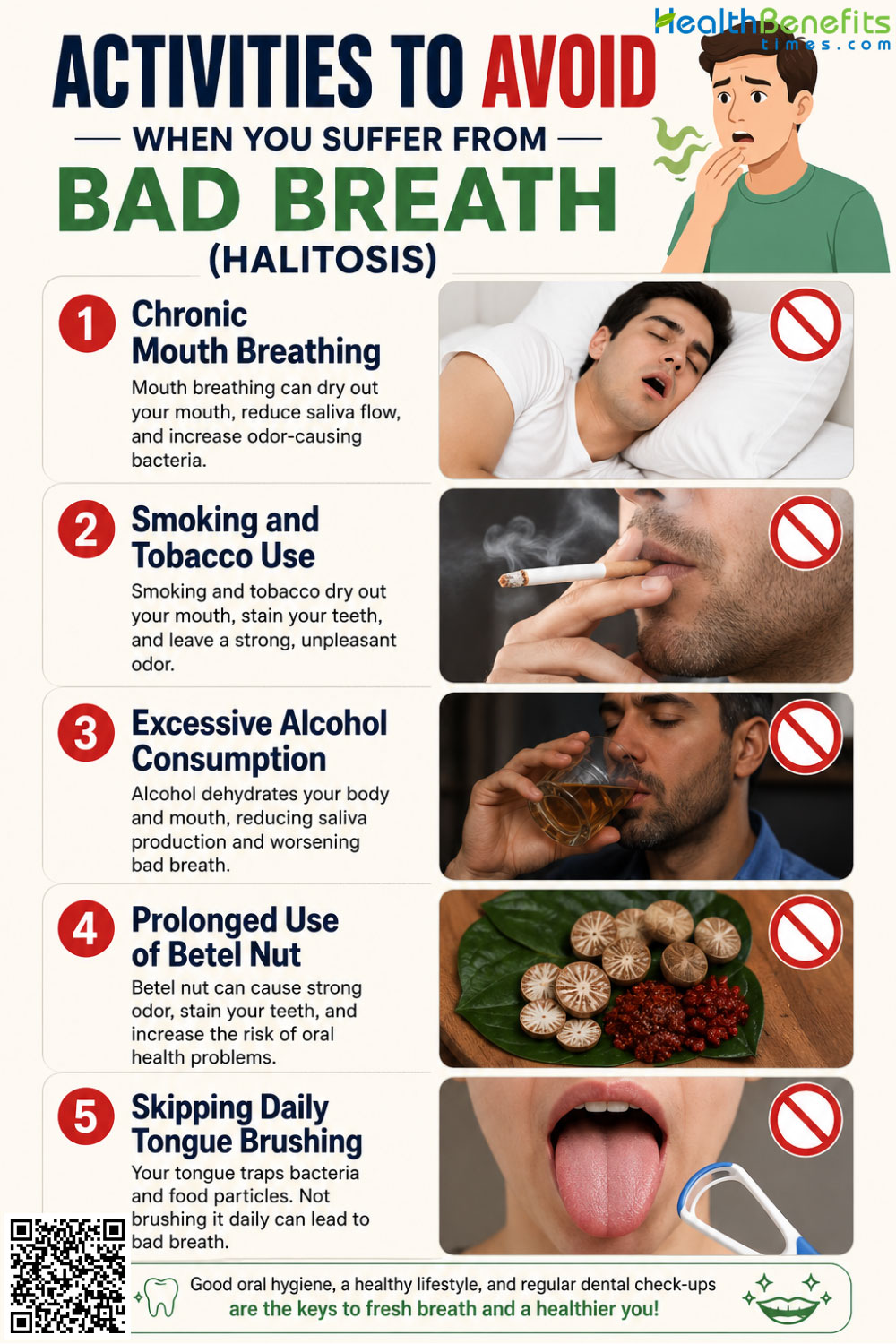
2. Smoking and Tobacco Use
Combustible tobacco smoke leaves thousands of toxic chemical compounds embedded in your oral tissues, drastically reducing tissue oxygenation and directly causing a distinct, stale “smoker’s breath.” It also massively promotes the development of severe periodontal gum disease.
3. Excessive Alcohol Consumption
Because alcohol is a powerful chemical desiccant (drying agent), drinking hard spirits or swishing with alcohol-based commercial mouthwashes severely dehydrates the oral mucosa, creating an inevitable rebound effect where bad breath dramatically worsens shortly after use.
4. Prolonged Use of Betel Nut
While traditionally chewed in some cultures to temporarily mask odors, the continuous habit of chewing raw betel nut severely irritates the delicate soft tissues and can easily lead to dangerous, irreversible fibrous conditions like oral submucous fibrosis.
5. Skipping Daily Tongue Brushing
Focusing your hygiene efforts entirely on the smooth teeth while ignoring the textured tongue leaves massive colonies of bacteria completely untouched. Skipping dedicated daily tongue scraping guarantees the survival of the exact microbes causing the odor.
Myths and Misconceptions
Dispelling widespread cultural folklore is essential for achieving true oral health and psychological peace of mind. Many individuals suffer longer than necessary simply because they adhere to outdated misunderstandings about the nature of bad breath.
| Myth | Reality |
| Bad breath is a highly contagious condition. {% https://pubmed.ncbi.nlm.nih.gov/26096248/ %} | Halitosis cannot possibly be transmitted from one person to another. It is a strictly localized biochemical issue, not an infectious airborne virus, meaning it cannot spread via kissing or sharing cups. |
| It almost always originates from a bad stomach. 21 | Only a remarkably tiny fraction (less than 10%) of cases stem from gastrointestinal issues. The vast majority of clinical malodor originates directly from putrefaction on the teeth, gums, and tongue. |
| Dental treatment is unsafe for pregnant women. 22 | Delaying treatment due to fears of harming the baby allows pregnancy gingivitis and resulting halitosis to flourish. Routine professional dental care is entirely safe and highly recommended during all stages of pregnancy. |
| Commercial mouthwash provides a permanent cure. | Most over-the-counter commercial mouthwashes strictly provide a temporary cosmetic masking effect. If the underlying bacterial source biofilm is not physically disrupted or chemically neutralized, the odor will quickly return. |
| If I blow into my cupped hands, I can accurately smell my own breath. | The human brain rapidly and automatically acclimates to its own body odors. Breathing into cupped hands is highly inaccurate and unreliable for self-diagnosing the true severity of your own halitosis. |
Special Considerations
Because human biology shifts drastically across different life stages and medical statuses, bad breath often manifests under highly unique circumstances that require specific, nuanced clinical perspectives.
1. Children
When young children develop noticeable halitosis, the root cause rarely involves the complex, deep-tissue periodontal disease commonly seen in adults. Instead, pediatric malodor is frequently tied directly to their respiratory mechanics. Clinical studies show a highly significant statistical link between habitual mouth breathing and pediatric bad breath; children who primarily breathe through their mouths are nearly 2.37 times more likely to experience halitosis than nasal breathers 23. The constant oral airflow severely dries out the child’s mucosal palate, triggering rapid bacterial colonization. Furthermore, pathological hypertrophy of the adenoids or palatine tonsils is a prime physiological suspect. Enlarged tonsils feature exceptionally deep crypts that capture stray food particles, stray mucus, and bacteria. Over time, these trapped elements harden into highly foul-smelling tonsil stones a condition known as chronic caseous tonsillitis that project a remarkably strong, persistent odor directly into the child’s exhaled respiratory air 6.
2. Pregnancy
The intense, systemic hormonal cascades experienced during gestation deeply alter the landscape of the oral cavity. As estrogen and progesterone levels surge dramatically throughout the trimesters, the delicate blood vessels located in the gums physically widen, triggering a hyper-vascular inflammatory response commonly known as pregnancy gingivitis. This localized soft-tissue swelling creates new, deepened pockets where specific anaerobic pathogens particularly Prevotella intermedia and Eikenella corrodens aggressively multiply, leading to distinct, measurable malodor 24. Compounding this specific microbial issue is the widespread prevalence of morning sickness and pregnancy-induced hyper salivation, clinically termed ptyalism. Frequent bouts of vomiting continually expose the teeth and gums to highly corrosive hydrochloric stomach acid, drastically lowering the oral pH, while the excessively thick, viscous saliva can easily trap rotting cellular debris. Due to unfounded cultural myths regarding the safety of dental work, many pregnant women avoid professional cleanings entirely, allowing these odor-causing inflammatory conditions to persist unchecked, which subsequently severely damages their self-esteem and impairs close social interactions 25.
3. Chronic conditions
Patients actively battling long-term systemic diseases often suffer from halitosis as a frustrating, unavoidable secondary symptom of their primary ailment. Within the gastrointestinal tract, persistent Helicobacter pylori bacterial stomach infections have been strongly and scientifically correlated with chronic bad breath; statistics reveal that successful antibiotic eradication of the H. pylori bacteria drastically reduces the relative risk of lingering halitosis in infected patients 26. Similarly, patients diagnosed with severe gastroesophageal reflux disease (GERD) constantly aspirate tiny, microscopic amounts of highly acidic stomach contents upward into the lower esophagus and pharynx, steadily damaging the mucosal tissues and releasing a distinct, noticeably sour odor 27. Looking beyond the digestive system, it is also noted that oral bacteria linked to halitosis, such as Prevotella, have been detected in clinical specimens related to severe non-infectious chronic conditions, including various rheumatic diseases and complex neurodegenerative disorders 28.
4. Elderly
Advancing biological age brings a host of complex anatomical and physiological shifts that heavily complicate the maintenance of breath freshness. A primary, overarching issue among older populations is the widespread clinical prevalence of xerostomia. Driven by underlying autoimmune conditions such as Sjogren’s syndrome, or manifesting as the cumulative side effect of polypharmacy (the daily intake of multiple prescription medications), severe dry mouth entirely strips the oral cavity of its defensive, oxygen-rich saliva 3. Additionally, the heavy reliance on partial or full acrylic dentures introduces a massive, artificial surface area into the mouth. If these prosthetics are not meticulously soaked and chemically scrubbed daily, their porous structures quickly absorb putrefying bacteria and fungal yeast infections. Furthermore, normal age-related declines in the muscular swallowing reflex, known clinically as dysphagia, can routinely leave stagnant food matter physically trapped in the lower throat, generating deep-seated odors and significantly raising the risk of developing severe, life-threatening aspiration pneumonia 29.
Precaution before use of natural remedies when you have Bad breath (halitosis)
Implementing holistic and plant-based therapeutic treatments requires a firm understanding of potential safety hazards, as “natural” does not automatically equate to being entirely free of medical risk.
- Watch for Severe Allergic Reactions: Natural essential oils are exceptionally highly concentrated chemical compounds. Heavy reliance on raw spices like clove can accidentally trigger severe topical allergies due to the high eugenol content, occasionally leading to painful tissue necrosis, mouth ulcers, and heavily delayed healing of the gums 30.
- Monitor Dangerous Choking Hazards: Ancient practices like oil pulling explicitly require retaining slippery lipid fluids in the mouth for extended periods. You should never force young children, or elderly individuals with compromised swallowing reflexes, to perform oil pulling, as accidental aspiration of the oil deeply into the lungs can instantly cause severe lipoid pneumonia.
- Check for Physical Enamel Erosion: While plain baking soda is an excellent chemical neutralizer, using it with aggressive physical force or excessive daily frequency acts as a harsh, gritty abrasive. Over time, you risk physically scraping away your protective outer tooth enamel, permanently exposing the highly sensitive inner dentin.
- Do Not Mask Serious Underlying Illnesses: Attempting to forcefully scrub away or temporarily mask relentless, overpowering bad breath with natural mints or baking soda can be incredibly dangerous if the smell is actually a warning symptom of an undiagnosed underlying disease, such as hidden oral cancer, severe renal failure, or advanced necrotic periodontal decay.
- Beware of Heavy Metal Toxicity in Unregulated Products: Purchasing unverified, unregulated herbal powders or imported traditional medicinal pastes carries the silent danger of invisible heavy metal contamination. Accidental long-term exposure to lead or mercury in poorly sourced holistic remedies can inadvertently induce severe systemic toxicity.
When to see Doctor
Identifying the definitive boundary between benign morning malodor and serious underlying pathology ensures that you receive timely, effective medical intervention before irreversible damage occurs.
- If your bad breath remains highly potent and noticeable for several consecutive weeks despite implementing meticulous, twice-daily brushing, strict flossing, and dedicated tongue scraping.
- If you experience spontaneous, unprovoked bleeding from the gums when brushing, or if your gums appear bright red, visibly swollen, and deeply tender to the touch, indicating advanced periodontitis.
- If you regularly cough up small, solid, incredibly foul-smelling white or yellow calcified masses from the very back of your throat, heavily suggesting severe chronic tonsillolithiasis.
- If you notice non-healing white mucosal patches, painful red sores, or unexplainable hard lumps forming anywhere inside your cheeks, under your tongue, or along your gum line.
- If your persistent malodor is frequently accompanied by chronic heartburn, the frequent regurgitation of bitter stomach acid, or persistent gastric pain, directly pointing toward an extra-oral gastrointestinal disorder 31.
- If you suffer from continuous, unrelenting dry mouth accompanied by exceptionally dry eyes and notable difficulty swallowing dry foods, which may indicate a broader systemic autoimmune attack on your moisture-producing glands.
- If you find yourself experiencing overwhelming psychological distress, depression, or an obsessive fear regarding your breath even after a dentist has objectively assured you that no clinical malodor exists, signaling a need for psychiatric support for halitophobia.
Comments
comments