

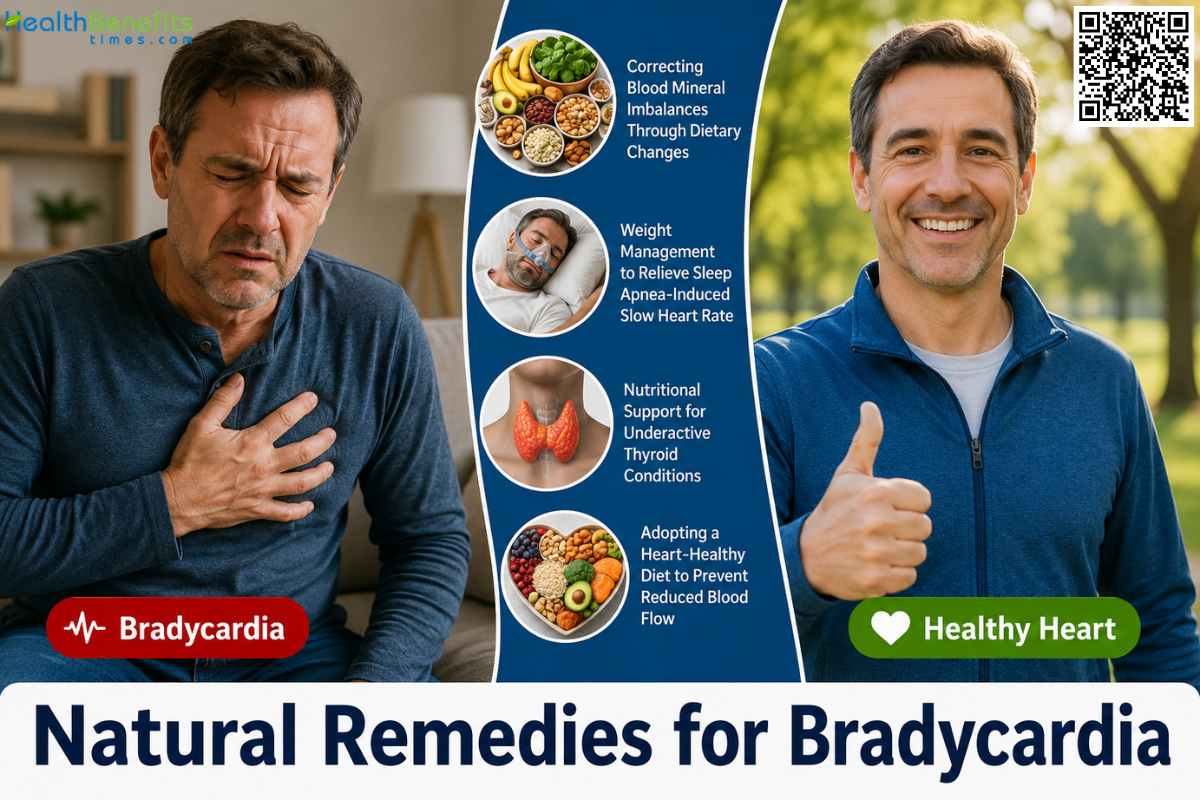
Causes of Bradycardia
1. Sinus Node Dysfunction (Sick Sinus Syndrome)
Progressive tissue scarring or degeneration of the heart’s natural pacemaker hinders its ability to generate electrical impulses, an issue that frequently occurs as a natural part of aging 4.
2. Ischemic Heart Disease and Myocardial Infarction
Reduced blood flow to the heart muscle, such as during a heart attack, can severely damage the blood vessels that supply the cardiac electrical conduction system.
3. Medications and Pharmacological Agents
Specific prescription drugs, primarily beta-blockers, calcium channel blockers, digoxin, and antiarrhythmics, actively suppress the heart rate through their pharmacological action on cardiac electrical nodes.
4. Electrolyte Imbalances
Abnormal blood concentrations of essential minerals, specifically high potassium (hyperkalemia) or low calcium (hypocalcemia), interfere with the electrical signaling required for normal heart muscle contraction.
5. Endocrine and Metabolic Disorders
Hypothyroidism lowers the body’s overall metabolic rate and decreases sympathetic nervous system activity, which subsequently slows the intrinsic firing rate of the heart’s pacemaker cells 5.
6. Infectious and Inflammatory Diseases
Conditions that inflame or damage heart tissue, including Lyme disease, rheumatic fever, myocarditis, and cardiac sarcoidosis, create physical barriers that block normal electrical pathways.
7. Respiratory Derangements and Hypoxemia
Medical conditions that cause prolonged drops in blood oxygen levels, most notably obstructive sleep apnea, trigger a nervous system reflex that automatically slows the heart rate.
8. Hypothermia
A significant decrease in core body temperature directly depresses the metabolic and electrical activity of cardiac cells, resulting in a slowed resting heart rhythm 6.
Symptoms of Bradycardia
1. Syncope (Fainting) and Dizziness
A sudden, temporary loss of consciousness or severe lightheadedness occurs when the slowed heart rhythm fails to pump enough blood to maintain adequate circulation to the brain.
2. Severe Fatigue and Weakness
A persistent lack of energy and overall physical weakness develops because the body’s tissues and muscles are deprived of a continuous, sufficient supply of oxygen-rich blood.
3. Shortness of Breath
Difficulty breathing, which often worsens during physical exertion, happens as the cardiovascular system struggles to meet the body’s oxygen demands at the reduced heart rate.
4. Exercise Intolerance
The inability to engage in routine physical activity without extreme exhaustion occurs when the heart’s natural pacemaker fails to appropriately increase the heart rate to support the body’s higher metabolic needs during movement.
5. Confusion and Cognitive Slowing
Inadequate and sustained reductions in blood flow to the brain can lead to difficulty concentrating, sudden confusion, and memory issues, an effect most prominently seen in older adults.
6. Chest Pain
An excessively slow heart rhythm can reduce oxygen delivery to the heart muscle itself, triggering chest discomfort or pressure, a symptom that is especially critical if the patient has underlying coronary artery disease.
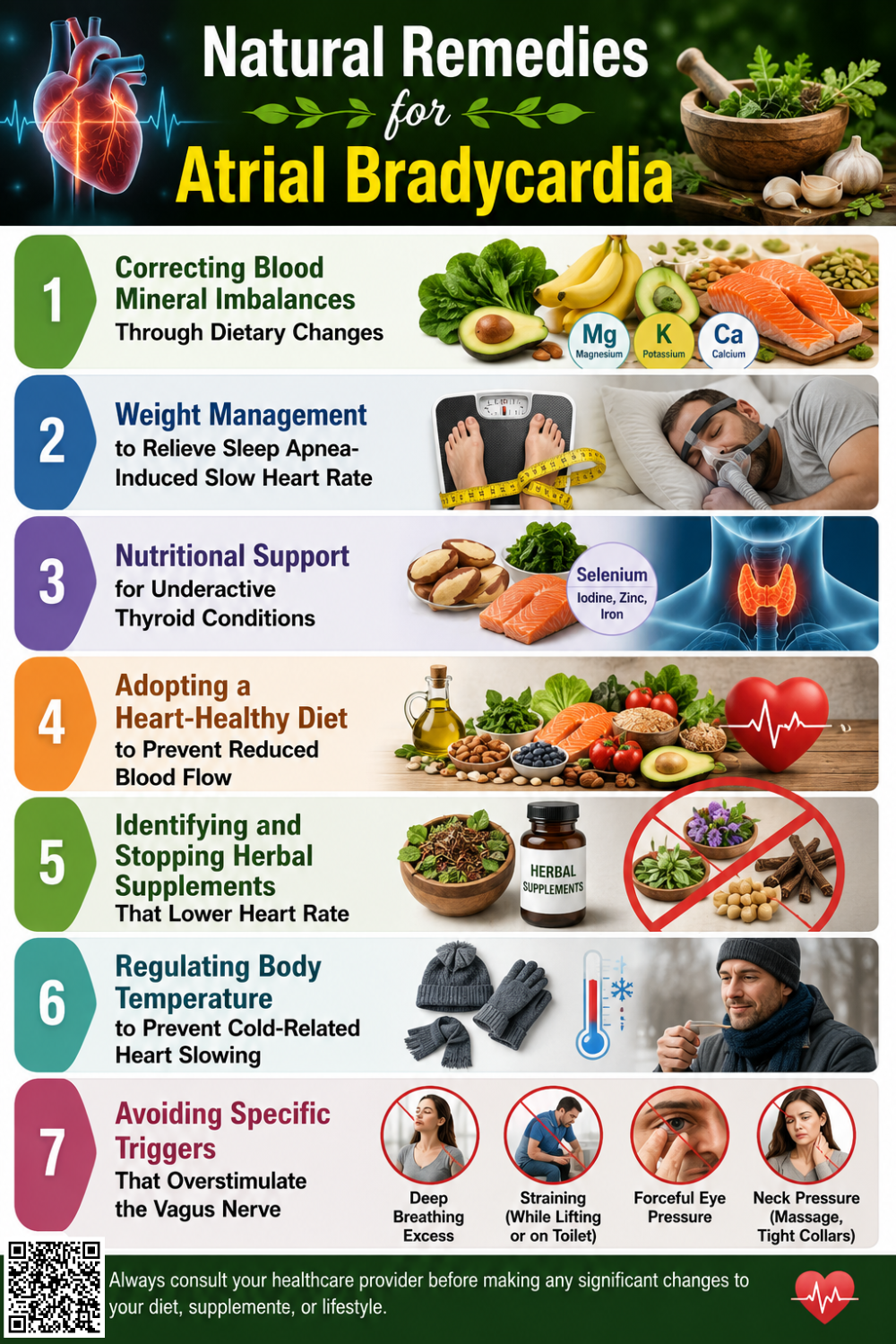
1. Correcting Blood Mineral Imbalances Through Dietary Changes
How it may help
The heart relies on specific minerals, known as electrolytes, to conduct the electrical signals controlling its rhythm. When blood levels of potassium or calcium become abnormal, this electrical system malfunctions, leading to a slowed heart rate. Restoring these minerals to normal ranges can resolve the underlying cause of this specific rhythm disturbance.
What research says
Clinical evidence identifies severe electrolyte disturbances, particularly high potassium and low calcium, as direct, reversible causes of a dangerously slow heart rate. Medical guidelines state that identifying and correcting these specific mineral imbalances restores normal cardiac electrical conduction and heart rhythm without the need for a permanent pacemaker.
How to use it safely
You should never guess your mineral levels. First, consult a healthcare provider for a blood test to identify any specific deficiencies or excesses. Based on these results, you can safely adjust your diet by incorporating or restricting specific mineral-rich foods under medical supervision.
Potential precautions or side effects
Consuming excessive amounts of potassium, particularly through over-the-counter supplements rather than food, can worsen a slow heart rate or trigger a life-threatening cardiac arrest.
2. Weight Management to Relieve Sleep Apnea-Induced Slow Heart Rate
How it may help
Obstructive sleep apnea causes repeated breathing pauses during sleep, which significantly drops blood oxygen levels. This oxygen deprivation triggers a nerve reflex that automatically slows the heart rate. Losing excess weight reduces fat deposits around the airway, keeping it open to prevent these nighttime breathing disruptions and subsequent heart rate drops.
What research says
Clinical guidelines confirm that resolving sleep apnea directly eliminates episodes of dangerously slow heart rates during sleep, preventing unnecessary pacemaker implantations. Research establishes that achieving a healthy body weight significantly reduces upper airway collapse, effectively treating the root cause of these nighttime breathing and heart rhythm disruptions 7.
How to use it safely
You should work with a healthcare provider or a registered dietitian to develop a steady, sustainable weight-loss plan tailored to your needs. Focus on balanced nutrition and moderate exercise rather than extreme diets, and undergo a medical sleep study to confirm your condition is improving.
Potential precautions or side effects
Avoid severe calorie restriction, which can cause rapid muscle loss, nutrient deficiencies, and gallstones 8. Always seek medical supervision, especially if your slow heart rate causes dizziness during exercise.
3. Nutritional Support for Underactive Thyroid Conditions
How it may help
Hypothyroidism significantly lowers the body’s overall metabolic rate and directly reduces the heart’s natural pacemaker activity, resulting in a slowed heart rate 9. When an underactive thyroid is caused by nutritional deficiencies, providing the right nutrients allows the gland to resume producing hormones, automatically restoring a normal heart rhythm.
What research says
Clinical evidence demonstrates that an inadequate supply of thyroid hormone directly causes bradycardia and decreased cardiac output. Medical research identifies a lack of dietary iodine as the most common global cause of an underactive thyroid, confirming that targeted nutritional correction resolves both the glandular dysfunction and the associated slow heart rhythm 10.
How to use it safely
You must confirm the exact cause of your thyroid issue with a physician before starting supplements, as autoimmune diseases are another frequent trigger. Once a specific deficiency is diagnosed through blood tests, safely incorporate medically approved amounts of iodine or selenium into your diet.
Potential precautions or side effects
Consuming excessive amounts of dietary iodine can paradoxically block thyroid hormone production, a chemical reaction that can trigger hypothyroidism and further dangerously slow your heart rate 11.
4. Adopting a Heart-Healthy Diet to Prevent Reduced Blood Flow
How it may help
Coronary artery disease involves fatty plaques blocking the blood vessels that supply the heart. This lack of oxygen-rich blood, known as ischemia, physically damages the cardiac electrical conduction system and slows the resting rhythm 12. A heart-healthy diet prevents this vascular blockage, preserving the critical blood flow to pacemaker cells.
What research says
Medical investigations confirm that reduced blood flow to the heart muscle is a primary cause of dangerously slow rhythms and atrioventricular blocks 13. Nutritional guidelines conclude that replacing saturated fats with plant-based alternatives and high-fiber foods significantly decreases the coronary atherosclerosis responsible for this ischemic damage 14.
How to use it safely
You should transition to a diet focused on whole grains, fresh produce, and lean proteins while strictly limiting sodium and animal fats. Consult a registered dietitian or cardiologist to build a nutrition protocol that addresses your specific cardiovascular risks without causing sudden weight changes 15.
Potential precautions or side effects
If you take the blood thinner warfarin, never abruptly alter your intake of vitamin K-rich leafy greens, as this rapidly disrupts your medication’s anticoagulant effects 16.
5. Identifying and Stopping Herbal Supplements That Lower Heart Rate
How it may help
Certain unregulated plant extracts contain active pharmacological compounds that directly suppress the heart’s electrical conduction system 17. Eliminating these specific supplements from a daily routine immediately removes this chemical interference, allowing the natural pacemaker to resume a normal, uninhibited resting rhythm.
What research says
Toxicological research confirms that specific botanicals, particularly foxglove, monkshood, and oleander, contain chemicals called cardiac glycosides and alkaloids that induce severe, life-threatening slow heart rhythms. Clinical protocols dictate that discontinuing these unregulated substances is a primary step in reversing chemically induced bradycardia.
How to use it safely
You must actively inform your physician about every herbal remedy, tea, or natural extract you consume. Bring the physical bottles to your medical appointments so healthcare providers can properly identify potential toxins and advise you on exactly what to stop taking.
Potential precautions or side effects
You must never abruptly stop prescribed medical treatments when eliminating herbal supplements, as mixing sudden changes in both can trigger severe blood pressure fluctuations or dangerous heart rhythm abnormalities.
6. Regulating Body Temperature to Prevent Cold-Related Heart Slowing
How it may help
A significant drop in core body temperature directly slows the body’s metabolic processes, including the electrical signals that control the heart’s rhythm. Keeping the body warm and avoiding prolonged exposure to freezing environments prevents this temperature-induced depression of the heart’s natural pacemaker.
What research says
Clinical research demonstrates that moderate to severe hypothermia predictably causes a dangerously slow heart rhythm, as cold temperatures physically depress the heart’s electrical pathways. Medical protocols confirm that actively rewarming the body to a normal core temperature is the primary method to reverse this type of bradycardia 18.
How to use it safely
You should dress in insulated layers and limit your outdoor time during extreme cold. If exposed, immediately move to a warm environment, remove wet clothing, and use dry blankets while seeking medical assistance to safely monitor your heart.
Potential precautions or side effects
You must avoid using direct, extreme heat sources like scalding water on cold skin, as rapid rewarming causes severe burns and dangerous drops in blood pressure.
7. Avoiding Specific Triggers That Overstimulate the Vagus Nerve
How it may help
The vagus nerve acts as a natural brake for the cardiovascular system. Specific physical or emotional stressors—such as intense pain, severe straining, or prolonged standing—can overstimulate this nerve, triggering a reflex that rapidly drops the heart rate 19. Avoiding these triggers directly prevents this nerve from inappropriately slowing the cardiac rhythm.
What research says
Clinical research confirms that an exaggerated vagal reflex is a primary cause of sudden, severe bradycardia and fainting. Medical studies establish that identifying and avoiding these specific physiological triggers significantly reduces the recurrence of these dangerous cardioinhibitory episodes without requiring medications or pacemakers 20.
How to use it safely
You should keep a detailed journal to track your activities right before feeling dizzy. Once you identify your specific triggers, actively modify your daily habits by avoiding tight collars, staying fully hydrated, and immediately sitting down if you start to feel lightheaded.
Potential precautions or side effects
You must consult a cardiologist if fainting continues despite avoiding triggers. Persistent symptoms often indicate a structural electrical block requiring medical treatment rather than simple lifestyle adjustments.
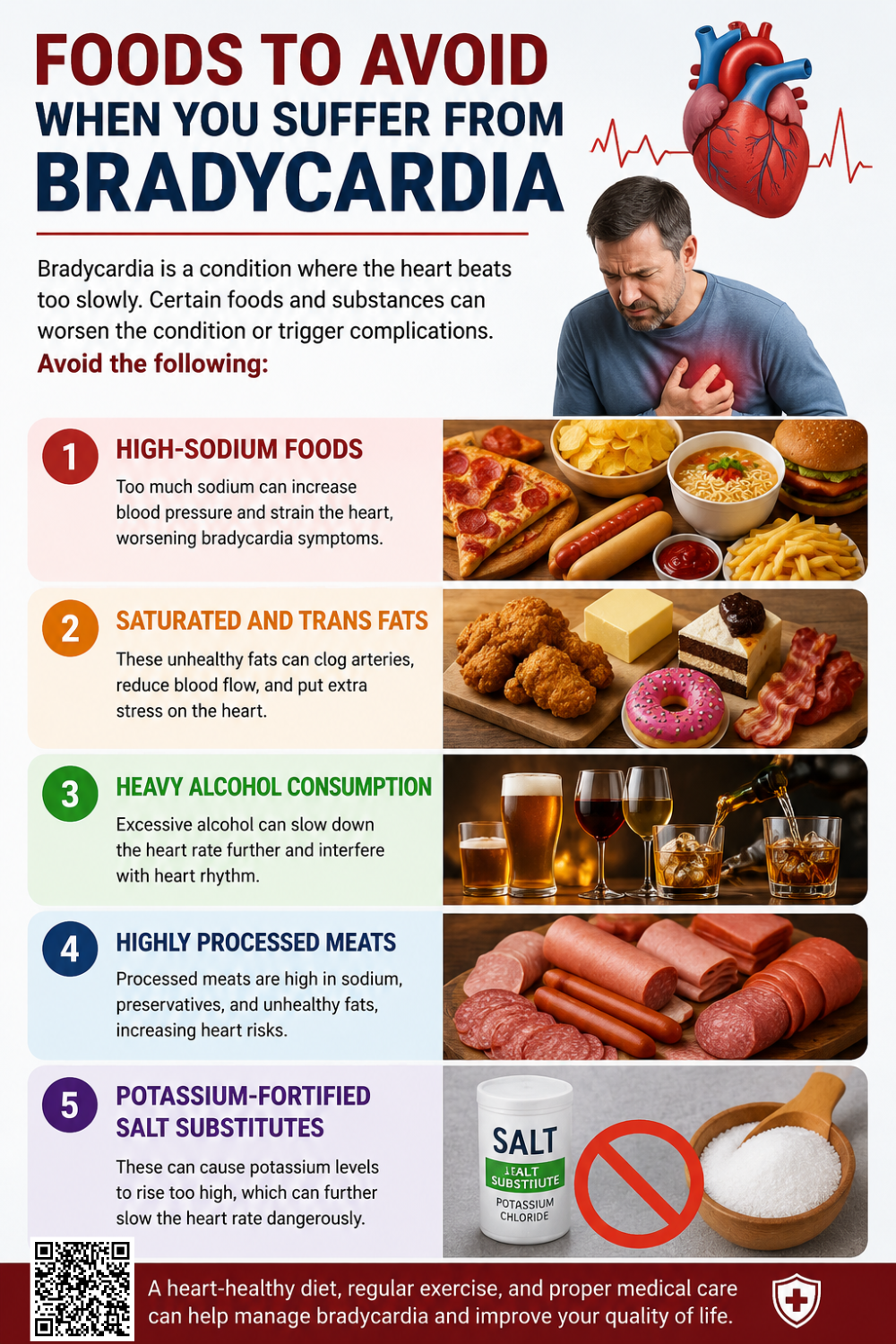
1. High-Sodium Foods
Excessive sodium intake elevates blood pressure and accelerates structural heart disease, which progressively damages the electrical conduction cells responsible for maintaining a normal heart rate.
2. Saturated and Trans Fats
Artificial trans fats and heavy saturated fats accelerate arterial plaque formation, directly restricting the vital oxygen-rich blood supply needed by the heart’s natural pacemaker.
3. Heavy Alcohol Consumption
Excessive alcohol acts as a toxic depressant on the cardiovascular system, directly suppressing electrical signaling and worsening a dangerously slow resting heart rhythm.
4. Highly Processed Meats
Cured meats contain extreme sodium levels and inflammatory preservatives that worsen underlying coronary artery disease, a primary physical cause of cardiac electrical conduction blocks.
5. Potassium-Fortified Salt Substitutes
For patients with kidney dysfunction, consuming artificial potassium chloride substitutes causes hyperkalemia, a severe mineral imbalance that rapidly paralyzes the heart’s electrical signals.
When to See a Doctor When You Suffer from Bradycardia
1. Fainting or Loss of Consciousness
Seek immediate medical attention if you suddenly faint, as this indicates your slow heart rate is failing to pump enough blood to your brain, requiring urgent evaluation.
2. Chest Pain or Pressure
Seek emergency care if you experience chest discomfort. A slow heart rhythm can dangerously reduce oxygen delivery to your heart muscle, indicating a severe, potentially life-threatening cardiac event.
3. Severe Shortness of Breath
Consult a doctor if you struggle to breathe during mild exertion. This signals your heart cannot maintain adequate blood circulation to meet your body’s basic oxygen demands.
4. Sudden Confusion or Cognitive Decline
You should seek immediate evaluation if you develop sudden confusion or memory issues, as prolonged inadequate blood flow to the brain causes acute neurological dysfunction.
5. Persistent Dizziness and Extreme Fatigue
Schedule a medical appointment if chronic lightheadedness or unexplained exhaustion disrupts your daily routine, as this indicates your resting heart rate is consistently too slow for routine activities.
Comments
comments