

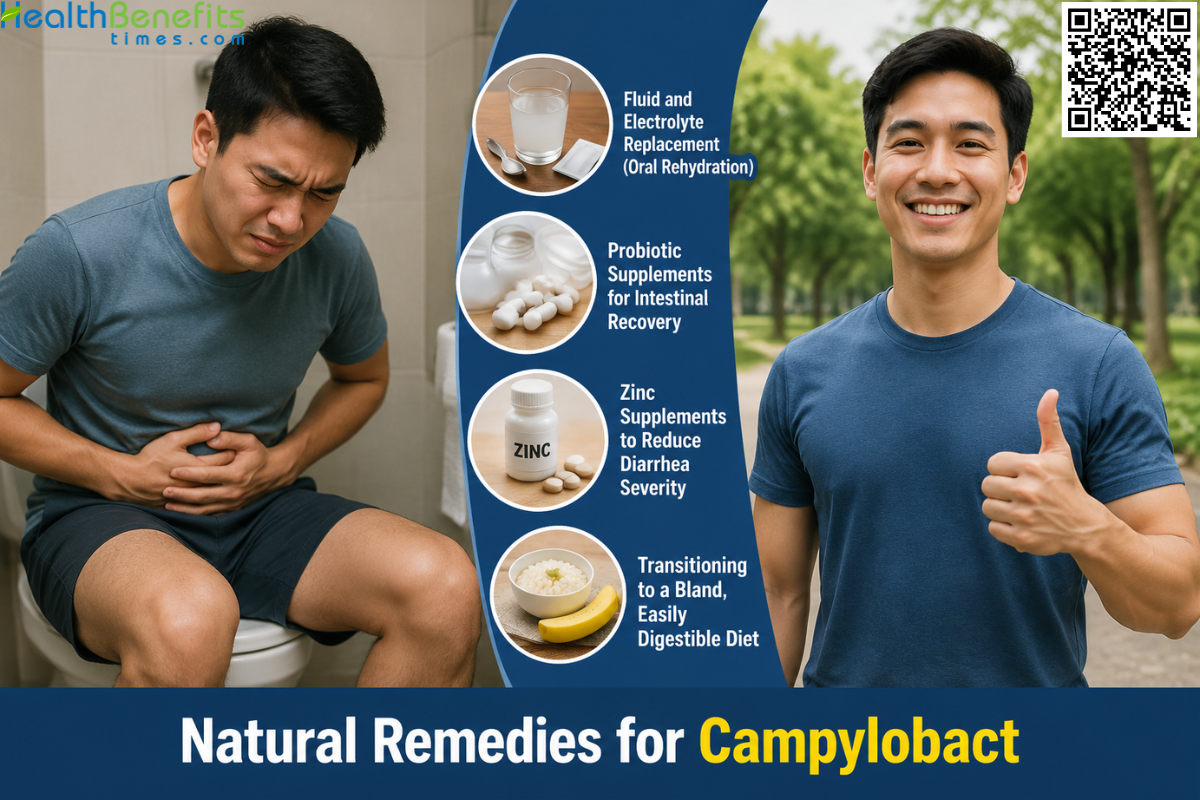
Causes of Campylobact
1. Raw or Undercooked Poultry
Consuming improperly cooked chicken, turkey, and other fowl is the most frequent way humans ingest the bacteria.
2. Food Cross-Contamination
The bacteria easily spreads during meal preparation when contaminated juices from raw meat touch cutting boards, utensils, or foods that are intended to be eaten raw.
3. Unpasteurized Dairy Products
Drinking raw milk or eating cheese made from unpasteurized milk introduces the bacteria into the digestive system because it has not undergone the heating process required to kill pathogens.
4. Untreated Water
Ingesting unchlorinated or contaminated water from natural streams, lakes, or poorly maintained private wells can lead to infection.
5. Animal Contact
Because the bacteria naturally lives in the intestines of many animals, people can contract the illness by handling infected livestock, processing raw meat, or coming into contact with the feces of household pets like dogs and cats.
Symptoms of Campylobact
1. Diarrhea
The most prominent indicator of the infection is frequent, loose bowel movements that very often contain blood.
2. Abdominal Cramping and Pain
Individuals typically experience severe stomach cramps and generalized abdominal discomfort as the bacteria causes inflammation along the intestinal lining.
3. Fever
A noticeable increase in body temperature usually accompanies the digestive symptoms, signaling the body’s immune response to the bacterial infection.
4. Nausea and Vomiting
While not as universal as diarrhea, many people experience an upset stomach and vomiting during the course of the illness.
5. Fatigue and Muscle Aches
General physical exhaustion and body aches are common, and they may even begin slightly before the severe stomach and intestinal issues appear.
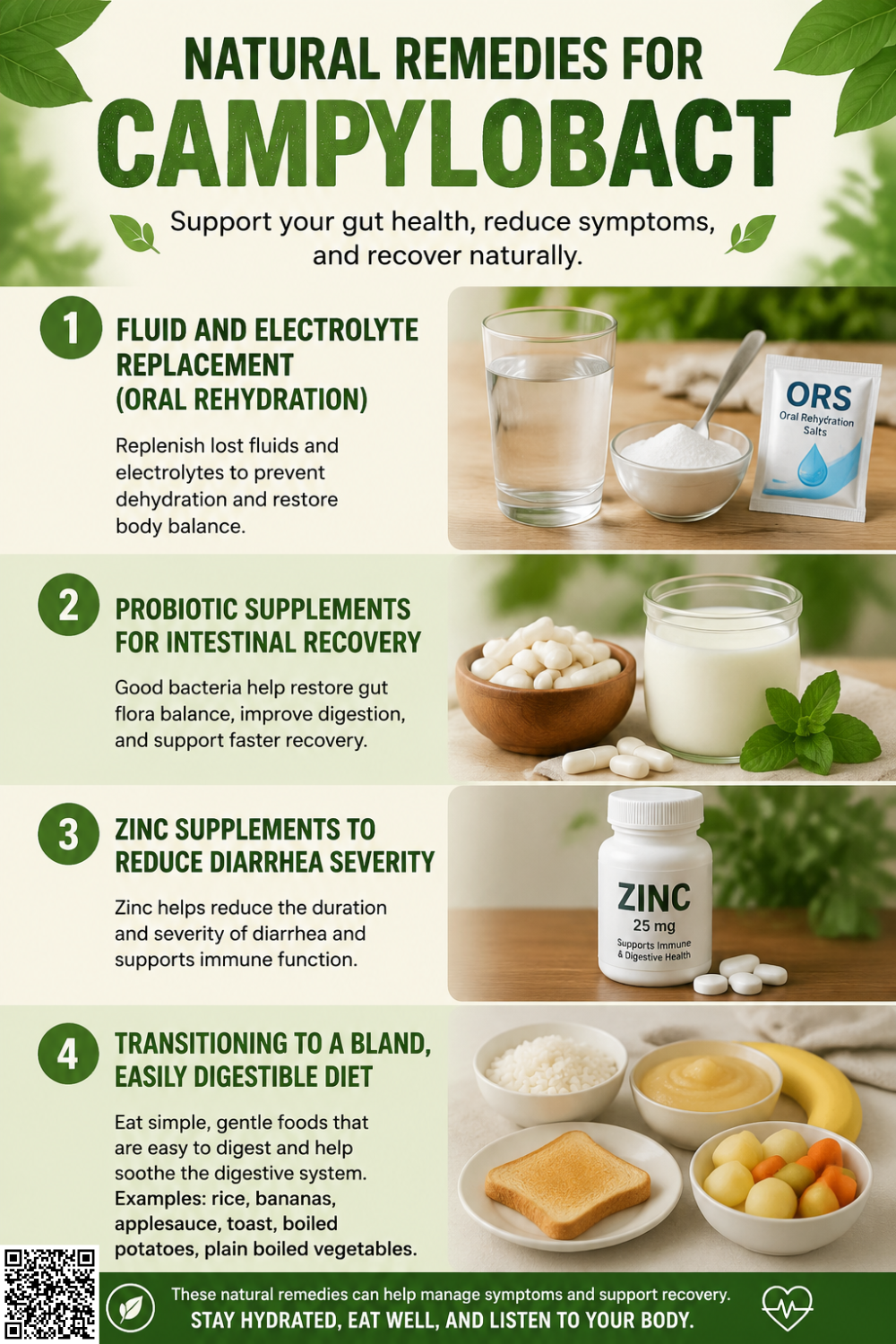
1. Fluid and Electrolyte Replacement (Oral Rehydration)
How it may help
When a Campylobacter infection causes diarrhea, the body rapidly loses water and minerals. Oral rehydration therapy replaces these lost fluids and balances essential salts, such as sodium and potassium. This process prevents dangerous dehydration and supports the body while it clears the bacterial infection 4.
What research says
Clinical guidelines emphasize that replacing fluids is the most critical treatment for diarrheal diseases like campylobacteriosis. Health authorities conclude that oral rehydration solutions effectively prevent life-threatening dehydration and significantly reduce the need for intravenous fluids during bacterial intestinal infections 5.
How to use it safely
You should drink clean water mixed with commercially prepared oral rehydration salts while diarrhea persists. Sip the solution slowly to avoid nausea. Do not consume sugary sodas or undiluted fruit juices, as high sugar levels can worsen diarrhea.
Potential precautions or side effects
Seek immediate medical care if you cannot keep fluids down, experience severe abdominal pain, or show signs of extreme dehydration like severe dizziness or confusion 6.
2. Probiotic Supplements for Intestinal Recovery
How it may help
A Campylobacter infection disrupts the natural balance of beneficial bacteria in the digestive tract. Probiotic supplements introduce helpful, live microorganisms back into the gut to restore this healthy intestinal environment and support the digestive system as it recovers from severe diarrhea 7.
What research says
Clinical evaluations conclude that specific probiotic strains can safely reduce the duration and severity of infectious diarrhea. Health authorities note that while probiotics do not directly cure bacterial infections, they effectively rebuild gut flora and can shorten the recovery time from acute diarrheal illnesses.
How to use it safely
You can consume commercially available probiotic supplements or foods containing active cultures. If your doctor prescribed antibiotics for the infection, take the probiotic at least two hours after your medication to ensure the beneficial bacteria survive the antibiotic treatment.
Potential precautions or side effects
Avoid probiotics without medical supervision if you have a weakened immune system or severe underlying illness, because the live bacteria could potentially cause serious systemic infections.
3. Zinc Supplements to Reduce Diarrhea Severity
How it may help
Severe diarrhea from a Campylobacter infection depletes the body’s natural zinc reserves. Zinc supplements restore these levels, which strengthens the immune response and supports the repair of the intestinal lining. This mineral also helps the gut absorb water and essential salts, directly reducing fluid loss.
What research says
Global health organizations conclude that zinc supplementation significantly decreases both the duration and severity of acute diarrheal episodes. Clinical findings confirm that a daily zinc supplement, when combined with oral rehydration therapy, prevents prolonged diarrhea and reduces the likelihood of future intestinal infections.
How to use it safely
You should take zinc supplements exactly as directed by a healthcare provider, usually for a 10 to 14-day period during and after a diarrheal illness. Take the supplement with food if it causes mild stomach upset, and always combine it with standard oral rehydration solutions.
Potential precautions or side effects
Do not exceed the recommended dosage, as excessive zinc can cause nausea, vomiting, and interfere with your body’s ability to absorb copper and certain antibiotics 8.
4. Transitioning to a Bland, Easily Digestible Diet
How it may help
A Campylobacter infection severely inflames the intestinal lining. Transitioning to a bland, easily digestible diet reduces stress on the digestive tract during recovery. These plain foods are gentle on the stomach, help firm up loose stools, and prevent further irritation while the gastrointestinal system heals from the bacterial damage 9.
What research says
Clinical nutrition guidelines recommend consuming soft, low-fiber foods during acute diarrheal illnesses. Health experts conclude that avoiding spicy, greasy, or high-fat foods minimizes bowel stimulation and limits gastrointestinal discomfort, allowing the inflamed digestive tract time to rest and fully recover from the acute bacterial infection.
How to use it safely
You should eat small, frequent meals consisting of plain foods like boiled rice, toast, crackers, or oatmeal. Slowly reintroduce normal foods as your diarrhea improves. Strictly avoid dairy products, caffeine, greasy meals, and heavily spiced foods, as these can trigger cramps.
Potential precautions or side effects
Do not maintain a highly restrictive bland diet for more than a few days, as it lacks the necessary vitamins and proteins required for full nutritional healing.
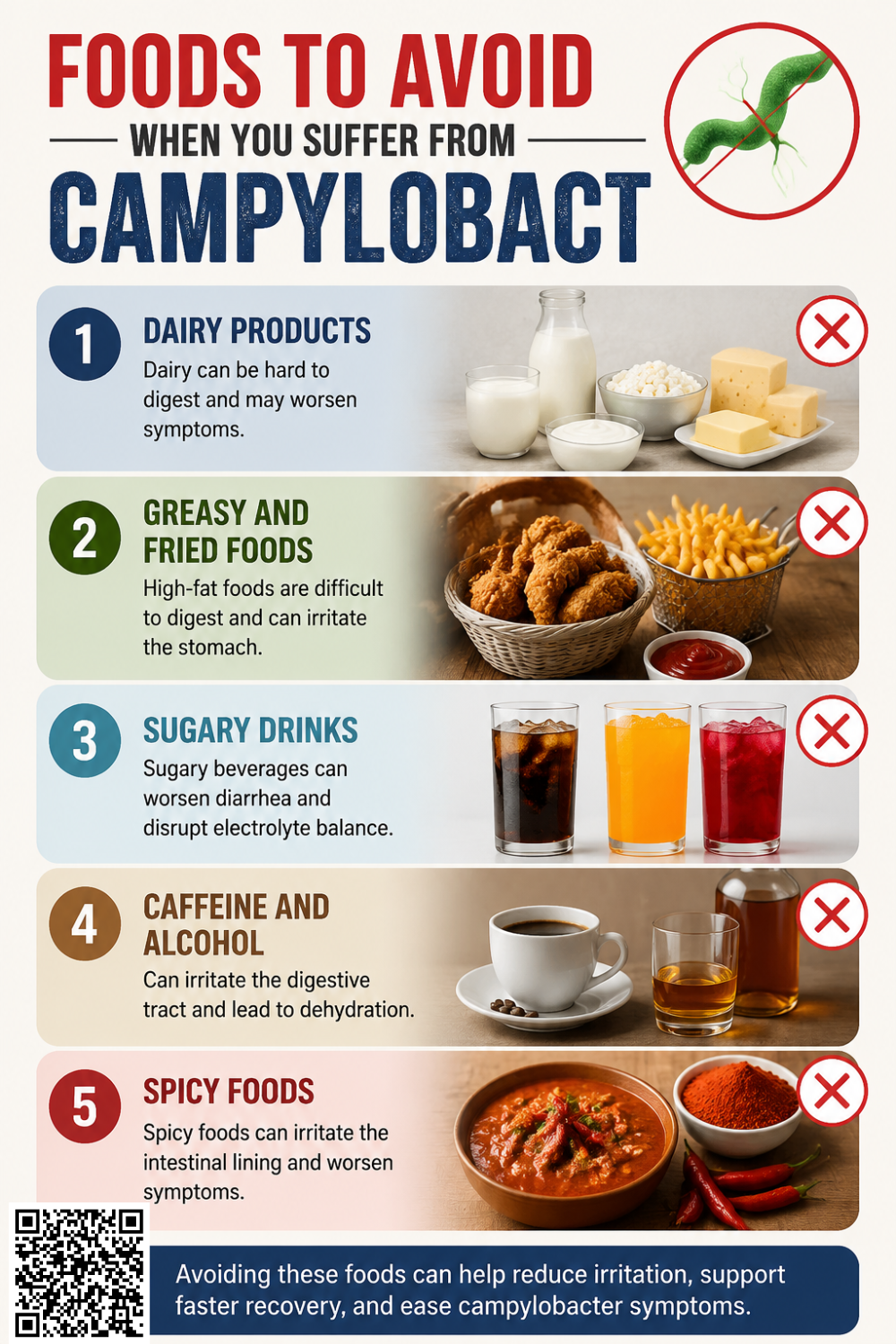
1. Dairy Products
Milk, cheese, and butter can worsen diarrhea because intestinal inflammation temporarily reduces the body’s ability to digest lactose properly.
2. Greasy and Fried Foods
High-fat meals speed up intestinal contractions and are difficult to digest, which aggravates stomach cramps and increases bowel movements.
3. Sugary Drinks
Sodas and undiluted fruit juices draw excess water into the digestive tract, which worsens dehydration and increases the severity of diarrhea.
4. Caffeine and Alcohol
Both coffee and alcoholic beverages act as diuretics that accelerate fluid loss, further complicating the severe dehydration caused by the infection.
5. Spicy Foods
Heavy spices strongly irritate the already inflamed stomach and intestinal lining, leading to intensified abdominal pain and severe cramping during recovery.
When To see Doctor when you suffer from Campylobact
1. Prolonged Diarrhea
Seek medical attention if diarrhea lasts for more than three days without any signs of improvement, as this indicates a severe infection requiring clinical evaluation.
2. Bloody Stools
You should contact a healthcare provider immediately if you notice blood in your bowel movements, which indicates significant intestinal inflammation caused by the bacteria.
3. High Fever
A persistent fever measuring higher than 102°F (38.9°C) requires prompt medical assessment, as it suggests the body is struggling to control the bacterial infection.
4. Severe Dehydration
Go to an emergency room if you experience extreme dizziness, a very dry mouth, or produce little to no urine, as these indicate critical fluid loss.
5. Persistent Vomiting
See a doctor if frequent vomiting prevents you from keeping liquids down, making it impossible to safely rehydrate at home without intravenous medical intervention.
Comments
comments