

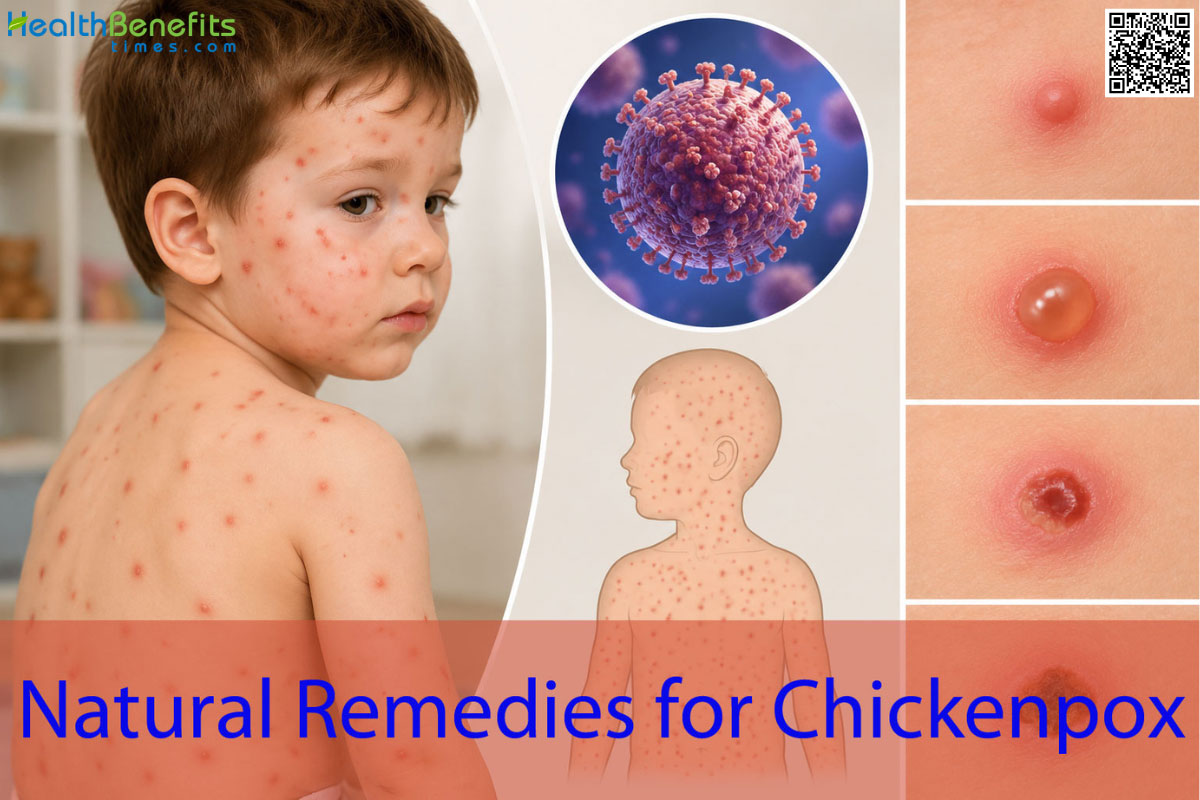
Only about 18% of countries worldwide have added chickenpox vaccination to their routine immunization programs. 1 That gap matters, because chickenpox spreads fast and affects millions of people every year. Chickenpox is caused by the varicella-zoster virus a member of the herpesvirus family known for its ability to stay hidden in the body long after the initial infection clears. 2 It typically causes an itchy, blister-like rash, fever, and fatigue. Most cases resolve within 4 to 7 days. 3 But the virus never fully leaves. It lies dormant in nerve cells and can reactivate years later as shingles. 4
Few diseases have had their reputation so thoroughly rewritten by a single vaccine. Before the varicella vaccine arrived in 1995, more than 4 million Americans caught chickenpox every year, leading to 10,500–13,500 hospitalizations and 100–150 deaths annually. 5 Since then, cases have fallen by about 97%. 6 Cleveland Clinic reports that the U.S. infection rate has dropped by nearly 90% since the late 1990s. 7
Causes of Chickenpox
Chickenpox is caused exclusively by VZV 8. Humans are the only reservoir 9. The virus spreads by:
- Airborne droplets from coughing or sneezing
- Direct contact with fluid from blisters
- Contact with contaminated objects (toys, doorknobs) for a short time
- Transplacental transmission from a pregnant person to fetus 10
The incubation period averages 14–16 days (range 10–21) after exposure 11. A person is contagious from 1–2 days before the rash until every blister has crusted 12. About 90% of susceptible close household contacts become infected after exposure 13.
Symptoms of Chickenpox
Symptoms appear 10–21 days after exposure 14. The rash evolves in three classic stages:
- Macules/Papules — raised pink or red bumps over a few days
- Vesicles — small fluid-filled blisters that form in about a day, then break and leak
- Crusts/Scabs — covering broken blisters, taking several more days to heal 14
New bumps continue to appear for several days, so all three stages may be present at once. Common accompanying symptoms include:
- Fever (often 1–2 days before rash)
- Loss of appetite
- Headache
- Fatigue and general malaise
- Body aches and irritability (especially in children) 15
The NHS notes children often miss 5–6 days of school, and blisters can appear inside the mouth, eyelids, or genital area 12.
Chickenpox Facts
| Medical name | Varicella |
| Cause | Varicella-zoster virus (VZV / human herpesvirus 3) |
| Main symptoms | Itchy vesicular rash, fever, fatigue, headache, loss of appetite |
| Transmission | Airborne droplets, blister fluid, contaminated objects, in-utero |
| Incubation | 10–21 days (avg. 14–16) |
| Most-affected age | Children under 10; ~90% of unvaccinated cases |
| Risk factors | No prior infection or vaccine; infants; pregnancy; immunocompromise |
| Diagnosis | Clinical (rash exam); PCR/serology if uncertain |
| Duration |
4–7 days of active rash; full healing in 1–2 weeks |
| Prevention | 2-dose varicella vaccine (>90% effective) |
| Later-life link | Reactivation as shingles in 10–20% of people |
Natural Remedies for Chickenpox
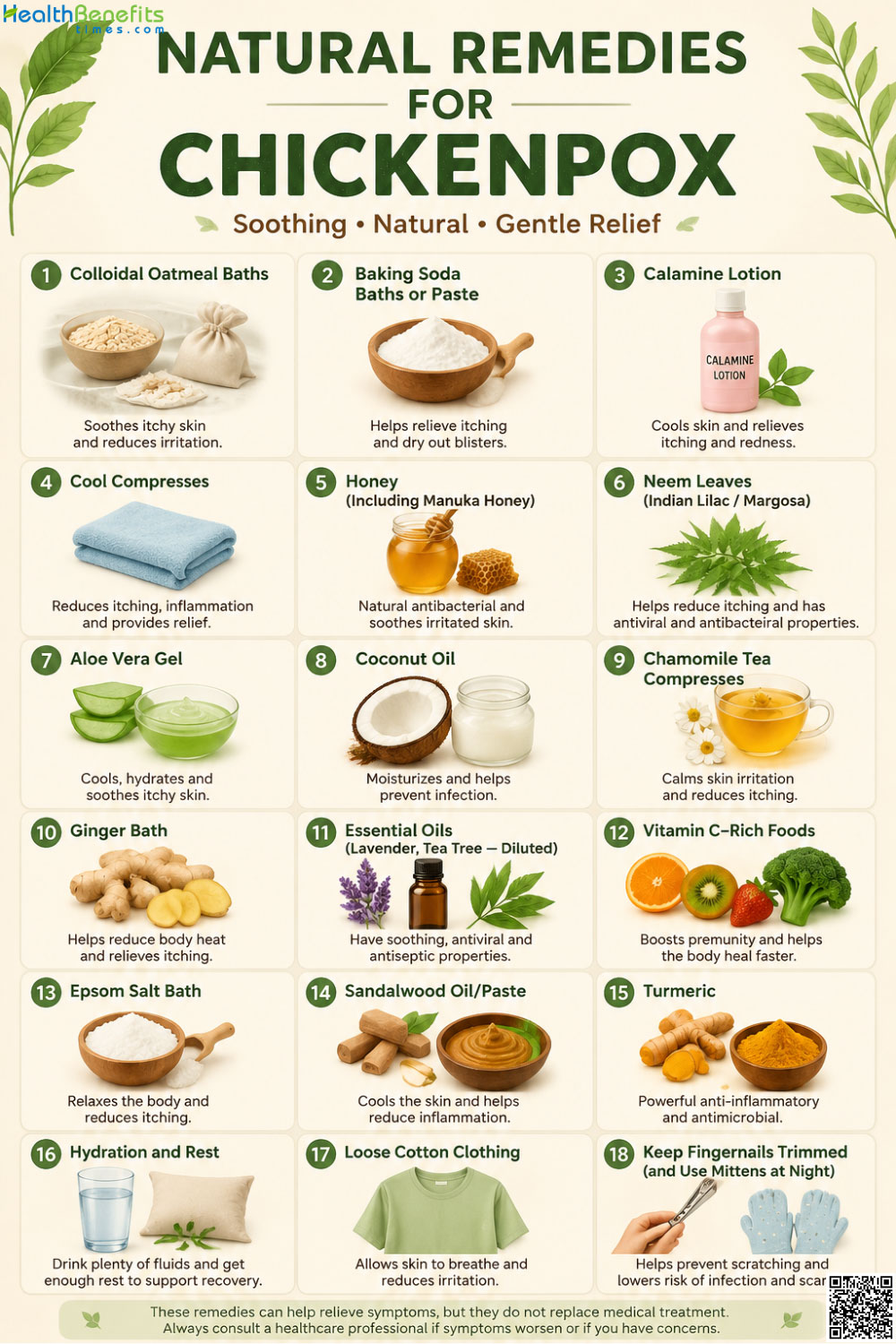
There’s no cure for chickenpox. The virus runs its course, and the immune system does the heavy lifting. What you can do, though, is manage the symptoms ease the itching, protect the blisters from infection, and keep the patient as comfortable as possible. 20 The remedies below are arranged from those backed by the strongest medical evidence to traditional options that have supportive but less specific research behind them.
1. Colloidal Oatmeal Baths
What sets oats apart from other home remedies is their unique combination of beta-glucans and avenanthramides compounds that calm inflammation and help protect the skin barrier. 22 That’s why the CDC, Mayo Clinic, and American Academy of Dermatology all point to the same simple recommendation: a cool bath with colloidal (finely ground) oatmeal to ease the itch. 23 24 To try it, add about 1/3 cup of colloidal oatmeal under running lukewarm water not hot. Soak for 10 to 15 minutes, then pat your skin dry gently instead of rubbing.
2. Baking Soda Baths or Paste
Most of us deal with relentless itching at some point during chickenpox and baking soda may be one of the more practical remedies available for managing it. The CDC recommends adding it to a cool bath as a simple way to ease the itch. 23 About one cup of baking soda in a lukewarm bath does the trick. You can also mix a small amount with water to create a paste and dab it directly onto itchy spots. Baking soda is mildly antibacterial and helps keep the skin’s pH in balance, which supports comfort while the rash heals. 25
3. Calamine Lotion
For most people, calamine lotion is the first thing that comes to mind when chickenpox itching strikes — and for good reason. This pink, zinc-oxide-based lotion is recommended by both the CDC 23 and Cleveland Clinic 26 as a go-to option for soothing itchy skin.
Using it is straightforward. Dab a small amount onto itchy spots with a cotton ball, but keep it away from the eyes and any open sores. 27 Calamine has a long track record of safe use, and it’s widely reported to ease discomfort. That said, a review published through BMJ’s PMC notes that large-scale clinical trials confirming its effectiveness are still lacking. 28 It works well enough that doctors keep recommending it but the formal research hasn’t quite caught up yet.
4. Cool Compresses
If you’ve ever dealt with the relentless itch of chickenpox, you know how hard it is to resist scratching. A cool compress offers one of the simplest ways to get relief. Just take a clean, damp washcloth and gently press it against the itchy spots. It helps calm the irritation and brings down some of the swelling without the risk of breaking the skin or opening up blisters. The CDC includes this approach as part of its recommended care for managing chickenpox symptoms at home. 23
5. Honey (Including Manuka Honey)
Honey, especially Manuka honey (FDA-cleared for wound dressings since 2007), has well-documented What sets Manuka honey apart from regular honey is its methylglyoxal content, which gives it unusually strong antibacterial properties. 29 Regular honey also produces hydrogen peroxide, adding another layer of germ-fighting ability. Together, these compounds make honey a recognized tool for wound healing the FDA cleared Manuka honey for use in wound dressings back in 2007. 30 When chickenpox blisters begin to scab over, applying a thin layer of honey may help keep bacteria out and support the skin’s healing process. However, honey should never be given to children under 1 year old due to the risk of infant botulism. If blisters are still open and weeping, check with a clinician before applying anything to them.
6. Neem Leaves (Indian Lilac / Margosa)
In South Asia, neem has been used for centuries as a natural remedy for skin infections. Now, researchers are examining those traditional claims more closely. According to a chapter published through the National Academies and NCBI, neem (Azadirachta indica) has a long history of traditional use for conditions like smallpox, chickenpox, and warts. 31 Laboratory experiments found that crude neem extracts can absorb pox viruses and stop them from entering cells. 31
A 2022 review in Frontiers in Pharmacology supports this further. It confirms that neem compounds have antibacterial, antiviral, and anti-inflammatory properties. 32. The traditional method is simple. A handful of neem leaves is boiled in bathwater, or a paste is made from the leaves and applied directly to the rash. If you’re considering this for a child, stick to external use only ingesting neem oil or extracts can be toxic in children.
7. Aloe Vera Gel
A systematic review of multiple studies concluded that aloe vera can reduce inflammation, support the cells responsible for tissue repair, and promote skin healing 33. A separate Cochrane review found the evidence less convincing for chronic wounds, but generally supportive when it comes to minor skin injuries 34. For chickenpox, apply pure aloe gel directly to itchy, unbroken skin. Do a patch test on a small area first to check for any reaction.
8. Coconut Oil
What sets coconut oil apart from similar moisturizers is its main fatty acid lauric acid which does more than just soften skin. 35 Lauric acid has natural antimicrobial and antiviral properties. It works by breaking down the outer membranes of certain viruses, including the types that have a lipid (fatty) coating. At the same time, coconut oil helps keep damaged skin hydrated, which matters when the skin barrier is already compromised. To use it, apply a thin layer of virgin coconut oil over scabbing areas. This keeps the skin soft and makes it less tempting to scratch.
9. Chamomile Tea Compresses
Chamomile isn’t just a calming bedtime drink it also has real benefits for irritated skin. Studies show it can reduce inflammation, fight bacteria, and protect skin cells from damage. In clinical trials involving atopic dermatitis, chamomile performed on par with mild hydrocortisone creams. 36 To use it for chickenpox relief, steep 2–3 chamomile tea bags, let the liquid cool, and gently dab it onto the skin with a soft cloth. You can also pour the cooled brew into a lukewarm bath for a more soothing soak. 27
10. Ginger Bath
If you’ve ever wondered why a warm bath with ginger feels so soothing on irritated skin, the answer often comes back to its natural anti-inflammatory compounds. Ginger contains phytochemicals that help calm inflammation and ease itching. No studies have tested it specifically for chickenpox, but its general anti-inflammatory properties are well supported. To use it, add a small amount of fresh or powdered ginger to a lukewarm bath. Start with a little and stop right away if you notice any skin irritation.
11. Essential Oils (Lavender, Tea Tree — Diluted)
Lavender and tea tree oils have a reputation in natural wellness circles for soothing irritated skin. The scientific evidence partially but not fully supports that reputation. Both oils show some antimicrobial and anti-inflammatory activity in skin studies. 25 But using them safely requires a few non-negotiable steps.
They should always be diluted in a carrier oil, such as coconut oil, before being applied to the skin. They should never be swallowed. And they should never be applied undiluted especially on children’s skin or near the face. Undiluted tea tree oil, in particular, can be toxic to the nervous system in young children. 25 If you’re pregnant, nursing, or caring for an infant, skip essential oils entirely unless a healthcare provider says otherwise.
12. Vitamin C–Rich Foods
Most people don’t eat nearly enough vitamin C when they’re sick and that gap matters more than you might think during a chickenpox infection. Vitamin C helps immune cells do their job and supports the skin as it heals. But here’s a practical catch: citrus fruits are acidic and can sting if there are mouth sores (see Section 6). Better options include kiwi, cooked broccoli, bell peppers, strawberries, and potatoes. When appetite drops, a simple fruit smoothie can be an easy way to get both hydration and nutrients in.
13. Epsom Salt Bath
Most people dealing with chickenpox itch at some point reach for a home remedy. An Epsom salt bath made with magnesium sulfate dissolved in lukewarm water is one of the more common traditional options. It can feel soothing, but the evidence behind it is largely anecdotal. According to CDC guidance, it’s actually the temperature of the bath that does the heavy lifting. Cool or lukewarm water is what most reliably calms the itch not the additive itself. 23
14. Sandalwood Oil/Paste
Sandalwood paste has been used in Ayurvedic medicine for centuries to soothe irritated skin and minimize scarring from blisters. It works by cooling the skin on contact, which can ease the burning sensation around active lesions. A small amount goes a long way apply it thinly over affected areas rather than layering it on. Before using it more broadly, test a small patch on unaffected skin first to check for any reaction. It’s best to skip this remedy for very young infants, as their skin is more sensitive and more likely to react.
15. Turmeric
Turmeric doesn’t just provide color to curries it also appears to influence how the body’s inflammatory response works at the skin level. Its active compound, curcumin, has shown both anti-inflammatory and antimicrobial effects in skin conditions. 37 To use it on chickenpox, mix turmeric with coconut oil to make a diluted paste and apply it to healing scabs. This may help support tissue repair as the skin recovers. One thing to keep in mind it can temporarily stain the skin yellow.
16. Hydration and Rest
Most people don’t think of ice lollies as a health tool, but for children with chickenpox, they serve a surprisingly practical purpose. Staying hydrated is one of the most important things during a chickenpox infection. The NHS recommends drinking plenty of fluids and getting adequate rest. 12 If a child refuses to drink, ice lollies can help they provide fluids in a form that’s easier to accept. Sugar-free popsicles are especially useful when chickenpox sores develop inside the mouth, as they help soothe the pain while keeping fluid intake up. 38
17. Loose Cotton Clothing
Most people don’t think of clothing as a factor in chickenpox recovery, but what touches the skin during an active rash matters more than most realize. Mayo Clinic and Cleveland Clinic both recommend wearing loose-fitting cotton clothes and changing them daily. 7 Cotton is soft and breathable, which helps reduce friction and keeps the skin from overheating. Rough or heavy fabrics like denim can irritate the blisters and make itching worse. If you or your child has chickenpox, stick with light, loose cotton it’s a simple step that can make a real difference in comfort.
18. Keep Fingernails Trimmed (and Use Mittens at Night)
The real-world question isn’t whether scratching chickenpox blisters is harmful most evidence confirms it is but how much damage it can actually cause. Scratching doesn’t just leave scars. It can break the skin and let bacteria in, leading to infection. That’s why keeping fingernails short matters, especially for young children who scratch without realizing it. 39 For little ones, placing soft socks or mittens on their hands at bedtime can make a real difference. Both the NHS and the American Academy of Dermatology recommend this simple step to reduce the risk of scarring and skin infections while the blisters heal. 24
Foods and Activities to Avoid
- Aspirin strongly linked to Reye’s syndrome(brain and liver swelling) in children/teens with viral infections; never give to anyone under 19 with chickenpox 23, 40.
- Ibuprofen / NSAIDs the American Academy of Pediatrics advises avoiding if possible because of links to life-threatening bacterial skin infections during chickenpox 41.
- Spicy, acidic, and salty foods irritate mouth blisters; opt for a soft, bland diet 40.
- Hot baths increase itching and circulation in inflamed skin; cool to lukewarm only 41.
- Scratching risks bacterial infection and permanent scarring 42.
- Strenuous activity promotes sweating that worsens itch; rest during fever.
- Tight or synthetic clothing increases friction and heat.
Myths and Misconceptions
| Myth | Reality |
| “Chickenpox is always mild.” | Before vaccination, ~100–150 Americans died yearly and >10,000 were hospitalized 43. |
| “You can only get it once.” | Mayo Clinic notes a rare repeat is possible; vaccinated people can develop mild breakthrough disease 14. |
| “Natural infection is better than vaccination.” | The CDC confirms vaccination has cut cases by 97% and severe outcomes by 94–99% without disease risk 11. |
| “Chickenpox parties are safe.” | Deliberate exposure can cause pneumonia, encephalitis, secondary bacterial infections, hospitalization, and death 13. |
| “Once scabs form, you can’t spread it.” | True but vaccinated people with breakthrough cases may have lesions that don’t crust; they remain contagious until no new lesions for 24 hours 11. |
| “Shingles is unrelated to chickenpox.” | Shingles is the reactivation of the same VZV virus, occurring later in life in ~10–20% of those previously infected 9. |
Special Considerations
1. Children
For children with chickenpox, the rules around fever management are stricter than most parents expect. Acetaminophen is the only recommended option. Aspirin should never be given it’s linked to Reye’s syndrome, a rare but serious condition that affects the brain and liver. 23 The American Academy of Pediatrics also advises against routine use of ibuprofen. Research suggests it may increase the risk of soft-tissue infections in children with chickenpox. Keep a close eye on your child for warning signs that need medical attention. Fewer wet diapers can signal dehydration. A high fever that won’t come down, or a rash spreading to the eyes, both warrant a call to your doctor. 39
2. Pregnancy
For pregnant women, chickenpox carries implications that go beyond general health advice. It occurs in roughly 3 in every 1,000 pregnancies. 44 When infection happens during the first 20 weeks, there is a small risk of congenital varicella syndrome. This can lead to underdeveloped limbs, skin scarring, and problems with the eyes or brain. If the mother develops chickenpox from 5 days before delivery to 2 days after, the newborn can develop a severe and potentially life-threatening form of the infection. 2, 8 Pregnant women also face a higher risk of developing pneumonia from the virus. The chickenpox vaccine cannot be given during pregnancy. If you are pregnant and have been exposed to chickenpox without prior immunity, your doctor may offer varicella-zoster immunoglobulin (VariZIG) to help reduce the severity of infection. 25
3. Immunocompromised Individuals
For people with weakened immune systems, chickenpox carries implications that go beyond general health advice. Those undergoing chemotherapy, taking biologics, on high-dose steroids, or living with HIV/AIDS face a much higher risk of serious complications. These include severe varicella, pneumonia, encephalitis, and widespread disease that can affect multiple organs. 2 If you fall into any of these groups and have been exposed to chickenpox, seek medical attention quickly. Antiviral treatment with acyclovir and, in some cases, VariZIG a specific immunoglobulin may be needed urgently to reduce the risk of dangerous outcomes.
4. Elderly and Shingles
As we age, our body’s response to the varicella-zoster virus changes in ways that make chickenpox and its aftermath increasingly serious. Adults tend to develop more severe symptoms than children do. 21 But the bigger concern for older adults isn’t a new infection. It’s the virus waking back up. The same virus that causes chickenpox can reactivate later in life as shingles, and this becomes more common after age 50. In roughly 10–15% of shingles cases, the pain lingers long after the rash clears a condition called postherpetic neuralgia. 45 If you’re 50 or older, the CDC and Mayo Clinic both recommend the Shingrix vaccine. The same applies if you’re 19 or older and immunocompromised. 8
Precautions Before Using Natural Remedies
- Patch test any herbal product (aloe, neem, essential oils) on a small skin area for 24 hours before broader use 46.
- Allergy check common offenders include chamomile (ragweed-family allergy), tea tree, lavender, and honey.
- Consult a clinician before applying anything to open, weeping blisters, or in infants under 1, pregnant or breastfeeding women, and immunocompromised patients.
- Do not replace medical treatment natural remedies relieve symptoms only; antiviral medication (acyclovir within 24 hours of rash onset) is needed for high-risk patients 40.
- Age-appropriate use never give honey to children under 1; avoid undiluted essential oils on children; avoid neem oil internally in children.
- Avoid during pregnancy essential oils (especially tea tree and high doses of lavender), large amounts of turmeric, and neem extracts should be avoided or used only on a clinician’s advice.
When to See a Doctor
Call a healthcare provider and mention chickenpox before arriving so others can be protected if you notice any of these warning signs {% https://www.mayoclinic.org/diseases-conditions/chickenpox/symptoms-causes/syc-20351282 %}, 47
- Fever above 102°F (38.9°C) or lasting more than 4 days
- Difficulty breathing, persistent cough, chest pain
- Severe headache, stiff neck, confusion, or unsteady walking (possible encephalitis)
- Rash spreading to one or both eyes
- Skin that becomes very red, warm, tender, or oozes pus (bacterial superinfection could include Group A strep)
- Signs of dehydration fewer wet diapers/urinations, dry mouth, lethargy
- Vomiting or inability to keep fluids down
- Newborns under 28 days, immunocompromised patients, or pregnant women with any chickenpox exposure — these groups need immediate evaluation for antivirals or VariZIG 48
- Chickenpox in adults, who tend to have more severe disease and a higher complication rate
Comments
comments