

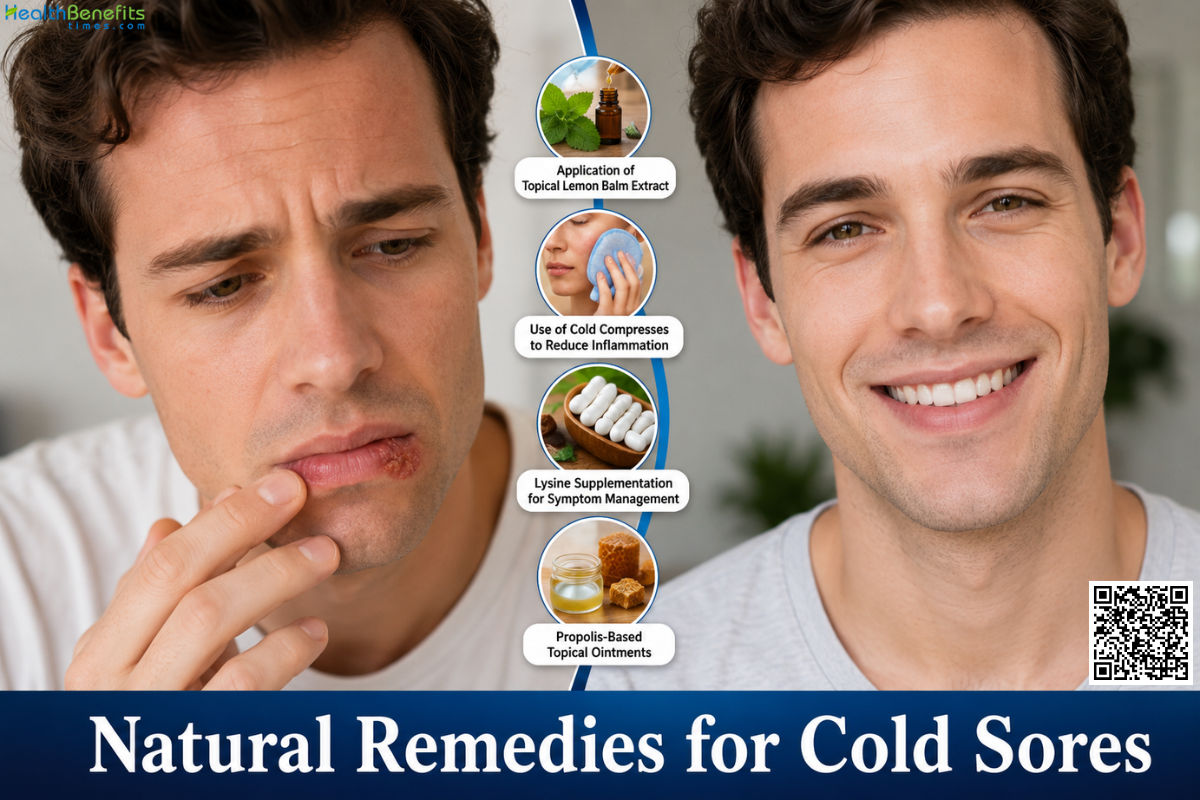
Causes of Cold Sores
1. Emotional or Physical Stress
Significant life stressors or physical trauma can suppress the immune response, allowing the virus to reactivate 3.
2. Hormonal Changes
Fluctuations in hormones, such as those occurring during the menstrual cycle, may increase susceptibility to outbreaks.
3. Sun Exposure
Exposure to ultraviolet (UV) light can damage local skin tissues and trigger viral replication at the site of infection 4.
4. Illness or Fever
Infections or conditions that weaken the immune system often precede the appearance of cold sores, commonly referred to as “fever blisters” 5.
5. Fatigue
Exhaustion and lack of adequate sleep are recognized factors that correlate with reduced immune efficiency and subsequent viral reactivation.
Symptoms of Cold Sores
1. Prodromal Phase (Tingling)
Before a sore becomes visible, most individuals experience itching, burning, or a tingling sensation in the specific area where the blister will emerge. This stage typically lasts for one to two days.
2. Blister Formation
Small, fluid-filled vesicles develop, often in clusters along the border of the lips. These are typically painful and tender to the touch.
3. Oozing and Crusting
Once the blisters rupture, they release a clear fluid and leave behind shallow, open sores. Over the next few days, these sores crust over and form scabs as the skin begins the healing process.
4. Systemic Symptoms
During a primary infection—the first time a person contracts the virus—individuals may also experience fever, sore throat, swollen lymph nodes, headache, or muscle aches. These systemic reactions are less common in subsequent recurrences 6.
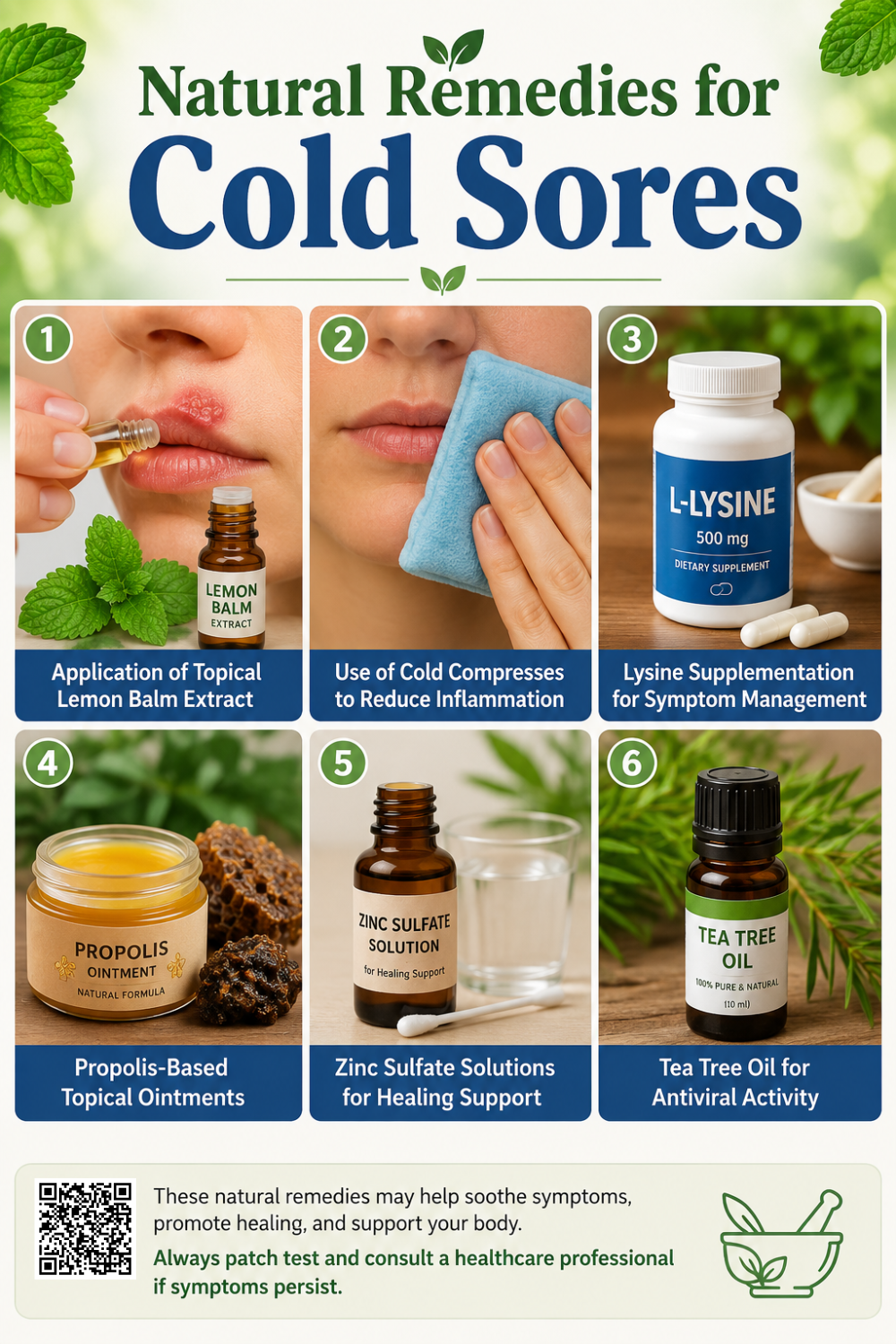
1. Application of Topical Lemon Balm Extract
How it may help
Lemon balm (Melissa officinalis) contains essential oils and polyphenols that may inhibit the herpes simplex virus by preventing it from attaching to host cells. This topical application helps soothe irritated skin, reduce redness, and decrease the intensity of pain associated with active lesions.
What research says
Clinical findings indicate that applying standardized lemon balm cream can significantly reduce the healing time of cold sores and alleviate associated symptoms like itching and tingling. Studies have shown it to be effective when applied during the early stages of an outbreak 7.
How to use it safely
To use it safely, apply a thin layer of the cream or ointment directly onto the affected area using a cotton swab to maintain hygiene. Repeat this application four to five times daily, starting immediately upon the first sign of a tingling sensation, and continue until the sore has fully healed.
Potential precautions or side effects
While generally considered safe, some individuals may experience mild skin irritation or allergic contact dermatitis at the site of application. Discontinue use if redness, burning, or discomfort intensifies after application.
2. Use of Cold Compresses to Reduce Inflammation
How it may help
Applying a cold compress helps manage cold sores by constricting local blood vessels, which reduces inflammation, swelling, and redness. The cooling effect also provides immediate, temporary relief from the burning or throbbing pain associated with the blister stage of the infection.
What research says
While cold compresses do not directly eliminate the virus, clinical observations support their use as a supportive measure to manage discomfort and minimize the inflammatory response during an active outbreak. Controlled temperature therapy remains a standard recommendation for alleviating localized symptoms related to skin conditions and viral blisters.
How to use it safely
To use it safely, wrap a clean, damp cloth around an ice pack or a bag of frozen vegetables. Apply the compress gently to the affected area for 10 to 15 minutes. Use a fresh cloth for each application to prevent spreading the virus to other areas or individuals.
Potential precautions or side effects
Avoid applying ice directly to the skin, as this can cause frostbite or tissue damage. Stop use immediately if the area becomes excessively numb or painful.
3. Lysine Supplementation for Symptom Management
How it may help
Lysine, an essential amino acid, is thought to help control cold sores by balancing the levels of another amino acid, arginine, which the herpes virus requires for replication. By competing with arginine, lysine may inhibit viral growth and reduce the severity or duration of an outbreak.
What research says
Clinical research on lysine supplementation has produced mixed results. Some findings indicate that consistent intake may reduce the frequency and duration of cold sore episodes, while other data remains inconclusive regarding its absolute efficacy as a standalone treatment for active lesions 8.
How to use it safely
To use it safely, follow the dosage instructions on a reputable, third-party tested supplement label or consult a healthcare provider for a personalized regimen. It is typically taken orally in capsule or tablet form. Ensure you maintain adequate hydration throughout the course of supplementation.
Potential Precautions or side effects
Potential side effects may include stomach pain or diarrhea. Consult a physician before beginning supplementation, especially if you have existing kidney disease or are currently pregnant.
4. Propolis-Based Topical Ointments
How it may help
Propolis is a resinous substance collected by bees that contains potent antiviral and anti-inflammatory compounds. When applied topically, it helps inhibit the activity of the herpes simplex virus by preventing viral replication and accelerating the natural repair of damaged skin tissue, thereby reducing the duration of active lesions.
What research says
Scientific findings suggest that topical application of propolis extract can significantly speed up the healing time of cold sores compared to standard treatments. Evidence highlights its ability to reduce viral load at the site of infection and alleviate associated symptoms during the outbreak cycle 9.
How to use it safely
To use it safely, apply a thin layer of the ointment directly to the affected area using a clean swab. Ensure the skin is clean and dry before application. Repeat this process three to four times daily until the lesion has completely crusted over and healed.
Potential precautions or side effects
Propolis may cause allergic reactions in individuals sensitive to bee products. Discontinue use immediately if you notice increased redness, swelling, itching, or a rash near the application site.
5. Zinc Sulfate Solutions for Healing Support
How it may help
Zinc sulfate is a mineral compound that supports skin repair and possesses inherent antiviral properties. When applied topically, it helps stabilize the skin barrier and may inhibit the replication of the herpes simplex virus, which can reduce the duration of the blister stage and expedite the formation of a scab.
What research says
Research indicates that the application of zinc sulfate solutions can significantly shorten the time required for cold sores to heal. Clinical evidence suggests that individuals who apply zinc solutions during the early stages of an outbreak often experience a faster resolution of symptoms compared to those using placebo treatments 10.
How to use it safely
To use it safely, apply a thin layer of the solution to the affected area using a clean cotton swab. Allow the solution to air dry completely before covering the area or applying other products. Use this treatment according to the manufacturer’s instructions or as recommended by your healthcare provider.
Potential precautions or side effects
Topical zinc may cause localized stinging, burning, or dryness upon application. If you experience persistent irritation or severe redness, stop using the solution and consult a healthcare professional.
6. Tea Tree Oil for Antiviral Activity
How it may help
Tea tree oil contains terpene compounds that exhibit significant antiviral properties against the herpes simplex virus. By disrupting the viral envelope, the oil may help inhibit viral entry into healthy cells and reduce the severity of an outbreak. Its inherent anti-inflammatory properties also assist in soothing the discomfort associated with painful blister formation.
What research says
Research confirms that tea tree oil demonstrates direct antiviral activity against the herpes simplex virus. Evidence suggests that its application can effectively inhibit viral replication, potentially reducing the duration of lesions when applied at the earliest signs of an outbreak 11.
How to use it safely
To use it safely, always dilute the concentrated oil with a carrier oil, such as coconut or almond oil, to avoid skin damage. Apply a small, diluted amount to the sore using a sterile cotton swab two to three times daily. Avoid contact with the eyes or sensitive mucous membranes.
Potential precautions or side effects
Tea tree oil can cause severe skin irritation or allergic contact dermatitis in some individuals. Perform a patch test on a small area of healthy skin before applying to the sore.
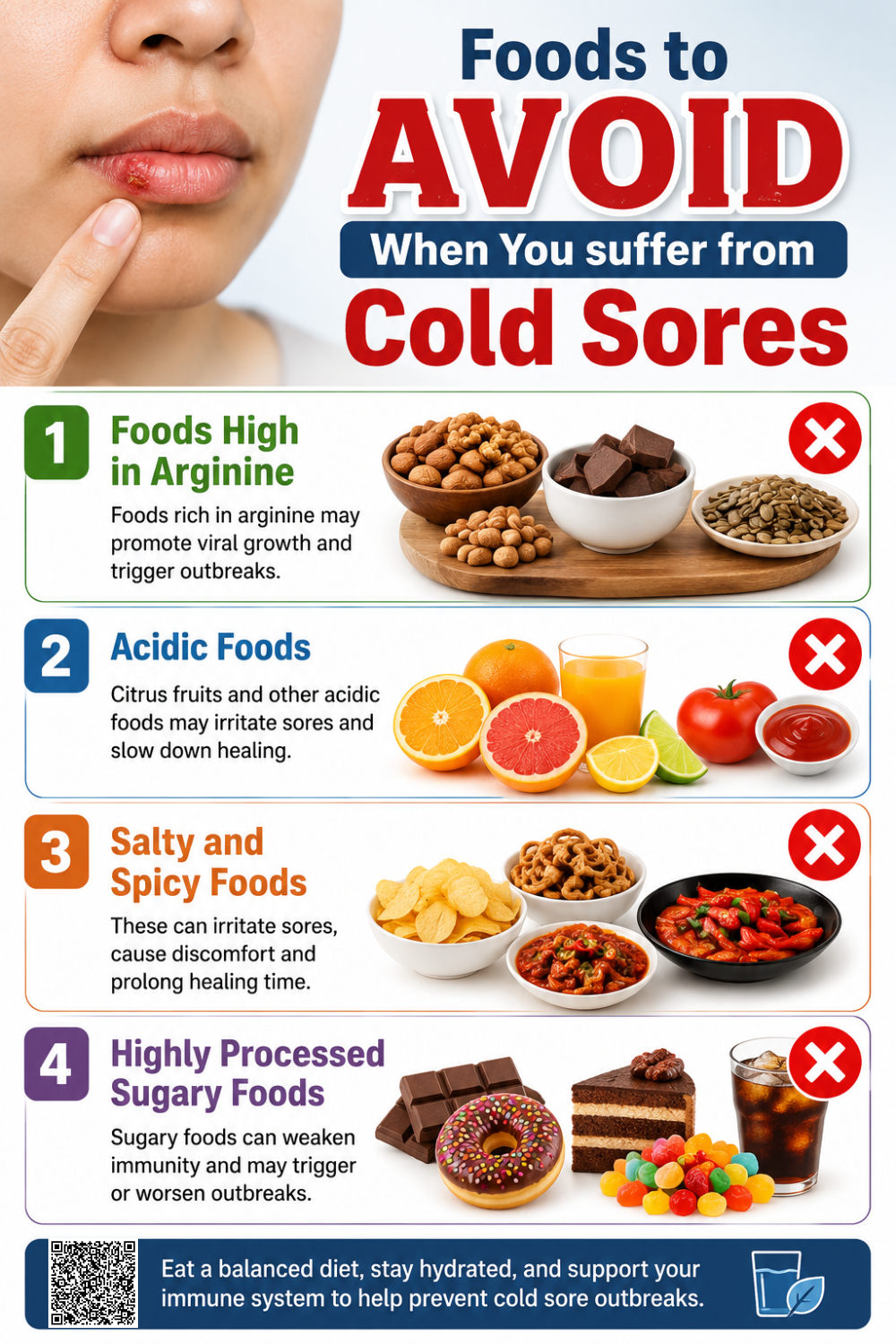
1. Foods High in Arginine
The herpes simplex virus requires the amino acid arginine to replicate. Reducing the consumption of high-arginine foods, such as chocolate, nuts, and seeds, may help hinder this process.
2. Acidic Foods
Citrus fruits, tomatoes, and vinegar can irritate the sensitive, inflamed skin of an active cold sore, significantly increasing pain and potentially delaying the natural healing process.
3. Salty and Spicy Foods
These items can cause localized irritation and stinging upon contact with an open blister. Avoiding them minimizes unnecessary discomfort and inflammation during the active infection phase.
4. Highly Processed Sugary Foods
Excessive intake of processed sugars may negatively impact immune system efficiency. A robust immune response is essential for containing the virus and promoting skin recovery.
When To See a Doctor for Cold Sores
1. Persistent or Non-Healing Sores
If a cold sore does not show significant signs of healing or persists for more than two weeks, seek professional assessment to rule out secondary infections or other dermatological conditions.
2. Compromised Immune System
If you have an underlying condition that weakens your immune system, such as HIV, cancer, or are undergoing immunosuppressive therapy, consult a doctor immediately to manage the infection.
3. Spread to the Eyes
If you experience symptoms such as pain, redness, or sensitivity to light near your eyes, seek emergency medical care, as ocular herpes can cause severe, permanent vision damage 12.
4. Severe or Frequent Outbreaks
When outbreaks are extremely painful, occur frequently, or spread to other parts of the face, a physician may prescribe antiviral medications to reduce symptom severity and duration.
5. Signs of Secondary Infection
Contact a doctor if you notice spreading redness, pus, increasing swelling, or if you develop a high fever, as these may indicate a bacterial infection requiring clinical treatment.
Comments
comments