

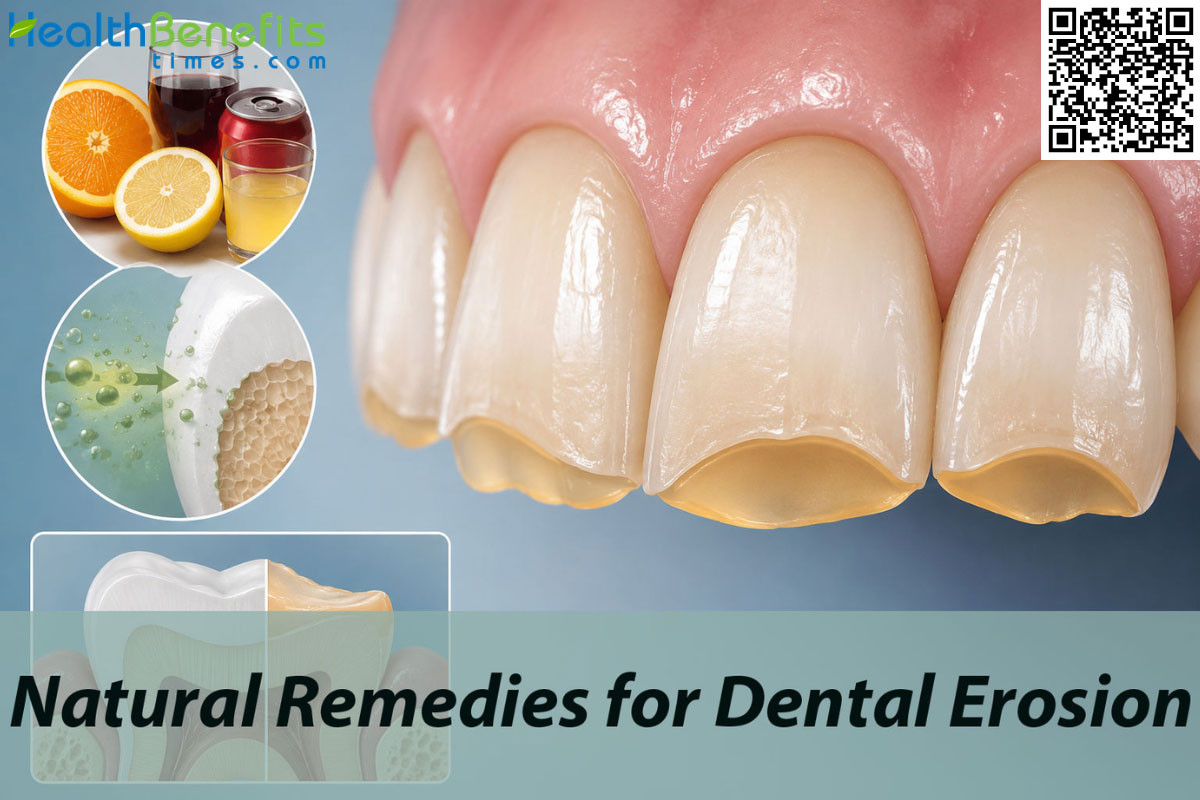
Causes of Dental Erosion
Investigating the precise origins of enamel dissolution reveals a complex interaction between modern dietary habits, underlying systemic diseases, and environmental factors. Recognizing these specific causes remains the first essential step in halting the destruction of dental hard tissues.
1. Frequent Consumption of Dietary Acids
Modern nutritional trends frequently feature an abundance of highly acidic beverages and snacks, which aggressively attack the mineral structure of the mouth. Carbonated soft drinks, sports beverages, processed energy drinks, and citrus-based fruit juices are notoriously high in titratable acidity, introducing potent citric and phosphoric acids directly to the dental surfaces 6. Repeatedly sipping these acidic beverages throughout the day ensures that the oral environment never has a sufficient opportunity to return to a neutral, safe pH balance.
2. Gastroesophageal Reflux Disease (GERD)
Chronic physiological conditions involving the digestive system frequently lead to profound and silent enamel loss. When the lower esophageal sphincter fails to close properly, highly concentrated gastric fluid which possesses an exceptionally corrosive pH level inadvertently travels upward into the esophagus and spills over into the oral cavity 7. Because this condition frequently occurs nocturnally while the patient is sleeping and swallowing less often, the raw stomach acid rests undisturbed against the palatal surfaces of the upper teeth, completely dissolving the enamel structure over time.
3. Conditions Involving Chronic Vomiting
Biological events that trigger repeated and forceful expulsion of stomach contents represent one of the most severe intrinsic threats to dental integrity. Medical phenomena such as severe morning sickness during pregnancy, cyclic vomiting syndrome, and psychological eating disorders like bulimia nervosa flood the mouth with raw gastric acid 8. The sheer volume and intensity of the acid rapidly strip away the protective mineral layers, leading to catastrophic thinning of the teeth, particularly on the interior surfaces facing the tongue.
4. Salivary Gland Hypofunction (Xerostomia)
Saliva functions as the mouth’s primary natural defense system, constantly working to dilute harsh chemicals, wash away debris, and provide the essential calcium and phosphate ions needed to rebuild microscopic enamel damage 9. Whenever salivary flow is severely compromised whether due to autoimmune diseases, radiation therapy, chronic dehydration, or the side effects of multiple prescription medications the teeth lose their critical liquid shield. Without adequate saliva, even a mildly acidic dietary habit can inflict massive, unchecked erosive damage.
5. Recreational Chlorine Water Exposure
Aquatic environments pose a surprisingly potent, yet often overlooked, risk for chemical dental wear. Swimming extensively in artificial pools where the water chemistry is improperly balanced frequently exposes the dentition to dangerous levels of acidity 10. When chlorine gas reacts with water, it can form hypochlorous and hydrochloric acids; if the pool operators fail to buffer the water back to a neutral state, frequent swimmers will experience a silent, steady decalcification of their teeth simply by allowing the pool water to pass their lips 11.
6. Occupational and Industrial Acid Exposure
Specific workplace environments can physically introduce volatile chemical acids into the air, which subsequently dissolve into the workers’ saliva. Personnel operating in industrial battery manufacturing plants, chemical processing facilities, or even professional wine tasting careers are frequently subjected to airborne acidic fumes or continuous liquid acid contact 3. Over months and years, this continuous occupational exposure relentlessly softens the enamel matrix, resulting in widespread, irreversible occupational tooth wear.
Symptoms of Dental Erosion
Identifying the clinical manifestations of acid wear early can prevent catastrophic structural failure. The physical signs evolve progressively as the condition breaches the outer enamel and penetrates deeper into the tooth.
- Loss of natural surface characteristics, presenting as a noticeably dull, matte, or opaque “frosted glass” appearance across the formerly shiny enamel 12.
- Profound dentin hypersensitivity, characterized by sudden, sharp pain when the teeth are exposed to cold air, hot liquids, or highly sugary foods.
- Distinct changes in tooth coloration, usually presenting as widespread yellowing as the white enamel shell thins and allows the dark yellow dentin underneath to show through.
- The formation of smooth, rounded indentations or “cupping” on the chewing surfaces of the posterior molars, which can trap food and debris 13.
- Increased translucency and fragility along the biting edges of the front incisors, frequently leading to spontaneous chipping, cracking, or jagged margins.
- Existing dental restorations, such as silver amalgams or composite resins, appearing completely elevated or raised above the natural tooth level because the surrounding biological enamel has dissolved away.
Dental Erosion Facts
| Category | Clinical Details |
| Symptoms |
|
| Causes |
|
| Types of Dental Erosion |
|
| How does it spread |
|
| Age Group |
|
| You might be at a higher risk for exposure of this disease if you: |
|
| How doctors diagnose |
|
| Other facts |
|
Natural Remedies for Dental Erosion
Therapeutic botanical extracts and naturally occurring mineral formulations offer remarkable, scientifically grounded potential for halting enamel dissolution and encouraging the redeposition of vital structural minerals.
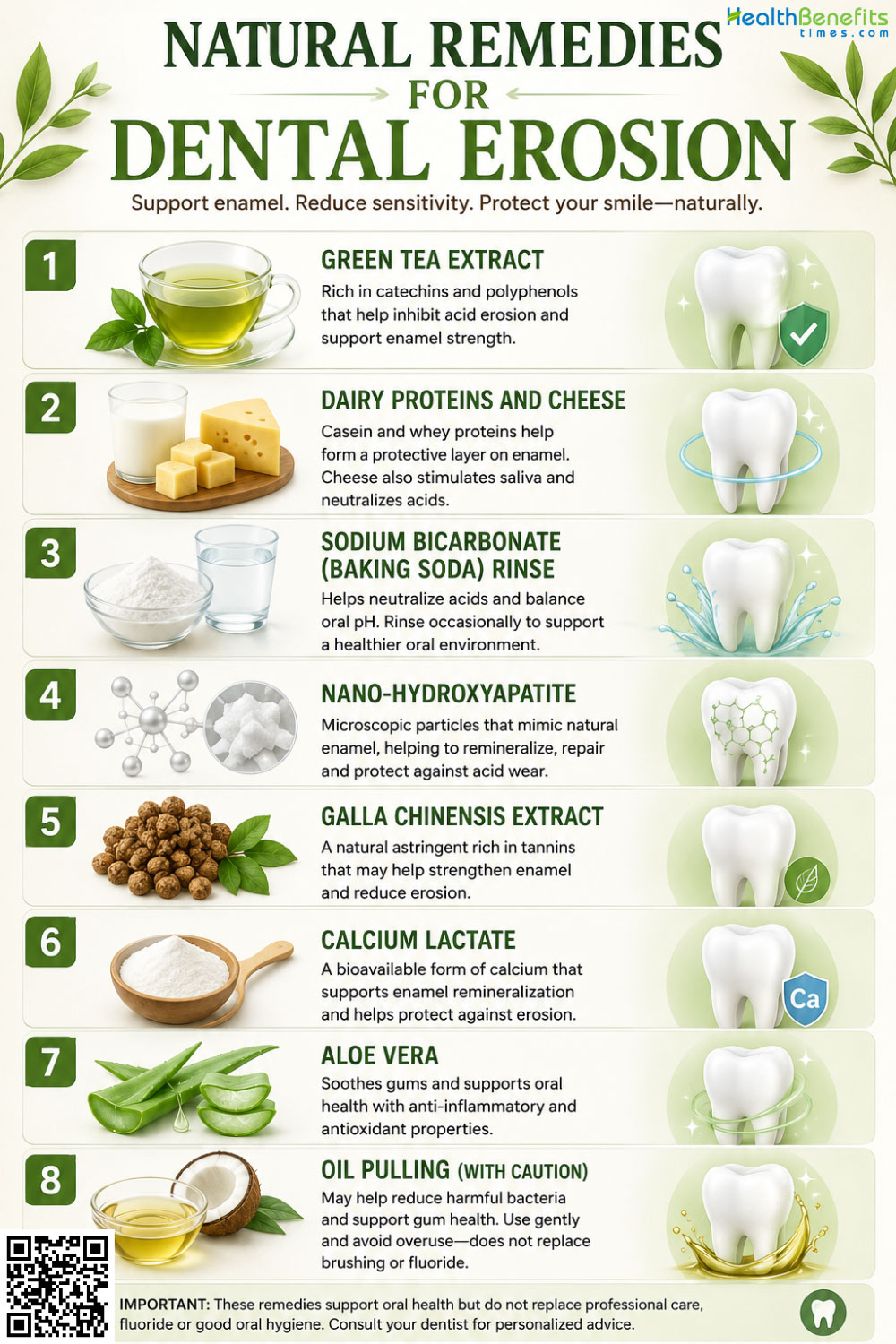
1. Green Tea Extract
Abundant in complex biological compounds, green tea presents profound protective capabilities for the preservation of dental hard tissues 14. The unique catechins and polyphenols found naturally within the leaves exhibit a remarkable ability to inhibit matrix metalloproteinases, which are destructive enzymes activated during acidic attacks. By physically binding to the dentin and enamel surfaces, green tea extract has been shown to substantially increase the microhardness of eroded teeth, visibly improving their microscopic texture 15. Furthermore, these botanical components integrate seamlessly into the acquired salivary pellicle a protective protein film on the tooth bolstering its resistance against subsequent chemical challenges.
Note: You can utilize this remedy by brewing pure, unsweetened green tea, allowing it to cool to room temperature, and vigorously swishing it around your mouth as a daily therapeutic oral rinse for one to two minutes before spitting it out.
2. Dairy Proteins and Cheese
Natural milk products, particularly aged cheeses, function as extraordinary biological reservoirs of bioavailable calcium and phosphorus, which are the fundamental structural building blocks required for enamel repair 16. Specific dairy derivatives, namely casein phosphopeptides combined with amorphous calcium phosphate (CPP-ACP), possess the unique capability to stabilize these essential minerals in a highly reactive state. These nanoclusters bind directly to the dental plaque and the softened enamel surface, physically driving calcium ions deep into the microscopic erosive craters 17. The inherent alkalinity of cheese also acts immediately to offset sudden drops in oral pH, neutralizing harsh acids on contact.
Note: You should consume a small portion of natural, unsweetened firm cheese immediately following any highly acidic meal or beverage to instantly neutralize the oral environment and bathe your weakened teeth in reparative minerals.
3. Sodium Bicarbonate (Baking Soda) Rinse
Functioning as a highly alkaline household staple, pure sodium bicarbonate is incredibly effective at managing sudden, severe acid exposure due to its exceptional chemical buffering capacity 18. When introduced to the oral cavity, a mild sodium bicarbonate solution instantaneously raises the resting salivary pH well above the critical danger zone of 5.5, neutralizing the corrosive environment that facilitates enamel dissolution. Rinsing with this compound immediately after an endogenous acid attack such as an episode of severe stomach reflux or vomiting controls surface enamel loss and restricts ongoing demineralization better than plain water alone 19.
Note: You can create a highly effective neutralizing rinse by dissolving one-half teaspoon of pure baking soda into a glass of warm water, swishing the mixture gently around your mouth for thirty seconds, and spitting it out after any acid exposure.
4. Nano-Hydroxyapatite
Engineered to replicate the exact biological and chemical composition of human teeth, nano-hydroxyapatite is a naturally occurring mineral form of calcium apatite that constitutes approximately 97 percent of healthy enamel 20. Due to its microscopic particle size and massive surface-to-volume ratio, this material creates a thin, highly crystalline, self-organized coating that physically and chemically bonds with the damaged tooth structure. This direct biomimetic integration process delivers superior remineralizing effects on early erosive lesions and provides rapid, profound relief from the sharp hypersensitivity that routinely accompanies worn dentition 21.
Note: You should seek out natural, non-abrasive toothpastes or concentrated dental serums that prominently feature nano-hydroxyapatite as the primary active ingredient, applying it gently with a soft-bristled brush to thoroughly coat the affected areas.
5. Galla Chinensis Extract
Harvested from a traditional Chinese botanical herb, Galla chinensis is densely packed with active polyphenols and tannins that provide extraordinary physiological benefits for dental hard tissue repair 22. This potent herbal extract actively facilitates the rapid redeposition of essential mineral ions back onto demineralized surfaces, effectively sealing microscopic exposed dentinal tubules and restoring the overall surface microhardness of the tooth. Furthermore, the extract simultaneously suppresses the proliferation and acidogenicity of harmful cariogenic microorganisms in the mouth, delivering a comprehensive dual-action defense mechanism against both chemical erosion and biological decay 23.
Note: You can access the benefits of this botanical by seeking out specialized, holistic oral health rinses or herbal tooth powders containing Galla chinensis, following the specific product guidelines for topical application to your teeth.
6. Calcium Lactate
Operating as a highly bioavailable calcium salt derived naturally from lactic acid, calcium lactate rapidly dissolves in human saliva to release an abundance of free-floating calcium ions 17. These liberated ions immediately enter the mouth’s natural remineralization cycle, actively penetrating the microscopic defects and softened matrices left behind by intense chemical erosion. The continuous topical application of calcium lactate has been shown to significantly enhance the overall microhardness of the remaining enamel shell while dramatically reducing the physical surface roughness following severe dietary acidic attacks.
Note: You can easily incorporate this compound into your routine by utilizing enriched, alcohol-free mouth rinses or specialized remineralization gels that specifically list calcium lactate as a primary fortifying agent.
7. Aloe Vera
Historically celebrated for its diverse healing and anti-inflammatory properties, the inner gel of the Aloe vera plant serves as a remarkably gentle yet effective remineralization and soothing agent for the oral cavity 24. Beyond its well-documented antibacterial properties, the unique biochemical makeup of aloe vera gel actively supports the stabilization of the oral environment, facilitating a favorable pH balance that naturally encourages endogenous enamel repair. Furthermore, its soothing texture provides immediate palliative relief for the inflamed gum tissues that often accompany severe, generalized dental wear.
Note: You can apply pure, food-grade aloe vera gel directly to your gums and teeth using a clean fingertip, or utilize it as a gentle, non-abrasive natural toothpaste alternative when brushing highly sensitive, eroded teeth.
8. Oil Pulling (With Caution)
Rooted deeply in ancient traditional Ayurvedic medicine, the practice of oil pulling involves vigorously swishing edible, plant-based oils around the oral cavity for extended periods to support overall hygiene 25. While high-quality, cold-pressed coconut oil mixed with specific remineralizing biomaterials can theoretically aid in managing early white spot lesions, the practice is primarily effective at reducing total bacterial counts rather than directly rebuilding lost enamel crystals 26. It is critical to note that aggressive oil pulling immediately after an acid attack might inadvertently worsen the wear by creating excessive fluid friction against severely softened enamel.
Note: If you choose to practice oil pulling, you should exclusively use pure, unrefined coconut oil, swishing very gently for ten to fifteen minutes on a neutral stomach, ensuring that you do not replace your primary mineralizing therapies with this practice alone.
Is there any exercise or physical activities for Dental Erosion?
While traditional cardiovascular exercise or weightlifting cannot directly heal the structural integrity of your teeth, specific physical movements targeting the oral musculature and glandular networks can dramatically increase your salivary flow. Saliva acts as the mouth’s paramount natural defense mechanism, possessing the ability to rapidly dilute harsh acids, provide essential bicarbonate buffering capacity, and supply the heavy concentrations of calcium and phosphate necessary for the remineralization of dental hard tissues 27.
1. Tongue Circles and Agility Stretches
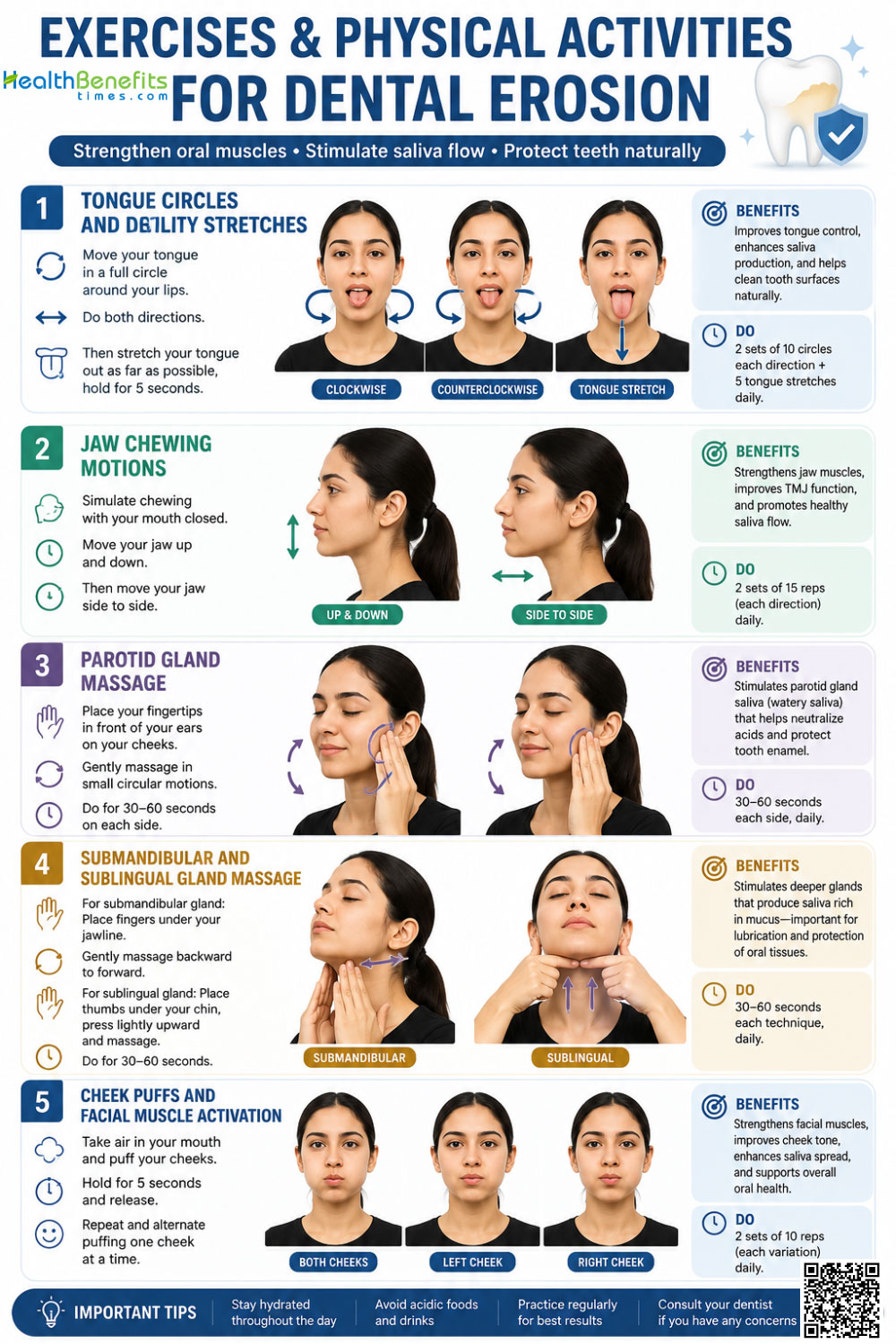
Conscious agility and physical movement of the tongue directly stimulate the sublingual glands, which are strategically located just under the floor of the mouth 28. Rhythmic tongue rotations activate the complex surrounding musculature and stimulate the parasympathetic nervous system, which dictates the production and release of watery, mineral-rich serous fluids into the oral cavity 29.
Note: You can easily perform this exercise by moving your tongue in a slow, deliberate circular motion around the inside of your mouth, tracing the boundary between your teeth and lips; complete ten full circles clockwise, followed by ten counterclockwise.
2. Jaw Chewing Motions
Simulating the repetitive mechanical action of mastication sends direct neurological signals to the brain indicating that food is present, prompting an immediate and profound surge in protective salivary secretions 30. This specific muscular action heavily targets the major parotid glands located near the ears, forcing them to excrete heavy volumes of buffer-rich saliva designed to neutralize acids.
Note: You should simply open and close your jaw in a steady, exaggerated chewing motion without any actual food or gum in your mouth, continuing this rhythmic movement for approximately thirty to sixty seconds.
3. Parotid Gland Massage
Applying gentle, calculated physical pressure directly to the parotid glands physically encourages the mechanical expression of pooled saliva out of the glandular ducts and into the mouth 31. This direct physical manipulation provides immediate relief from severe oral dryness, quickly raising the resting pH of the mouth and coating the vulnerable enamel in a protective liquid layer.
Note: You should place your fingertips flat against the sides of your face, just in front of your ears and slightly above your upper jawline, applying light pressure as you massage the area using small, forward circular motions for about thirty seconds.
4. Submandibular and Sublingual Gland Massage
The critical glands housed just beneath the jawbone and directly under the chin are responsible for producing a significant majority of the mouth’s resting, unstimulated saliva. Physical manipulation of this specific soft tissue helps mechanically express thick, mucin-rich and mineral-heavy fluids that stubbornly cling to the teeth and neutralize residual acidic pockets.
Note: You should gently press your thumbs directly under your chin and along the soft underside of your jawbone, massaging the tissues with steady, gentle upward pressure for five to ten seconds at a time.
5. Cheek Puffs and Facial Muscle Activation
Isolating and tightly tensing the various muscles of the face and cheeks naturally compresses the microscopic salivary ducts woven throughout the oral mucosa. This simple act of muscular compression forces trapped, bicarbonate-rich buffer fluids to rapidly enter the oral cavity and bathe the teeth in defensive minerals.
Note: You should puff out both of your cheeks with air as far as comfortably possible, hold that rigid tension for five to ten seconds, and then release the air slowly; repeat this entire sequence ten times.
Foods to Avoid When You suffer from Dental Erosion
Dietary management remains the absolute foundation of preventing further dissolution of your enamel. To protect your dentition, you must systematically eliminate or drastically reduce your intake of highly acidic consumables that routinely drop your oral pH below safe levels 32.
- Carbonated Soft Drinks: You must completely avoid both regular and diet sodas, as they contain massive amounts of highly corrosive phosphoric and citric acids that relentlessly strip vital minerals from your tooth surfaces.
- Citrus Fruit Juices: You should severely limit your consumption of lemon, lime, orange, and grapefruit juices, which present a severe erosive threat due to their intensely concentrated natural acidity.
- Sports and Energy Drinks: You must avoid commercial hydration beverages, which are often consumed when the mouth is already dangerously dry from exertion, causing rapid and devastating enamel degradation.
- Sour Candies: You should completely eliminate sour confections from your diet; these are heavily coated in concentrated acidic powders that physically stick to your teeth, prolonging the duration of the chemical attack for hours.
- Wines and Alcohols: You must be highly cautious with both red and white wines, which possess naturally low pH levels that can easily dissolve the outer layer of your teeth with regular, habitual consumption.
- Vinegar-Based Dressings: You should avoid drinking undiluted apple cider vinegar or consuming heavy vinaigrettes, as they carry potent acetic acid that readily softens all dental hard tissues upon contact.
Activities to Avoid When You suffer from Dental Erosion
Your daily hygienic habits and physical routines can inadvertently accelerate the wear and tear on your already vulnerable, acid-softened teeth.
1. Brushing Immediately After Acid Exposure
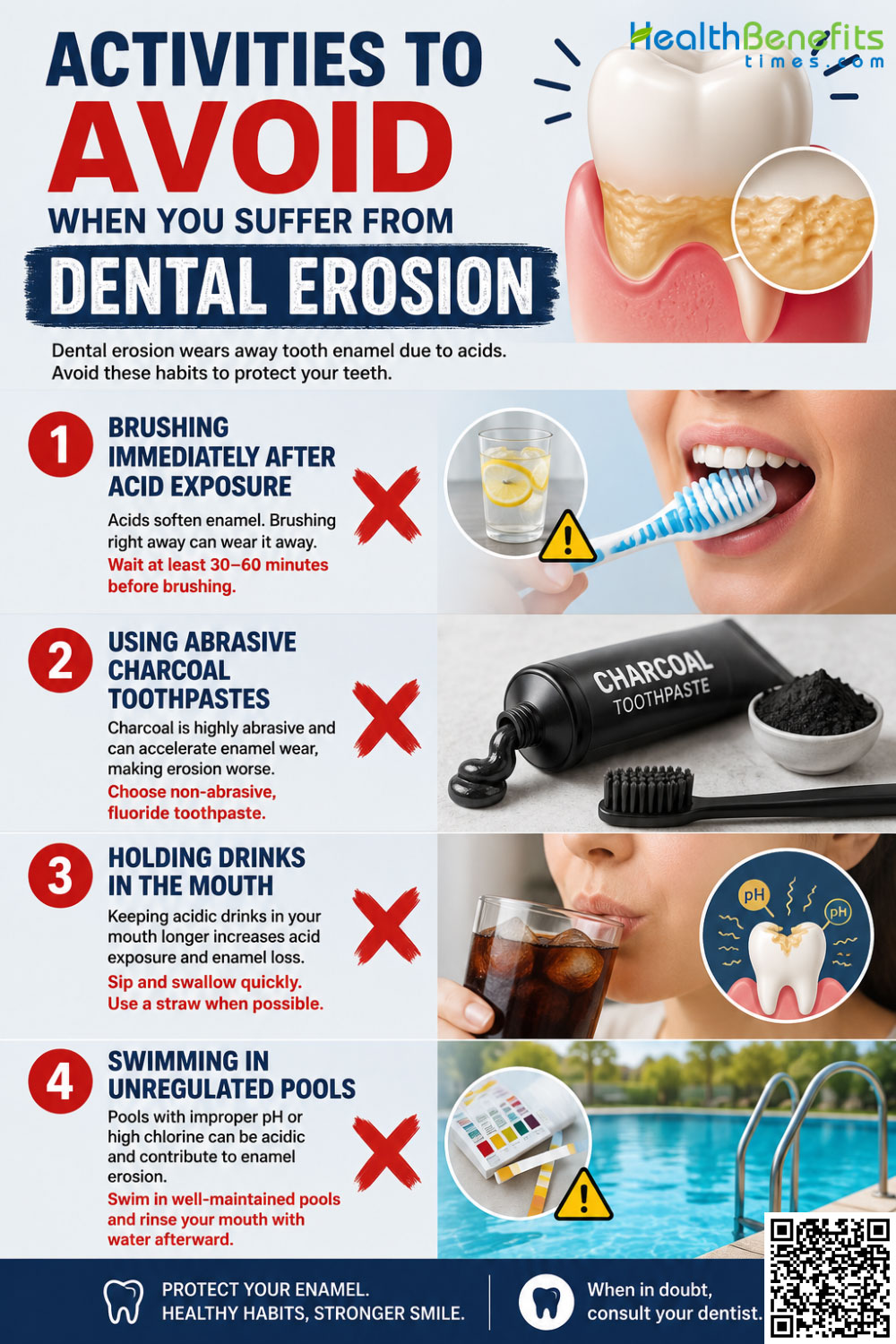
You must absolutely never brush your teeth right after vomiting, experiencing acid reflux, or consuming a highly acidic meal; the enamel is temporarily softened, and the abrasive action of the brush will permanently scrub away the tooth structure 33.
2. Using Abrasive Charcoal Toothpastes
You must strictly avoid trendy whitening pastes that contain activated charcoal; these dark formulations exhibit dangerously high abrasive behavior on eroded tooth surfaces, rapidly cutting away the weakened enamel and ultimately exposing the highly sensitive, darker dentin beneath 34.
3. Holding Drinks in the Mouth
You should avoid swishing, pooling, or idly holding acidic beverages in your mouth before swallowing, as this habit drastically increases the contact time between the liquid acid and your teeth, multiplying the severity of the damage.
4. Swimming in Unregulated Pools
You must avoid spending prolonged periods swimming laps in improperly chlorinated backyard or public swimming pools, as the unregulated low pH of the water can cause widespread, silent enamel dissolution across your entire smile 35.
Myths and Misconceptions
| Myth | Reality |
| Brushing harder cleans the teeth better and stops erosion. | Overly vigorous tooth brushing, especially with a hard-bristled brush, actually causes severe physical abrasion that permanently destroys the enamel much faster when the teeth are actively under an acid attack. |
| Charcoal toothpaste is the best natural way to whiten eroded teeth. 36. | Toothpastes containing activated charcoal have a highly destructive, abrasive effect on already eroded surfaces, aggressively scrubbing away the weakened enamel and ultimately making the teeth look yellower by exposing the underlying dentin. |
| Diet sodas are perfectly safe for teeth because they contain no sugar. | While diet sodas do not cause traditional bacterial cavities, they remain highly acidic and are documented as a dominant causative factor for profound, widespread chemical dental erosion. |
| You should brush your teeth immediately after throwing up to clear the acid. 37 | Brushing right after vomiting physically damages the chemically softened enamel; you must instead rinse with plain water or a neutralizing baking soda solution and wait a minimum of one hour before brushing. |
| Saliva is just water and does nothing to protect the teeth. | Saliva is an incredibly complex, mineral-supersaturated fluid that provides the essential calcium, phosphate, and bicarbonate buffers absolutely critical for neutralizing acids and rebuilding the teeth. |
Special Considerations
Careful clinical attention to specific biological life stages and complex systemic health conditions is absolutely necessary, as an individual’s vulnerability to extreme enamel loss fluctuates dramatically across different patient demographics.
1. Children
The modern pediatric diet has inadvertently introduced unprecedented levels of acidic exposure to youth populations at very early developmental ages. Clinical observation confirms there has been a considerable increase in the habitual intake of soft drinks and highly acidic fruit juices among children and adolescents, establishing dietary acids as the single dominant causative factor for severe youth erosion 38. Furthermore, the routine administration of pediatric liquid medications many of which are deliberately formulated with highly acidic pH levels to ensure shelf life and mask bitter tastes can unwittingly erode soft primary teeth through repeated dosing 39. Children managing special developmental needs also systematically demonstrate a slightly higher overall prevalence of dental erosion, necessitating much closer dietary monitoring and proactive remineralization interventions by caregivers.
2. Pregnancy
Profound hormonal shifts and extreme physical changes during gestation frequently create a highly erosive, hostile environment within the maternal oral cavity. Research data reveals that up to 50 percent of pregnant individuals report experiencing severe morning sickness (hyperemesis gravidarum), which subjects the delicate dental tissues to frequent, violent washes of raw, highly concentrated stomach acid 40. Additionally, the increasing physical pressure exerted by the growing fetus often induces persistent gastroesophageal reflux later in the term. Hormonal changes simultaneously alter the exact chemical composition and protective flow rate of the mother’s saliva, heavily compounding the total risk of massive mineral loss 41.
3. Chronic Conditions
Patients tasked with managing severe, systemic medical conditions often face exponential, compounding risks for devastating tooth wear. Individuals suffering from chronic psychological eating disorders, specifically those involving self-induced vomiting, routinely present with rapid and catastrophic erosion, primarily devastating the palatal surfaces of the upper maxillary teeth. Similarly, gastro-esophageal reflux disease (GERD) silently introduces highly corrosive gastric fluids into the sleeping mouth, often going completely unnoticed by the patient until the dentition requires complex, highly invasive full-mouth prosthetic rehabilitation 42. Furthermore, any chronic condition that induces bruxism the aggressive grinding of the teeth will mechanically obliterate enamel that has already been chemically softened by ongoing acid erosion.
4. Elderly
Advancing biological age brings a cascade of structural and physiological changes that severely complicate the management of erosive wear. Older adults frequently experience progressive gingival recession, a condition which completely exposes the delicate, unprotected root surfaces (cementum and dentin) directly to the oral environment; these softer tissues dissolve at much higher pH levels than crown enamel, making them exceptionally vulnerable to even mild dietary acids 43. Polypharmacy the simultaneous use of multiple concurrent prescription medications for varying ailments frequently leads to severe, drug-induced salivary gland hypofunction in the elderly population. Without adequate, free-flowing saliva to rapidly clear away debris and chemically buffer acids, the natural remineralization process halts entirely, leading to rampant wear.
Precaution before use of natural remedies when you have Dental Erosion
Before integrating these holistic therapies and natural botanical agents into your daily oral care routine, you must take highly specific, critical steps to ensure these treatments do not inadvertently worsen your delicate condition.
- Verify the Inherent Acidity of Natural Products: You must absolutely always check the inherent pH of any natural extract or homemade remedy before applying it to your vulnerable teeth; many popular natural fruit extracts, like lemon juice or apple cider vinegar, are intensely acidic and will rapidly accelerate enamel dissolution rather than heal it.
- Carefully Evaluate the Abrasiveness: You should be highly cautious of dry herbal powders, baking sodas, or natural clays used in DIY toothpastes; if the particle size is too large or rough, mechanically scrubbing these natural compounds against your acid-softened enamel will cause severe, irreversible physical abrasion.
- Assess for Botanical Allergies: You must thoroughly ensure you are not allergic to complex botanical ingredients like Galla chinensis, Aloe vera, or specific essential oils before introducing them to the highly vascular, sensitive mucosal tissues of your gums and inner cheeks.
- Monitor Temperature Sensitivity: You should pay incredibly close attention to your nerve pain levels when utilizing natural oral rinses; because heavily eroded teeth lack their protective enamel insulation, exposing them to extreme hot or cold natural rinses can trigger severe, lingering nerve pain deep within the underlying dentin.
- Avoid Substitution for Clinical Medical Care: You must never use natural remedies as a complete, standalone replacement for diagnosing the actual root cause of your erosion; if your enamel loss is driven by underlying GERD or chronic autoimmune dry mouth, topical natural treatments will inevitably fail without treating the systemic disease.
- Perfect the Timing of Application: You should always ensure that you do not vigorously rub or brush these natural remedies onto the teeth immediately following a highly acidic meal or a vomiting episode; you must always apply them very gently with a finger or simply as a liquid rinse to avoid causing catastrophic mechanical damage.
When to see a Doctor
While natural remineralization strategies can effectively manage the early, microscopic signs of wear, certain clinical thresholds dictate that you require immediate, professional dental or medical intervention.
- You experience severe, unremitting tooth sensitivity: If simply drinking room-temperature water, breathing in cold winter air, or eating slightly sweet foods causes a sharp, lingering pain that disrupts your life, you must see a dentist immediately, as your enamel may be critically thin, fully exposing the nerve pathways inside the dentin.
- You notice visible, drastic changes in tooth shape: If your teeth are visibly shortening, appearing highly transparent at the edges, or developing deep yellow craters on the chewing surfaces, you require professional synthetic restorative materials to physically rebuild the lost structure 44.
- Your existing dental fillings are raised and sharp: If the natural biological tooth structure is literally melting away around your old fillings, leaving the silver amalgam or white composite material protruding sharply above the tooth surface, the erosive process is highly active and requires immediate clinical sealing.
- You suffer from chronic daily heartburn or gastric reflux: If you suspect that creeping stomach acid is the culprit behind your enamel loss, you must see a medical physician or gastroenterologist to control the GERD with systemic medication, as no dental remedy will ever survive continuous, nightly bathing in raw gastric fluid 45.
- You observe spontaneous chipping or fracturing: If the edges of your front teeth begin to randomly chip, crack, or flake away while eating otherwise soft foods, the structural integrity of your enamel matrix has failed completely, and you must seek professional intervention to prevent total tooth loss.
- You experience persistent, unmanageable dry mouth: If your mouth constantly feels like it is stuffed with cotton and you regularly struggle to swallow dry foods without water, you must see a doctor to investigate potential salivary gland dysfunction, as the total lack of saliva guarantees that severe erosion will continue unabated.
Comments
comments