

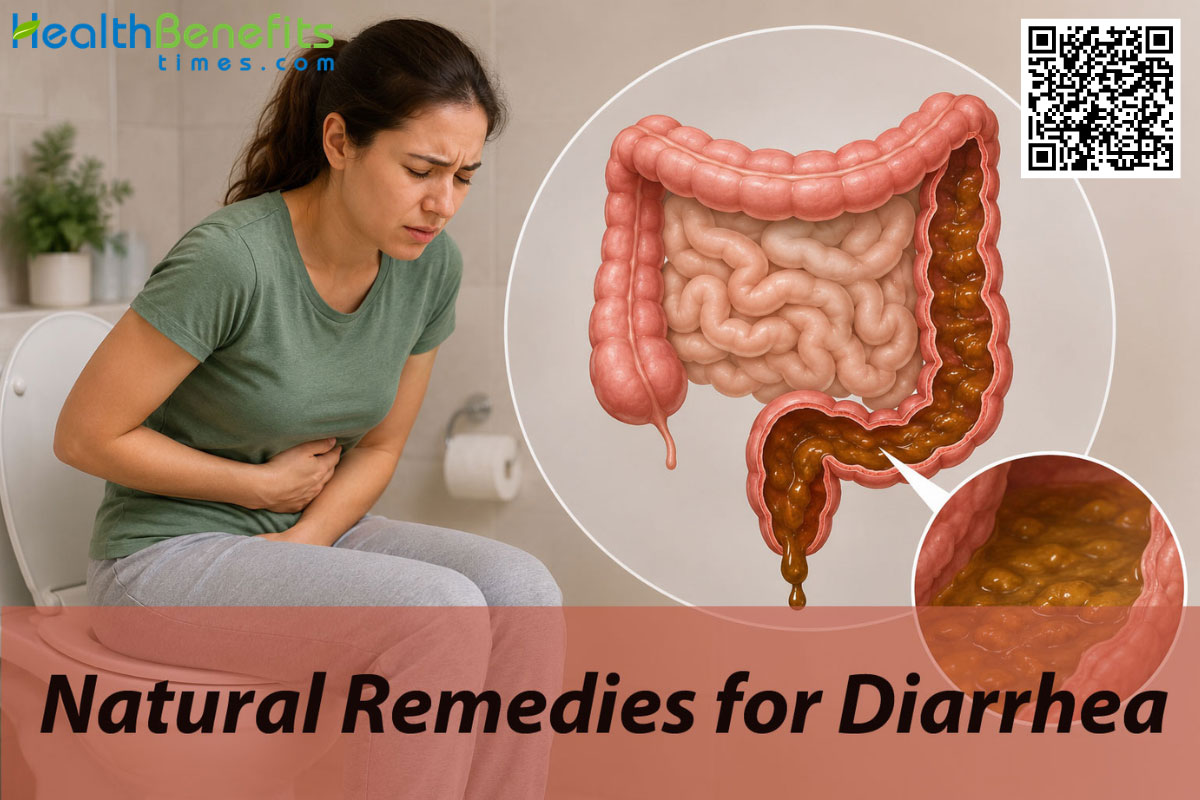
Healthcare professionals generally categorize this condition into three distinct timeframes to better understand its severity. Acute diarrhea is a brief, temporary issue that typically lasts for less than a week before resolving completely on its own. Persistent diarrhea is defined as an episode that lasts longer than two weeks but clears up before reaching the four-week mark. Chronic diarrhea is a more complex issue where symptoms persist for at least four straight weeks, either continuously or in a fluctuating pattern of coming and going over time. Ultimately, this rapid emptying of the bowels is usually the body’s defensive reaction to an infection or irritation in the intestinal tract, working to rapidly flush out harmful microscopic invaders before they can cause deeper damage.
Causes of Diarrhea
Understanding the precise trigger behind your digestive distress is the fundamental first step toward finding relief. The root causes of an overactive bowel can range from a passing stomach bug to complex, long-term systemic health conditions.
1. Viral Infections
Microscopic viruses are by far the most frequent culprits responsible for sudden, acute bouts of watery stools. When a virus enters the digestive tract, it directly attacks the sensitive lining of the intestines, causing inflammation and preventing the body from absorbing water properly. The most common invaders include norovirus, which frequently sweeps through schools and cruise ships, and rotavirus, which heavily affects young children. Other common viral agents like adenovirus and astrovirus also hijack the intestinal cells, leading to several days of intense digestive discomfort 3.
2. Bacterial Pathogens
Consuming food or water that has been contaminated with harmful bacteria introduces dangerous pathogens directly into the gut ecosystem. Once inside, these bacteria multiply rapidly and often release toxins that severely irritate the mucosal lining, causing the intestines to secrete massive amounts of fluid. The most notable bacterial offenders are various strains of Salmonella, Escherichia coli (E. coli), Shigella, and Campylobacter. These infections are incredibly common in areas with poor sanitation or when food is improperly handled and cooked 1.
3. Parasitic Organisms
Though slightly less common than viral or bacterial infections, microscopic parasites can infiltrate the human digestive tract and cause prolonged, frustrating illness. Parasites such as Cryptosporidium and Giardia intestinalis are usually ingested by drinking untreated, contaminated water from lakes, streams, or poorly maintained community water sources. Once they latch onto the intestinal walls, they disrupt the normal absorption of nutrients and fluids, leading to persistent bouts of loose stools that can last for weeks if left untreated 4.
4. Food Poisoning and Toxins
Eating undercooked meats, unwashed raw produce, or unpasteurized dairy products can lead to a very rapid onset of symptoms. In the case of food poisoning, the illness is often caused not just by live bacteria, but by the chemical toxins those microbes leave behind in the food. Toxins produced by microbes like Staphylococcus aureus or Clostridium perfringens can cause violent, explosive diarrhea within just a few hours of consumption, as the body attempts to violently purge the poison from its system.
5. Medication Side Effects
Modern pharmaceuticals, while lifesaving, can sometimes wreak havoc on the digestive system. Broad-spectrum antibiotics are notorious for causing diarrhea because they do not discriminate between good and bad bacteria. They wipe out the beneficial flora in the gut, leaving the intestines vulnerable to opportunistic infections like Clostridioides difficile (C. diff). Furthermore, antacids containing heavy doses of magnesium, certain blood pressure medications, and various harsh cancer treatments can chemically irritate the bowel lining, leading to chronic looseness 5.
6. Food Allergies and Intolerances
The human body’s inability to break down specific dietary compounds can physically draw excess water into the colon through a process called osmosis. Lactose intolerance is incredibly common, occurring when the body lacks the enzyme needed to digest milk sugars. Dietary fructose (found in fruits and honey), sucrose (table sugar), and artificial sugar alcohols like sorbitol and xylitol (often found in sugar-free gum) can also pass through the stomach undigested. When they hit the colon, bacteria ferment them, creating gas, bloating, and drawing in massive amounts of water that results in diarrhea.
7. Chronic Digestive Tract Problems
When loose stools persist for months or years, they are frequently tied to broader, systemic autoimmune or inflammatory conditions. Irritable Bowel Syndrome (IBS) causes the nerves of the gut to become hyper-reactive, leading to rapid bowel contractions. Inflammatory Bowel Diseases (IBD), such as Crohn’s disease and ulcerative colitis, involve chronic, destructive inflammation of the intestinal walls, preventing normal digestion. Celiac disease, an autoimmune reaction to gluten, flattens the absorptive villi in the intestines, causing chronic malabsorption and diarrhea 6.
8. Abdominal Surgery Interventions
Major surgical procedures involving the digestive organs can permanently or temporarily alter how the body processes food and absorbs fluids. Surgeries involving the removal of the gallbladder, sections of the large or small intestine, the pancreas, or the stomach can lead to a condition known as dumping syndrome. In this state, food moves far too quickly from the stomach into the intestines, overwhelming the digestive tract and resulting in chronic, watery bowel movements that require careful dietary management.
Symptoms of Diarrhea
When the delicate environment of the digestive system is inflamed, irritated, or infected, it produces a cluster of highly recognizable and uncomfortable physical signs.
- Passing completely loose, watery, or entirely unformed stools three or more times throughout the day, which is the primary hallmark of the condition 7.
- Intense abdominal cramping, sharp aching, or a generalized, sweeping belly pain caused by the erratic, forceful muscle contractions of the intestines trying to expel waste.
- A persistent, uncomfortable feeling of bloating, excessive gas, or heavy fullness in the stomach due to the fermentation of undigested foods by gut bacteria.
- An urgent, sudden, and sometimes uncontrollable need to pass stool that cannot be delayed, resulting from the extreme pressure of excess water in the lower colon.
- Bouts of nausea and a general feeling of systemic sickness, which are very frequently accompanied by dry heaving or active vomiting, especially in cases of viral gastroenteritis.
- An elevated body temperature or a mild to high fever, which serves as a clear signal that the immune system is actively fighting off an underlying bacterial or viral infection.
- The frightening presence of excess mucus or bright red blood in the stool, which indicates that the intestinal lining has been severely damaged or inflamed by a hostile pathogen 8.
- Progressive signs of physical dehydration, such as an unquenchable thirst, a dry, sticky mouth, dark-colored urine, and profound fatigue, all resulting from the rapid, massive loss of bodily fluids.
Diarrhea Facts Table
To provide a clear, easy-to-read overview of how this condition impacts the human body and how the medical community approaches it, the following table summarizes the most essential clinical facts.
| Fact Category | Important Details |
| Symptoms 2 |
|
| Causes 1 |
|
| Types of Diarrhea
|
|
| How it Spreads |
|
| Age Group 9 |
|
| Higher Risk Exposures |
|
| How Doctors Diagnose |
|
| Other Facts |
|
Natural Remedies for Diarrhea
When your digestive system is heavily compromised and you are constantly running to the bathroom, leaning on gentle, scientifically supported natural remedies can accelerate your recovery. These interventions are designed to ease your discomfort, restore balance to your gut, and prevent dangerous complications like severe dehydration.
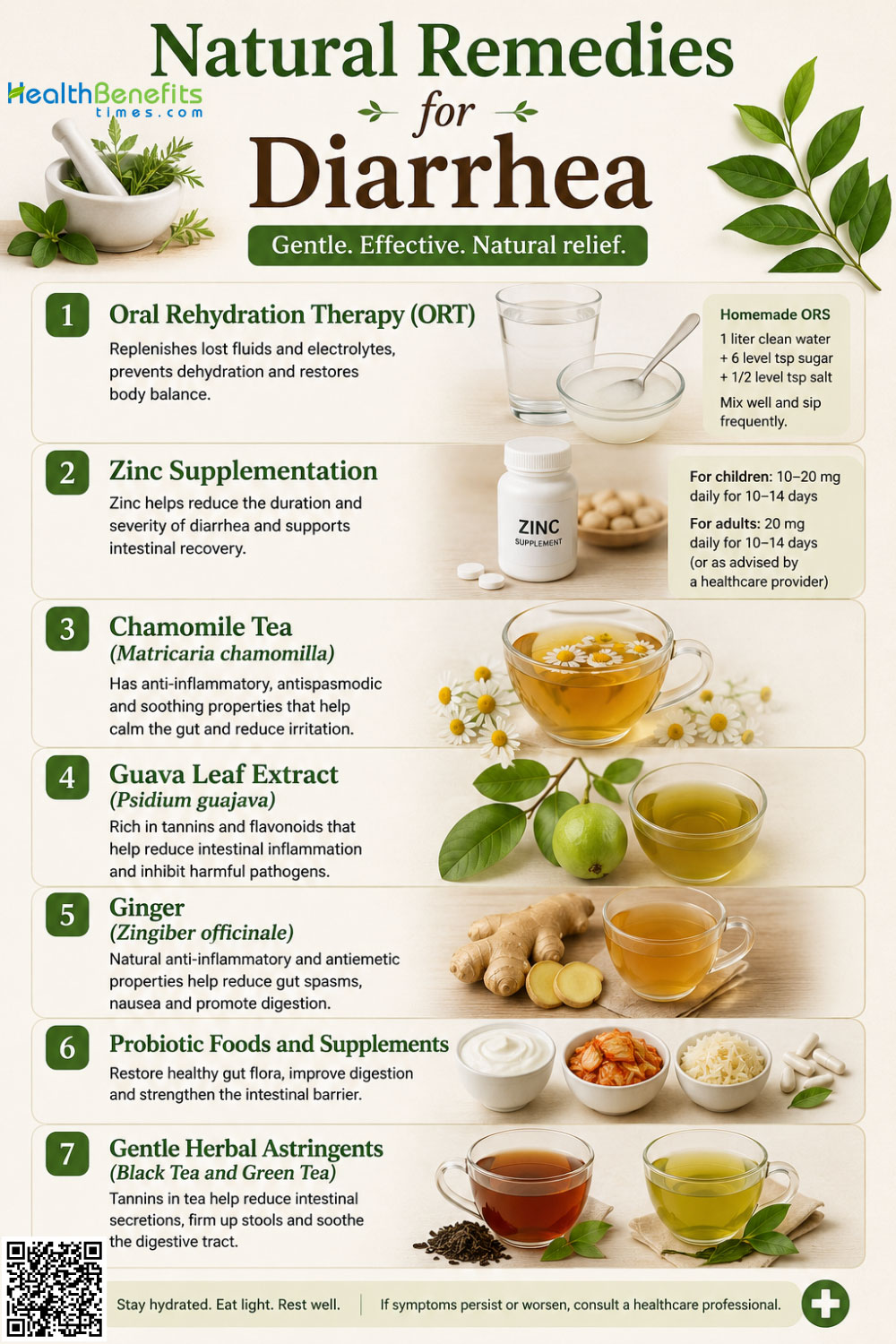
1. Oral Rehydration Therapy (ORT)
Maintaining proper hydration is without question the single most critical intervention when you are dealing with frequent, watery stools. Because your body is rapidly losing massive amounts of water and essential electrolytes critical minerals like sodium and potassium drinking plain tap water alone is often not enough to restore your internal balance. Oral rehydration therapy involves drinking a carefully measured, scientifically balanced solution of clean water, specific sugars, and salt. The presence of glucose (sugar) actually acts as a biological key; it forces the cells of the intestines to pull sodium and water back into the bloodstream much more efficiently. Global health authorities heavily advocate for ORT, noting that it successfully saves millions of lives globally every year by preventing severe dehydration without the need for hospital intravenous fluids. If commercial packets are unavailable, a safe homemade version can be made by combining 1 liter of clean water with 2 tablespoons of sugar, half a teaspoon of table salt, and a quarter teaspoon of a potassium-based salt substitute.
Note: You should sip this homemade or commercially prepared solution continuously throughout the day, aiming to consume at least 1 to 3 liters depending on your age and fluid loss, to keep your vital organs functioning properly. 11
2. Zinc Supplementation
An often-overlooked but incredibly powerful natural mineral for intestinal health is zinc. During a severe diarrheal episode, the delicate mucosal barrier of your intestines becomes inflamed and damaged, and the vital brush-border enzymes that digest food lose their functionality. Zinc actively works on a cellular level to restore the integrity of the intestinal lining, promotes the production of immune antibodies, and can directly block certain cellular channels that cause excess fluid to leak into the bowel. Global health guidelines strongly recommend routine zinc supplementation for 10 to 14 days during and immediately after an infection. This simple, affordable mineral addition has been clinically proven to shorten the overall duration of the illness by up to 25% and can remarkably reduce the actual volume of stool by 30%.
Note: You can take over-the-counter zinc supplements daily (typically 20 mg for adults and older children) alongside your meals to speed up the repair of your intestinal walls and protect against future stomach bugs. 12
3. Chamomile Tea (Matricaria chamomilla)
Brewing a warm cup of herbal tea has been a comforting, natural household tradition for centuries, and chamomile holds up incredibly well under rigorous scientific scrutiny. The tiny, daisy-like chamomile flowers contain highly powerful active botanical compounds, including apigenin, chamazulene, and alpha-bisabolol. These natural chemicals act as profound digestive relaxants. When they coat the stomach and intestines, they effectively calm the smooth muscles of the digestive tract to significantly reduce painful cramping, spasms, and gas. Research has also demonstrated that chamomile extract can inhibit excess fluid accumulation in the gut and provides strong antioxidant protection to stressed, inflamed tissues. Furthermore, its famous mild sedative properties soothe the central nervous system, helping your exhausted body rest and recover while fighting off a bug.
Note: You can steep dried chamomile flowers in hot water for 5 to 10 minutes, drinking two to three warm cups a day to ease abdominal cramping, reduce the frequency of bathroom trips, and promote restful sleep. 13
4. Guava Leaf Extract (Psidium guajava)
While the tropical guava fruit is famous for its sweet flavor, the leaves of the guava tree are actually a highly concentrated, traditional source of healing compounds. Guava leaves are packed tightly with quercetin, tannins, and flavonoids that exhibit powerful natural antidiarrheal and antibacterial properties. When consumed, the extracts from these leaves physically slow down gastrointestinal propulsion meaning they reduce the hyperactive, rapid squeezing of the intestines that forces waste out of the body too quickly. This biological mechanism increases the amount of time water has to be reabsorbed into your bloodstream. Clinical evaluations have shown that guava leaf decoctions can help patients regain normal, solid bowel function significantly faster than those who rely on rest alone.
Note: You can boil a handful of clean, fresh guava leaves in water to create a medicinal decoction, drinking a small cup of the strained, earthy liquid three times a day to gently slow down an overactive bowel. 14
5. Ginger (Zingiber officinale)
Recognized globally in traditional medicine as a premier remedy for nausea, the spicy ginger root is also a formidable ally against lower digestive tract issues. The primary active component in ginger, known as 6-gingerol, is a highly potent anti-inflammatory agent. It works by actively inhibiting pro-inflammatory reactions in the intestinal cells, particularly by modulating specific cellular signaling pathways that cause swelling and pain. This makes ginger especially beneficial for individuals suffering from chronic diarrhea-predominant Irritable Bowel Syndrome (IBS-D), as it relieves visceral hypersensitivity and calms the hyper-reactive, overly sensitive nerves of the gut. While it is highly effective and comforting, it is important to use it in moderation, as extremely high doses can occasionally cause mild gastric irritation or heartburn.
Note: You can safely consume up to 1 to 2 grams of powdered ginger daily, or steep freshly grated ginger root in hot water to make tea, drinking it slowly to alleviate nausea, reduce gut inflammation, and ease IBS-related diarrhea. 15
6. Probiotic Foods and Supplements
Your digestive tract is home to trillions of microscopic organisms that help break down food, produce vitamins, and fight off invasive pathogens. When this delicate ecosystem is violently disrupted whether by a viral invader, food poisoning, or a heavy course of prescription antibiotics replenishing the good bacteria is absolutely essential for long-term recovery. Probiotics, particularly well-studied strains like Lactobacillus and Bifidobacterium, produce short-chain fatty acids that actively nourish the cells of the colon and heavily regulate local immune responses. Introducing these beneficial microbes back into your system has been shown to reduce the likelihood of antibiotic-associated diarrhea by nearly half and can significantly shorten the duration of acute infectious diarrhea, restoring normal bowel habits much faster.
Note: You can consume fermented foods like unsweetened yogurt and kefir, or take a high-quality, over-the-counter probiotic supplement daily to help repopulate your gut microbiome and restore normal digestive rhythms. 16
7. Gentle Herbal Astringents (Black Tea and Green Tea)
Astringent herbs are plants that contain high levels of organic compounds called tannins. When consumed, these tannins bind directly to the inflamed mucous membranes of the stomach and intestines, essentially creating a temporary protective barrier and shrinking the swollen tissues to reduce fluid leakage. In traditional medical practices across the globe, easily accessible tannin-rich herbs like standard black tea and green tea are frequently utilized to naturally firm up loose stools. Green tea, in particular, has demonstrated clinical benefits in managing severe diarrhea due to its incredibly high antioxidant profile, which helps repair cellular damage. A simple, easily prepared cup of steeped black tea can provide a mild, soothing astringent effect that helps dry up excess water pooling in the bowel.
Note: You can brew a weak cup of plain black or green tea (avoiding heavy, strong steeps to limit caffeine concentration) and sip it slowly between your meals to help tighten the intestinal lining and reduce fluid loss. 17
Is there any exercise or physical activities for Diarrhea?
When you are dealing with a troubled, painful digestive system, the idea of moving your body might seem entirely counterintuitive. However, targeted, very low-intensity physical activity can actually positively influence the gut-brain axis, reduce stress-related bowel spasms, and aid in your overall recovery.
1. Gentle Yoga and Postural Stretching
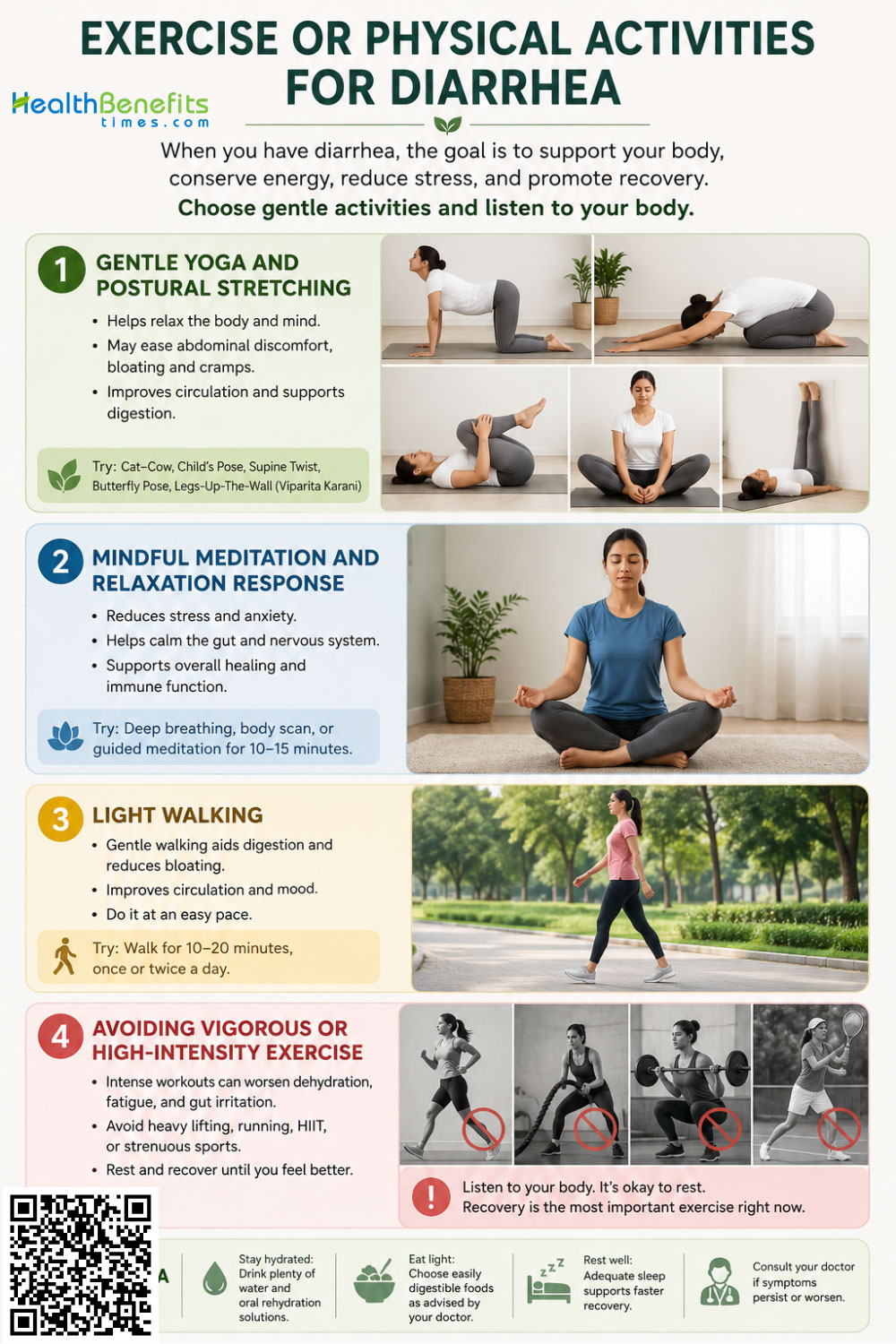
Yoga is uniquely positioned as a physical activity that bridges the gap between muscular movement and deep nervous system regulation. For individuals dealing with functional digestive disorders, such as chronic IBS, guided yoga programs have proven highly effective in reducing symptom severity. The practice emphasizes slow, rhythmic breathing and specific postures (asanas) that gently massage the lower abdomen, thereby enhancing blood circulation around the intestines. More importantly, yoga strongly stimulates the parasympathetic nervous system—often called the “rest and digest” state—which actively lowers stress hormones like cortisol and calms the hyperactive, erratic nerve signals that trigger sudden, painful bowel movements.
Note: You can practice restorative yoga poses, such as the child’s pose or gentle seated twists, combined with deep belly breathing for 15 to 20 minutes a day to relax your abdominal muscles and soothe a nervous gut. 18
2. Mindful Meditation and Relaxation Response
While not a physical exercise in the traditional sense of burning calories and sweating, mental exercises like meditation have profound, measurable physiological effects on the gastrointestinal tract. Psychological stress is a massive, highly documented trigger for digestive distress, dramatically altering gut motility, increasing acid production, and heightening nerve sensitivity. Techniques such as Relaxation Response Meditation teach the physical body to intentionally release tension and lower its defensive barriers. Over time, dedicating time to these quiet practices has been linked to significant, long-term improvements in abdominal pain, flatulence, and the frequency of loose, urgent stools.
Note: You can practice this by sitting quietly in a comfortable position, closing your eyes, and focusing entirely on the slow, steady rhythm of your breath for 10 minutes, gently guiding your mind away from stressful, anxious thoughts. 19
3. Light Walking
Complete bed rest is sometimes entirely necessary during the peak of an acute, fever-inducing infection, but once the worst of the symptoms have passed, total immobility can actually make you feel more sluggish and bloated. Engaging in a light, very low-intensity walk around the house or taking a brief, slow stroll outside in the fresh air encourages healthy blood circulation without diverting too much energy away from the healing digestive tract. Moderate, low-impact exercise has a natural calming effect on the gut-brain axis and helps regularize overall bowel function by gently stimulating normal peristalsis (the wave-like muscle contractions of the gut).
Note: You should limit your walking to a very relaxed, leisurely pace for just 10 to 15 minutes, ensuring you stay close to a restroom and remain fully hydrated throughout the gentle activity. 20
4. Avoiding Vigorous or High-Intensity Exercise
It is incredibly important to understand how strenuous, heavy exercise negatively affects digestion when you are ill. When you engage in intense activities like long-distance running, heavy weightlifting, or high-intensity interval training, your body enters a survival-like mode. To support the actively working muscles and skin, blood flow to the digestive organs can be suddenly reduced by up to 80%. This severe lack of blood flow and oxygen to the gut can cause ischemic damage, increase intestinal permeability (often called leaky gut), and trigger violent episodes of nausea, crippling cramping, and explosive diarrhea. This biological phenomenon is famously known among endurance athletes who frequently suffer from severe gastrointestinal distress mid-race.
Note: You must strictly avoid any heavy cardiovascular workouts, long endurance runs, or strenuous weightlifting routines until your bowel movements have been completely normal and solid for several consecutive days. 21
Foods and Activities to Avoid When You Suffer from Diarrhea
Giving your digestive system the absolute rest and space it needs to heal requires removing common dietary obstacles that cause further irritation. Consuming the wrong items can unnecessarily prolong your suffering and worsen fluid loss.
1. High-Fat and Greasy Foods
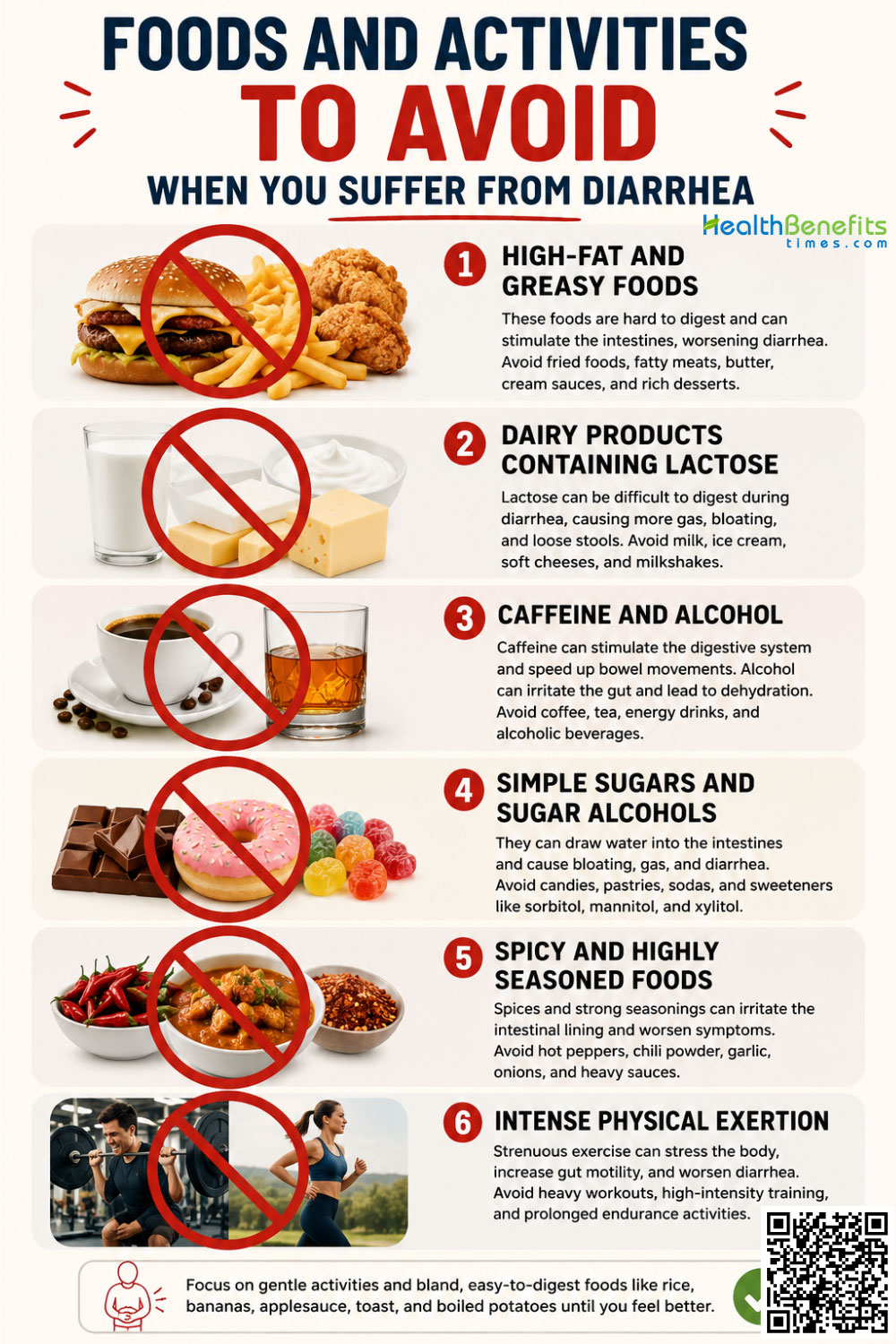
Meals that are deep-fried, heavily battered, or rich in heavy oils require a massive amount of digestive effort, enzyme action, and bile production to break down. In a compromised, inflamed gut, these heavy fats are poorly absorbed. Instead of being digested, they rush rapidly through the intestines, acting almost like a lubricant that worsens watery stools and causes painful, highly odorous gas.
2. Dairy Products Containing Lactose
Even if you do not normally struggle with dairy products, a sudden bout of acute diarrhea can temporarily strip the microscopic villi of your intestines of lactase, which is the specific enzyme required to digest milk sugars. Consuming cow’s milk, cheese, or heavy cream during this vulnerable time can result in uncomfortable bloating, severe flatulence, and increased bowel urgency that can last for weeks after the initial infection is gone.
3. Caffeine and Alcohol
Beverages like strong coffee, energy drinks, black tea (in very high doses), and all alcoholic beverages act as potent chemical stimulants and diuretics. They forcefully speed up the contraction of the digestive muscles, pushing waste out before water can be absorbed. Furthermore, they force the kidneys to excrete water from the blood, rapidly compounding the dangerous physical effects of dehydration 22.
4. Simple Sugars and Sugar Alcohols
Processed candies, large quantities of fruit juices, and diet products containing artificial sweeteners (like sorbitol, xylitol, or mannitol) have a strong osmotic effect on the bowel. This means they literally act like a sponge, pulling water from your bodily tissues directly into your colon, turning soft stools into pure, uncontrollable liquid.
5. Spicy and Highly Seasoned Foods
While spices boast many antioxidant health benefits on a normal day, heavy seasonings, particularly those containing capsaicin (found in chili peppers), can severely irritate the already raw, inflamed mucous lining of the stomach and intestines. Eating spicy food during a diarrheal episode often leads to severe abdominal burning and painful bowel movements.
6. Intense Physical Exertion
As previously noted, forcing your recovering body through strenuous physical labor, heavy lifting, or intense athletic exercise diverts vital, oxygen-rich blood flow away from the healing gut. This leads to temporary intestinal oxygen deprivation, significantly worsened cramping, and a delay in the repair of the intestinal lining 23.
Myths and Misconceptions
When it comes to treating digestive ailments at home, traditional family wisdom is frequently mixed with outdated, debunked, or entirely incorrect medical assumptions that can actually hinder your recovery.
| Myth | Reality |
| You must strictly follow the highly restrictive BRAT diet (Bananas, Rice, Applesauce, and plain Toast). | While these bland foods are certainly safe and gentle on the stomach, modern medical experts no longer recommend heavily restricting your diet to just these four items. Once your appetite returns, resuming a normal, well-balanced, and nutritious diet helps your body recover strength, repair tissues, and heal much faster. |
| You should immediately take over-the-counter medication to forcibly stop the diarrhea. | Diarrhea is very often the body’s natural, necessary biological mechanism for rapidly flushing out harmful pathogens, viruses, or toxins. Taking anti-motility drugs right away can trap dangerous bacteria or parasites inside the gut, prolonging the actual infection and potentially leading to worse systemic illness. |
| Fasting completely will give the stomach a much-needed break and stop the symptoms. 24 | Starving the body completely deprives it of the essential energy, vitamins, and macronutrients required to physically heal the damaged intestinal lining. Continued feeding, especially for children, is absolutely critical to prevent dangerous malnutrition and speed up mucosal cellular repair. |
| Sugary sports drinks are the absolute best way to rehydrate the body. | While drinking a sports drink is marginally better than drinking nothing at all, commercial sports drinks often contain far too much simple sugar and not nearly enough sodium or potassium to treat clinical dehydration. Specialized, balanced oral rehydration solutions (ORS) are far superior and much safer. |
| Drinking a hot cup of strong coffee will help solidify the stool and settle the stomach. | Caffeine is a highly known, aggressive bowel stimulant that actively increases intestinal motility and acid production. Drinking coffee will almost certainly trigger stronger, more painful cramps and make your bowel movements significantly more urgent and frequent. |
| All natural herbs are completely safe to use during a stomach bug. | While many natural remedies are gentle, not all are safe for everyone. Certain herbs can interact heavily with prescription medications, cause allergic reactions, or worsen dehydration if they possess natural laxative or diuretic properties. Always research specific herbs before use. |
Special Considerations
Gastrointestinal distress does not affect every human body equally. Certain vulnerable populations require much closer monitoring and highly specific, careful care strategies to prevent life-threatening complications.
1. Children and Infants
Infants, toddlers, and young children are uniquely, highly vulnerable to the rapid fluid loss associated with diarrheal diseases. Because their bodies are so small, a fluid loss that an adult might easily tolerate can become deadly for a child in a very short time; in fact, it remains a leading cause of childhood mortality globally. Dehydration can set in within a matter of mere hours. It is highly recommended that breastfeeding or normal infant formula feeding continues completely uninterrupted to provide necessary calories and fluids. Caregivers must prioritize the administration of medically approved Oral Rehydration Solutions (ORS) and supplemental zinc over any other intervention 25. Crucially, over-the-counter antidiarrheal medications should absolutely never be given to infants or young children unless explicitly prescribed and monitored by a pediatrician, as they can cause severe, sometimes fatal side effects in young bodies.
2. Pregnancy
During pregnancy, the female body undergoes massive, systemic physiological shifts to support fetal growth. A sudden bout of diarrhea can rapidly lead to maternal dehydration, which is exceptionally dangerous as it may decrease amniotic fluid levels or even trigger early, premature uterine contractions. Pregnant individuals must be exceptionally cautious about utilizing herbal remedies, as certain unstudied botanical extracts can cross the placental barrier or act as uterine stimulants. Maintaining baseline hydration through safe, electrolyte-balanced fluids is paramount. Furthermore, any diarrheal symptoms lasting longer than 48 hours should be evaluated by an obstetrician immediately to rule out dangerous foodborne illnesses, such as Listeria, which pose severe risks to the unborn baby.
3. Chronic Conditions
For individuals managing lifelong, complex digestive disorders such as Irritable Bowel Syndrome (IBS), Celiac disease, Crohn’s disease, or diabetes-related autonomic neuropathy, diarrhea is often a complex, recurring symptom rather than a brief, passing infection. Management in these specific cases relies heavily on long-term, individualized lifestyle interventions rather than quick fixes. Keeping a highly detailed daily food journal is an excellent strategy to identify specific dietary triggers, which vary wildly from person to person. Integrating daily stress-reduction techniques, routine specialized yoga, and customized, doctor-approved probiotic regimens can help maintain baseline gut stability and reduce flare-ups over the long term 26.
4. The Elderly
As the human body ages, it naturally loses some of its reserve water volume, and the brain’s thirst mechanism becomes significantly less sensitive. When older adults experience diarrhea, they are at an exponentially higher risk for sudden, severe dehydration, rapidly falling blood pressure, and acute kidney strain. Additionally, the elderly frequently take multiple daily prescription medications; massive fluid loss can drastically alter how these critical drugs are absorbed and concentrated in the bloodstream, leading to accidental toxicity. Seniors should always consult a physician prior to using new natural supplements or drinking heavy doses of rehydration salts, especially if they have pre-existing heart failure, kidney disease, or blood pressure issues.
Precaution Before Use of Natural Remedies
The label “natural” does not inherently mean “harmless.” Before you decide to introduce medicinal teas, potent herbal extracts, or heavy daily supplementation to treat your digestive symptoms, it is vital to exercise common sense and scientific caution.
- Consulting Healthcare Providers First: You should always run new herbal treatments or dietary supplements by a primary care doctor, especially if you fall into a high-risk medical category, are currently pregnant, or are attempting to treat a young child’s symptoms.
- Checking for Medication Interactions: The active, natural compounds found in medicinal plants can heavily interfere with how prescription drugs work. For example, while ginger is incredibly safe for most, extremely high doses can theoretically interact with prescription blood thinners or heart medications, altering their effectiveness 27.
- Watching for Allergic Reactions: Even gentle, natural herbs like chamomile are biologically related to common airborne allergens (such as ragweed and daisies). You must monitor yourself closely for signs of an allergic reaction, such as skin rashes, respiratory wheezing, or worsening stomach upset, when trying any new botanical remedy.
- Avoiding Overuse and Mega-Dosing: Taking massive, concentrated quantities of a natural remedy to try and speed up your healing often backfires entirely. Excessive consumption of certain herbal teas, raw ginger, or high-dose zinc can cause severe heartburn, mild nausea, metallic tastes in the mouth, or ironically, further gastric irritation and loose stools.
- Not Ignoring Severe, Underlying Infections: Herbal treatments are absolutely wonderful for easing pain and managing symptoms, but they cannot cure aggressive bacterial dysentery (like severe Salmonella) or entrenched parasitic infections. Relying solely on natural remedies when you need targeted prescription antibiotics or antiparasitic drugs can be incredibly dangerous 28.
When to See a Doctor
While the vast majority of mild diarrheal cases can be safely and effectively managed at home with proper rest, aggressive hydration, and soothing natural remedies, certain clinical warning signs indicate that the body is losing the battle against an infection and requires immediate medical intervention.
- Prolonged Duration of Illness: You should seek professional medical care if your watery symptoms show no signs of slowing down or improvement after two full days for an adult, or just 24 hours for a young child or infant 29.
- Alarming Stool Characteristics: The presence of visible, bright red blood in the toilet bowl, or passing stools that are black and tar-like, is a serious medical emergency. This indicates severe internal inflammation, active ulceration, or bleeding deep within the gastrointestinal tract.
- Unusually High Fever: A body temperature exceeding 102°F (39°C) points to a much more aggressive bacterial or viral infection that your immune system cannot fight off alone, and it may require prescription medical management to prevent systemic spread.
- Severe, Localized Abdominal Pain: While mild to moderate cramping is perfectly normal during a stomach bug, agonizing, sharp, or highly localized pain in one specific area of the abdomen is not typical. This could indicate a secondary issue like appendicitis or a severe bowel obstruction and requires a professional physical examination.
- Progressive Signs of Clinical Dehydration: If you experience extreme dizziness upon standing up, profound mental confusion, dark-colored urine, a complete inability to keep even small sips of fluid down, or if a child cries without producing any tears, immediate intravenous (IV) fluid replacement in a hospital setting may be required to prevent permanent organ damage and cardiovascular shock 7
Comments
comments