

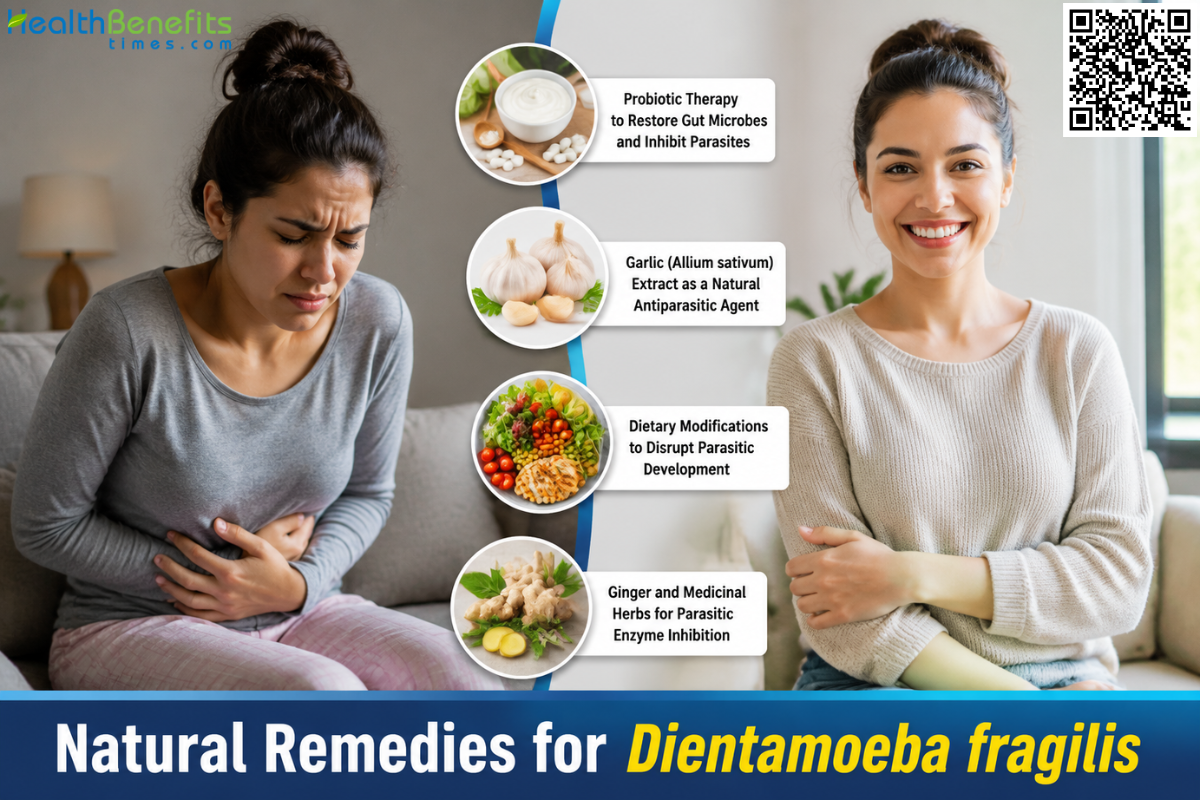
Causes of Dientamoeba fragilis
1. Person-to-Person Contact
The parasite spreads directly between individuals through a fecal-oral route, primarily due to poor hand hygiene. Failing to wash hands thoroughly after using the toilet or changing an infected child’s diaper allows the organism to transfer to surfaces, objects, and eventually into another person’s mouth.
2. Contaminated Food and Water
Infection frequently occurs by consuming food or drinking untreated water that has been tainted with infected human feces. This is often the result of infected individuals or food handlers not practicing proper handwashing techniques before preparing meals.
3. Pinworm Infection (Vector Transmission)
Scientific evidence strongly links the spread of Dientamoeba fragilis to the eggs of the human pinworm (Enterobius vermicularis). Because the Dientamoeba parasite is fragile and lacks a protective outer cyst to survive harsh stomach acid on its own, researchers conclude that it survives and travels hidden inside the protective, tough shell of pinworm eggs when they are accidentally swallowed 5.
4. Crowded Environments and Poor Sanitation
Living in, working at, or visiting places with close living quarters and shared bathroom facilities—such as daycares, institutional care centers, or regions with inadequate sanitation—significantly increases the risk of fecal-oral exposure and rapid parasite transmission.
Symptoms of Dientamoeba fragilis
1. Diarrhea
The most frequent symptom is diarrhea, which usually presents as loose or unformed stools rather than completely watery bowel movements. In some individuals, this symptom can become a chronic condition, lasting for several weeks or months if left untreated 6.
2. Abdominal Pain and Cramping
Infected patients frequently experience ongoing stomach pain, intense abdominal cramps, and general digestive discomfort.
3. Gas and Bloating
The parasite commonly causes increased flatulence (gas), noticeable abdominal swelling, and an uncomfortable feeling of fullness in the gut.
4. Loss of Appetite and Weight Loss
A significant decrease in the desire to eat (anorexia) often occurs, which can subsequently lead to unintended weight loss over time 7.
5. Nausea and Vomiting
The infection can irritate the digestive system, leading to persistent feelings of sickness in the stomach (nausea) and, in some cases, episodes of vomiting.
6. Fatigue
Individuals carrying the parasite frequently report feeling unusually tired, sluggish, or lacking in normal physical energy during the course of the illness.
7. Altered Bowel Habits
While diarrhea is the standard presentation, some patients may experience a sudden, intense urge to use the restroom (fecal urgency), while others might occasionally experience bouts of constipation.
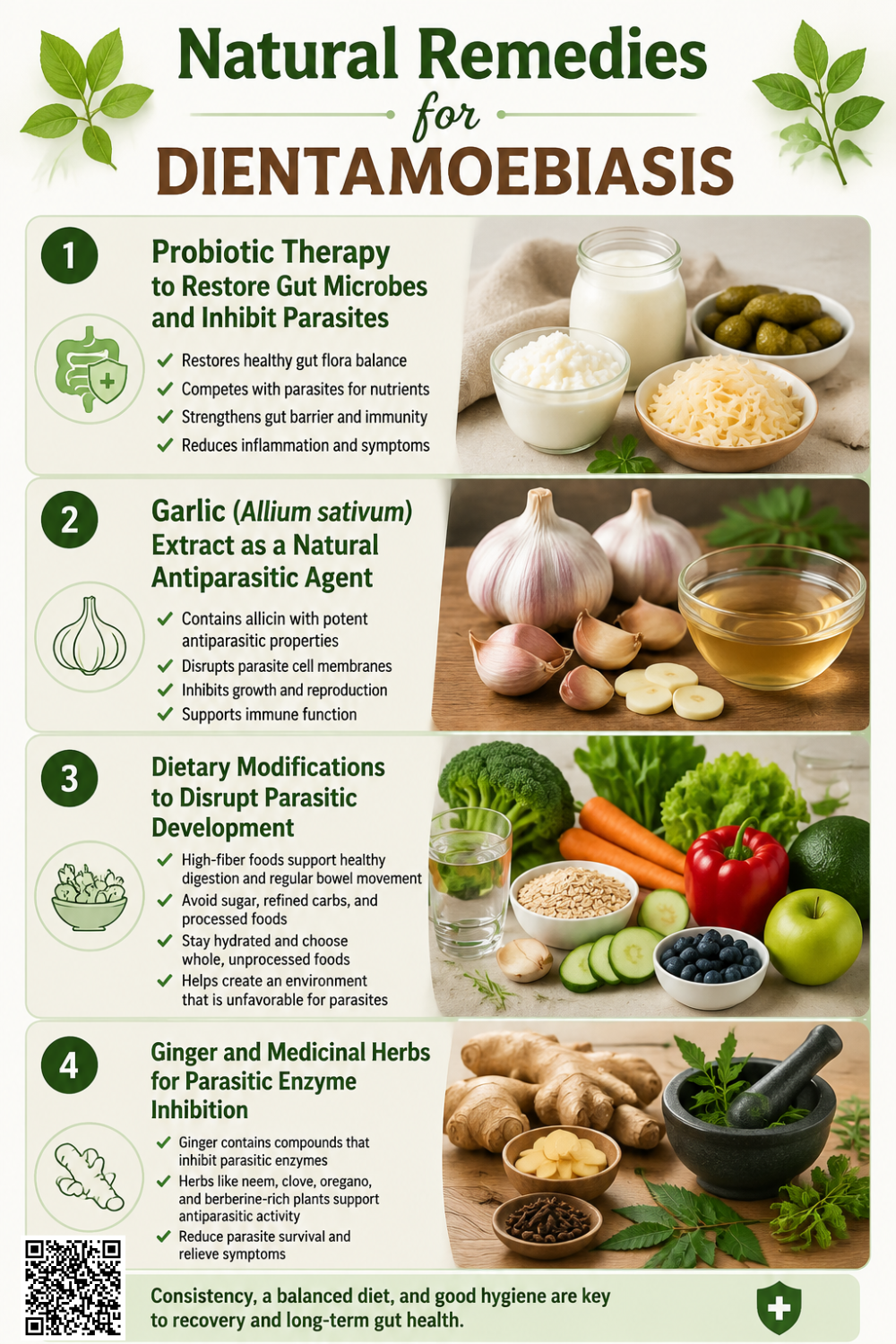
1. Probiotic Therapy to Restore Gut Microbes and Inhibit Parasites
How it may help
Probiotic therapy introduces beneficial bacteria and yeasts into the digestive tract to compete with harmful organisms for space and vital nutrients 8. This process helps restore a balanced gut microbiome, strengthens the intestinal barrier, and supports immune defenses against intestinal protozoa.
What research says
Clinical research indicates that specific probiotic strains can reduce parasite numbers and alleviate associated gastrointestinal symptoms like diarrhea and abdominal pain.
How to use it safely
To use probiotics safely, you should select high-quality, clinically studied strains and consult a healthcare provider for proper dosing guidance tailored to your specific health needs.
Potential precautions or side effects
Generally mild but may include temporary gas, bloating, or digestive discomfort when first introducing these supplements.
2. Garlic (Allium sativum) Extract as a Natural Antiparasitic Agent
How it may help
Garlic extract helps control intestinal protozoa through bioactive compounds like allicin, which disrupt parasite cell membranes, inhibit vital metabolic enzymes, and impair energy production within the organism 9.
What research says
Scientific evaluations demonstrate that these sulfur-rich components exhibit broad-spectrum antimicrobial and antiparasitic activity, significantly reducing single-celled parasite viability 10.
How to use it safely
To use garlic extract safely, you should follow standardized supplement dosages or incorporate fresh culinary garlic into meals under clinical guidance.
Potential precautions or side effects
Heartburn, mild digestive upset, and breath odor.
3. Dietary Modifications to Disrupt Parasitic Development
How it may help
Dietary modifications help control intestinal parasites by eliminating refined sugars and simple carbohydrates that opportunistic organisms rely on for fuel and rapid multiplication 11.
What research says
Clinical observations indicate that adopting nutrient-dense, high-fiber diets can effectively starve harmful protozoa while restoring healthy gastrointestinal environments.
How to use it safely
You should transition gradually to whole foods under professional medical supervision to prevent nutritional deficiencies.
Potential precautions or side effects
Temporary fatigue, bloating, or digestive adjustments during the initial dietary shift.
4. Ginger and Medicinal Herbs for Parasitic Enzyme Inhibition
How it may help
Ginger and related medicinal herbs help control intestinal parasites by delivering active compounds that block vital metabolic enzymes required for parasite survival 12.
What research says
Laboratory evaluations indicate that these plant extracts possess significant anti-protozoal properties, effectively reducing organism viability 12.
How to use safely
To use these herbs safely, you should consume standardized extracts or teas under professional guidance.
Potential precautions or side effects
Mild heartburn, stomach irritation, or interactions with blood-thinning medications.
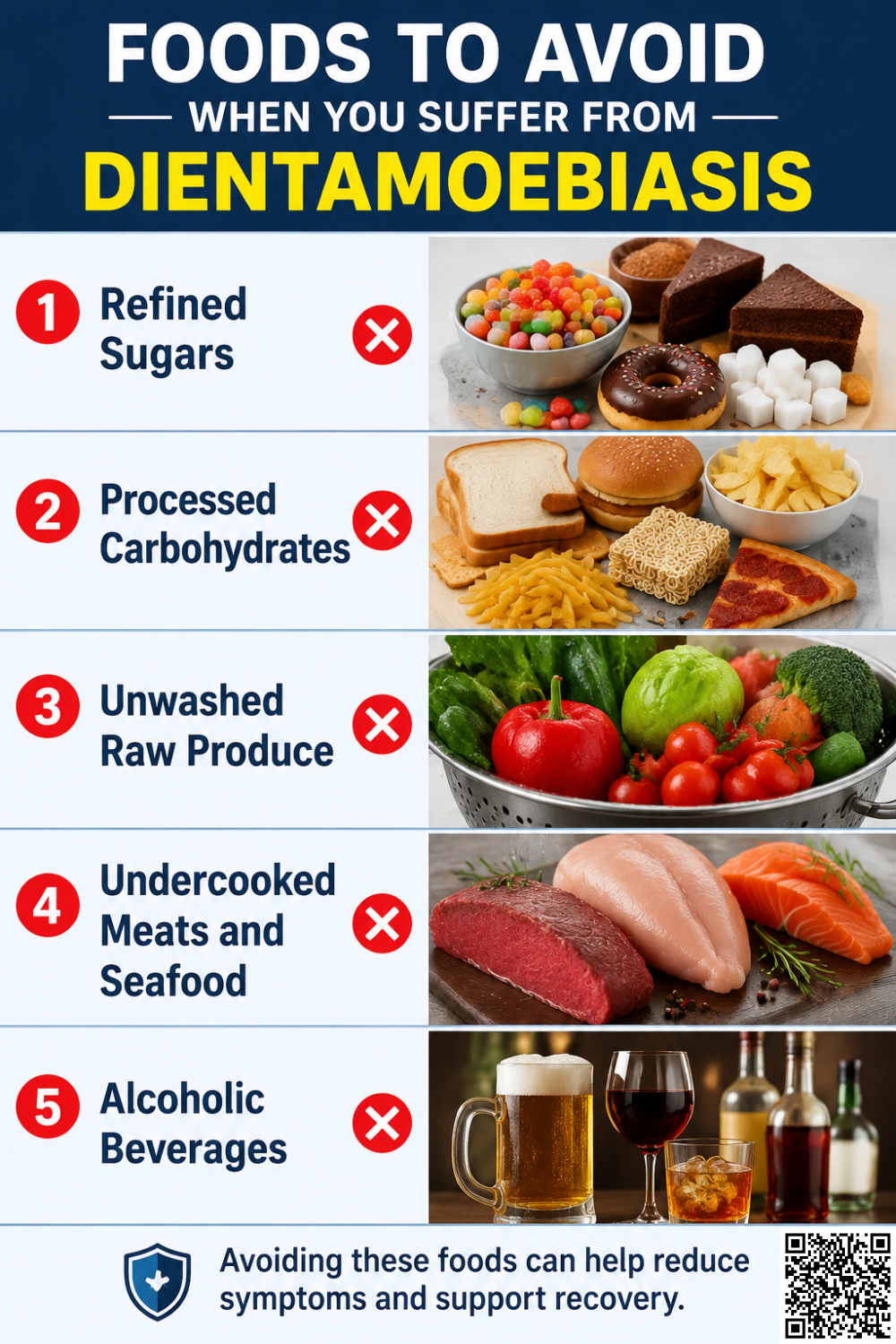
1. Refined Sugars
Simple sugars and processed sweets provide energy that fuels intestinal organisms, supporting their growth within the gut.
2. Processed Carbohydrates
White bread, pastries, and refined grain products break down quickly into simple sugars, encouraging ongoing digestive distress.
3. Unwashed Raw Produce
Unwashed fruits and vegetables can harbor microscopic traces of fecal matter or parasite cysts, risking reinfection 13.
4. Undercooked Meats and Seafood
Raw or improperly prepared meats can carry various harmful pathogens and parasites that worsen gastrointestinal health 14.
5. Alcoholic Beverages
Alcohol suppresses immune function and irritates the intestinal lining, hindering natural recovery from chronic diarrhea 15.
When To See a Doctor When You Suffer From Dientamoeba fragilis
1. Persistent Diarrhea
You should seek medical evaluation if you experience ongoing loose or watery stools lasting longer than a few days, as chronic fluid loss requires professional clinical assessment 16.
2. Severe Abdominal Pain
Consult a healthcare provider immediately if you develop intense stomach cramps or sharp abdominal discomfort that does not improve with rest.
3. Signs of Dehydration
Schedule an urgent doctor’s visit if you notice symptoms such as extreme thirst, infrequent urination, dizziness, or severe weakness caused by prolonged fluid depletion 17.
3. Unintended Weight Loss
Professional medical attention is necessary if you experience a noticeable drop in body weight accompanied by a persistent loss of appetite.
4. Symptoms That Disrupt Daily Life
You should consult a physician if chronic digestive issues, ongoing fatigue, or recurring nausea begin to interfere with your normal daily routines and overall well-being.
Comments
comments