

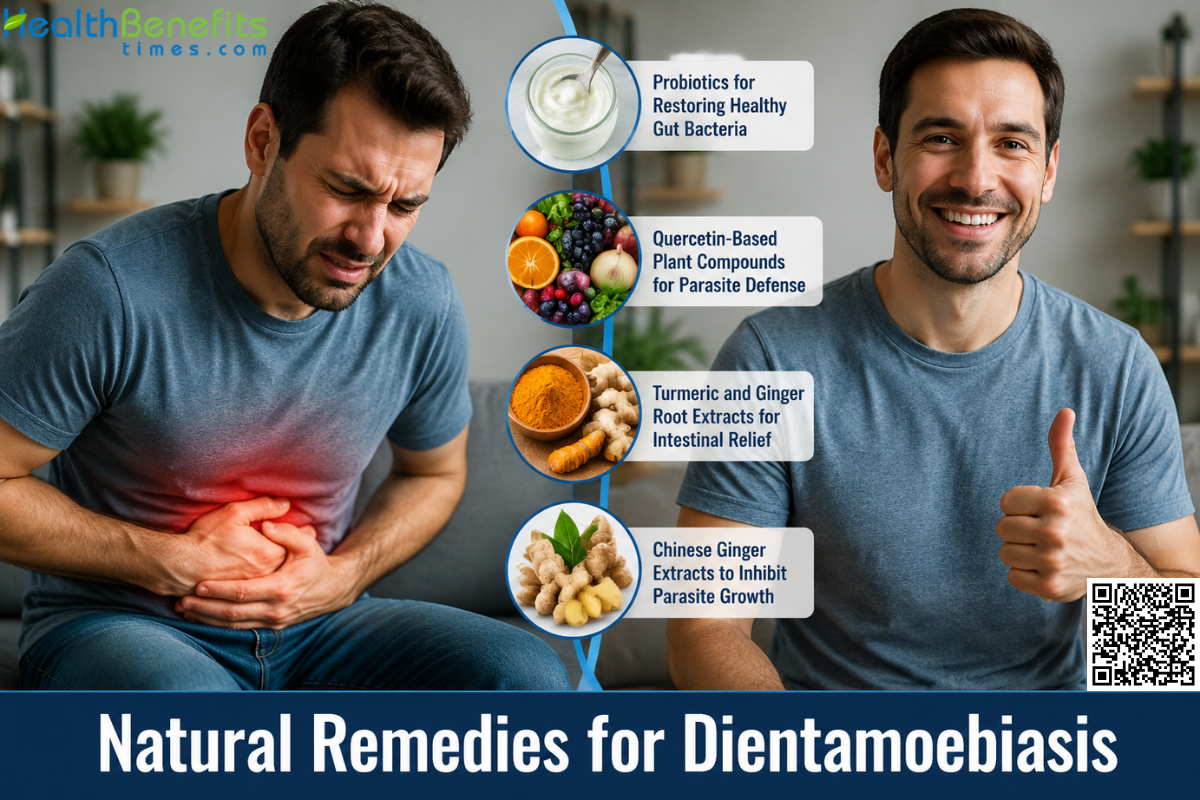
Causes of Dientamoebiasis
1. Fecal-Oral Transmission
The primary method of acquiring the infection is by accidentally swallowing the parasite, a process classified by medical professionals as fecal-oral transmission 3.
2. Contaminated Food and Water
Consuming food or water that has been contaminated with the organism serves as a common entry point into the human digestive system.
3. Person-to-Person Contact
The parasite spreads efficiently through direct contact with infected individuals, leading to high transmission rates among close household members and in environments with inadequate hand washing practices 4.
4. Pinworm Egg Transport
Because the delicate parasite cannot easily survive harsh stomach acids on its own, researchers theorize that it successfully reaches the lower intestines by traveling securely inside the protective eggs of human pinworms (Enterobius vermicularis) 5.
5. Animal Feces Exposure
Accidental contact with infected animal waste provides another documented pathway for the parasite to enter the human body.
Symptoms of Dientamoebiasis
1. Asymptomatic Carriage
Many individuals who carry the parasite do not experience any signs of illness and remain completely unaware of the infection.
2. Diarrhea
When symptoms do appear, patients most commonly suffer from frequent loose or watery bowel movements, which can persist as a chronic condition for several weeks if the infection is not properly treated 6.
3. Abdominal Pain
Infected individuals frequently report experiencing stomach cramps and general, ongoing discomfort in the abdominal area 7.
4. Gas and Bloating
The infection can create excess gas in the digestive tract, leading to painful bloating, physical swelling of the stomach area, and flatulence.
5. Nausea and Vomiting
People with this parasite often feel sick to their stomach, a symptom that sometimes progresses to active vomiting 8.
6. Weight Loss and Poor Appetite
The ongoing digestive distress regularly causes infected people to lose their desire to eat, eventually resulting in unintended weight loss.
7. Fatigue
The chronic and disruptive nature of the gastrointestinal symptoms often leaves patients feeling physically exhausted, drained of energy, and generally unwell.
8. Bowel Habit Changes
Some individuals experience a sudden, uncontrollable urgency to use the restroom, while a smaller percentage of patients may actually develop constipation instead of typical diarrhea.
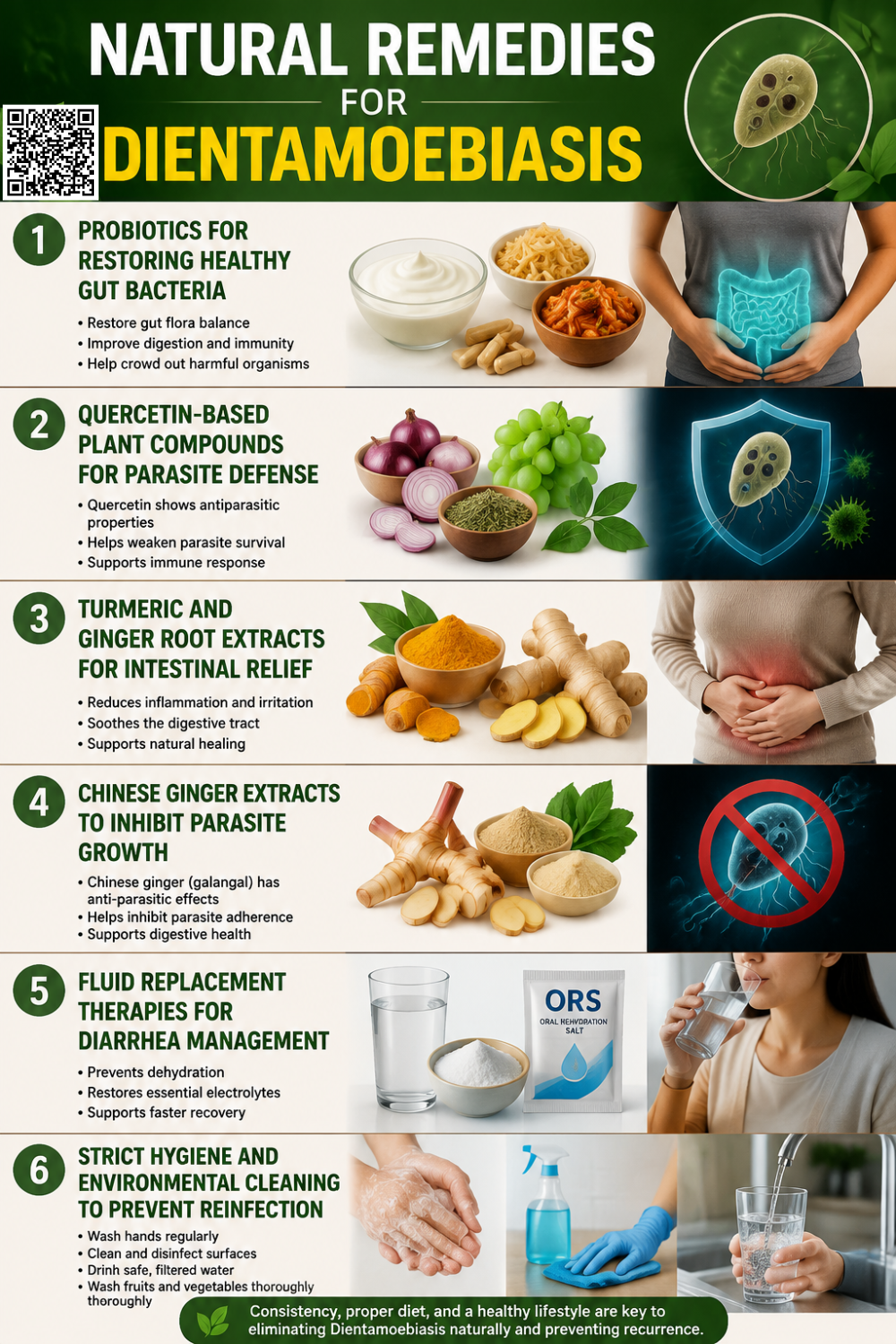
1. Probiotics for Restoring Healthy Gut Bacteria
How it may help
Probiotics introduce beneficial microorganisms into the digestive tract to restore the natural balance of gut bacteria disrupted by intestinal parasites. By strengthening the intestinal lining and boosting local immune defenses, these active cultures help the human body manage infectious diarrhea and reduce overall gastrointestinal distress 9.
What research says
Clinical studies indicate that while probiotics do not directly kill the parasite, specific strains like Saccharomyces boulardii effectively shorten the duration of infectious diarrhea 10. Research also confirms probiotics significantly reduce gastrointestinal upset and secondary diarrhea triggered by the strong antibiotics required to cure parasitic infections 11.
How to use it safely
When using probiotics alongside medical treatment, take the supplement at least two hours after your prescription antibiotics so the medication does not destroy the beneficial bacteria 12. Select well-researched strains and closely follow the dosage instructions provided by your healthcare professional.
Potential precautions or side effects
Probiotics occasionally cause temporary gas or mild bloating. Individuals with weakened immune systems or critical illnesses must avoid them due to documented, though rare, risks of severe blood-borne infections 13.
2. Quercetin-Based Plant Compounds for Parasite Defense
How it may help
Quercetin is a natural plant compound found in fruits and vegetables that provides a strong defense against intestinal parasites. It helps control infections by disrupting the organism’s energy production and stopping its ability to absorb vital nutrients, ultimately destroying the parasite 14.
What research says
Extensive research identifies quercetin as a potent agent against a broad spectrum of microscopic parasites. Clinical reviews show it effectively inhibits multiple enzymes needed for parasite survival, directly causes parasitic cells to die, and reduces overall intestinal damage while lowering gut inflammation.
How to use it safely
You can safely take quercetin through over-the-counter dietary supplements, with typical dosages ranging from 500 to 1,000 milligrams daily 15. Because standard quercetin is poorly absorbed, select formulations combined with plant lipids to significantly improve absorption into your bloodstream 16. Always consult your doctor first.
Potential precautions or side effects
Quercetin is generally safe but occasionally causes mild headaches, nausea, or stomach upset. Avoid high doses if you have existing kidney damage, as it may worsen function 17.
3. Turmeric and Ginger Root Extracts for Intestinal Relief
How it may help
Turmeric and ginger work together to soothe the digestive tract and reduce the severe bowel inflammation caused by parasitic infections. These roots contain active plant compounds that relieve stomach cramps, reduce painful bloating, and help control the nausea frequently associated with intestinal distress 18.
What research says
Clinical research demonstrates that curcumin, the active compound in turmeric, possesses direct anti-inflammatory properties that significantly lower intestinal swelling 19. Additionally, studies confirm that ginger compounds accelerate stomach emptying and block nausea-inducing receptors in the gut, providing effective relief from gastrointestinal illness.
How to use it safely
You can consume these extracts safely by drinking them as brewed teas or taking them in standardized capsules. For optimal absorption, select turmeric supplements that include black pepper extract, and limit ginger intake to less than four grams per day to prevent stomach irritation 20.
Potential precautions or side effects
High doses may cause mild heartburn, diarrhea, or stomach upset. Because both roots can naturally thin the blood, avoid them entirely if you take prescription blood-thinning medications.
4. Chinese Ginger Extracts to Inhibit Parasite Growth
How it may help
Ginger extracts contain potent active compounds that directly inhibit the growth of intestinal parasites. By interacting with the protective cell membrane of the organism, these botanical extracts cause the parasite to swell, lose its structural integrity, and ultimately die, which helps clear the infection from the digestive tract 21.
What research says
Clinical studies demonstrate that ginger extract significantly reduces the number of active parasites and their cysts within the intestines. Research confirms these compounds effectively disrupt the parasite’s ability to attach to the intestinal wall, decrease gut inflammation, and promote the healing of mucosal tissues damaged by the infection.
How to use it safely
You can safely incorporate ginger extracts into your routine through standardized dietary capsules or steeped teas. To prevent stomach irritation, strictly limit your total intake to under four grams daily, and divide this amount into smaller doses taken alongside your regular meals 20.
Potential precautions or side effects
Consuming large amounts occasionally causes mild heartburn, mouth irritation, or diarrhea. Because it naturally thins blood, avoid ginger supplements entirely if you take prescription blood-thinning medications.
5. Fluid Replacement Therapies for Diarrhea Management
How it may help
Fluid replacement therapies, specifically oral rehydration solutions (ORS), do not kill the parasite but are critical for managing its severe symptoms. These specialized drinks quickly replenish essential water and vital electrolytes, such as sodium and potassium, that the body rapidly loses during prolonged bouts of infectious diarrhea 22.
What research says
Clinical guidelines establish oral rehydration therapy as the most effective intervention for managing infectious diarrhea 23. Research confirms that the precise ratio of sugars and salts in these medical solutions actively forces the intestines to absorb water, successfully preventing dangerous dehydration and cellular damage.
How to use it safely
Purchase pre-mixed oral rehydration packets from a pharmacy and dissolve them strictly in clean, boiled, or bottled water 24. Sip the liquid slowly. Never mix these packets with milk, fruit juices, or commercial sports drinks, as incorrect sugar levels can actually worsen diarrhea.
Potential precautions or side effects
These solutions are exceptionally safe, but seek immediate medical care if you experience persistent vomiting, mental confusion, or a complete inability to keep fluids down.
6. Strict Hygiene and Environmental Cleaning to Prevent Reinfection
How it may help
Because the organism spreads primarily through the fecal-oral route, strict hygiene practices successfully break the cycle of transmission. Frequent handwashing and the routine disinfection of household surfaces physically remove these microscopic parasites, directly preventing accidental ingestion and stopping continuous spread among close household members.
What research says
Clinical research indicates that Dientamoeba fragilis frequently spreads alongside human pinworms because the delicate parasite uses resilient pinworm eggs to survive outside the digestive tract 25. Public health studies establish that interrupting this specific environmental transmission through rigorous sanitation acts as the primary barrier against recurrent enteric infections 26.
How to use it safely
Wash your hands rigorously with soap and water immediately after using the toilet, changing diapers, or before preparing food. Launder all bedding and undergarments in hot water, and routinely disinfect bathroom fixtures to eliminate any invisible parasite eggs lingering in your living space.
Potential precautions or side effects
Excessive handwashing and harsh household chemicals can strip away natural skin oils. Apply a fragrance-free moisturizer daily to prevent painful skin cracking and irritating contact dermatitis.
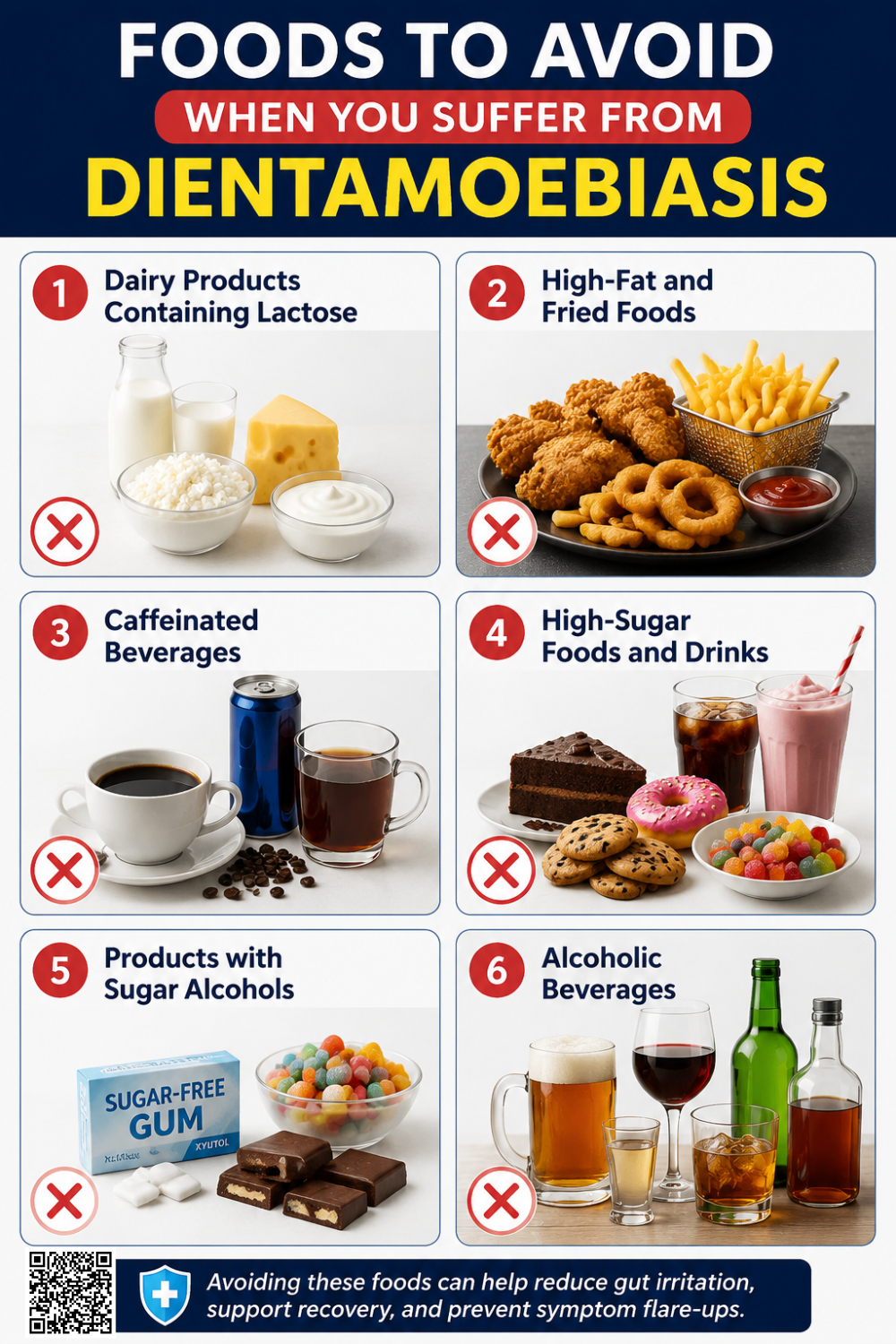
1. Dairy Products Containing Lactose
Intestinal infections frequently cause temporary lactose intolerance. Consuming milk or cheese can worsen diarrhea, bloating, and gas until the digestive tract fully heals 27.
2. High-Fat and Fried Foods
Greasy and fried meals are difficult for an inflamed stomach to process. Dietary fats frequently trigger severe abdominal cramping and accelerate bowel movements during active parasitic infections.
3. Caffeinated Beverages
Caffeine actively stimulates the digestive system. Drinking coffee or strong tea increases bowel motility, which directly worsens infectious diarrhea and accelerates harmful fluid loss.
4. High-Sugar Foods and Drinks
Items containing large amounts of simple sugars, like commercial fruit juices and candies, draw excess water into the intestines. This process significantly exacerbates watery diarrhea.
5. Products with Sugar Alcohols
Artificial sweeteners found in sugarless gum and diet candies often act as strong laxatives. Ingesting these compounds severely aggravates intestinal distress and prolongs infectious diarrhea.
6. Alcoholic Beverages
Alcohol acts as a gastrointestinal irritant and a diuretic. Consuming it while recovering from an intestinal parasite inflames the stomach lining and dangerously accelerates physical dehydration.
When To see Doctor when you suffer from Dientamoebiasis
1. Persistent Diarrhea
Seek medical evaluation if your diarrhea lasts longer than two days, as chronic symptoms are typical of this parasitic infection and require specialized prescription treatment 28.
2. Signs of Severe Dehydration
Contact a doctor immediately if you experience dangerous dehydration symptoms, such as extreme thirst, dry mouth, dark-colored urine, or dizziness upon standing.
3. Intense Abdominal Pain
Visit an emergency room or clinic if you develop severe, unbearable stomach cramps or intense pain in your abdomen or rectum that does not improve.
4. Bloody or Black Stools
Get immediate medical attention if your bowel movements contain visible blood, pus, or appear black and tarry, as this indicates severe intestinal damage or advanced infection.
5. High Fever
Schedule a doctor’s appointment if your gastrointestinal symptoms are accompanied by a persistent fever measuring 102 degrees Fahrenheit (38.9 degrees Celsius) or higher.
6. Unexplained Weight Loss
Consult a healthcare provider if ongoing digestive distress causes you to lose a significant amount of weight without trying, as this requires prompt clinical investigation.
Comments
comments