

Causes of Dry Mouth
Understanding the origins of diminished salivary flow requires looking at a wide array of internal and external factors that disrupt normal glandular function.
1. Medication Side Effects
Taking certain prescription or over-the-counter drugs stands as the most frequent trigger for reduced salivary production. Hundreds of common pharmacological agents especially those formulated to treat high blood pressure, depression, severe anxiety, and seasonal allergies carry anticholinergic properties that block the nerve signals instructing the glands to produce moisture 3.
2. Autoimmune and Systemic Diseases
The body’s immune system can sometimes mistakenly attack its own moisture-producing tissues, a hallmark of conditions like Sjögren’s syndrome. Additionally, metabolic disorders such as poorly controlled diabetes mellitus and infectious diseases like HIV/AIDS frequently alter the body’s fluid balance and directly impair exocrine gland capabilities 5.
3. Oncological Radiation Therapy
Patients undergoing targeted cancer treatments for tumors located in the head and neck region often experience unavoidable radiation exposure to their major salivary glands. This intense energy damages the delicate acinar cells responsible for secreting saliva, causing the fluid to become excessively thick and reducing overall volume significantly 2.
4. Chemotherapy and Immunotherapy
Systemic cancer fighting drugs frequently alter the natural composition of oral fluids. While this effect is sometimes temporary, the chemical agents create a highly viscous, stringy saliva that fails to properly lubricate the tissues, leaving the mouth feeling raw and parched 6.
5. Neurological Trauma
Sustaining an injury to the head or neck area, or undergoing complex surgical procedures, can sometimes sever or bruise the specific cranial nerves that communicate with the salivary network. Without these vital electrical impulses, the glands remain inactive regardless of how hydrated the body might be.
6. Systemic Dehydration
Failing to consume adequate daily fluids, suffering from a high fever, or experiencing severe gastrointestinal distress like vomiting and diarrhea strips the body of its water reserves. In response, the body conserves its remaining fluid, drastically cutting back on secondary functions like saliva production to protect vital organs 7.
Symptoms of Dry Mouth
Recognizing the onset of hyposalivation involves identifying a specific constellation of uncomfortable physical sensations and visible changes within the oral cavity.
- A persistent, sticky, or entirely dry sensation coating the tongue, gums, and roof of the mouth.
- Noticeable difficulty when attempting to chew, swallow, or speak smoothly, particularly when consuming dry or crumbly foods 3.
- An uncomfortable burning or itchy sensation centralized in the mouth or radiating down the throat.
- Saliva that appears visibly thickened, stringy, or unusually viscous rather than watery and clear.
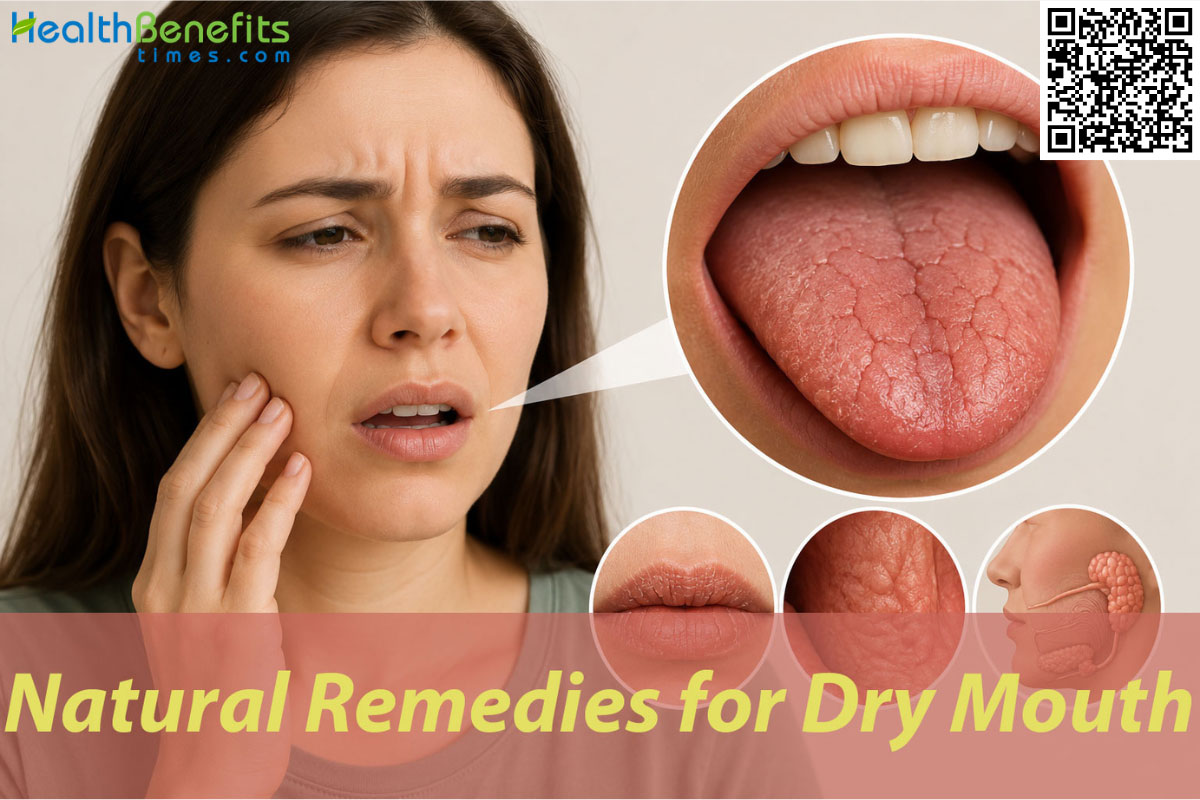
- A rough, reddened, or deeply fissured appearance on the surface of the tongue, occasionally described as looking “hairy” 2.
- Lips that remain chronically cracked, peeling, or persistently chapped despite the frequent application of balms.
- A diminished or drastically altered sense of taste, alongside a sudden intolerance for highly acidic, salty, or spicy culinary preparations.
- The recurrent development of painful oral sores or fungal yeast infections, specifically candidiasis, across the mucosal lining 8.
- Frequent episodes of bad breath, medically termed halitosis, resulting from the unchecked proliferation of sulfur-producing oral bacteria.
- An inability to comfortably retain dentures or other removable prosthetics due to the lack of a lubricating fluid barrier against the gums.
Dry Mouth Facts
| Features and Clinical Demographics | Physiological and Environmental Considerations |
Symptoms
|
Causes
|
Types of Dry Mouth
|
How it spreads
|
Age Group
|
You might be at a higher risk if you:
|
How doctors diagnose
|
Other facts
|
Natural Remedies for Dry Mouth
Nature provides an abundance of botanical and organic compounds that have been historically utilized to soothe irritated mucous membranes and stimulate moisture production. When you explore natural alternatives, you may discover that certain plant-based remedies offer gentle, consistent relief without the harsh side effects occasionally associated with synthetic pharmaceutical stimulants.
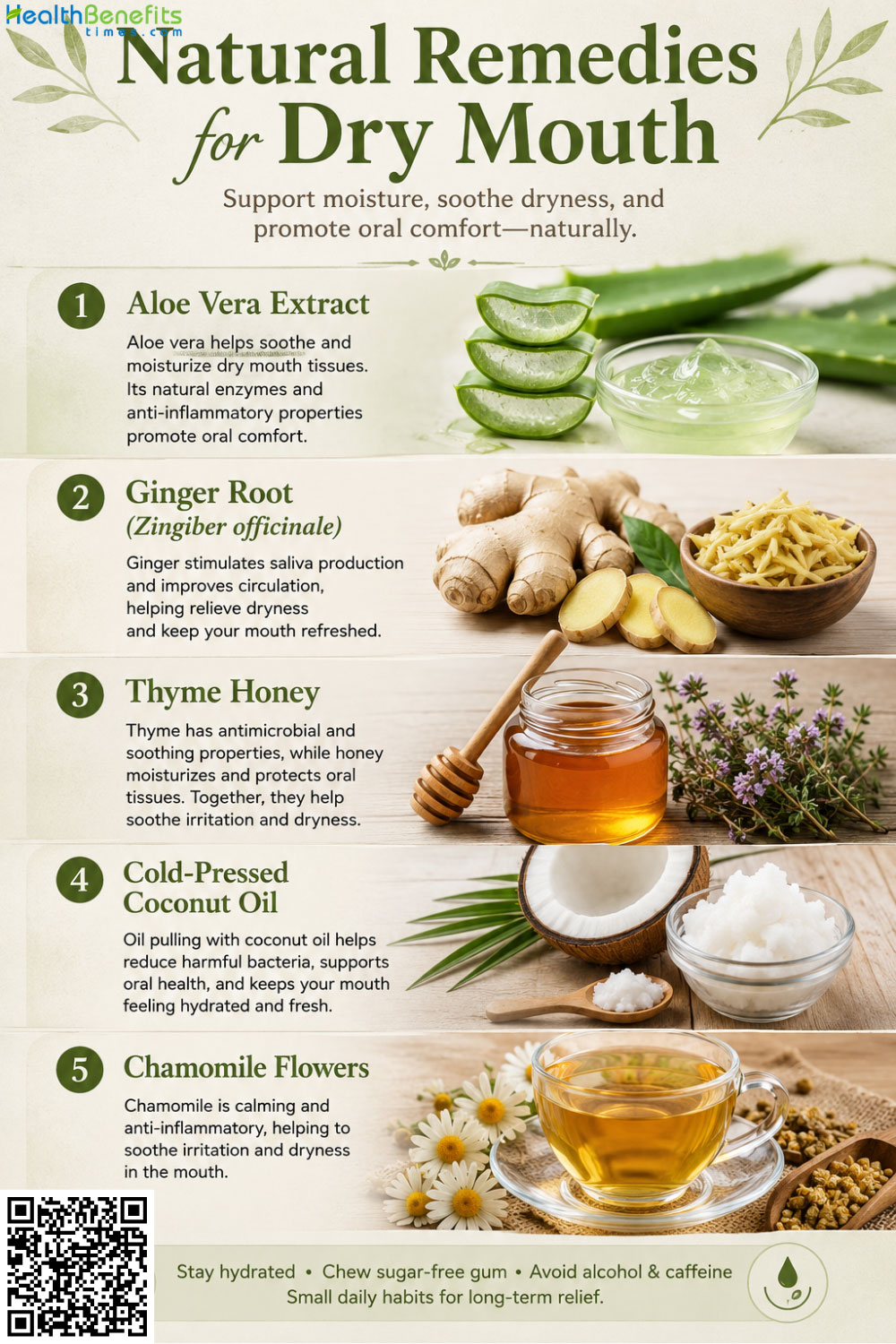
1. Aloe Vera Extract
Cultivated for millennia across arid regions, the fleshy leaves of the aloe vera plant contain a deeply hydrating, viscous gel rich in mucopolysaccharides. These specific complex carbohydrates possess an exceptional ability to bind with water and create a soothing, protective film over irritated biological tissues. When you apply aloe vera to a dry oral cavity, it acts as a highly effective natural saliva substitute that immediately relieves burning sensations 10. The natural anti-inflammatory properties inherent in the plant help calm the microscopic tissue damage that occurs when your mouth remains chronically unlubricated. Because of its thick texture, it provides a much longer-lasting moisturizing effect than simply sipping plain water, making it highly beneficial if you frequently wake up with a severely parched throat.
Note: It is commonly used as a pure, food-grade organic juice swished thoroughly around the mouth for one minute before spitting or swallowing, acting as a direct mucosal moisturizer.
2. Ginger Root (Zingiber officinale)
Revered in traditional Eastern botanical practices, the fibrous root of the ginger plant acts as a powerful natural sialogogue a substance that actively provokes the secretion of saliva. The active phytochemicals within the root, specifically gingerols and shogaols, directly stimulate the sensory trigeminal nerve endings located on the surface of your tongue and inner cheeks. Once you introduce these compounds to the mouth, your nerves send immediate signaling cascades to the brain, which in turn commands your parotid and submandibular glands to release a fresh surge of watery saliva 11. Beyond its mechanical stimulation of fluid, ginger provides a gentle antimicrobial effect, which helps suppress the overgrowth of harmful bacteria that typically thrive in a dry, unwashed oral environment.
Note: It is commonly applied by chewing on a small, thin slice of fresh peeled root or used daily as a potent, unsweetened herbal tea for internal hydration and salivary stimulation.
3. Thyme Honey
Harvested by bees foraging on wild thyme shrubs, this specific classification of honey carries unique therapeutic properties that set it apart from standard commercial sweeteners. Thyme honey contains a high concentration of organic bioactive compounds, antibacterial enzymes, and natural humectants that actively draw moisture into the tissues. When you use thyme honey, it leaves a microscopic, deeply hydrating barrier across your oral tissues that prevents the rapid evaporation of whatever natural saliva you still manage to produce 12. Its natural viscosity allows it to adhere closely to the back of your throat, offering extended relief from the scratchy, irritable feelings associated with nighttime dryness.
Note: It is commonly eaten by allowing a half-teaspoon to slowly melt on the back of the tongue without chewing, functioning as a soothing, slow-release throat coat.
4. Cold-Pressed Coconut Oil
Extracted mechanically from the meat of mature coconuts without the use of high heat or chemical solvents, cold-pressed coconut oil is composed of medium-chain triglycerides, primarily lauric acid. This saturated fat structure makes it exceptionally stable and highly beneficial for protecting your oral tissue health. When you utilize coconut oil in the mouth, its lipid-rich profile acts as an intense mechanical lubricant, significantly reducing the painful friction between your tongue, teeth, and cheeks 13. Because water and oil do not mix, the oil creates a hydrophobic seal over your mucosal tissues, trapping the tissue’s internal moisture and preventing the ambient air from drying out your mouth.
Note: It is commonly applied through a practice known as “oil pulling,” where a tablespoon of the solidified oil is gently swished throughout the oral cavity for ten to fifteen minutes before being discarded in a waste bin.
5. Chamomile Flowers
Delicate, daisy-like chamomile flowers yield essential oils featuring compounds such as bisabolol, apigenin, and chamazulene, which are universally recognized for their profound calming and tissue-healing capabilities. When you suffer from a dry mouth, the lack of salivary protection often leaves your gums and tongue vulnerable to microscopic abrasions and chronic, low-grade inflammation. Chamomile serves dual purposes: it acts as a mild, hydrating astringent that tones your swollen oral tissues, and it operates systemically to reduce anxiety. Because stress can trigger your autonomic nervous system to halt saliva production, calming your central nervous system with chamomile can indirectly help restore your baseline moisture levels 14.
Note: It is commonly used by brewing the dried flowers into a strong, lukewarm tea, which is then used as a gentle, hydrating mouth rinse applied several times throughout the day.
Is there any exercise or physical activities for Dry Mouth
Human anatomy allows for the deliberate mechanical manipulation of the muscles and glands surrounding the oral cavity to encourage physiological responses. When you engage in targeted neuromuscular movements, you can actively prompt dormant glands to release fluid and improve the overall functional health of your mouth and throat architecture.
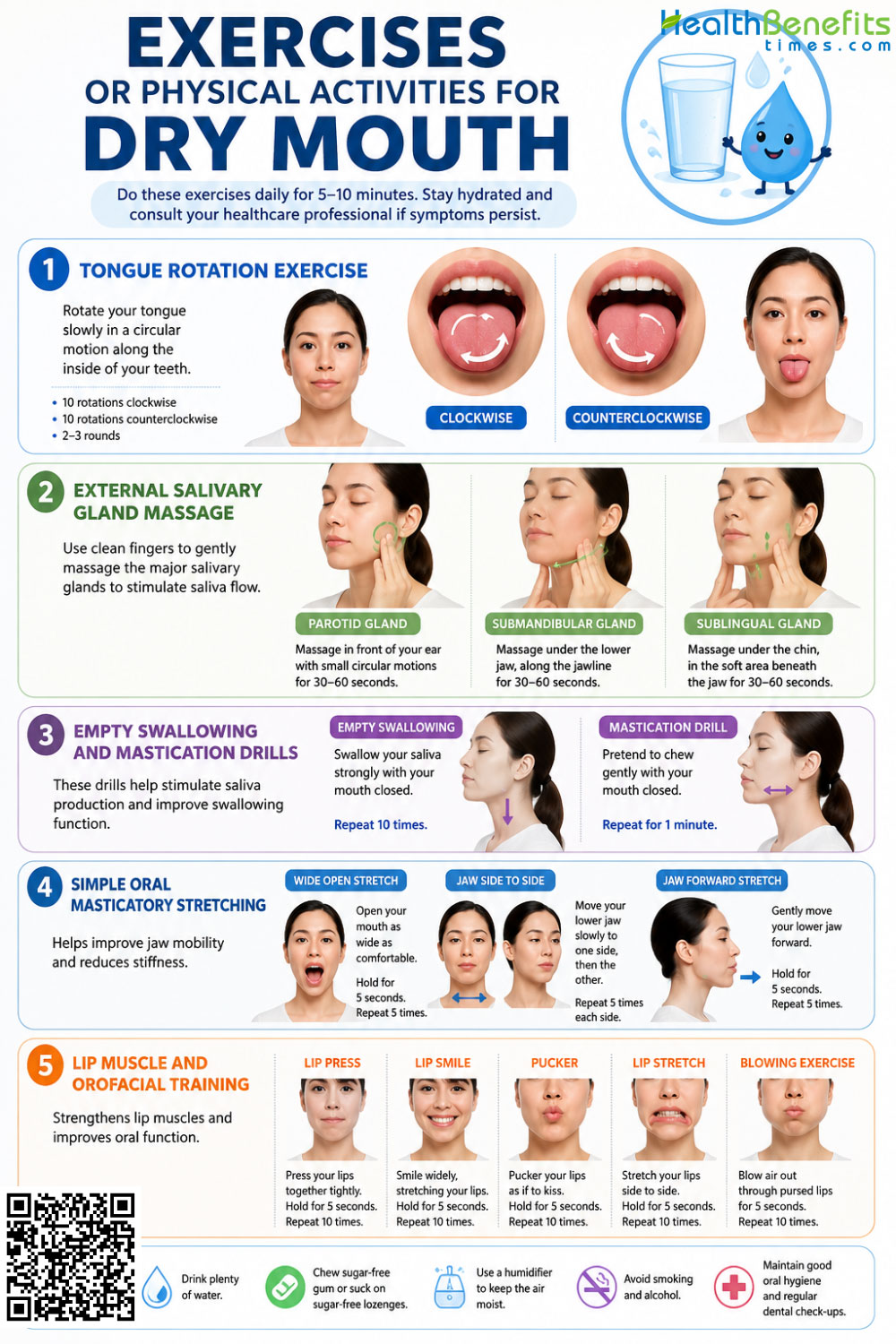
1. Tongue Rotation Exercise
The intricate musculature of the tongue is intimately connected to the floor of the mouth, an area housing the sublingual and submandibular salivary glands. By engaging these muscles through deliberate, sweeping motions, you generate internal mechanical pressure against the underlying glandular tissue. As your tongue moves, it physically compresses the small ducts responsible for transporting saliva into the mouth, effectively squeezing out trapped fluid much like wringing a sponge 15. Furthermore, this continuous movement stimulates your parasympathetic nervous system, leading to a natural decrease in salivary stress hormones and an immediate increase in watery salivary volume.
Note: To do this, press the tip of your tongue firmly against the inside of your lips and slowly trace a full, uninterrupted circle along the outer surface of your teeth, repeating the rotation five times in each direction.
2. External Salivary Gland Massage
The largest salivary producers, your parotid glands, sit just in front of the ears, while the submandibular glands are tucked beneath the curve of your lower jawbone. Because these glands act as reservoirs for saliva, manual manipulation from the outside of your face can assist in expressing pooled fluid into your oral cavity. When you apply localized, gentle pressure to these specific anatomical regions, the physical force encourages blood flow to the glandular tissue, supplying the cells with the oxygen and nutrients needed to manufacture saliva 16. This technique physically pushes any stagnant or thickened saliva out through the microscopic ducts, priming your mouth perfectly before eating.
Note: To do this, place the flat pads of your index and middle fingers slightly in front of your earlobes, applying firm, sweeping circular pressure downward along the jawline for two uninterrupted minutes.
3. Empty Swallowing and Mastication Drills
The simple act of chewing and swallowing operates on a complex reflex loop that signals your brain to prepare for digestion. When you simulate the act of eating without actual food present, your body’s autonomic sensors are still triggered into action. The rhythmic up-and-down movement of your jawbone, combined with the muscular contractions required to perform a hard swallow, sends strong signals to the salivary control centers in your brain stem. Your brain responds to this phantom chewing by initiating a robust release of saliva to aid in what it perceives as impending food consumption 17.
Note: To do this, close your teeth together gently and perform an exaggerated, forceful chewing motion for one minute, immediately followed by gathering whatever moisture is present and swallowing as forcefully as possible.
4. Simple Oral Masticatory Stretching
Deterioration in chewing efficiency often accompanies dry mouth, creating a frustrating cycle where a lack of fluid makes eating difficult, and a lack of eating leads to glandular atrophy. By actively engaging your jaw in wide, purposeful opening and closing routines, you stretch the temporal and masseter muscles alongside the inner cheeks. When you maximize this stretch, it temporarily alters the physical dimensions of the oral cavity, creating subtle internal pressure shifts. These pressure shifts help dislodge thick, mucous-heavy saliva that often clings stubbornly to the back of your throat and the roof of your mouth 18.
Note: To do this, open your mouth as wide as comfortably possible, hold the extreme stretch for five seconds, and then slowly and deliberately close the jaw, repeating the sequence ten times.
5. Lip Muscle and Orofacial Training
The muscles framing your mouth, primarily the orbicularis oris, play a critical role in maintaining proper oral posture and securing an airtight seal while resting. When you suffer from poor lip seal strength, your mouth naturally falls open, especially during sleep, resulting in rapid moisture evaporation. By intentionally training and strengthening your lip and cheek muscles, you enforce proper nasal breathing habits. Once your lips are firmly closed, the internal oral environment is completely shielded from the desiccating effects of ambient room air, minimizing airflow across your saliva pool and maintaining your natural lubrication 19.
Note: To do this, press your lips tightly together while simultaneously pulling the corners of your mouth back into an exaggerated, forceful smile, holding the tension for ten seconds before relaxing.
Foods and Activities to Avoid
Maintaining oral moisture is not just about adding hydration; it requires a strict avoidance of elements known to strip the mouth of its existing defenses. Certain dietary habits and lifestyle choices can severely exacerbate your symptoms and rapidly undo the benefits of any natural remedies you apply.
Foods to Avoid When You Suffer from Dry Mouth
1. Caffeinated Beverages
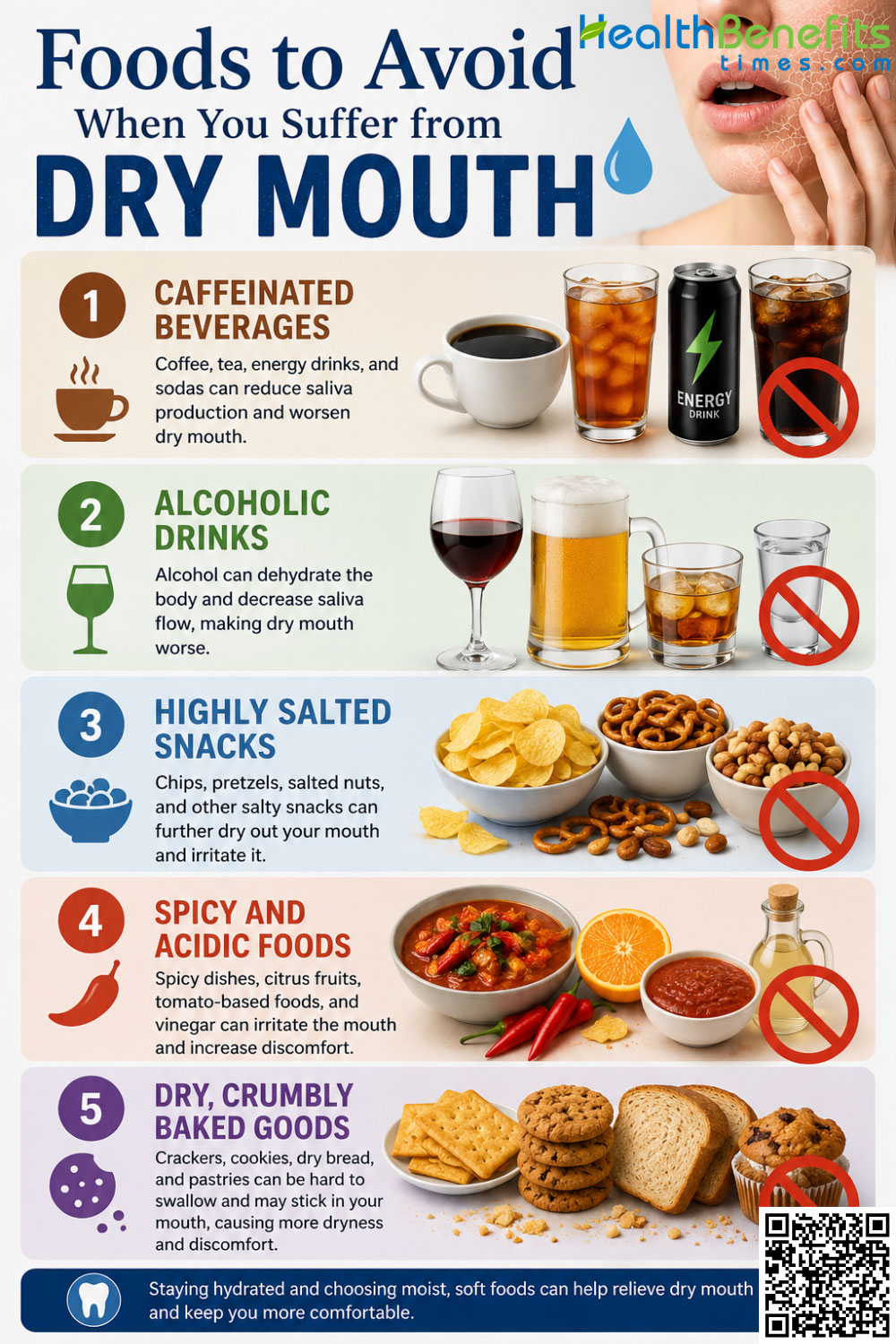
Coffee, traditional black teas, and energy drinks act as mild systemic diuretics that prompt your kidneys to excrete water. This systemic fluid loss directly diminishes the volume of water available for your salivary glands to process into saliva 20.
2. Alcoholic Drinks
Alcohol is a notorious drying agent and a harsh astringent that rapidly denatures the protective proteins found in natural saliva. Consuming liquor, wine, or beer actively strips your mucous membranes of their moisture barrier, leaving tissues highly vulnerable to microscopic tearing.
3. Highly Salted Snacks
Pretzels, salted nuts, and heavily processed chips require a massive amount of saliva to break down into a swallowable mass. The high sodium concentration actively draws water out of your oral tissues through osmosis, immediately intensifying the sensation of a parched mouth.
4. Spicy and Acidic Foods
Culinary dishes containing hot chili peppers or high citric acid content can cause intense physical pain to a mouth lacking a protective salivary coating. These compounds irritate your exposed nerve endings, causing a severe burning sensation and potential ulceration 3.
5. Dry, Crumbly Baked Goods
Crackers, dry toast, and plain biscuits absorb ambient moisture instantly. Attempting to consume these without adequate saliva creates a significant choking hazard and leaves abrasive particles adhered to the roof of your mouth and throat.
Activities to Avoid When You Suffer from Dry Mouth
1. Tobacco Consumption
Smoking cigarettes, cigars, or using smokeless tobacco introduces extreme heat and thousands of toxic, desiccating chemicals directly to your oral mucosa. The smoke actively impairs your salivary glands’ ability to function and significantly reduces oxygen flow to your delicate gum tissues 21.
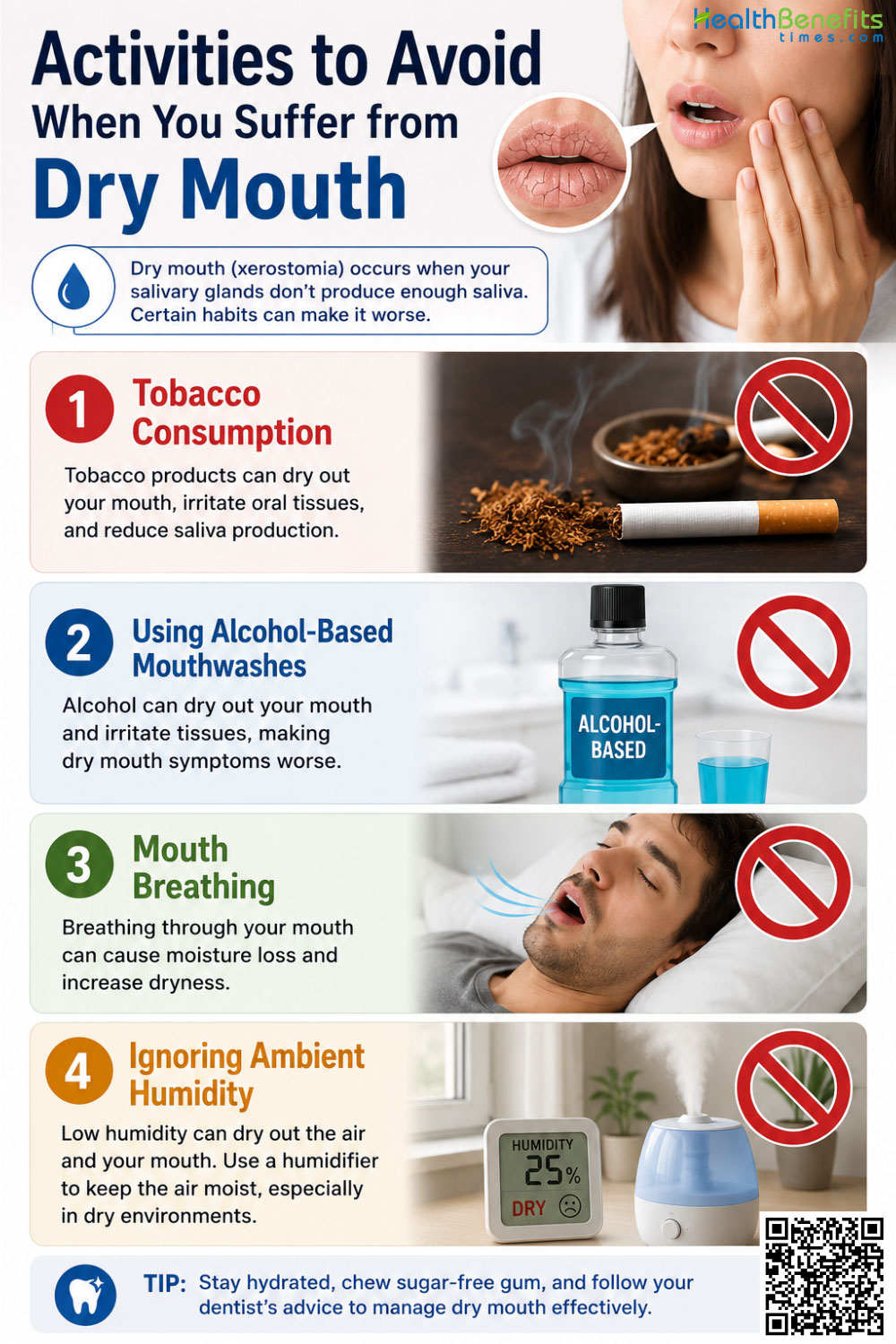
2. Using Alcohol-Based Mouthwashes
Many commercial dental rinses contain high percentages of ethanol designed to kill bacteria. In a dry mouth, this alcohol evaporates instantly, taking your remaining tissue moisture with it and causing an intense, painful stinging sensation across your gums.
3. Mouth Breathing
Engaging in chronic mouth breathing during physical exertion or while at rest creates a wind-tunnel effect over your tongue and palate. You should avoid situations that prevent proper nasal breathing, as constant airflow is the fastest way to evaporate any residual oral moisture.
4. Ignoring Ambient Humidity
Spending extensive time in highly air-conditioned rooms or heavily heated environments strips the ambient air of essential water vapor. Breathing this hyper-dry air pulls moisture directly from your respiratory tract and oral cavity.
Myths and Misconceptions
| Myth | Reality |
| Dry mouth is just a normal, unavoidable part of getting older. | While commonly observed in the elderly, oral dryness is not caused directly by chronological aging. It is primarily a consequence of older adults taking multiple systemic medications or suffering from age-related chronic illnesses that impair normal glandular function. |
| Drinking massive amounts of water will permanently cure a dry mouth. | Drinking water provides necessary systemic hydration and temporary topical relief, but water lacks the glycoproteins and mucins found in natural saliva. It cannot recreate the lasting, lubricating, and infection-fighting barrier that actual saliva provides to the teeth and gums. |
| If your mouth feels dry, your salivary glands must be completely broken or destroyed. | Many individuals report profound symptoms of dryness even when clinical testing shows their salivary glands are producing a completely normal volume of fluid. The sensation can be triggered by sensory nerve dysfunction, altered saliva composition, or psychological anxiety. |
| Sucking on highly acidic candies like lemon drops is the best way to make saliva. | While intense citrus flavors do provoke a strong salivary response, exposing unprotected tooth enamel to high concentrations of acid and sugar in a dry mouth dramatically accelerates enamel erosion and guarantees the rapid formation of severe dental cavities. |
| Oral dryness is only an annoying inconvenience and has no serious health impacts. | Chronic lack of saliva is a serious medical issue that fundamentally alters oral health. It drastically increases the risk of severe periodontal disease, rampant fungal infections, nutritional deficiencies due to an inability to eat, and a significant decline in overall quality of life. |
Special Considerations
When assessing and managing oral dryness, specific demographics require specialized analytical lenses. Age, hormonal fluctuations, and underlying systemic health states drastically alter how the condition manifests and how it must be safely treated by professionals.
1. Children
Pediatric populations rarely suffer from standard medication-induced xerostomia. When a child presents with profound oral dryness, it usually signals an underlying, unmanaged metabolic issue or severe respiratory anatomy obstruction. Children with poorly controlled type 1 diabetes may experience dryness due to massive systemic fluid loss via frequent urination 24. Furthermore, pediatric patients suffering from enlarged tonsils or adenoids are frequently forced into chronic mouth breathing, heavily desiccating their oral tissues at night. Careful pediatric assessment must avoid strong herbal sialogogues; instead, management should focus heavily on resolving the root respiratory or metabolic cause while ensuring consistent, plain water hydration.
2. Pregnancy
The physiological landscape of a woman undergoes massive transformations during gestation. Hormonal surges, particularly elevated estrogen and progesterone, can alter the chemical composition of saliva, occasionally making it feel thicker or less effective at lubricating the mouth. Additionally, the nausea and vomiting associated with morning sickness can lead to rapid systemic dehydration, directly halting normal salivary flow. Some pregnant individuals may develop gestational diabetes or rare conditions like gestational diabetes insipidus, which disrupt vasopressin enzymes and lead to excessive fluid loss and profound, unquenchable thirst 25. Pregnant women must utilize gentle, natural remedies like aloe or chamomile while avoiding any botanical supplements that might inadvertently induce uterine contractions.
3. Chronic Conditions
Populations managing long-term systemic illnesses face a compounded struggle against oral dryness. Individuals navigating the complexities of autoimmune disorders like systemic lupus erythematosus, rheumatoid arthritis, or primary Sjögren’s syndrome endure a reality where their own immune cells slowly destroy the salivary architecture. In these chronic states, the glands undergo irreversible fibrosis and structural scarring. Those utilizing natural remedies in the presence of these complex illnesses must prioritize mucosal protection and bacterial biofilm disruption, as their natural immune defenses in the oral cavity are severely compromised, leading to an incredibly high risk of advanced periodontal decay.
4. Elderly
The geriatric demographic represents the largest segment of individuals suffering from profound oral dryness. As the body ages, there is a natural, mild atrophy of the exocrine glands, but the devastating dryness seen in the elderly is almost universally iatrogenic—meaning it is caused by medical treatments. The elderly frequently manage hypertension, cardiac issues, incontinence, and depression simultaneously, resulting in a daily intake of multiple anticholinergic and diuretic medications 26. The compounding side effects of this polypharmacy utterly shut down salivary signaling pathways 27. Because fragile elderly tissues are prone to tearing and infection, aggressive hydration and gentle mechanical lubrication such as cold-pressed coconut oil are paramount to prevent the catastrophic failure of natural dentition or severe discomfort under acrylic dentures.
Precaution before use of natural remedies when you have Dry Mouth
Natural does not inherently mean harmless, particularly when the protective barrier of the mouth is compromised. When you decide to introduce botanical or organic treatments to a severely dry oral cavity, you must exercise stringent caution to prevent unintended tissue damage or dangerous systemic complications.
- Consult Regarding Herbal-Drug Interactions: Before you consume large quantities of herbal teas or extracts like ginger or chamomile, you must verify that they do not interact with your current prescription medications. Many natural compounds can either magnify or inhibit the absorption of pharmaceutical drugs, particularly blood thinners and blood pressure regulators.
- Monitor for Allergic Sensitivities: Because your oral mucosa lacks the protective washing effect of saliva, any allergens introduced to the mouth will linger on the tissues much longer. You should perform a minor patch test on your skin or use a very small amount orally to ensure you do not have an underlying allergy to plants like aloe vera or specific pollens found in raw honey.
- Beware of High Carbohydrate and Sugar Content: If you use honey or natural fruit extracts to stimulate saliva, you must remain acutely aware of the sugar content. Introducing fermentable carbohydrates to a dry mouth creates an optimal breeding ground for acid-producing bacteria, rapidly accelerating the development of severe dental caries.
- Avoid Acidic Natural Stimulants: While natural malic acid found in tart apples can effectively stimulate saliva, you should use extreme caution. Applying fruit acids directly to unlubricated teeth causes rapid chemical erosion of the calcium in your tooth enamel, permanently damaging the structural integrity of your teeth 28.
- Ensure Purity of Essential Oils: If you are utilizing coconut oil or creating herbal rinses, you must ensure the products are food-grade and free of synthetic additives or hidden alcohols. Introducing impure, cosmetic-grade oils into a vulnerable mouth can lead to severe chemical burns or toxic ingestion.
When to see Doctor
While natural management strategies offer significant relief for mild to moderate symptoms, there is a distinct clinical threshold where professional medical intervention becomes absolutely critical. You should abandon self-care protocols and immediately schedule a comprehensive evaluation with a healthcare provider or dental specialist if you experience specific alarming symptoms.
- If you experience an absolute inability to swallow dry food, leading to sudden, unintentional weight loss or frequent episodes of choking during routine meals 29.
- If you observe the sudden development of thick, cottage-cheese-like white patches clinging to your tongue, inner cheeks, or the roof of your mouth, indicating a severe fungal infection known as oral thrush.
- If you notice a rapid, devastating breakdown of your teeth, particularly observing dark, soft cavities forming directly at the gum line across multiple teeth simultaneously.
- If your oral dryness is accompanied by a severe, gritty feeling in your eyes, joint pain, and profound fatigue, which are the hallmark systemic indicators of an undiagnosed autoimmune condition like Sjögren’s syndrome.
- If you develop hard, painful, and visibly swollen lumps underneath your jaw or in front of your ears that do not resolve with gentle parotid massage, suggesting a calcified salivary stone or a severe bacterial gland infection 30.
- If the physical pain in your mouth becomes constant, transitioning from a mild annoyance to a severe burning sensation that prevents you from sleeping or speaking clearly for an extended period.
Comments
comments